
Tourist attractions in London
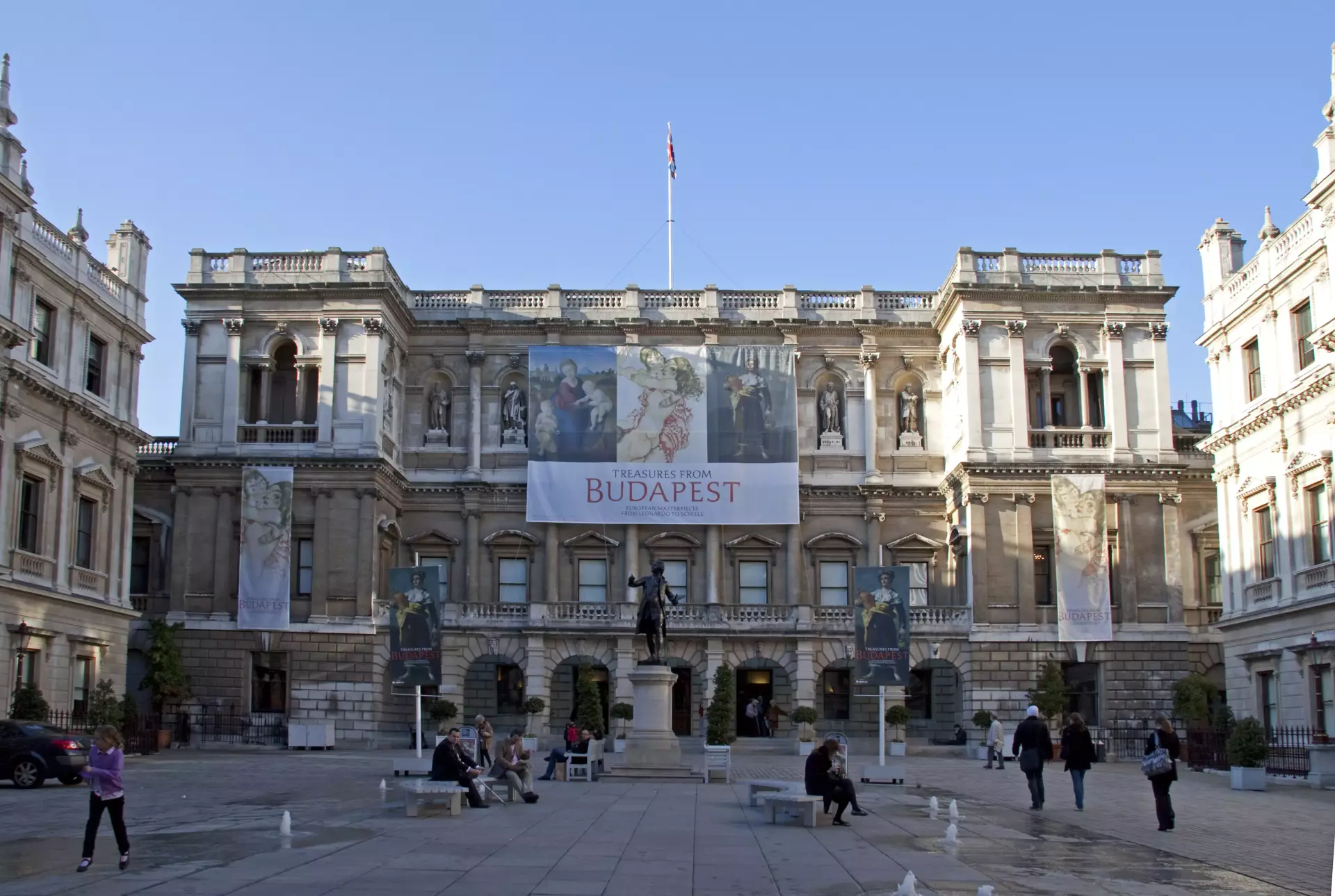
The Royal Academy of Arts
London, Great BritainThe Royal Academy no longer has a permanent exhibition space, instead hosting art exhibitions. Notable exhibitions have included the paintings of Monet, contemporary art associated with the theme of apocalypse, and Aztec art. Each Summer, the Royal Academy plays host to a Summer Exhibition, displaying 1,200 new works by established and new artists selected by the academy, most of which are available for visitors to buy. Each member has to donate a work of art, so over the years, the academy has built a sizable collection. Exhibitions are invariably excellent, and it is worth paying for audio guides, if they are not included. Visitors should book tickets in advance, as exhibitions are often very popular – particularly shortly after opening.
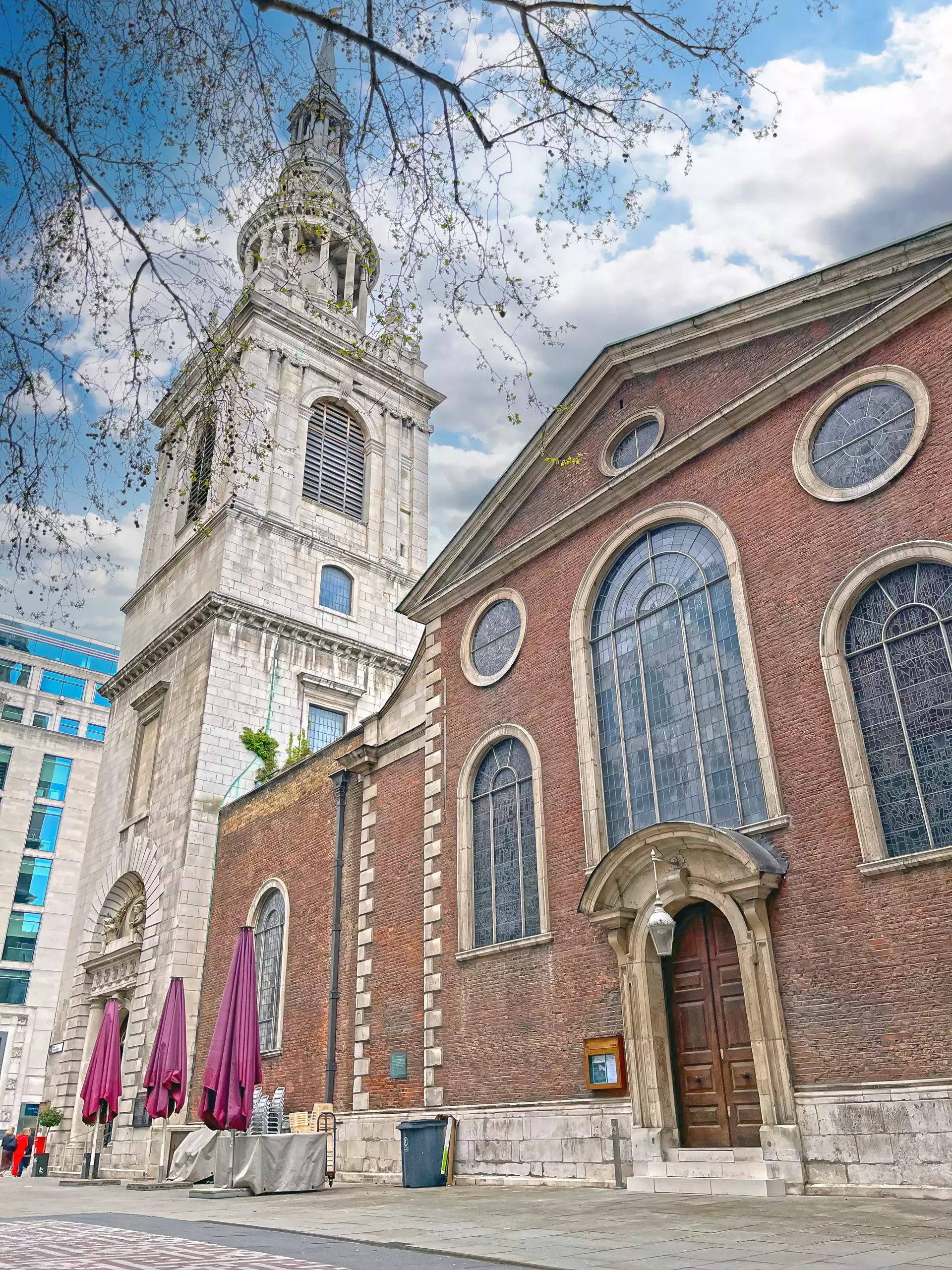
St Mary le Bow
London, Great Britain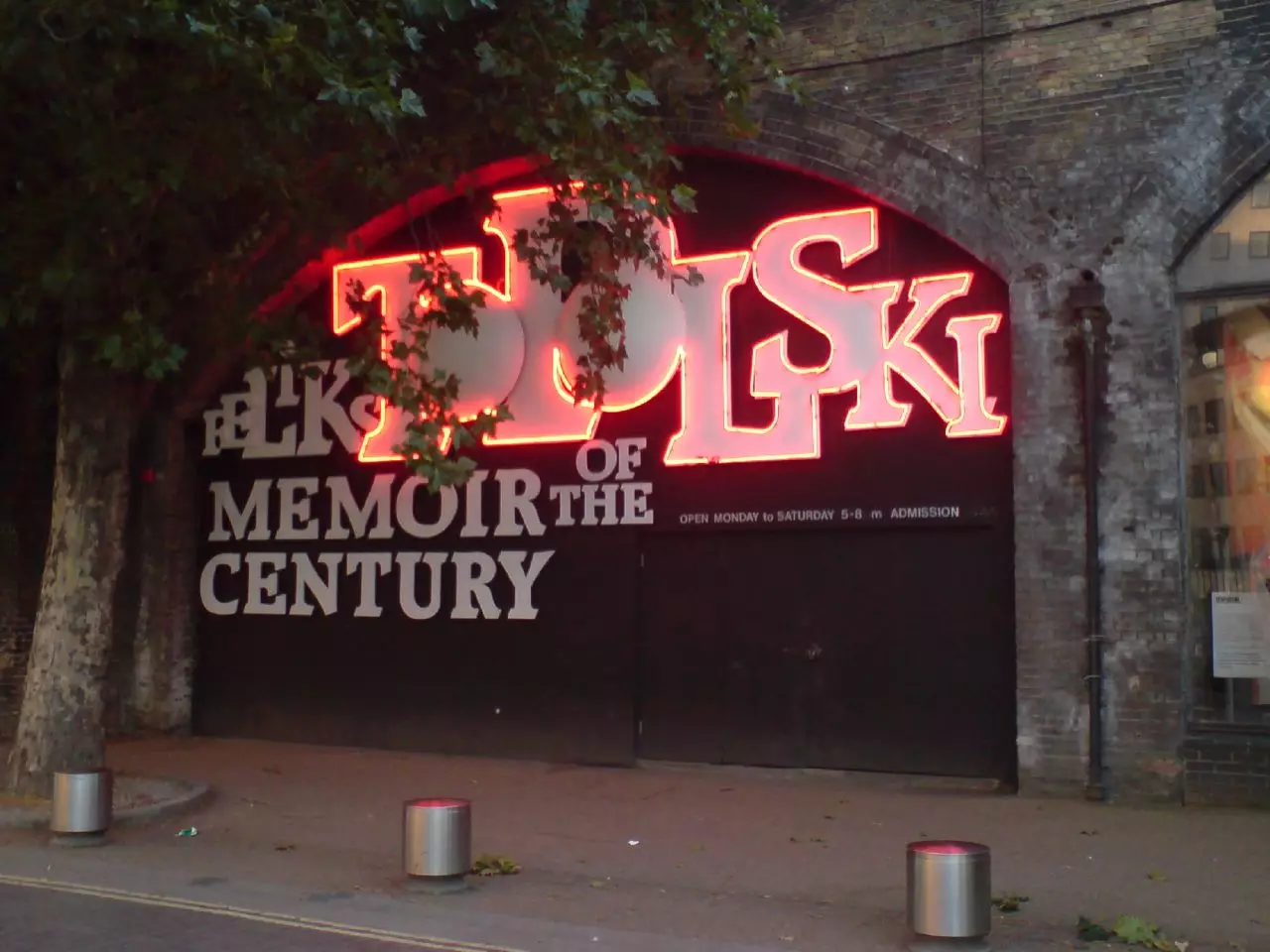
Topolski Century
London, Great Britain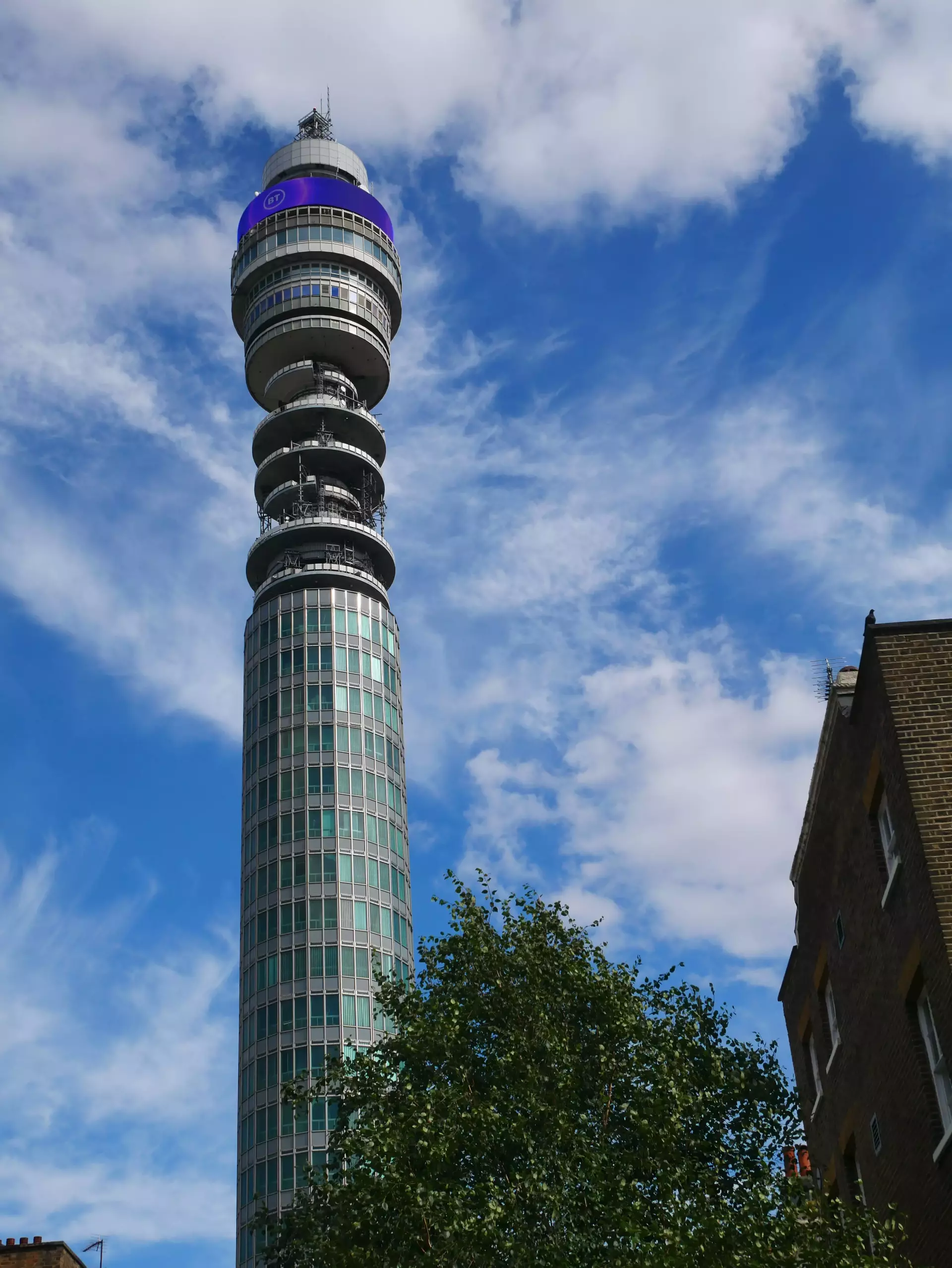
British Telecom Tower
London, Great Britain191-m (627-ft) skyscraper can be seen from far away and is the sixth highest building in UK.
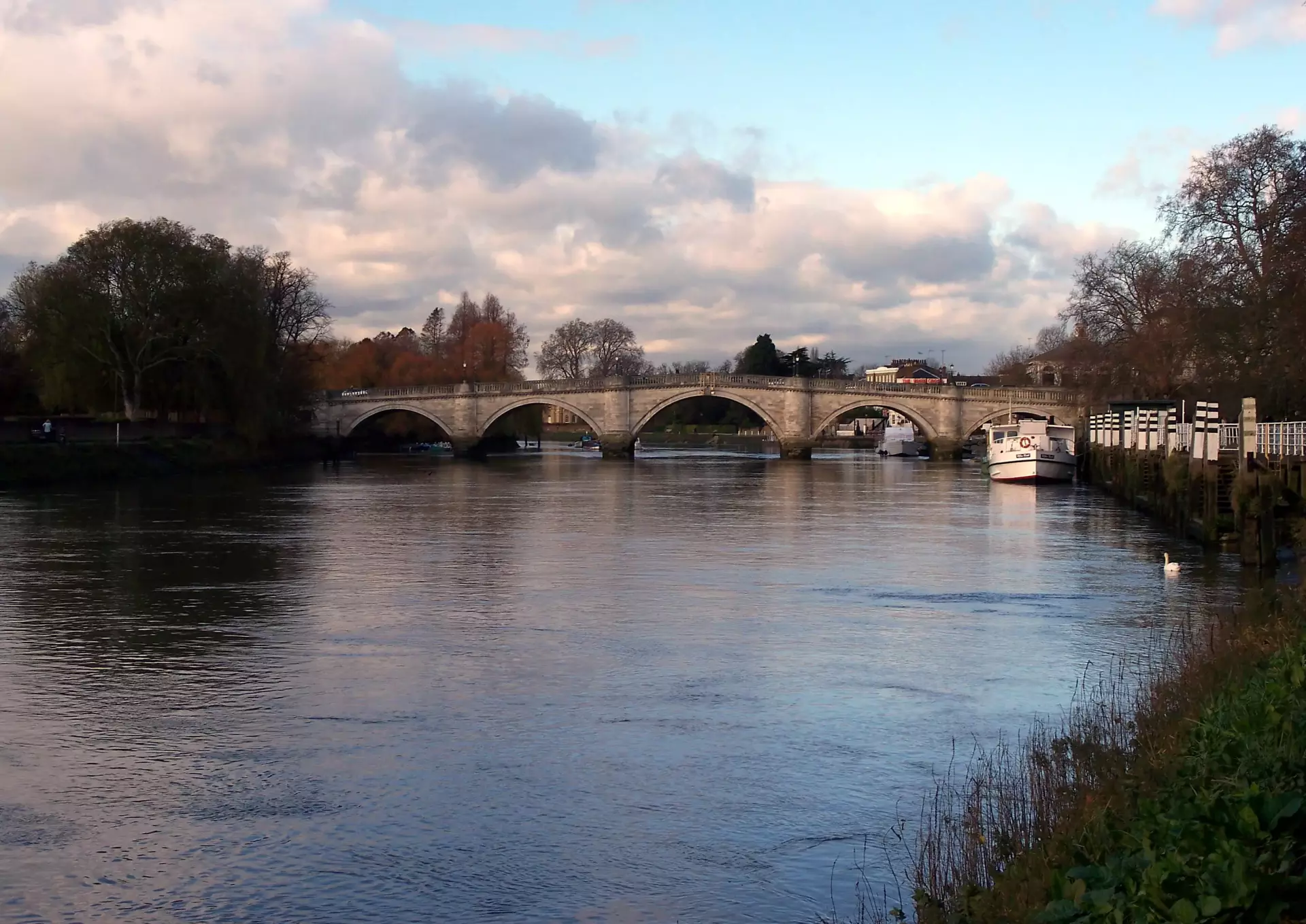
Richmond Bridge
London, Great BritainFine stone bridge linking Twickenham/St Margarets with Richmond. It is the oldest surviving Thames bridge in London, dating from 1777.
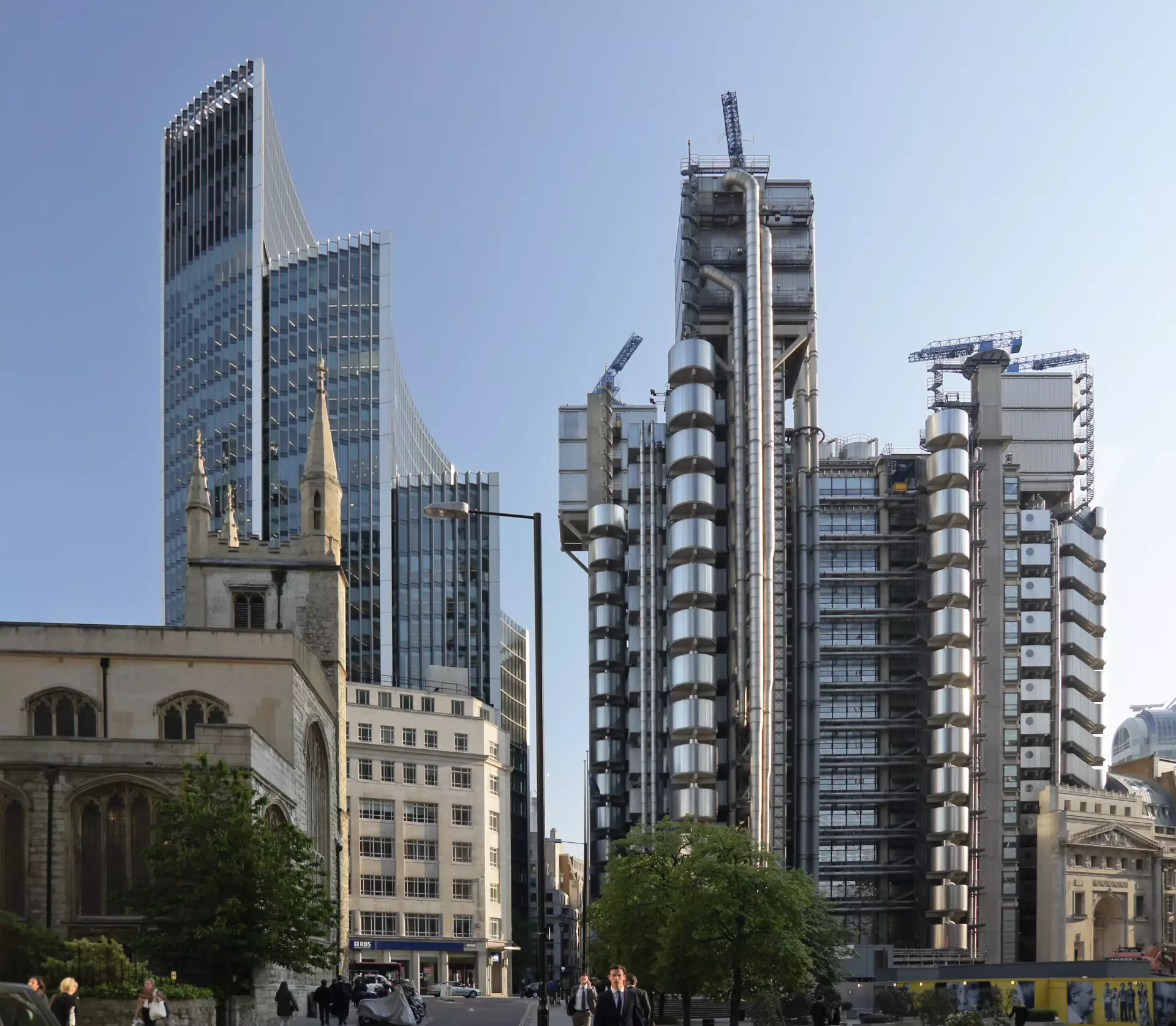
Lloyds of London
London, Great BritainThe headquarters of world's most famous insurance market, housed in a revolutionary (at the time) bizarre, Matrix-like glass-and-steel building designed by Richard Rogers, with all support services (lifts, ventilation, etc.) suspended outside. Recognised as a masterpiece of exoskeleton architecture.
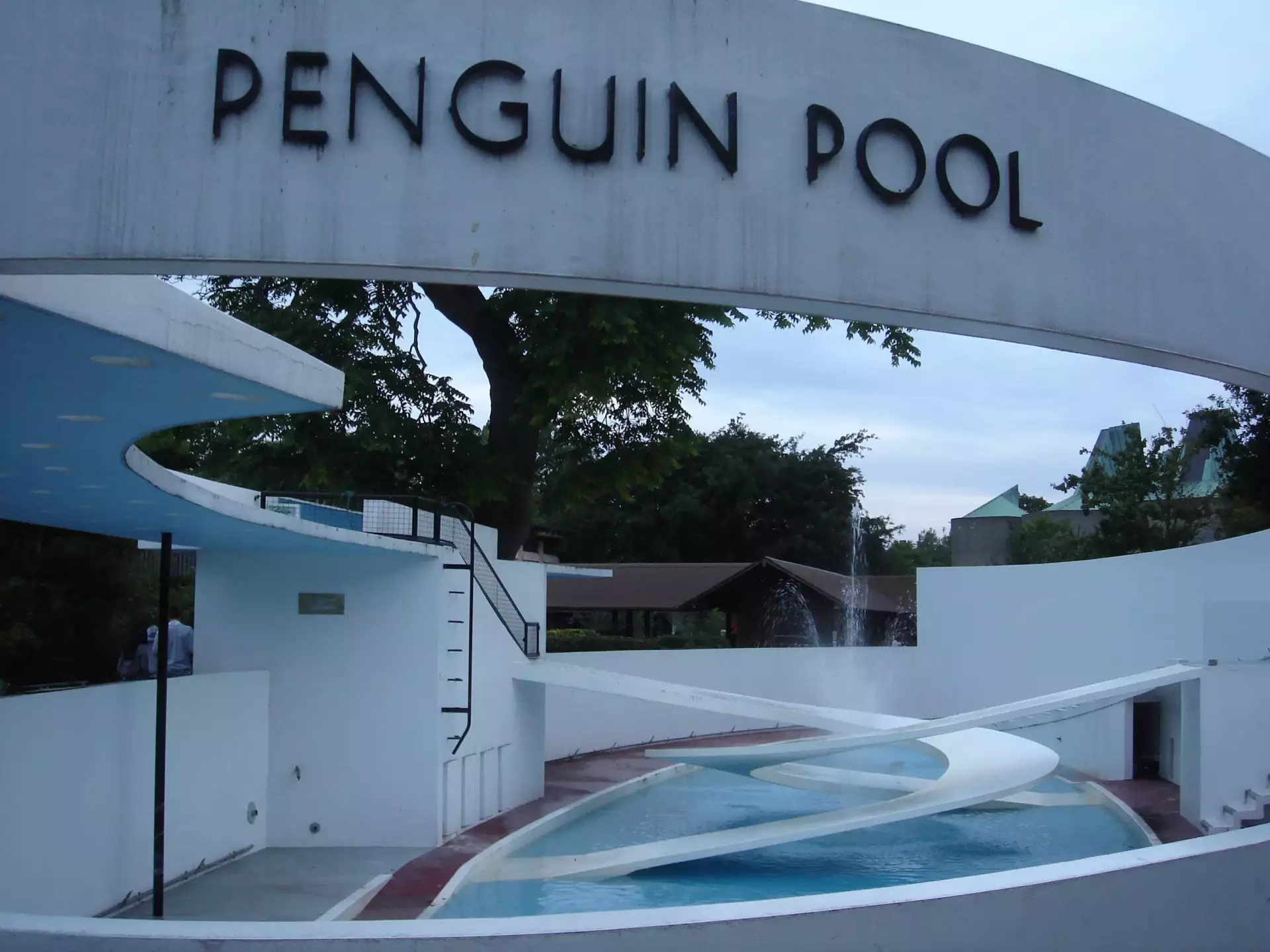
London Zoo
London, Great BritainLondon's main zoo is in the northern reaches of Regent's Park. Takes a very conservation-driven approach these days and always has great exhibits aimed at children. Opened in 1828 for scientific study, then to the public in 1847.
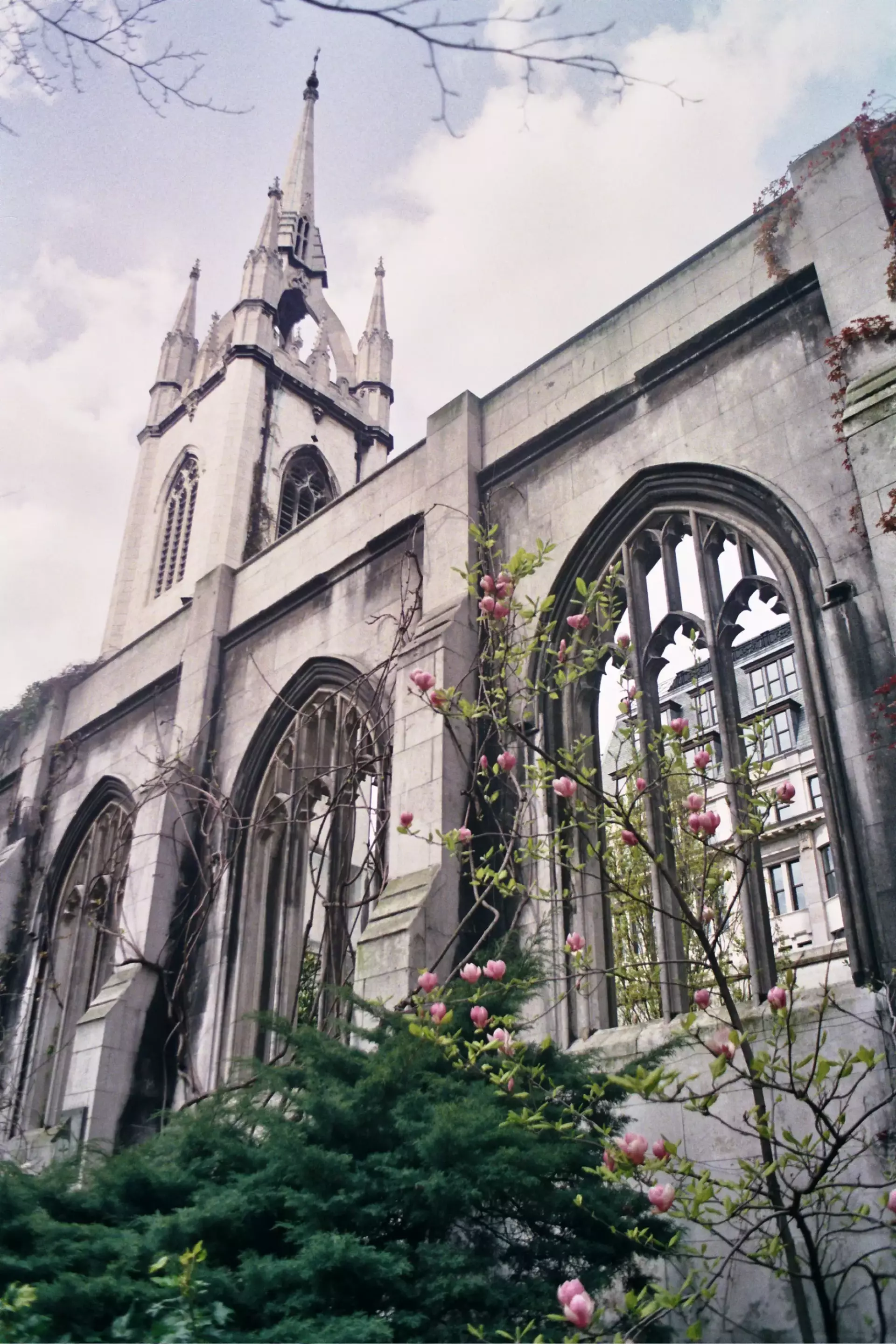
St Dunstan in the East
London, Great BritainThe ruins of a church dating back to Saxon times, rebuilt by St Dunstan in 950, destroyed in the Great Fire of London, and then rebuilt by Sir Christopher Wren in 1697. Most of the church was destroyed during the blitz, leaving only the tower (dating from Wren's time) and hollowed-out walls (from an 1817 reconstruction). The ruins are now overgrown with picturesque vines and trees, and were converted into a public garden in 1967, complete with benches.
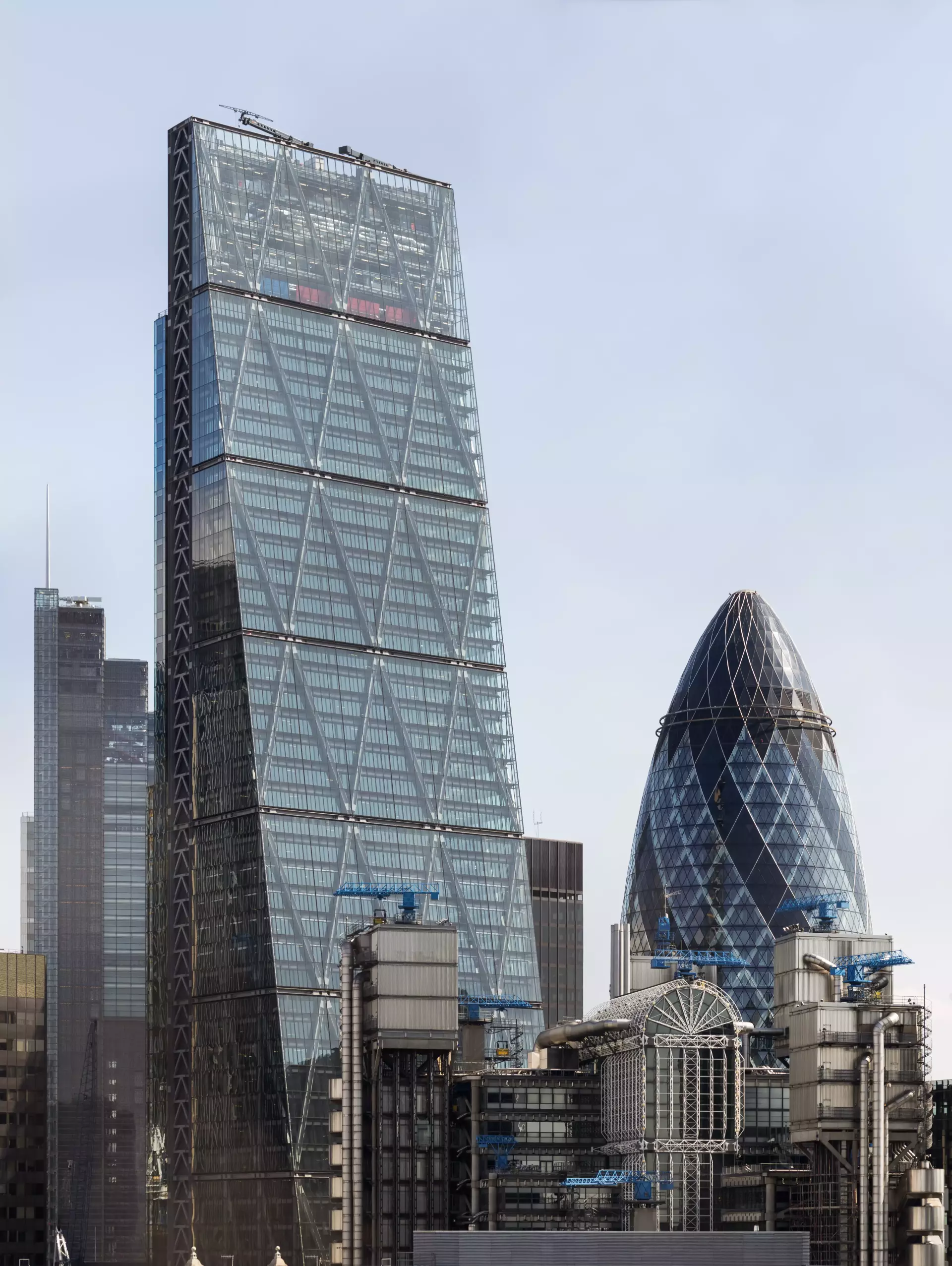
Leadenhall Building
London, Great BritainAnother Richard Rogers creation, nicknamed the Cheesegrater. Completed in 2014. Also opposite Lloyd's.
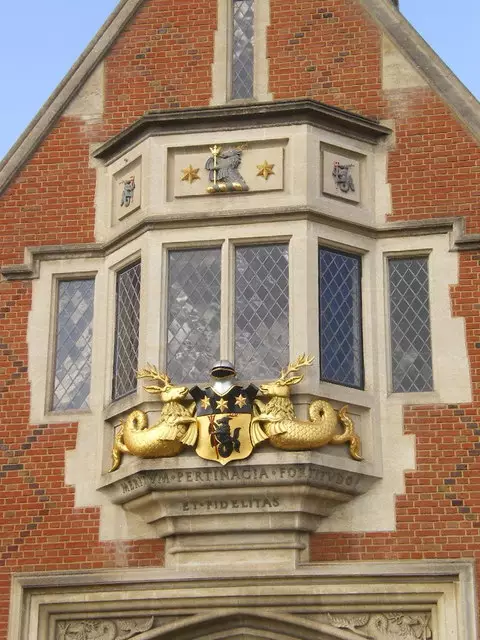
Crosby Hall
London, Great Britain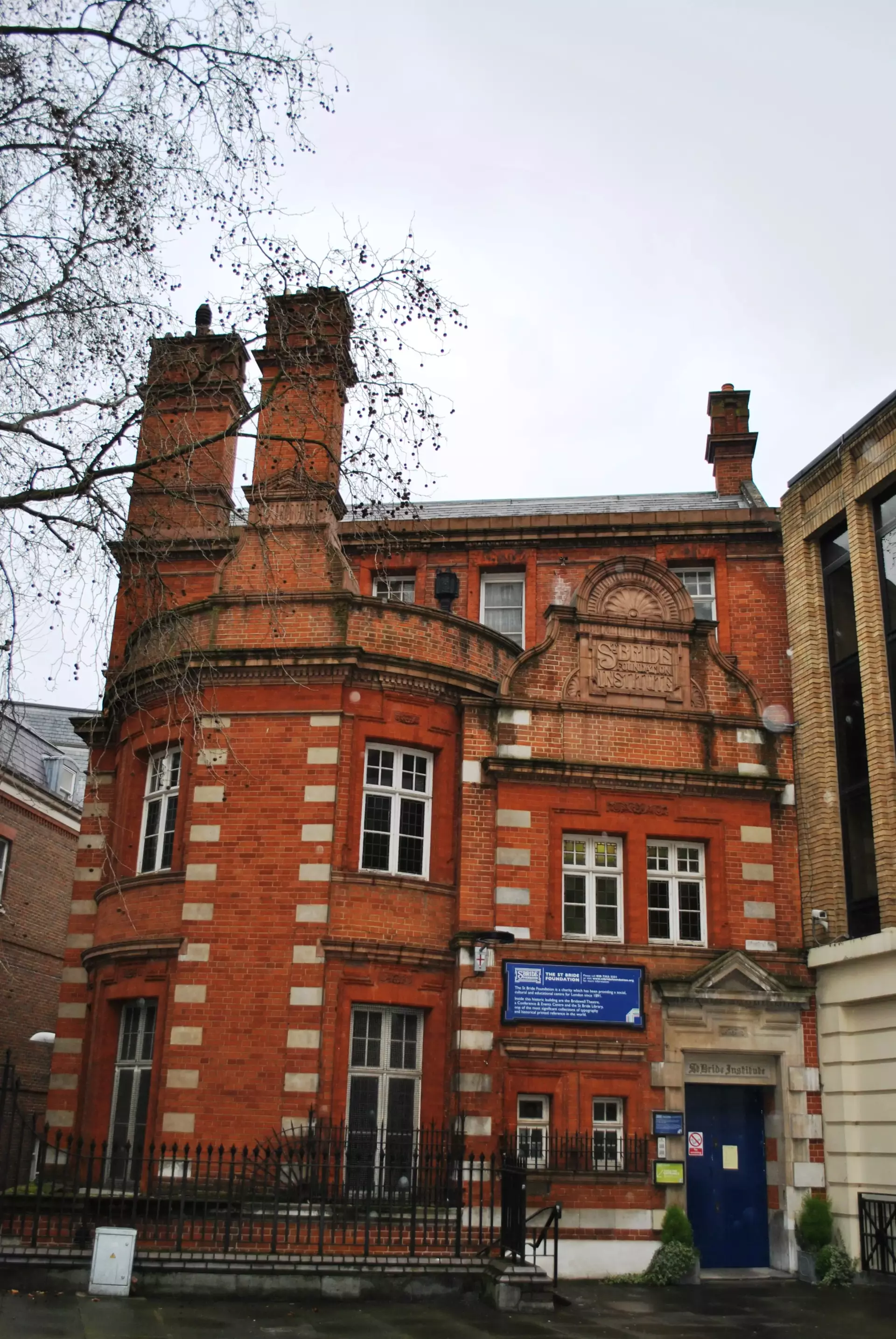
St Bride Printing Library
London, Great Britain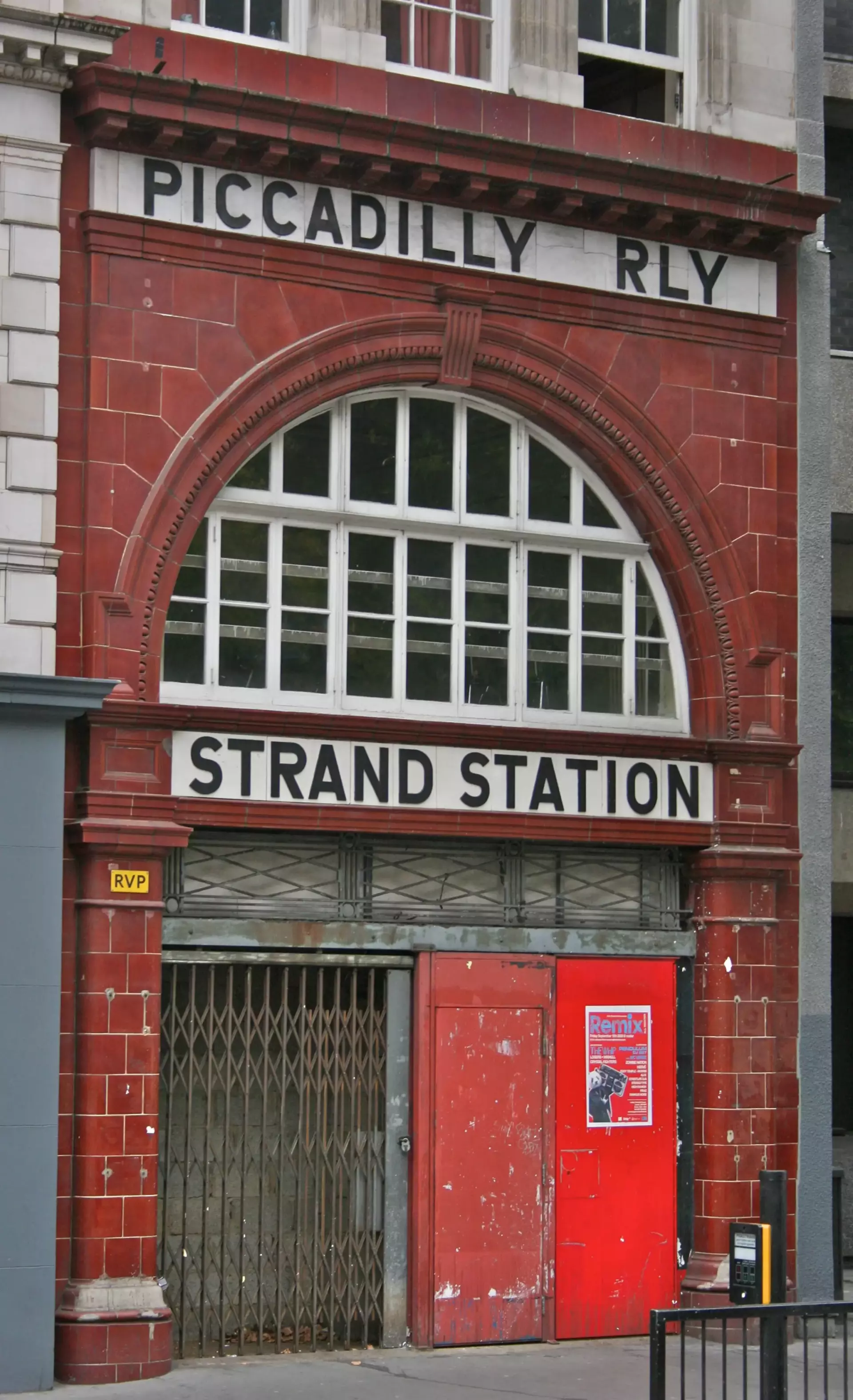
Aldwych station
London, Great BritainThe TfL-backed Hidden London offers tours around the disused Aldwych tube station which had its own branch on the Piccadilly line. The tour explains the station's unusual history including its use for protection (for both people and historical artefacts held by the British Museum) from the Blitz during WWII. More recently, it was used as a filming location and for testing station equipment and decor. Of note, it was used for filming James Bond: Die Another Day, V for Vendetta and the Prodigy music video for Firestarter. Tours are roughly an 1 hour and 15 minutes long, wear sturdy shoes (not sandals).
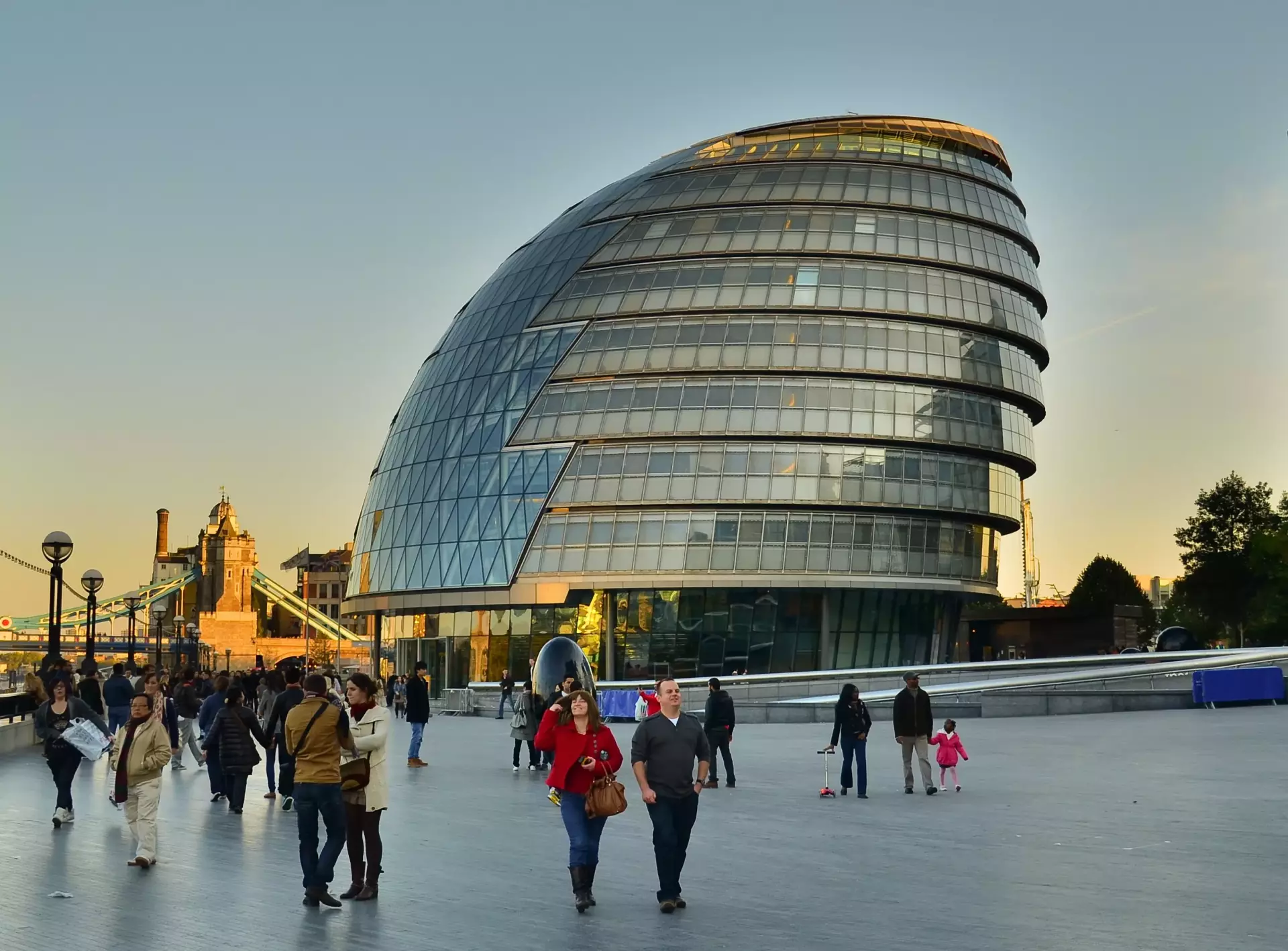
Former City Hall
London, Great BritainFormer offices of the Greater London Authority. A radically-designed glass fronted and rounded building, previously headquarters for London's Mayor and Assembly. City Hall has now be relocated to The Crystal, a building in Greenwich, near to the cable car. The old building is disused and not open to the public, but can be viewed from the outside.
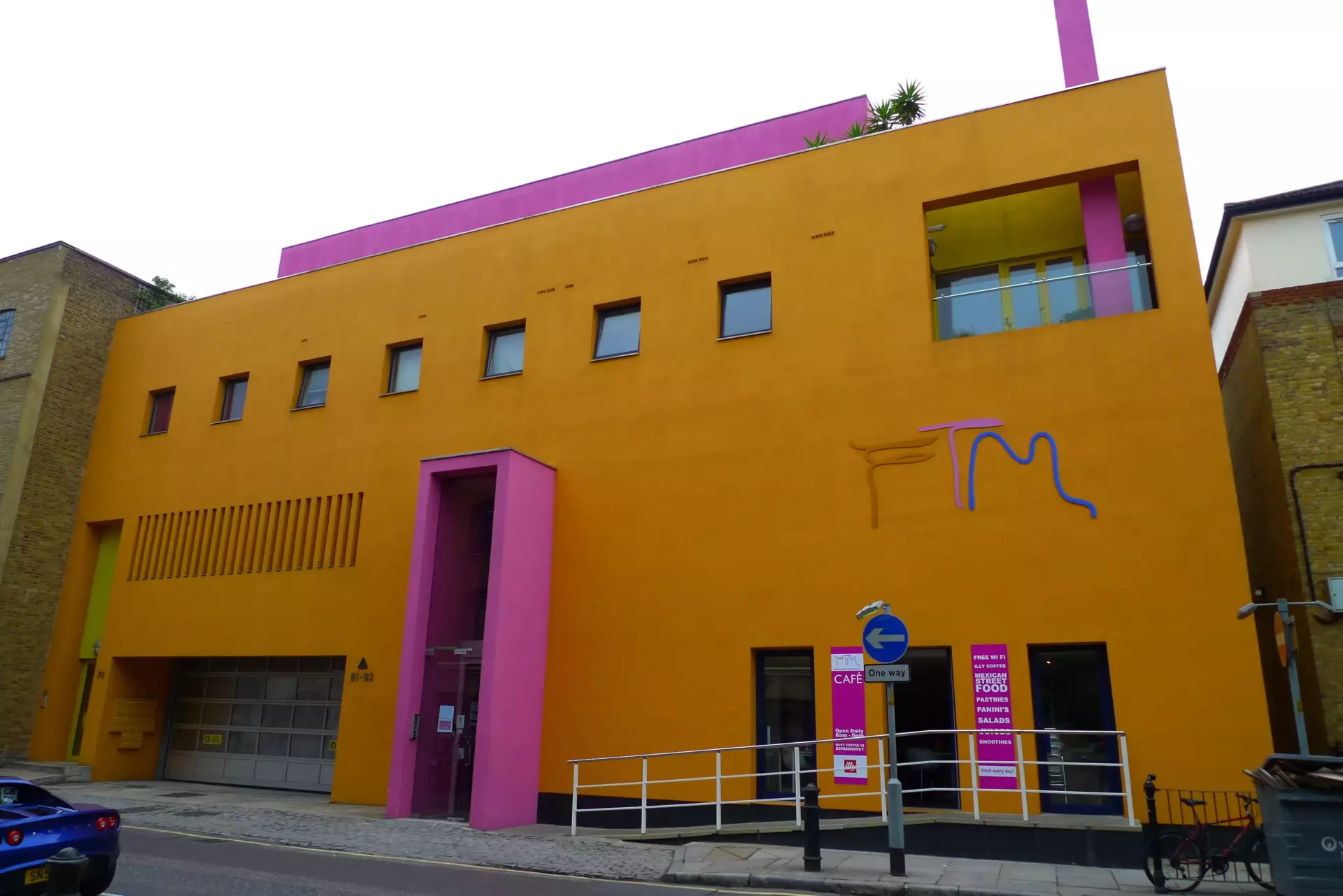
Fashion & Textile Museum
London, Great BritainFounded by veteran designer Zandra Rhodes.
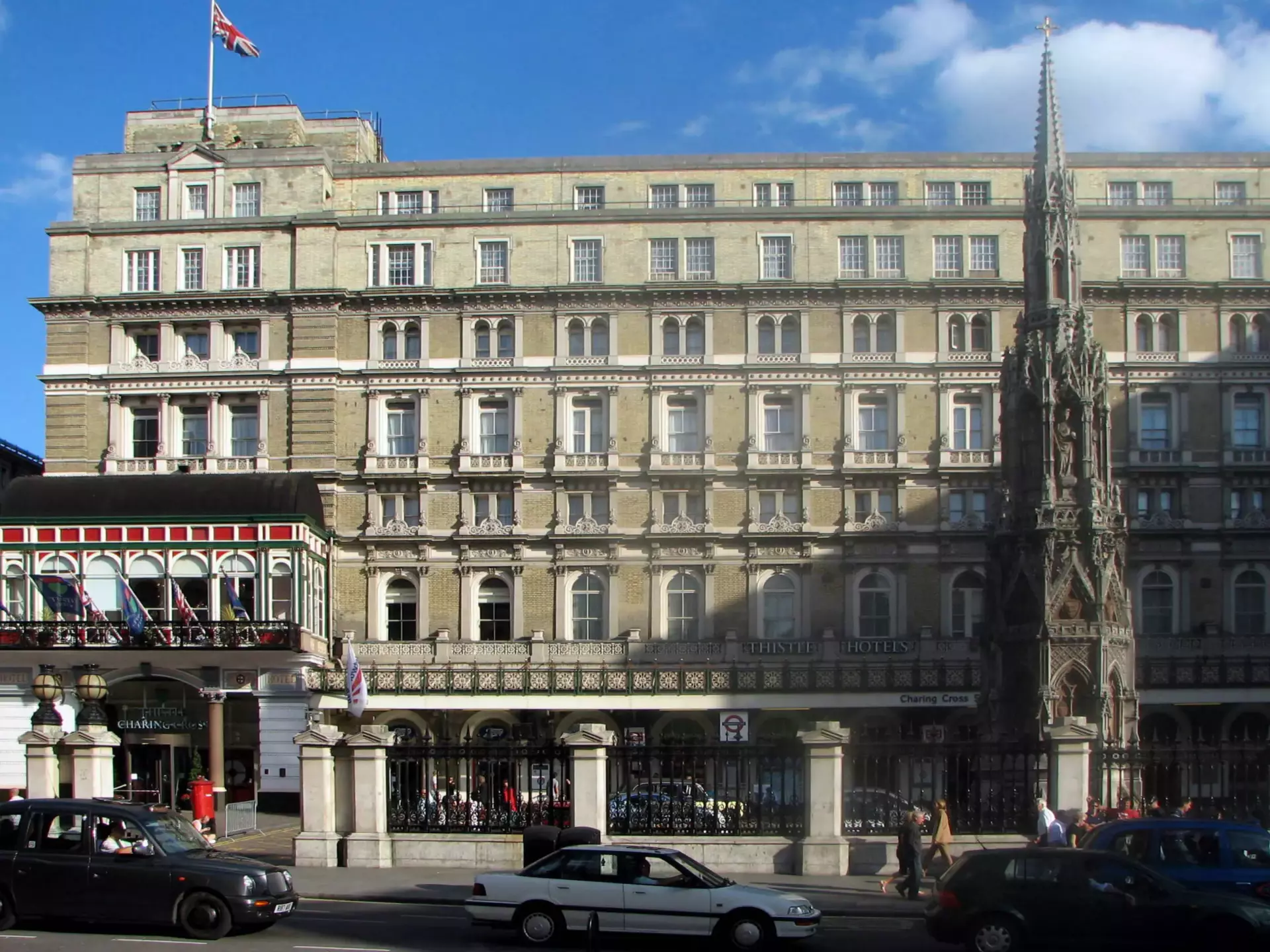
Charing Cross and Charing Cross Station
London, Great BritainOld train station with an enormous office and shopping complex in glass and pale stone. A lavish hotel is also on the site. The name comes from the Queen Eleanor (13th century) gothic pillar outside the station, which is actually a Victorian-era replica. Charing Cross Road was once famous for its vintage book shops, but these have now largely disappeared due to high rents and online competition; however, the road is still home to one of London's largest bookshops, Foyle's.
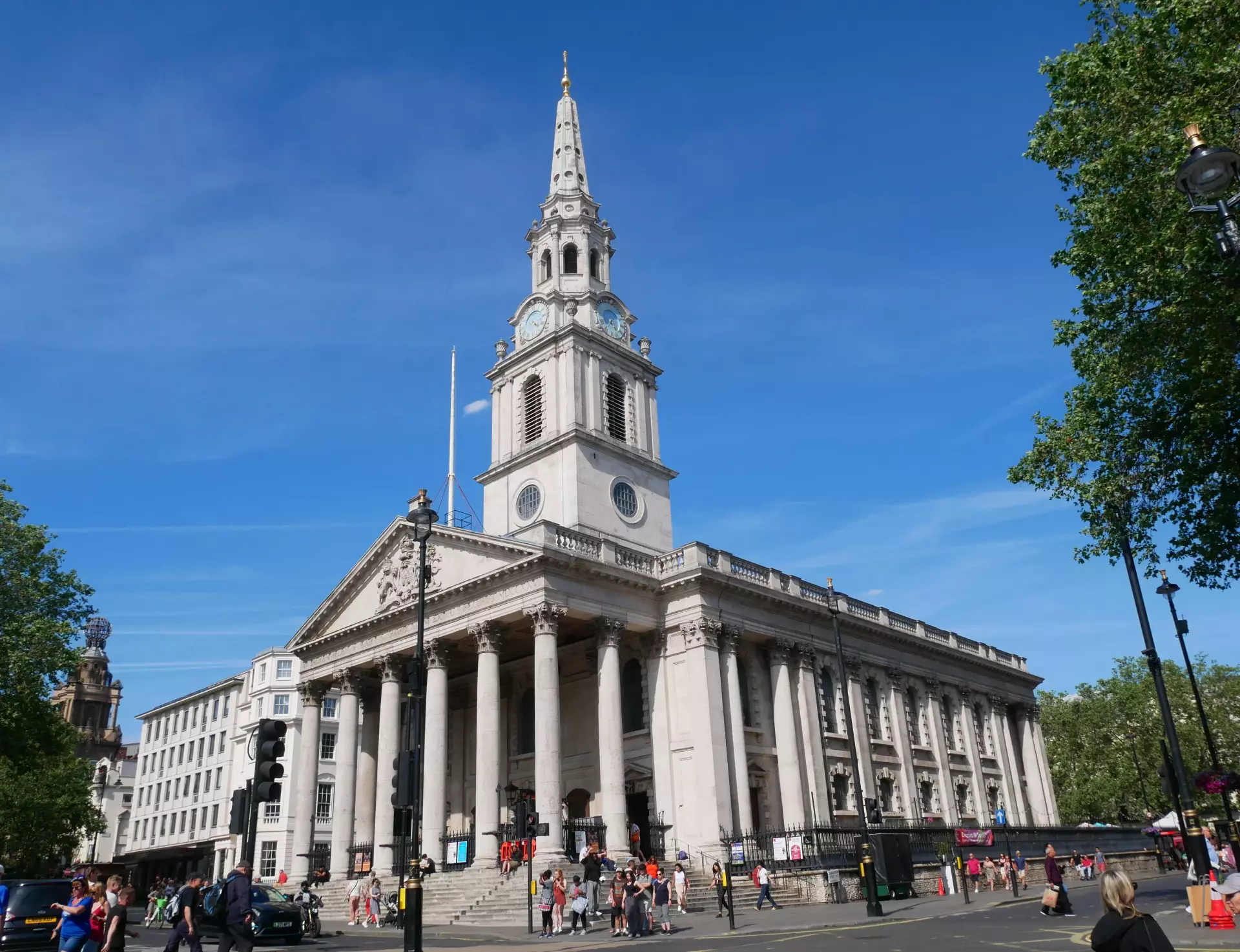
St Martins in the Fields
London, Great BritainA neoclassical church that stands opposite the National Gallery. Since World War I, the homeless have sought shelter at this church, a tradition that continues to this day.
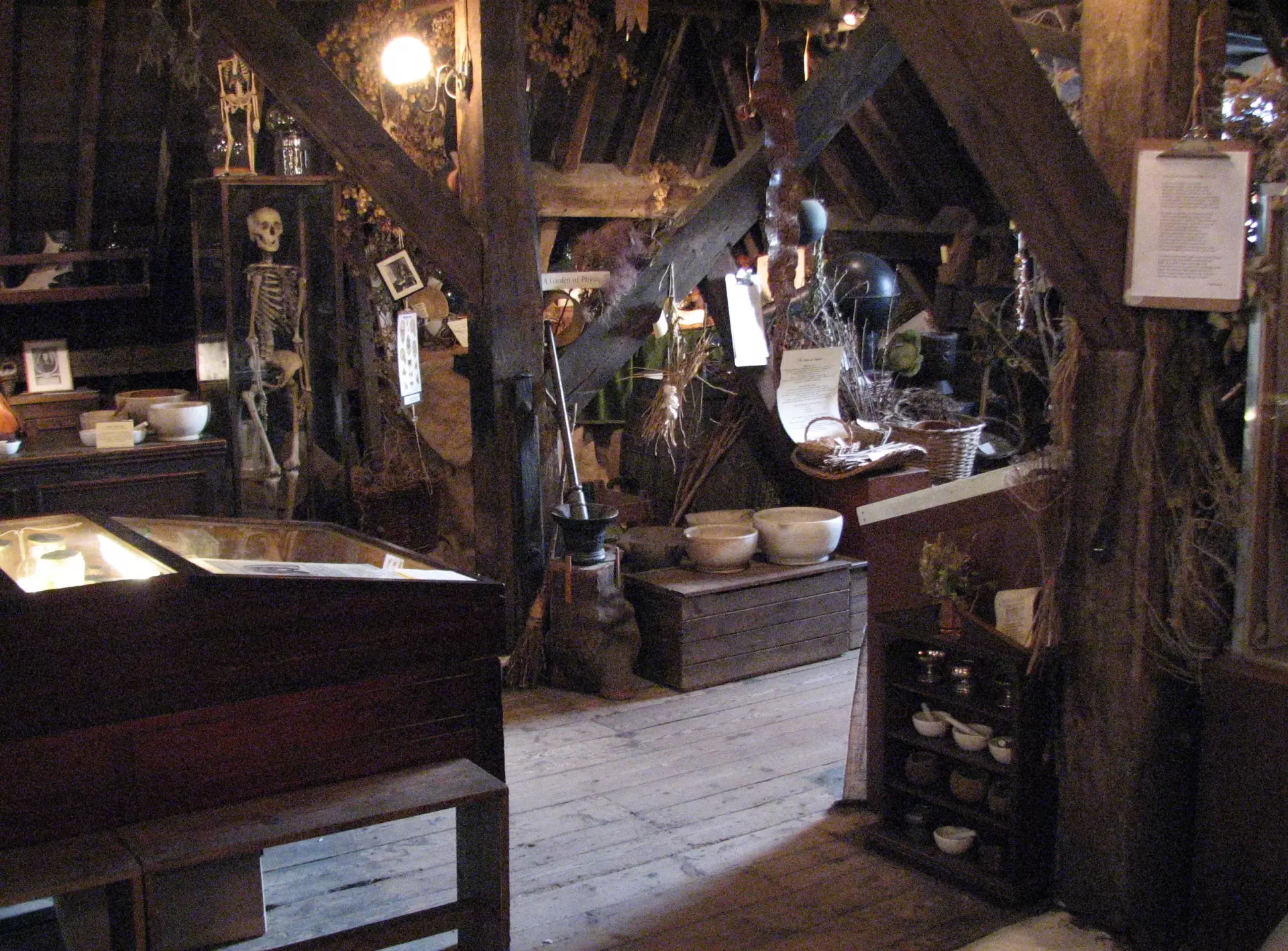
The Old Operating Theatre
London, Great Britain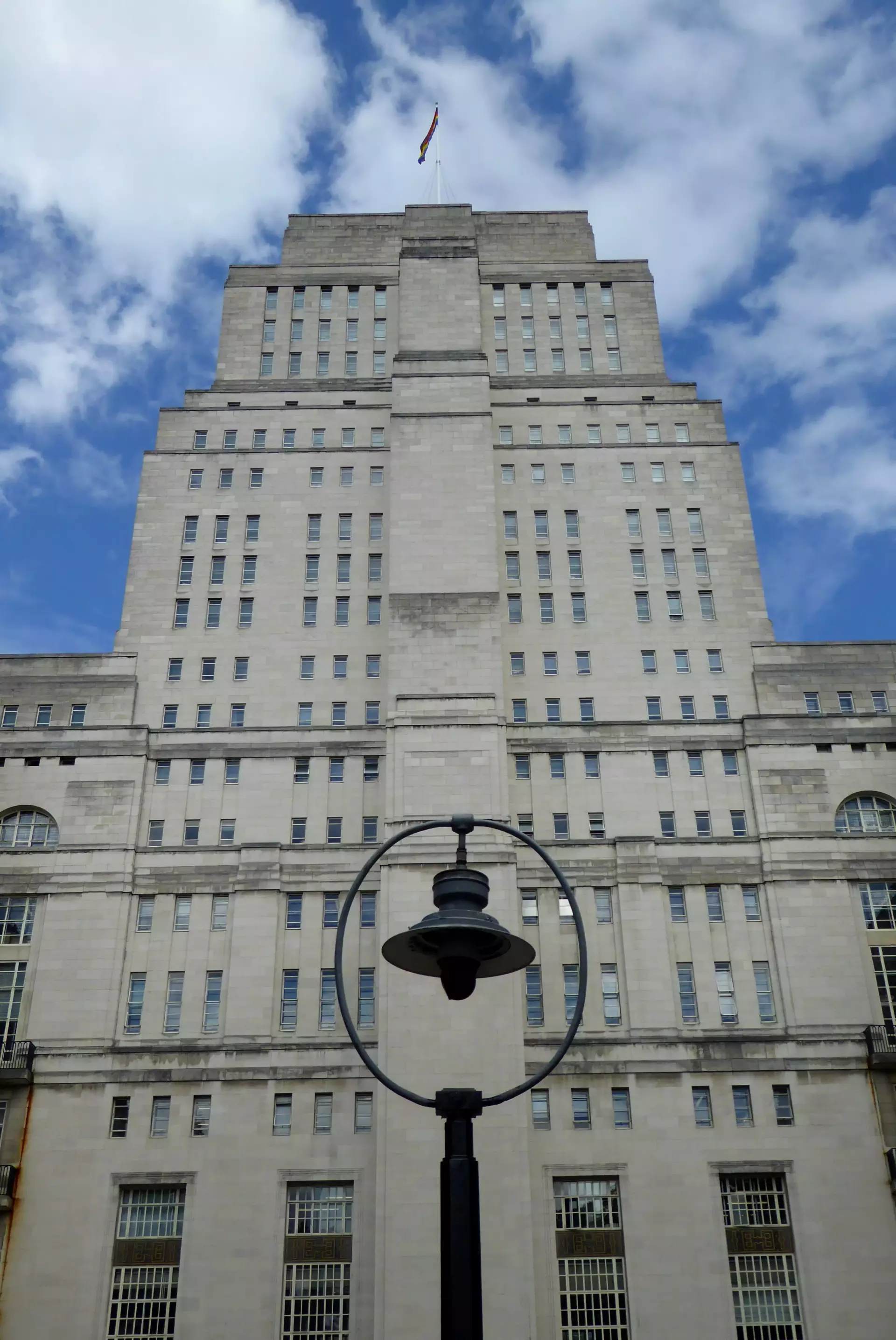
Senate House Building
London, Great BritainArt deco headquarters of University of London featured in the film Nineteen Eighty-Four.
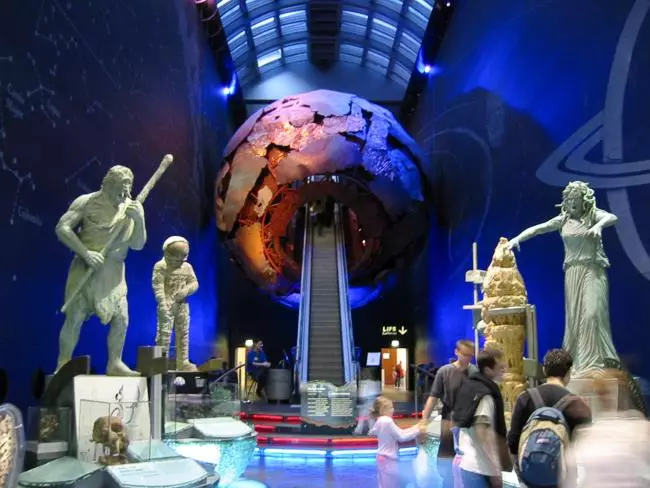
The Geological Museum
London, Great BritainThis venerable old institution was absorbed by the neighbouring Natural History Museum in 1985 but still has something of a separate identity. Unsurprisingly, devoted to all things geological with especially popular exhibits on vulcanology and earthquakes and fossils of all types. Very popular with kids and often underrated.
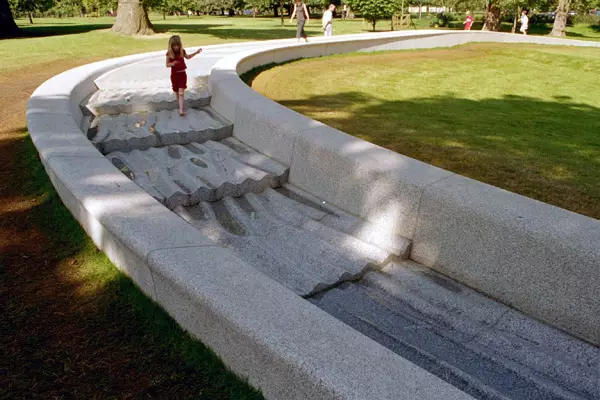
Diana Memorial Fountain
London, Great BritainMore of an artificial stream than a fountain, flowing in an oval through an open grassy area which, in normal summers, is a popular paddling spot for children and grown-ups alike.
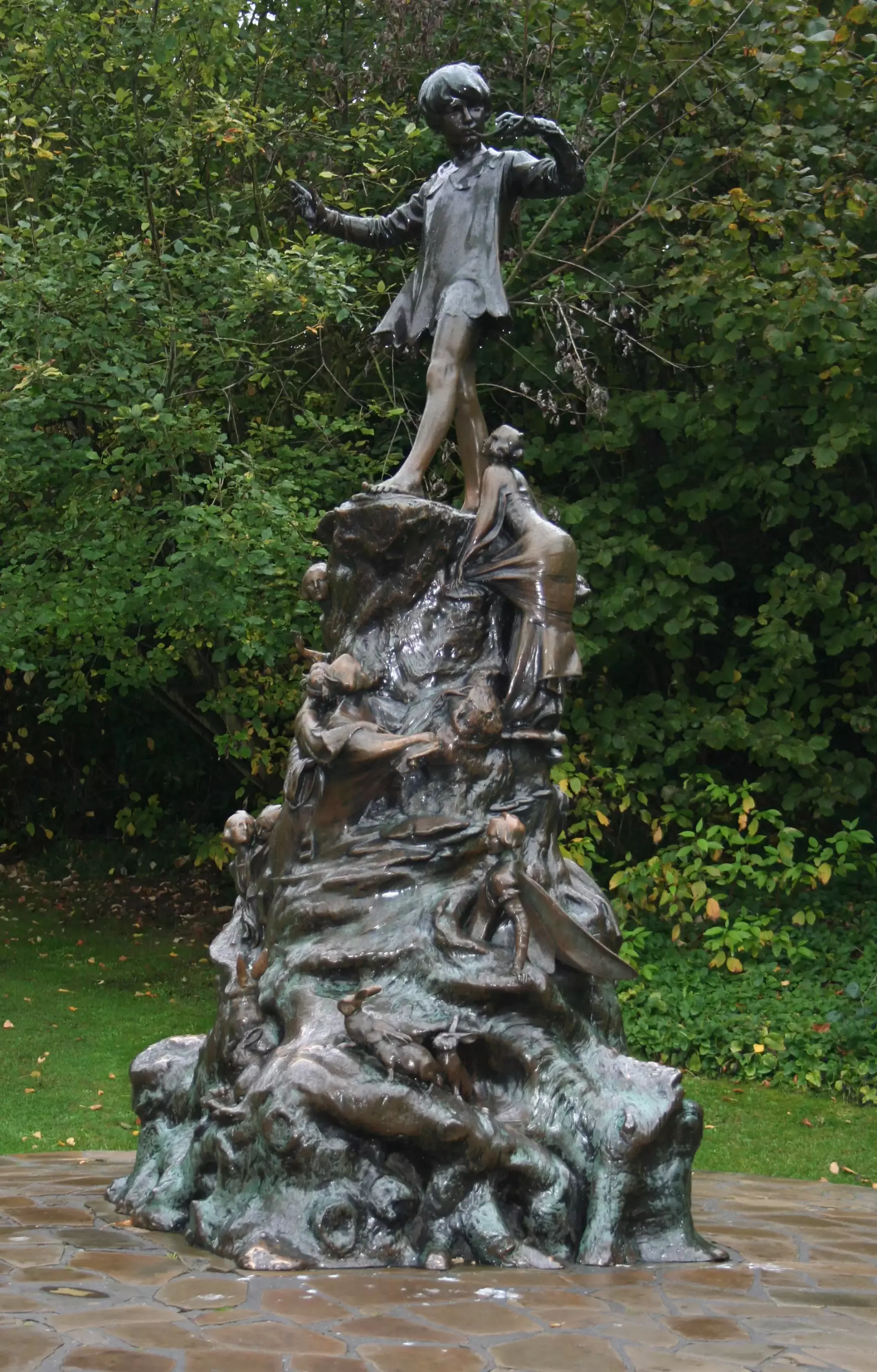
Kensington Gardens Albert Memorial Diana Memorial Playground Elfin Oak Italian Gardens Kensington Palace The Round Pond The Serpentine Gallery
London, Great BritainThe western half of the twin parks and the half that is often forgotten in public consciousness. It tends to be more formal than its neighbouring park. Highly detailed, Gothic-style monument to commemorate Prince Albert, husband of Queen Victoria. Opposite the Royal Albert Hall. Diana, Princess of Wales Memorial Playground A 900-year-old tree stump carved and painted to feature elves and small animals. A royal residence which is still used by Prince William, Kate and their young family. Much of it is however open to the public and it is a very popular tourist attraction perhaps due as much to its association with Princess Diana as anything else. The King's Gallery here is a magnificent Regency period court drawing room and contains some impressive paintings including a Van Dyke. Also a nice restaurant on site called The Orangery. Full of swans, geese, gulls, and other birds. Deckchairs can be hired for £1.50. The park benches and grassy areas are free. A nice modern art gallery, near to the Serpentine. Too small to host a permanent collection, instead hosts temporary exhibitions which can last anything from a few weeks to over a year. Each summer a pavilion next to the gallery is designed by a different architect, which then houses various cultural events.
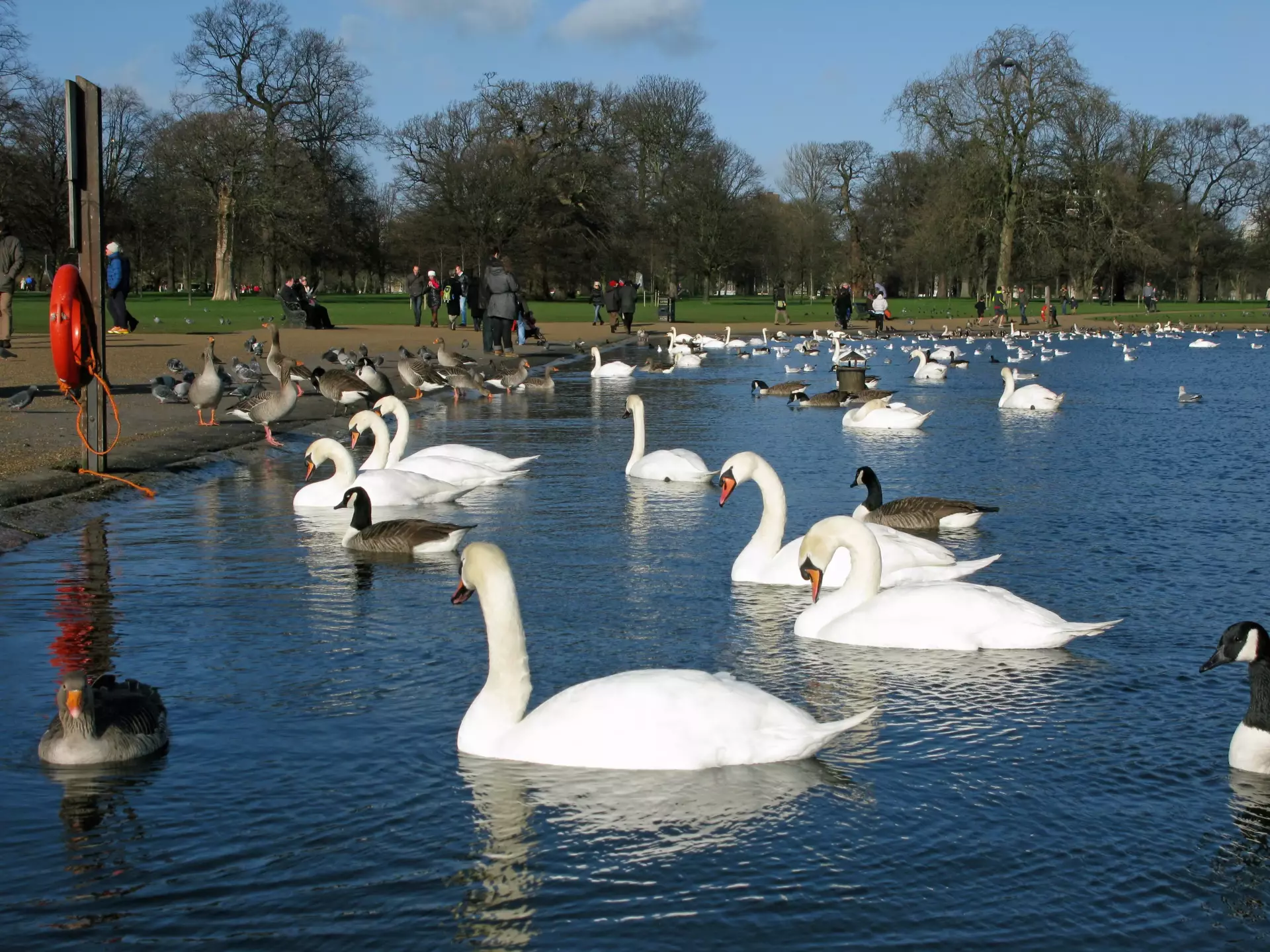
The Round Pond
London, Great Britain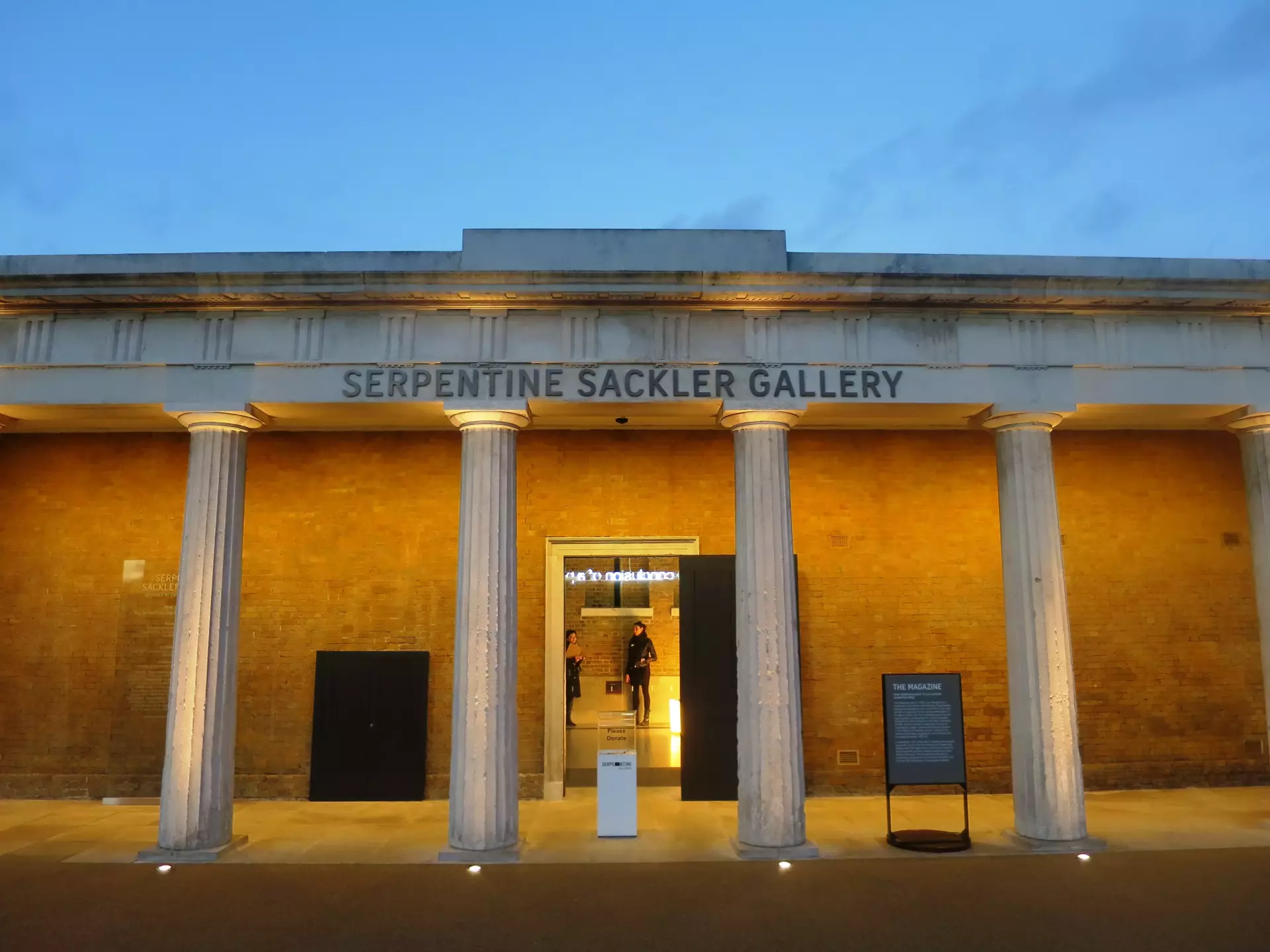
The Serpentine Gallery
London, Great Britain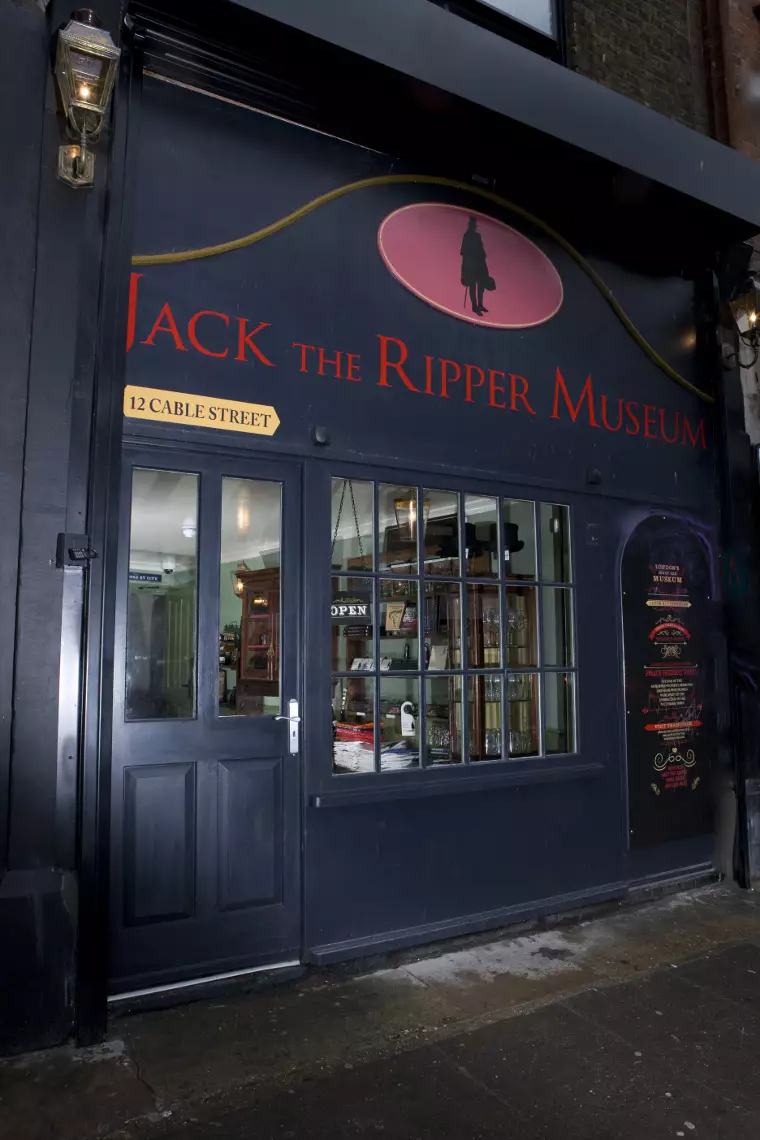
Jack The Ripper Museum
London, Great BritainA small museum is set in a Victorian house near the infamous Battle of Cable Street. There are 5 floors including the basement, each dedicated to several aspects of famous murders starting with a recreation of Mitre Square on the first floor, Jack the Ripper's sitting room on the second floor, the police station on the third, a victim's bedroom on the fourth and the mortuary in the basement. There is also a walking tour. Book tickets online to save money, there is also a Halloween special deal.