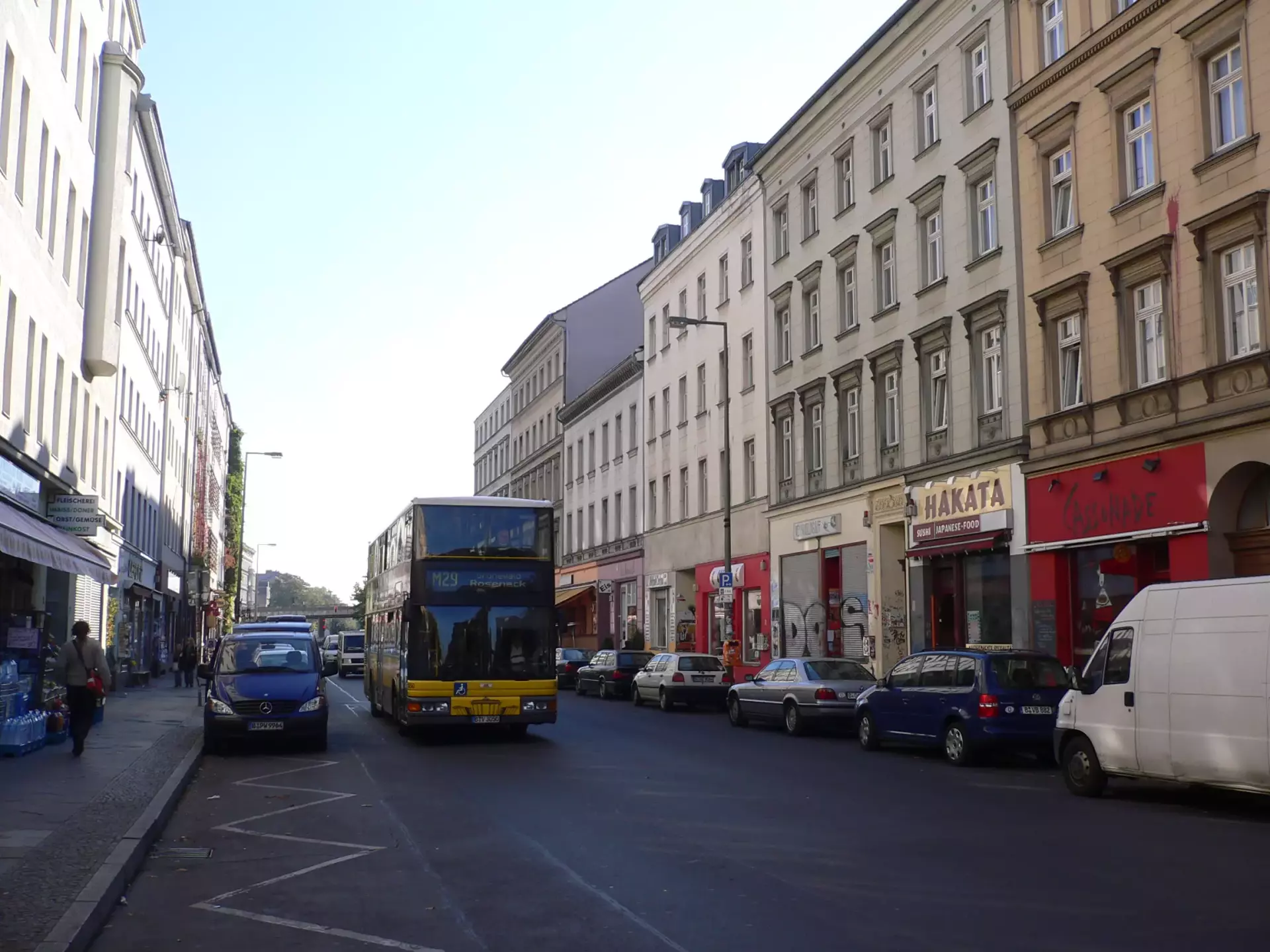
Tourist attractions in Berlin
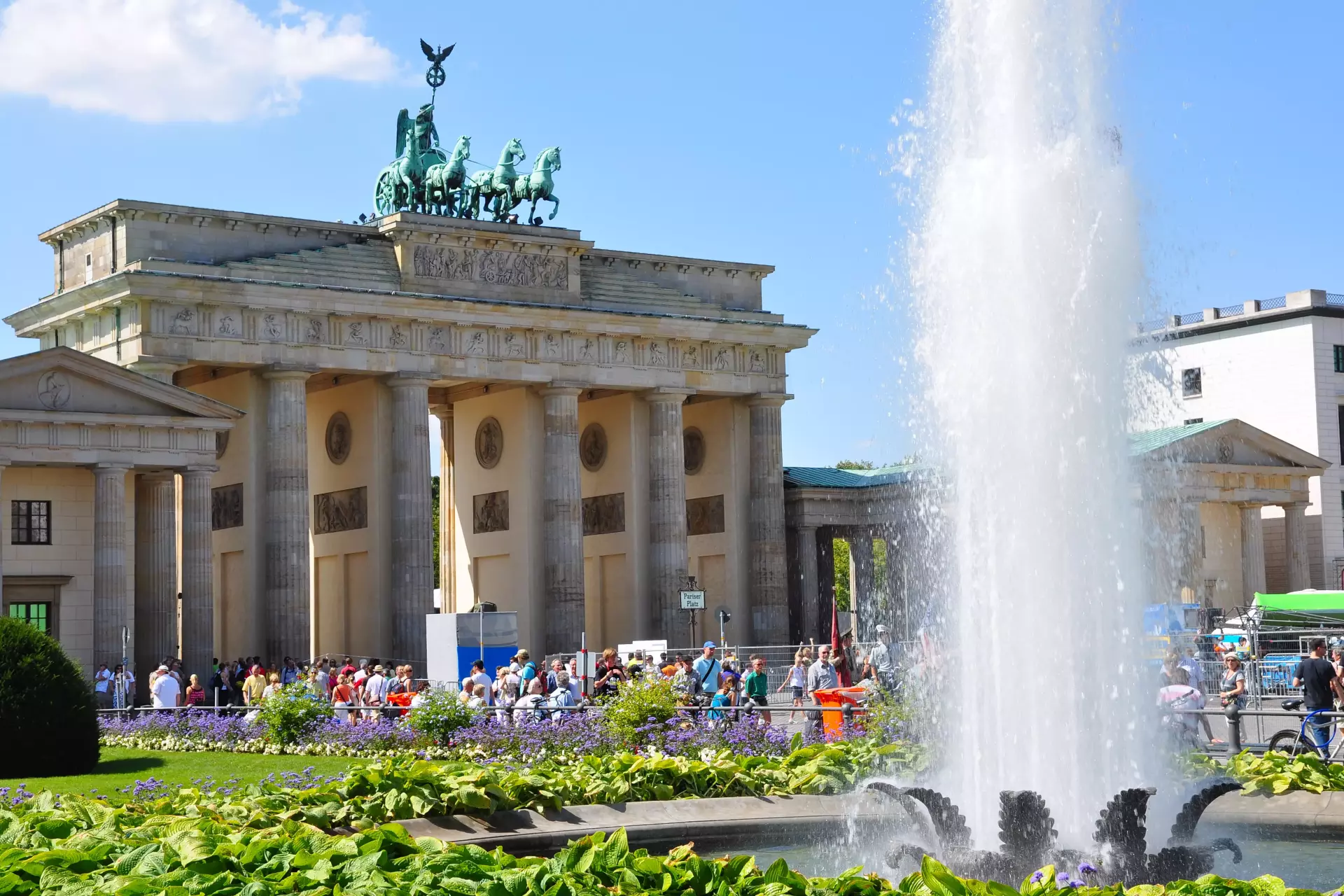
Brandenburg Gate
Berlin, GermanyThe only surviving Berlin city gate and a potent symbol of the city. This is the point where Straße des 17. Juni becomes Unter den Linden. The gate was designed by Carl Gotthard Langhans in 1791 and was intended to resemble the Acropolis in Athens. The Brandenburg Gate now symbolizes reunification, after dividing East and West Berlin for decades. This is the site of Reagan's "Mr. Gorbachev open this gate, Mr. Gorbachev tear down this wall" speech.
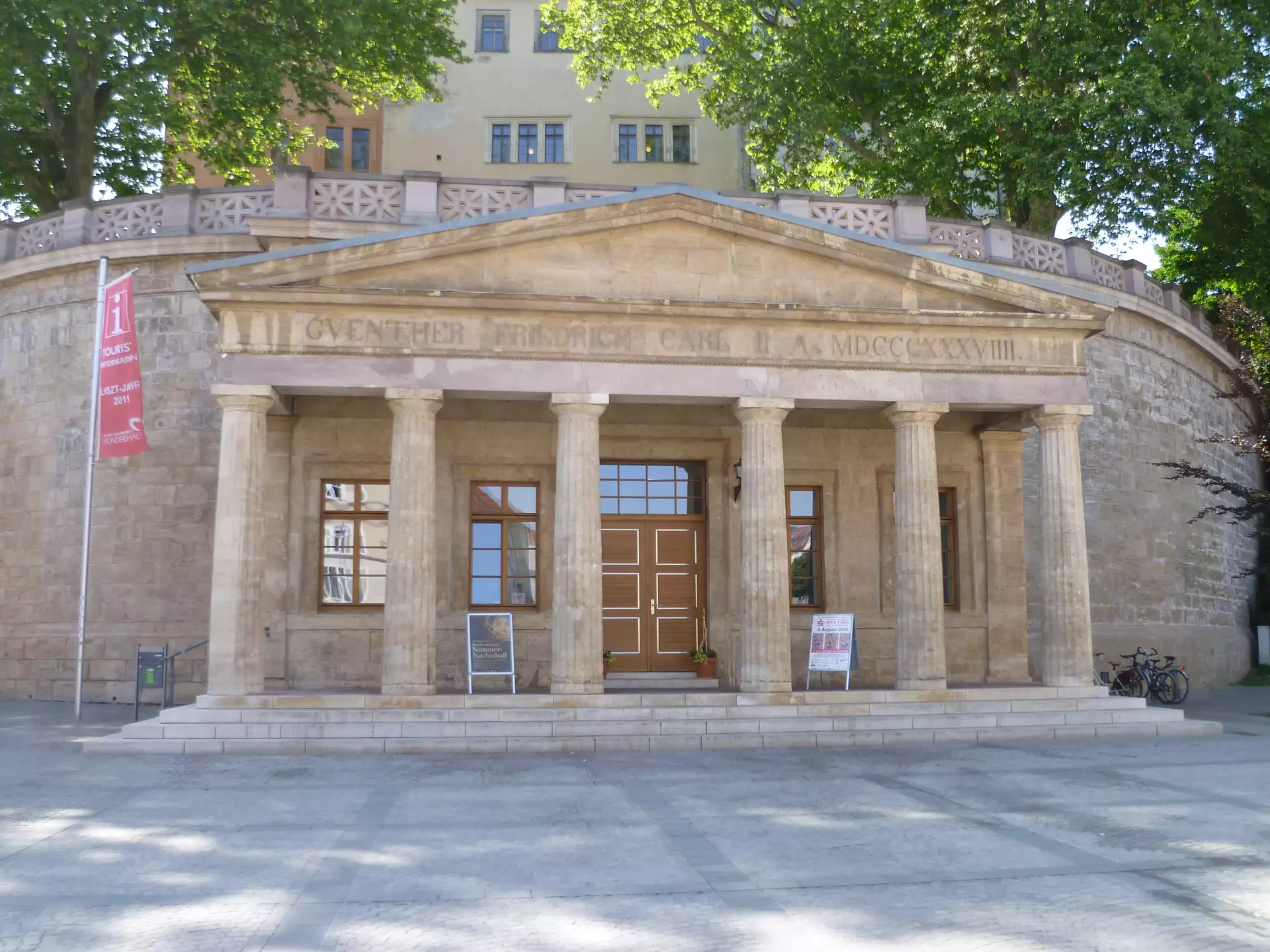
Neue Wache
Berlin, GermanyErected in 1818 to a classically-inspired design by Karl Friedrich Schinkel as a guardhouse for the imperial palace, since 1993 this compact building has housed a small, but extremely powerful war cenotaph, the Central Memorial of the Federal Republic of Germany, continuing its use under East German rule as the primary "Memorial to the Victims of Fascism and Militarism". The interior of the Doric column-fronted building is intentionally empty, but for a small but moving sculpture by Käthe Kollwitz depicting a mother cradling a dead child. The statue is positioned beneath a round hole in the ceiling, exposing the figures to the rain and snow.

Pariser Platz
Berlin, Germany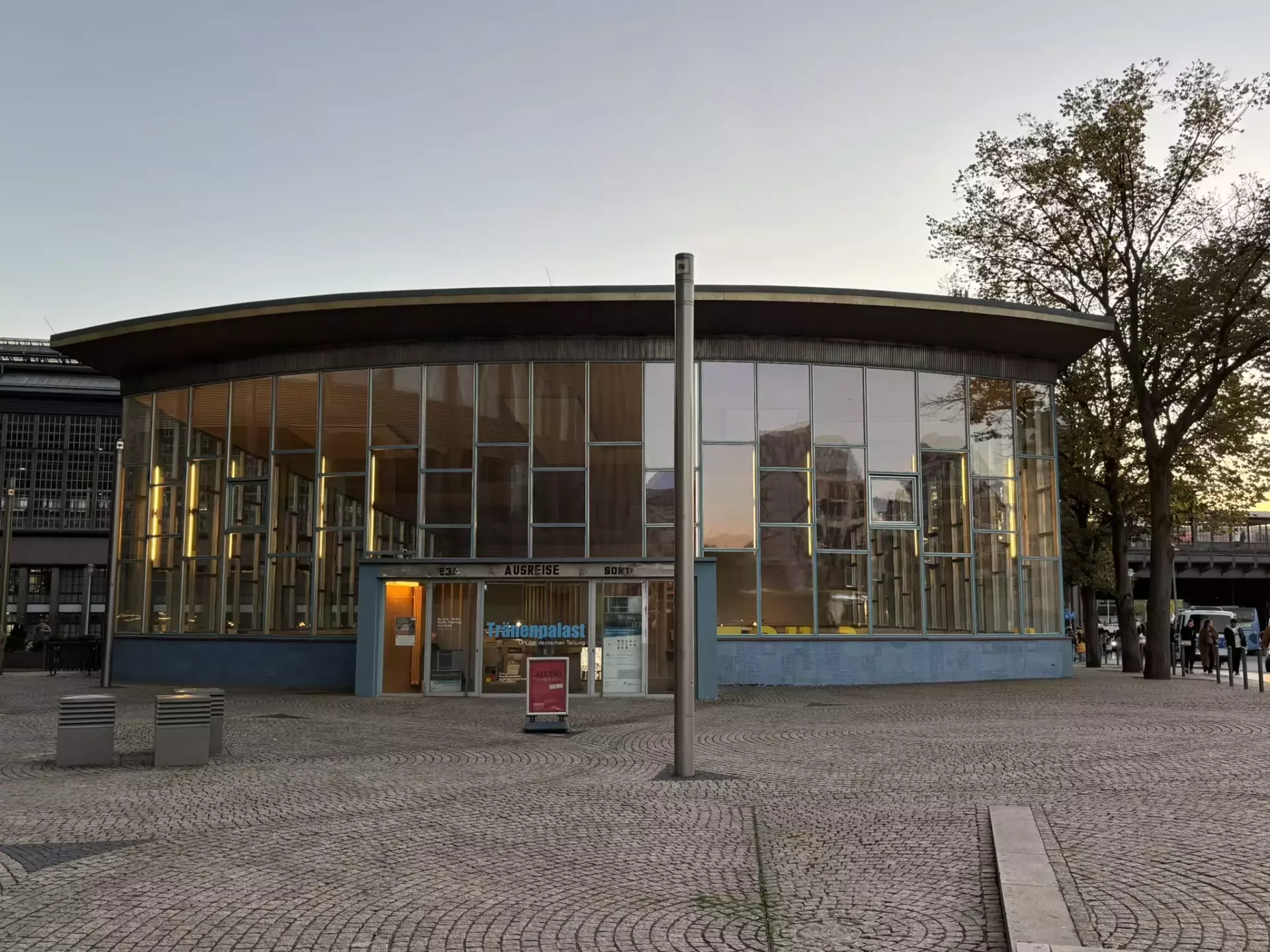
Tränenpalast
Berlin, GermanyMillions of visitors leaving East Berlin by train said tearful goodbyes to their friends and relatives from the East at this former border checkpoint. Hardly a year after the wall came down, the building was turned into a nightclub until it was forced to close in 2006. It re-opened as a museum in September 2011 and now houses a permanent exhibition that brings the absurd normality of everyday life in the divided city back to life.
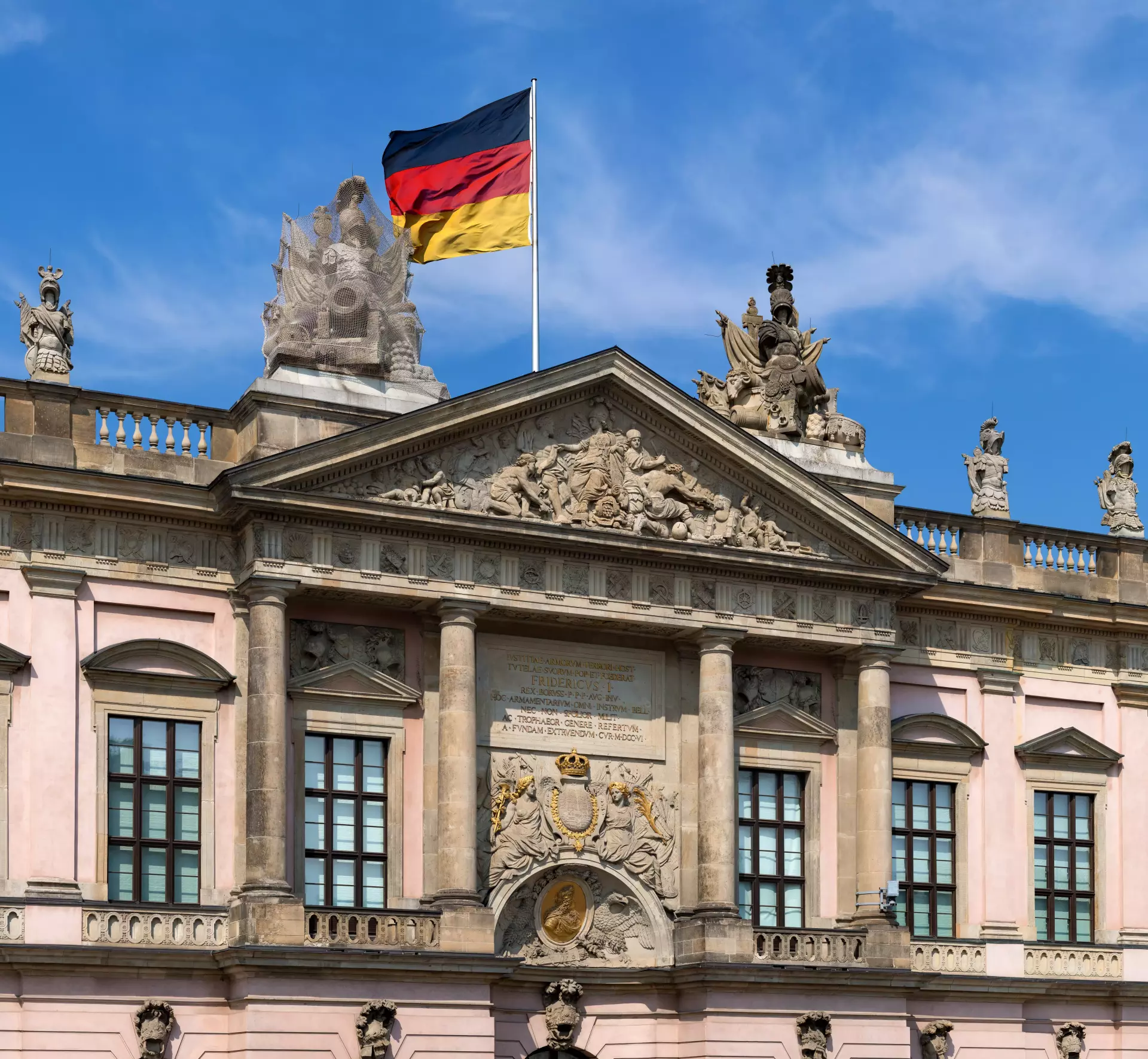
Deutsches Historisches Museum
Berlin, GermanyGerman historical museum covering everything from pre-history up to the present day. One can spend many, many hours here! The building from 1695/1730 was the Zeughaus (Arsenal) until 1876.
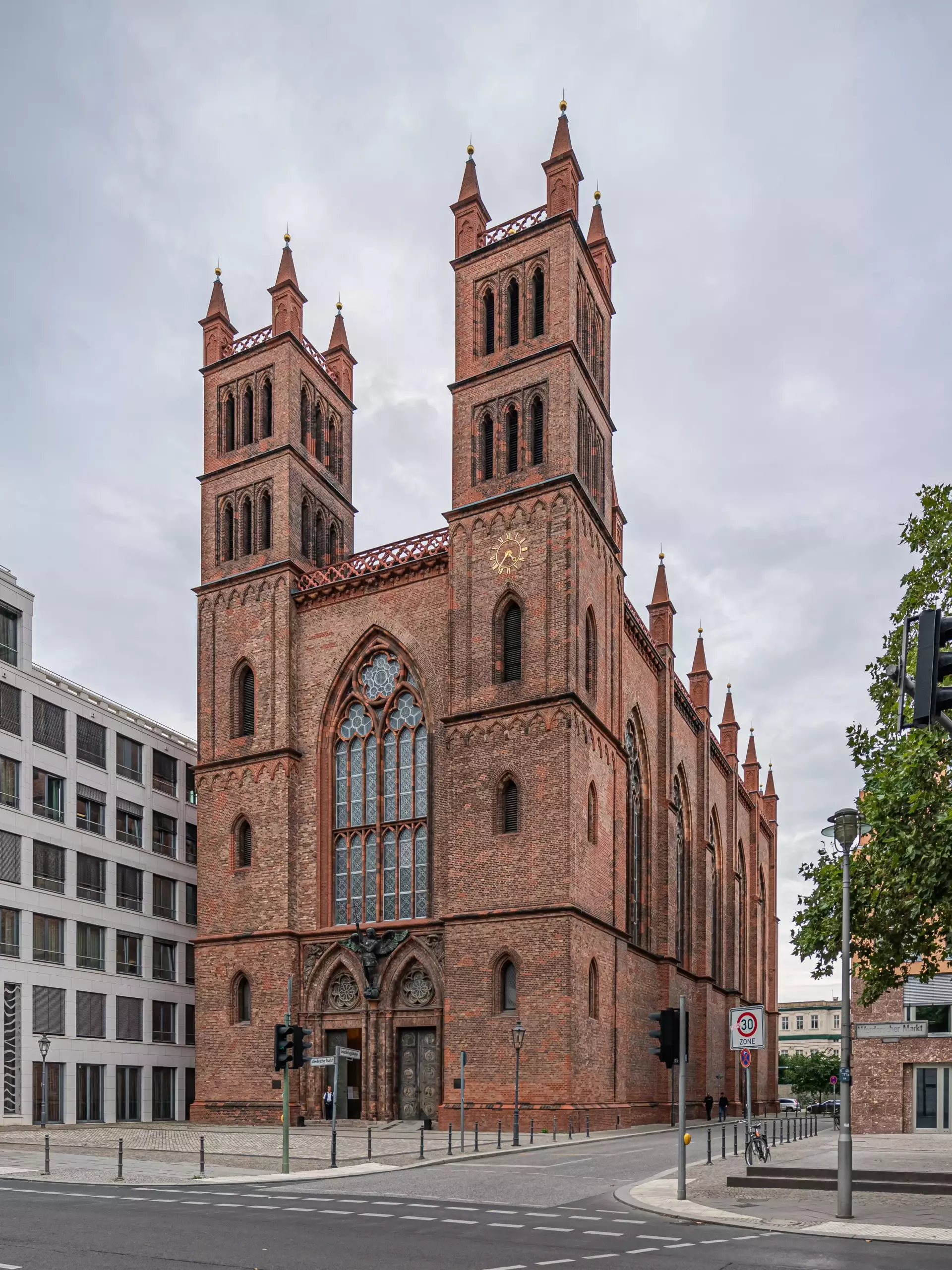
Friedrichswerdersche Kirche
Berlin, GermanyNice church near Unter den Linden/Museum Island, finished in 1830 by Schinkel in English Neogothic style. Nice exhibition inside (neoclassical statues and an exhibition about Schinkel's life and work upstairs).
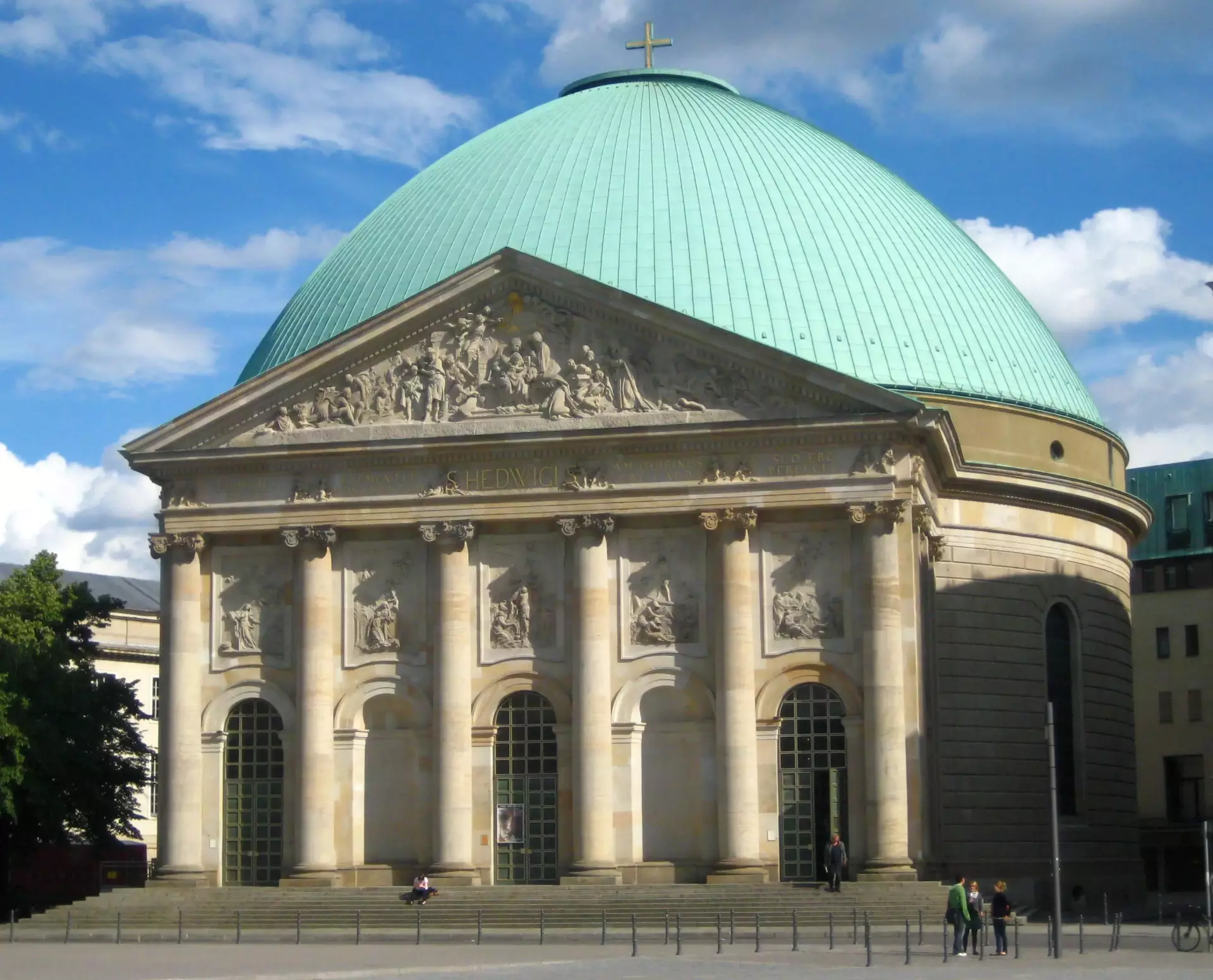
St.-Hedwigs-Kathedrale
Berlin, GermanyA domed church at Bebelplatz/Unter den Linden, the oldest (mid-18th century) and one of the biggest Catholic churches in Berlin. Interior was redesigned in a modern style in the 1950s, but there are still many treasure chambers in the basement.
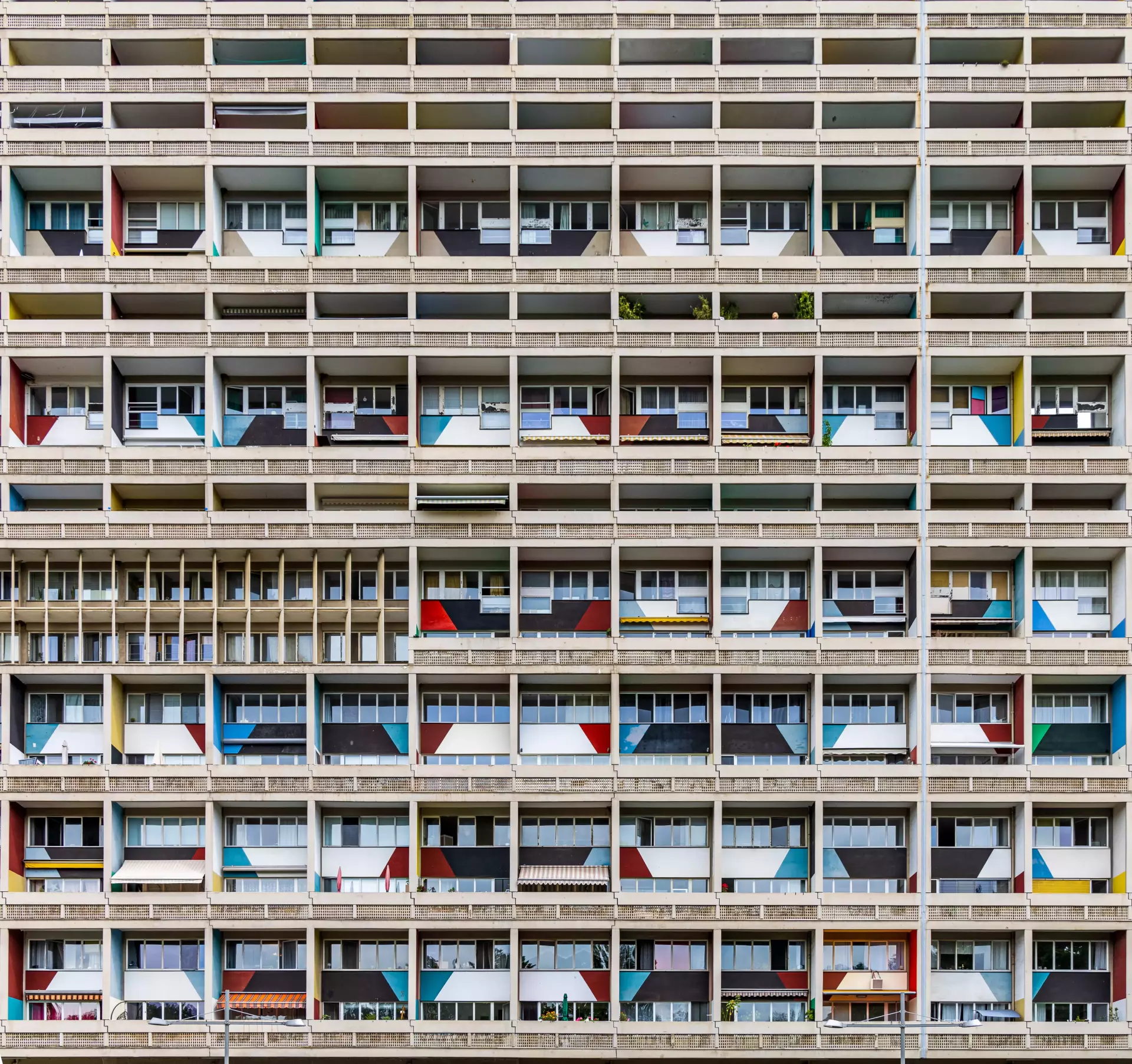
Unité d'Habitation
Berlin, Germany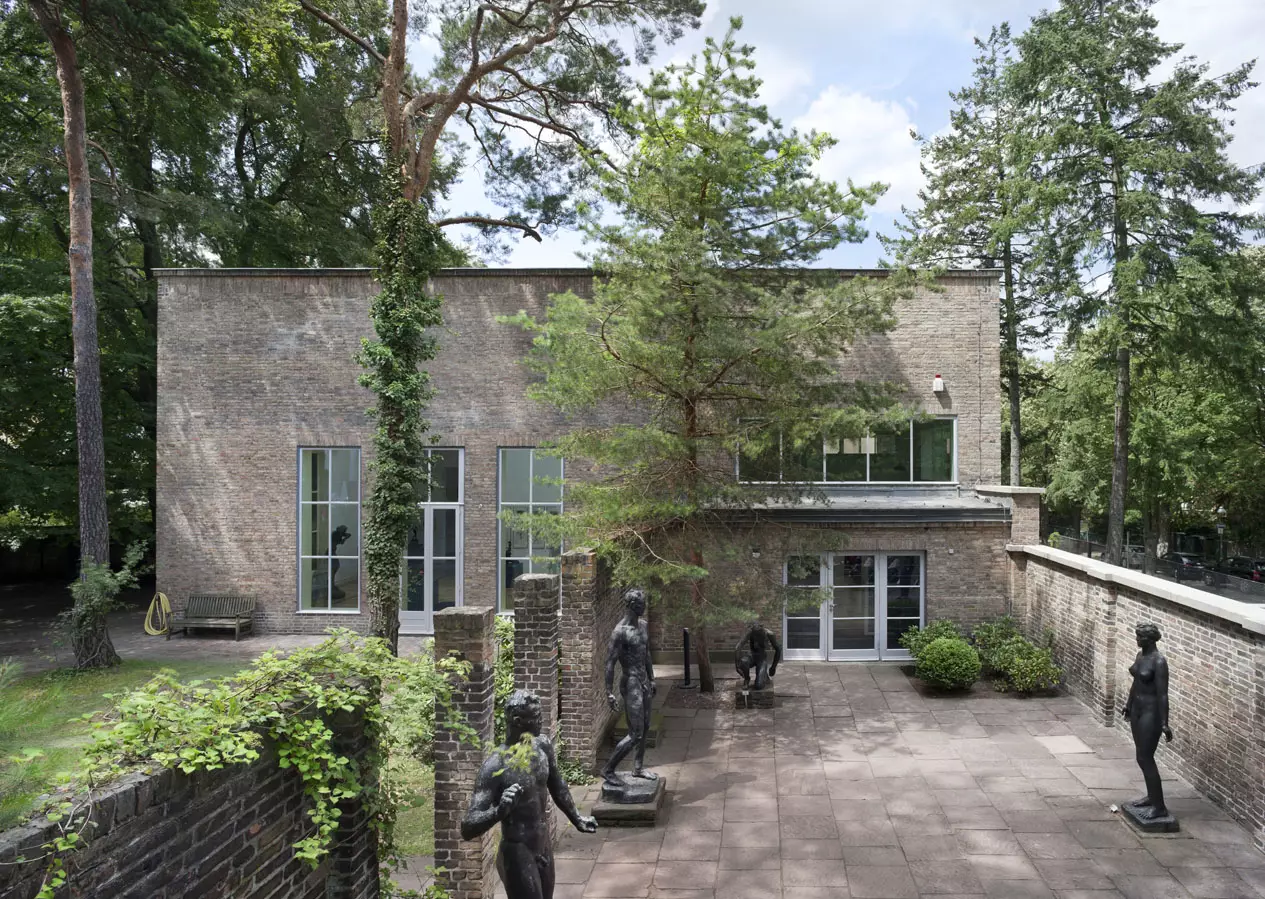
Georg Kolbe Museum
Berlin, GermanyA museum dedicated to the Berliner sculptor.
Christi-Auferstehungs-Kathedrale
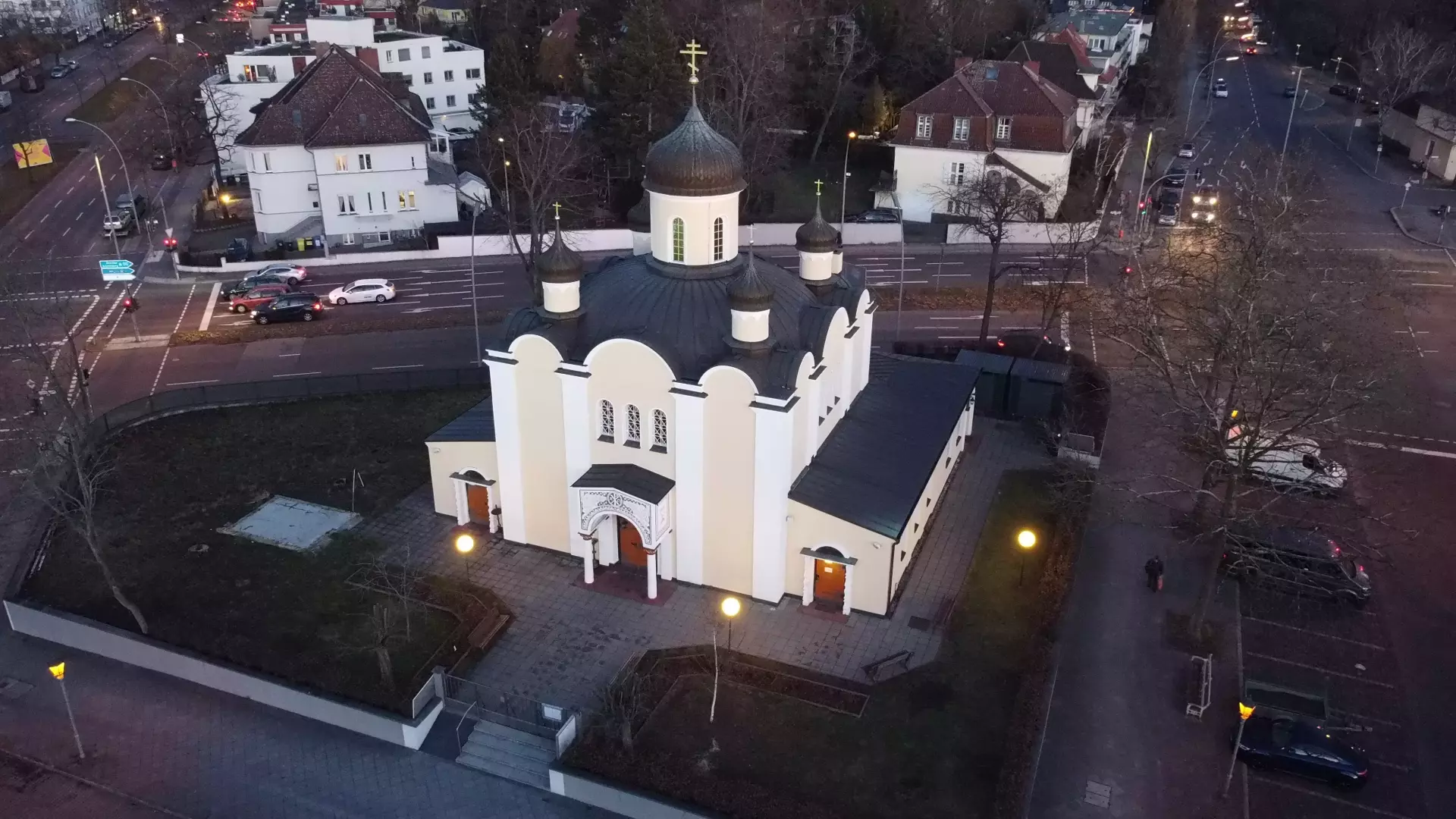
Berlin, Germany1938

Rheingauviertel
Berlin, Germany
Grunewaldturm
Berlin, GermanyHistoric observation tower in the forest near the big Havel River.
Teufelsberg
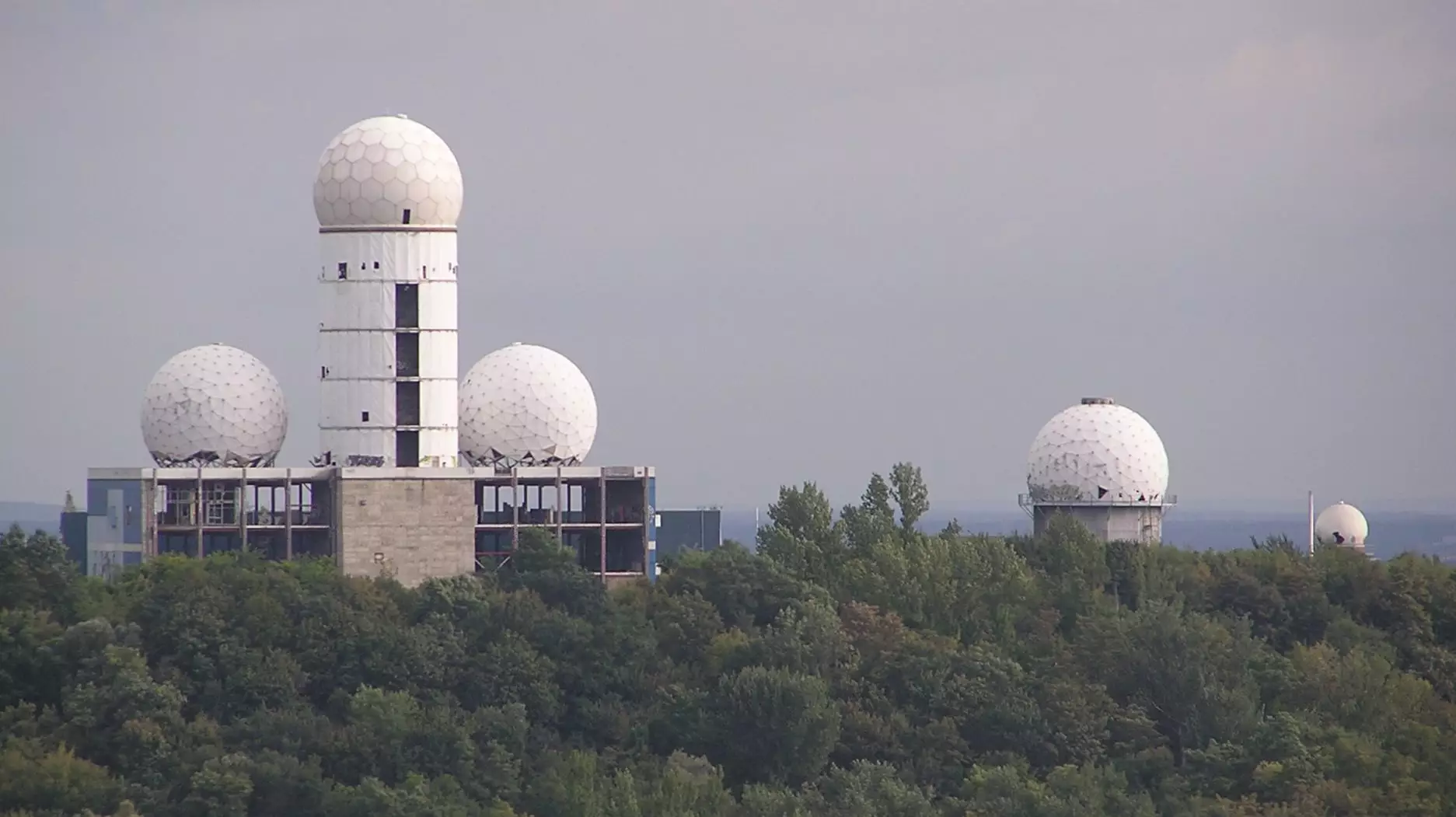
Berlin, GermanyA man-made hill of about 120 m in the Grunewald, created after the Second World War from debris of the city. On top is the Field Station Berlin, a former US listening station. Inside the building complex you can see lots of graffiti art. The hill can be accessed without any restrictions and is free; however, the building complex is surrounded by fences and requires a ticket (tours are available as well).

Akazien-/Goltzstraße
Berlin, Germany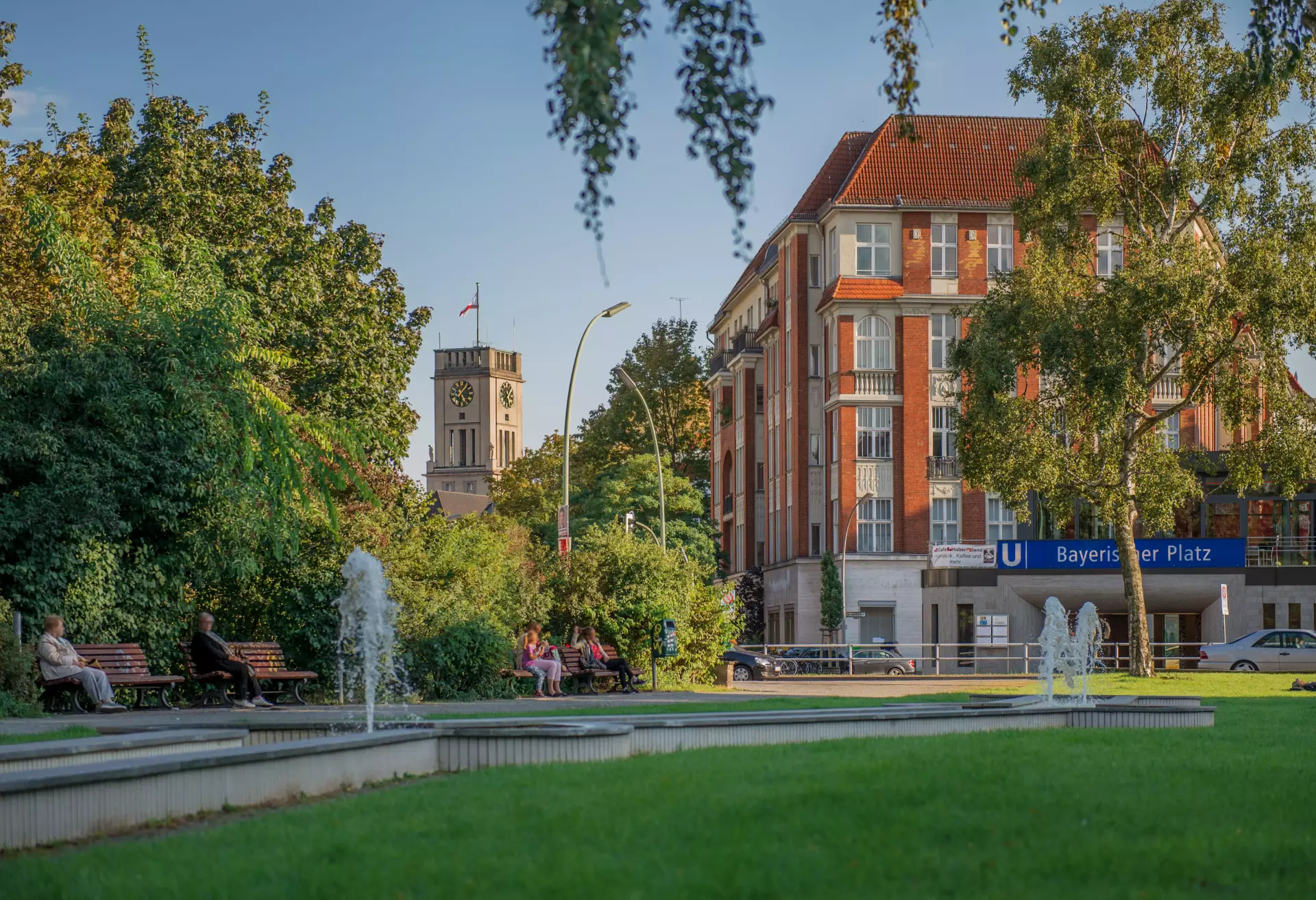
Bayerischer Platz
Berlin, GermanyThe Bayerischer Platz is the centre of the Bayerisches Viertel ("Bavarian district", with many streets named after Bavarian cities), which was destroyed a lot more during World War II (about 60%). Somewhere around there Albert Einstein lived once. You’ll find several memorial signs providing information about the Nazi regime's persecution of gays and Jews.
Nollendorfplatz
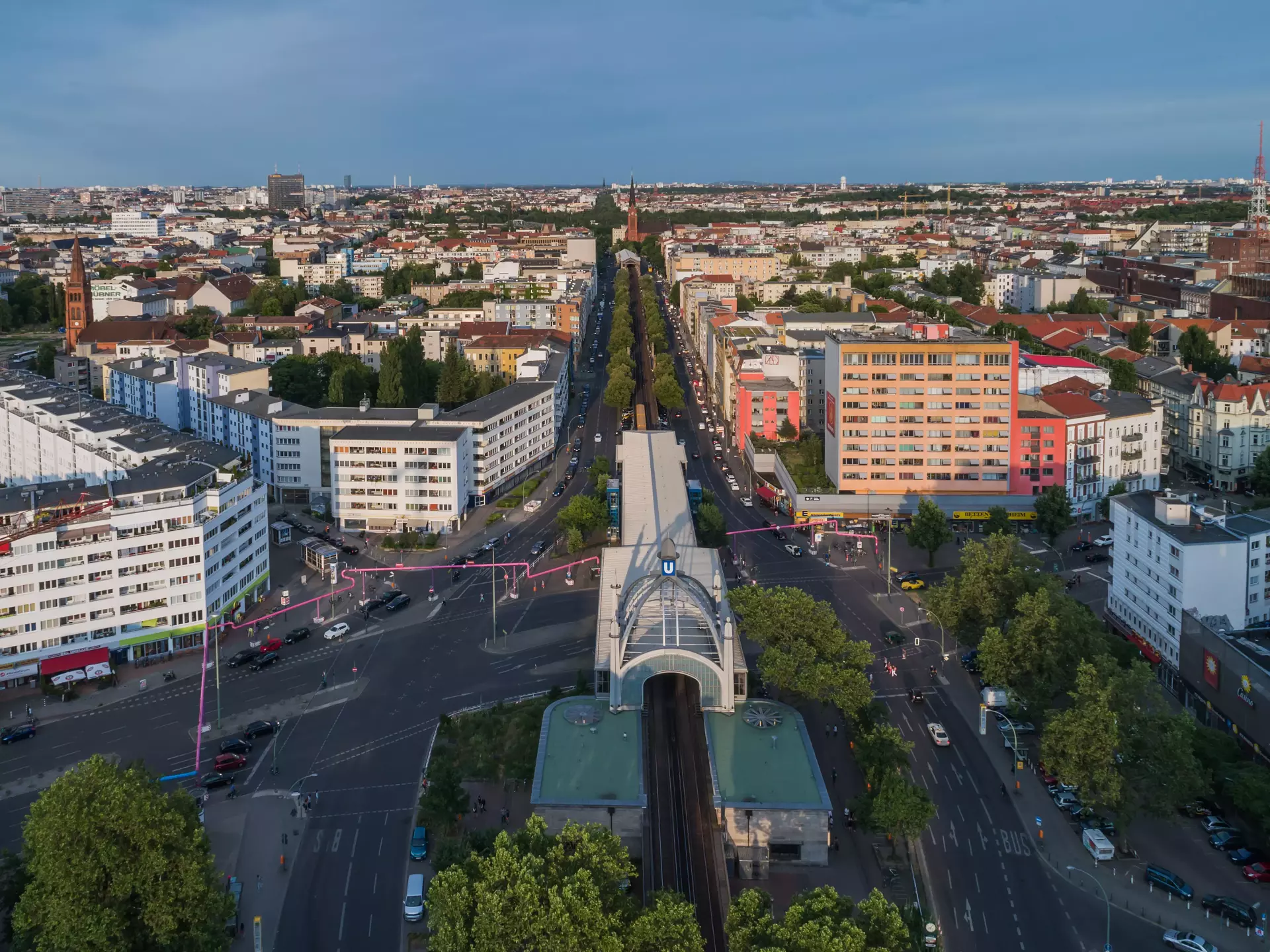
Berlin, GermanyThis area was Gay Central during the Weimar Republic, and it is today. But of course all are welcome. There is a diverse mix of restaurants and stores, several of which are open till midnight or later every day. The U-Bahn station has a superstructure and towers that echo the appearance of the Art Nouveau Neues Schauspielhaus across the street, now the Metropol, where radical left-wing dramas used to be presented in the 20s and 30s, and it is lit in rainbow colors.
Planetarium am Insulaner
Berlin, Germany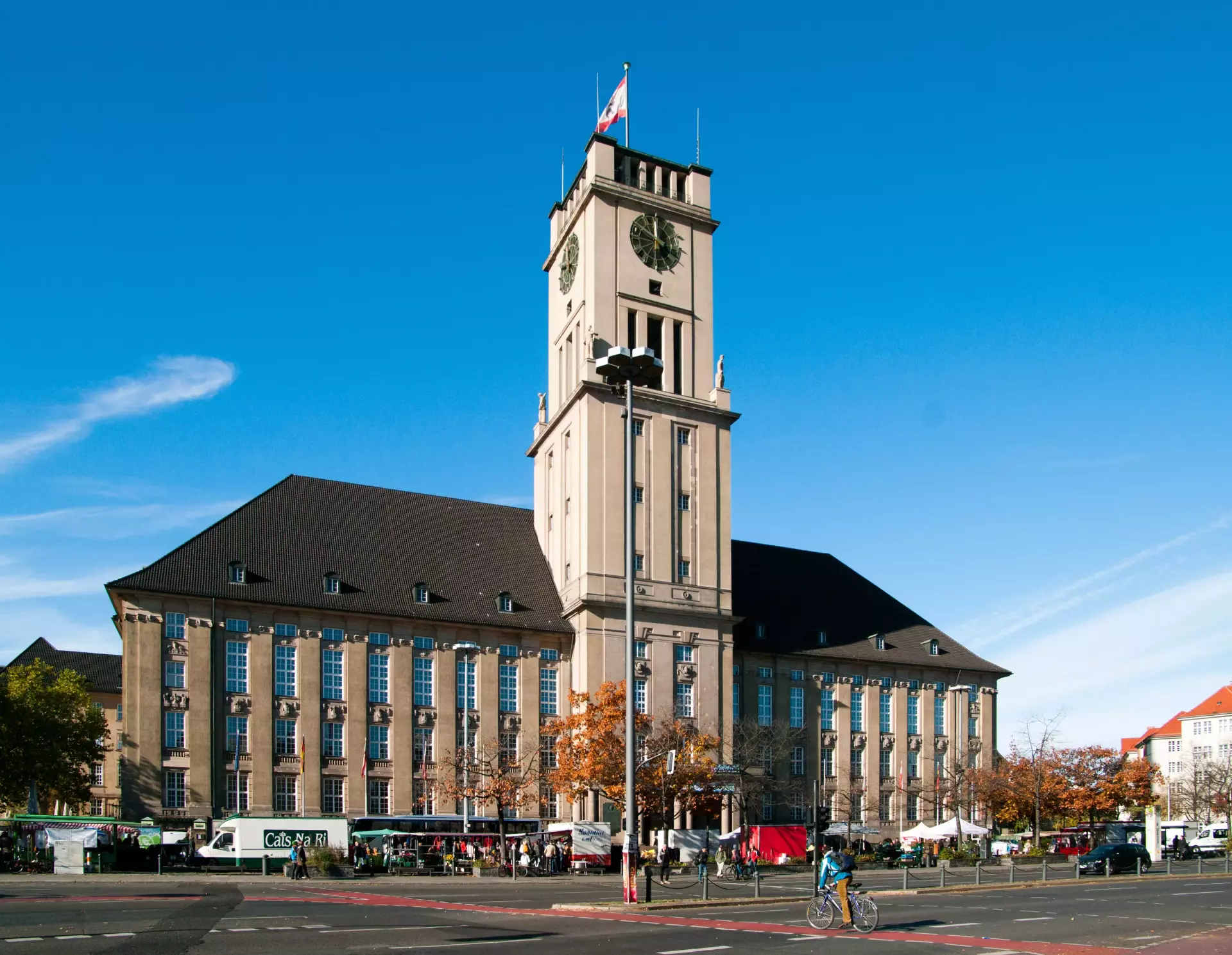
Rathaus Schöneberg
Berlin, GermanyThe district town hall was the main town hall for West Berlin during the Cold War. The freedom bell (a present from the American people) and several memorials from that time can be found here. On the main balcony in 1963 U.S. President John F. Kennedy made his famous statement, "All free men, wherever they may live, are citizens of Berlin, and, therefore, as a free man, I take pride in the words ‘Ich bin ein Berliner!’". On 10 November 1989 Helmut Kohl (chancellor (Bundeskanzler) 1982-1998) and Willy Brandt (former Bundeskanzler and mayor of Berlin) cheering the crowd as they saw the end of the Berlin Wall the night before. The town hall is an emotional place for most people in Berlin (especially West Berlin).
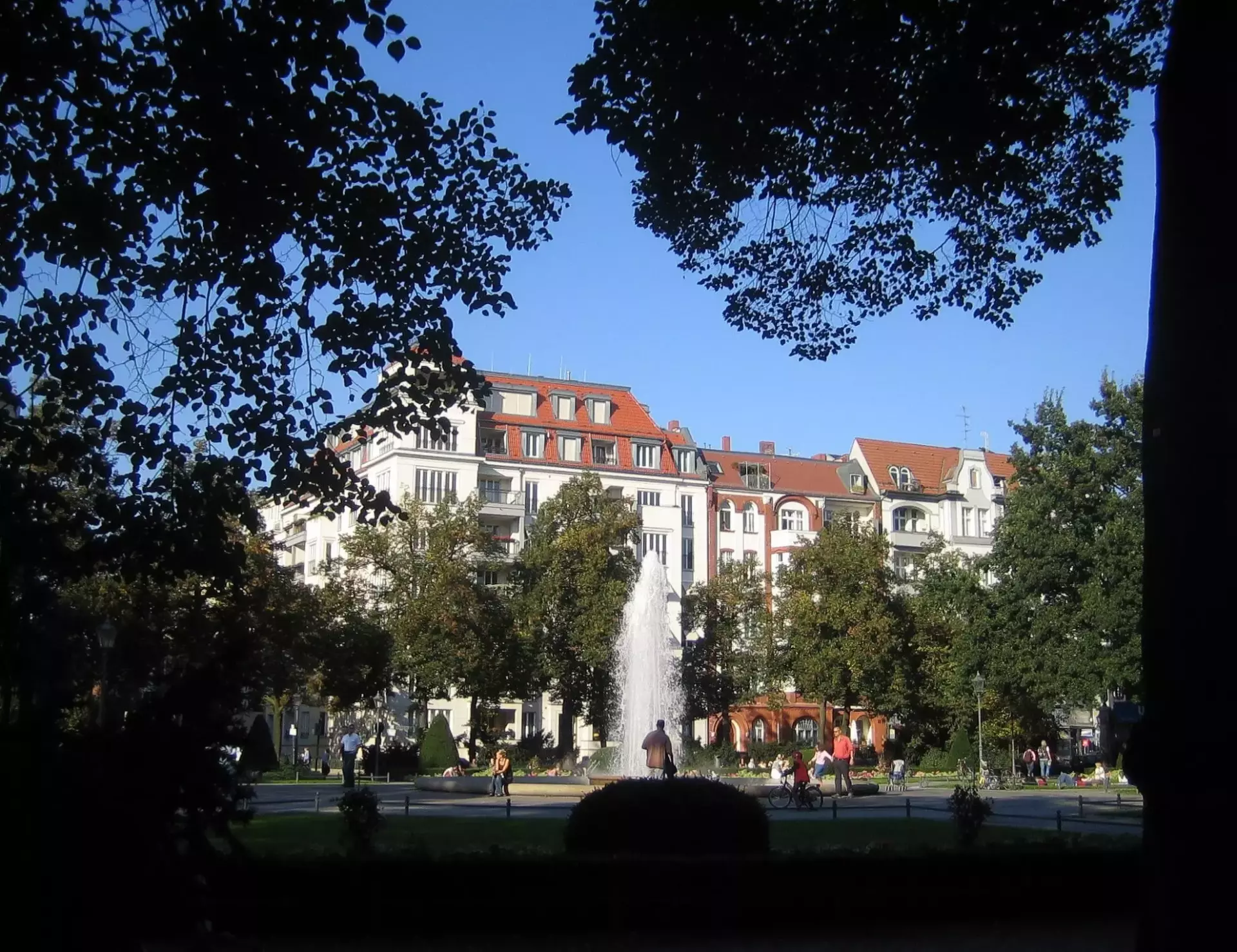
Viktoria Luise Platz
Berlin, GermanyFeatures a nice fountain, stately old houses and a good night time hot spot. Many people hang out in the platz in good weather.
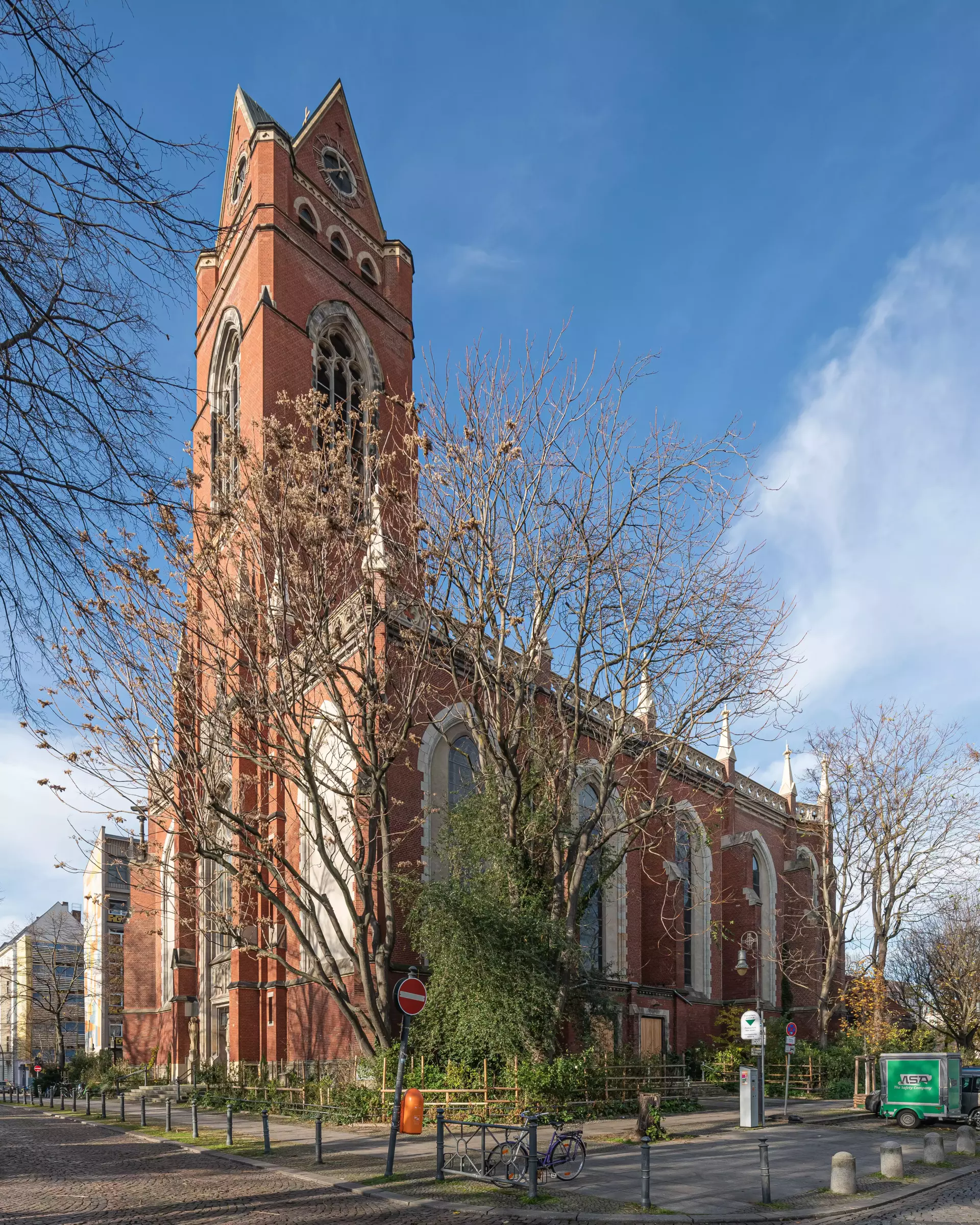
Winterfeldplatz
Berlin, GermanyPlaces with markets on Wednesdays and Saturdays are popular with locals at Winterfeldplatz. Buy a coffee and browse amongst the stalls; this is a place to unearth hidden gems. Breakfast is served usually until 14:00-15:00.
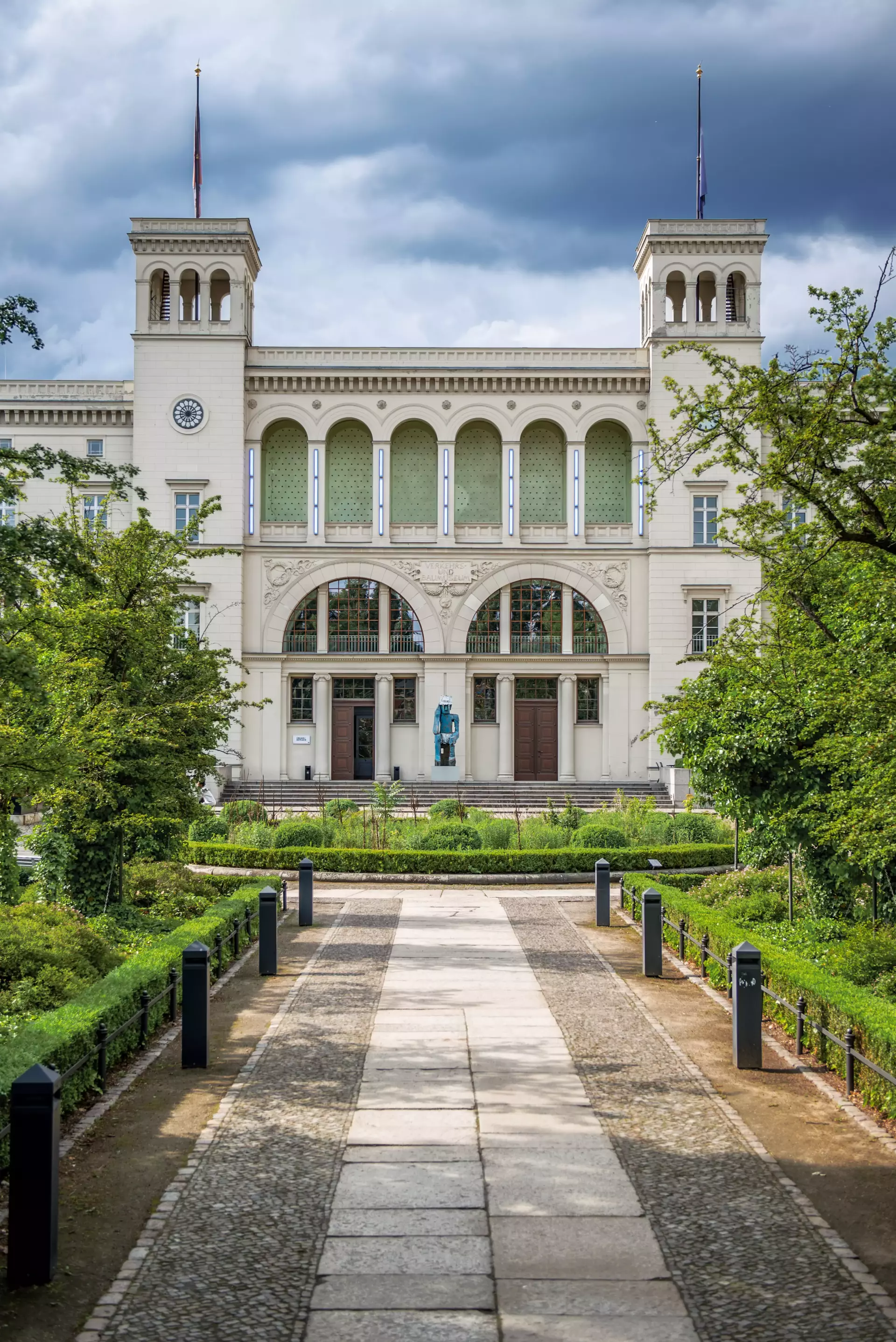
Hamburger Bahnhof – Museum für Gegenwart
Berlin, GermanyMuseum of Contemporary Art located in former Hamburger Bahnhof train station. Big halls filled with artworks made since 1960s. In 2004 Rieckhallen, former Lehrter Bahnhof, was opened and now provides exhibition space for the Friedrich Christian Flick Collection. Free public guided tours (in English): Sa and Su at 12:00.
Moabit Prison Historical Park
Berlin, Germany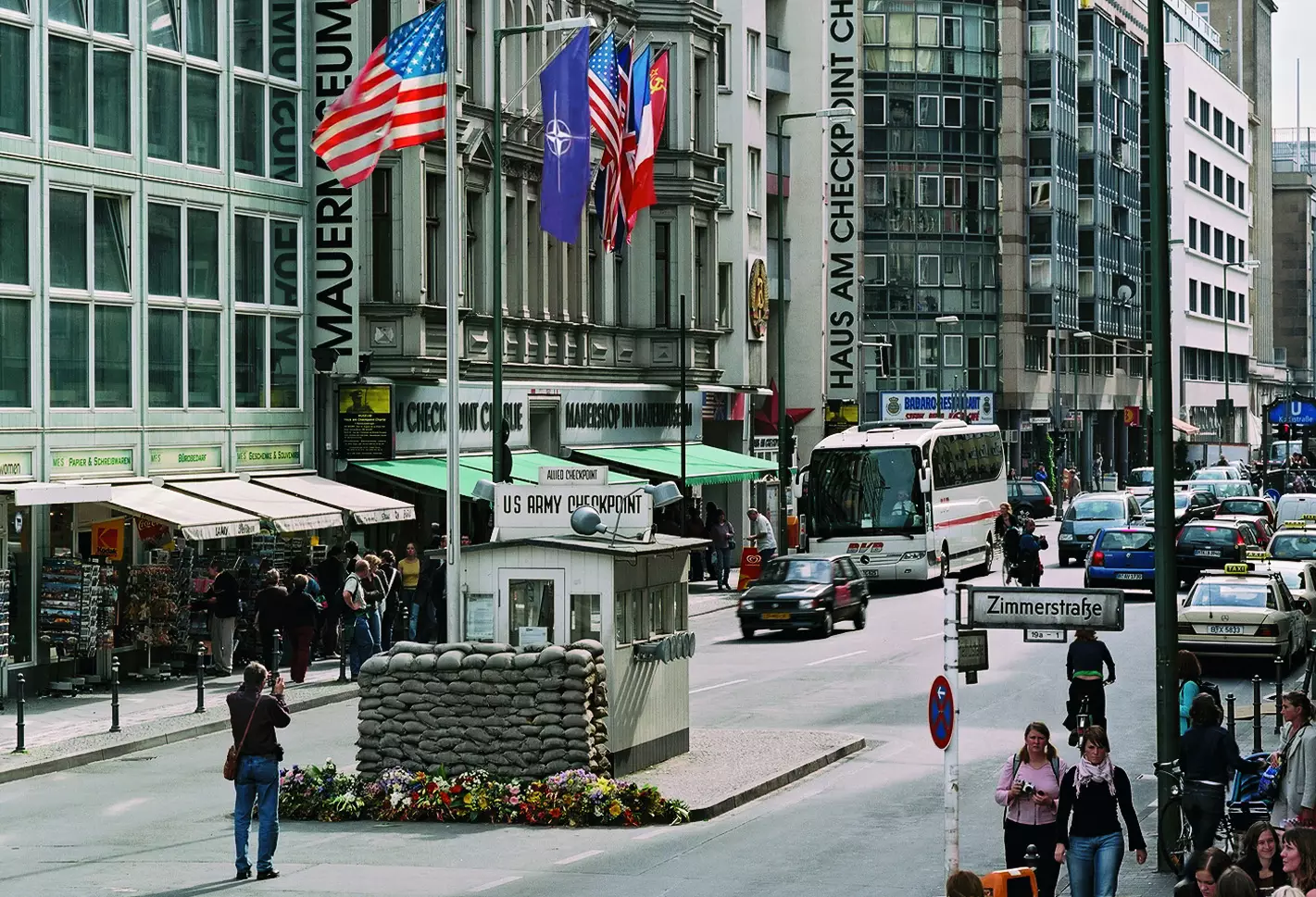
Checkpoint Charlie
Berlin, GermanyIt was the only border crossing between East and West Berlin that permitted foreigners passage. Residents of East and West Berlin were not allowed to use it. This contributed to Checkpoint Charlie's mythological status as a meeting place for spies and other shady individuals. Checkpoint Charlie gained its name from the phonetic alphabet; checkpoints "Alpha" and "Bravo" were at the autobahn checkpoints Helmstedt and Dreilinden respectively. Checkpoint Charlie's atmosphere was not improved at all on 27 Oct 1961 when the two Cold War superpowers chose to face each other down for a day. Soviet and American tanks stood approximately 200 m apart, making an already tense situation worse. Now the remains of the Berlin Wall have been moved to permit building, including construction of the American Business Center and other institutions.At the intersection of Zimmerstraße and Friedrichstraße (U-Bahn Kochstraße U6) is the famous "You Are Leaving the American Sector" sign. The actual guardhouse from Checkpoint Charlie is now housed at the Allied Museum on Clayallee. For a more interesting exhibit go to the Haus am Checkpoint Charlie. This is a private museum with kitschy memorabilia from the Wall and the devices GDR residents used to escape the East (including a tiny submarine!). There are also people who set up booths here offering to stamp your passport with souvenir stamps in exchange for a small fee. You are highly advised not to put these stamps in your passport, as these are not official stamps and could invalidate it. Instead, bring along an expired passport or a small booklet to put the stamps in.