
Tourist attractions in Berlin
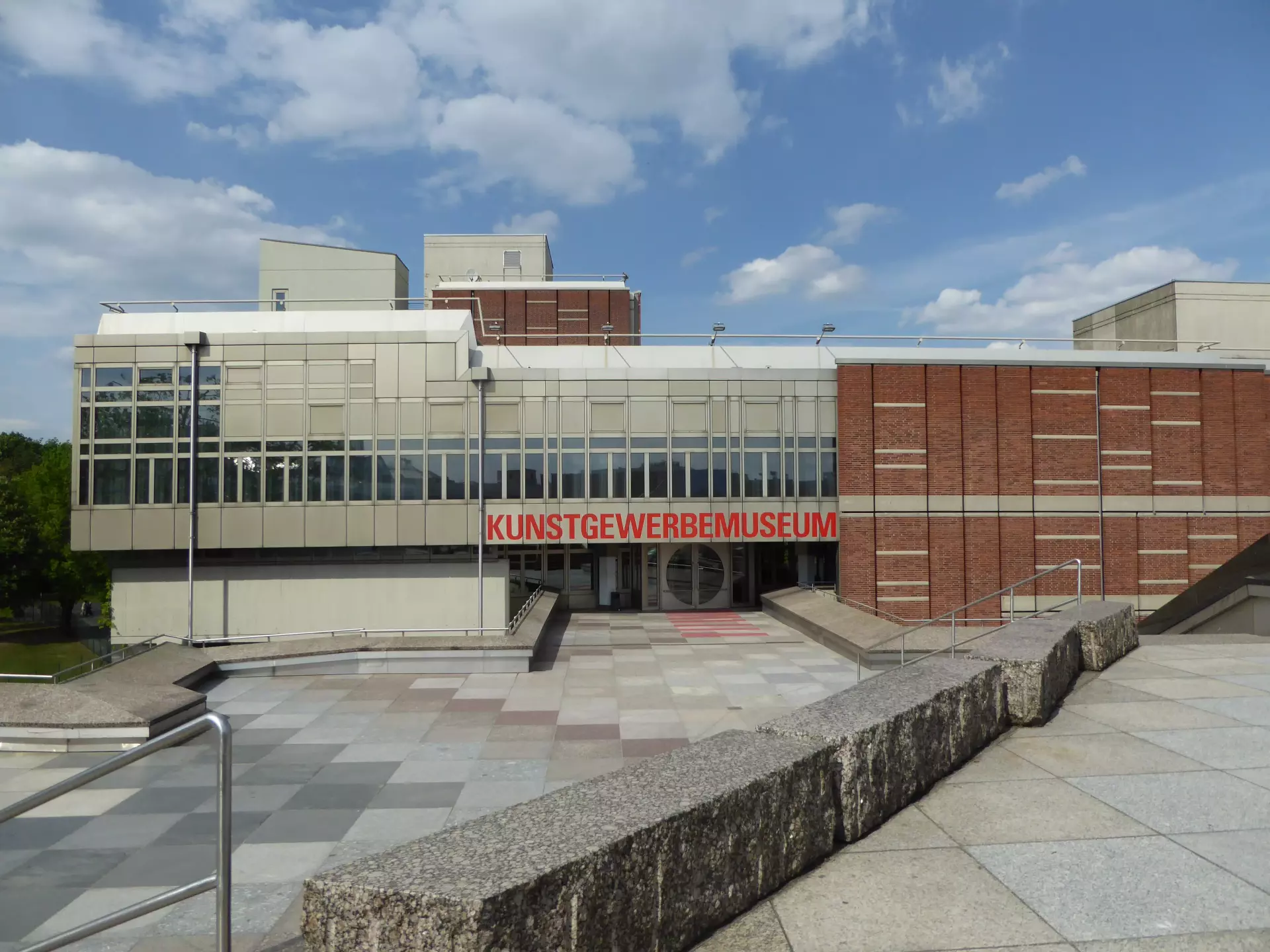
Kunstgewerbemuseum
Berlin, GermanyThe oldest museum of its kind in Germany which, despite great losses during the World War II, still possesses one of the world's primary collections of European applied art. There are two sections to the collection: one located at the Kulturforum in Tiergarten, the other at Köpenick Palace.
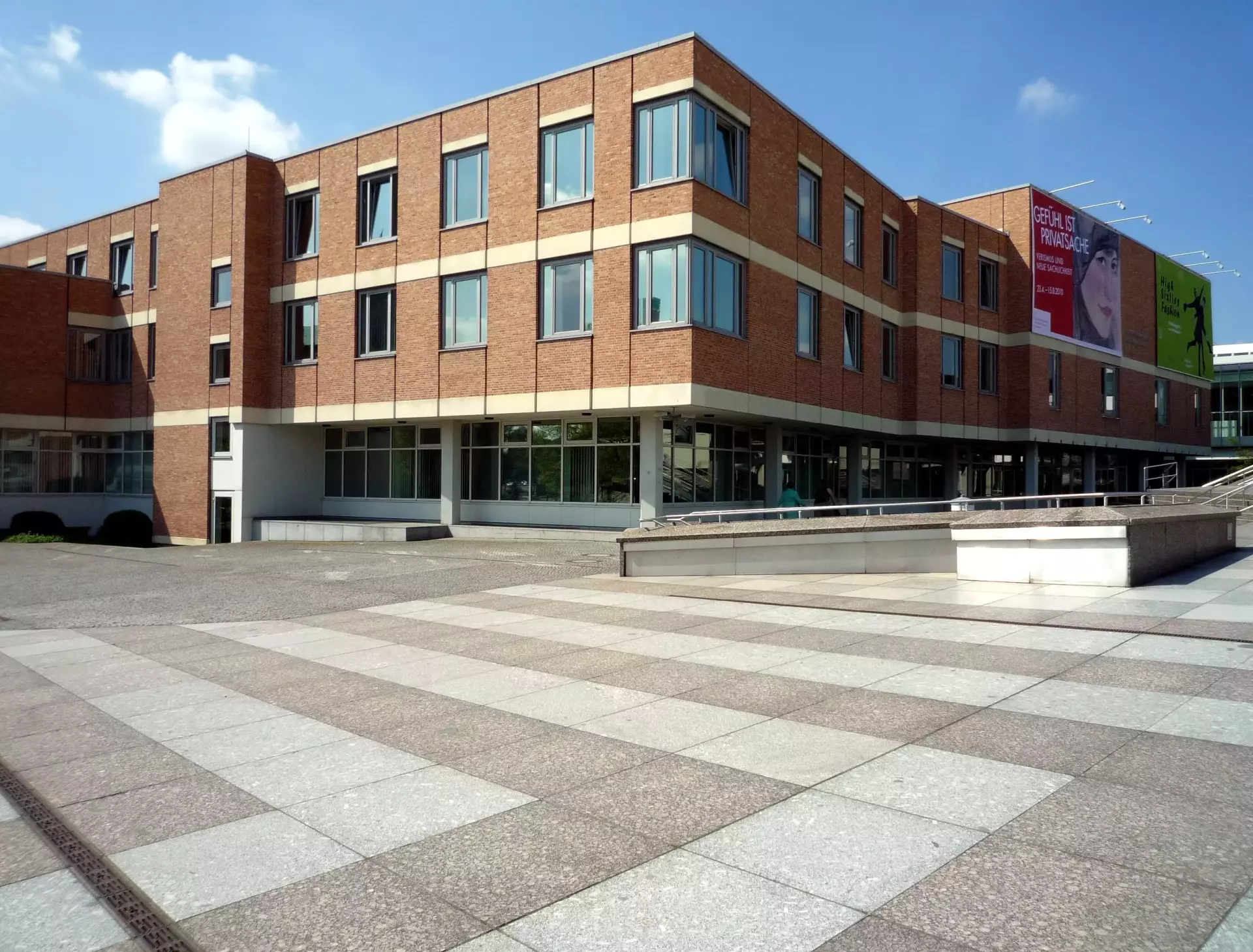
Kupferstichkabinettt
Berlin, Germany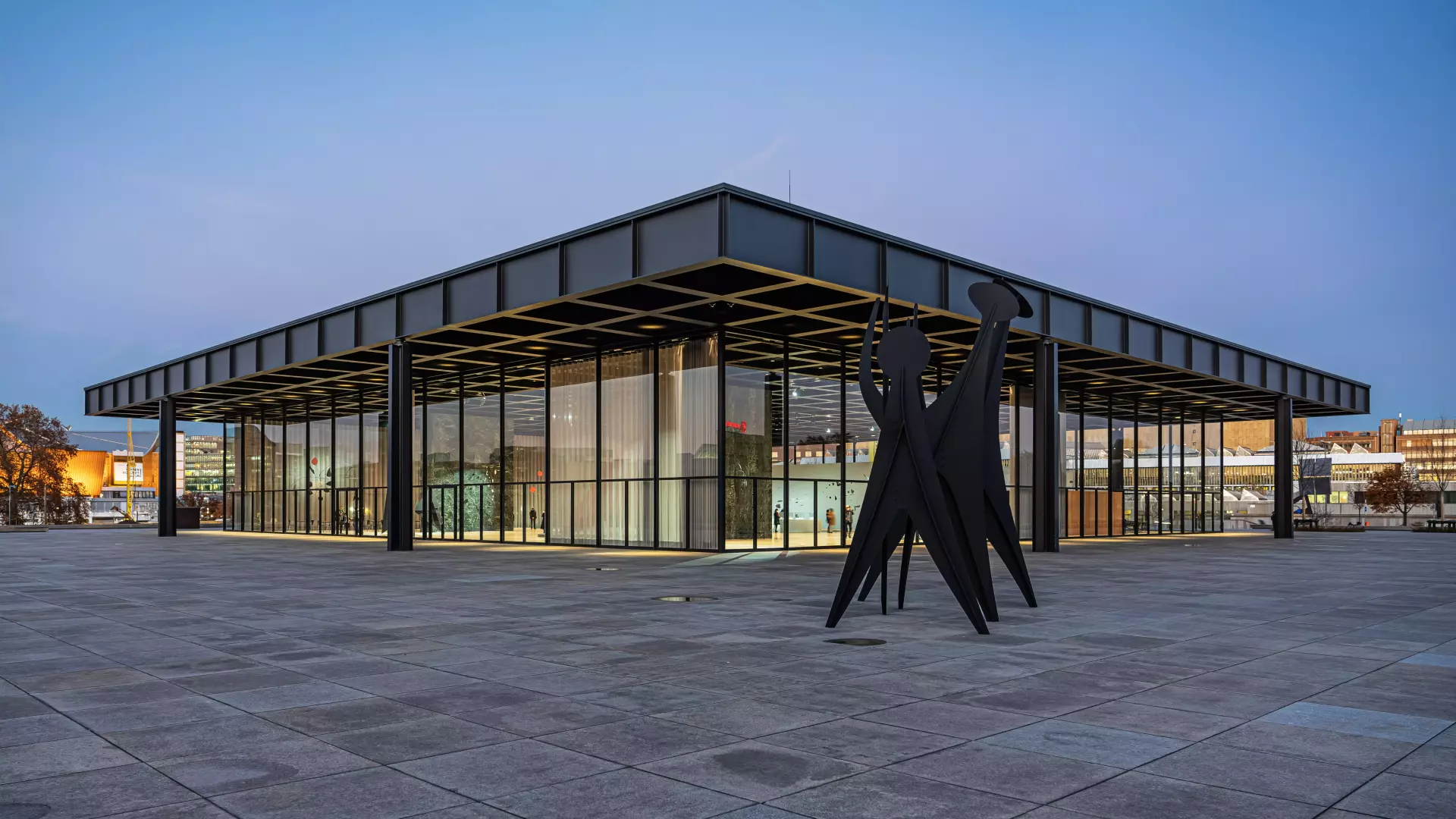
Neue Nationalgalerie
Berlin, GermanySpectacular building by Mies van der Rohe contains its own collection and temporary exhibitions.

Documentation Centre for Displacement, Expulsion, Reconciliation
Berlin, GermanyThe Documentation Centre features exhibits, library and testimony archive about forced migration and expulsion of people in the 20th century. The main focus is on the fate of German refugees in the course of World War II, but that issue is presented in the context of the German attack on its neighbours in the war and the prior displacement and expulsion of other ethnic groups on the orders of the German government. The museum was controversial before it was even opened as it was championed by Erika Steinbach, a controversial right wing figure in the German expellee movement which is dominated by the political right. Steinbach and her idea of a "centre against expulsions" were particularly controversial in Poland, but the finished museum has seen no input from Steinbach and tries to strike a balance between portraying the suffering of expellees (German or otherwise) while also not ignoring the greater context and the fact that the expulsions were the direct result of German military aggression.
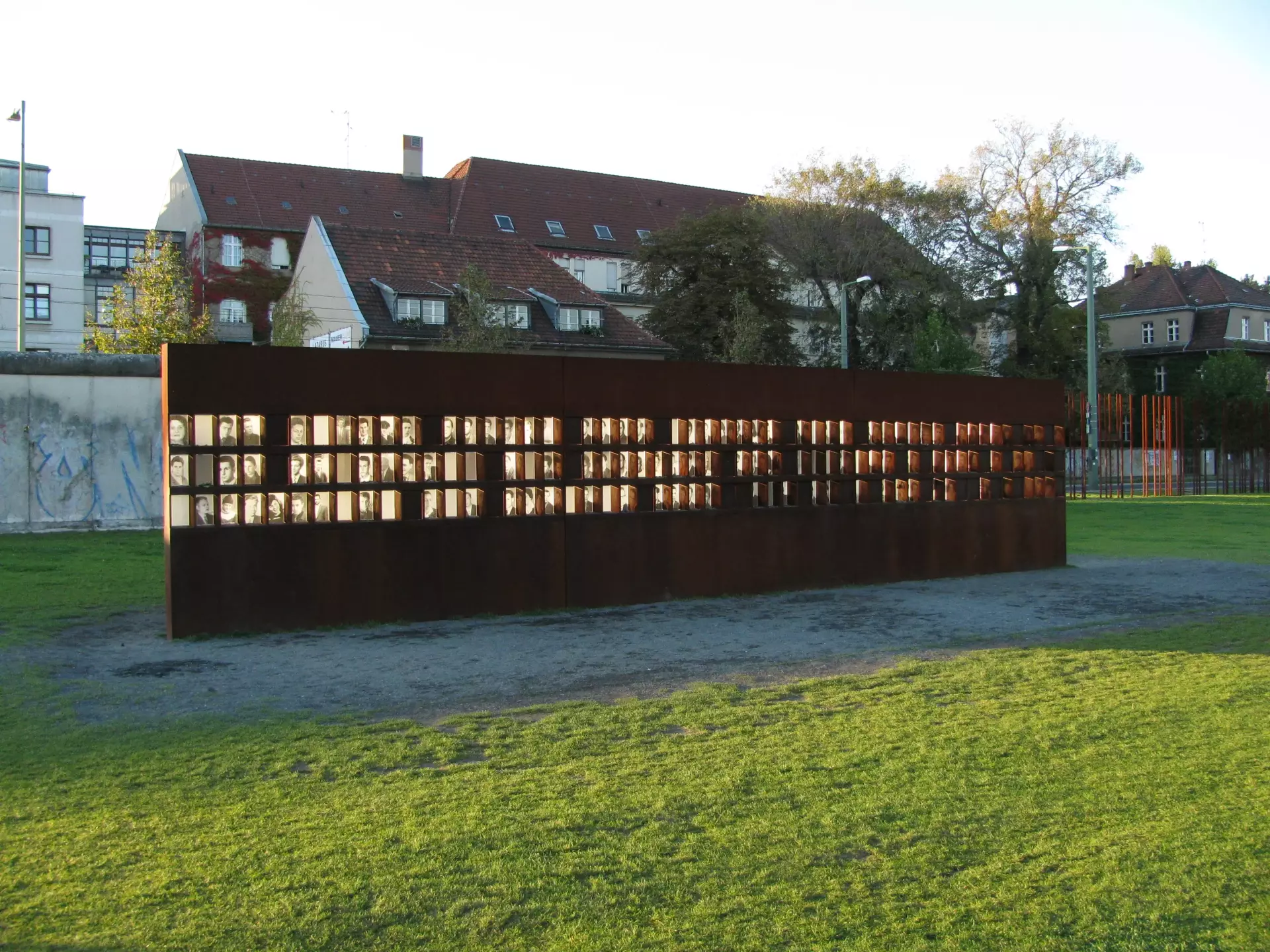
Berlin Wall Memorial
Berlin, GermanyThe memorial site stretches along the full 1.5-km length of Bernauer Straße. The listing marker points to the visitor centre. Various monuments can be found along the entire length of the street, documenting nearby escape attempts and tunnels; captions are in German and English. The documentation centre across the street on Bernauer Straße/Ackerstraße is excellent (although most of the documentation is in German). The viewing platform next to the documentation centre gives you a tiny hint of the true scale of the Wall and how terrifying the "no man's land" between the two sections of walls must have been. The monument (that you can see from the platform) is a complete section of 4th generation wall - both inside and outside sections, and you can peer through from the east side to see the remains of the electric fence and anti-tank devices in the death strip. It really helps you understand what an incredible feat it was to get from one side to the other -- and why so many died doing it. The memorial site is often missed by tourists but an absolute must for anyone interested in this part of the city's history. It's a memorial to those who died crossing, so you won't, fortunately, get the tackiness of the Checkpoint Charlie area; instead you will be left with a haunting feeling of what life with the wall may have been really like.Bernauer Straße is a street with a great deal of Wall history: it came to tragic prominence on August 13, 1961 when East German authorities closed the border and the street (with houses in the East but the street in the West). Border guards walled the doors and windows shut to keep Easterners from escaping by jumping out the window while Westerners (including police and fire brigades who brought life nets to help catch refugees) looked on in horror. The first recorded Wall-related death - the notorious Peter Fechter case (he bled to death in the "no-man's-land" with both sides unwilling or unable to help him) - was here, as was one of the famous tunnels and the famous photograph of the GDR border guard leaping over the barbed wire.
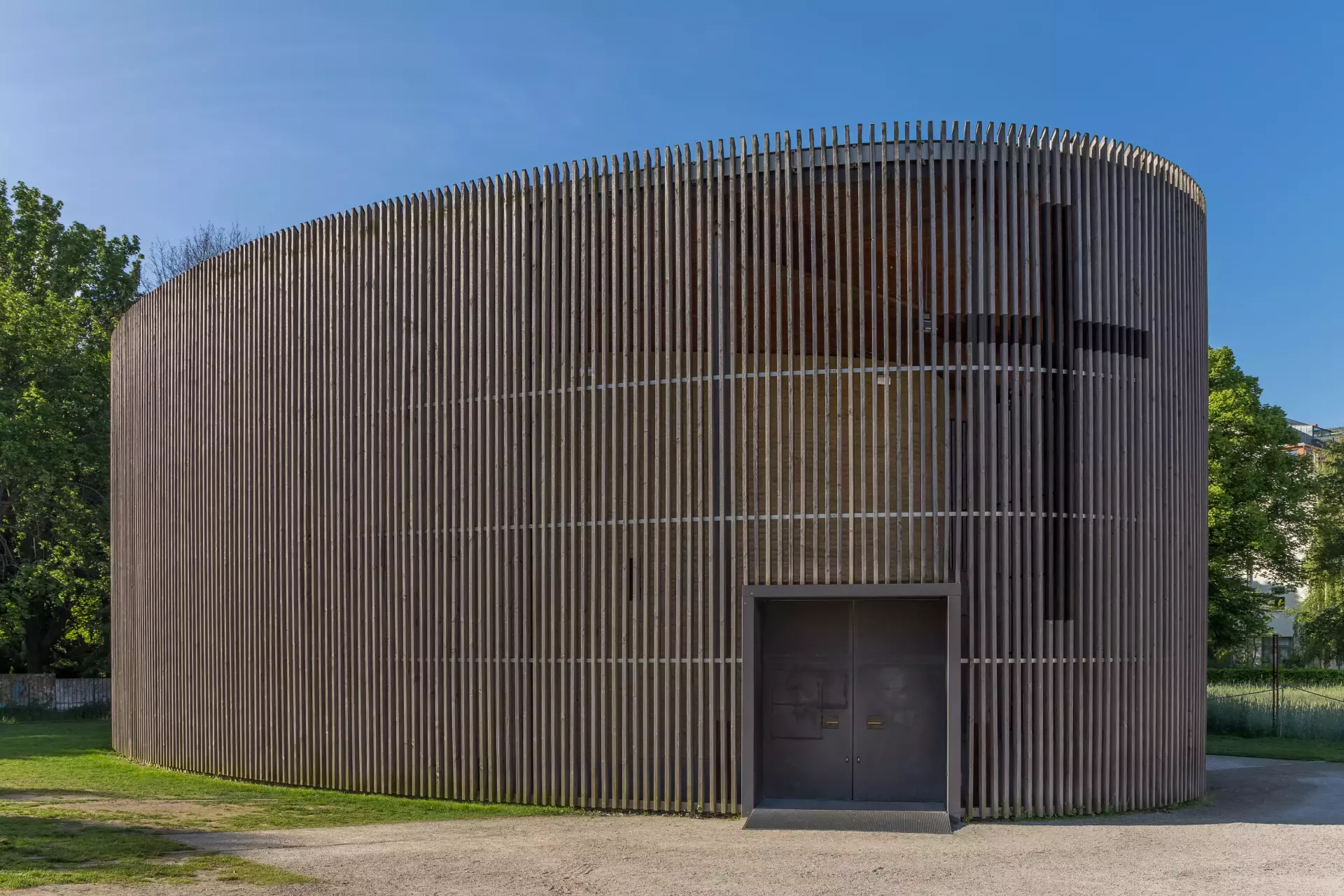
Kapelle der Versöhnung
Berlin, GermanyThis chapel was built on the site of a church built in 1894 which sat on the "death strip" and was thus blown up by the GDR authorities in 1985. The chapel is the site of occasional memorial services for victims of the wall.
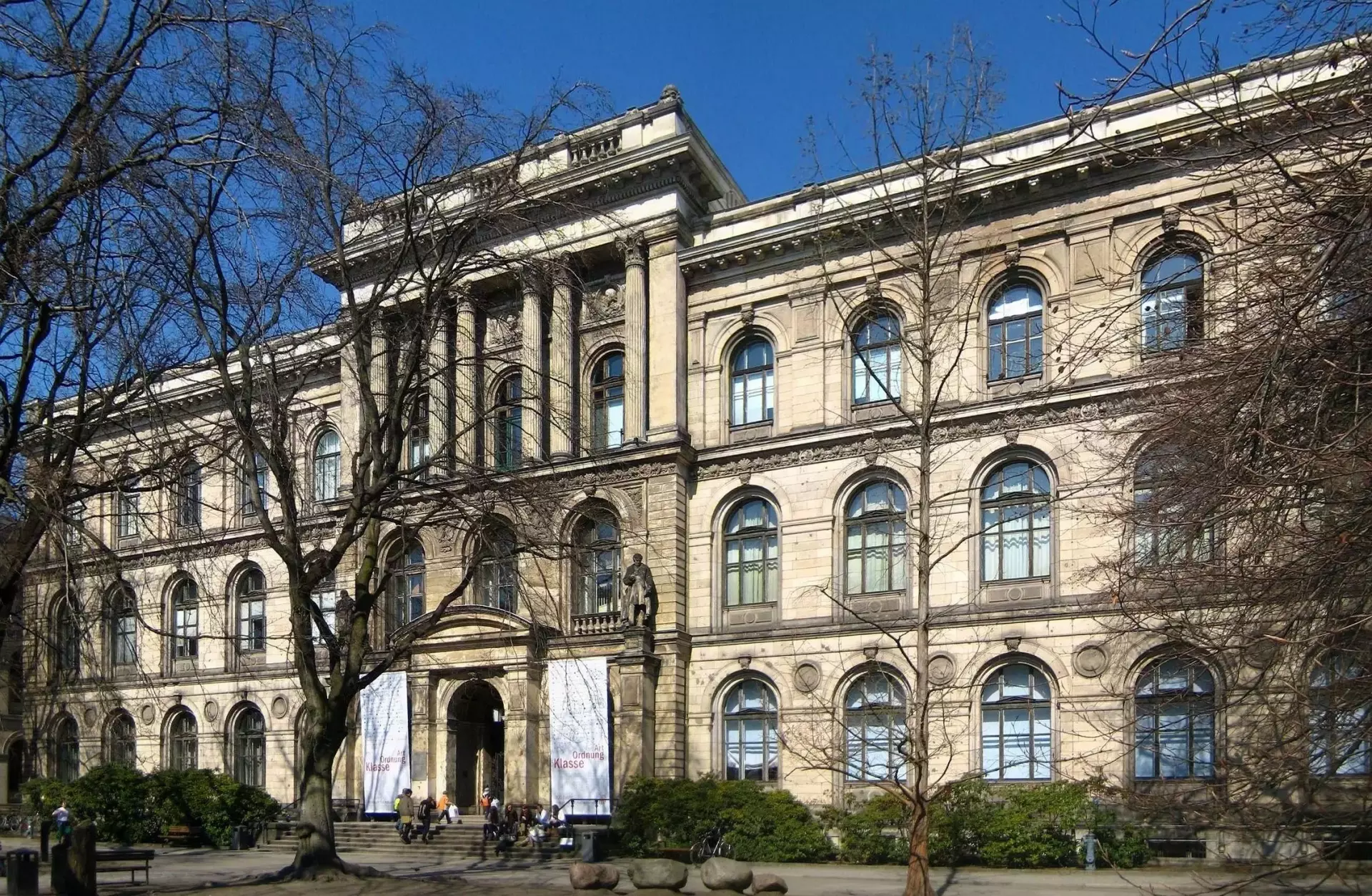
Museum für Naturkunde
Berlin, GermanyMore than 30 million objects in the scientific collection and a fascinating exhibition in one of the most significant institutions of its kind in the world. Some parts still under construction.
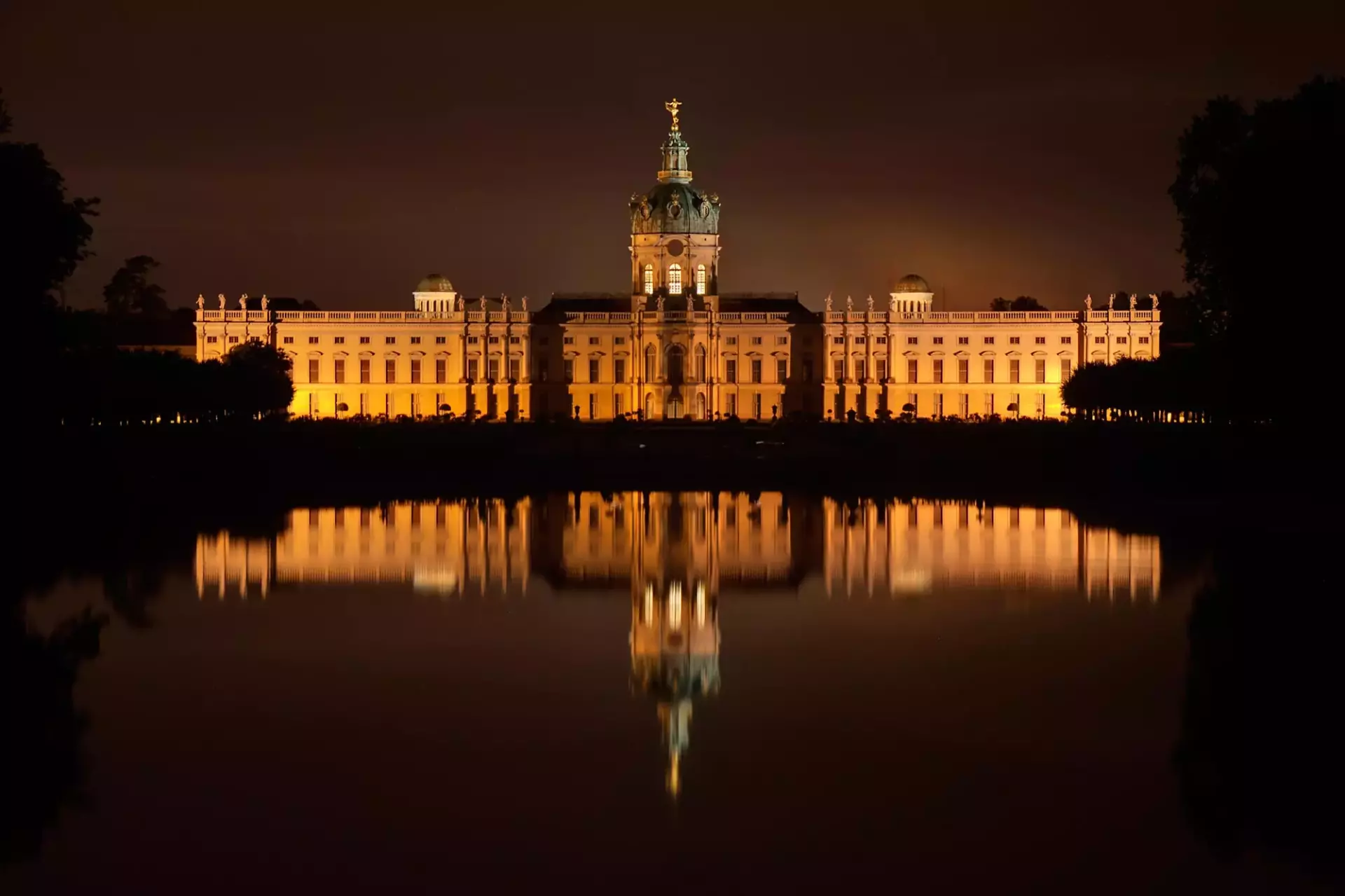
Charlottenburg Palace
Berlin, GermanyOne of the oldest buildings in Charlottenburg and actually the reason for the whole city to be built.
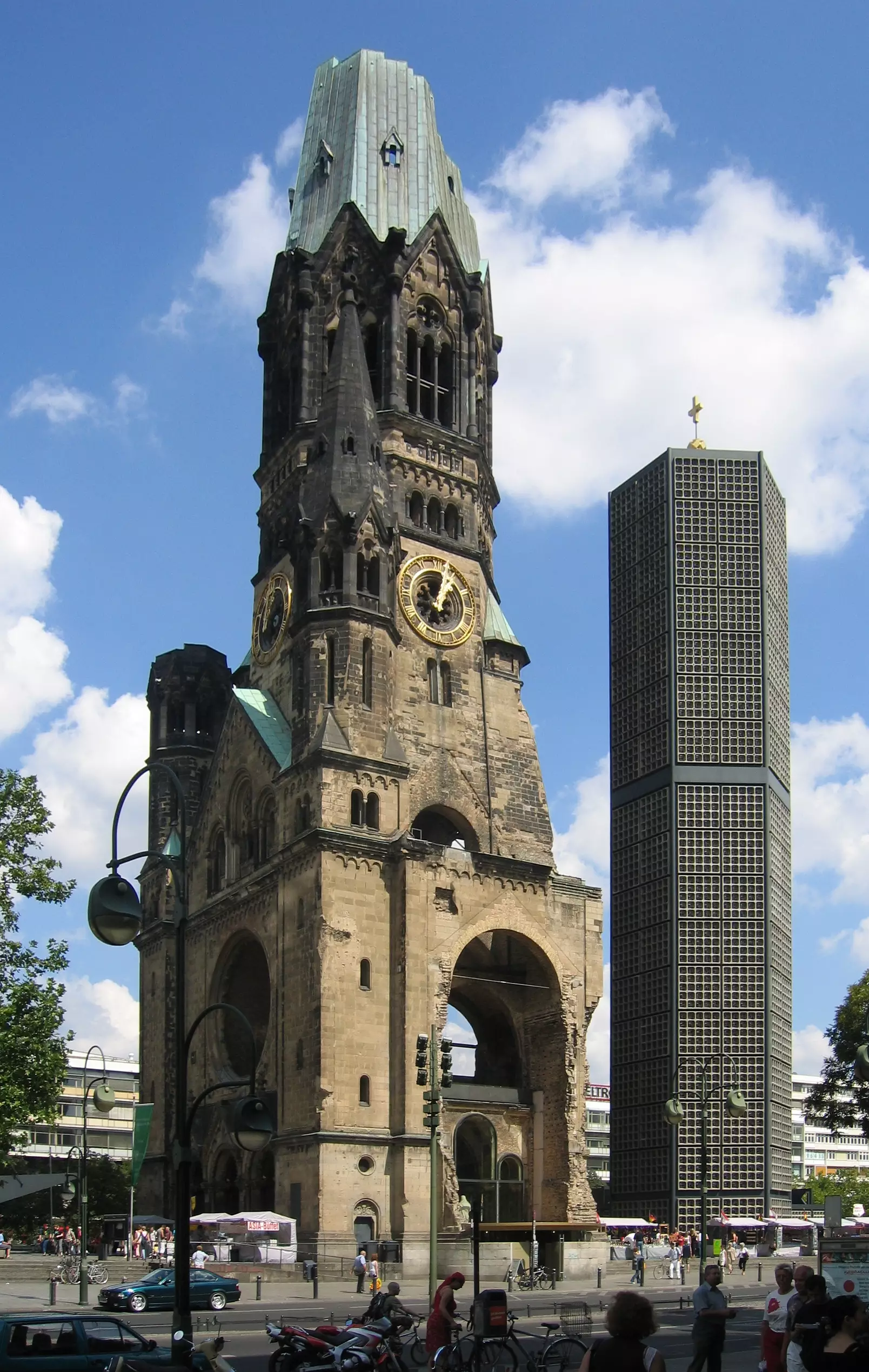
Kaiser Wilhelm Memorial Church
Berlin, GermanyAlso known as "der hohle Zahn" (the Hollow Tooth), this church in Breitscheidplatz is a memorial to Kaiser Wilhelm, and one of Berlin's most famous landmarks. Thick walls and plain decor mark it as neo-Romanesque, but with what's left of the Gedächtniskirche, it's tough to distinguish it as any one style. Allied bombing left only one tower standing on 22 November 1943, but a new location for worship designed by Egon Eiermann was completed in December 1961 (it's the octagonal structure with blue stained glass windows). There is a small memorial museum beneath the tower filled with artifacts from the original church, which was built from 1891-95 to architect Franz Schwechten's specifications.Controversy arose after the war over the various options presented by the half-ruined cathedral - should it be torn down completely and rebuilt? Or should the destroyed sections be left standing as a memorial? The four major sections of the Kaiser-Wilhelm-Gedächtniskirche (central space, foyer, new tower and chapel) surround the ruined tower of the old church bridge and show the time gap between old and new. Mosaics and other remnants from the old church serve as a monument against war.
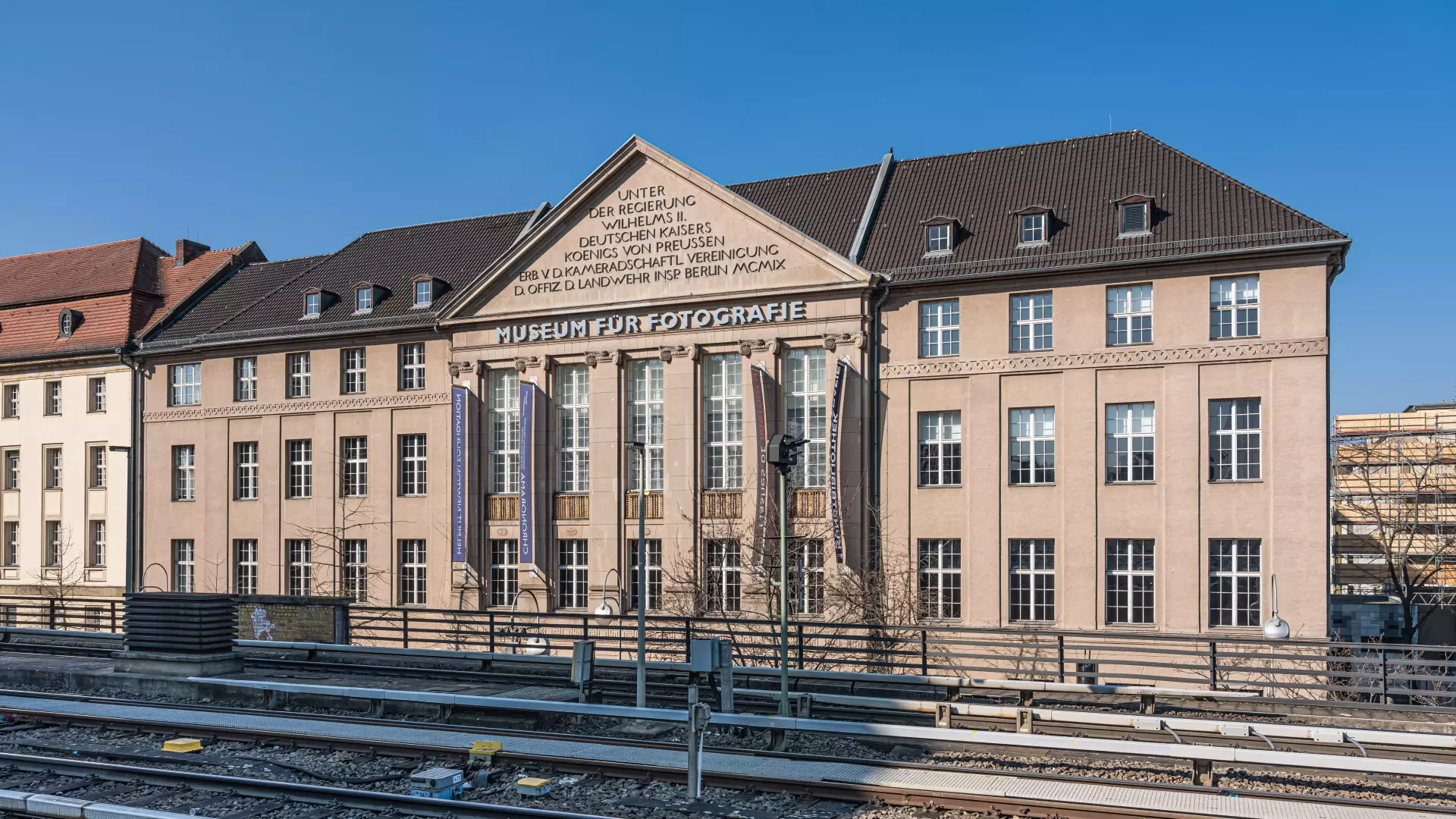
Museum of Photography
Berlin, Germany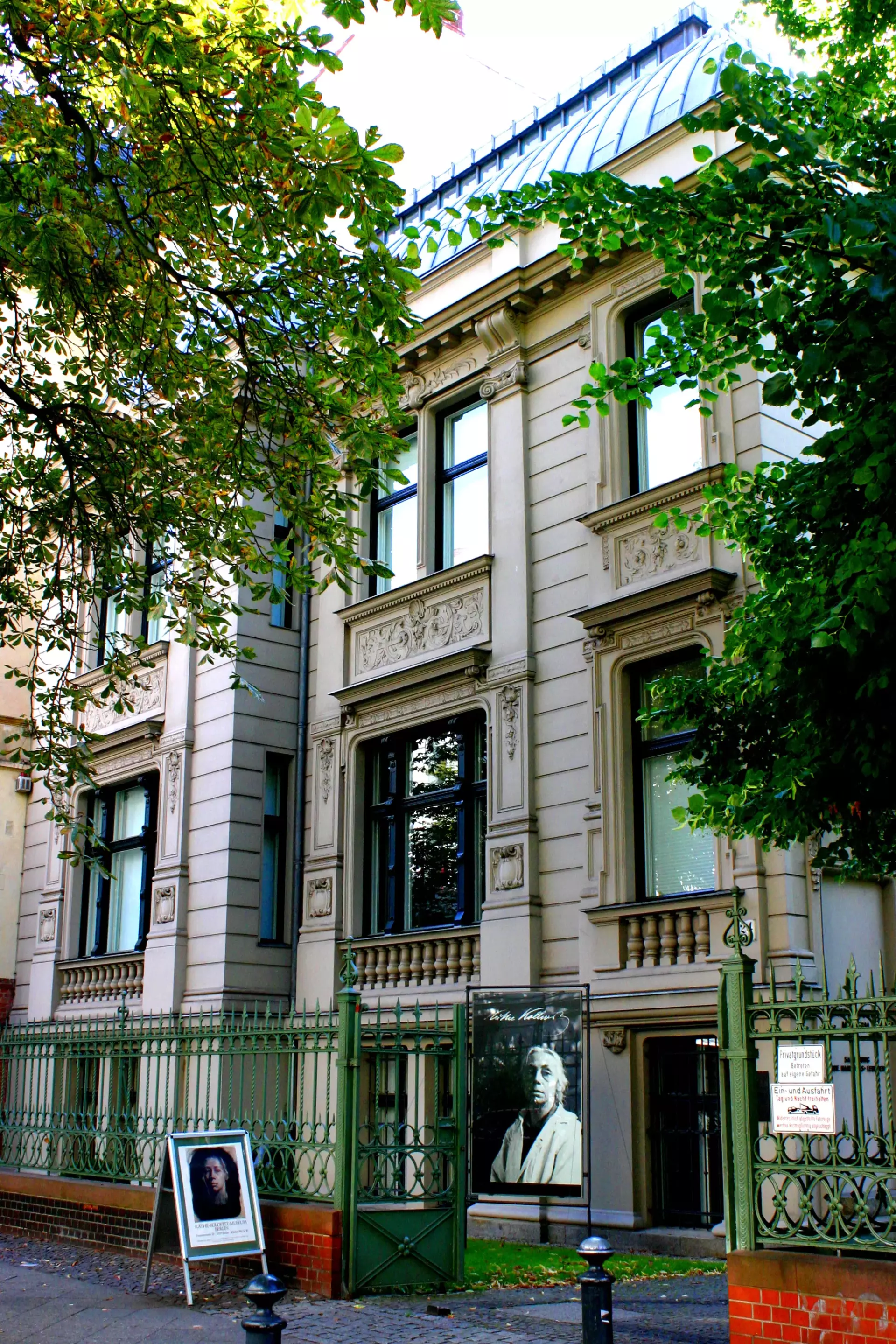
Käthe Kollwitz Museum
Berlin, Germany
The Story of Berlin
Berlin, Germany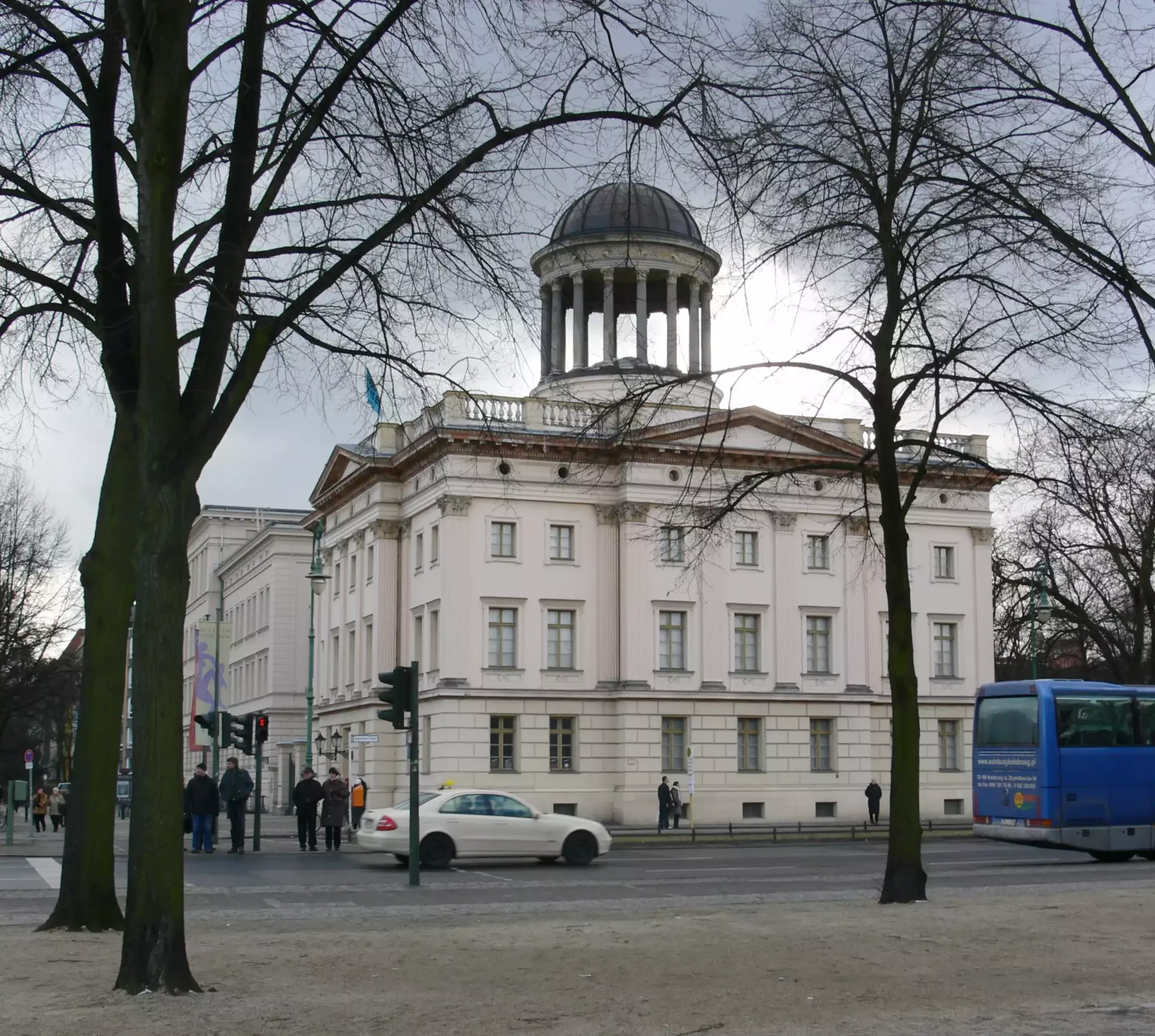
Museum Berggruen
Berlin, GermanyAlso known as "Picasso und seine Zeit", this not so large, but precious museum hosts a very good collection of paintings and sculptures signed by Picasso, Klee, Matisse, Giacometti, and others from the first decades of the 20th century.
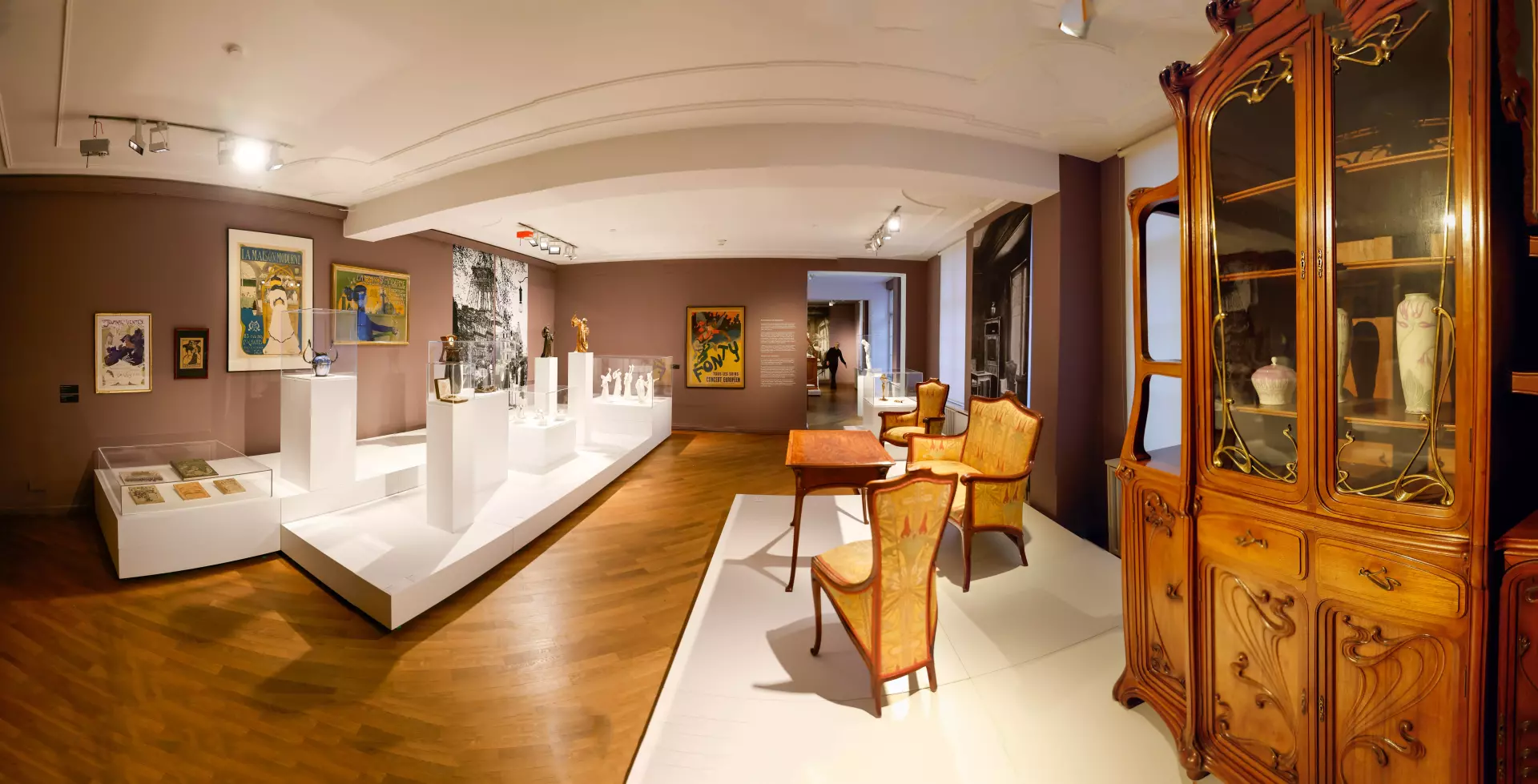
Bröhan Museum
Berlin, GermanyA small but interesting collection of decorative arts from the Art Nouveau and Art Deco periods
Collection Scharf-Gerstenberg
Berlin, GermanyA museum dedicated to surrealist art.
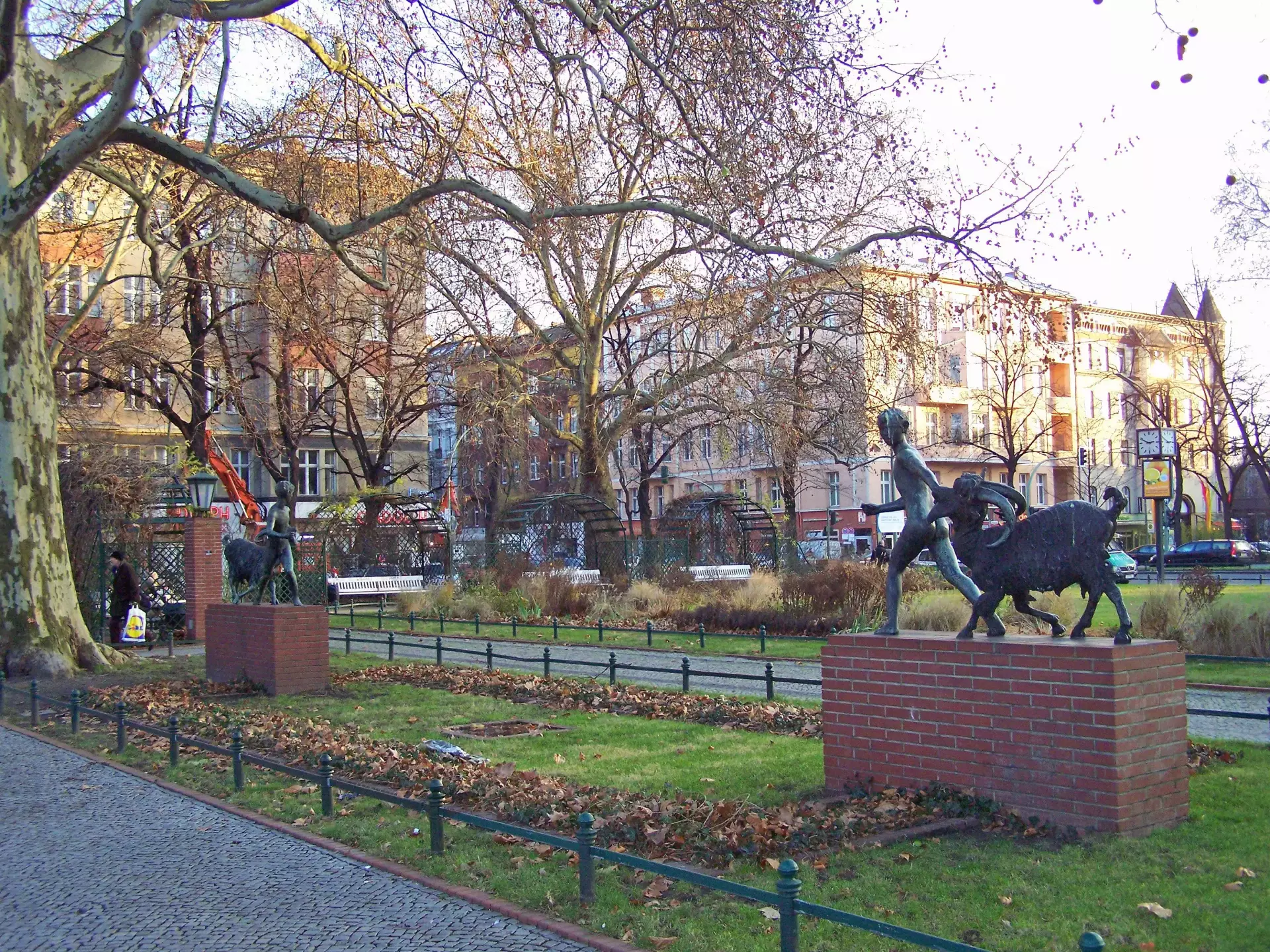
Savignyplatz
Berlin, GermanySmall park in the heart of West Berlin. Great place to chill on a sunny day. There are many great cafés and restaurants nearby. Linger over a coffee here and watch people passing by.
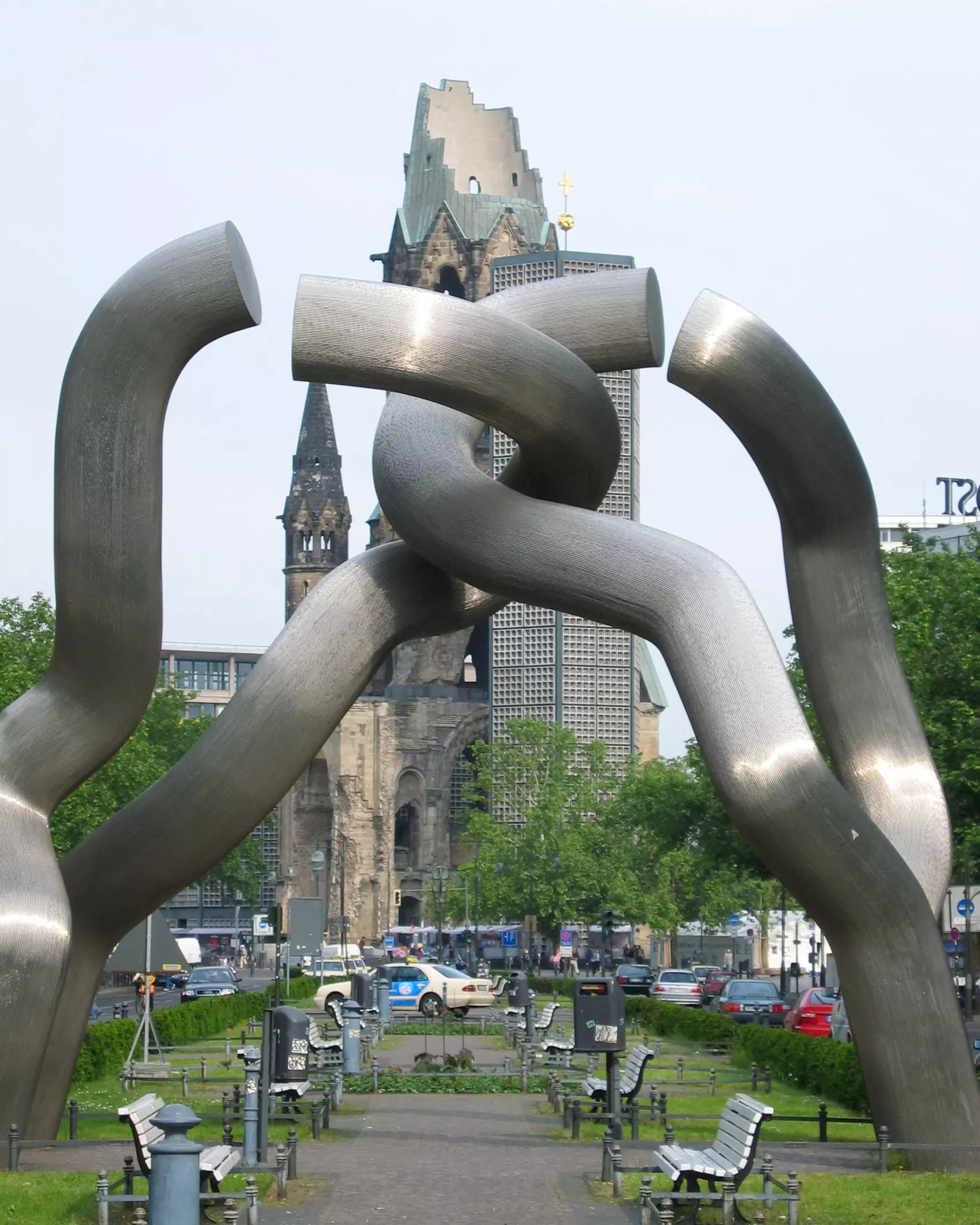
Berlin sculpture
Berlin, Germany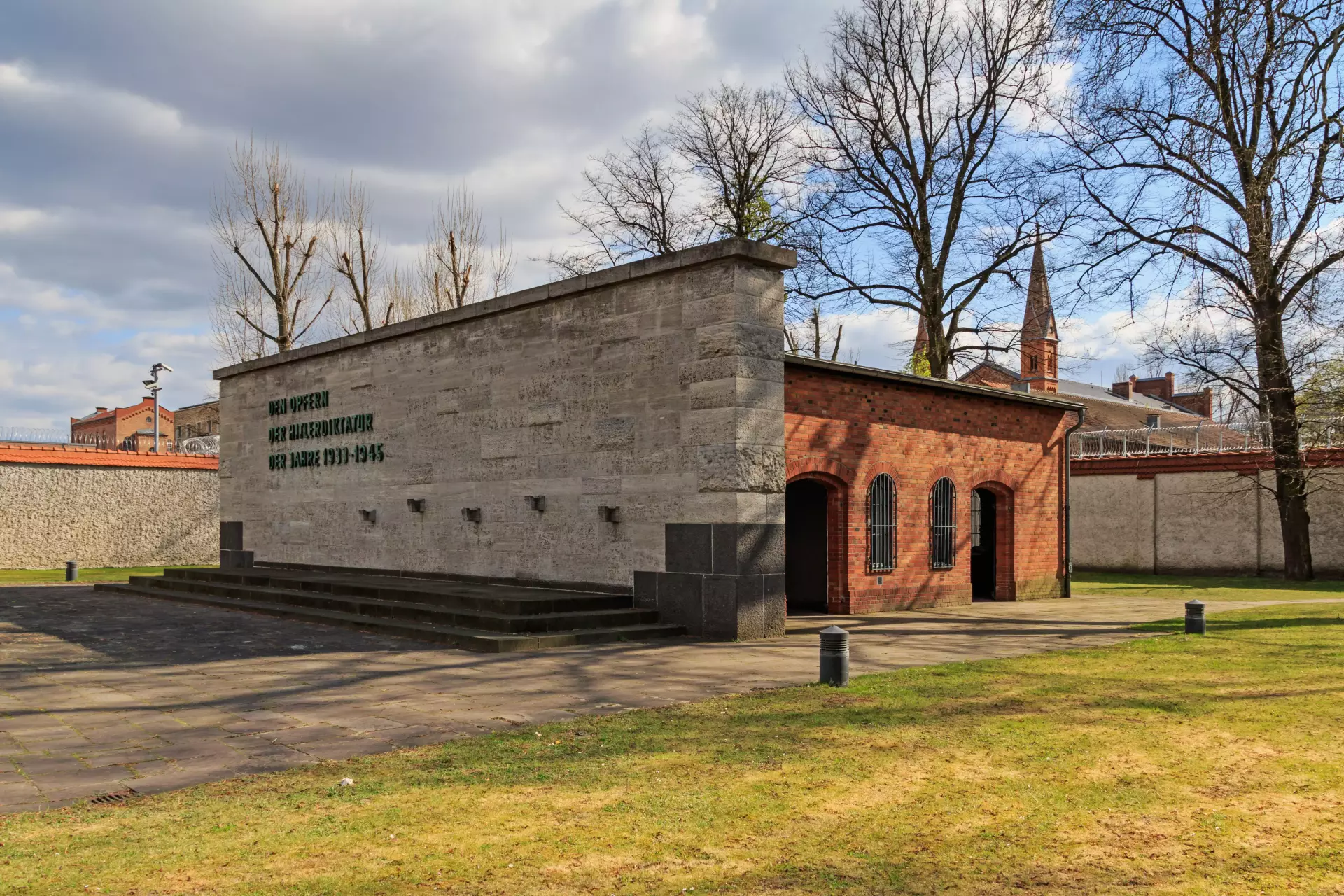
Plötzensee Memorial Center
Berlin, GermanyAn eerie memorial to victims of the Nazi regime built on the place of a former execution room, where nearly 2900 people where put to death between 1933 and 1945.
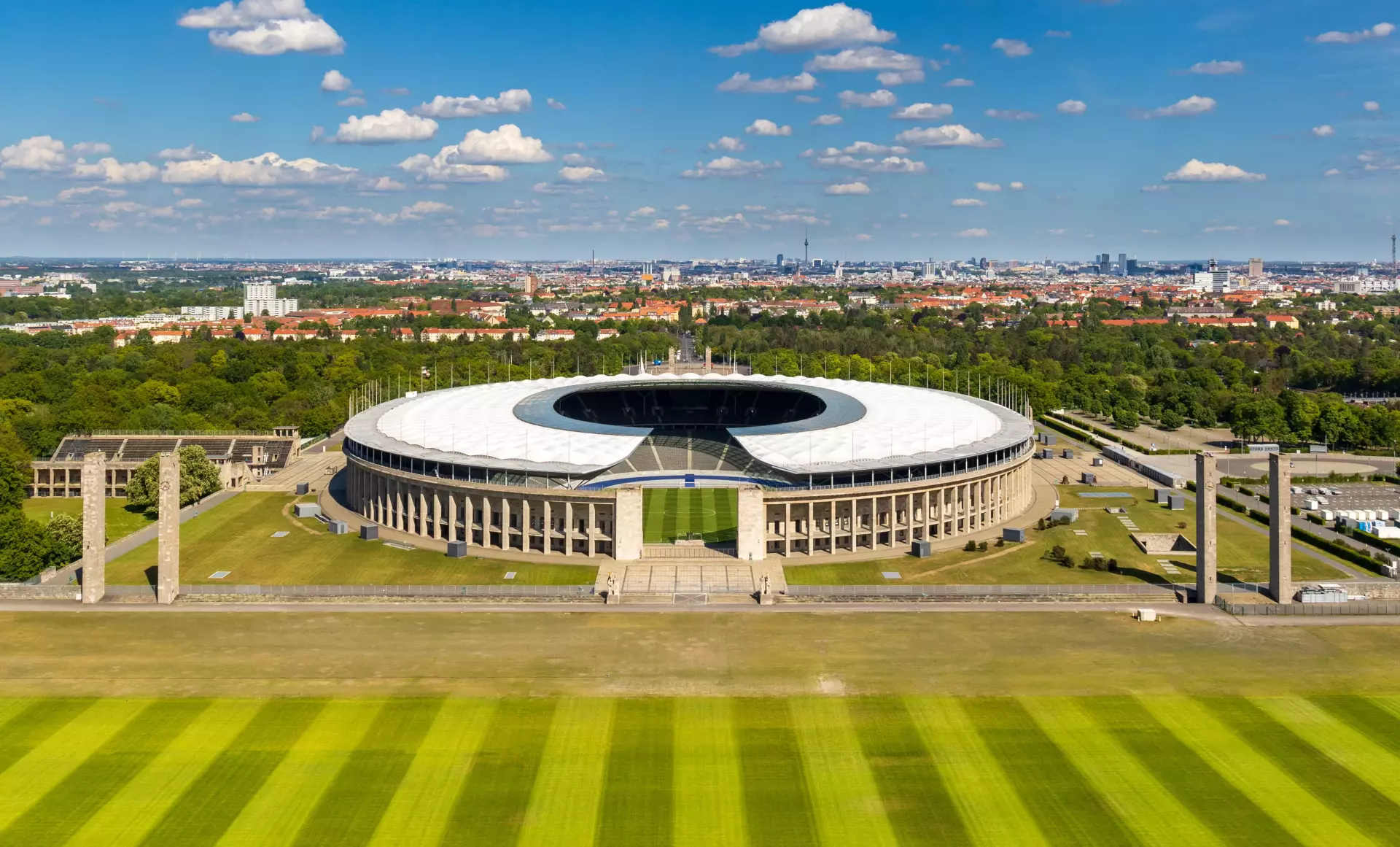
Olympiastadion
Berlin, GermanyBuilt by Hitler for the 1936 Olympic Games, this is one of the better examples of Nazi neoclassical architecture (laying claim to the legacy of Rome, fasces and all) and is still used for sporting events. At those Olympics, African-American athlete Jesse Owens won four gold medals, a party-spoiler for Aryan superiority. It's the home of soccer team Hertha BSC - they were relegated in 2023 and now play in 2. Bundesliga the second tier. In 2024 this stadium hosted games in the UEFA Euro Finals, including the final itself. For a glimpse of the Olympiastadion in its original state, seek out Leni Riefenstahl's movie Olympia - clips are shown in the Kinemathek and elsewhere.
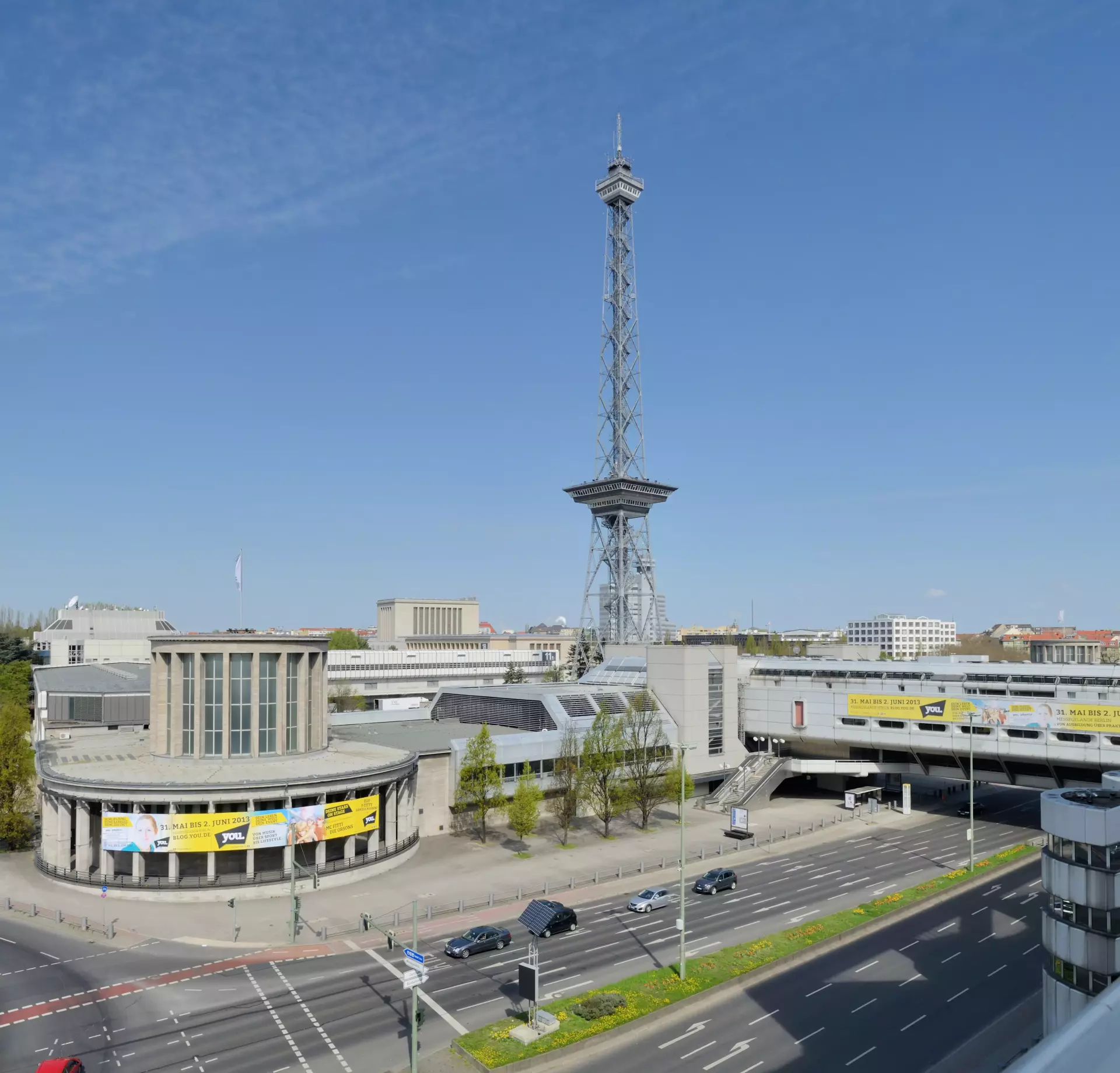
Berliner Funkturm und Messehallen
Berlin, Germany150 m high lattice tower with open-air observation deck 124 m above ground.
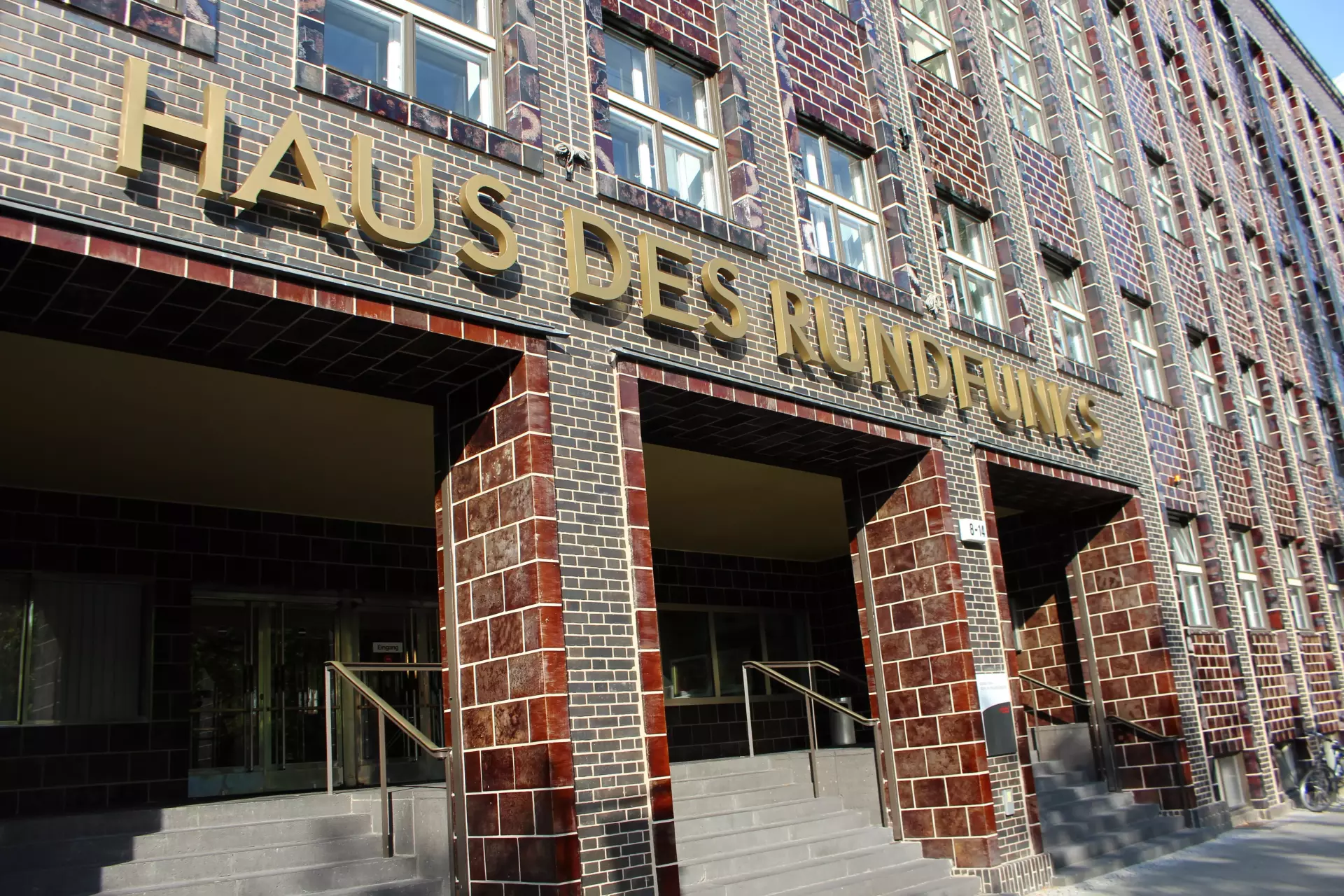
Haus des Rundfunks
Berlin, GermanyDesigned by Hans Poelzig in 1929, it is the first self-contained broadcasting house in the world and it is still in use today.