
Tourist attractions in New York
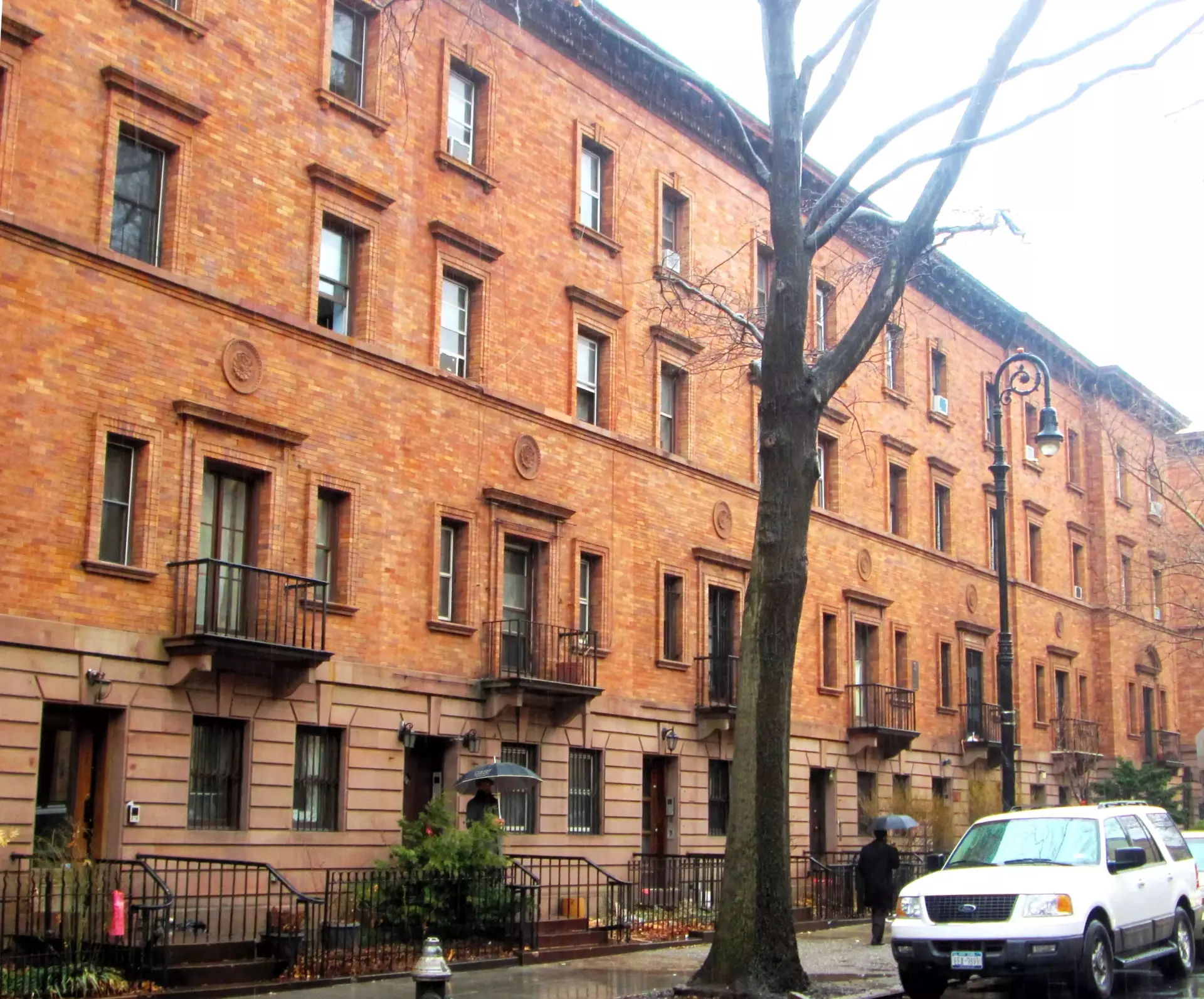
Strivers Row
New York, United States of America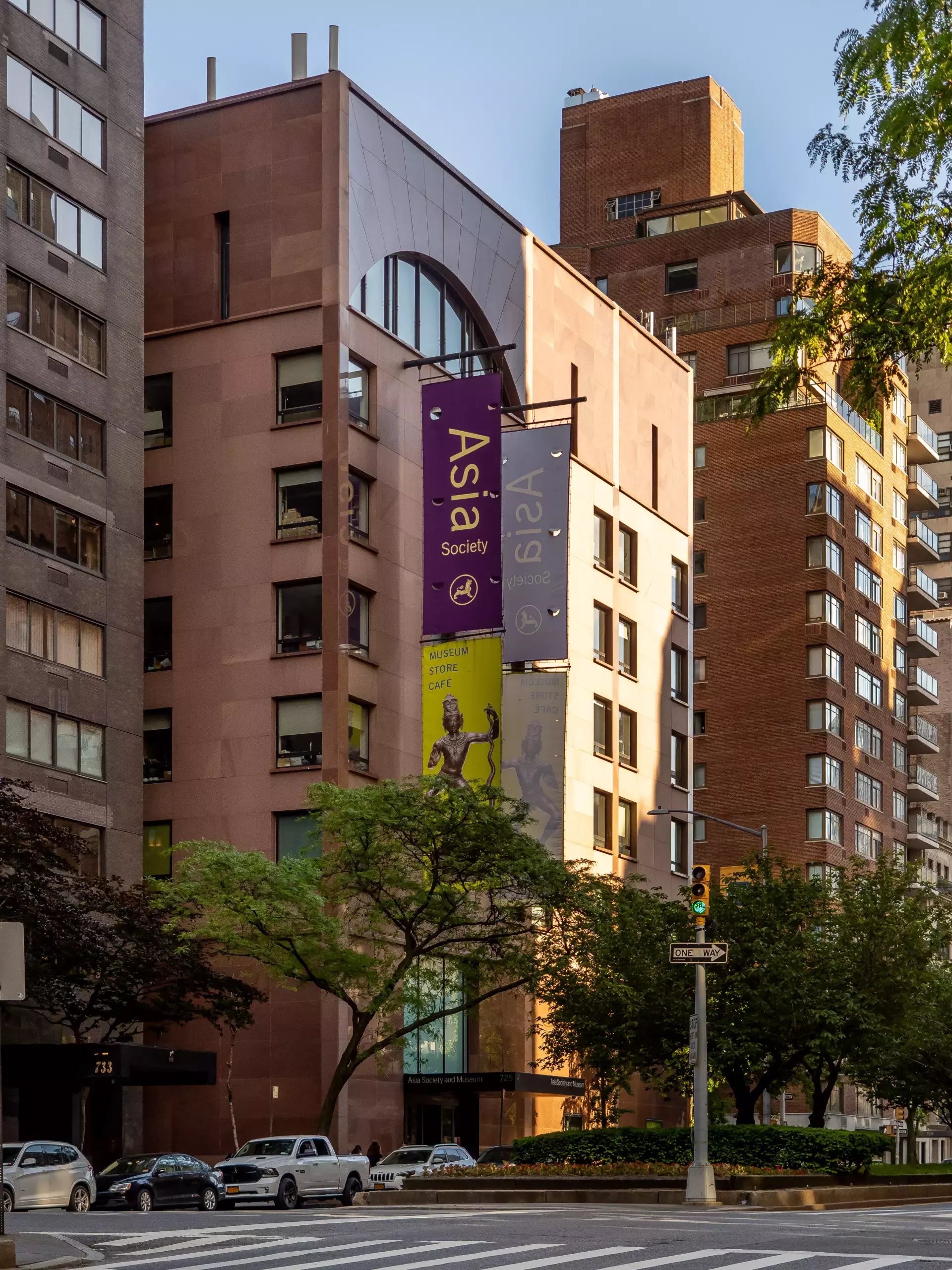
Asia Society Museum
New York, United States of AmericaThe Asia Society is a unique educational organization like no other in the area promoting relationships and understanding among and of leaders, people, and organizations of Asia. It features a vast array of Asian art including art, business, culture, and education, promoting collaboration and a new, progressive understanding of Asian relations. The opportunities for discovery here are endless, with lessons about art, calligraphy, language, literature, politics, and religion.
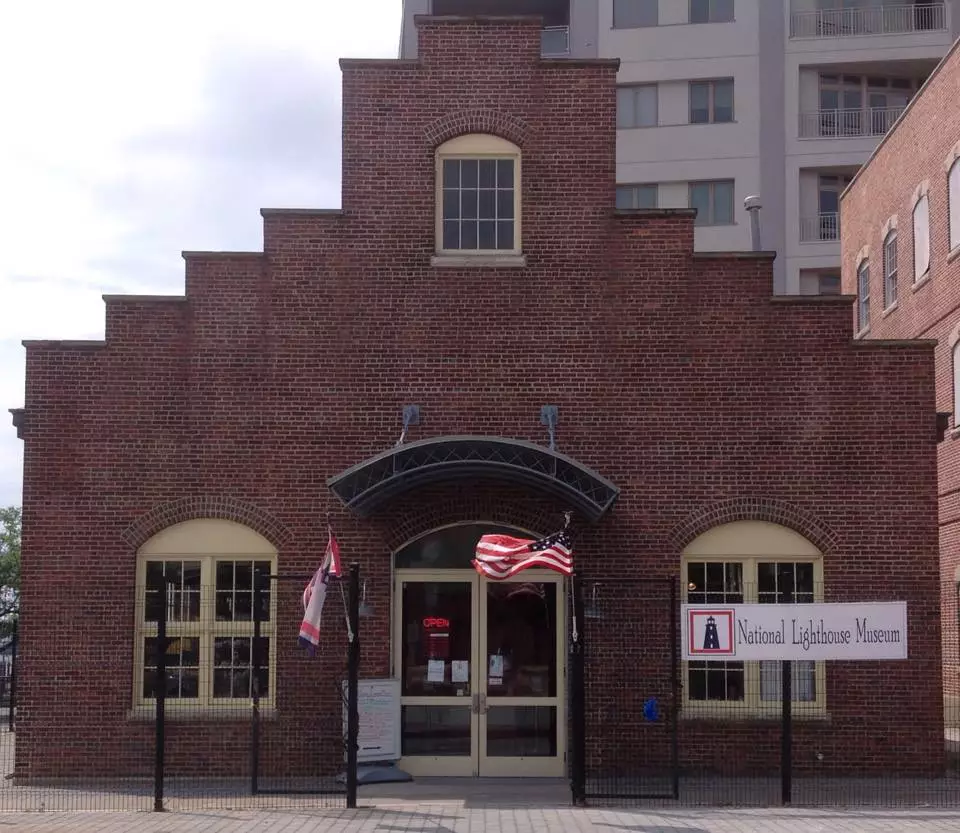
National Lighthouse Museum
New York, United States of America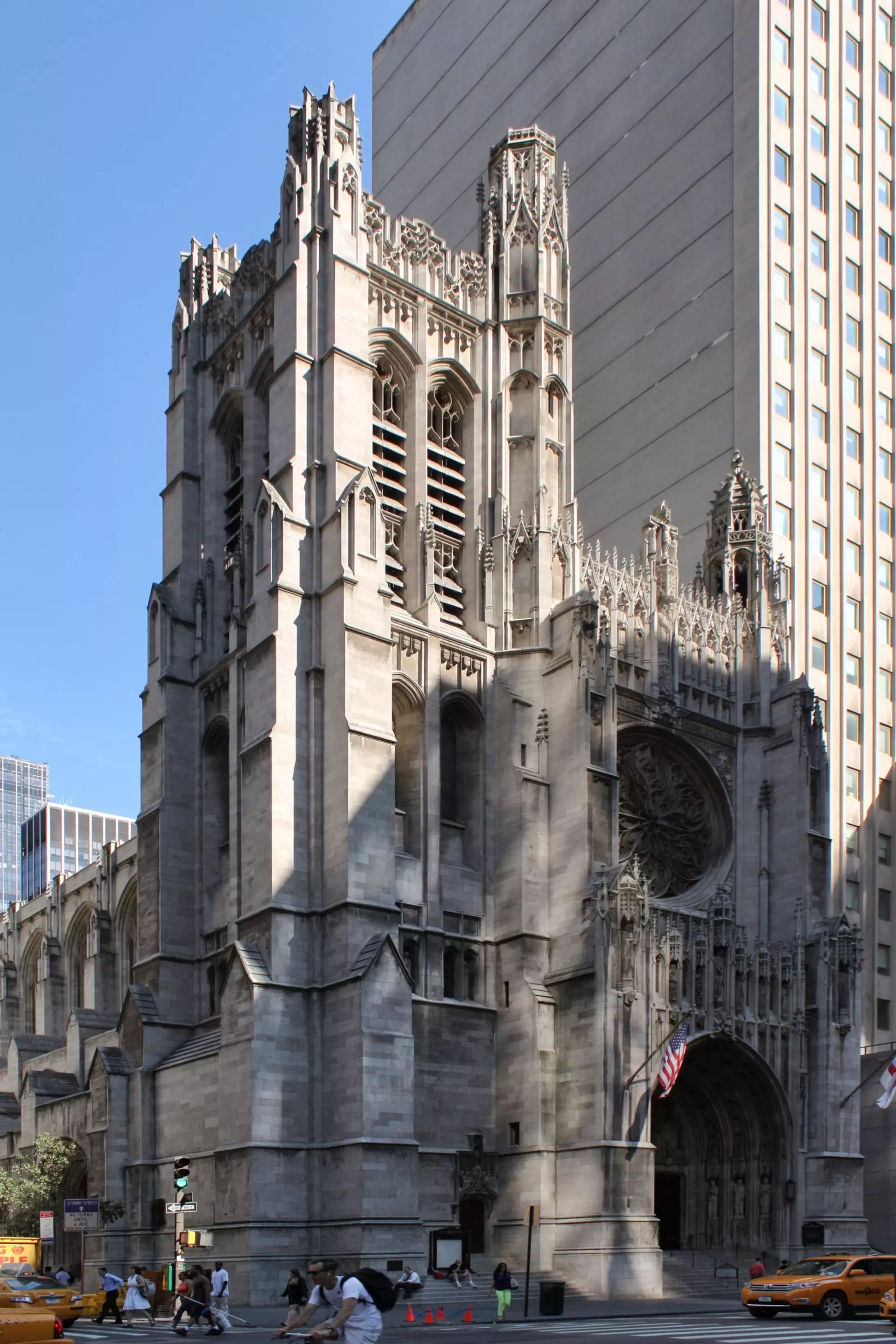
Saint Thomas Church
New York, United States of AmericaThe interior of this Episcopal church is a peaceful place, and both the exterior and interior are architecturally harmonious and worth looking at if you are walking nearby.
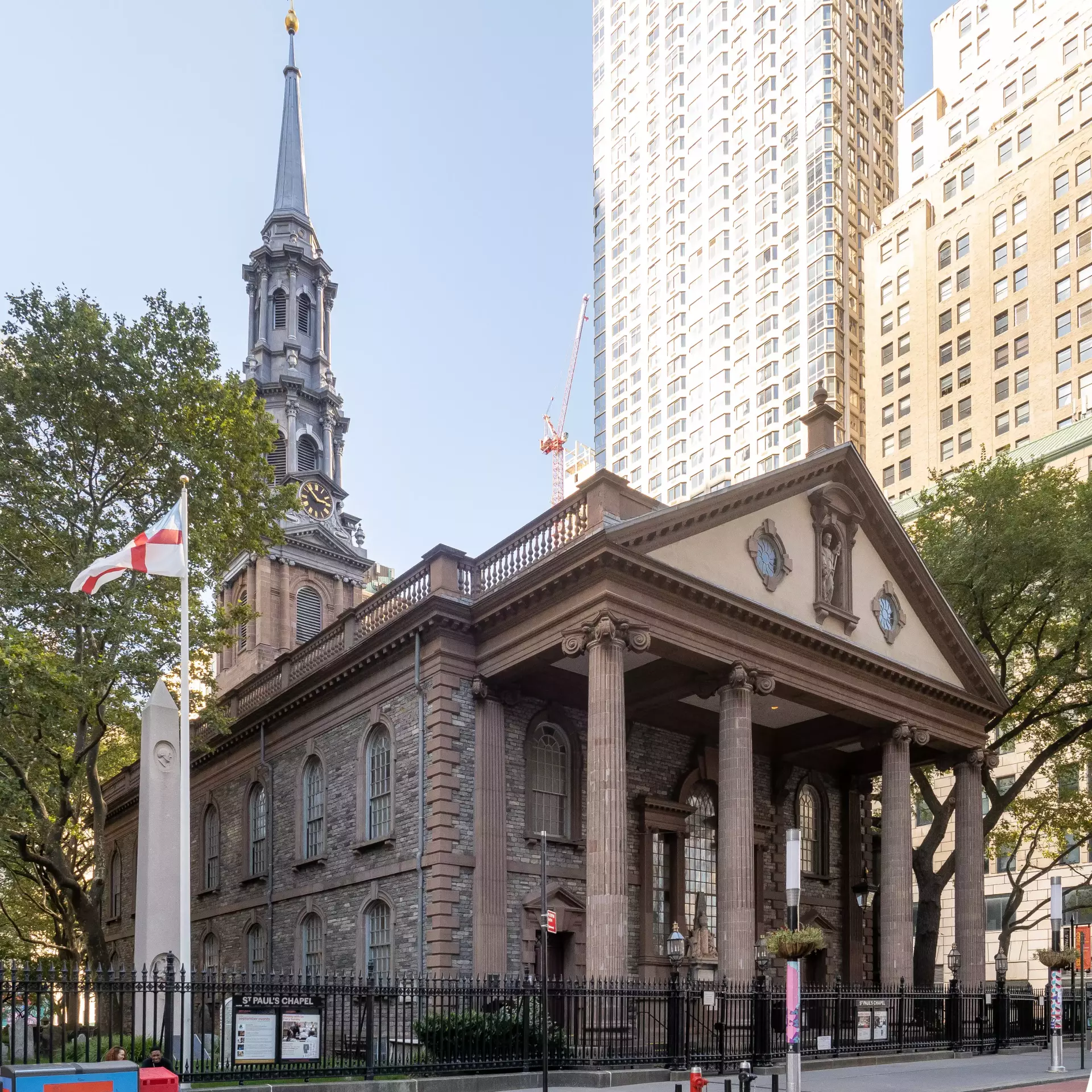
St Paul's Chapel
New York, United States of AmericaBuilt in 1766, the chapel is an active part of the Parish of Trinity Church and is Manhattan's oldest public building in continuous use. It is the only remaining colonial church in New York City and was George Washington's place of worship after he was inaugurated as president. Since 2001, the chapel has been known for surviving the events of 9/11 without even a broken window - despite being across the street from the World Trade Center - and for its role as a place of refuge for the WTC recovery workers in the days that followed.
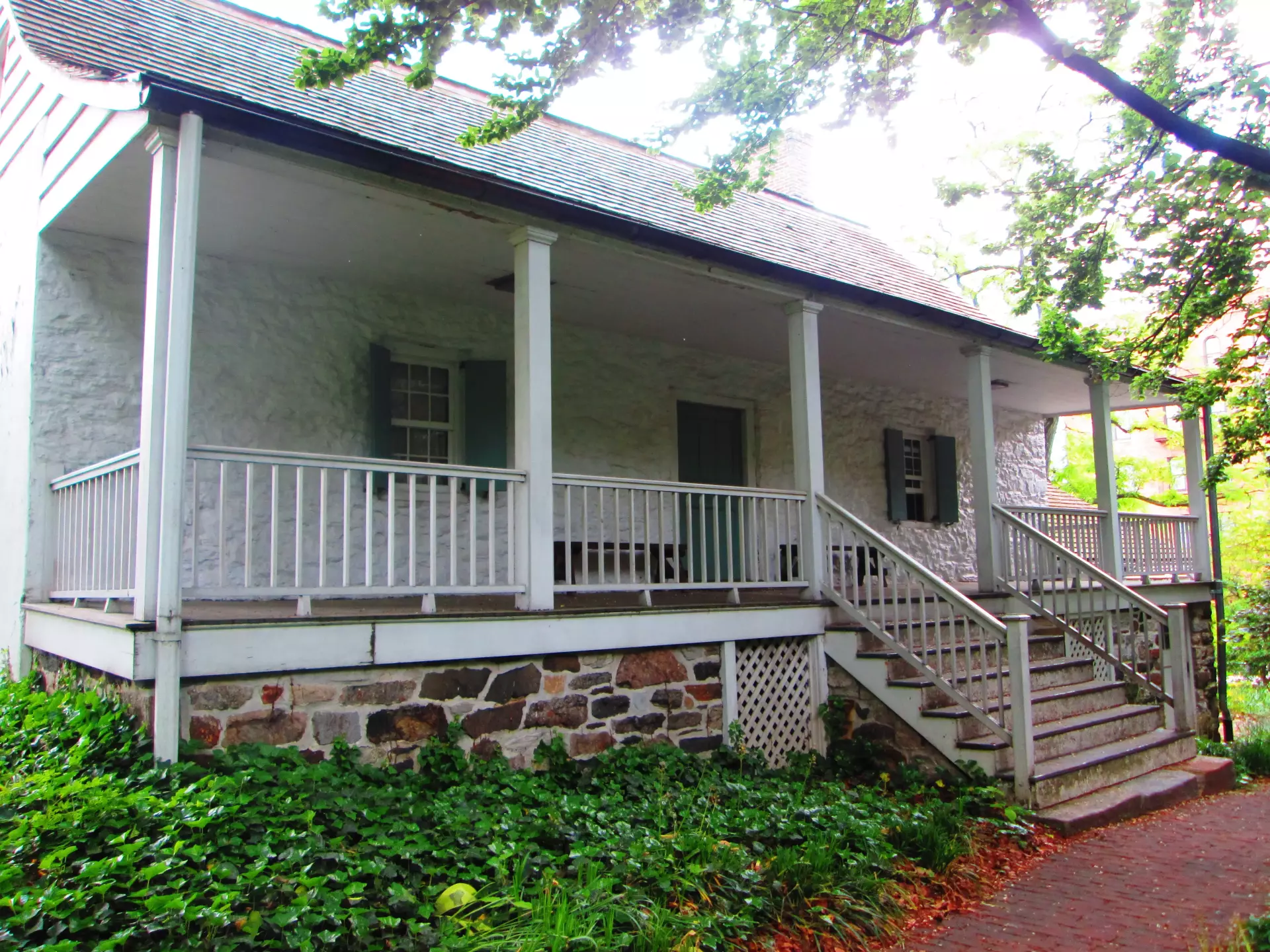
Dyckman Farmhouse
New York, United States of AmericaThe former residence of William Dyckman, who owned several hundred acres of farmland covering much of what is now Inwood and Washington heights. Nestled incongruously at the otherwise unremarkable corner of 204th and Broadway, the farmhouse has been converted into a small museum of life in early Manhattan and hosts various programs for the neighborhood. The "Hessian Huts" in the back yard are a leftover from the British occupation of Manhattan during the Revolutionary War!
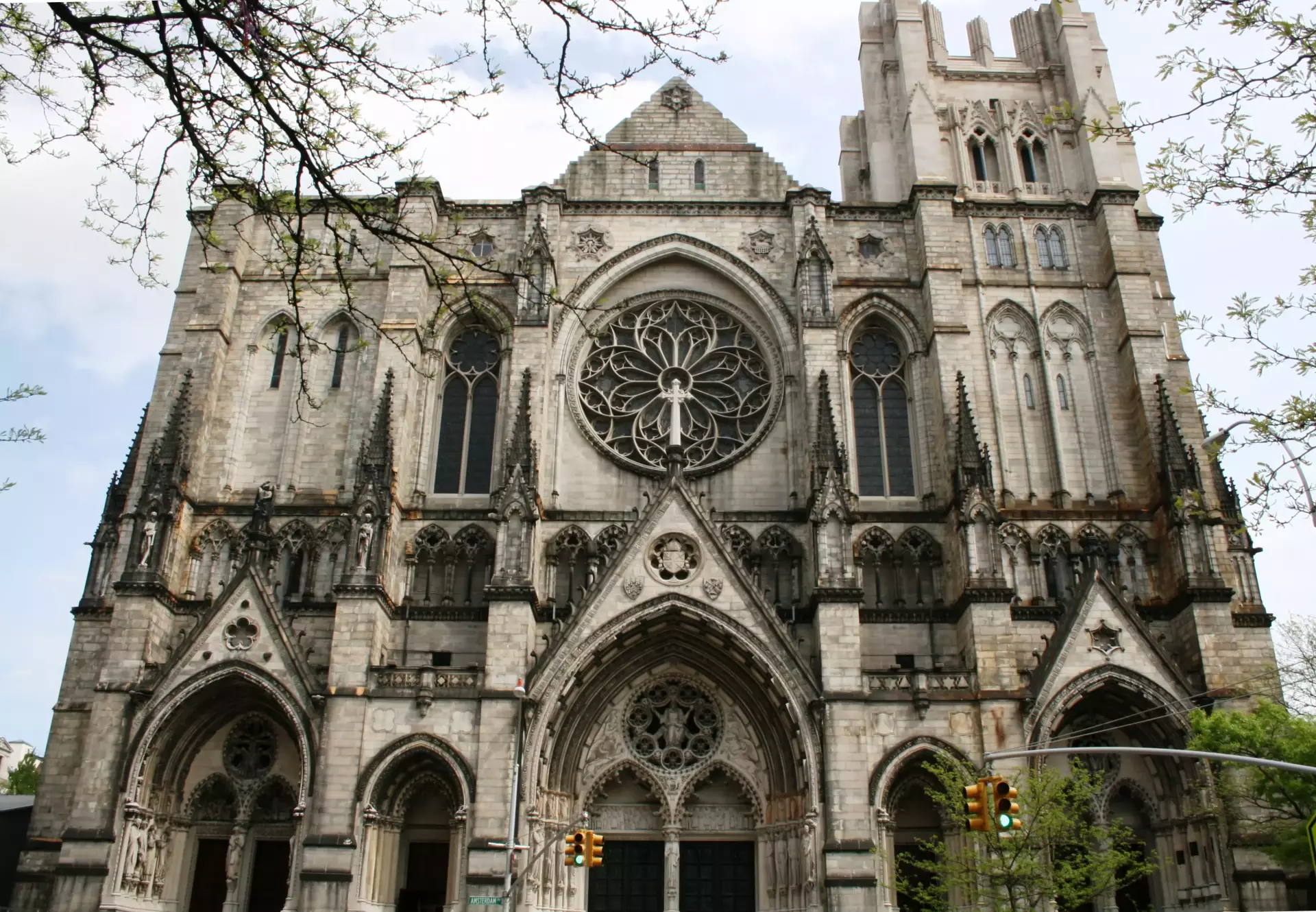
Cathedral Church of St. John the Divine
New York, United States of AmericaThe world's largest neo-Gothic cathedral, the place has been a work in progress for over a century! There are also resident peacocks on campus, and many songbirds stop by during their seasonal migrations.
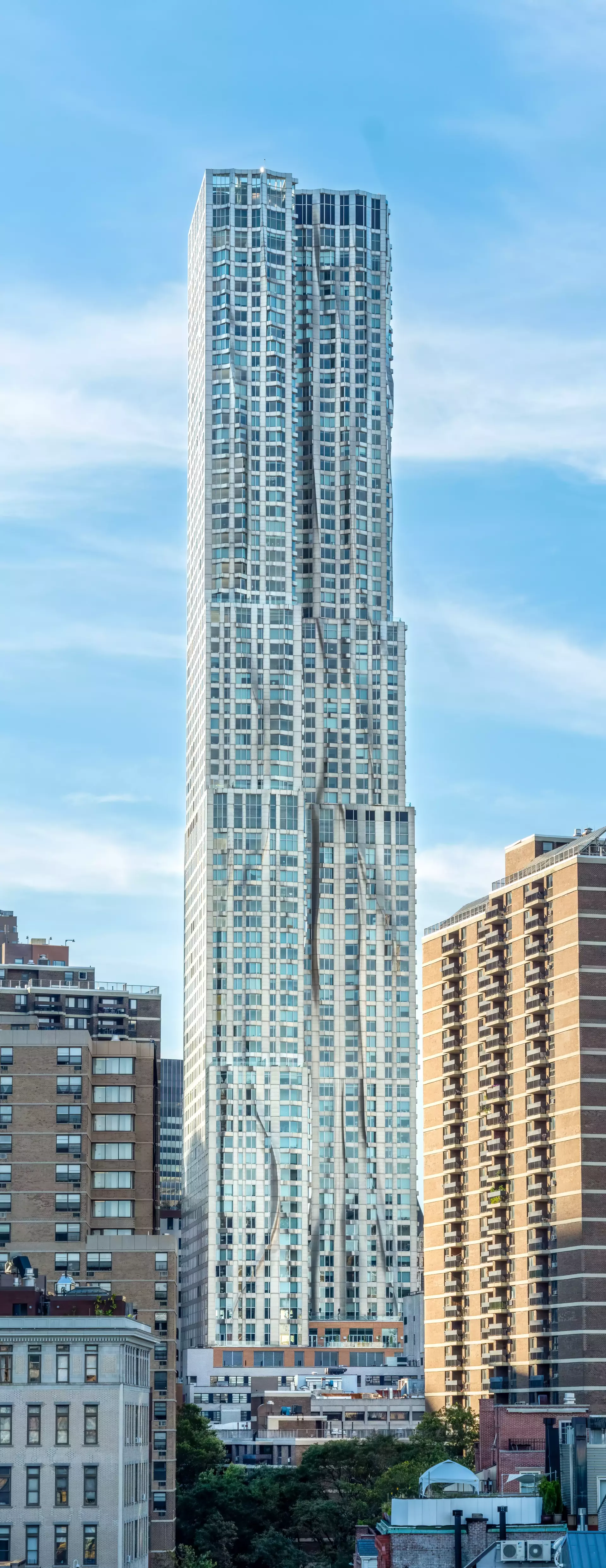
New York by Gehry
New York, United States of AmericaA 2011 addition to the Lower Manhattan skyline, this 76-story residential skyscraper by the noted Frank Gehry has a distinctive rippled, "wavy" facade that is quite eye-catching. It is best viewed from City Hall Park and the Brooklyn Bridge.
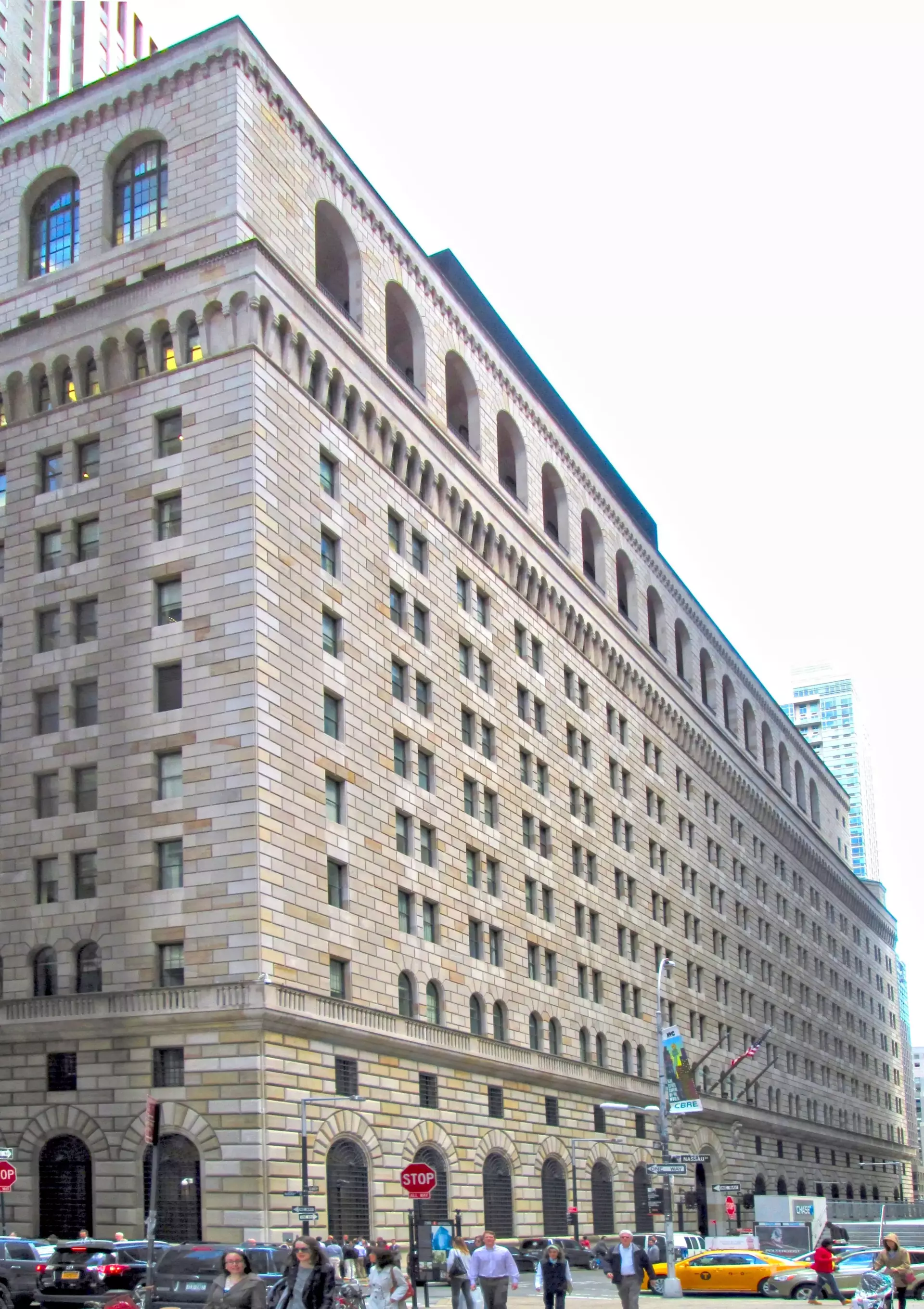
Federal Reserve Museum and Gold Vault Tour
New York, United States of America
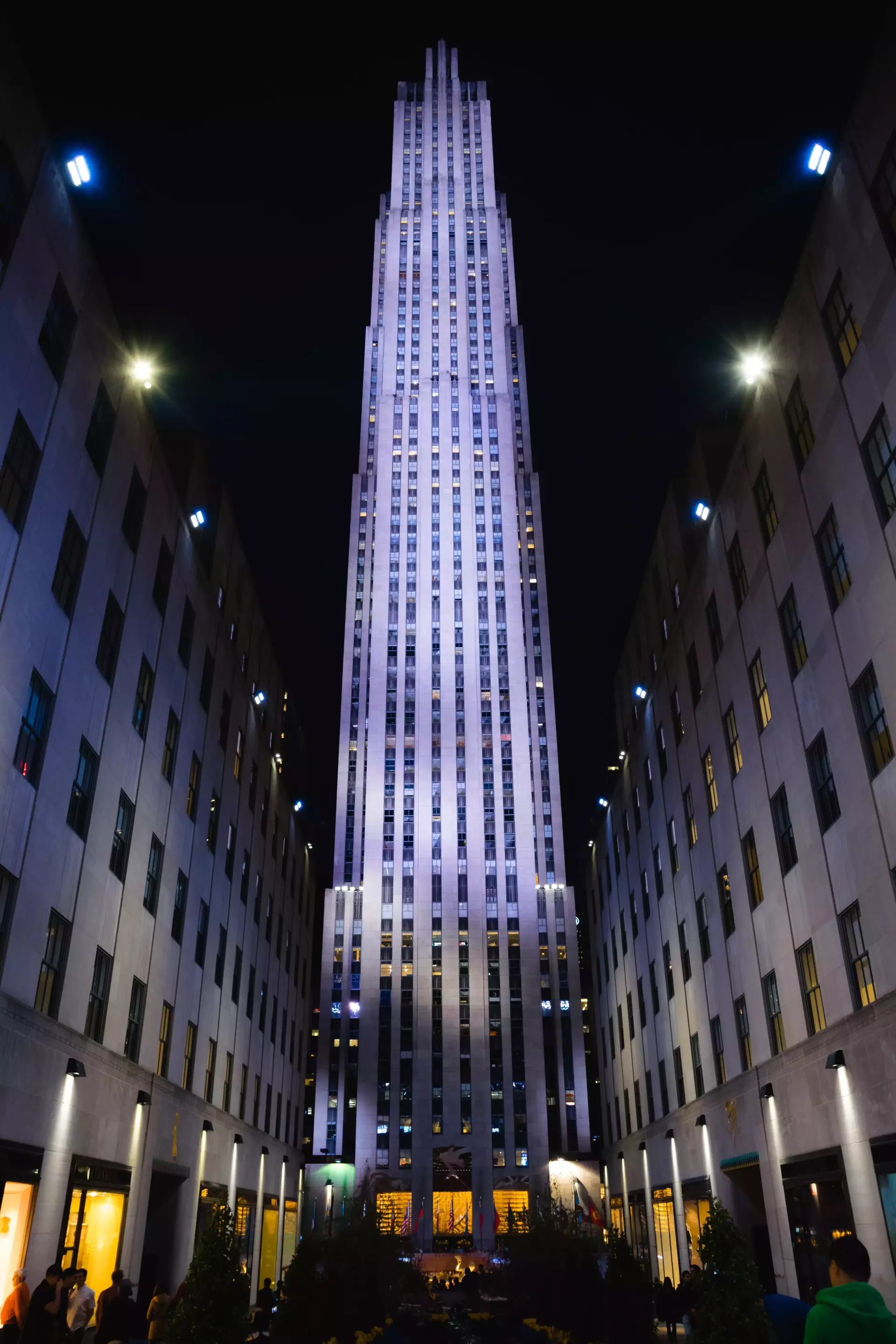
Top of the Rock Observation Deck
New York, United States of AmericaOn the 70th floor of the Comcast Building (better known by some as "30 Rock") is this narrow observation deck, built to resemble the deck of a cruise ship. The deck affords uninterrupted views over Central Park to the north and across Midtown to the south.
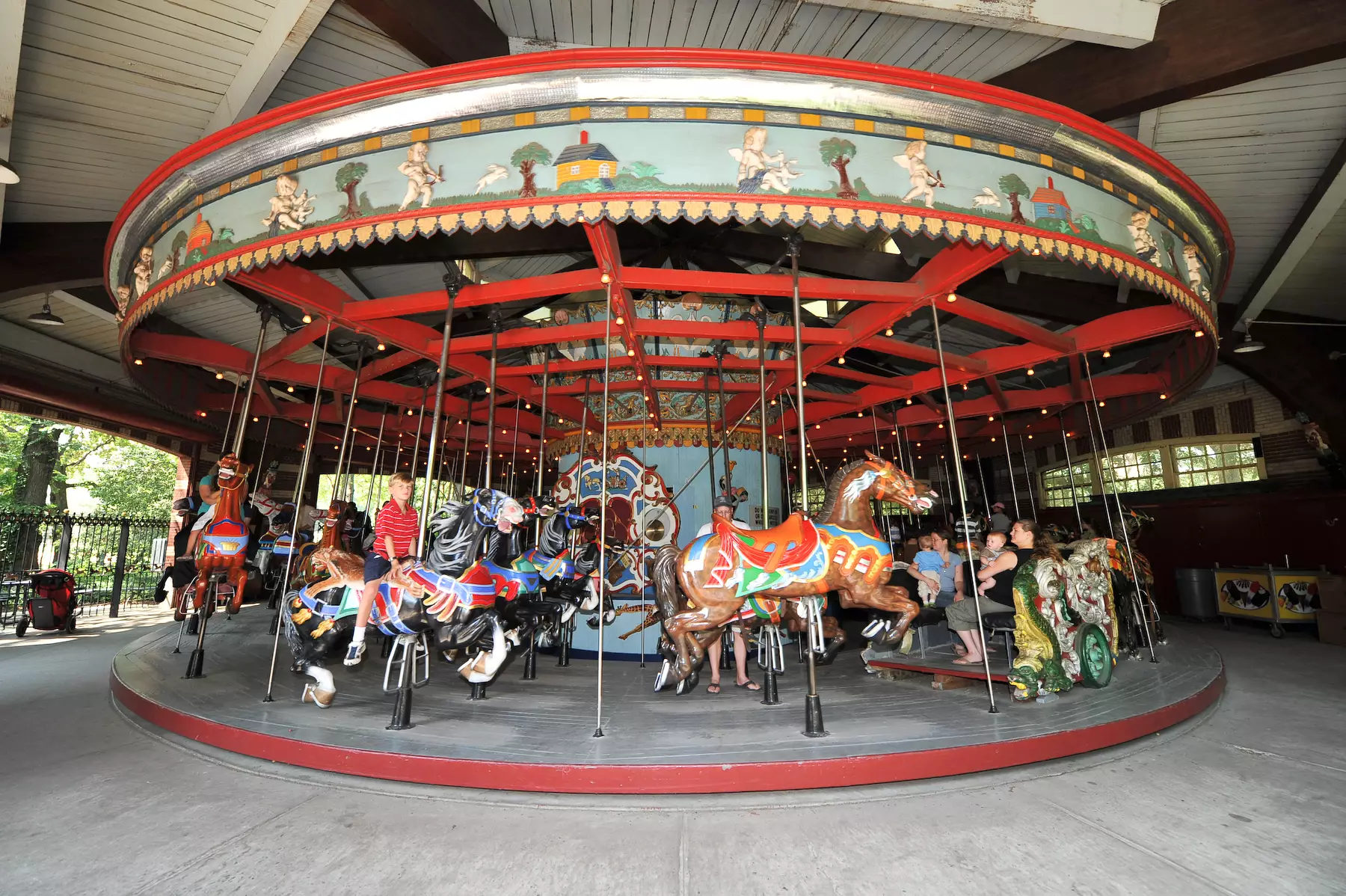
Friedsman Carousel
New York, United States of AmericaA vintage carousel built in 1908 and situated on this spot since the 1950s, it's the fourth carousel to inhabit this location and is beautifully painted.
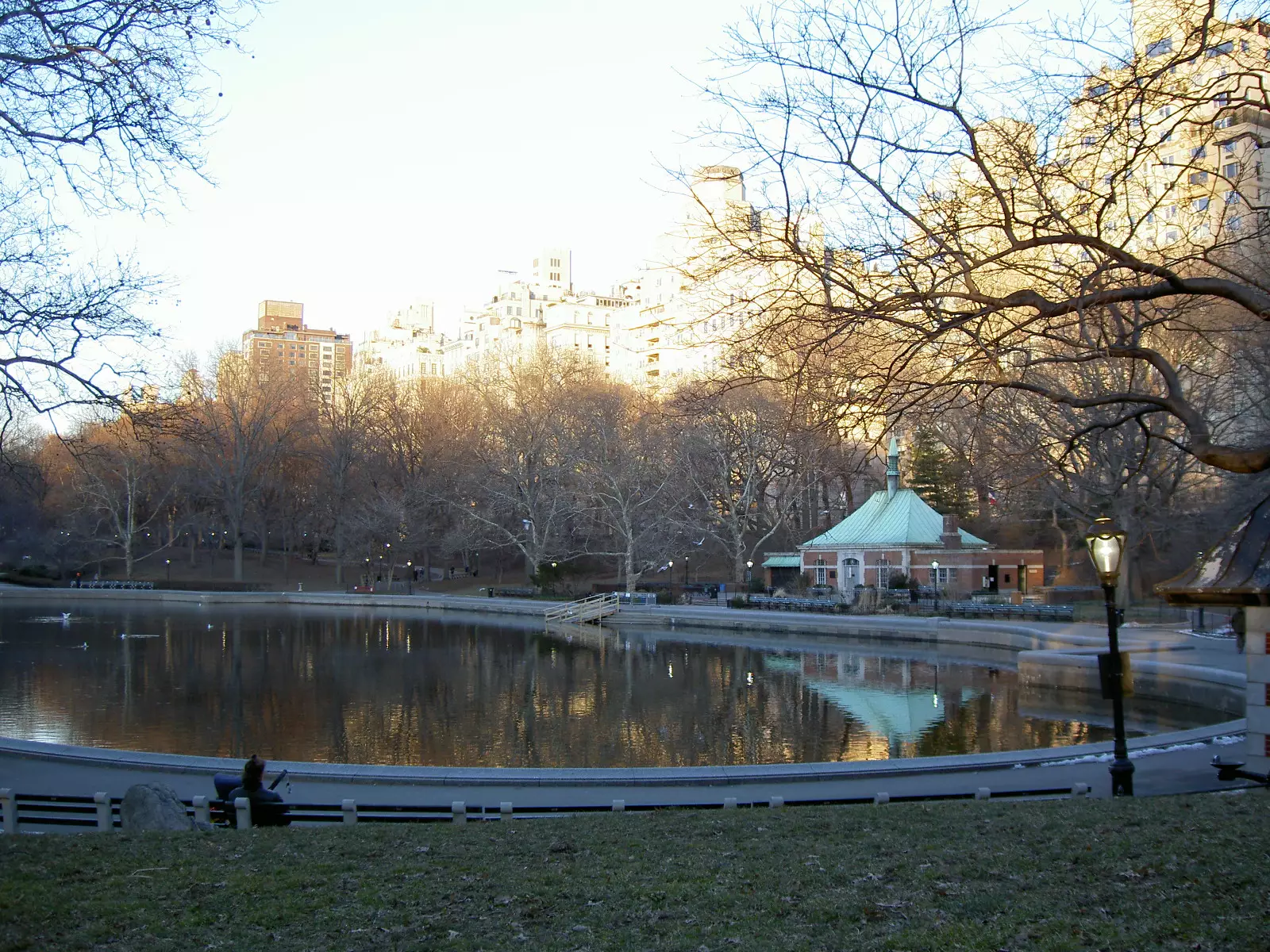
Conservatory Pond
New York, United States of AmericaMost well known as the Model Boat Pond, visitors can often see a racing regatta between members of the Model Yacht Club, or rent a model boat from a boathouse and cafe on the pond. Just to the north of the pond is the Alice in Wonderland sculpture depicting the Tea Party scene, and on the west side of the pond is the Hans Christian Andersen sculpture, which shows the writer seated on a bench reading a book to his Ugly Duckling character.
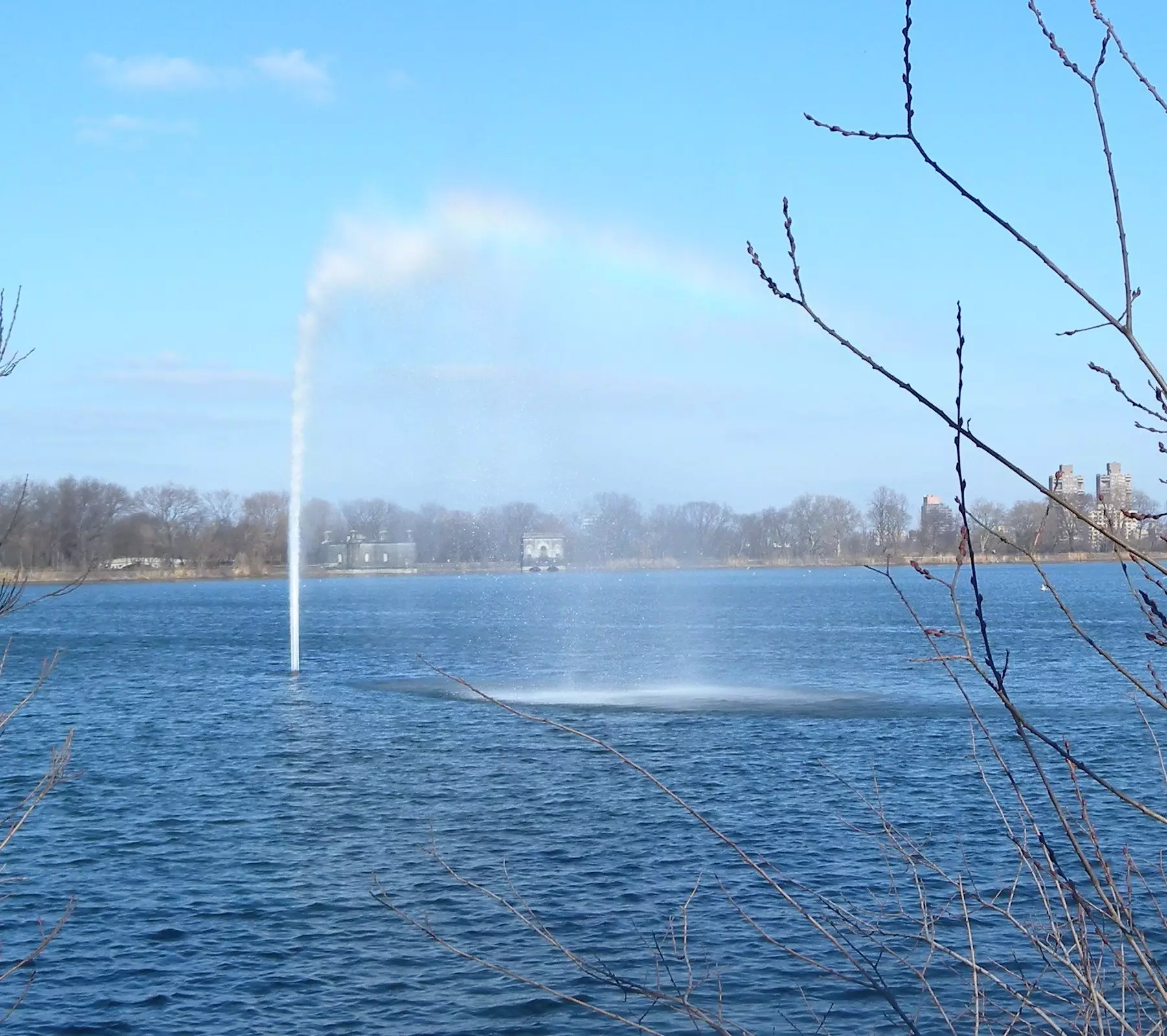
The Reservoir
New York, United States of AmericaConstructed between 1858 and 1862, the Reservoir is a vast urban lake that covers 106 acres of Central Park and is the largest body of water within Manhattan. Renamed the "Jacqueline Kennedy Onassis Reservoir" in 1994, the Reservoir is probably best known for the 1.58 mile track that runs around its edge and which is a favorite for joggers, who can both run and enjoy the spectacular views of the city skyline.
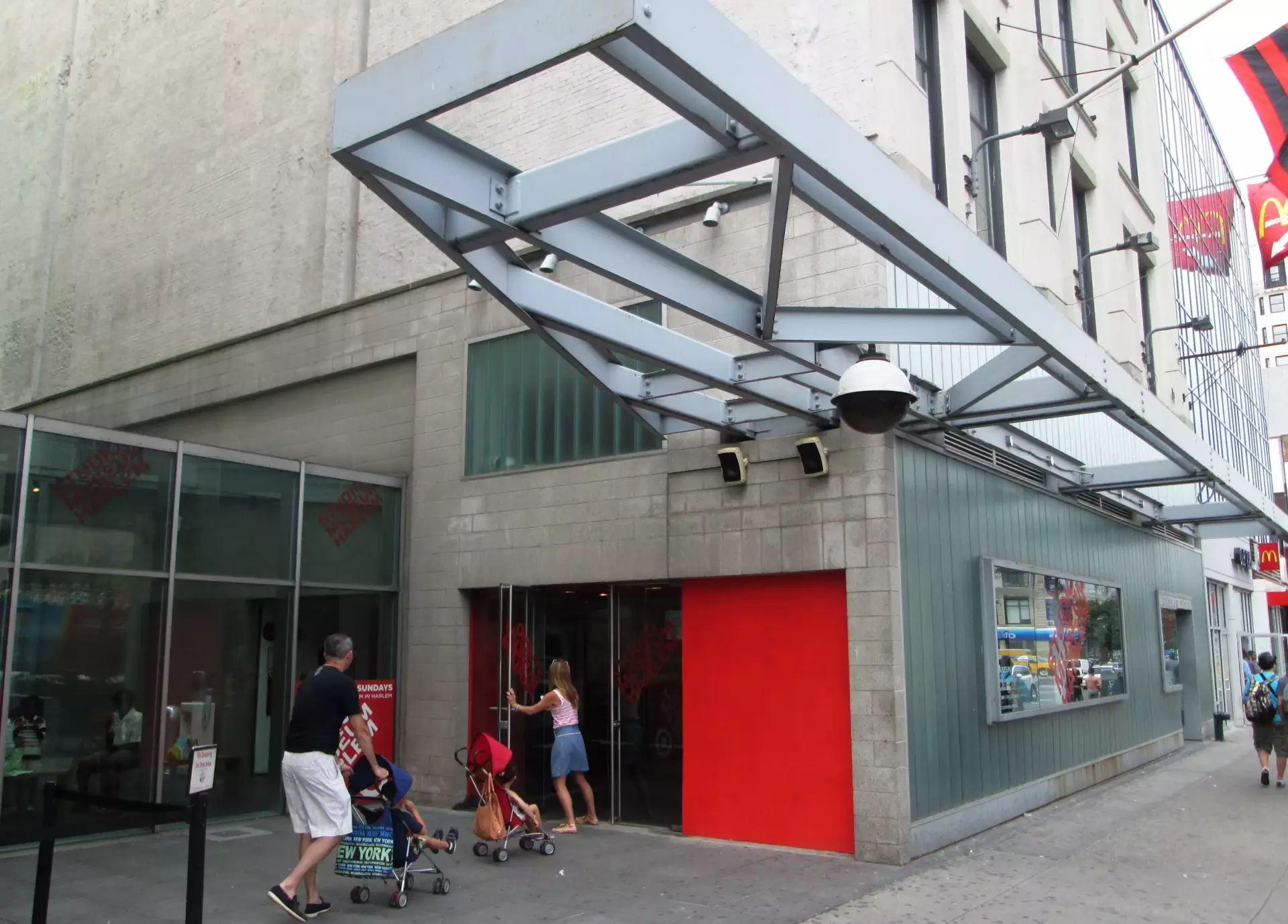
Studio Museum Harlem
New York, United States of AmericaThe first museum in the U.S. devoted to artists of African descent. Temporarily relocated from 144 W 125th St building for construction of new museum building.
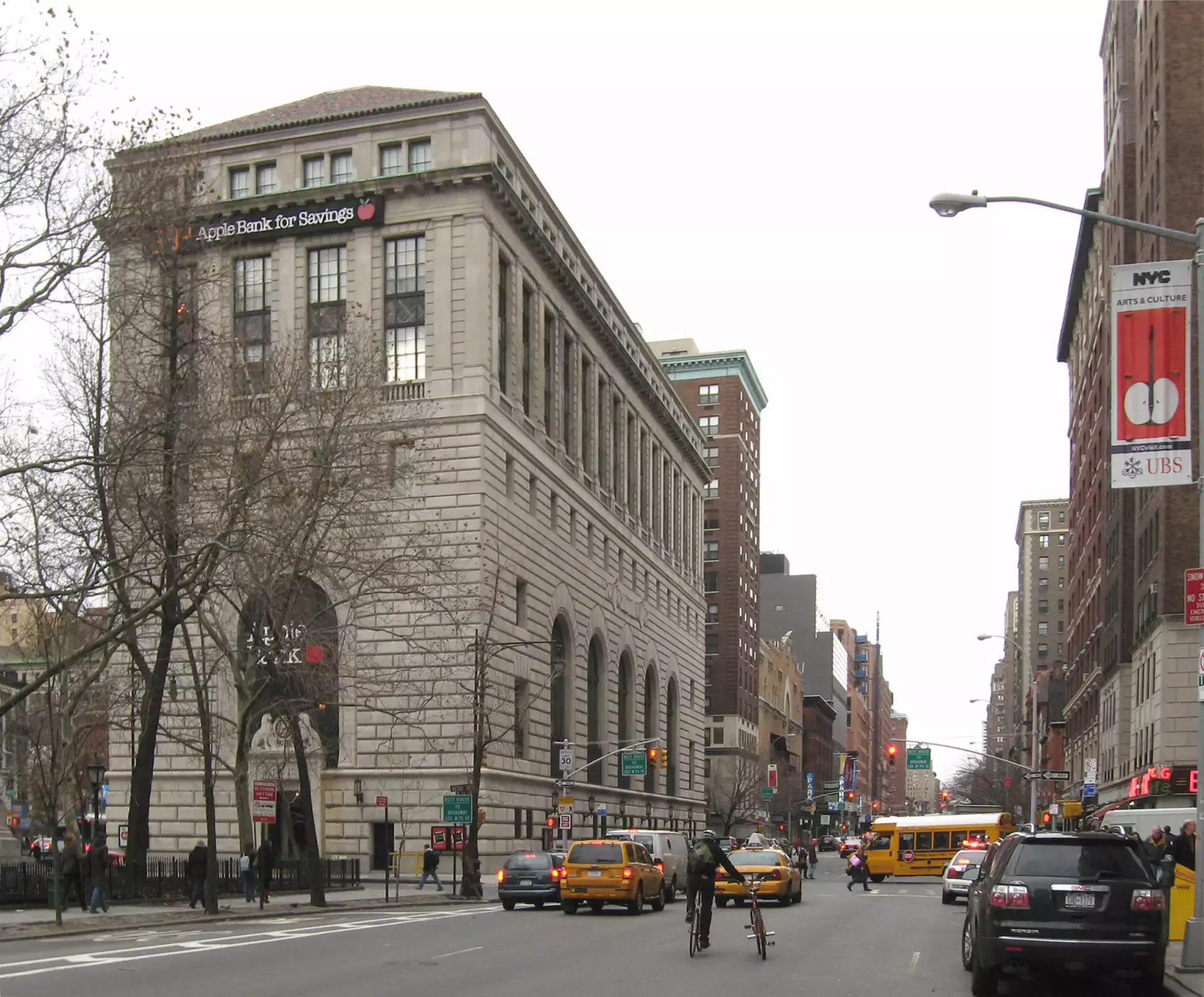
Central Savings Bank building
New York, United States of America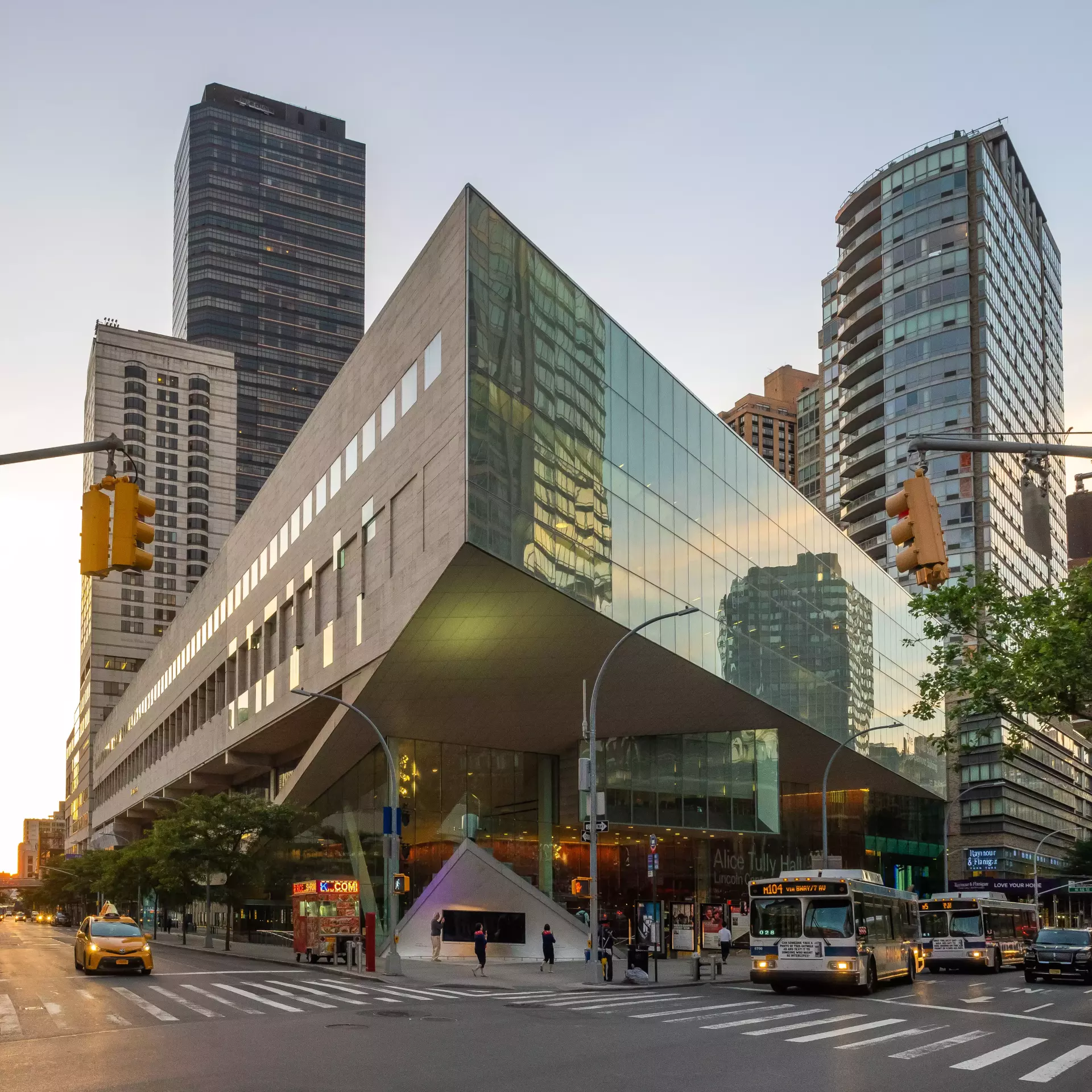
Juilliard School of Dance, Drama and Music
New York, United States of AmericaOne of the foremost conservatories of those disciplines in the United States.
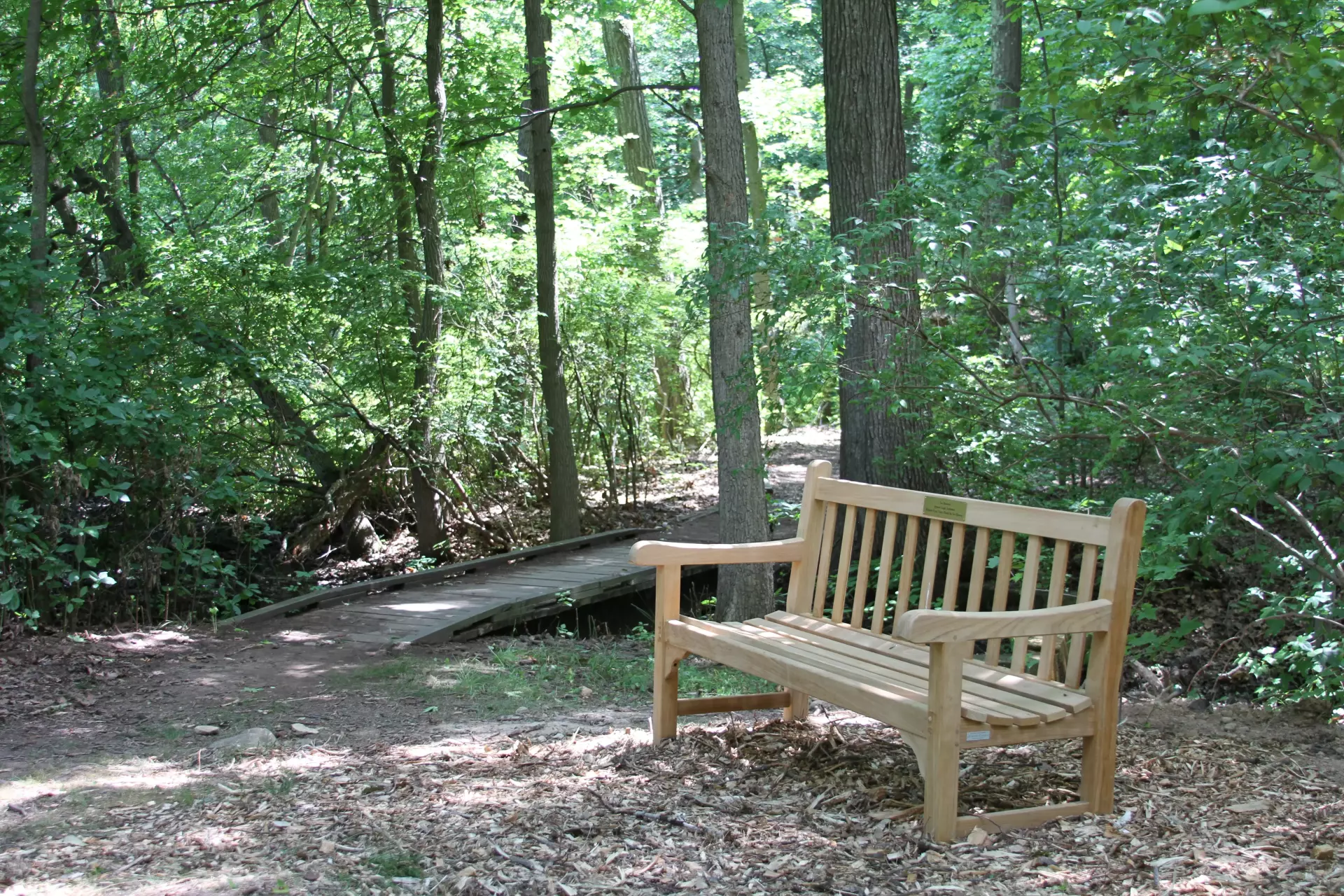
The Greenbelt
New York, United States of America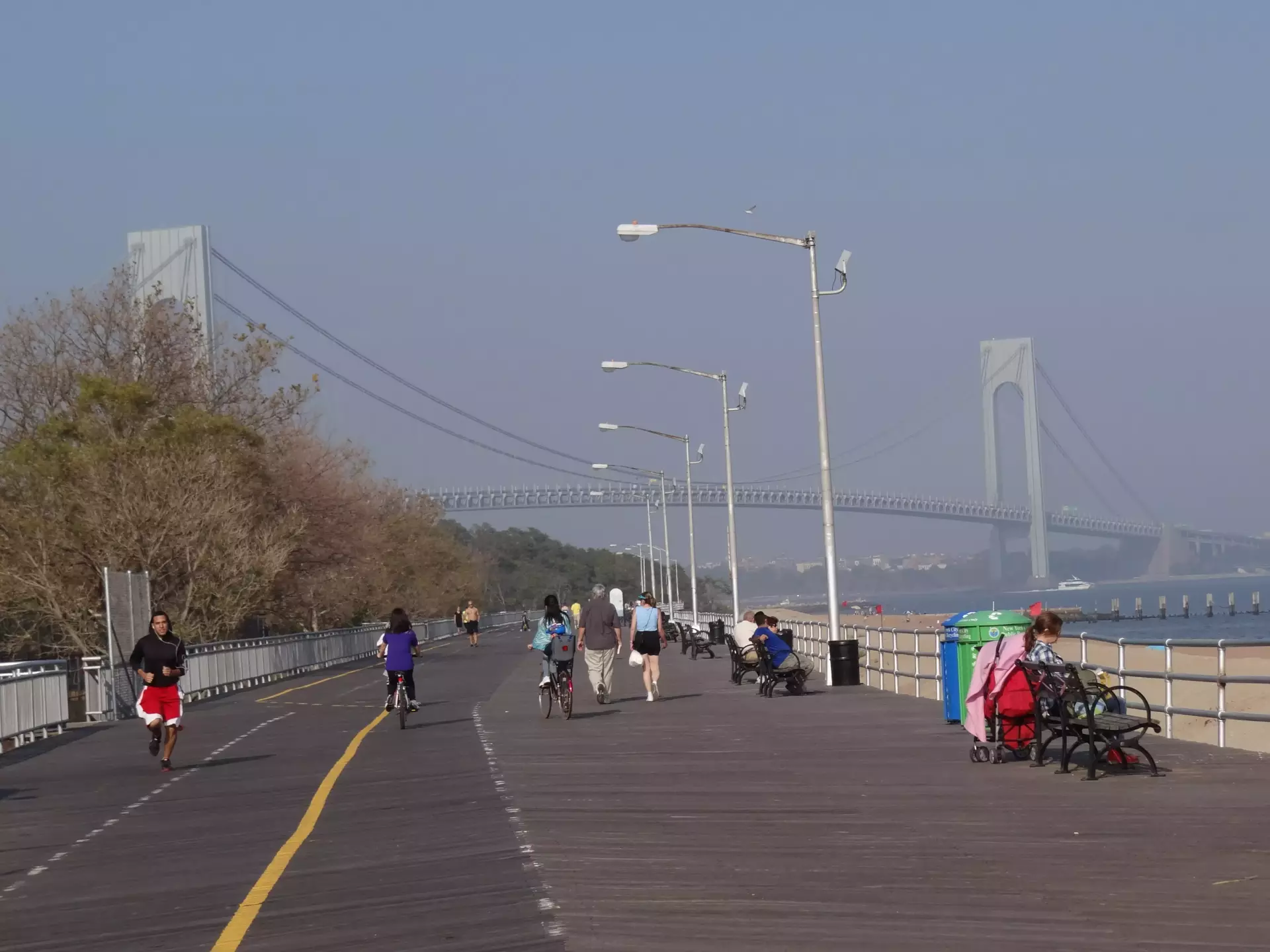
South Beach & Boardwalk
New York, United States of AmericaThis beach is a pleasant place to relax. The water is safe enough to swim in, but it's not the best you can get (you'd get a better deal down the Jersey Shore or on Long Island). The boardwalk, one of the longest in the United States, is great for running or biking.