
Tourist attractions in New York
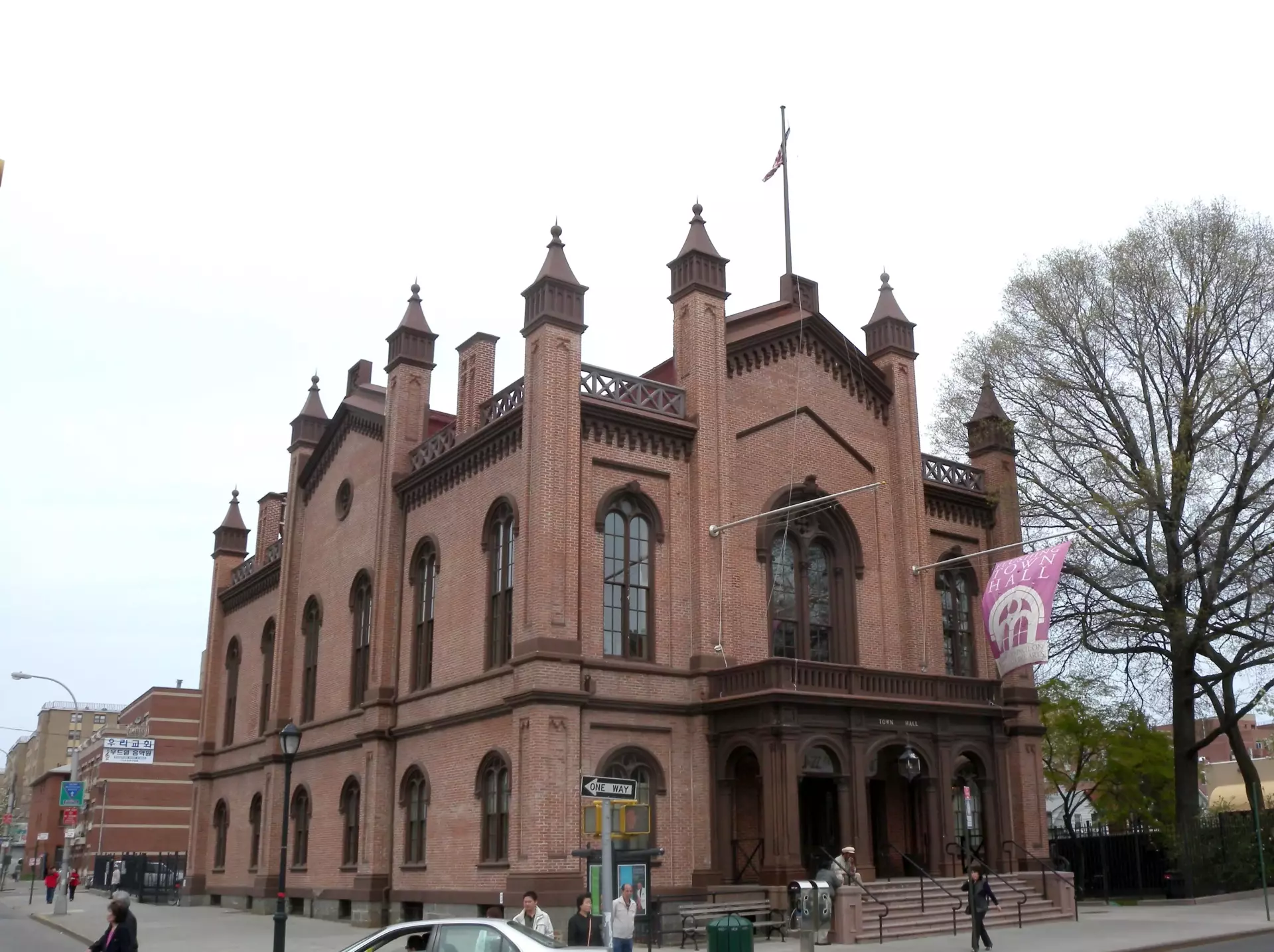
Flushing Town Hall
New York, United States of America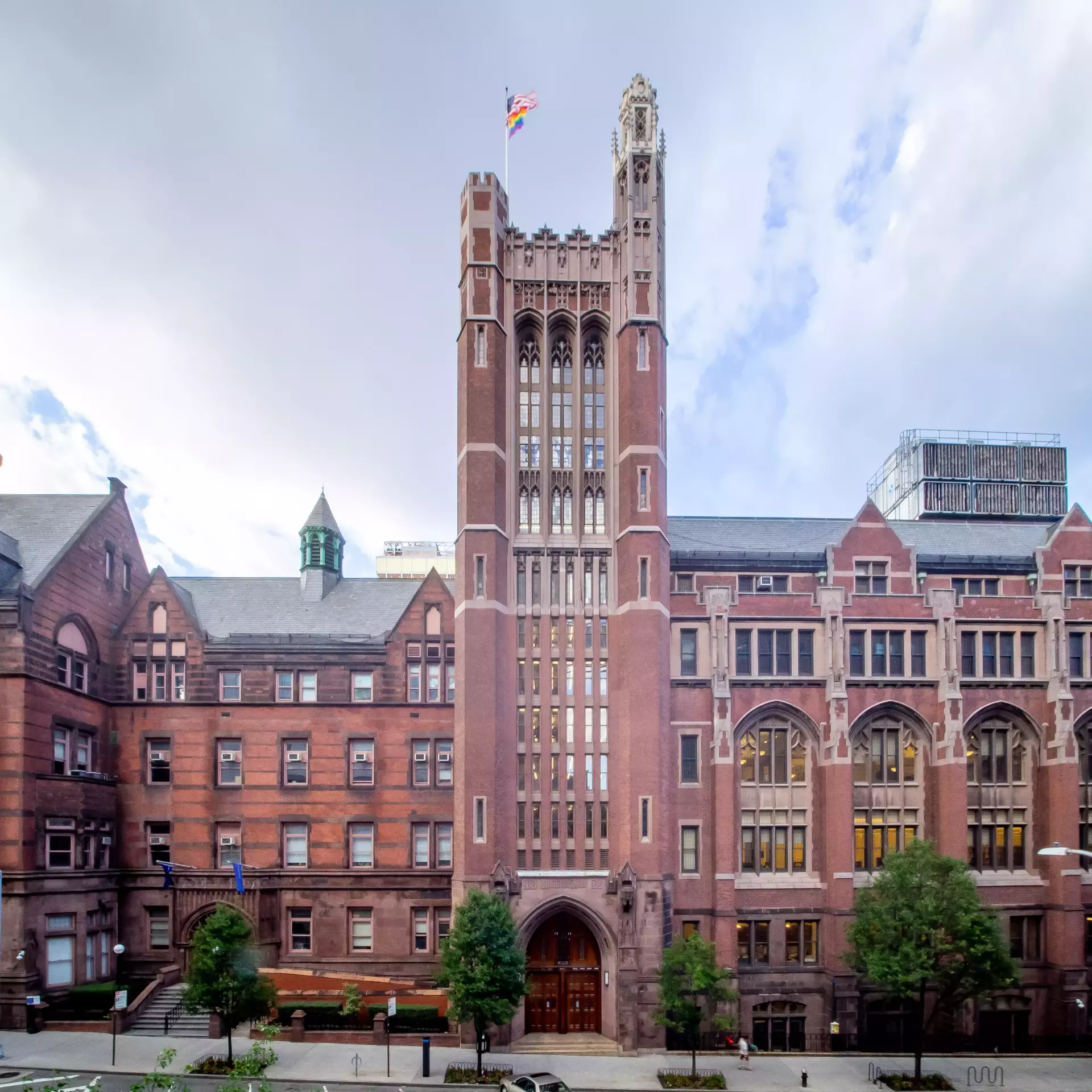
Teachers College
New York, United States of AmericaAffiliated with Columbia, Teacher's College is an architectural gem with its block length Beaux Arts and neo-Gothic façades.
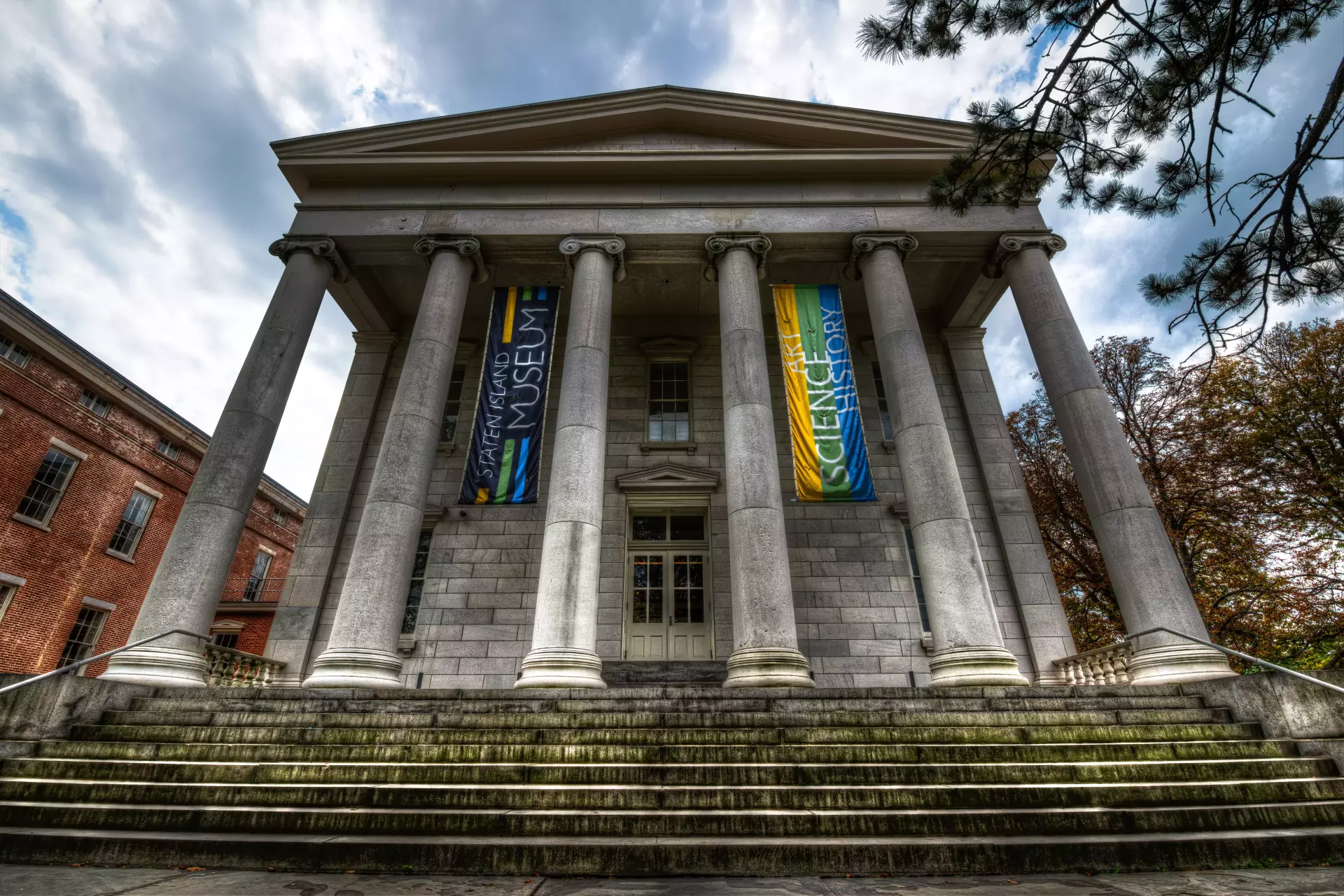
Staten Island Museum
New York, United States of America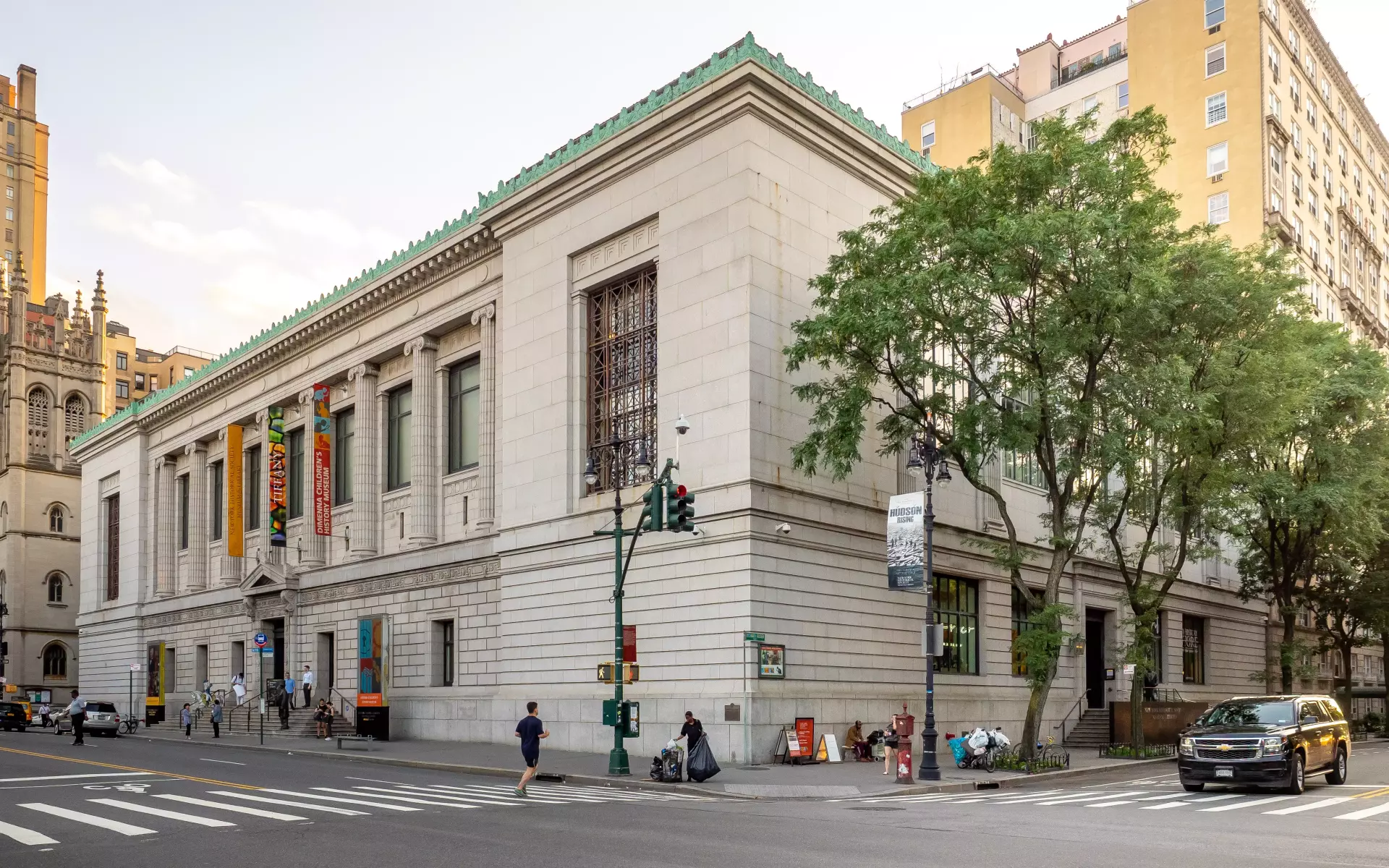
New York Historical Society
New York, United States of AmericaAmericana including Audubon’s watercolors of birds.
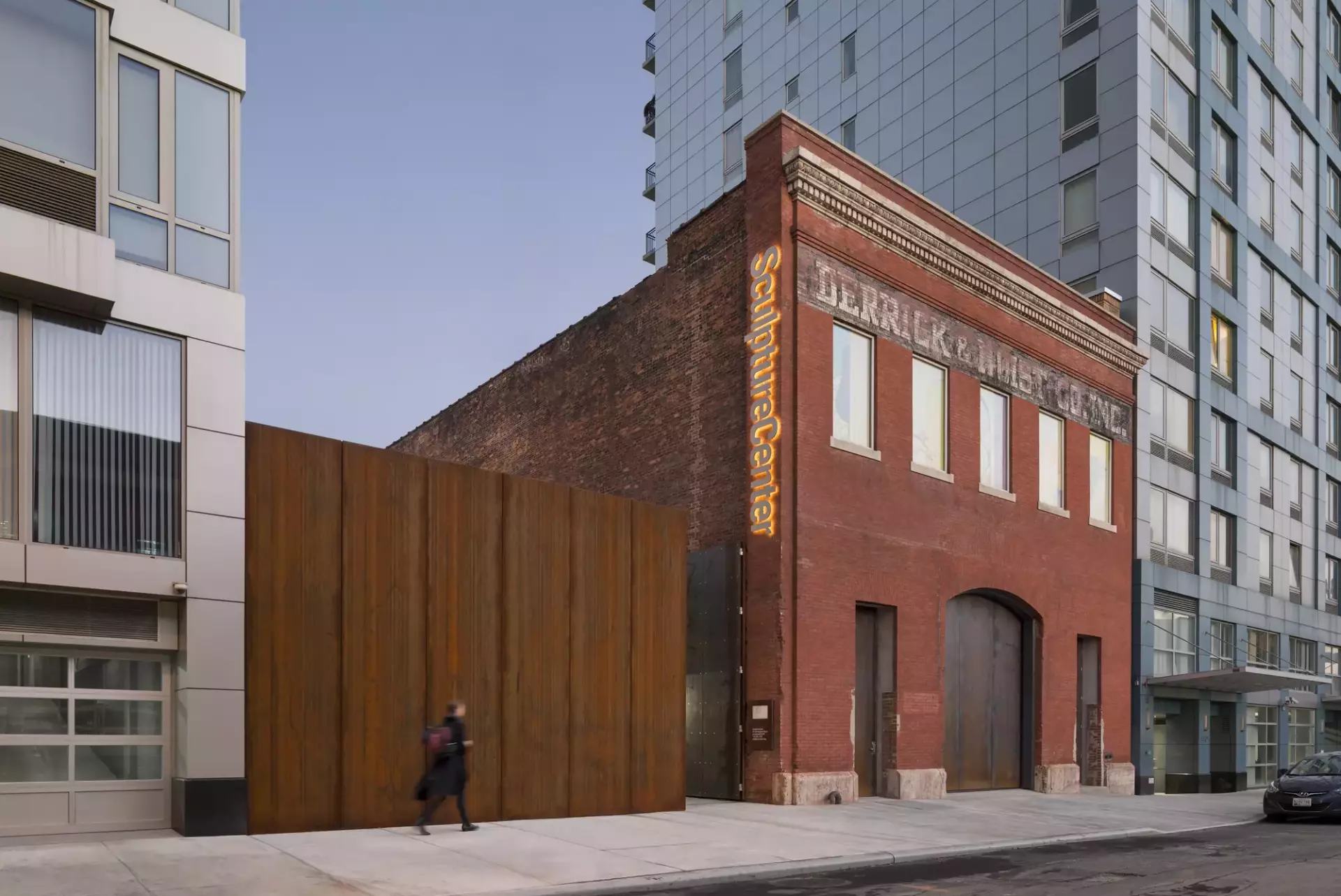
SculptureCenter
New York, United States of America
South Street Seaport Museum
New York, United States of AmericaA museum with exhibits on the historic Seaport area and a collection of ships at the South Street Seaport on the East River open for tours.
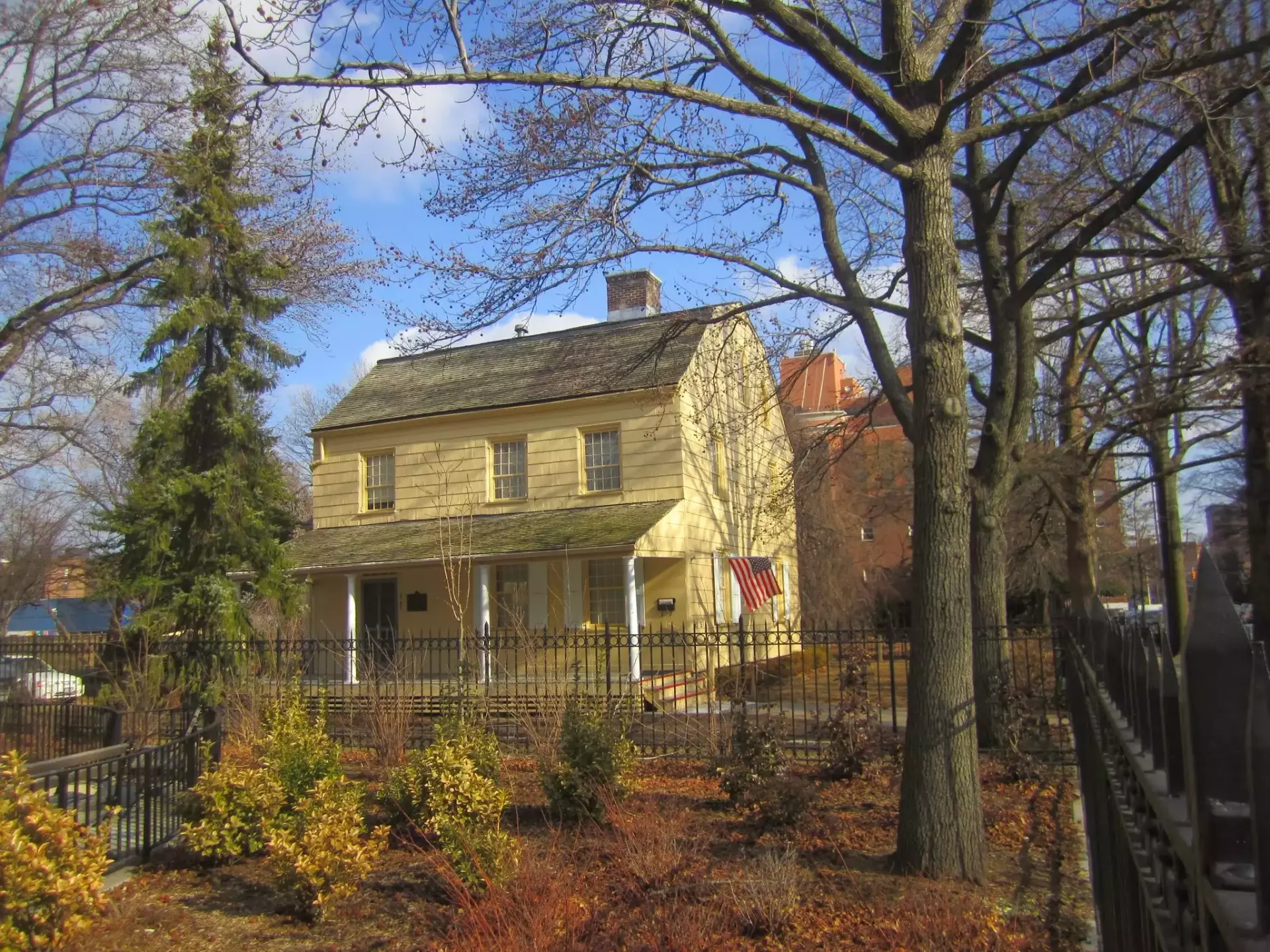
Kingsland Homestead
New York, United States of AmericaKingsland Homestead is a historic home, built by Charles Doughty around 1774. It is now a museum with exhibits about the Victorian era, the slavery in Queens, and how Queens was affected by World War II.
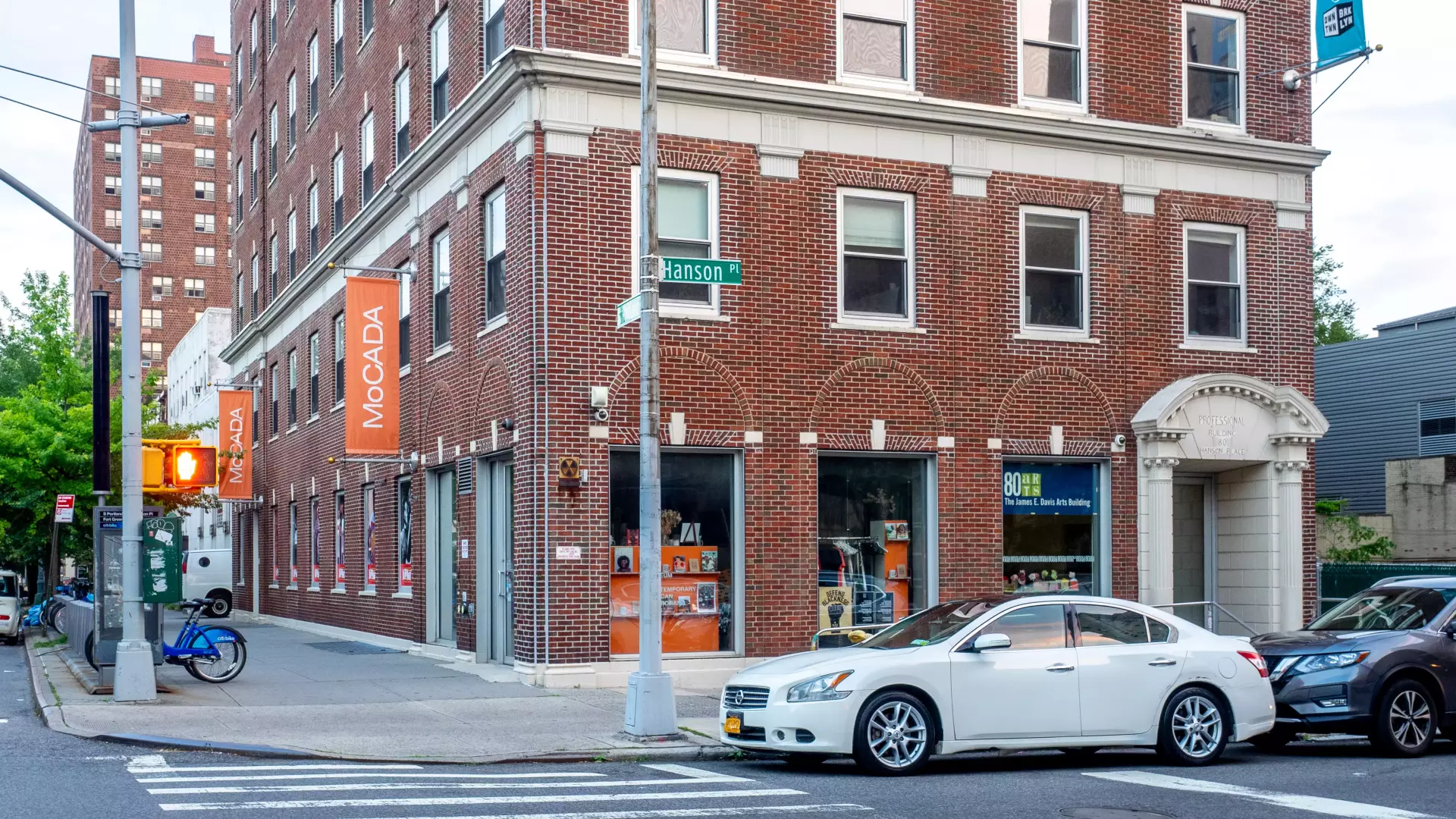
Museum of Contemporary African Diasporan Arts
New York, United States of America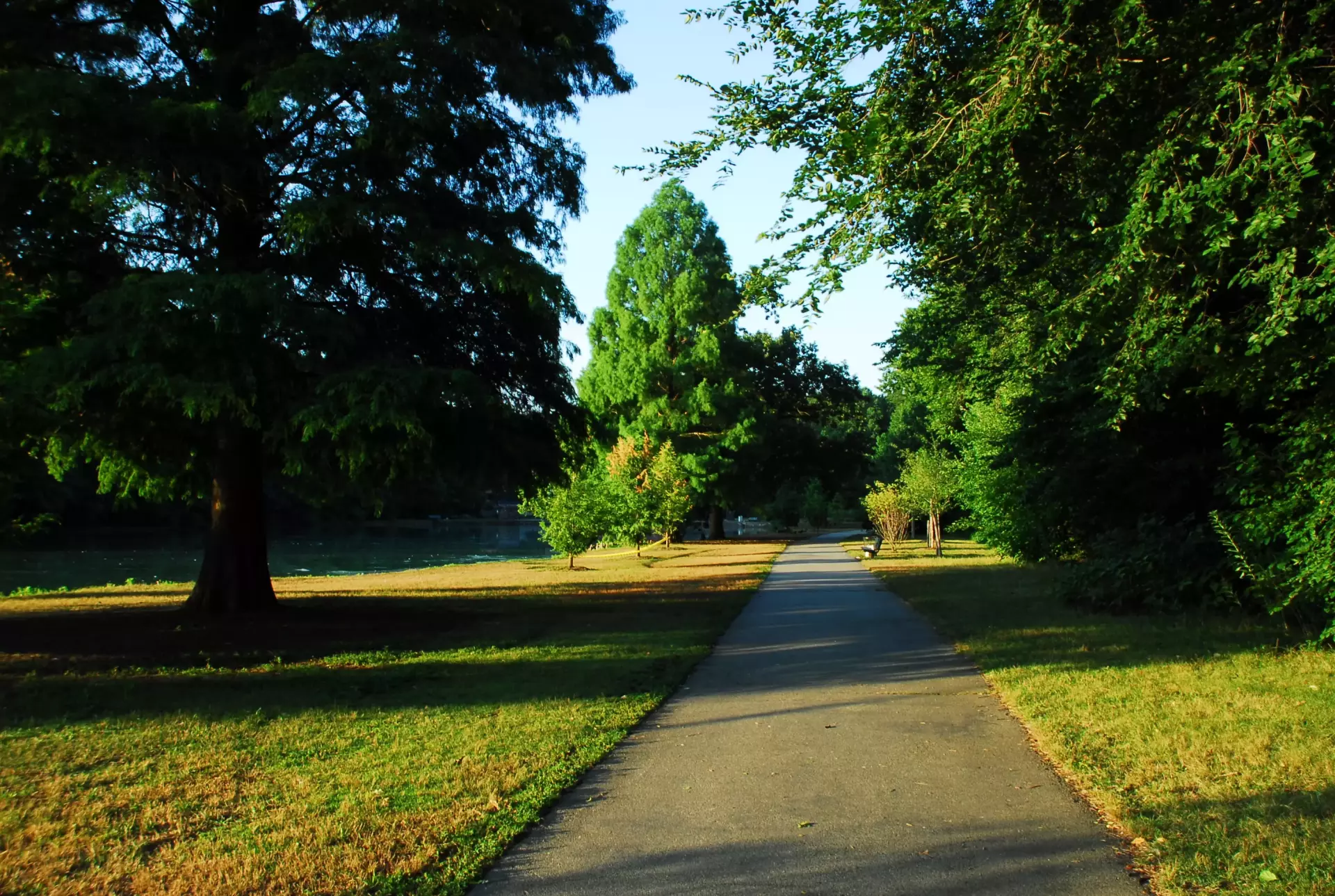
Willowbrook Park
New York, United States of America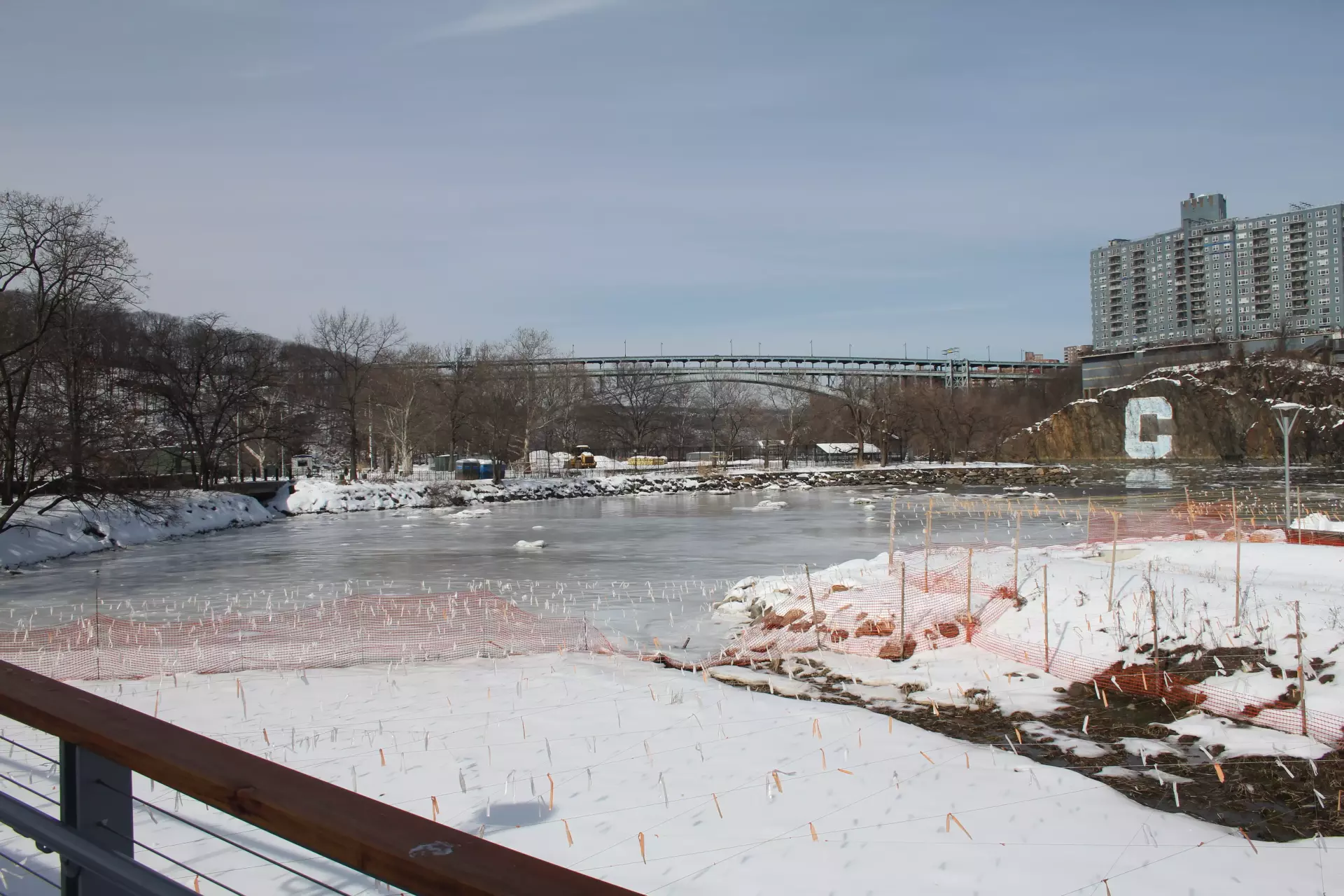
Muscota Marsh
New York, United States of AmericaAn elevated walkway and jetty provides access to the only natural salt marsh remaining in Manhattan, and expansive views of the Hudson River and the cliffs of Spuyten Duyvil in the Bronx across the river.
Trinity Church
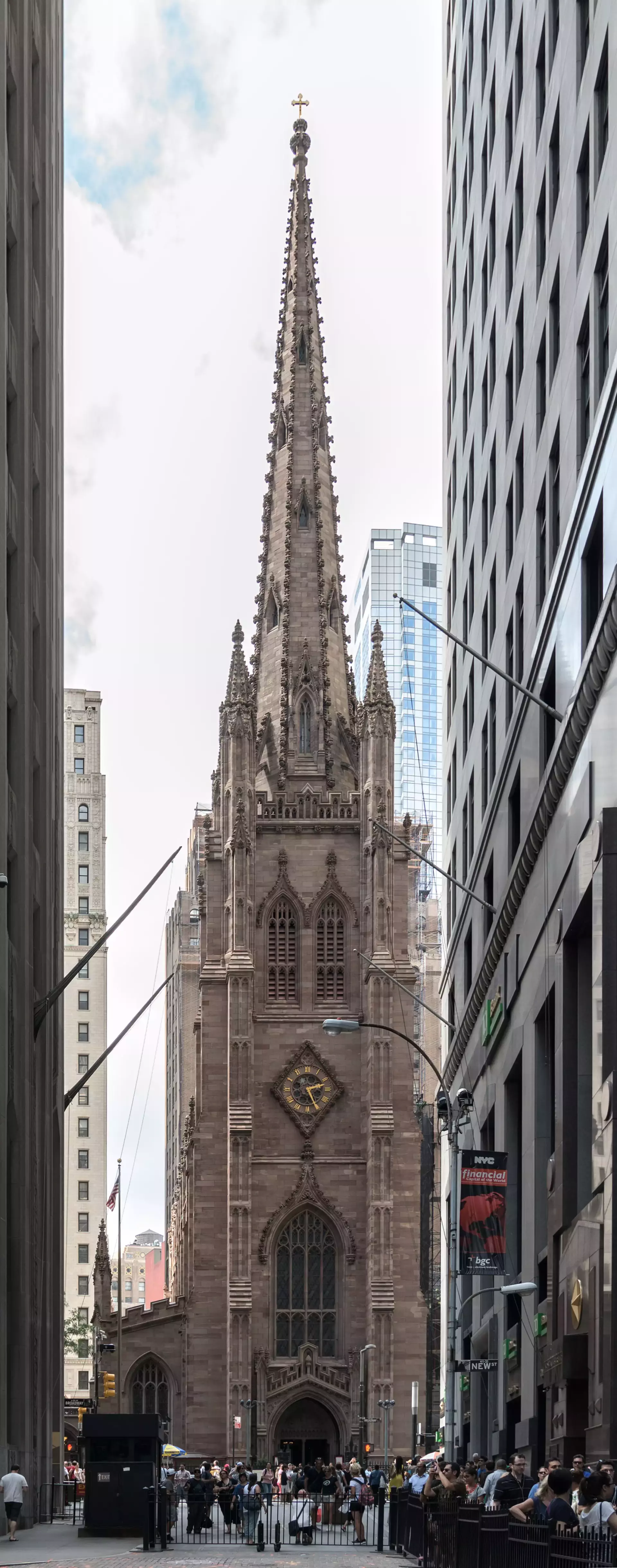
New York, United States of AmericaAn Episcopalian (Anglican) church and parish was first established on this site in 1697 under charter by King William III. The present Neo-Gothic Revival church building (the third incarnation) dates from 1846 and remains a significant landmark within Downtown. The original burial ground at Trinity Church includes the graves and memorials of many historic figures, including Alexander Hamilton, William Bradford, Robert Fulton, and Albert Gallatin.
Voelker Orth Museum
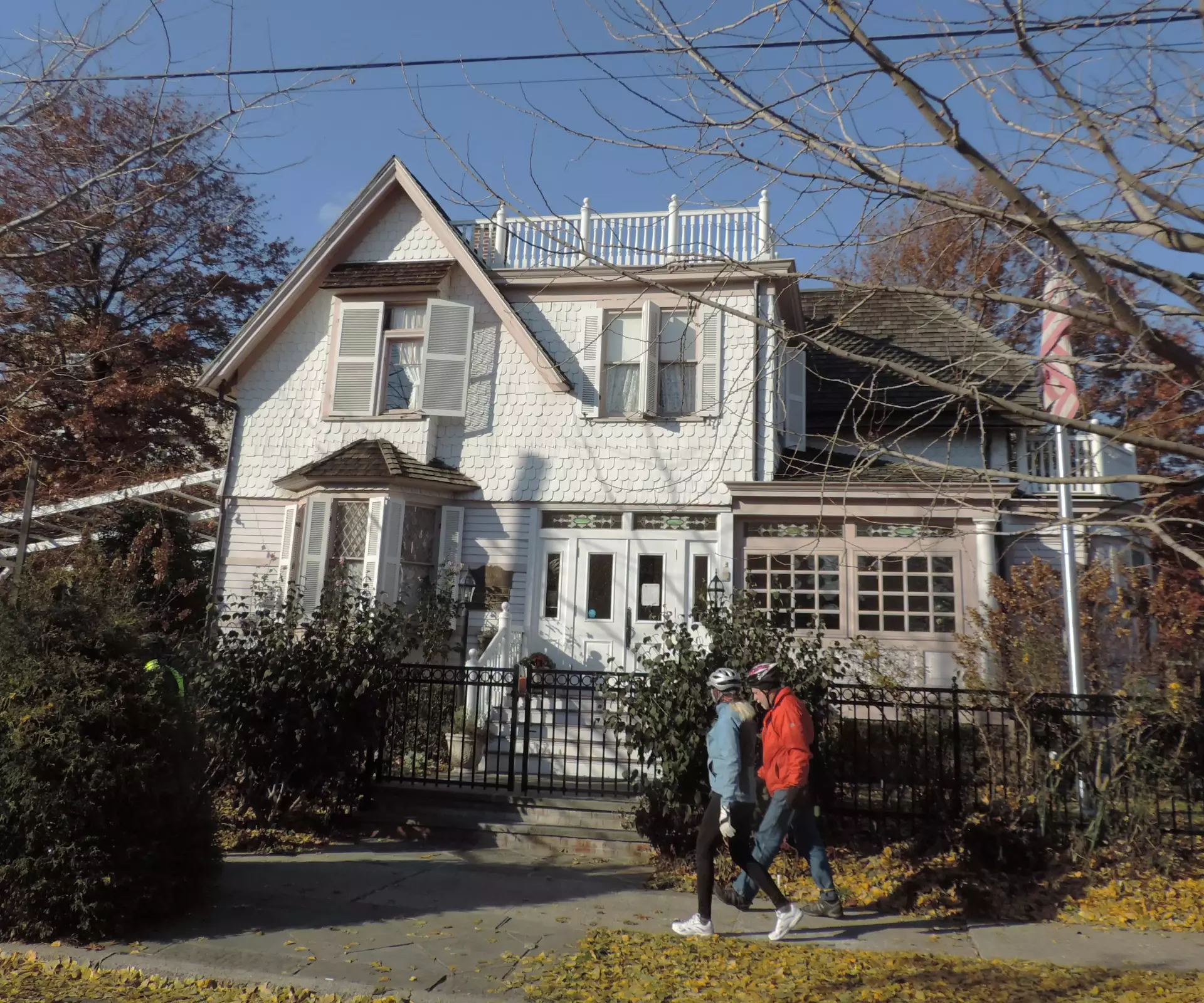
New York, United States of AmericaThis is historic home that was built by local businessman James Bouton in 1891. Eight years later, Conrad Voelcker bought the house, and the Voelcker family lived in the house for three generations. Today, it is a museum, and there is a Victorian garden and a bird sanctuary outside.
Ansonia
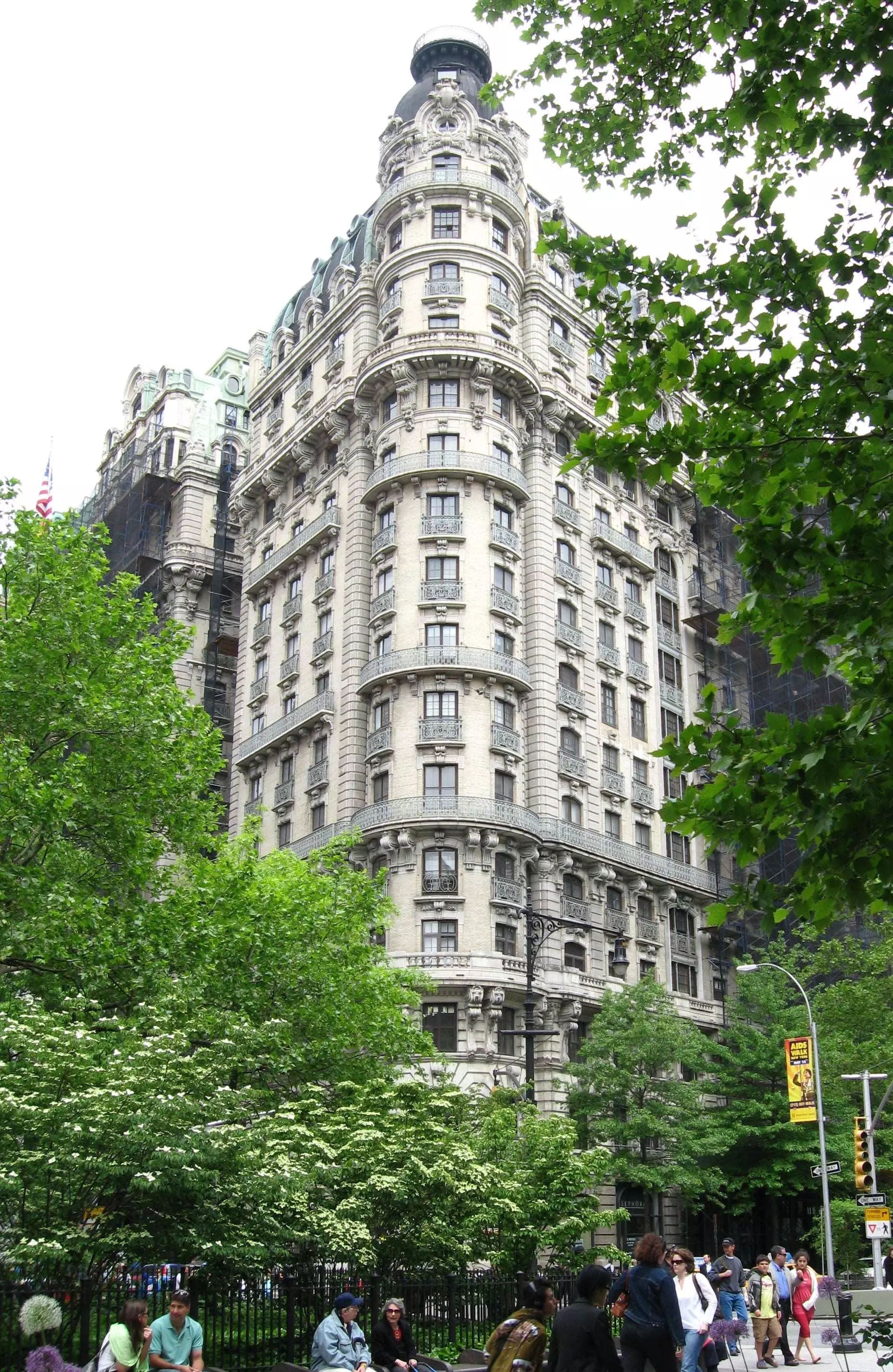
New York, United States of AmericaThis pretty 17-story Beaux Arts building was completed in 1904 and designed to be New York City's first air conditioned hotel. It was a residential hotel, and housed a number of very famous people, including the Hall of Fame baseball player, Babe Ruth; the Italian tenor, Enrico Caruso; the modernist composer, Igor Stravinsky; the Italian conductor of the NBC Symphony, Arturo Toscanini; and writers Theodore Dreiser and Isaac Bashevis Singer. The building is now a condominium.
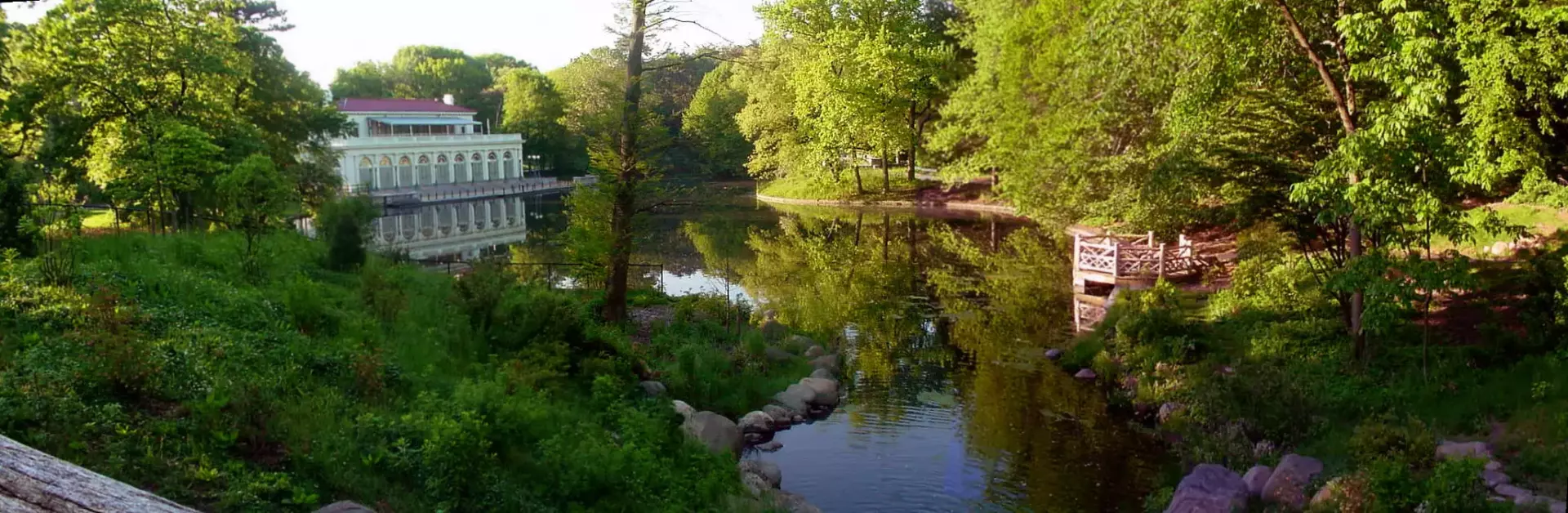
Prospect Park
New York, United States of AmericaEstablished in 1867 and laid out by Olmsted and Vaux, the designers of Manhattan's Central Park.
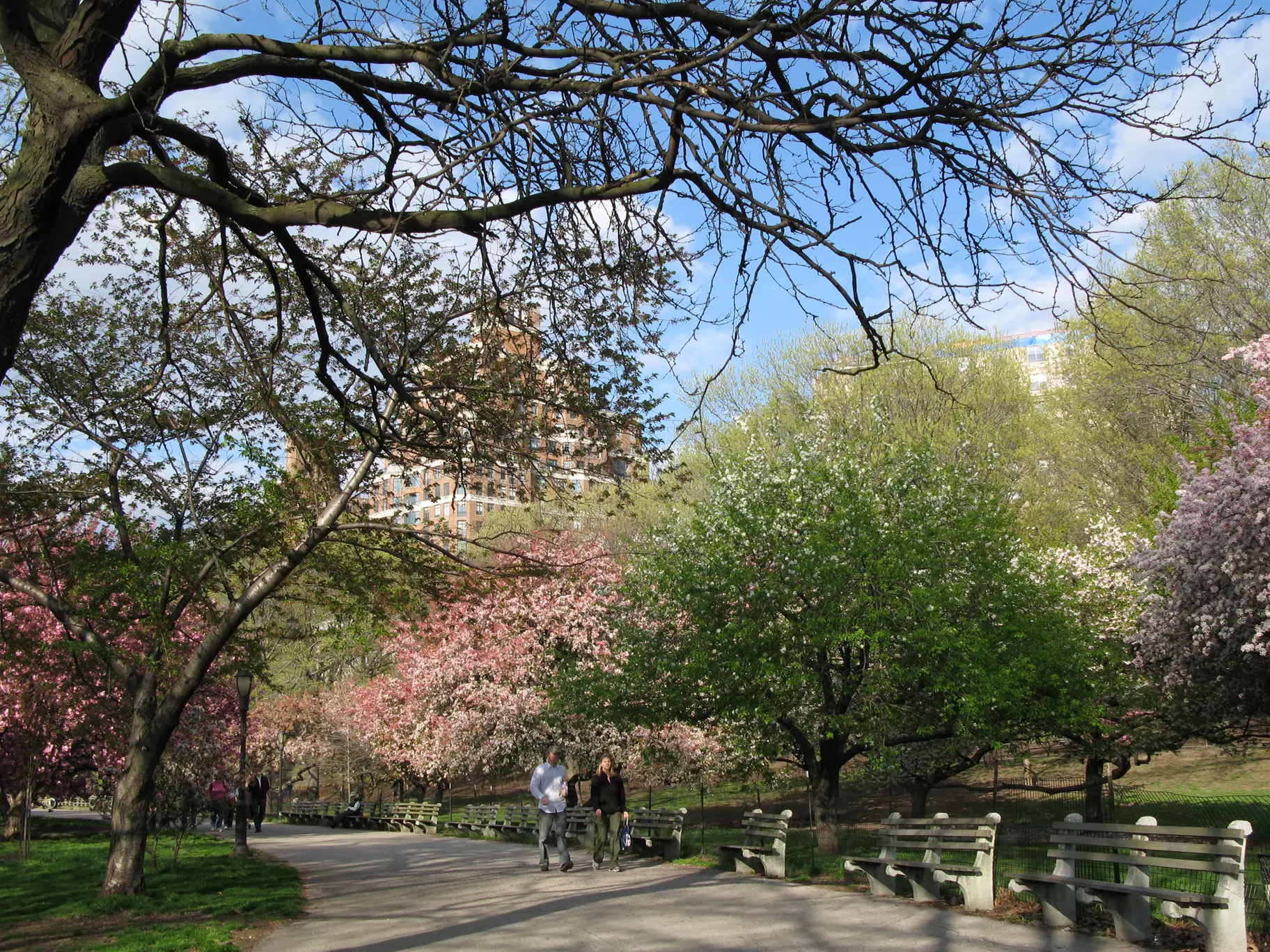
Riverside Park
New York, United States of AmericaA riverfront park providing pleasant views of New Jersey and sometimes breezes off the river. Summer brings al fresco movies and music to the park.
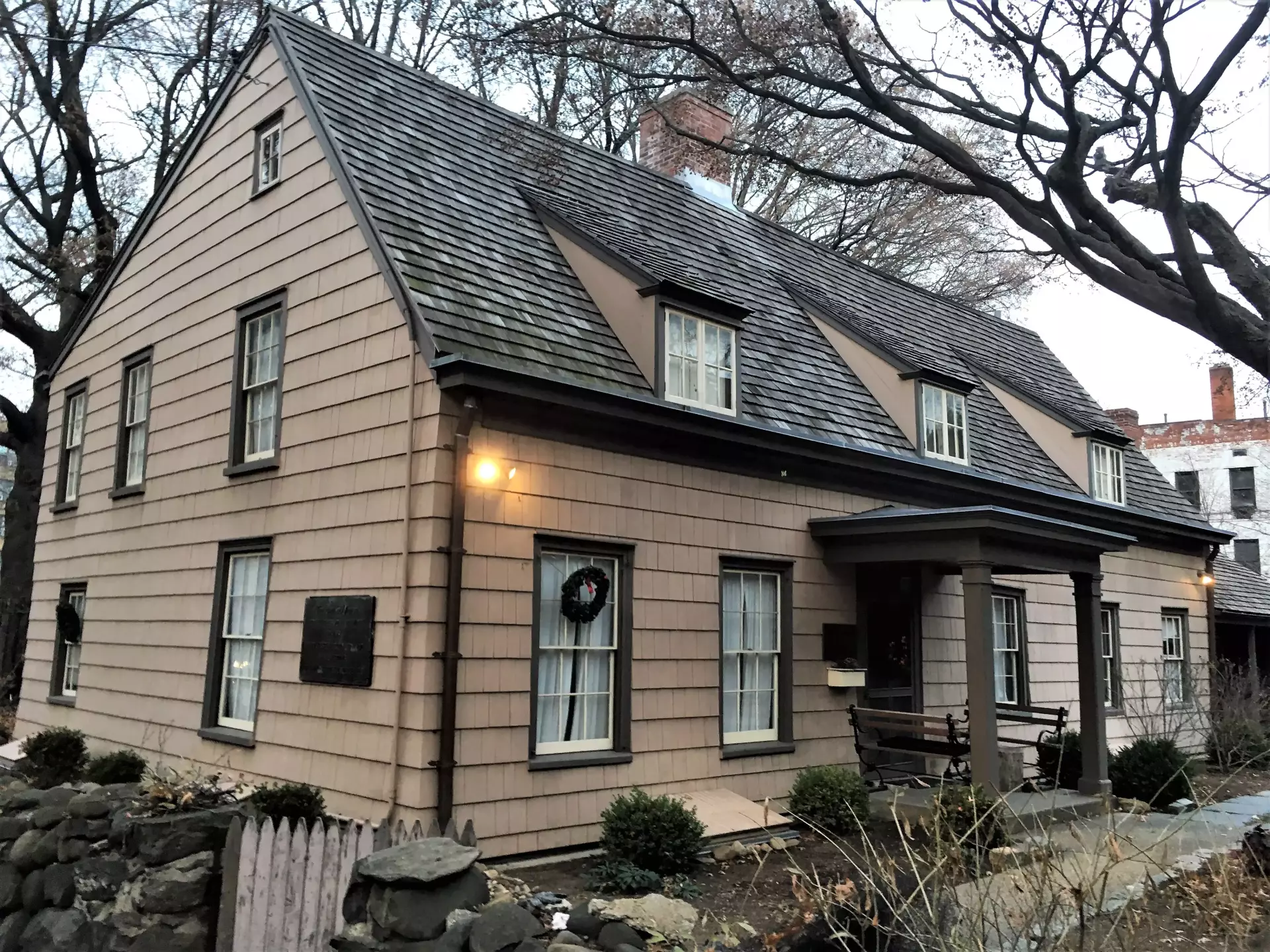
Bowne House
New York, United States of AmericaThe John Bowne House was built by John Bowne in 1661. It is the oldest building in Queens, and it is one of the oldest buildings in New York City. John Bowne was a Quaker who advocated religious freedom, which was later written into the Bill of Rights. John Bowne's great-grandson, Robert Bowne, strongly advocated for the end of slavery in America. The house was the home of several generations of the Bowne House until 1945, when it was donated and converted into a museum.
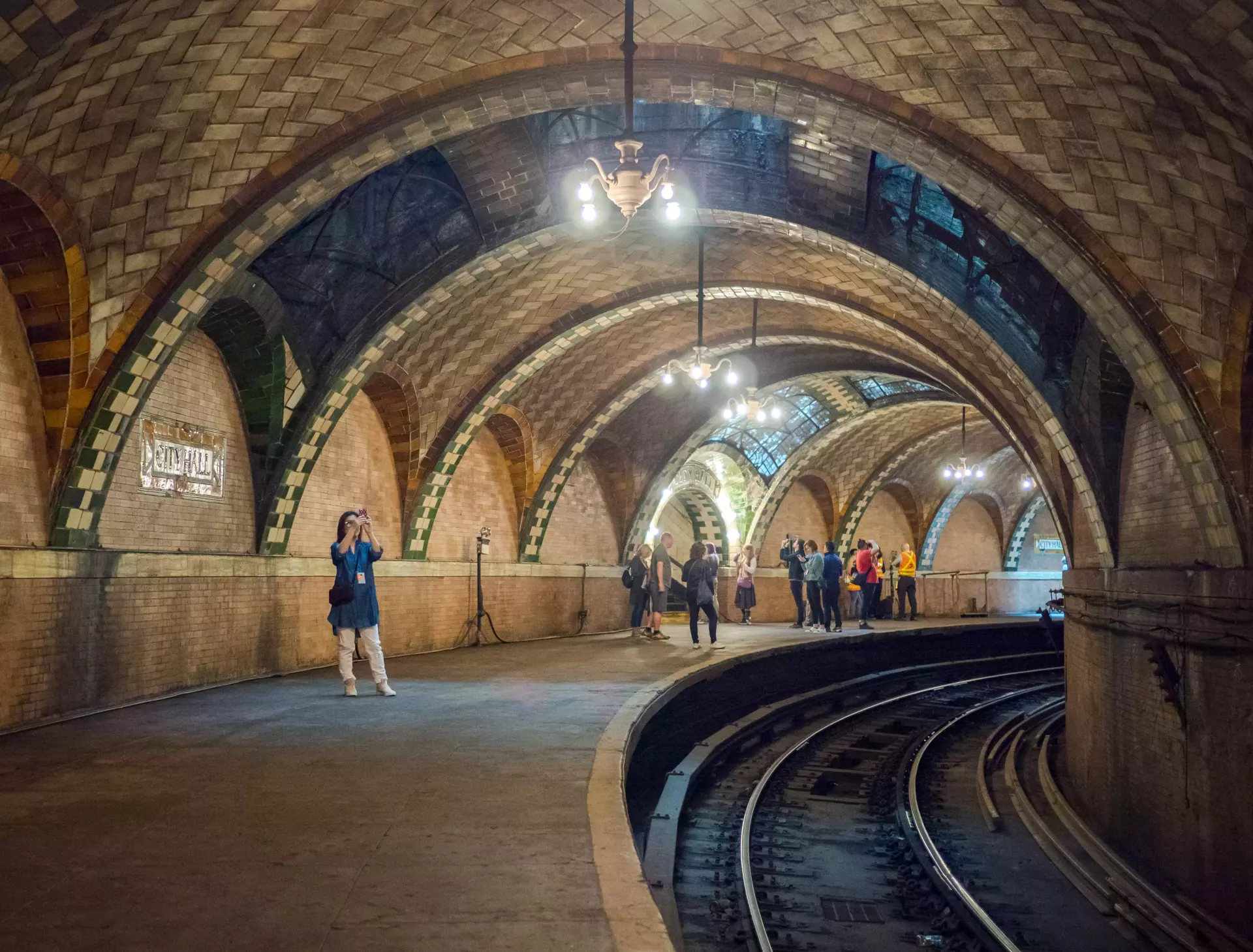
City Hall Station
New York, United States of AmericaThe original subway station, and quite a marvel to witness--the chandeliers and ornate tiling are a sharp contrast to the nearby Brooklyn Bridge-City Hall station. There's one catch, though: it's been closed since 1945. However, you can see it by staying on the downtown 6 train after its last stop Brooklyn Bridge-City Hall; it will turn around in the old station. This is the one place in the system where this is allowed, and the announcements reflect that. The Transit Museum (in Downtown Brooklyn) offers occasional tours as well, which allow you to actually walk around the station, but you must be a museum member and a US citizen, making this an impractical choice for most visitors.
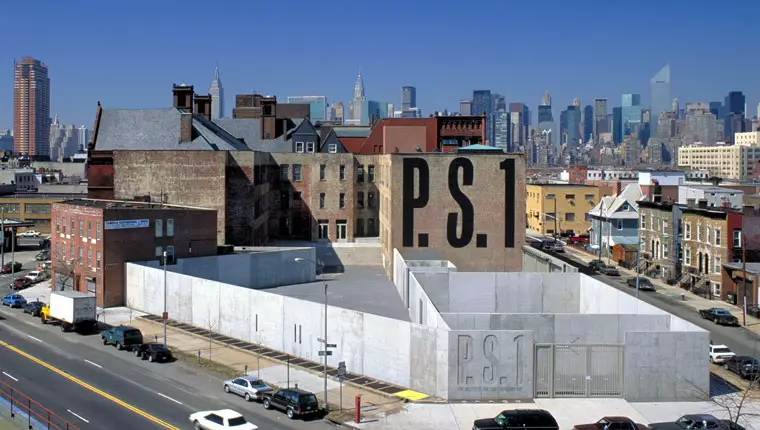
P.S.1 Contemporary Art Center
New York, United States of AmericaSupported by the Museum of Modern Art, this innovative (and cheap) contemporary art museum is in a former public school building. The conversion left most of the original features of the school - the large ex-classrooms are perfect for installations - and the bathrooms are a blast from the past. P.S.1 is a few blocks south on Jackson Avenue from the Citibank tower; the entrance is a concrete slab (how fitting) which occludes view of the school itself. P.S.1 also has a nice cafe and outdoor seats.
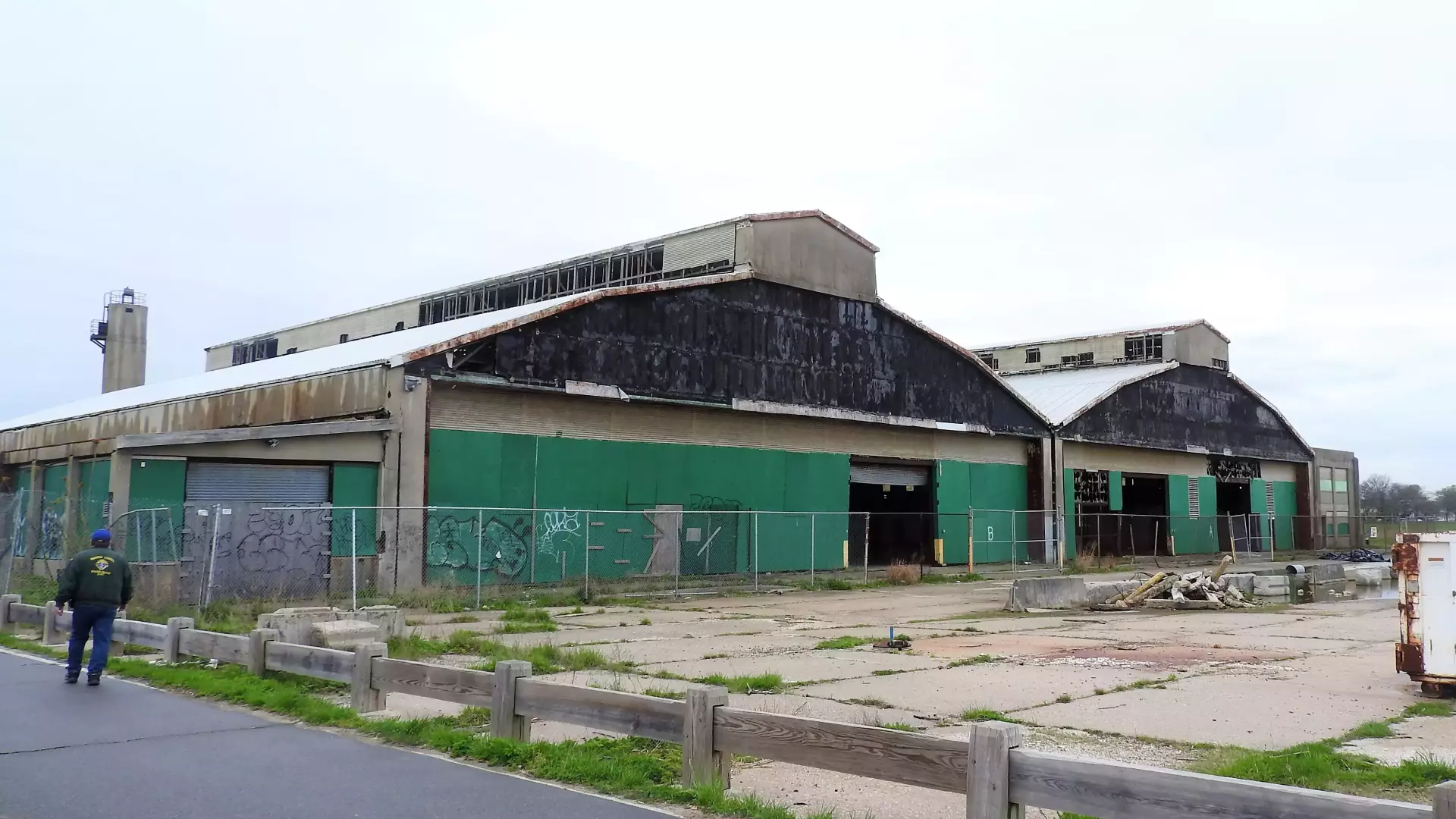
Miller Field
New York, United States of AmericaThis park was operated as a United States Army airfield from 1919-1969. Now, it is a large, mostly grass park with baseball fields, soccer fields, and a children's playground.
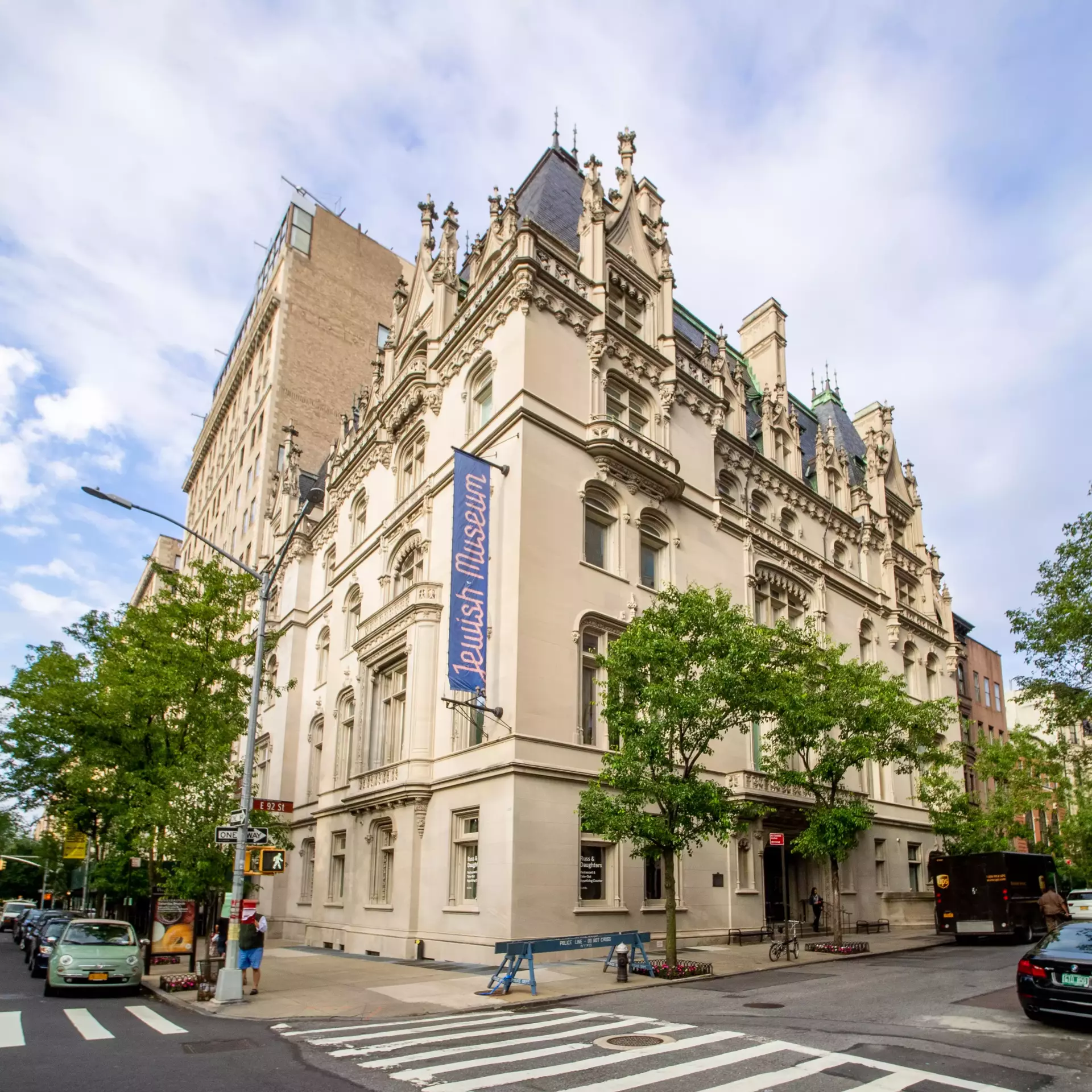
Jewish Museum
New York, United States of AmericaContaining artifacts spanning 4,000 years of art and Jewish culture, with a collection of 26,000 objects – paintings, sculpture, works on paper, photographs, archaeological artifacts, ceremonial objects and broadcast media. The museum also hosts the annual SummerNights concert series and the annual New York Jewish Film Festival.
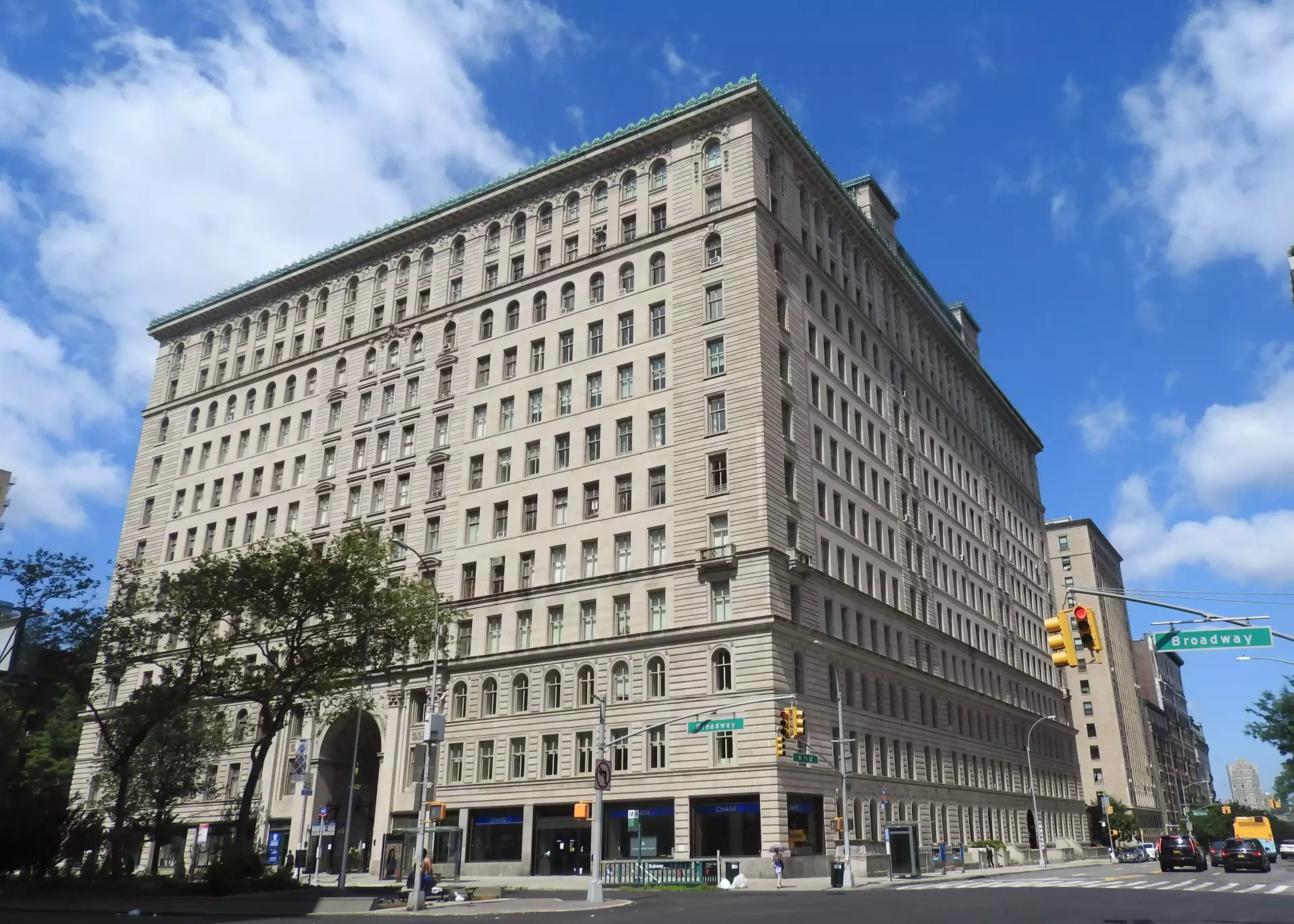
Apthorp
New York, United States of America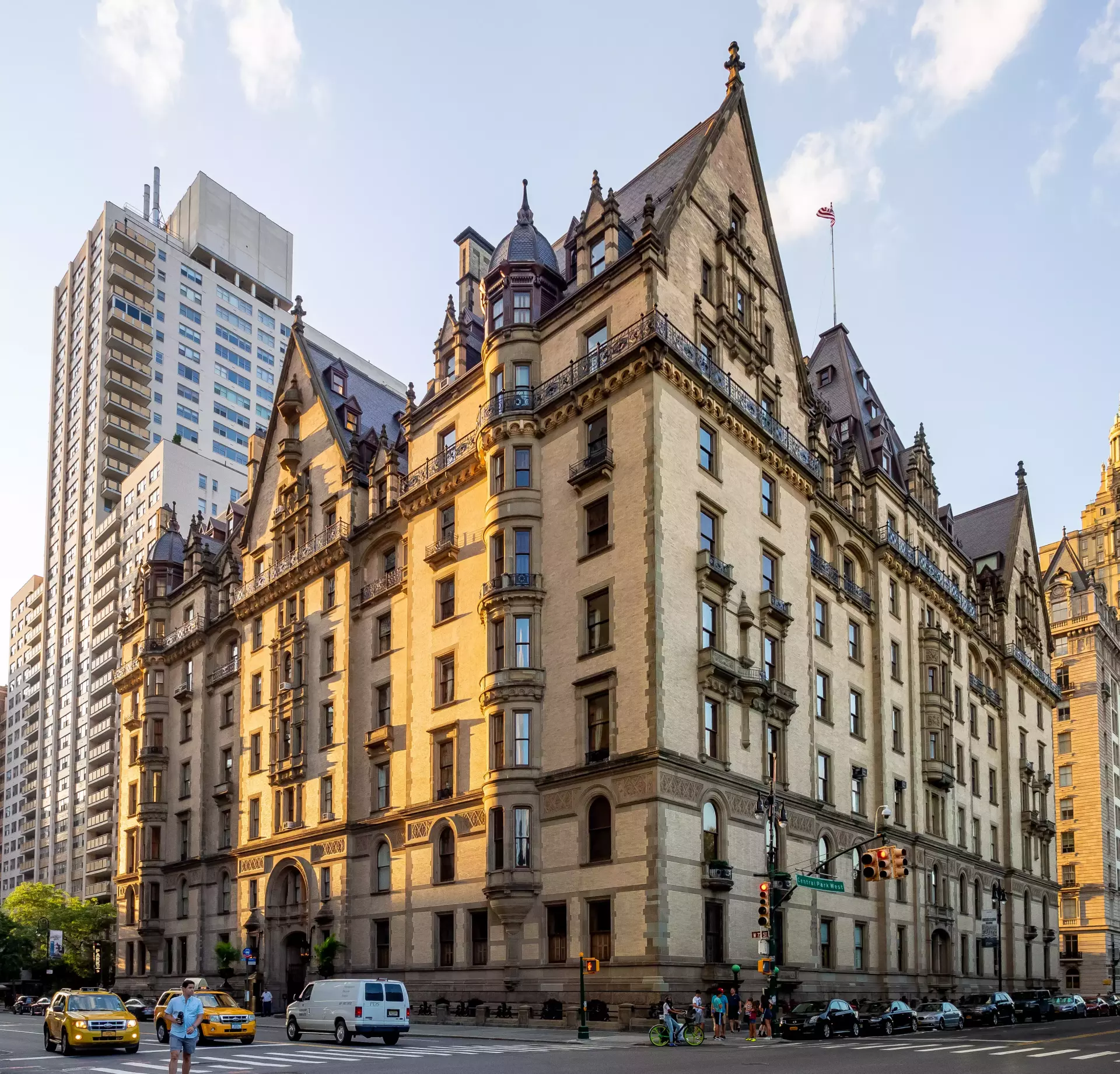
Dakota Building
New York, United States of AmericaThis massive apartment building has been (and is!) home to many celebrities. Probably best known was the former Beatle John Lennon, who was gunned down outside the building on December 8, 1980, by a crazed fan. Lennon had been living at the Dakota with his second wife, Yoko Ono, who still resides in the building. A memorial to the former Beatle exists nearby in Central Park. The building has become a popular place of pilgrimage for many who admire Lennon.
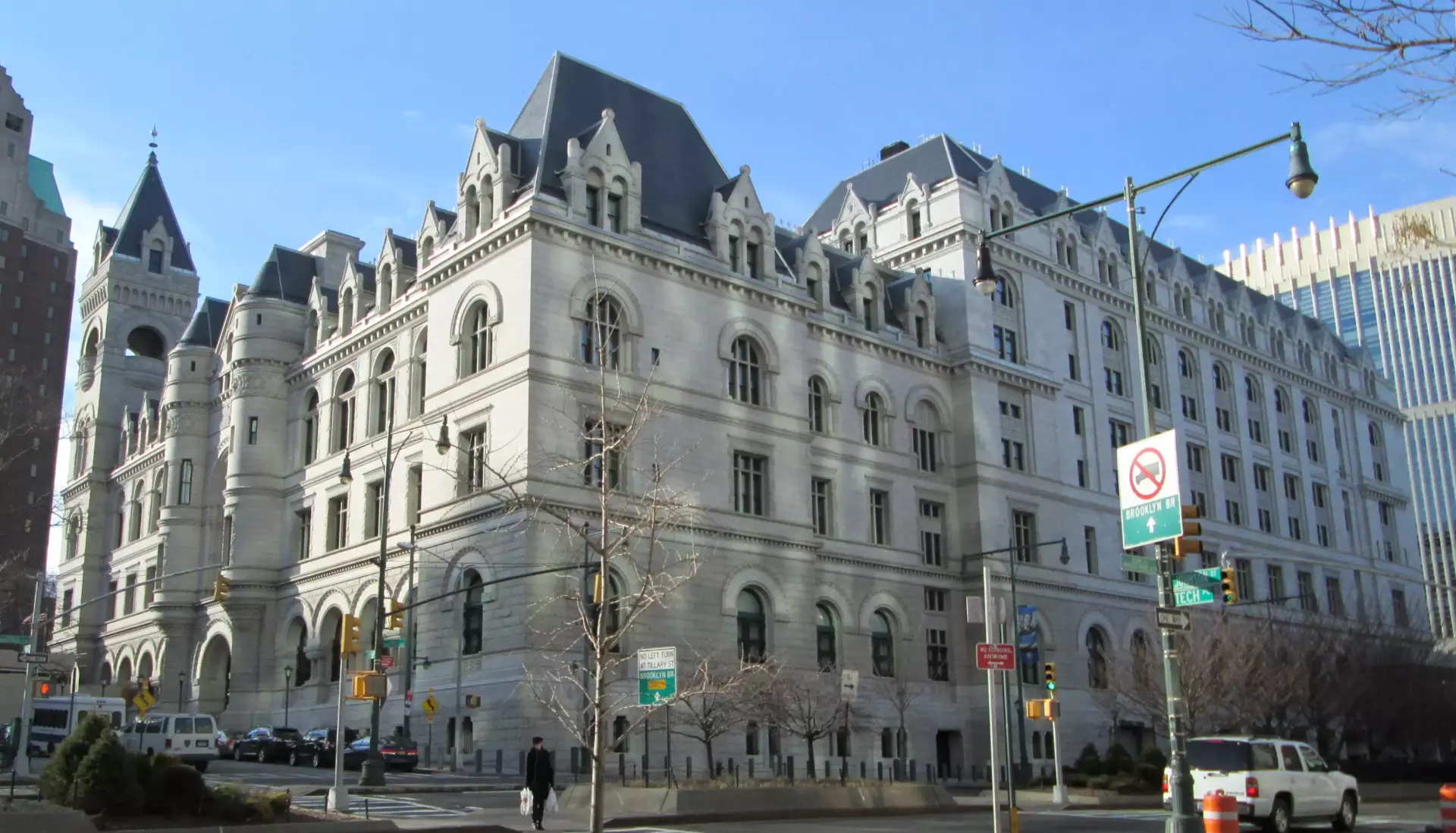
Federal Building and Post Office
New York, United States of AmericaThis neo-Romanesque fairy castle was built in 1891, and a northern addition in very similar style was built in 1933. The older building is a busy post office serving Downtown Brooklyn and the northern addition houses the United States Bankruptcy Court for the Eastern District of New York.
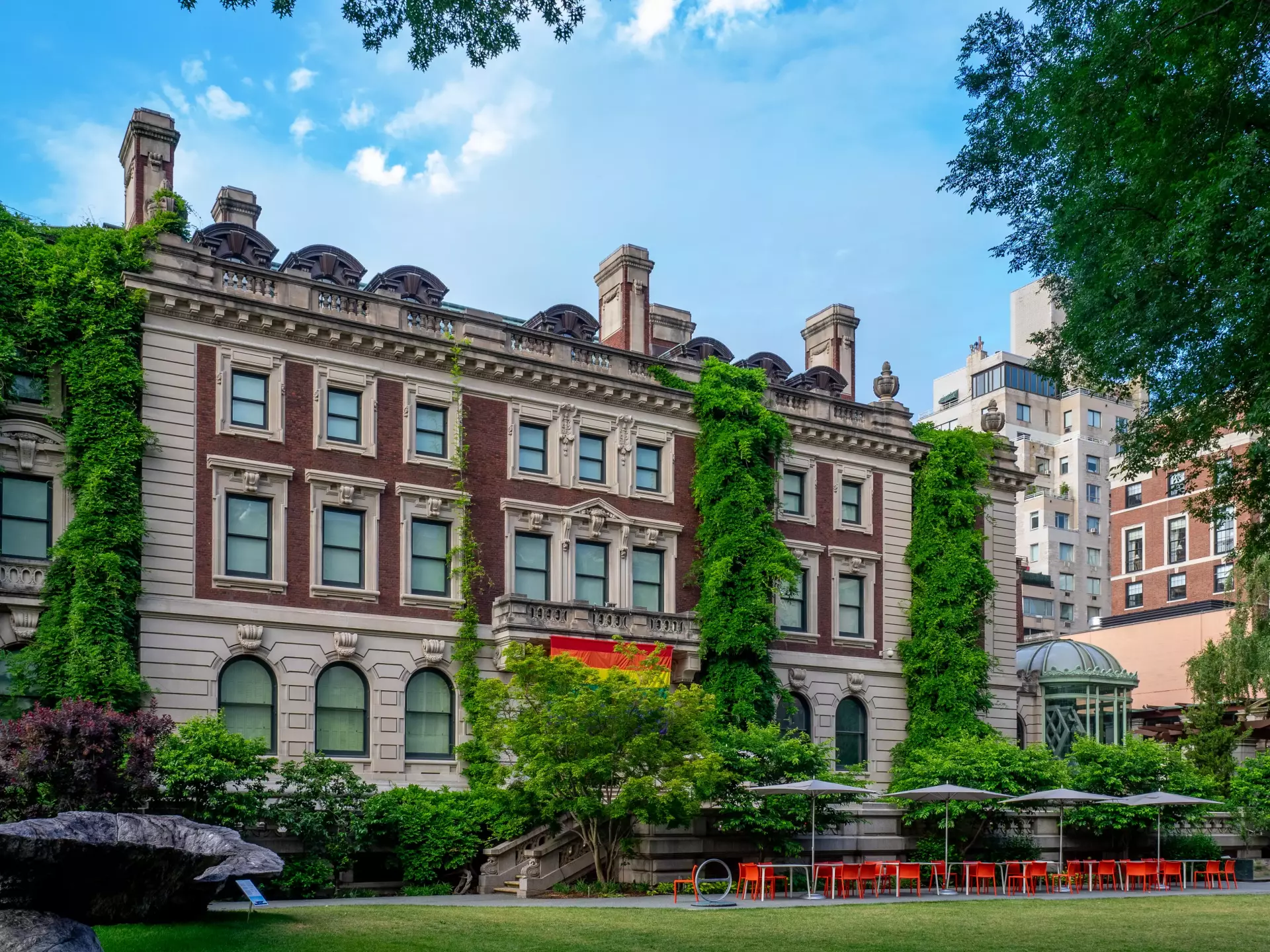
Cooper Hewitt National Design Museum
New York, United States of AmericaA branch of the Smithsonian Institution, the Cooper Hewitt is devoted to over 240 years of contemporary and historic design, with changing exhibits.