
Tourist attractions in New York
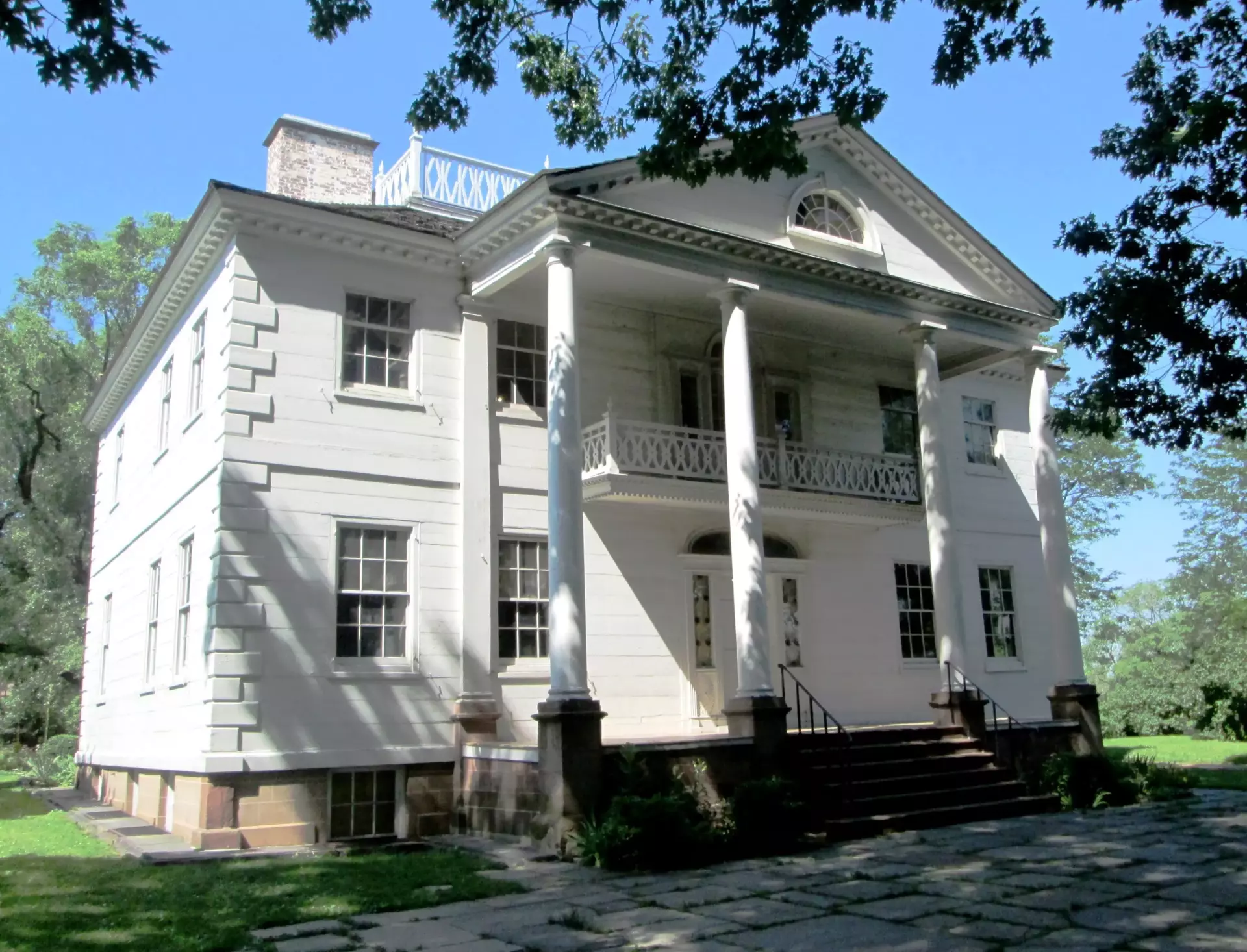
Morris-Jumel Mansion
New York, United States of AmericaBuilt in 1765, this is the oldest house on Manhattan Island. It served as George Washington's headquarters in 1776. Now a museum set on a 1.5-acre park, it features a decorative-arts collection representing the colonial and Revolutionary War periods. Washington's office is among the 12 restored rooms.
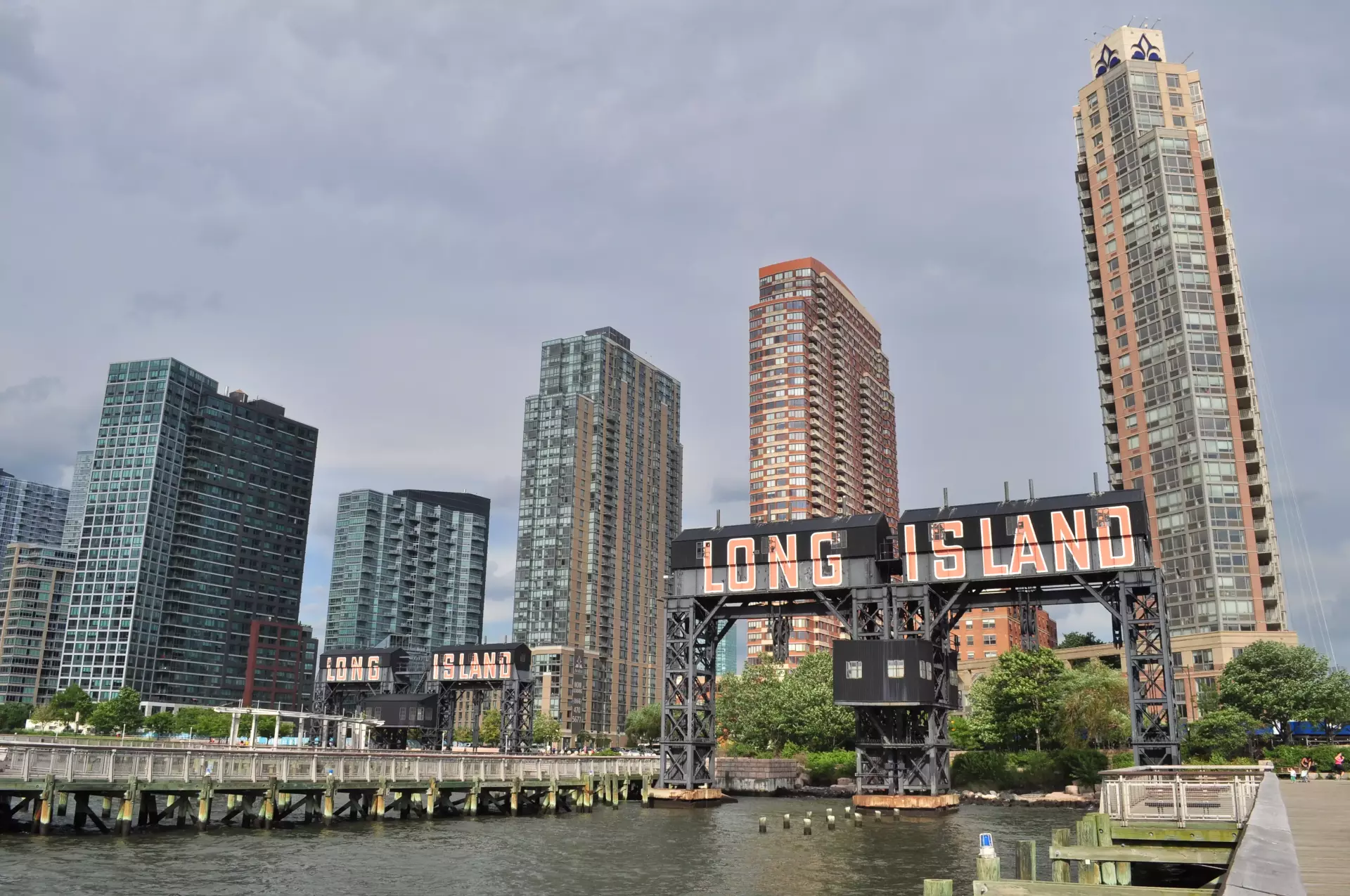
Gantry Plaza State Park
New York, United States of America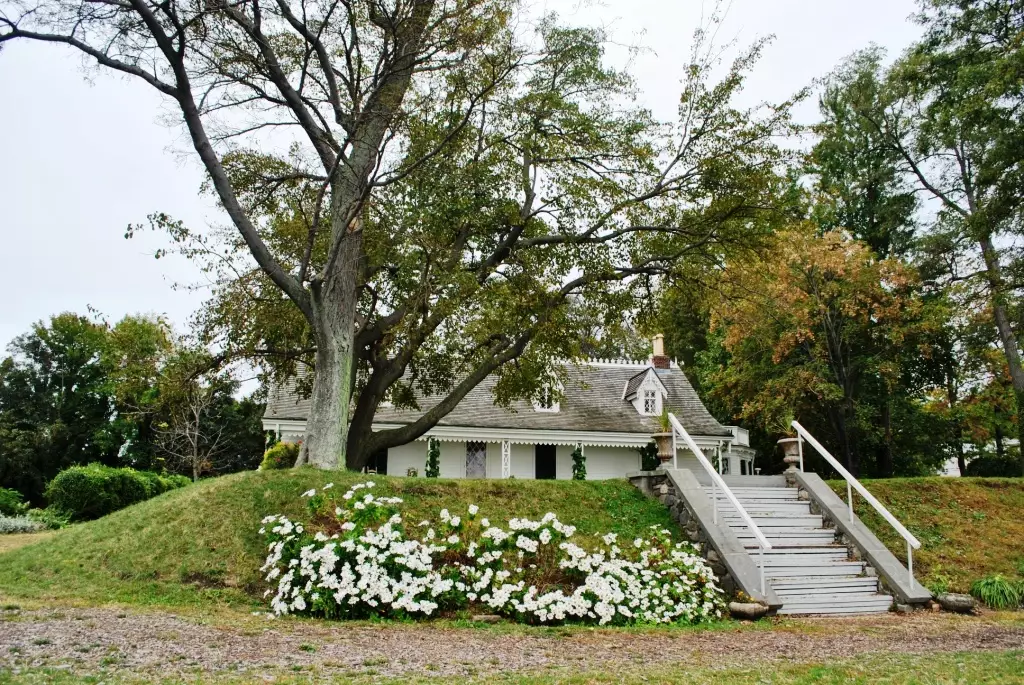
Alice Austen House
New York, United States of America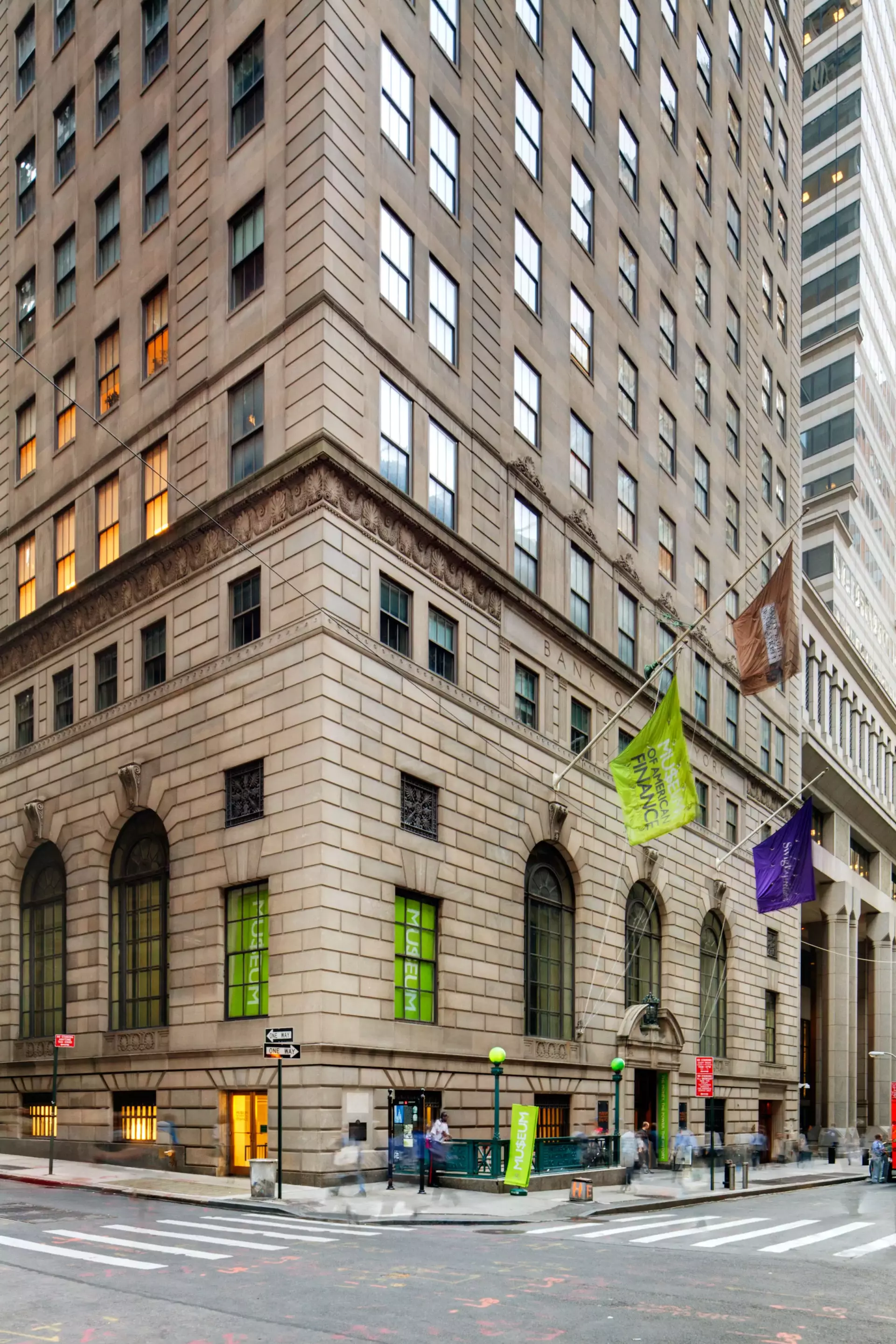
Museum of American Finance
New York, United States of AmericaA small museum dedicated to finance and the markets, with exhibits that change periodically. Closed to find a new location as of Mar 2024.
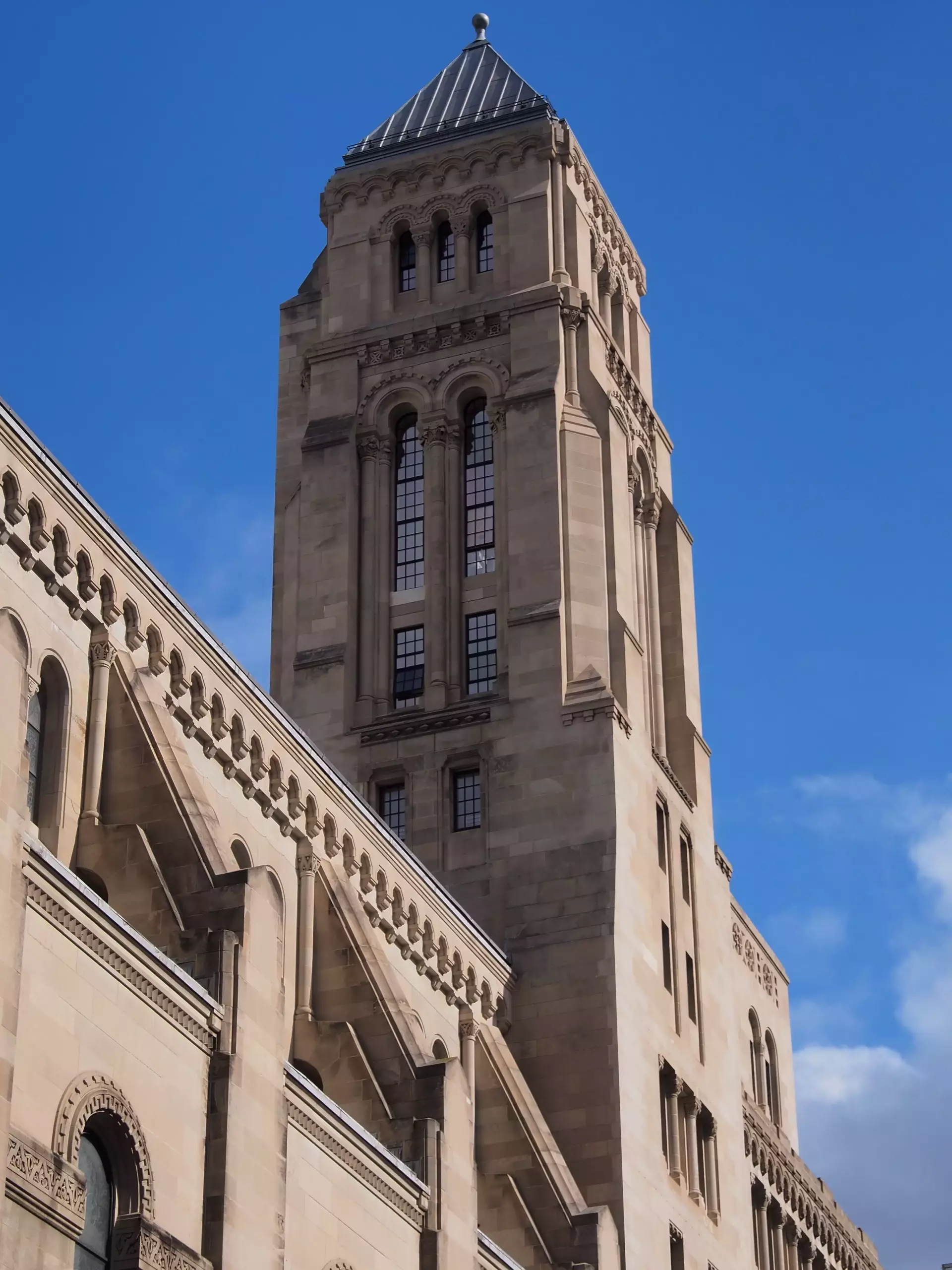
Temple Emanu-El of New York
New York, United States of America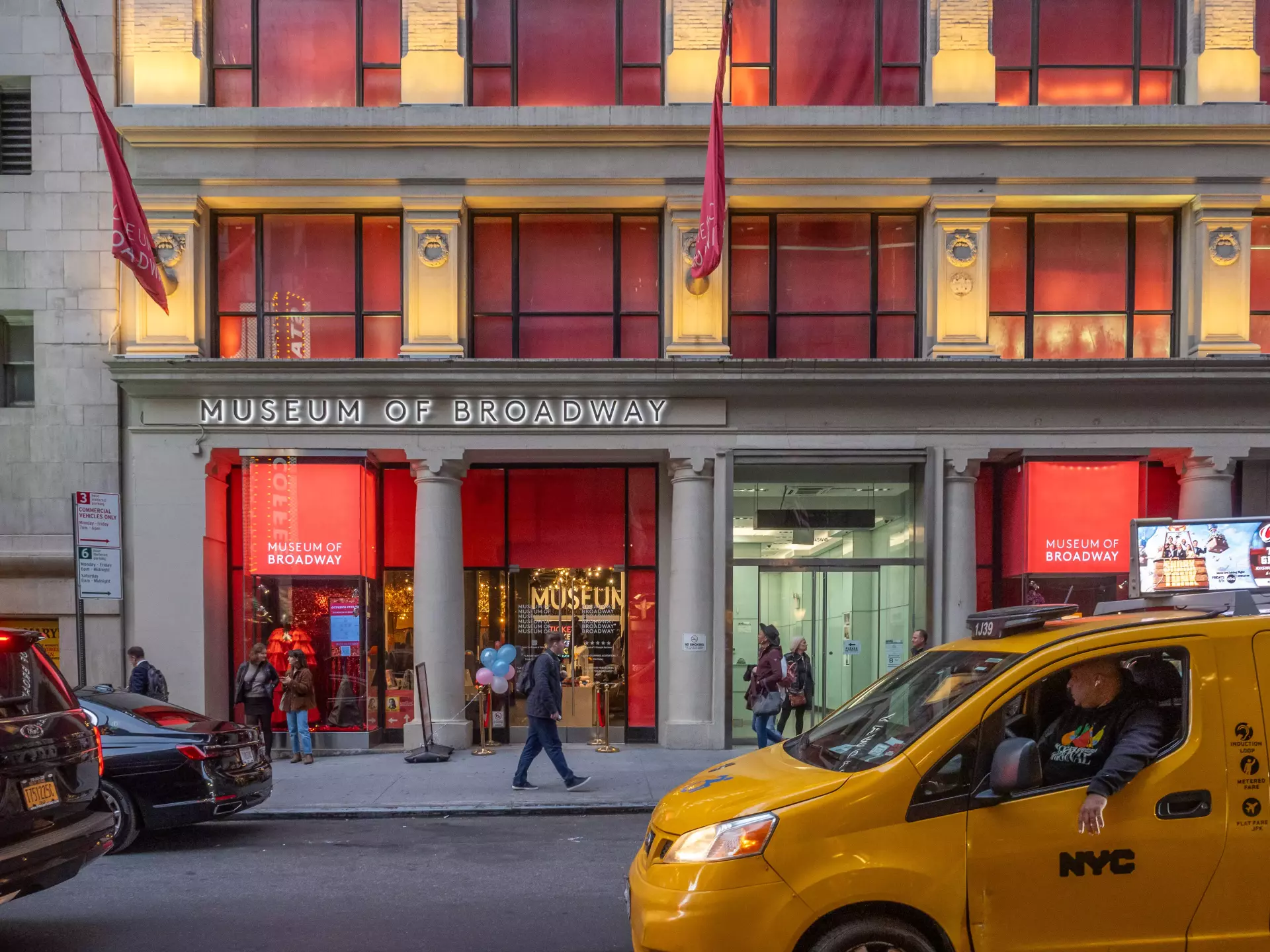
Museum of Broadway
New York, United States of AmericaOpened on November 15, 2022, this interactive museum utilizes technology to convey the history of Broadway, complete with props from past shows, costumes, and other artifacts. You can learn about how a Broadway show is made, and there is a gift shop selling not only their own merch, but also products from current Broadway shows and Broadway in general.
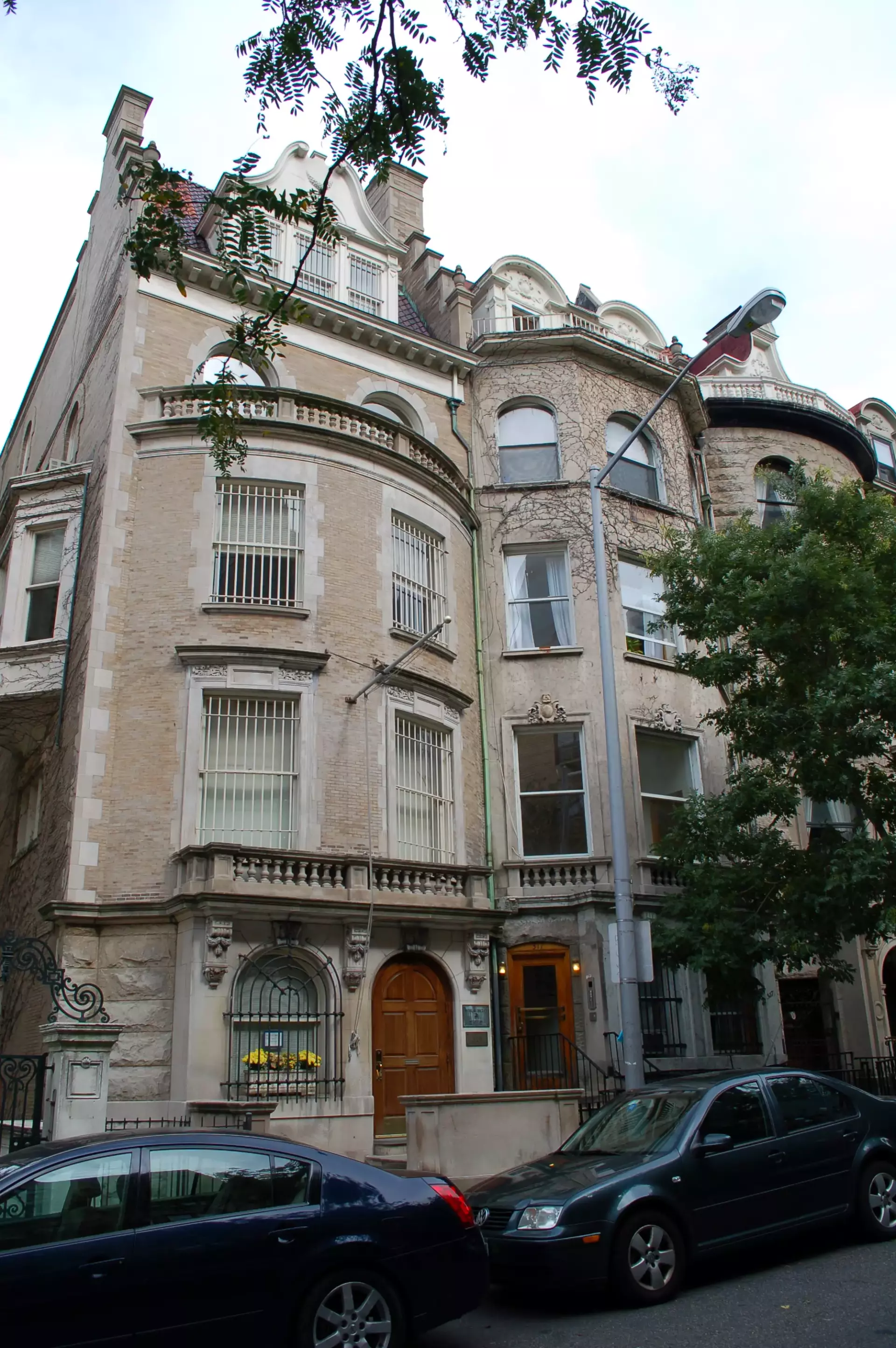
Nicholas Roerich Museum
New York, United States of AmericaCollection of more than 200 paintings of the artist, exhibited on three floors of a classic townhouse.
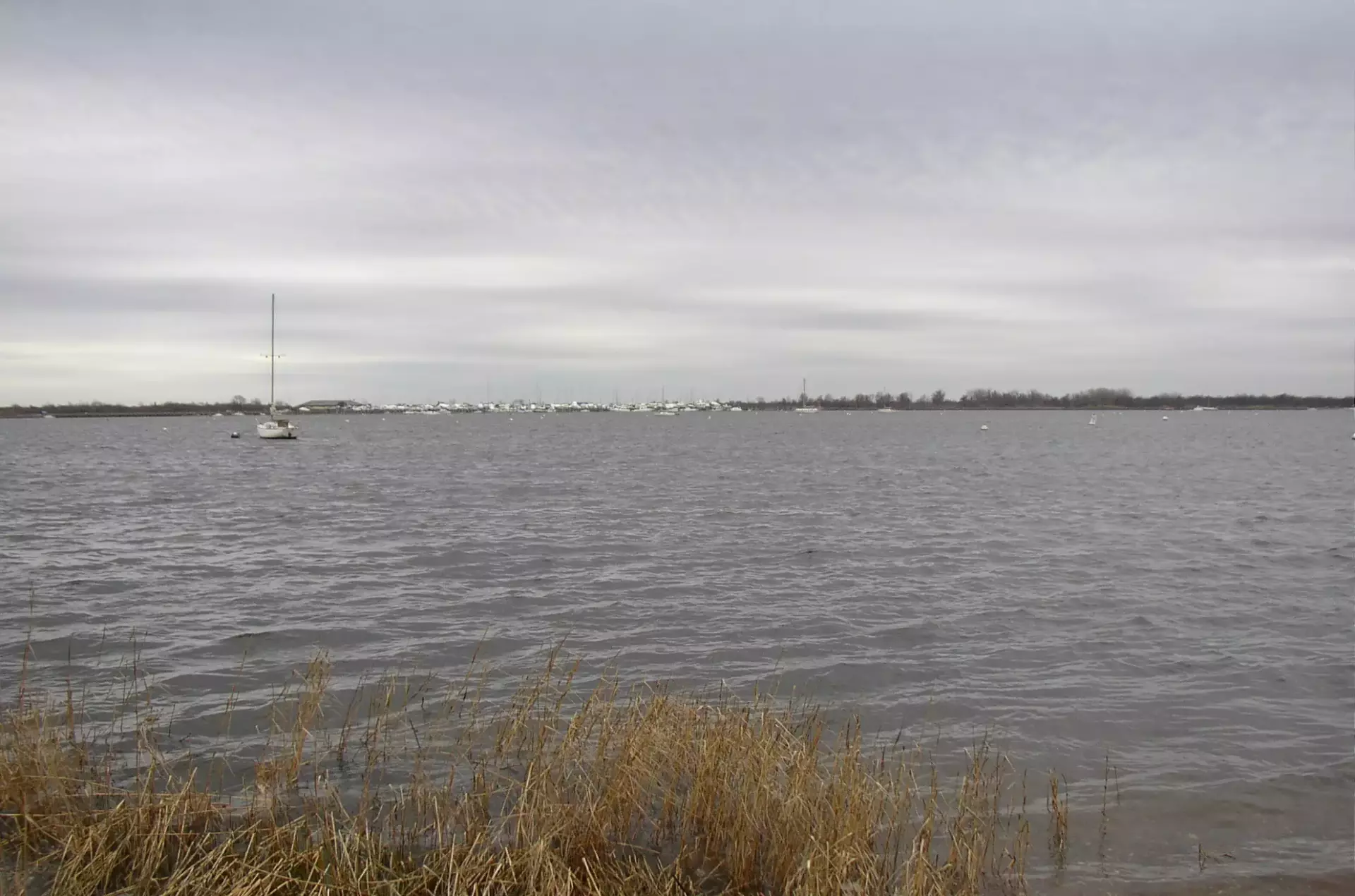
Great Kills Park
New York, United States of America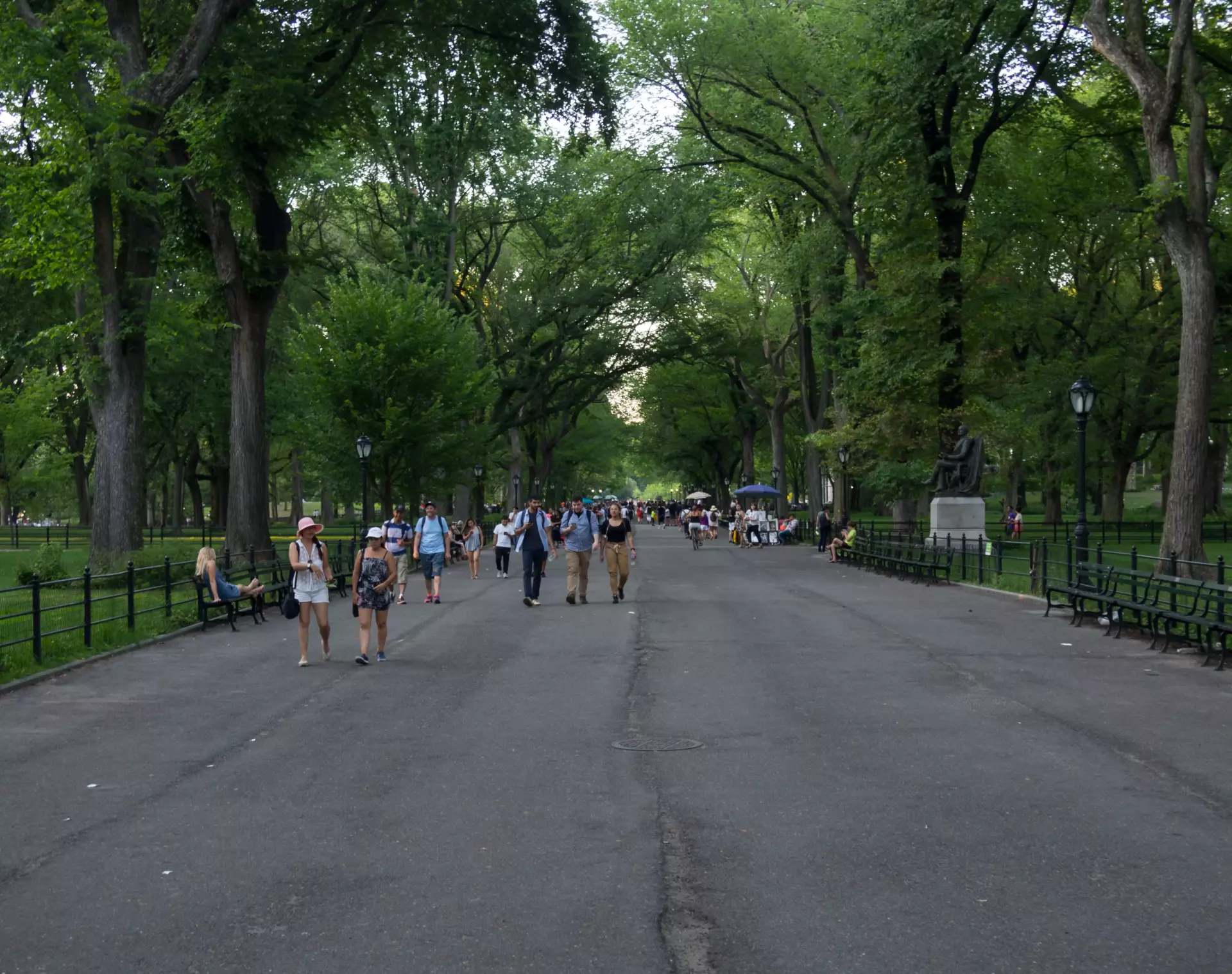
North Woods
New York, United States of AmericaNone of Central Park is actual virgin forest, but this is the closest any part of the park gets to feeling like genuine forest. It is beautiful and cool in hot weather. However, like a real forest, it is a mosquito habitat, so make sure to use insect repellent before walking through this part of the park.
New York City Police Museum
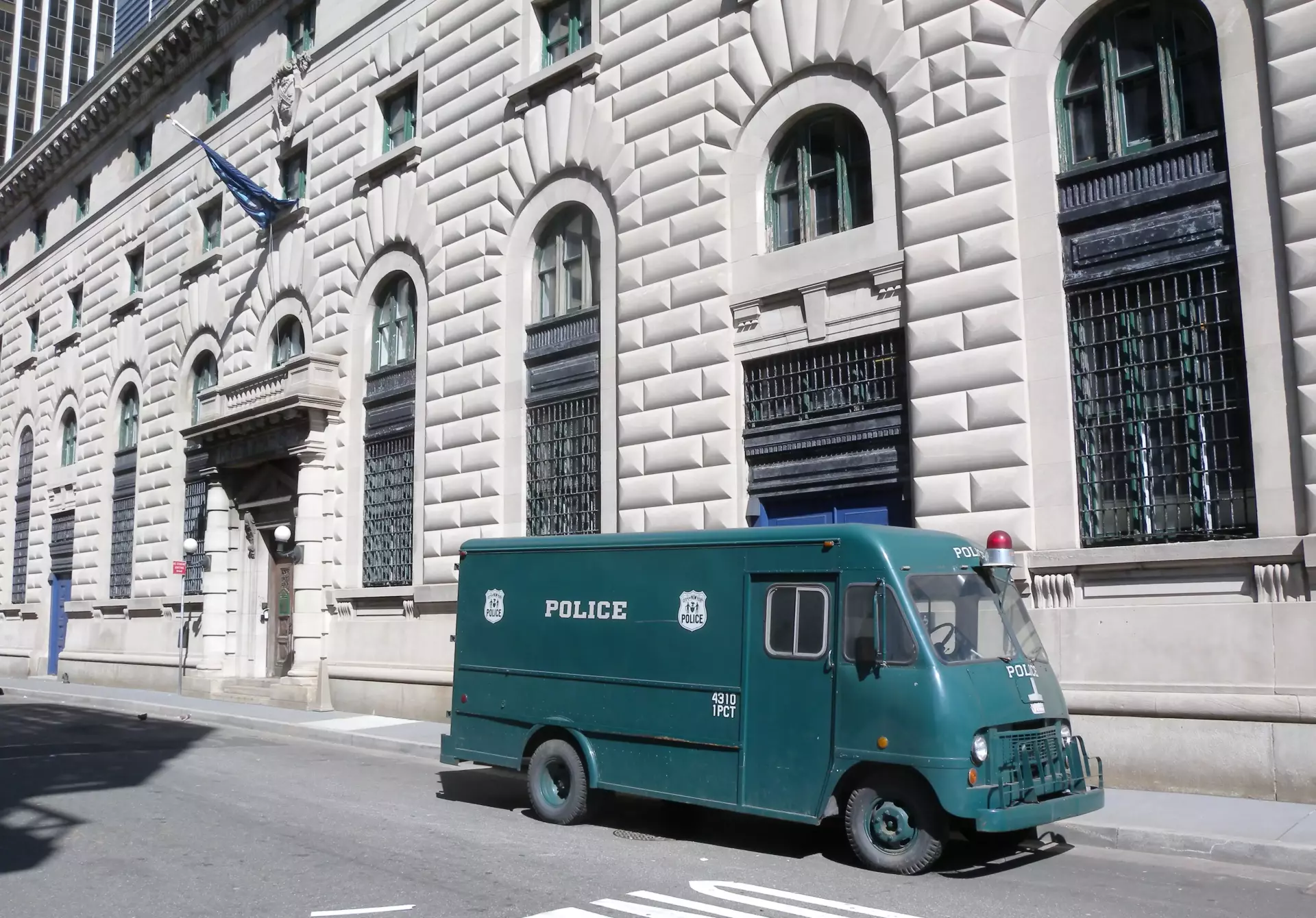
New York, United States of AmericaA museum dedicated to the history of the NYPD.
American Irish Historical Society
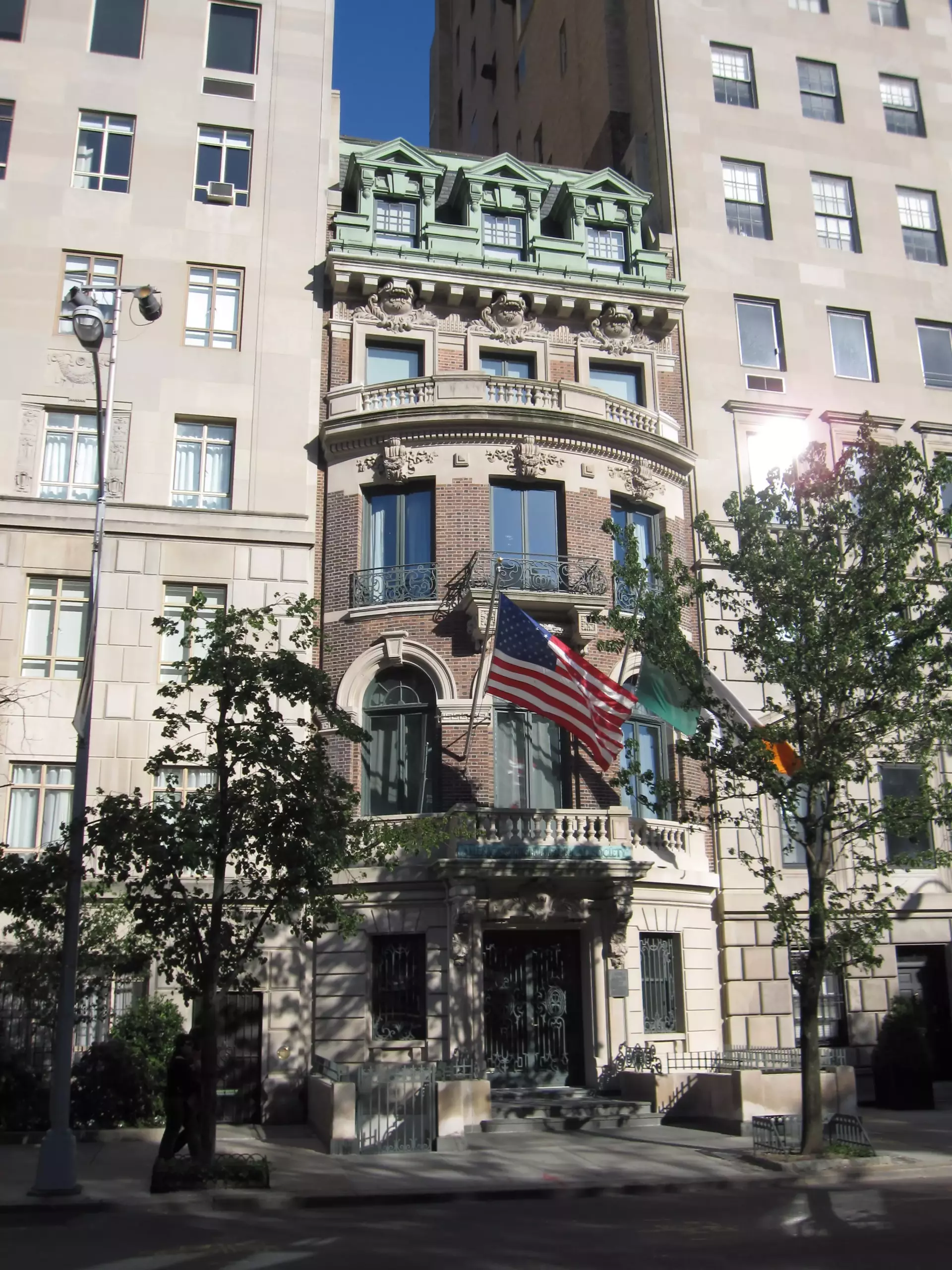
New York, United States of AmericaYet another unique but rich treat on 5th Avenue, the AIHS is a non-profit organization that educates visitors on Irish American culture and history. Immersive and traditional events are held often along with exhibits showcasing the array of unique art and music. If performing and visual arts aren't your thing, you can visit the library instead with over 10,000 books, newsletters, newspapers, and pieces of literature dating back to the 1700s that feature a wide variety of otherwise unknown topics that are great for anyone interested in European culture and history.
Skyscraper Museum
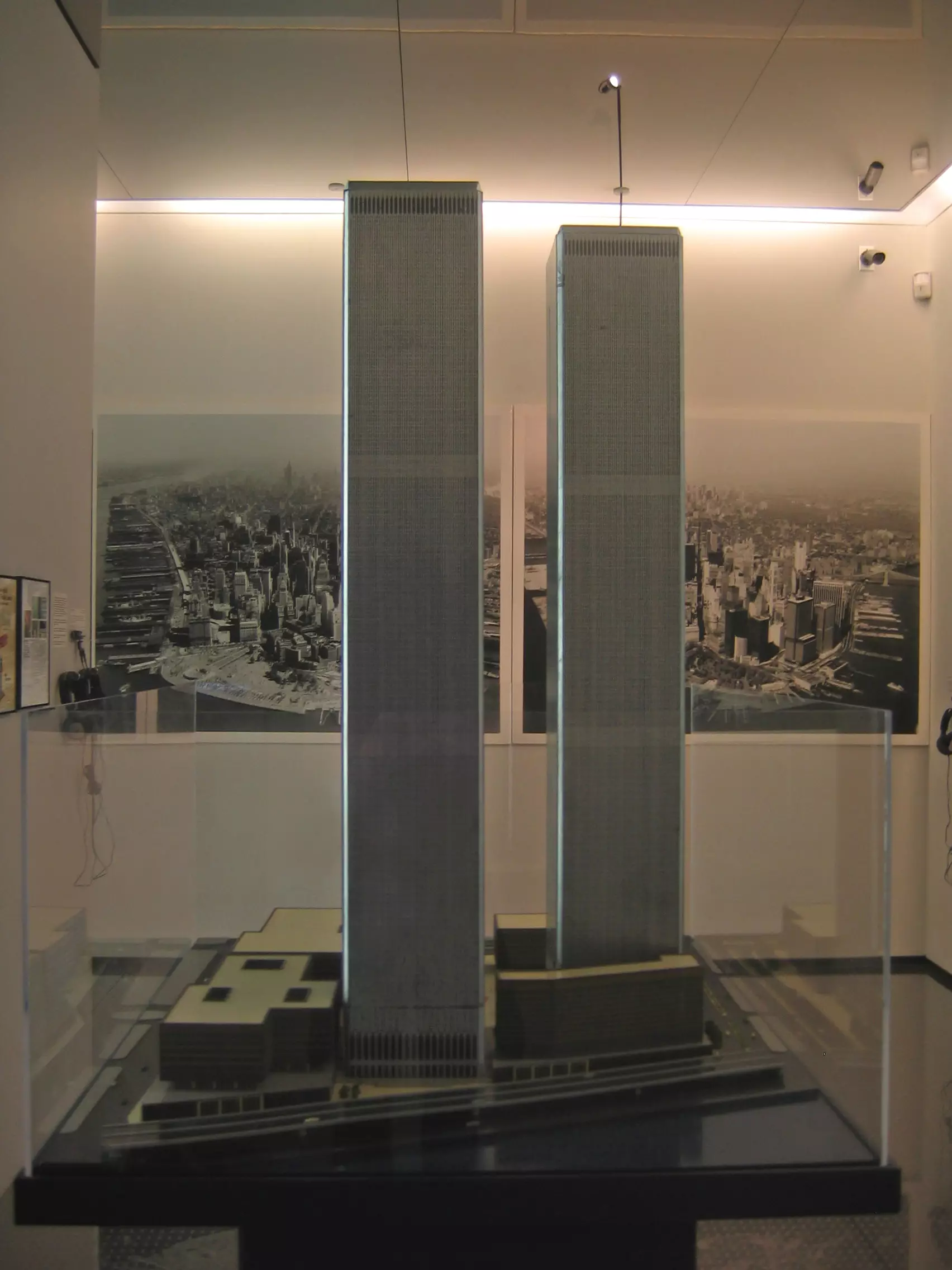
New York, United States of AmericaExhibits on the history of highrise and skyscraper construction.
Queens Botanical Garden
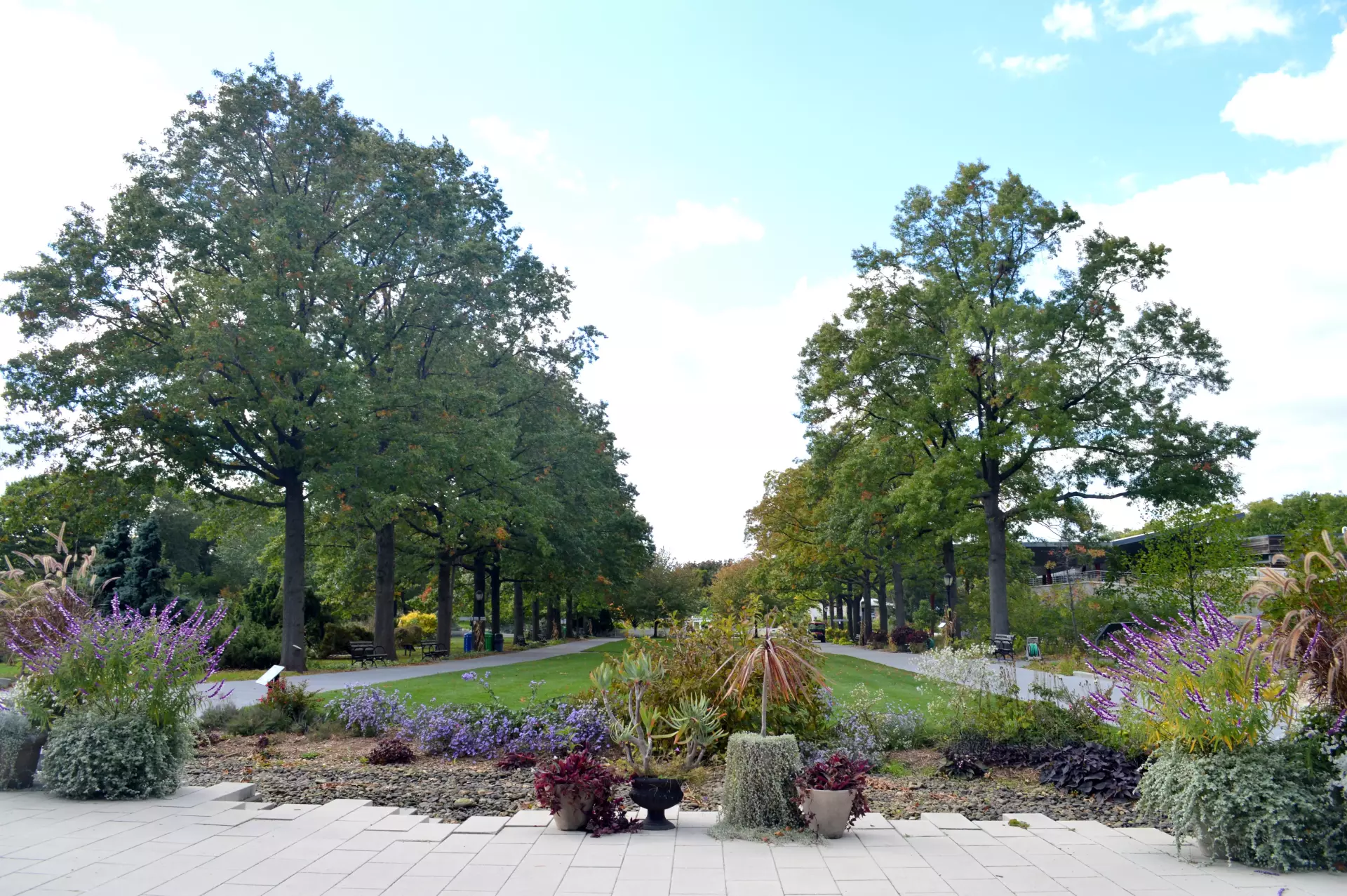
New York, United States of AmericaLarge garden and arboretum featuring a variety of plants, and also a Victorian-style wedding garden.
Bowling Green
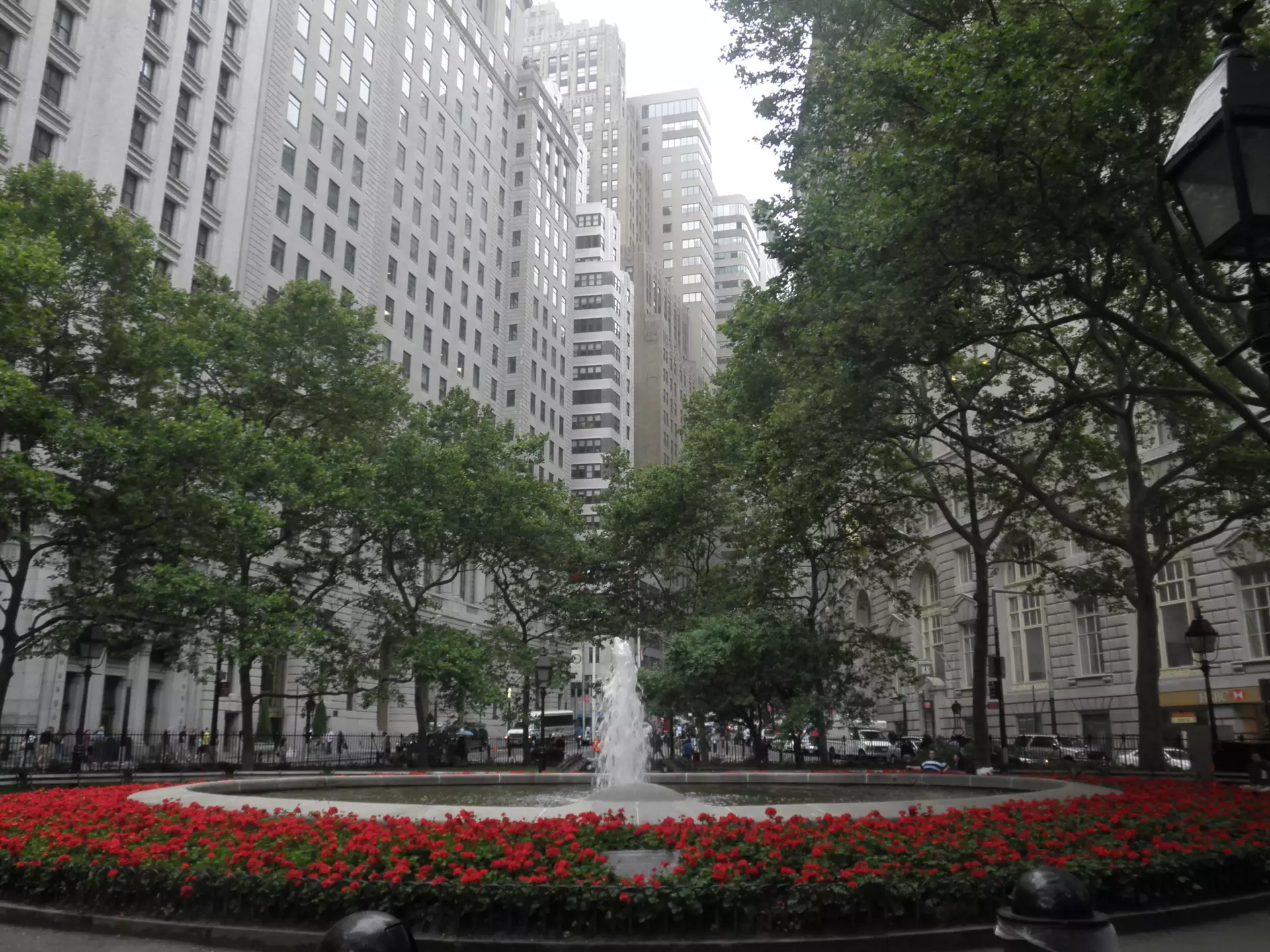
New York, United States of AmericaA small park at the foot of Broadway which is the oldest public park in the city and is the site of the Charging Bull sculpture created after the 1987 stock market crash. Bowling Green is also the origin point for the Broadway ticker-tape parades; if you walk up Broadway, you can view plaques in the sidewalk honoring the people or events celebrated in these parades.
Children's Museum of Manhattan
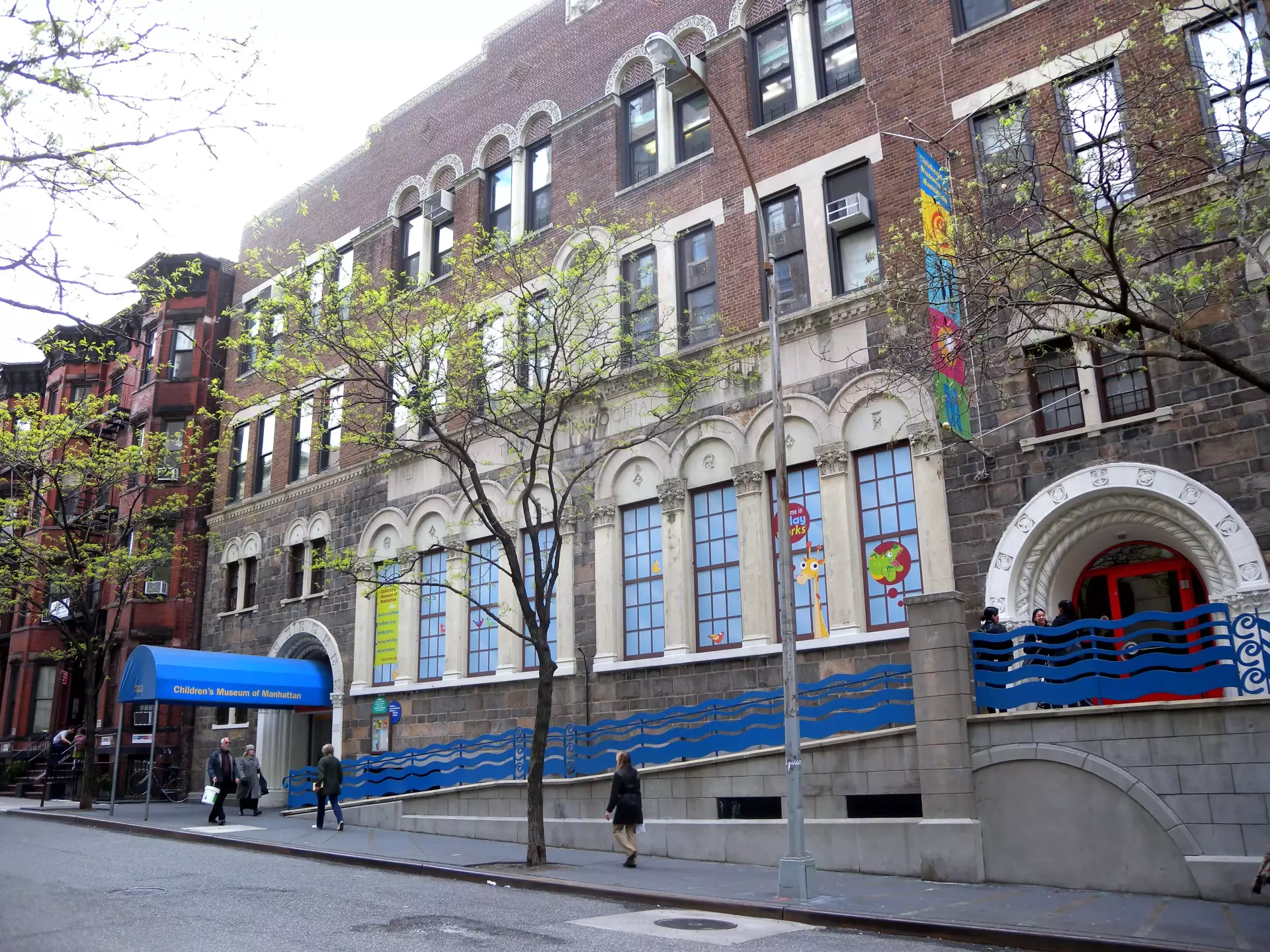
New York, United States of AmericaA children's museum home to exhibits featuring Adventures with Dora & Diego.
Mount Loretto Unique Area
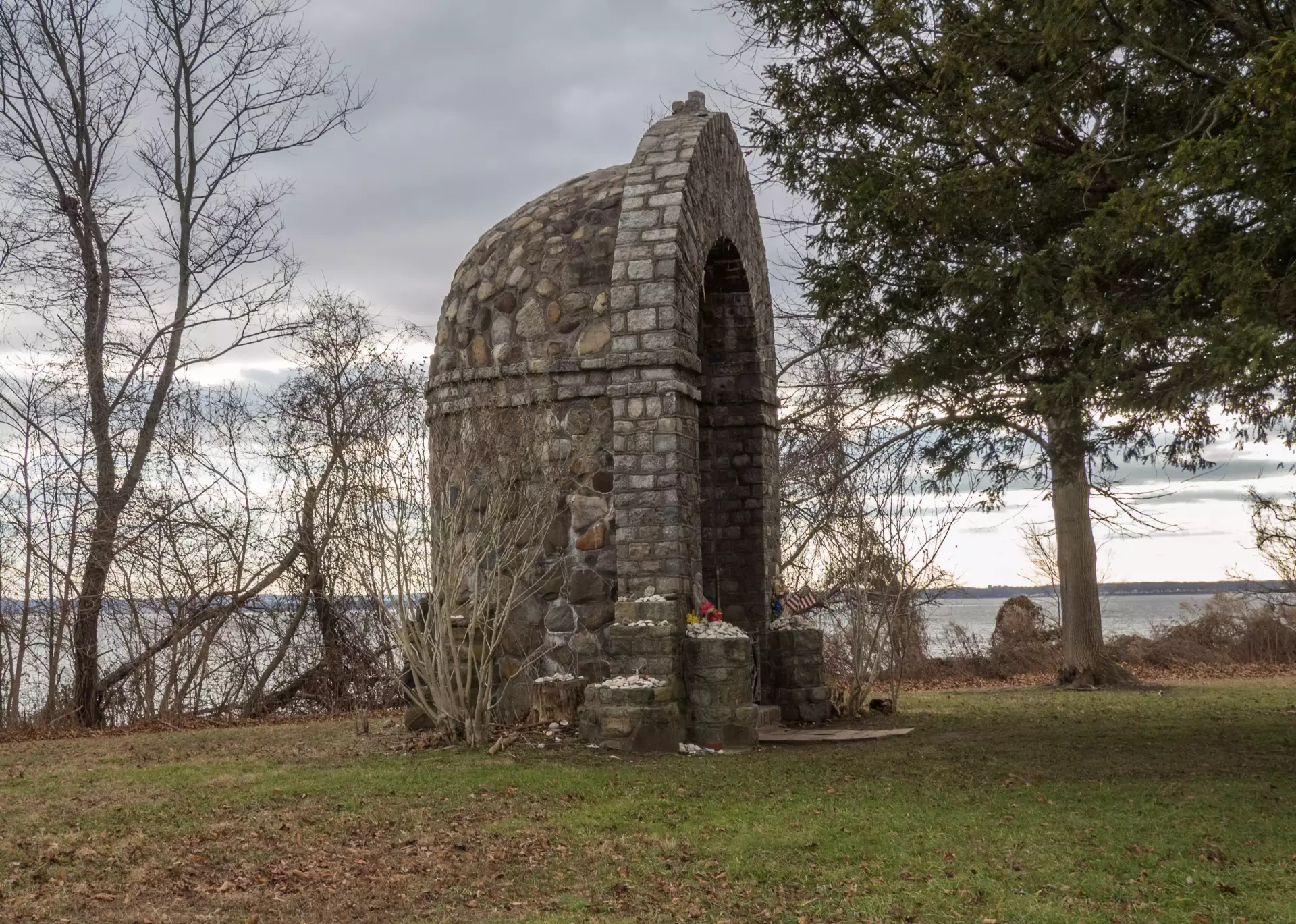
New York, United States of AmericaNature preserve on the South Shore with hiking trails and shoreline access. Fishing is permitted along the beach or the freshwater pond inside the area. Most of the land is minimally developed, and is an excellent place to observe wildlife. An abandoned orphanage on-site, after which the area was named, burnt down in 2000.
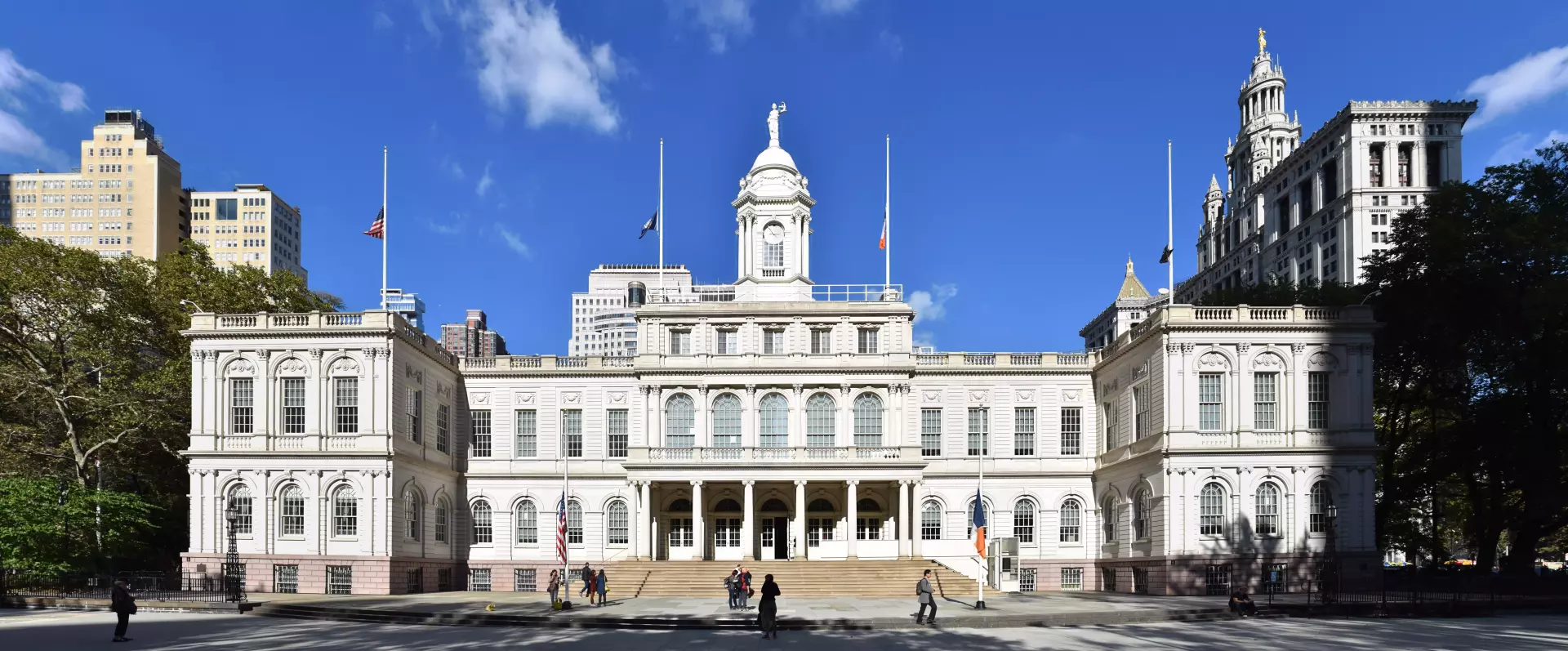
City Hall
New York, United States of AmericaOn a triangular city block between Broadway, Park Row and Chambers Street sits City Hall, a gorgeous gleaming white building completed in 1812, which still hosts the mayor's office and the New York City Council chambers. The building itself is fenced off and only accessible by tour, but there is a lovely park surrounding the building, with plenty of shady trees and a pleasant fountain just to the south of the building. Just north of City Hall and on the same block is the 40.71337-74.005552 Tweed Courthouse, a gorgeous government structure and the legacy of Tammany Hall boss William M. Tweed, who used the courthouse project to embezzle large sums of money from the city budget and was convicted in a courtroom in this building.
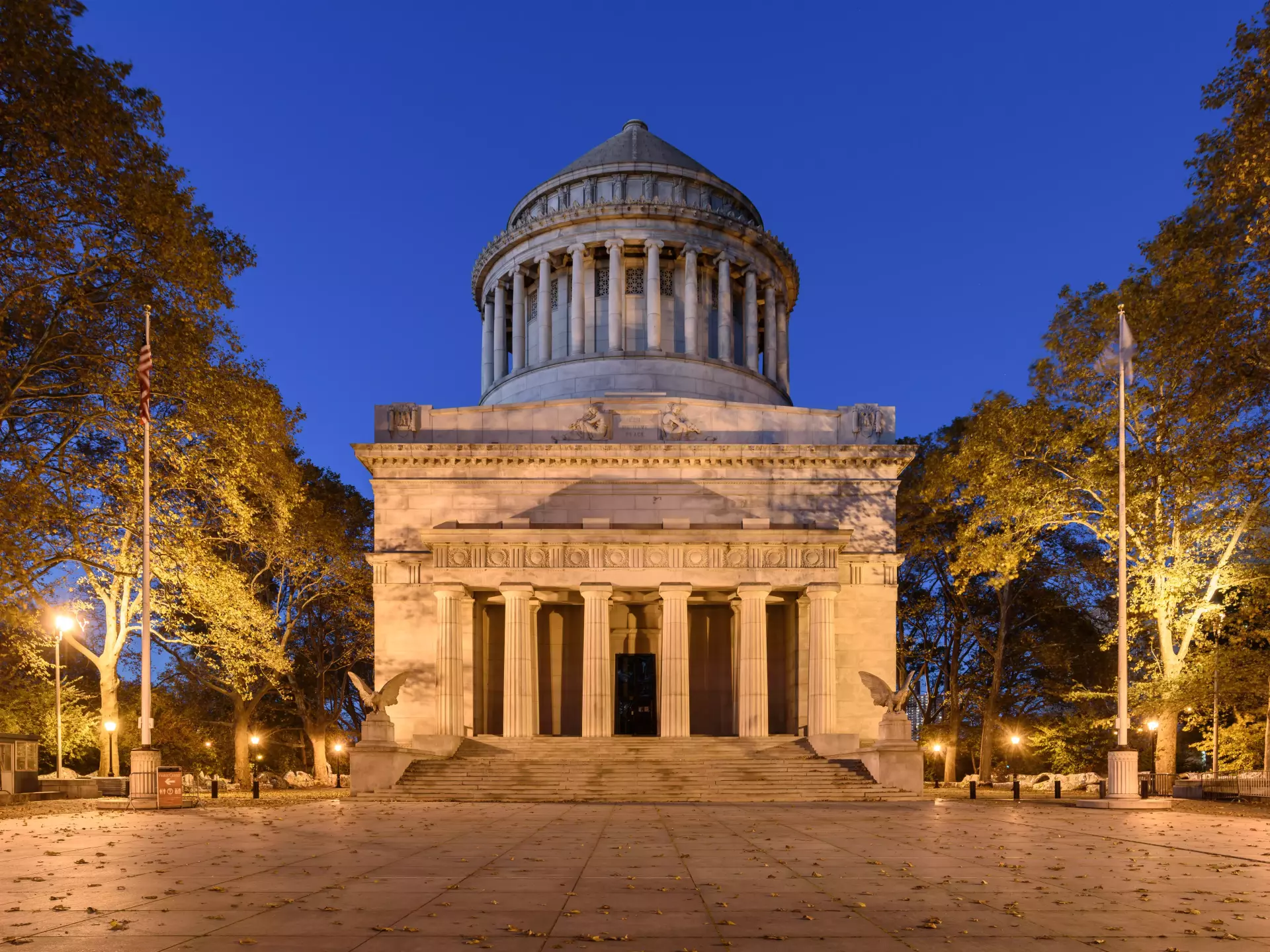
General Grant National Memorial
New York, United States of AmericaGeneral Ulysses S. Grant and his wife are buried in this imposing mausoleum, the largest tomb in North America. If you come when it is closed, you can still see the impressive facade, but coming during open hours gives you the opportunity to view the murals, the tomb and various documentation inside. Across Riverside Drive, there is a viewpoint to look across the Hudson River, a museum, gift shop and restrooms.
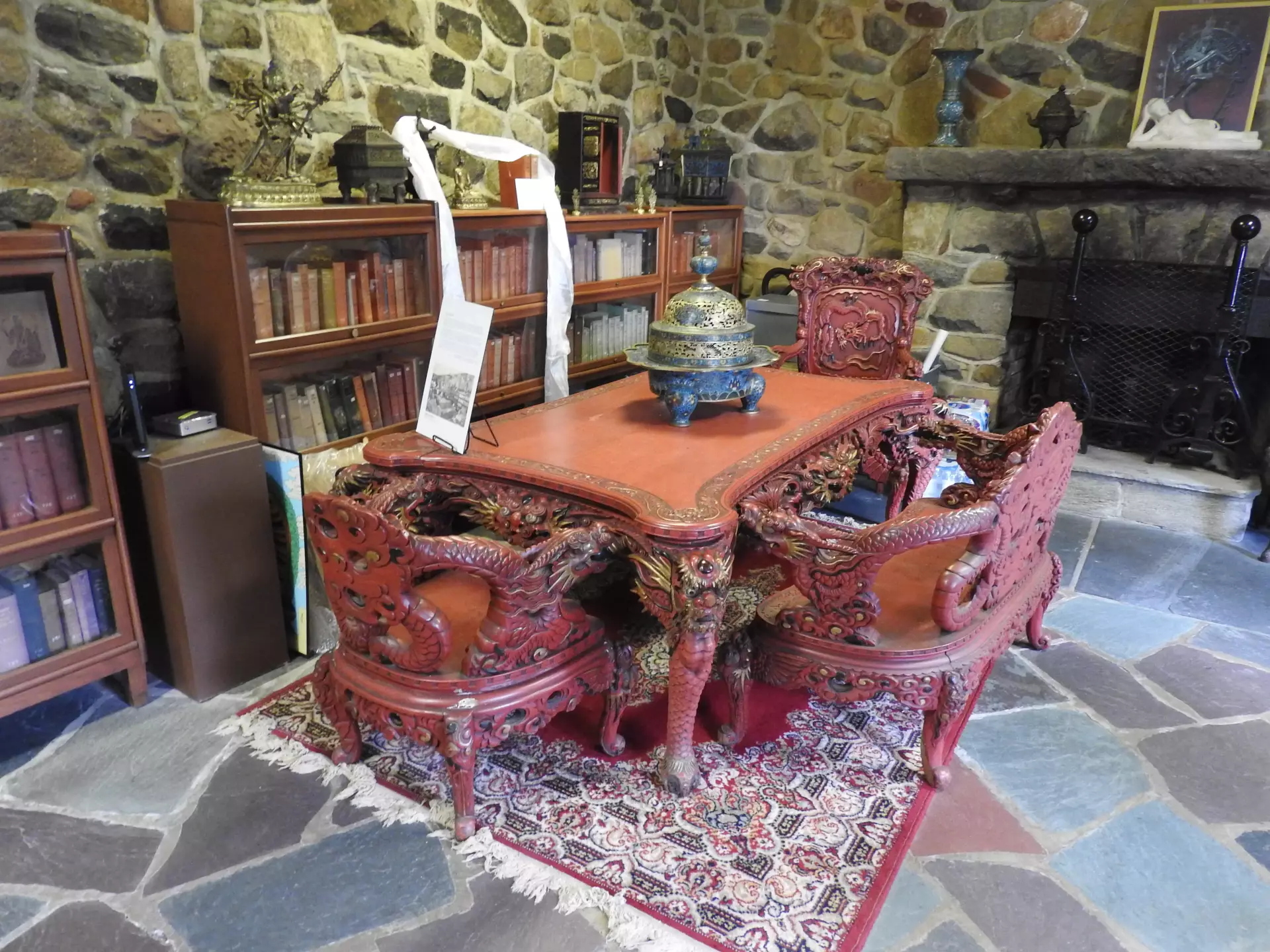
Jacques Marchais Museum of Tibetan Art
New York, United States of AmericaAmerican woman Jacques Marchais had a dream of traveling to Tibet. While she never made it, her extensive collection of Tibetan artifacts was made into a museum in 1947. The museum now holds over 120 pieces of beautiful Tibetan art. The museum's authenticity was praised by the Dalai Lama.
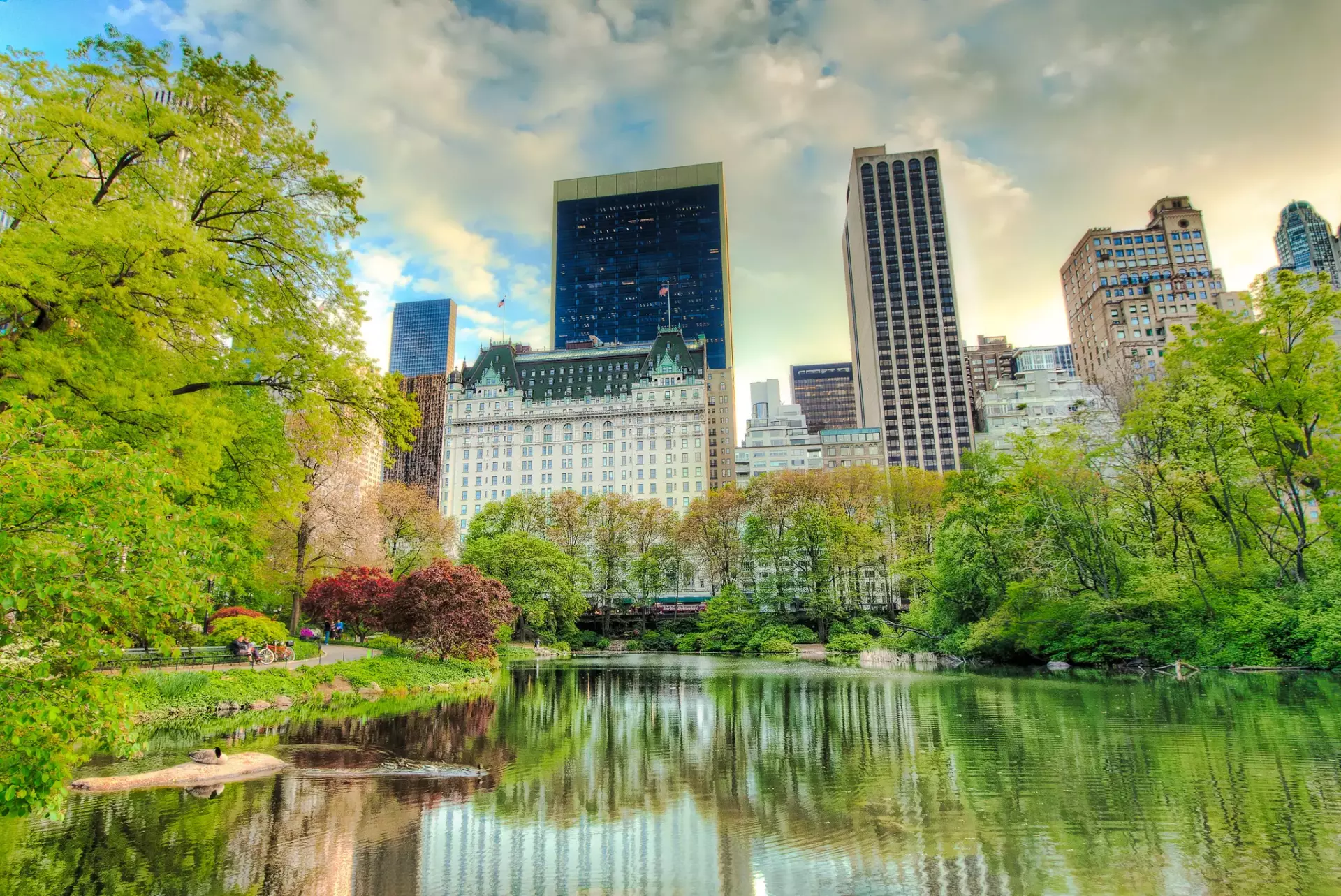
The Pond
New York, United States of AmericaNear Grand Army Plaza, the Pond offers a tranquil setting just within the boundaries of the park. A rustic wood structure, "Cop Cot," overlooks the pond from an outcrop near the Sixth Avenue entrance.
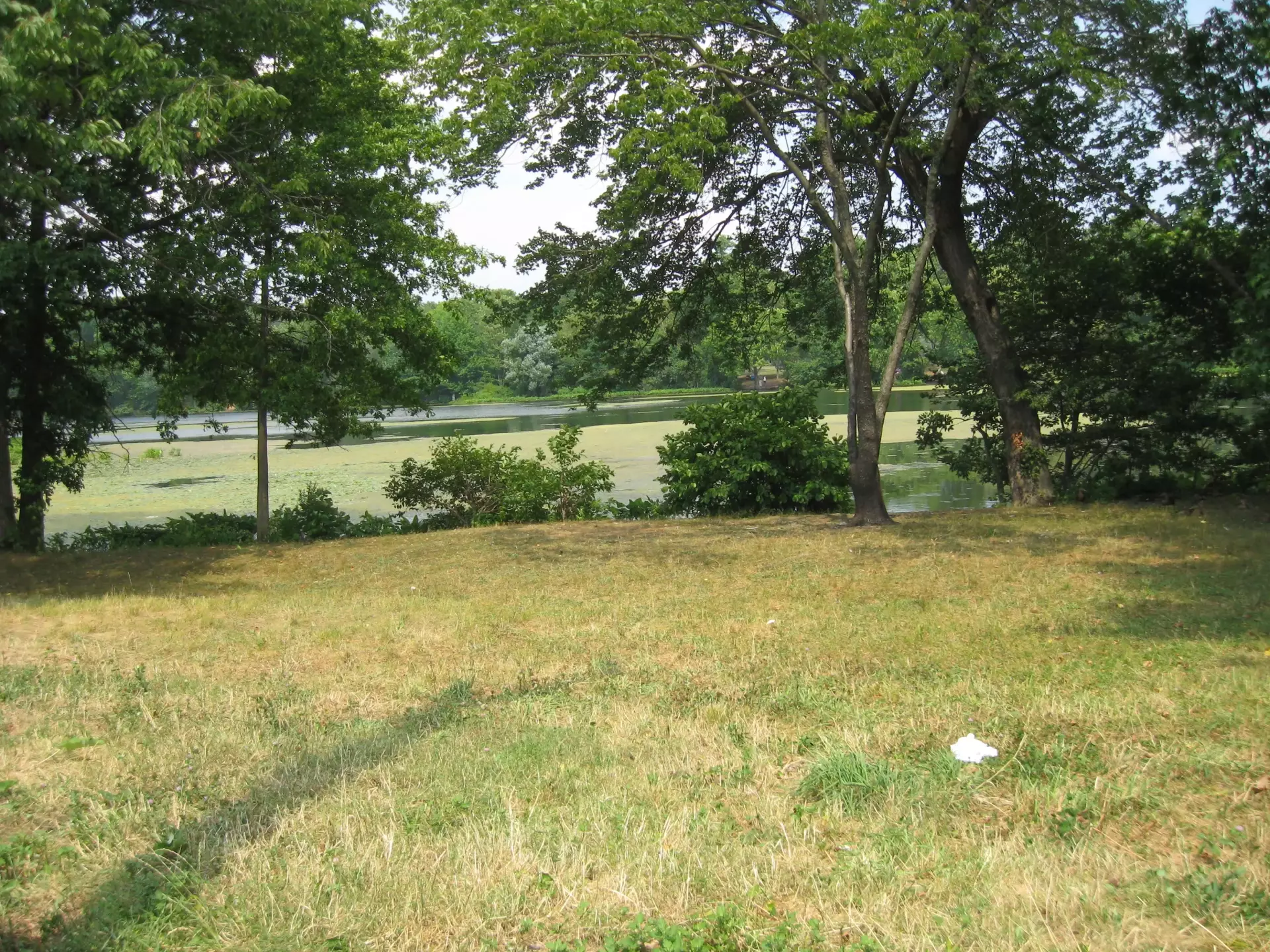
Wolfe's Pond Park
New York, United States of America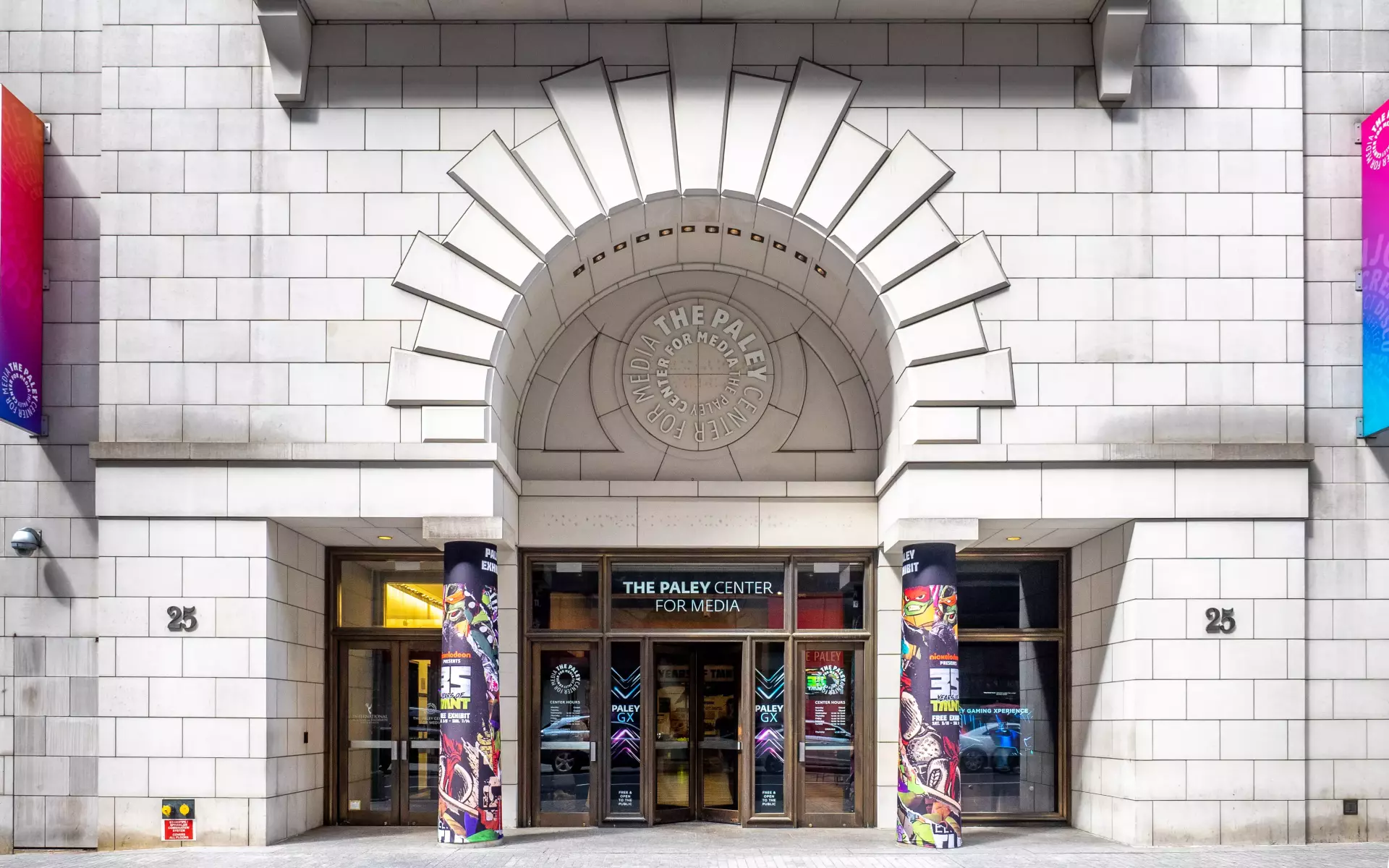
The Paley Center for Media
New York, United States of AmericaDedicated to preserving and collecting television programs as a service to the public, the museum consists of two museum branches in Los Angeles and New York City; combined they hold over 100,000 television programs that are available to the public, providing a historical, artistic and cultural perspective to television and radio. You may use their library here for the price of admission. They have lots of old shows and a database so you can see if they have what you want.
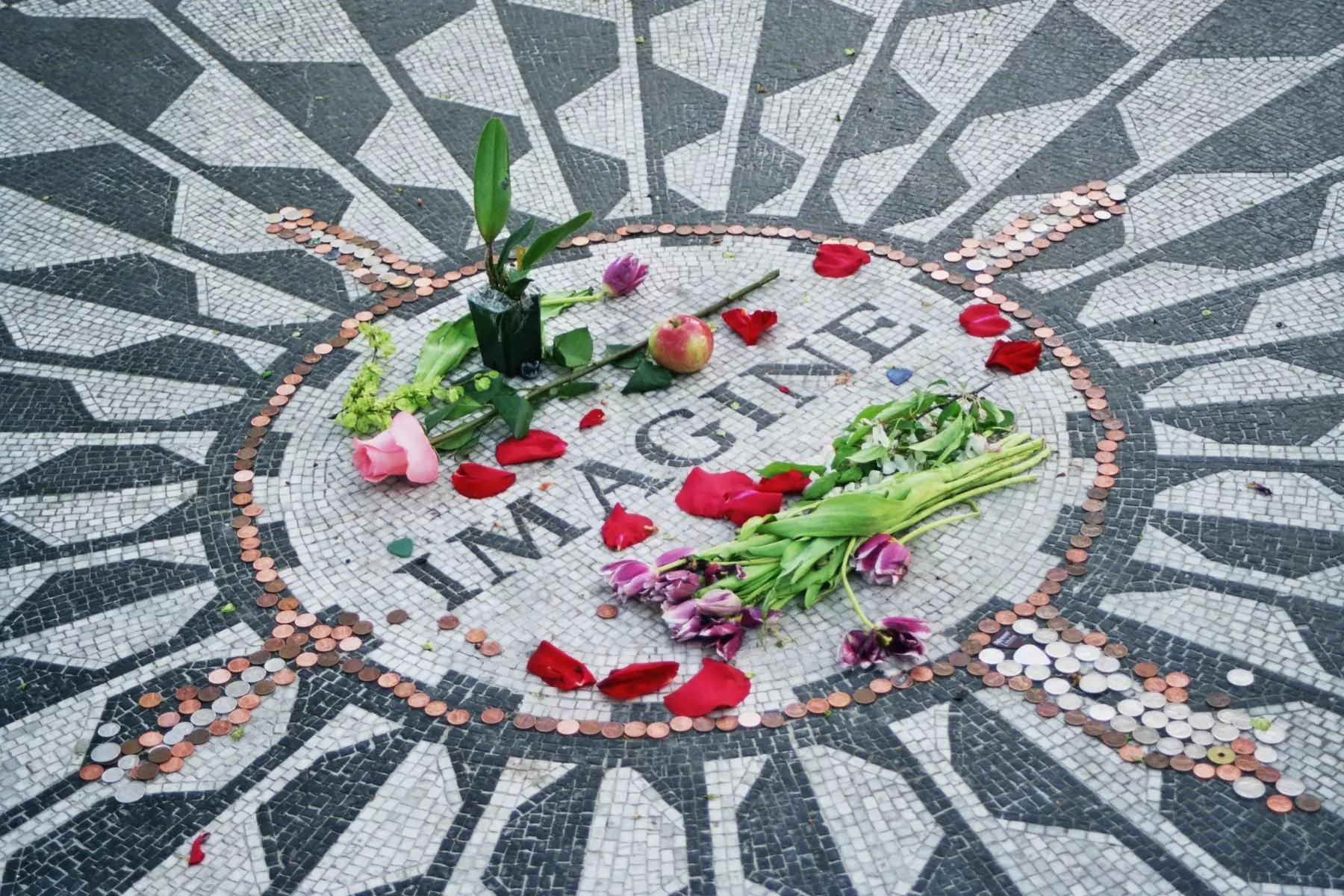
Strawberry Fields
New York, United States of AmericaSo named in 1981 in memory of John Lennon, the former Beatle, who was murdered close by outside his home in the Dakota building. Lennon's widow Yoko Ono, who still lives in the Dakota, subsequently donated $1 million to upgrade the area with hundreds of tree and flower species, including strawberries. The area serves as a Garden of Peace and includes a memorial floor mosaic (donated by the Italian city of Naples) that says simply "Imagine", referring to the title of one of Lennon's evocative songs.
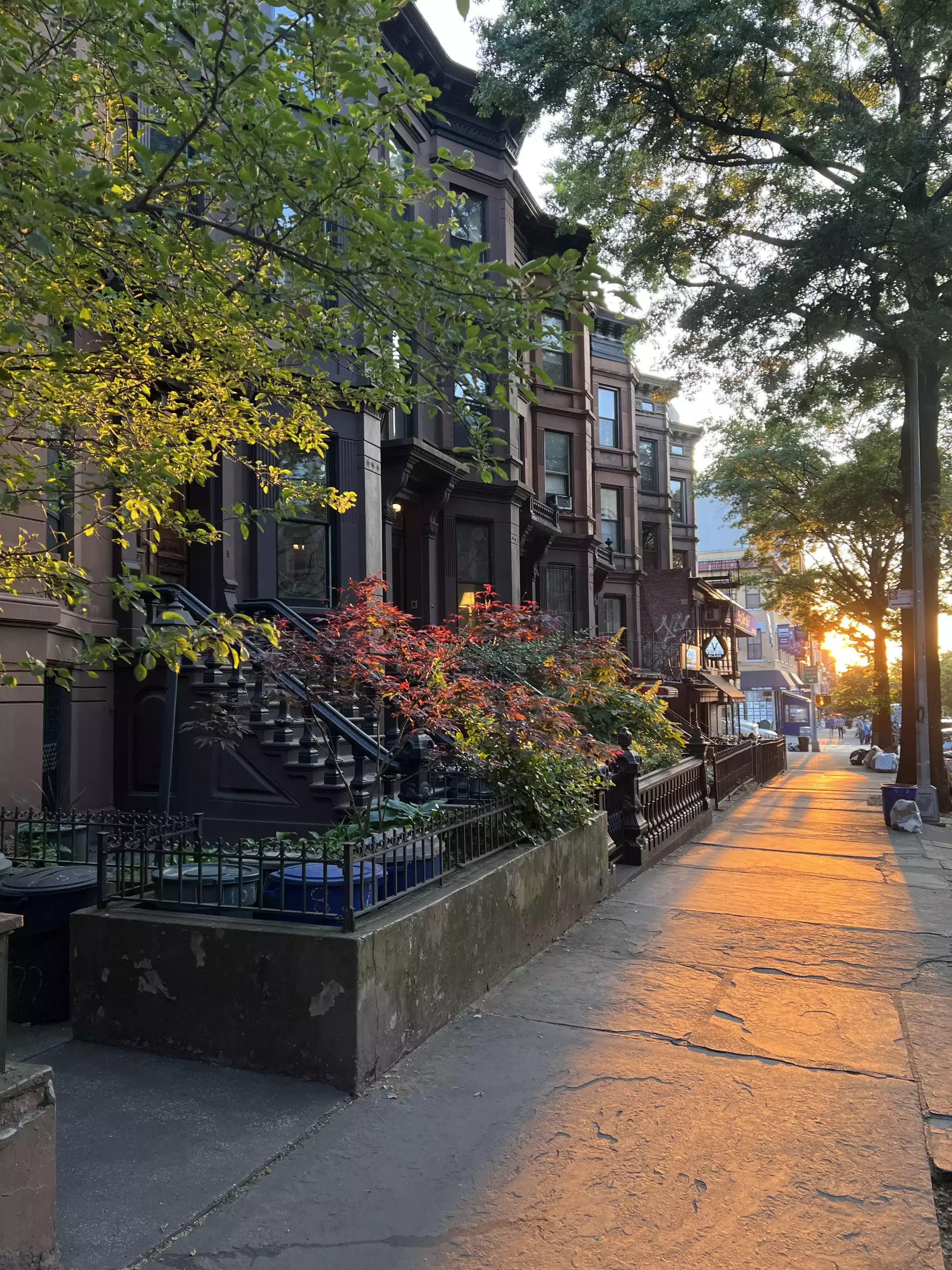
Park Slope Historic District
New York, United States of AmericaOne of Brooklyn's most prized brownstone neighborhoods. It is predominantly residential, characterized by late 19th- and early 20th-century rowhouses with architectural significance. Street signs in the Historic District are brown rather than green.