
Tourist attractions in New York
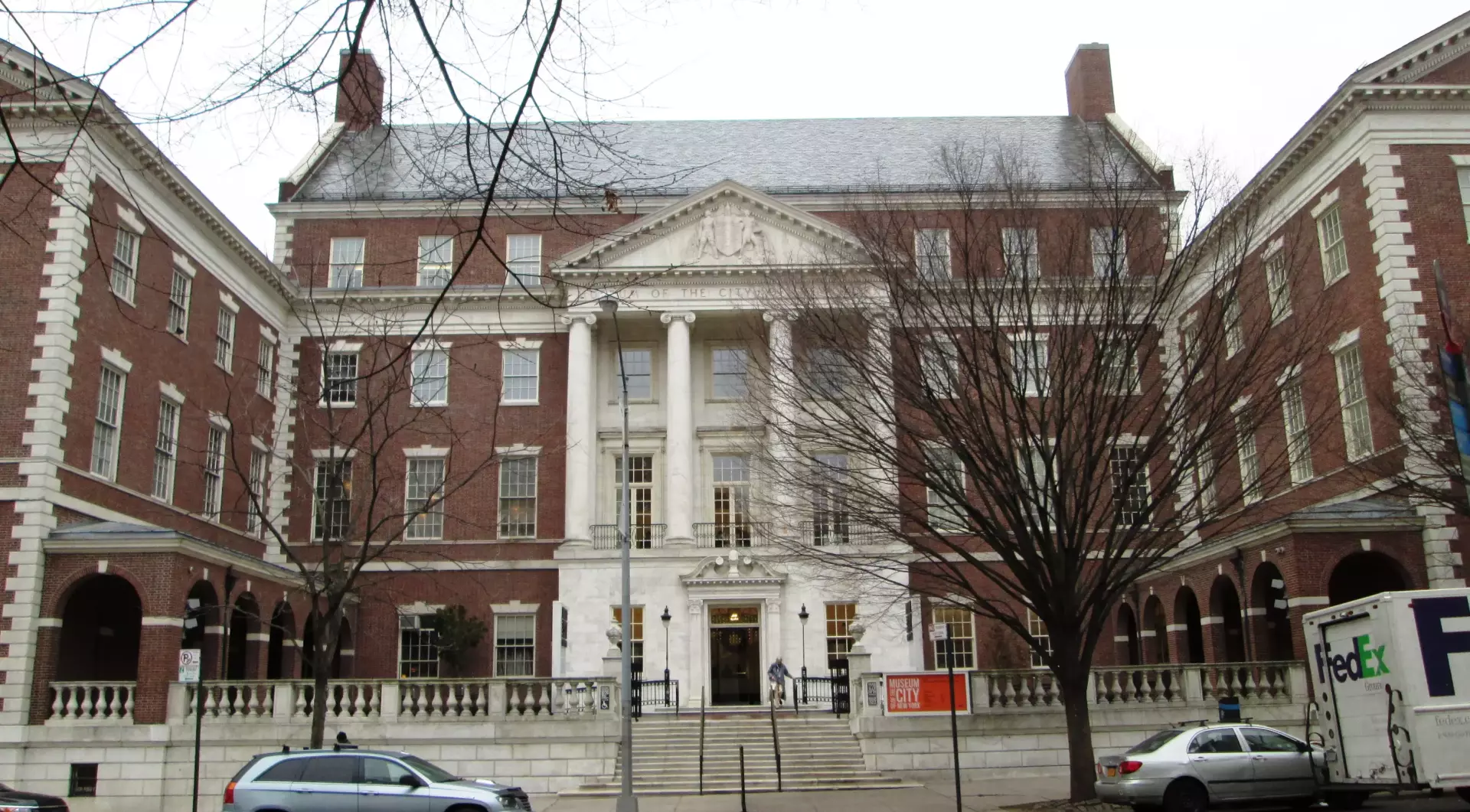
Museum of the City of New York
New York, United States of AmericaRather large, interesting museum with all kinds of documentation of events in the 400-year history of this city and delightful artifacts of life in earlier periods, such as the extensive collection of 19th-century dollhouses complete with miniature furniture.
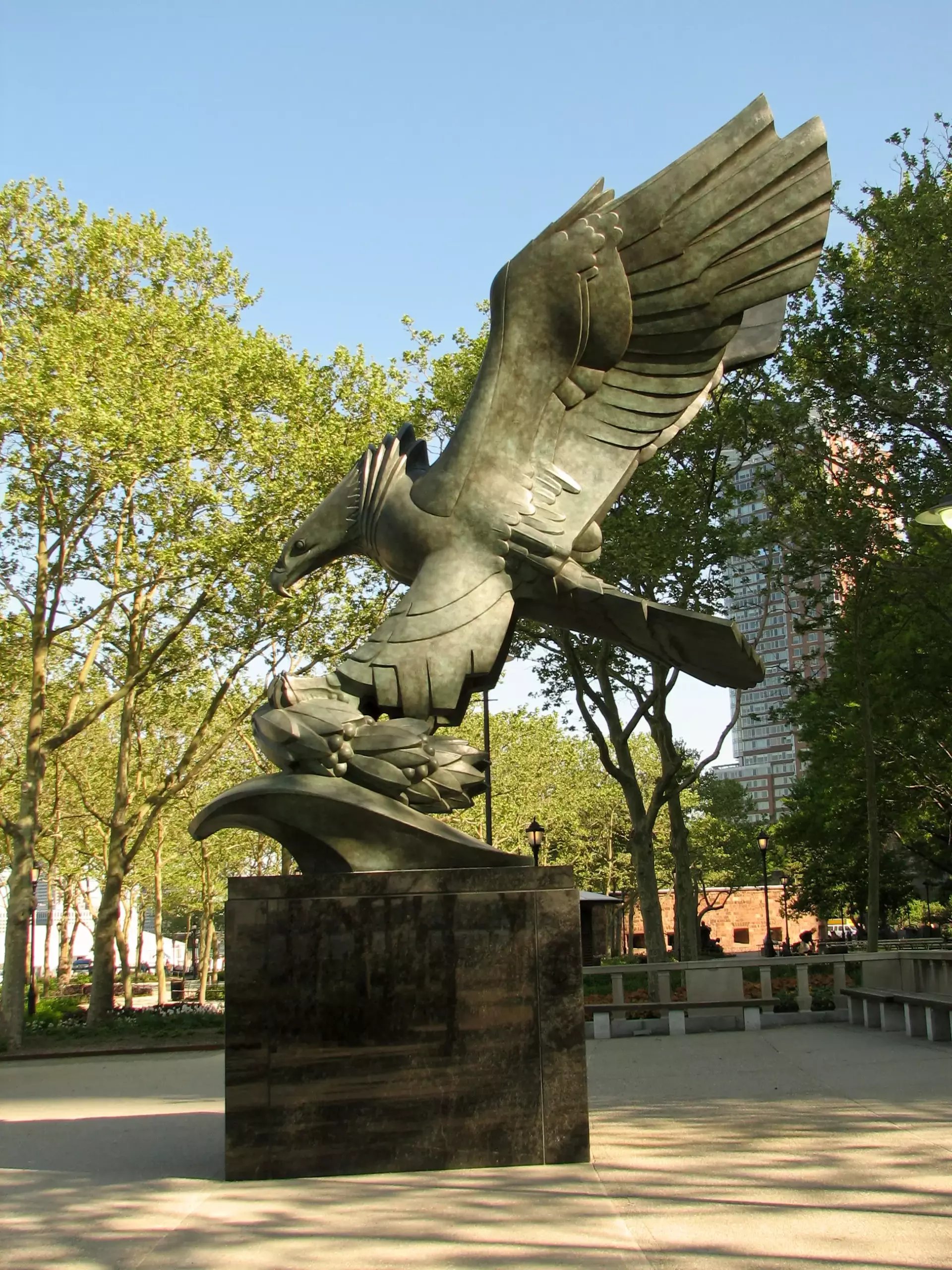
Battery Park
New York, United States of AmericaAt the southern tip of Manhattan, Battery Park is a waterfront green space, named for the artillery batteries which were installed here to protect the settlement of New York when it was under Dutch, then British rule. In the lead-up to the War of 1812, 40.70343-74.0168214 Castle Clinton was constructed as a fort to protect the city, and is now operated as a small museum. There are several memorials in the park, including 40.70387-74.0172715 The Sphere, a public art piece originally housed on the World Trade Center site which survived the events of September 11 and was moved to Battery Park. Ferries departing to the Statue of Liberty and Ellis Island (see below) depart from here.
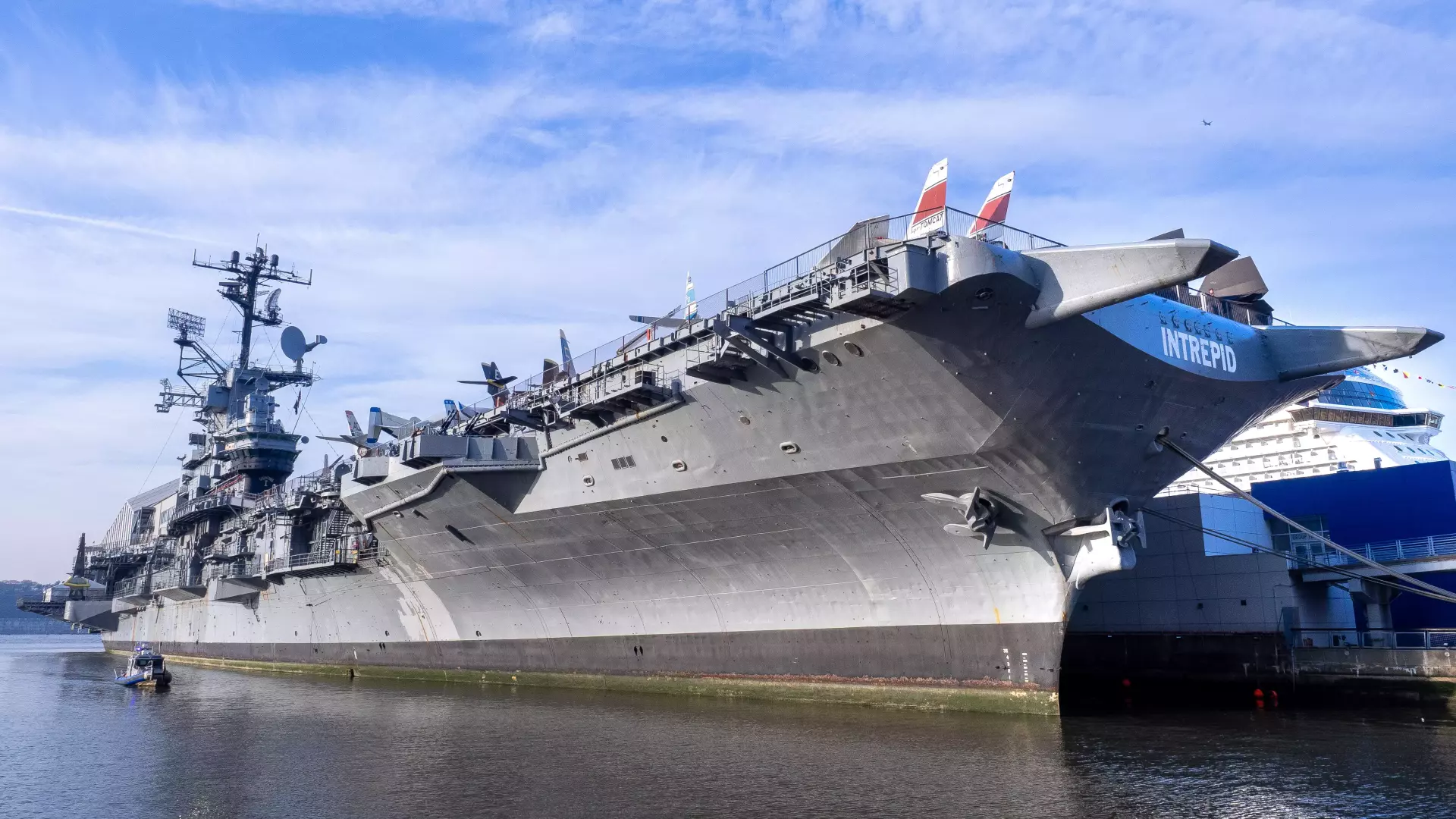
Intrepid Sea, Air & Space Museum
New York, United States of America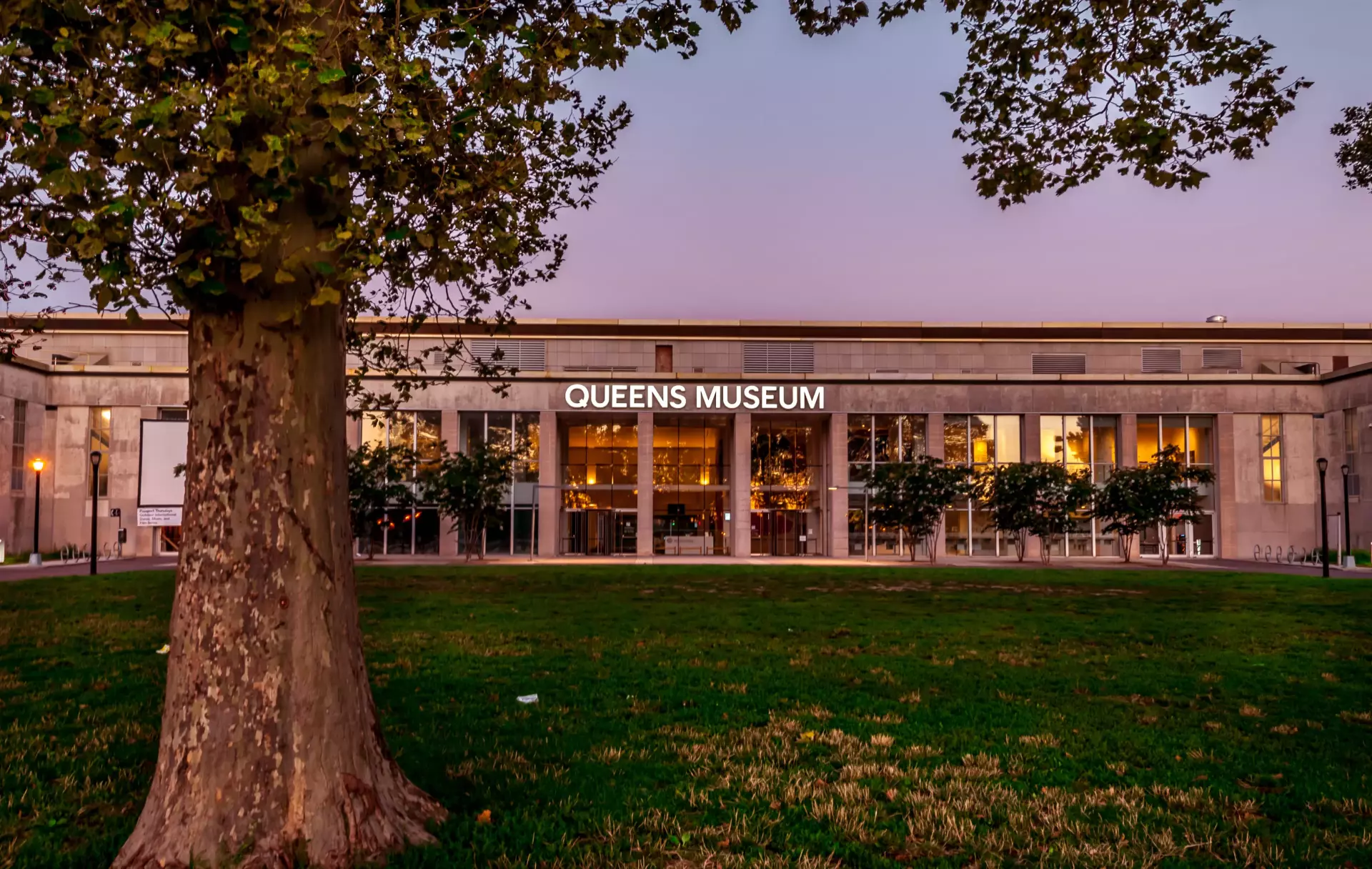
Queens Museum
New York, United States of AmericaA visual arts center featuring the Panorama of the City of New York, a large architectural scale model of New York City. Originally built for the 1964 World’s Fair, the 9,335 ft² (867.2 m2) display depicts all 895,000 of the city's buildings (excluding Far Rockaway due to space limitations). It was last fully updated in 1992 and select newer buildings are added on an ongoing basis. The Twin Towers of the original World Trade Center remain in place. In addition to the Panorama, the museum has several other exhibits, including items related to the 1939 and 1964 World's Fairs, Tiffany glass, and various 20th-century artworks.
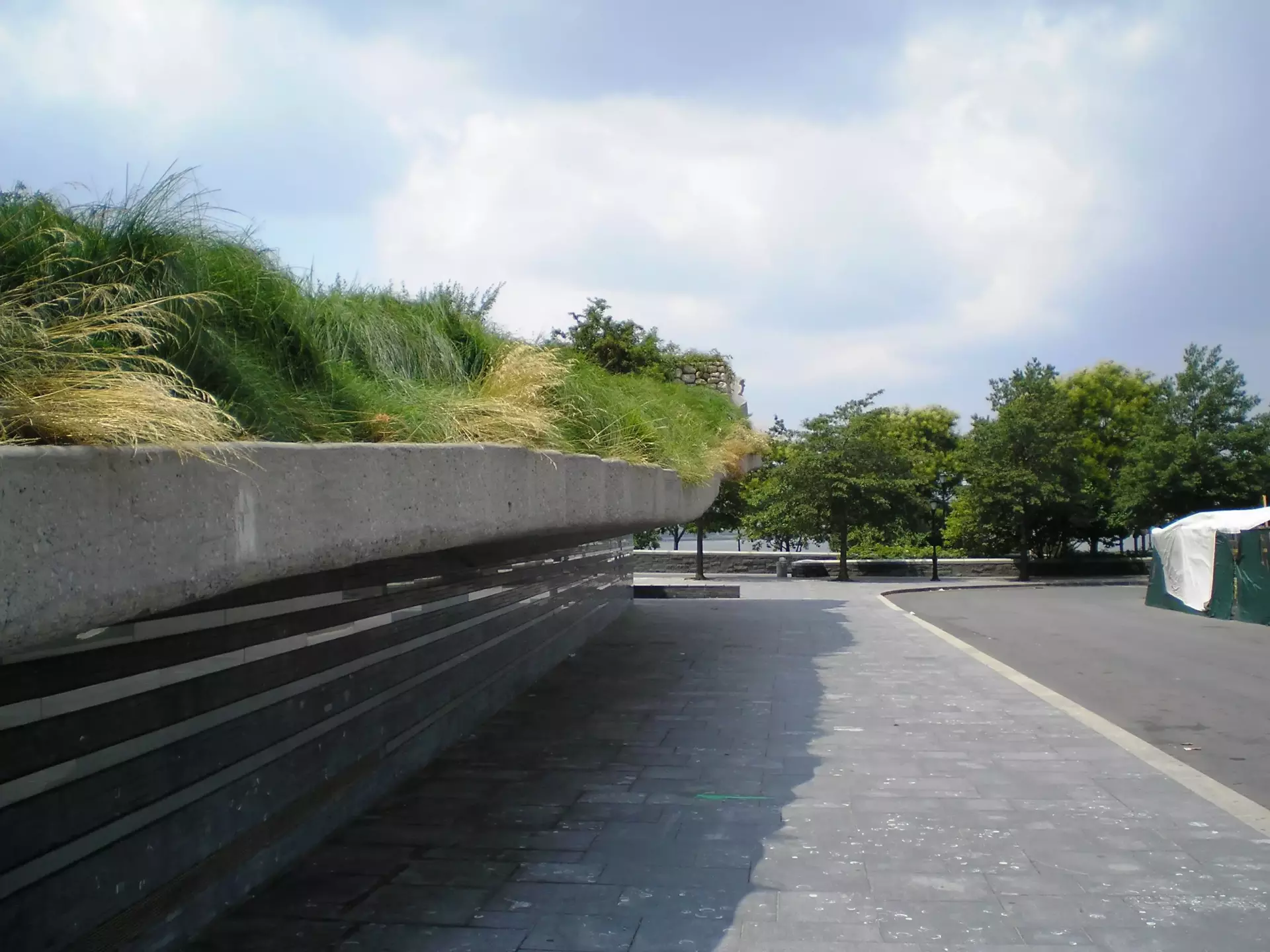
Irish Hunger Memorial
New York, United States of America
Inwood Hill Park
New York, United States of AmericaInwood Hill Park contains the last tracts of virgin forest in Manhattan. Many arrowheads and other artifacts of the former Native American occupants of Manhattan Island have been found in this park.
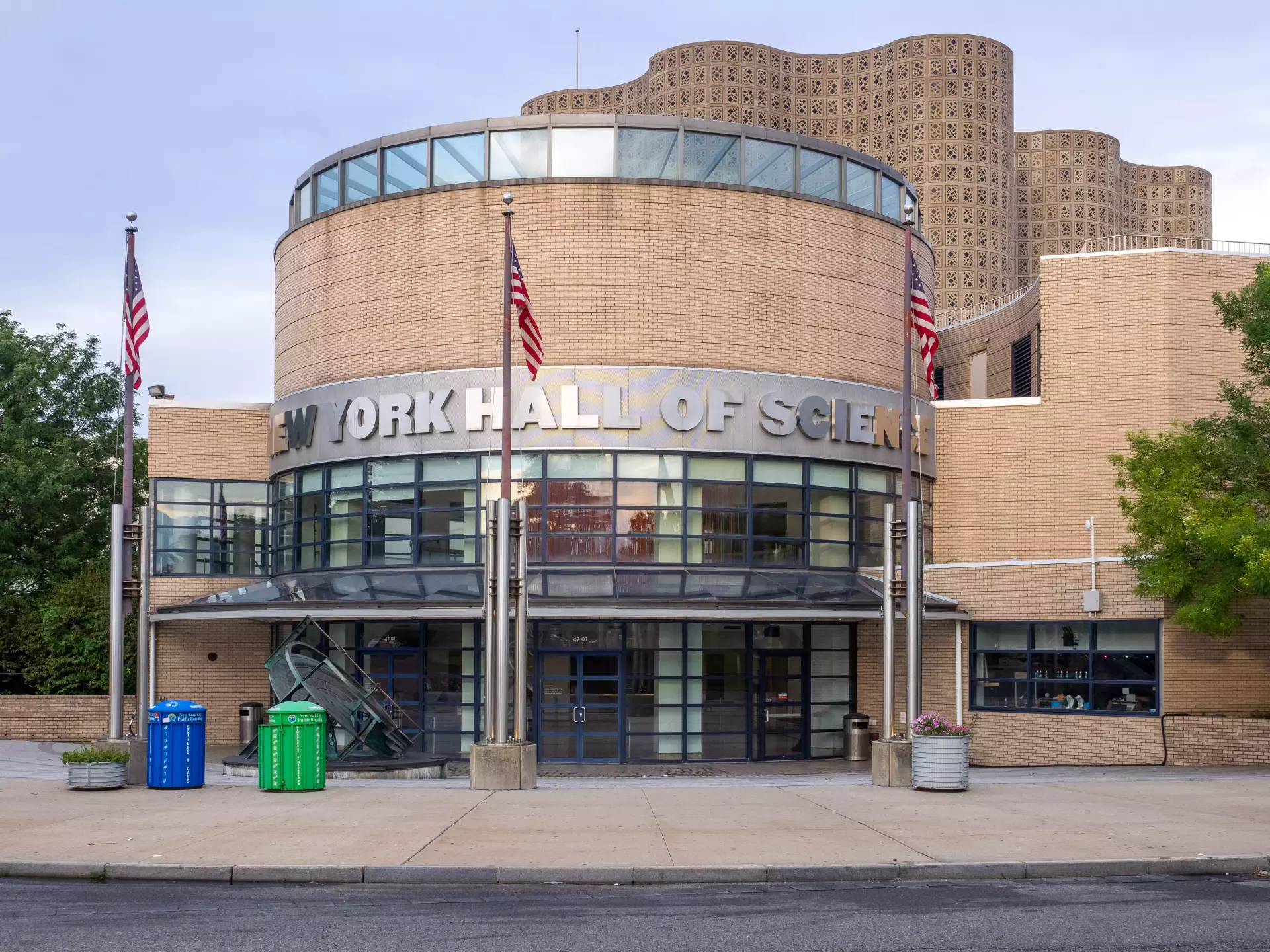
New York Hall of Science
New York, United States of AmericaBuilt as a pavilion for the 1964 World's Fair, this science center is now full of hands-on exhibits for the public. Highlights include Sports Challenge, Rocket Park (featuring full sized Atlas and Titan tickets), and a science playground.
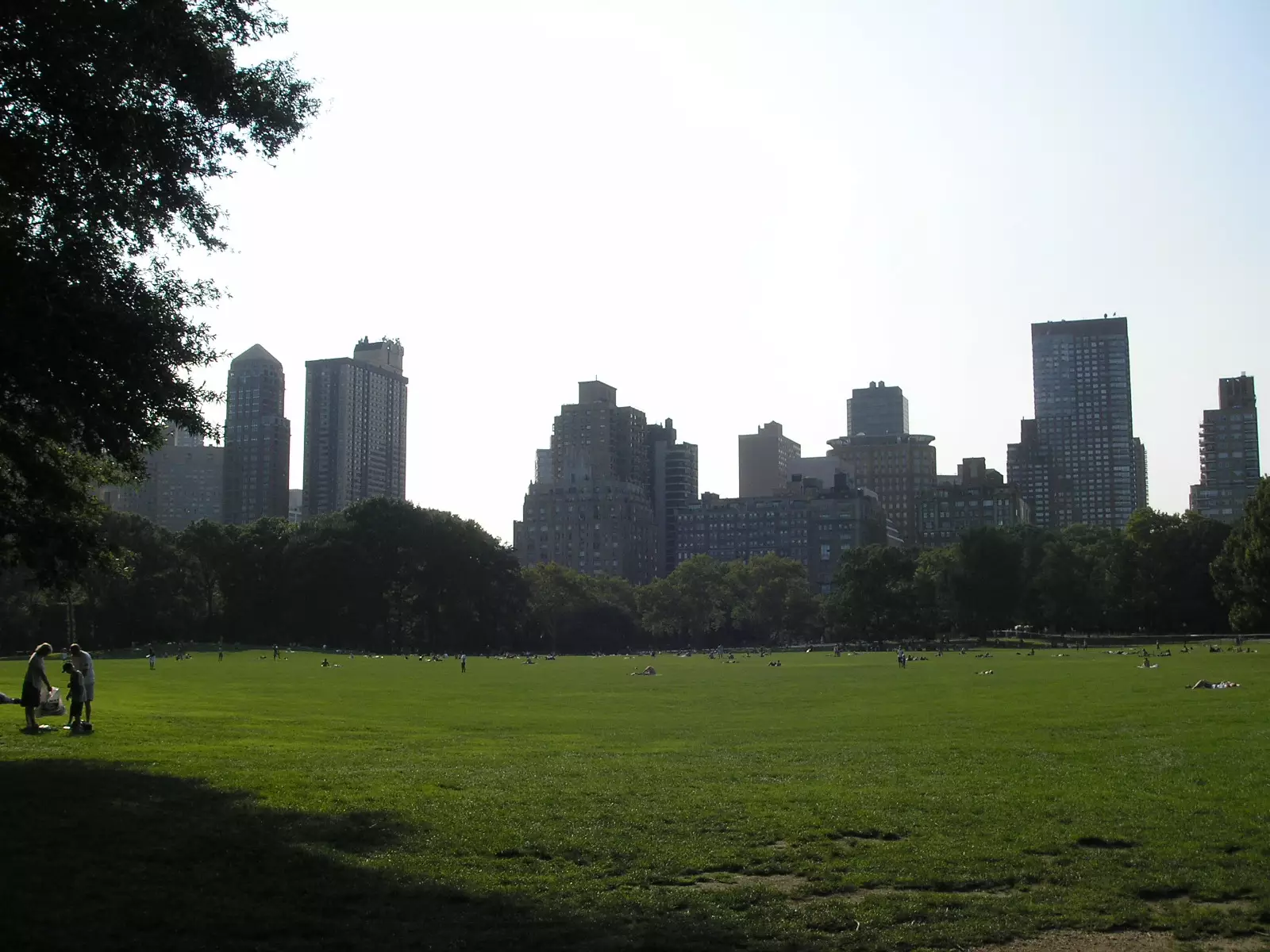
Sheep Meadow
New York, United States of AmericaA spacious green lawn that was originally home to a herd of sheep, which grazed in the meadow and tended to in their nearby pen - a Victorian style building which today is the Tavern on the Green restaurant (see Eat below).

Latimer House
New York, United States of AmericaThe Lewis H. Latimer House is a Queen Anne-style of home, built around 1888. Between 1903 and 1928, it was the home of African-American inventor Lewis Howard Latimer. Today, it is a museum dedicated to his life and achievements, as well as those of other African-American scientists.
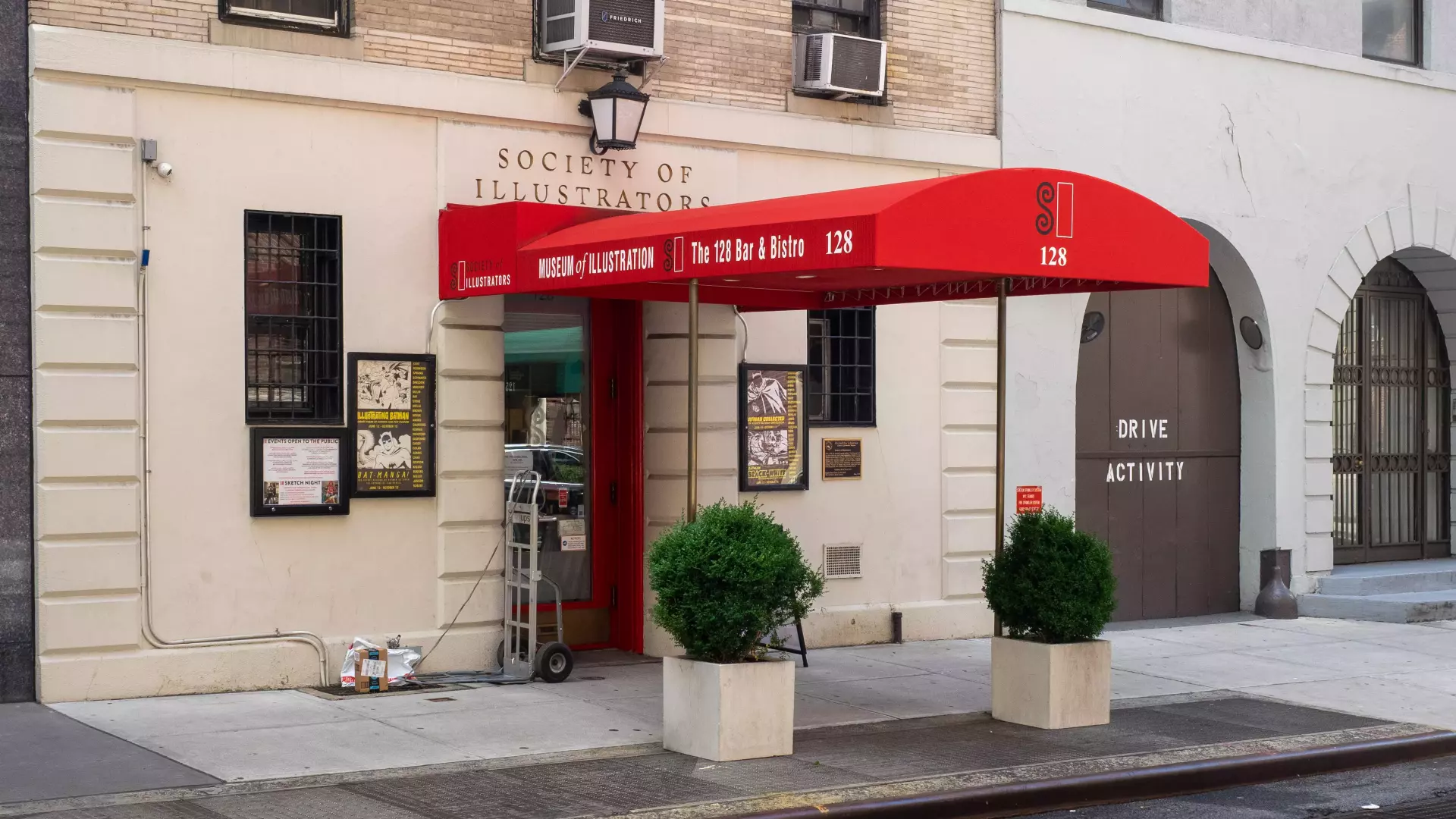
Society of Illustrators
New York, United States of AmericaThe Society of Illustrators is one of the many off the beaten path museums in New York City, and while it may not have as many visitors, it certainly isn't a place to miss. Certainly don't miss the art of illustration featured here, with countless historical galleries since the museum's opening in 1901. It's even the origin of the famous "I Want You For U.S. Army" poster of World War I and II.
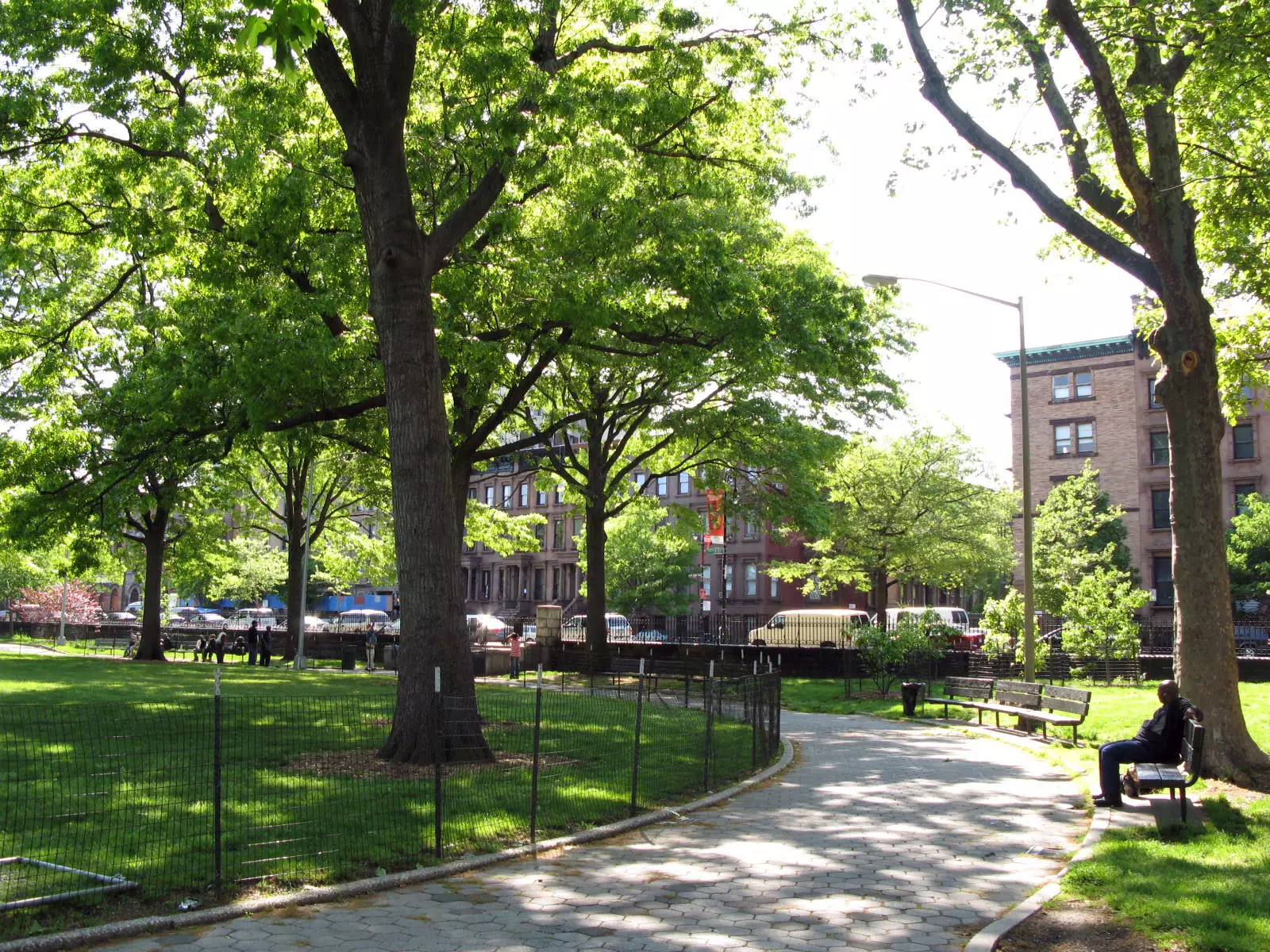
Marcus Garvey Park
New York, United States of America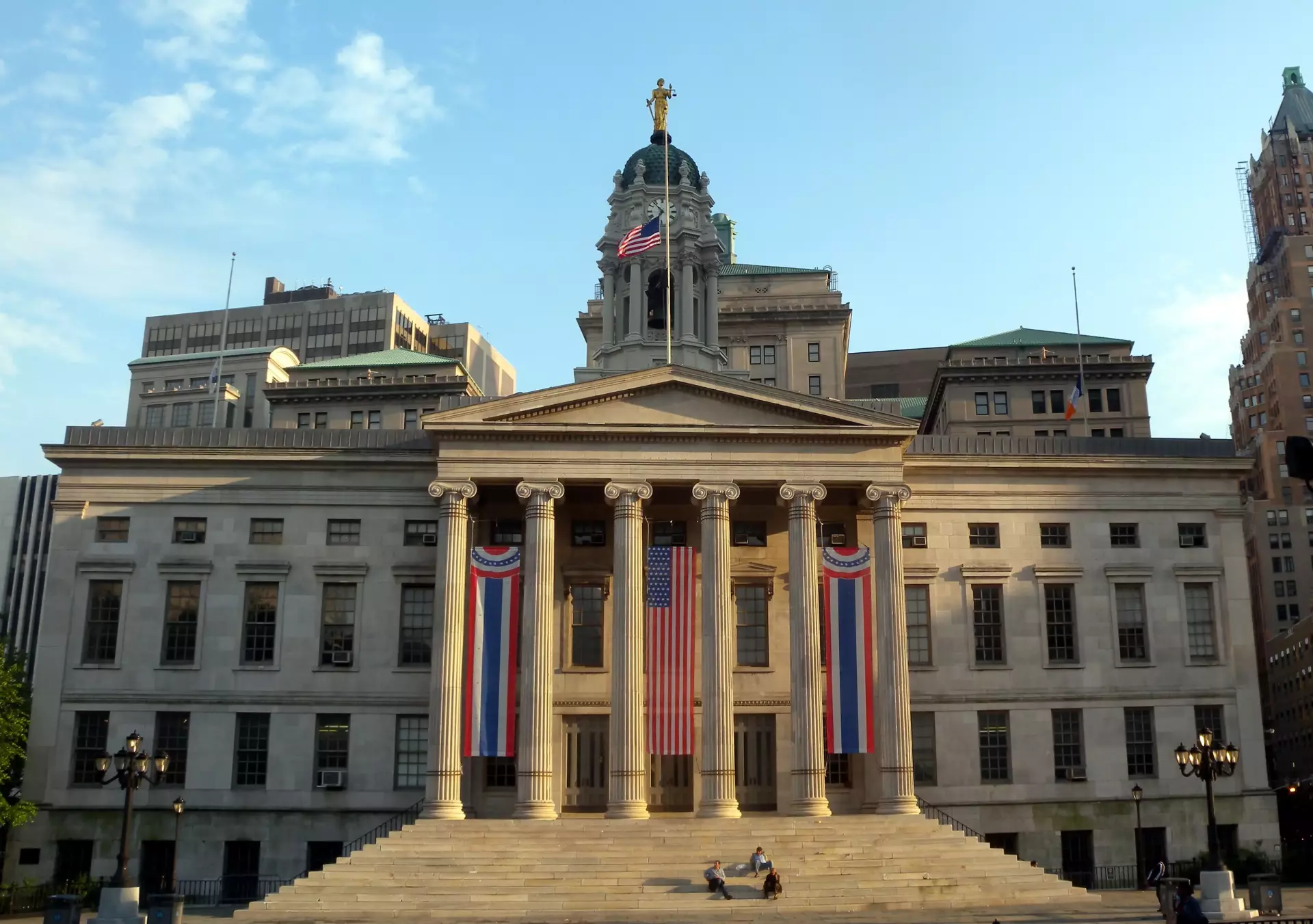
Brooklyn Borough Hall
New York, United States of AmericaThis pretty building was built as Brooklyn's city hall in 1851 and is still a very significant official building in very active use.
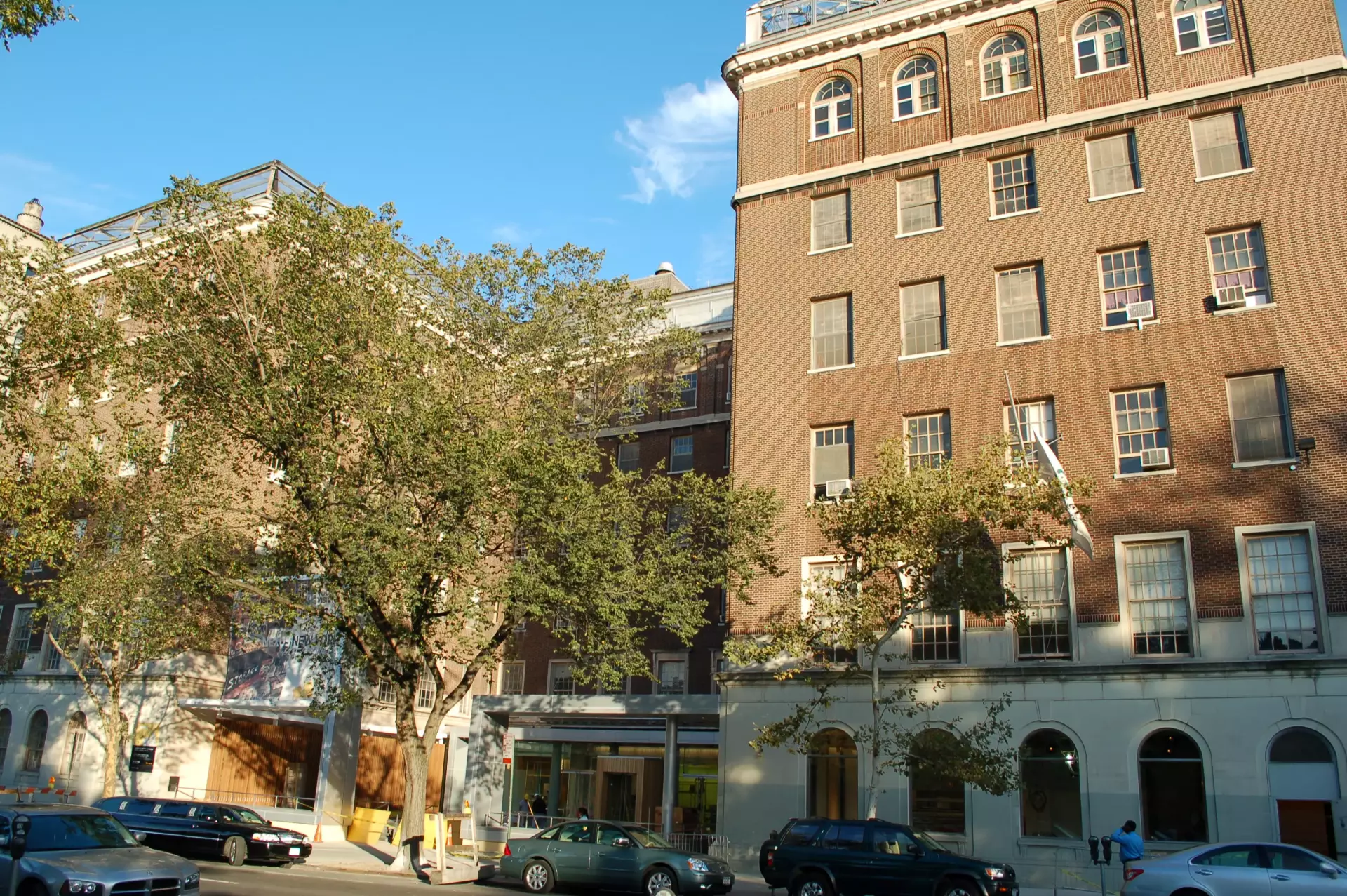
El Museo del Barrio
New York, United States of AmericaThe only US museum devoted to Puerto Rican culture.
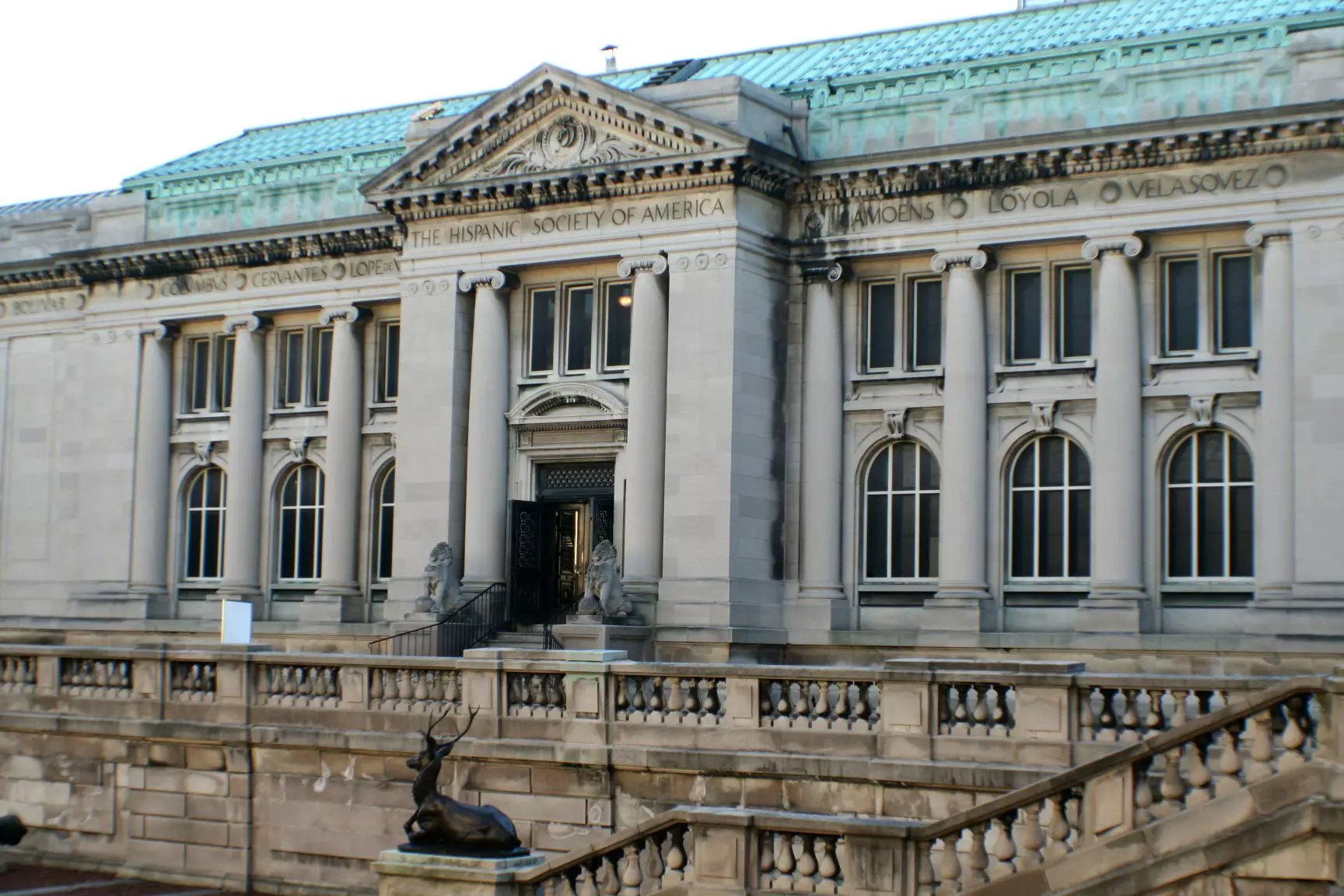
Hispanic Society of America
New York, United States of AmericaA museum and library devoted to Spanish, Portuguese, and Latin American art and culture.
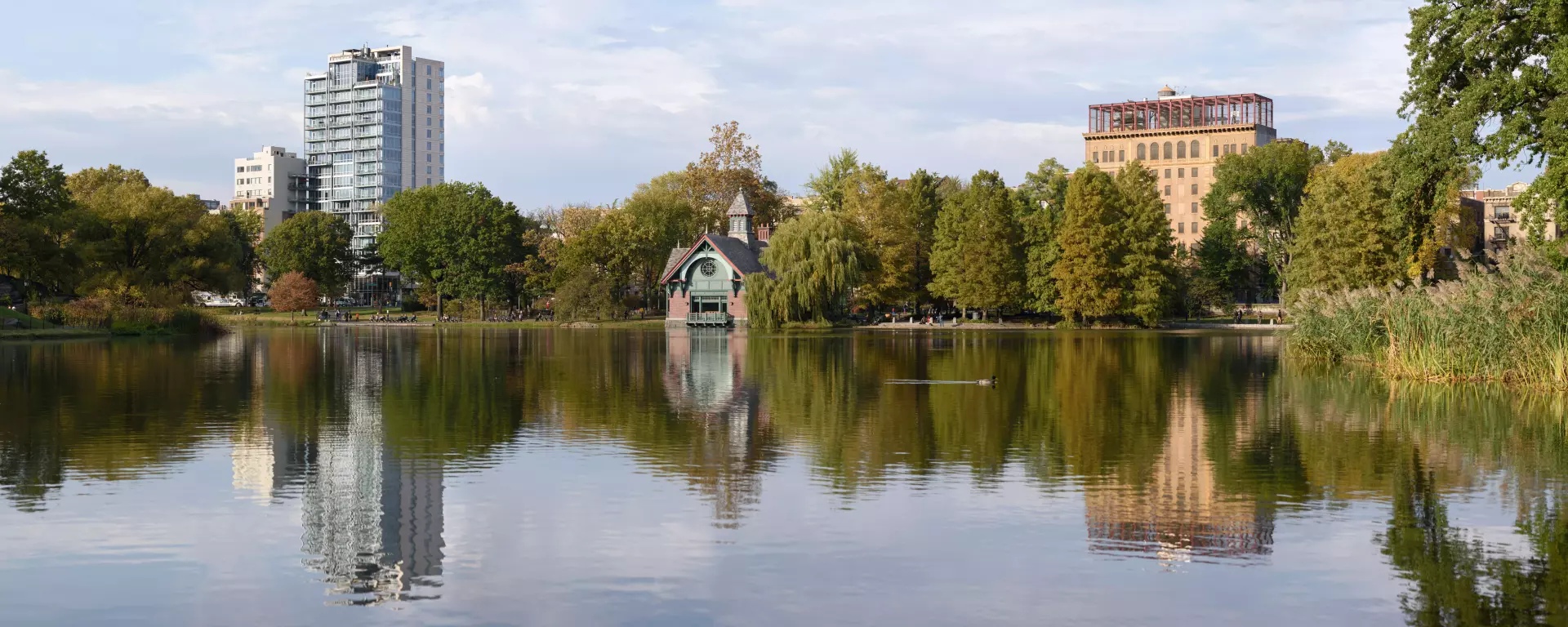
Harlem Meer
New York, United States of AmericaThis 11 acre lake is one of Central Park's finest spots; surrounded by flowering trees and inhabited by several fish and turtle species.
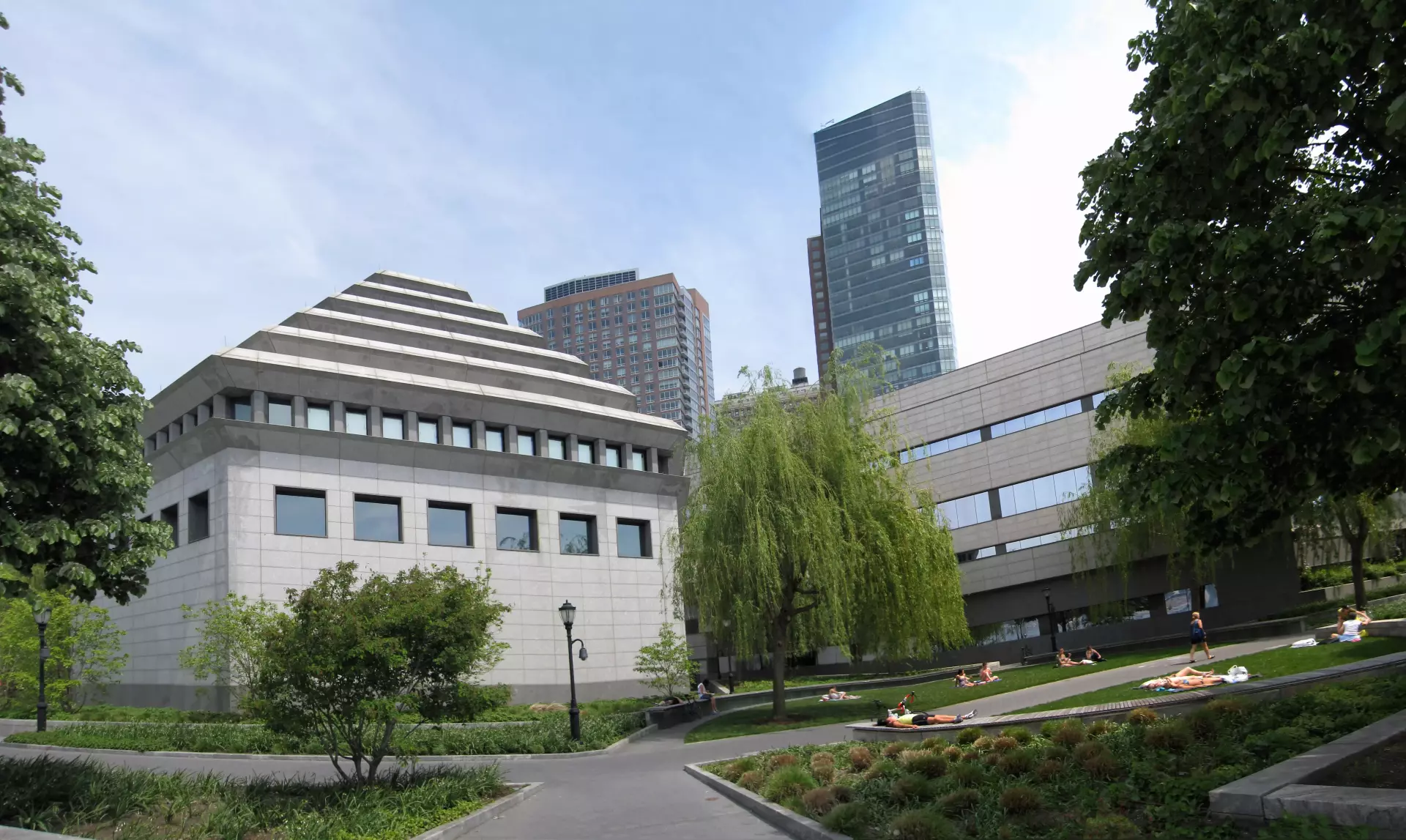
Museum of Jewish Heritage
New York, United States of AmericaA memorial to the Holocaust.
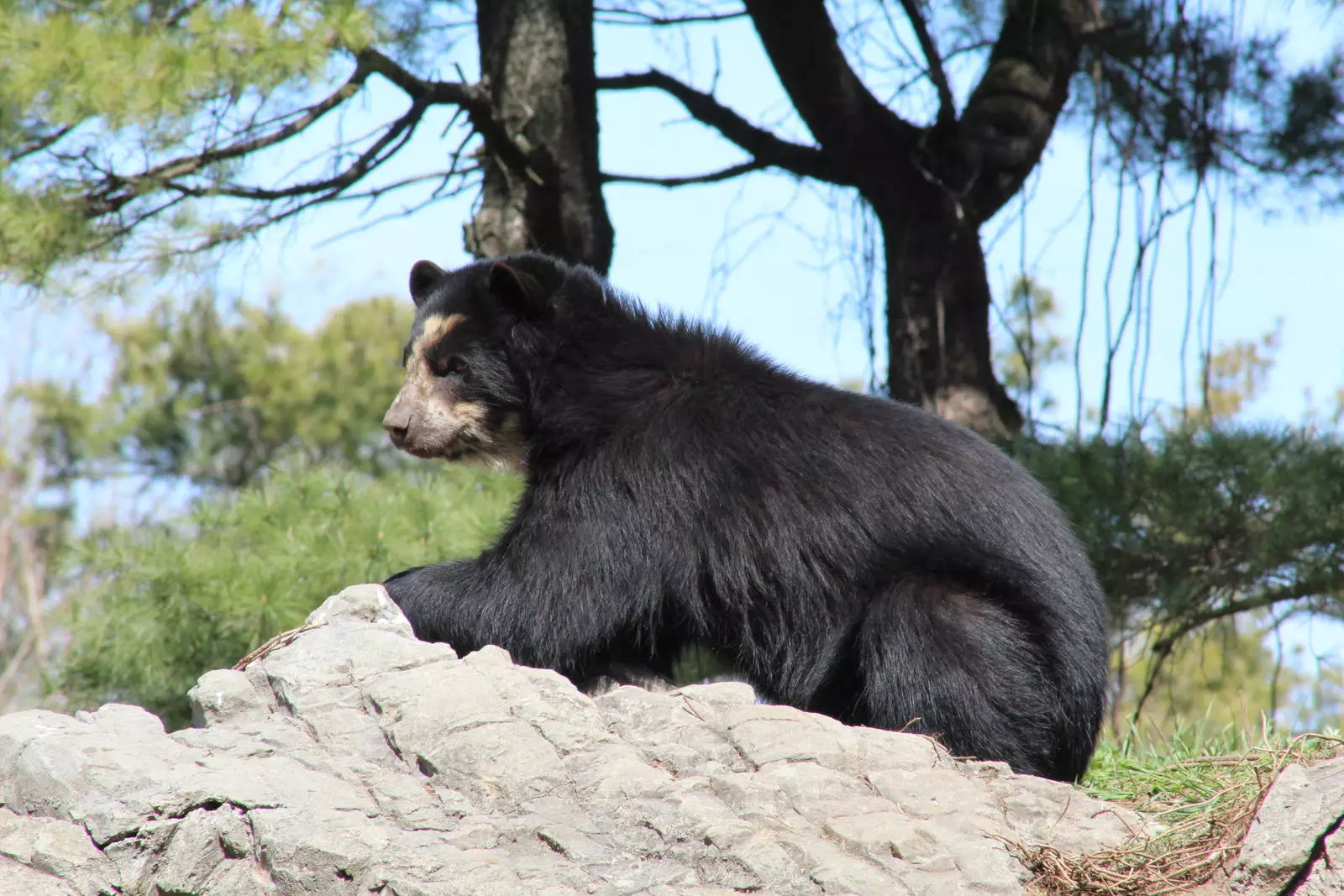
Queens Zoo
New York, United States of America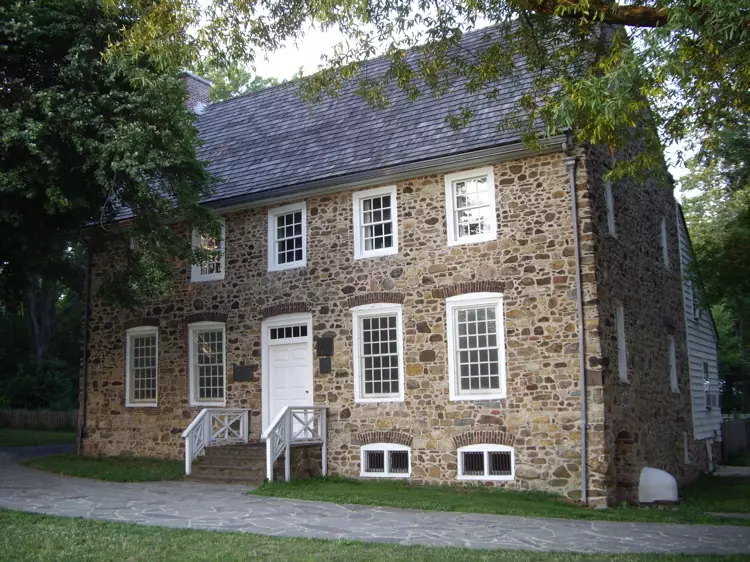
Conference House
New York, United States of AmericaDates back to 1680, and held an abortive peace conference during the Revolutionary War.
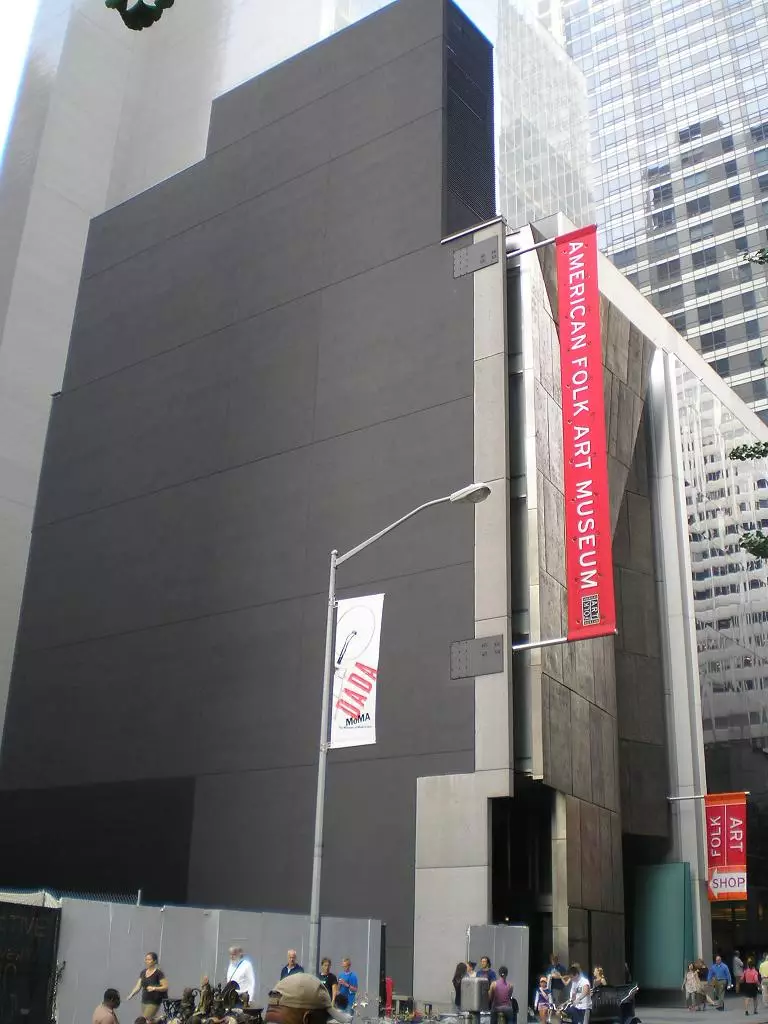
American Folk Art Museum
New York, United States of AmericaA museum dedicated to folk & self-taught artists.
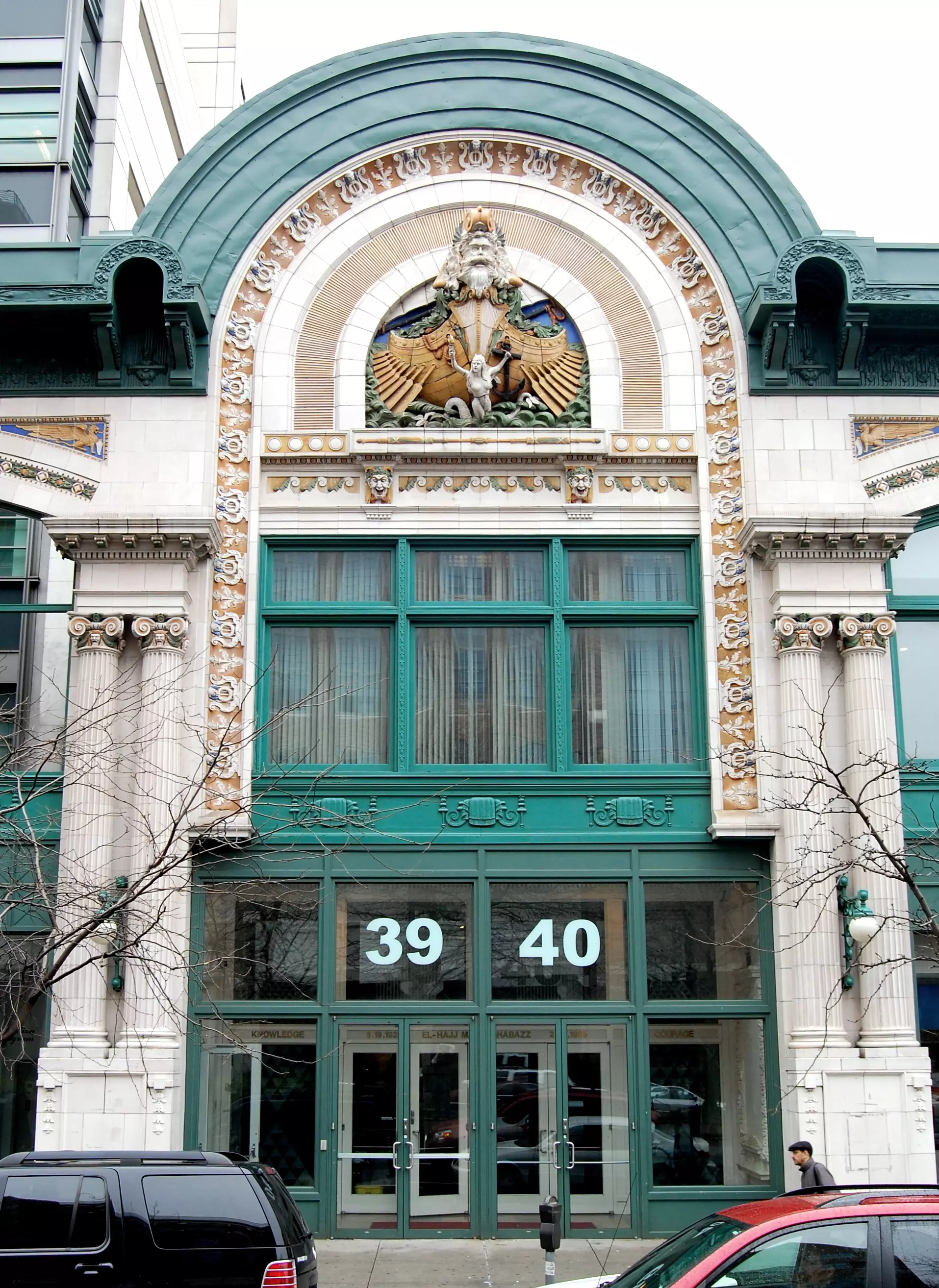
Malcolm X and Dr. Betty Shabazz Memorial and Educational Center
New York, United States of AmericaOnce the Audubon Ballroom where Malcolm X was assassinated with 21 gunshots. Only a part of the facade of the original building remains (Columbia University demolished the building in 1992). The location now houses a memorial to Malcolm X and Betty Shabazz, with a stated goal of advancing human rights and social justice. It also features a 63-foot mural depicting Malcolm X's life.
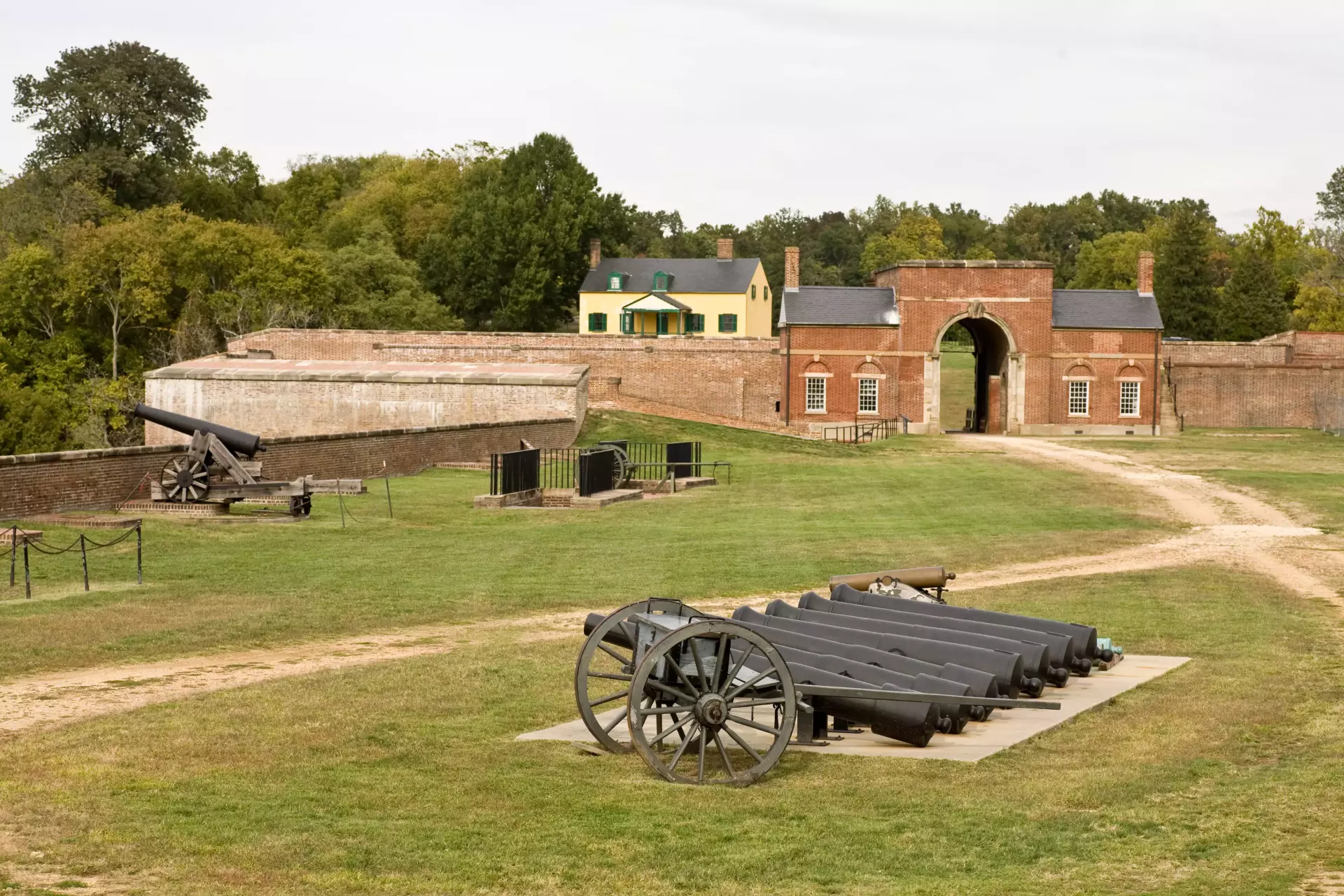
Fort Washington Park
New York, United States of AmericaThis beautiful park extends along the Hudson River north of Riverside Park and features wonderful views of the George Washington Bridge and New Jersey and a community feel.
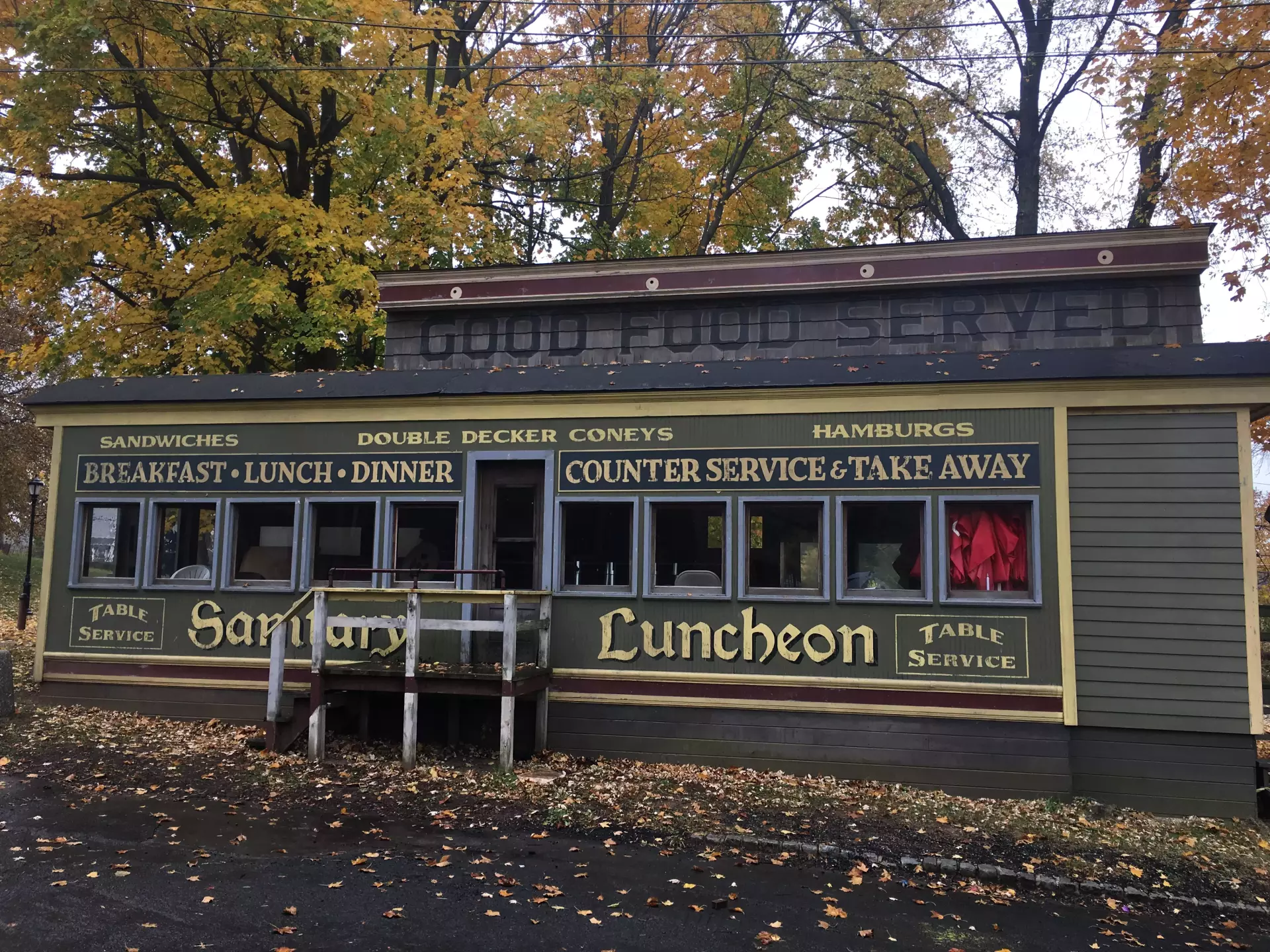
Historic Richmond Town
New York, United States of America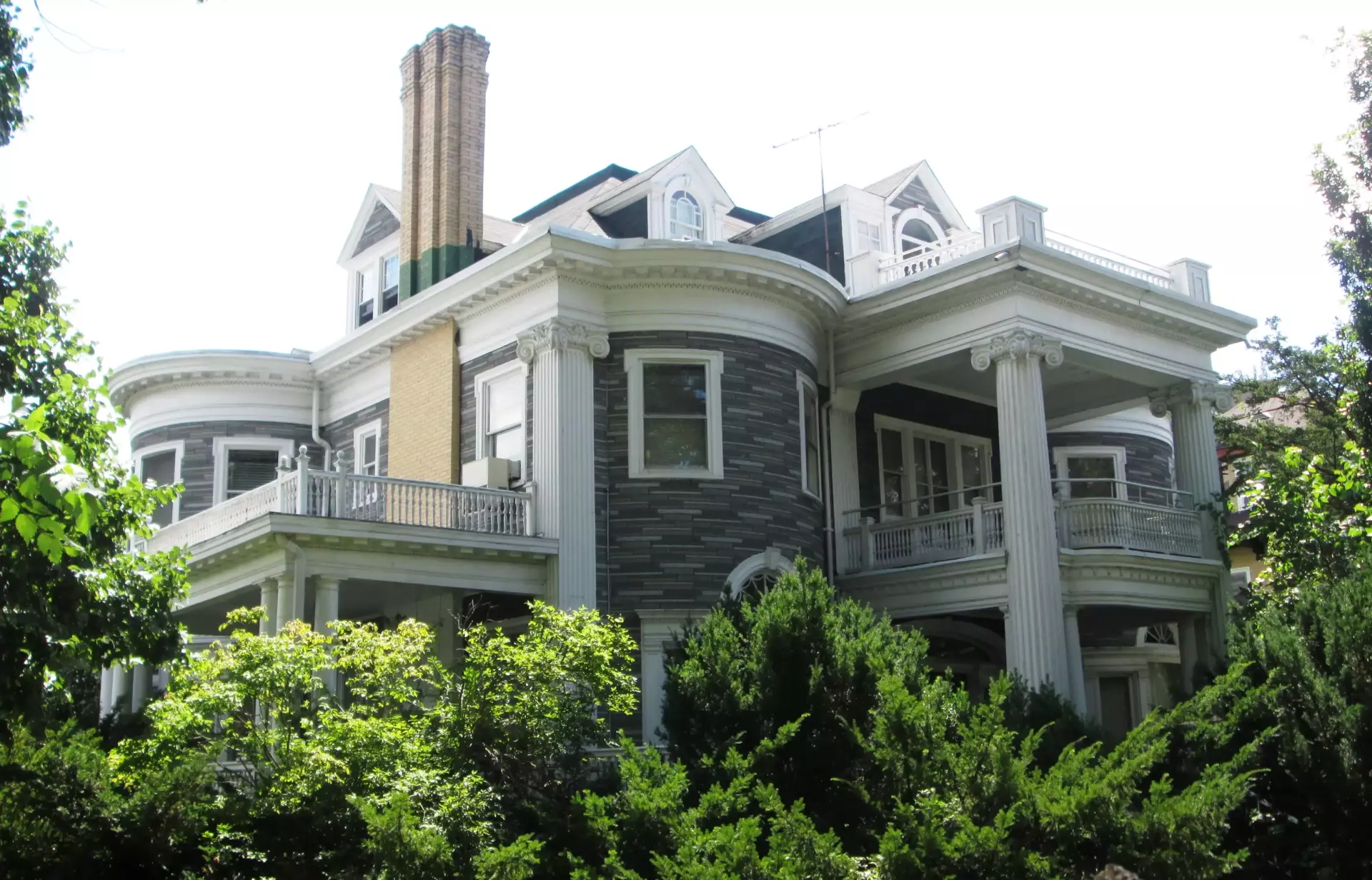
Prospect Park South
New York, United States of AmericaThe lesser-known historic district on the other side of the Park. It was developed at the turn of the 20th century by Dean Alvord as one of the first suburbs.
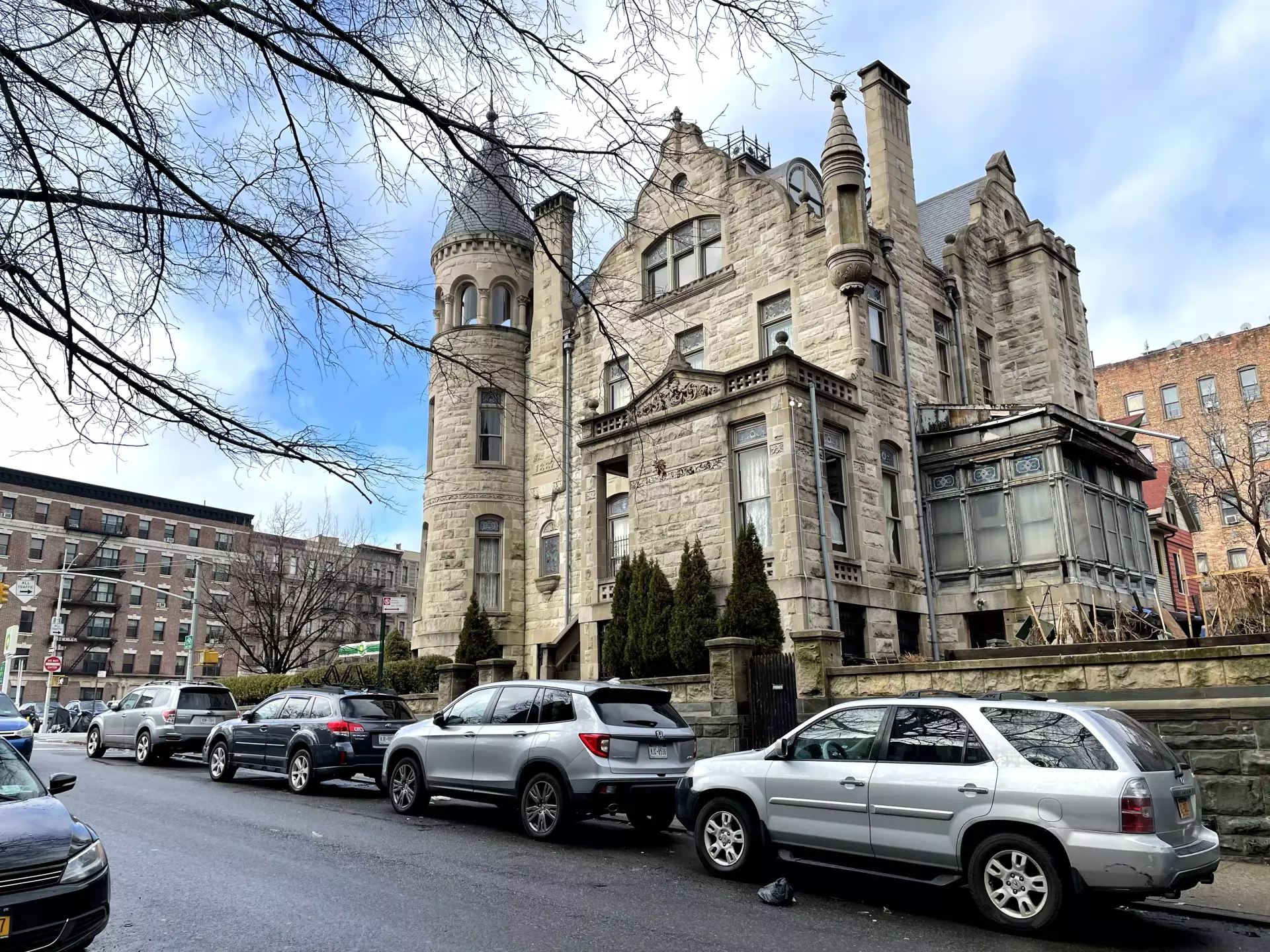
James Bailey House
New York, United States of AmericaStreet built by architect Samuel Burrage Reed. A major mansion owned by circus entrepreneur Anthony Bailey - joined with showman Phineas T. Barnum in 1881 to form the Barnum & Bailey circus. Now Known to the children of Harlem as the Beauty and the Beast house.