Tourist attractions in Berlin

Jüdischer Friedhof Schönhauser Allee
Berlin, GermanyJewish cemetery and lapidarium with old tombstones.

Gethsemanekirche
Berlin, GermanyThe meeting point of one of the leading oppositions against the GDR regime and is a great Neogothic church. Also the only ecumenical Lord's supper with Protestants and Catholics together took place in the Gethsemanekirche (2003).
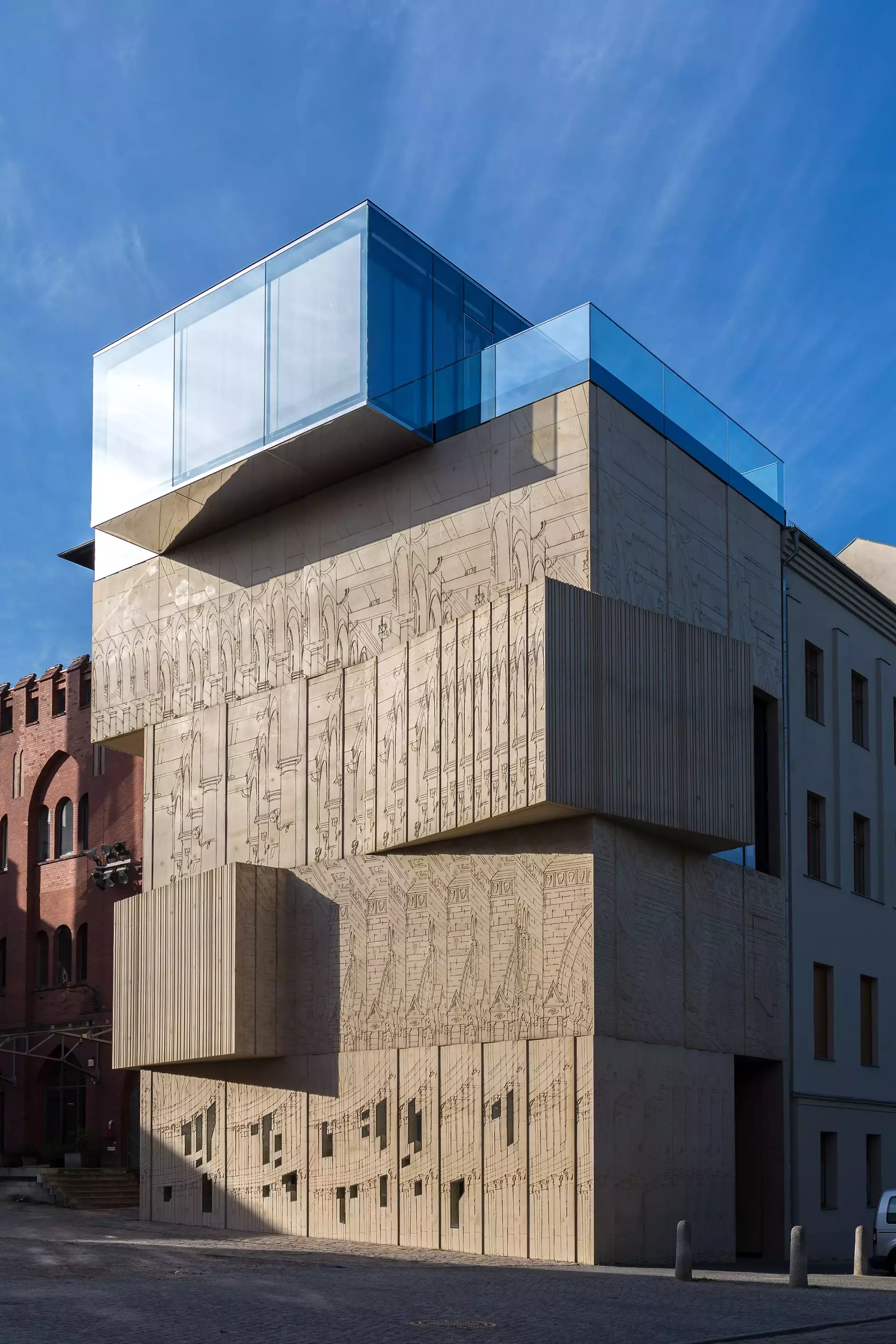
Museum for Architectural Drawing
Berlin, Germany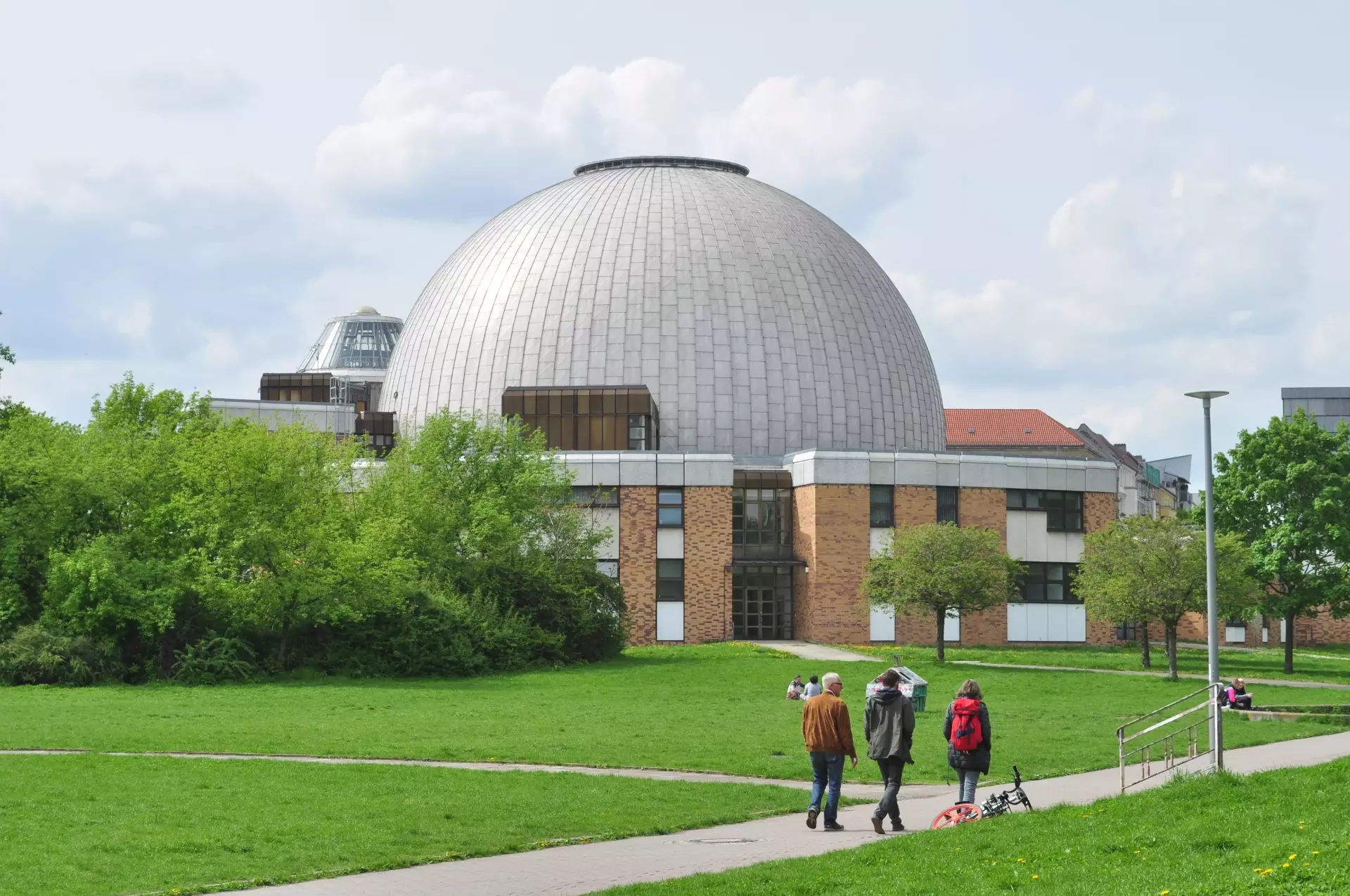
Zeiss-Großplanetarium
Berlin, Germany
Berlin from below
Berlin, Germany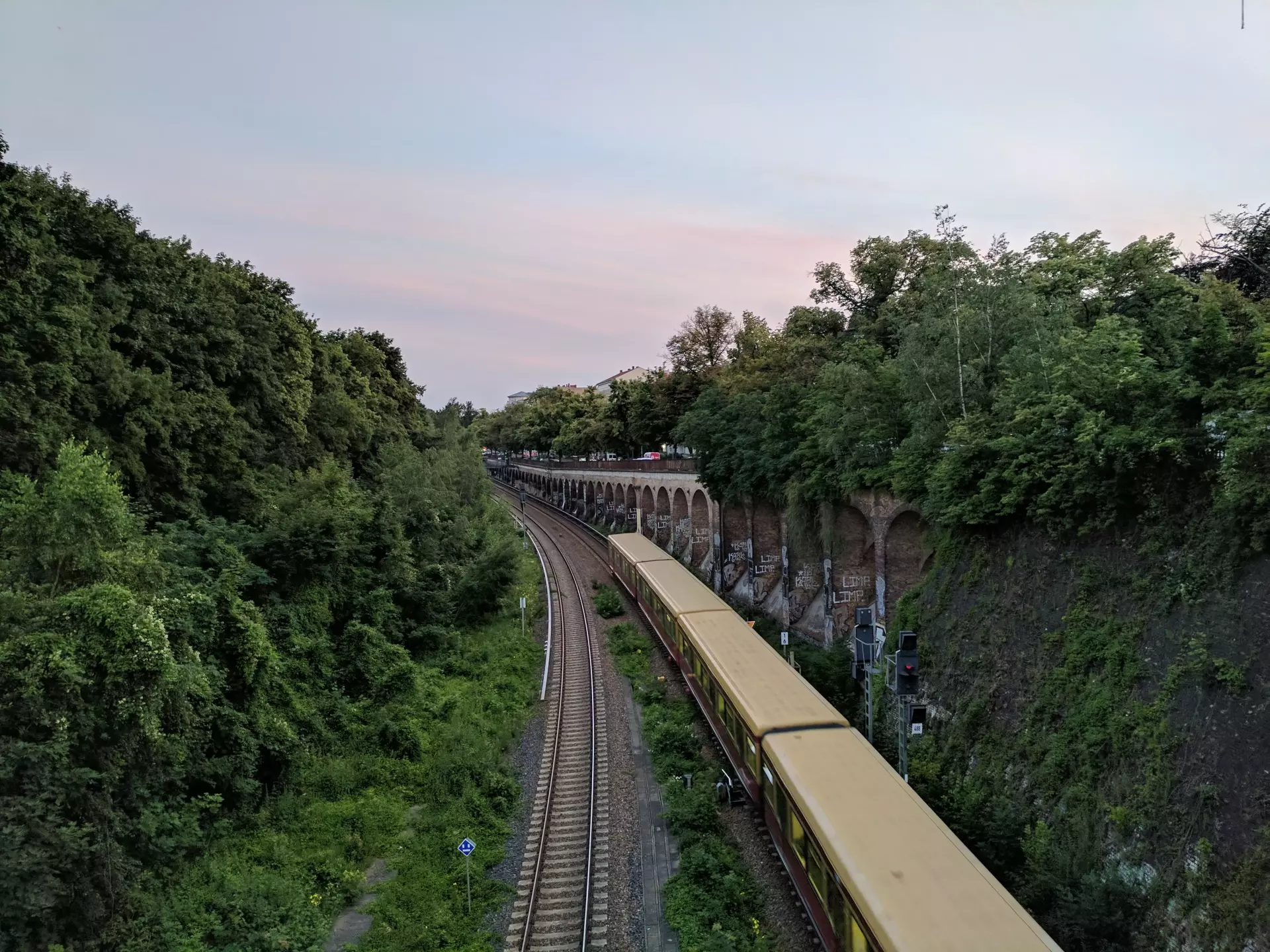
Humboldthain
Berlin, Germany
SAVVY Contemporary
Berlin, Germany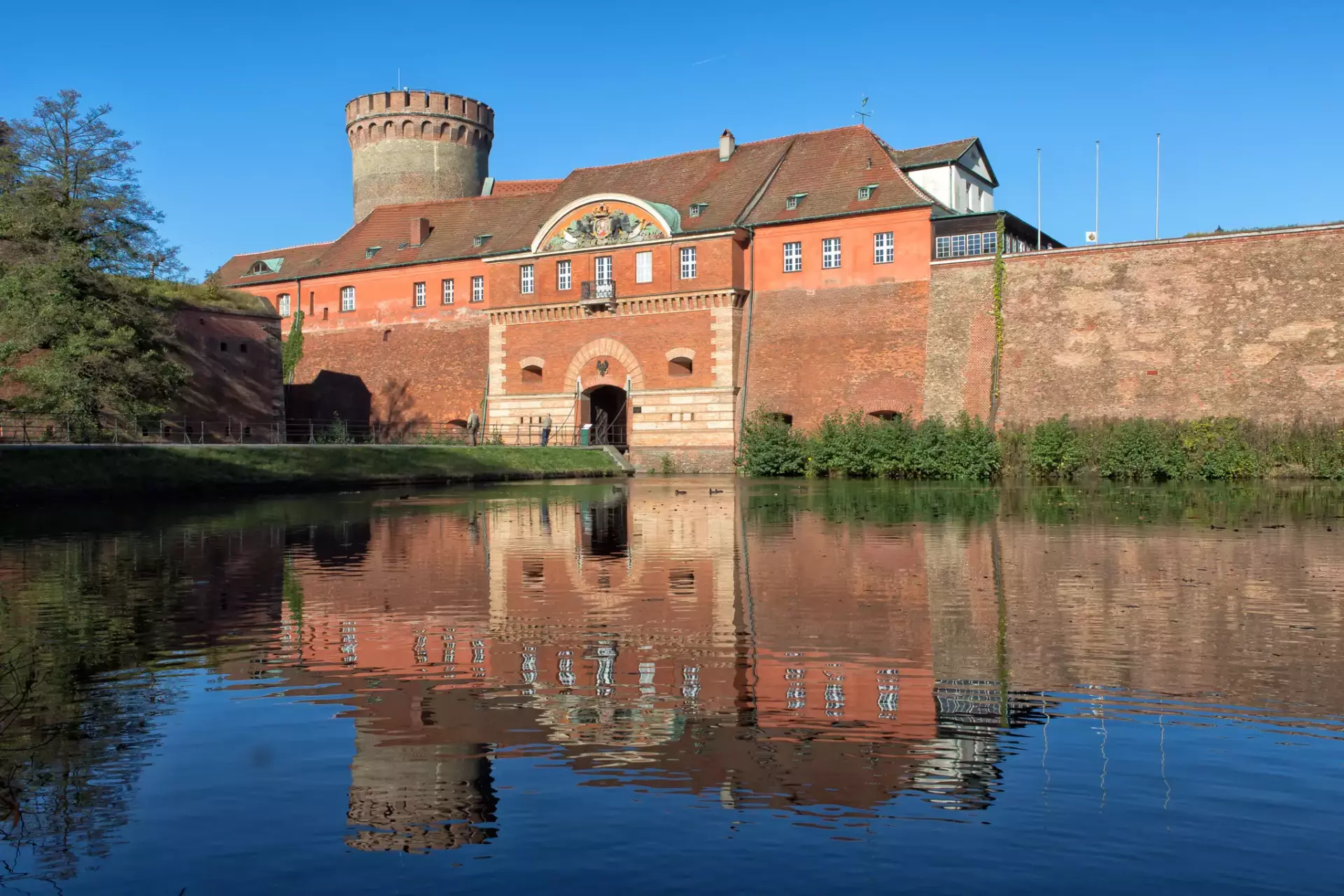
Spandau Citadel
Berlin, GermanyA fortress built between 1560 and 1590 to Italian design on the site of a 12th-century castle. The Juliusturm housed part of the huge indemnity (in physical gold coins) France had to pay after the war of 1870/71 until what was left of it was returned to France after Germany's loss in World War I. The term "Juliusturm" remained in usage in German for a large "rainy day fund" into the 1960s. Museums housed within the citadel cover the history of the town of Spandau, monumental public art in Berlin, and artillery.
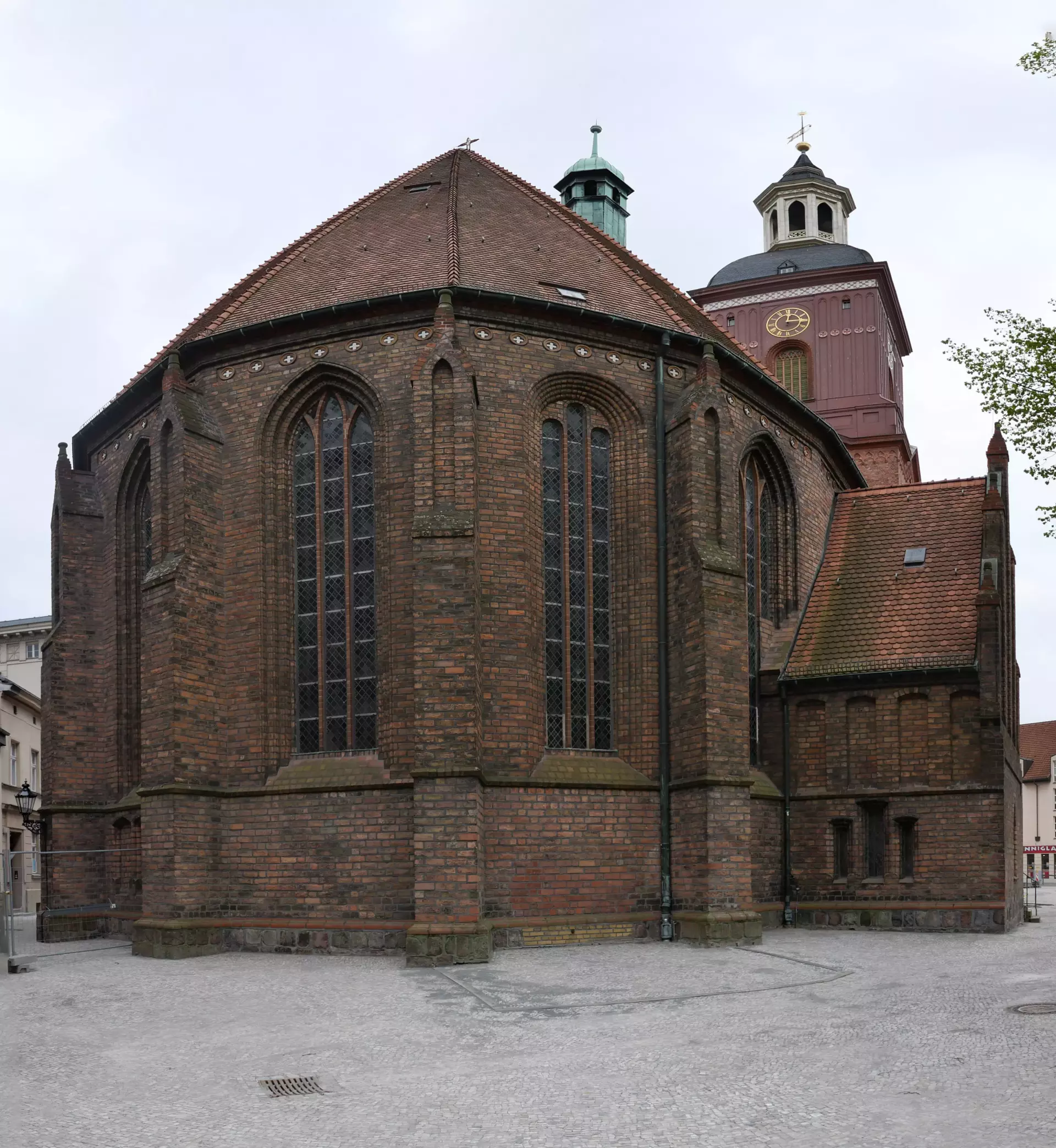
St Nikolai Kirche
Berlin, GermanyA splendid 15th-century Gothic church with many fine accoutrements.
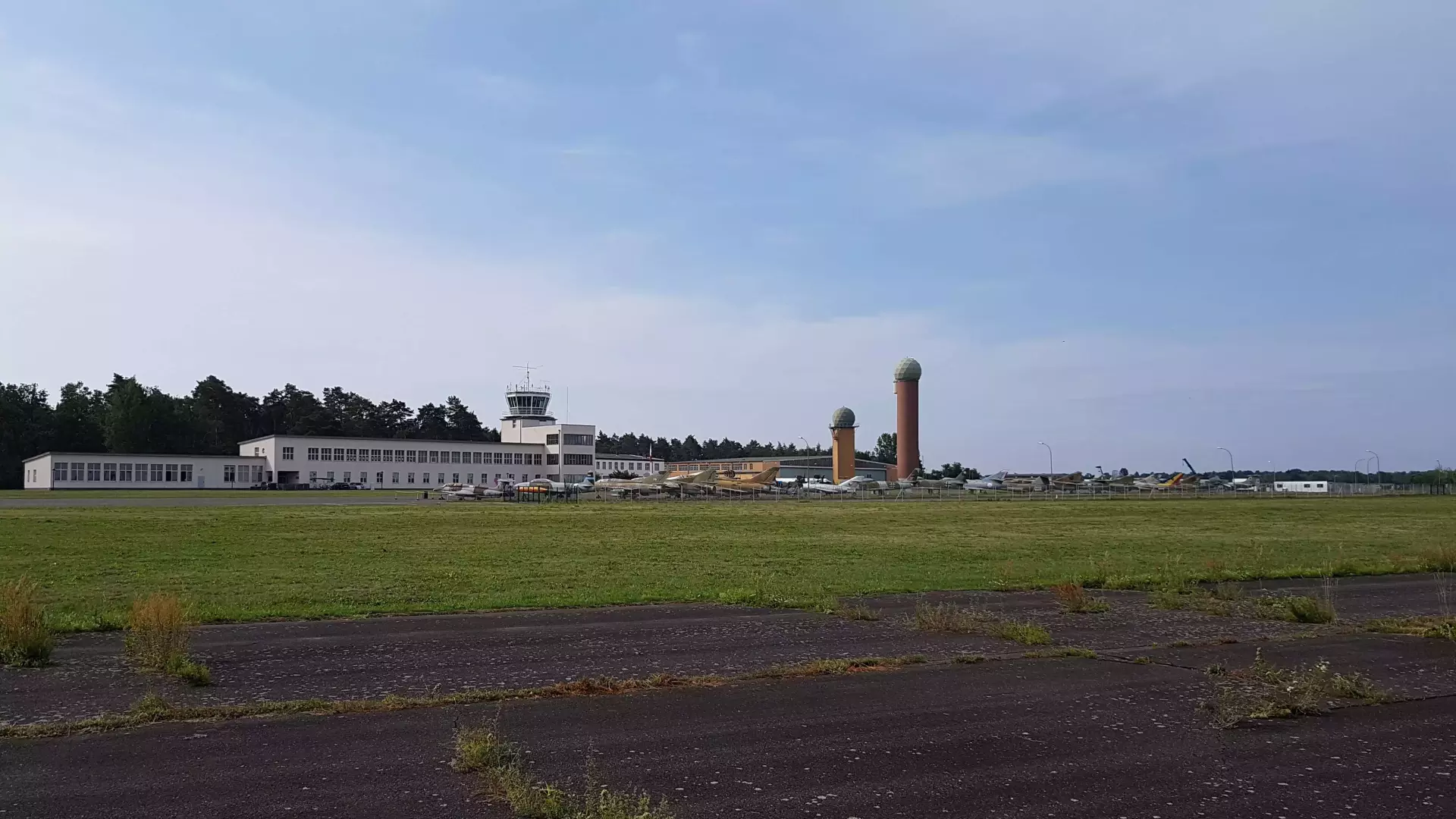
Militärhistorisches Museum der Bundeswehr – Flugplatz Berlin-Gatow
Berlin, GermanyAt a former Luftwaffe and Royal Air Force (RAF) airfield, RAF Gatow. The museum's focus is on military history, particularly the history of the Luftwaffe of the Bundeswehr, with a collection of more than 200,000 items, including 155 aeroplanes, 5,000 uniforms and 30,000 books. There are also displays (including aeroplanes) on the history of the airfield when it was used by the RAF. Aircraft include reproductions of Otto Lilienthal's gliders, of World War I planes such as the Fokker E.III, and World War II planes such as the Bf 109 and Me-262, as well as at least one aircraft of every type ever to serve in the air forces of East and West Germany. Most of those postwar aircraft are stored outside on the tarmac and runways, however, and many are in bad condition. There are long term restoration projects, including a Focke-Wulf Fw 190. RAF Gatow is notable as the "missing third airport" of West Berlin. Each sector used to have its own airport; the French sector had Tegel, the American sector had Tempelhof and the British had Gatow. However, RAF Gatow never saw much traffic of any kind, was more kept as a political statement than for transportation value, and thus was shut down after reunification. Tempelhof, after having been shut down for civilian traffic from 1975 to 1981, closed for all flights in 2008, while Tegel shut down in November 2020.
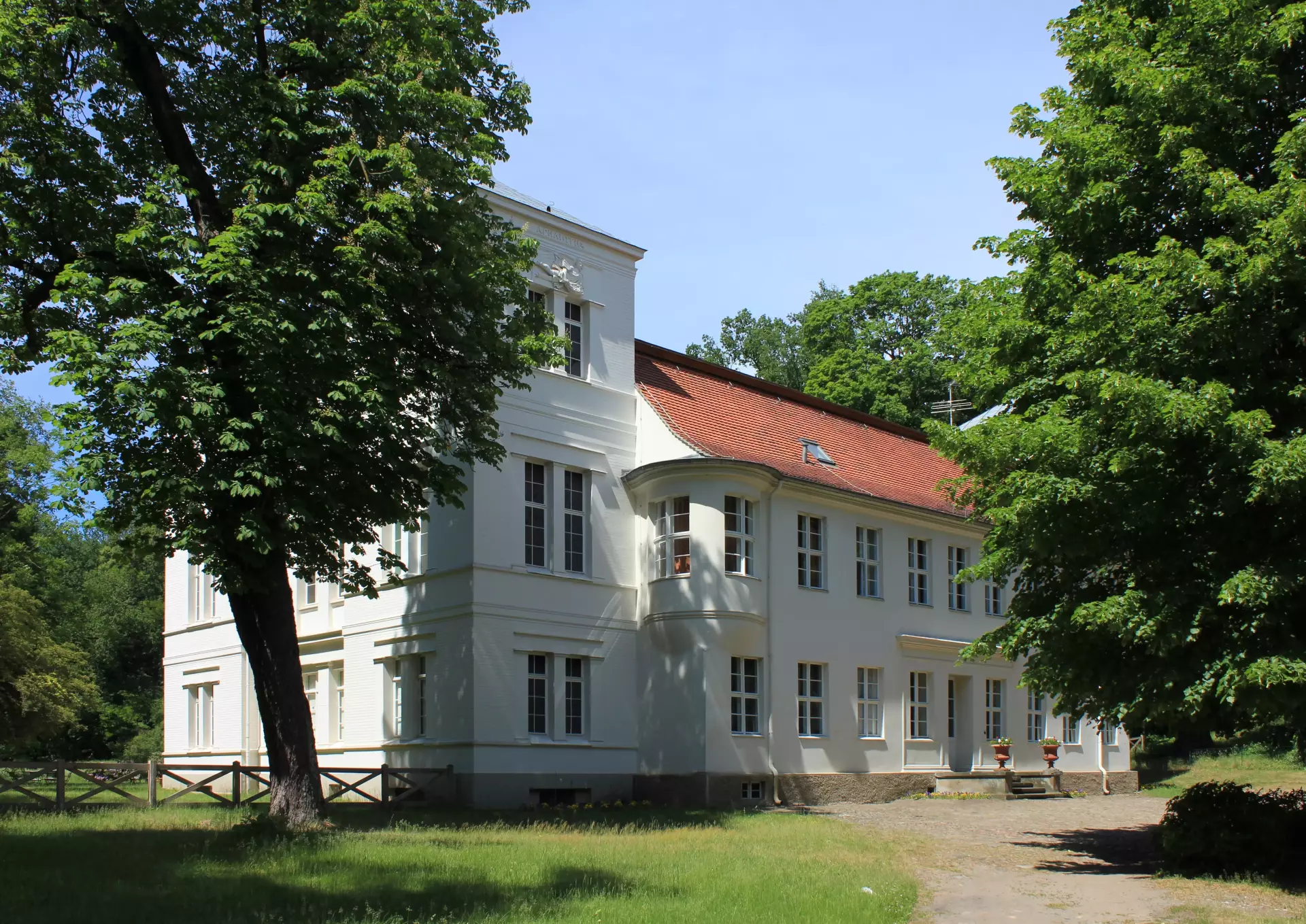
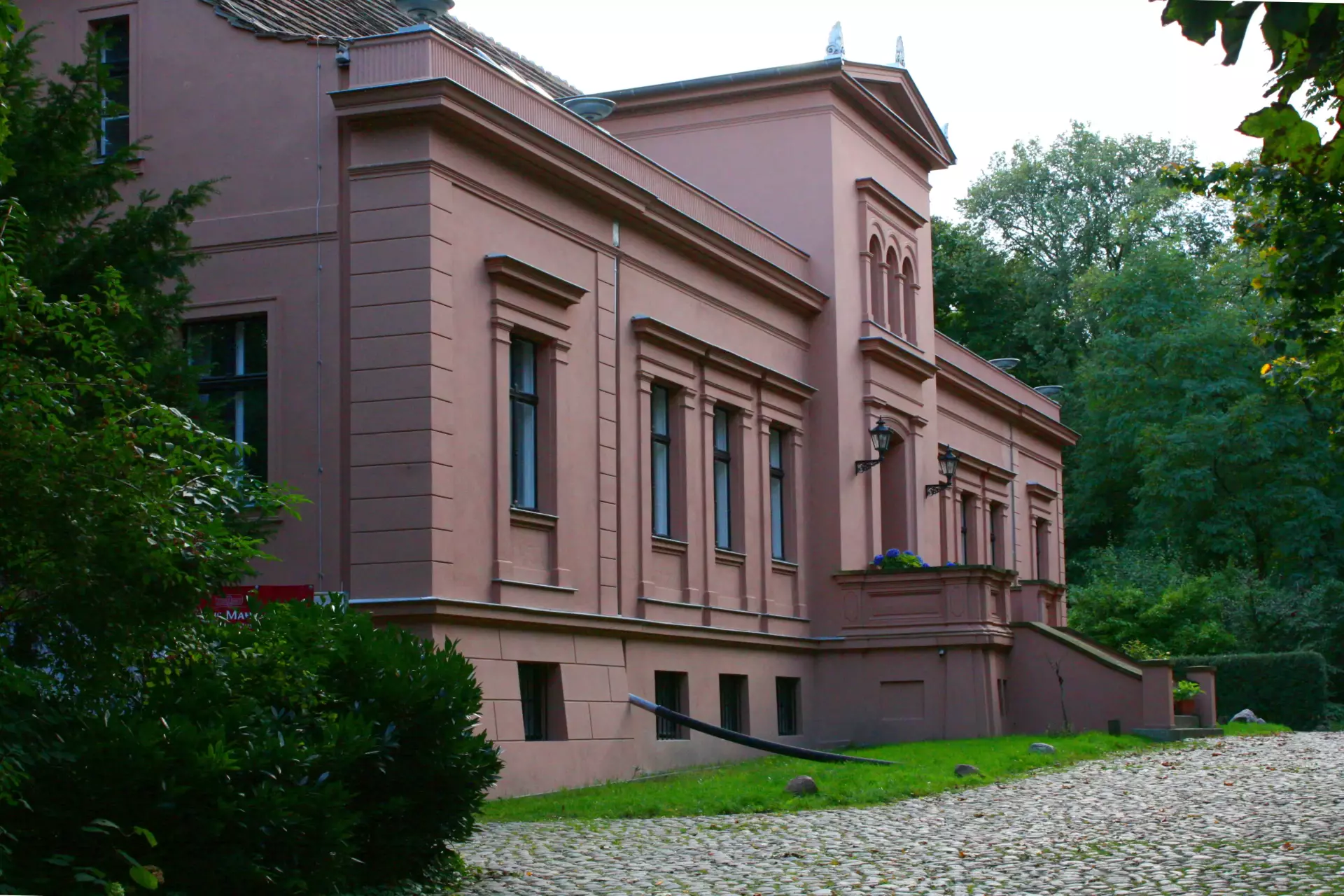
Schloss Tegel
Berlin, GermanyA remarkable medium-sized classical castle by the famous K.F. Schinkel built 1820 to 1824, also called "Humboldtschlösschen", because Alexander and Wilhelm von Humboldt (and their family) lived here once. Still privately owned.
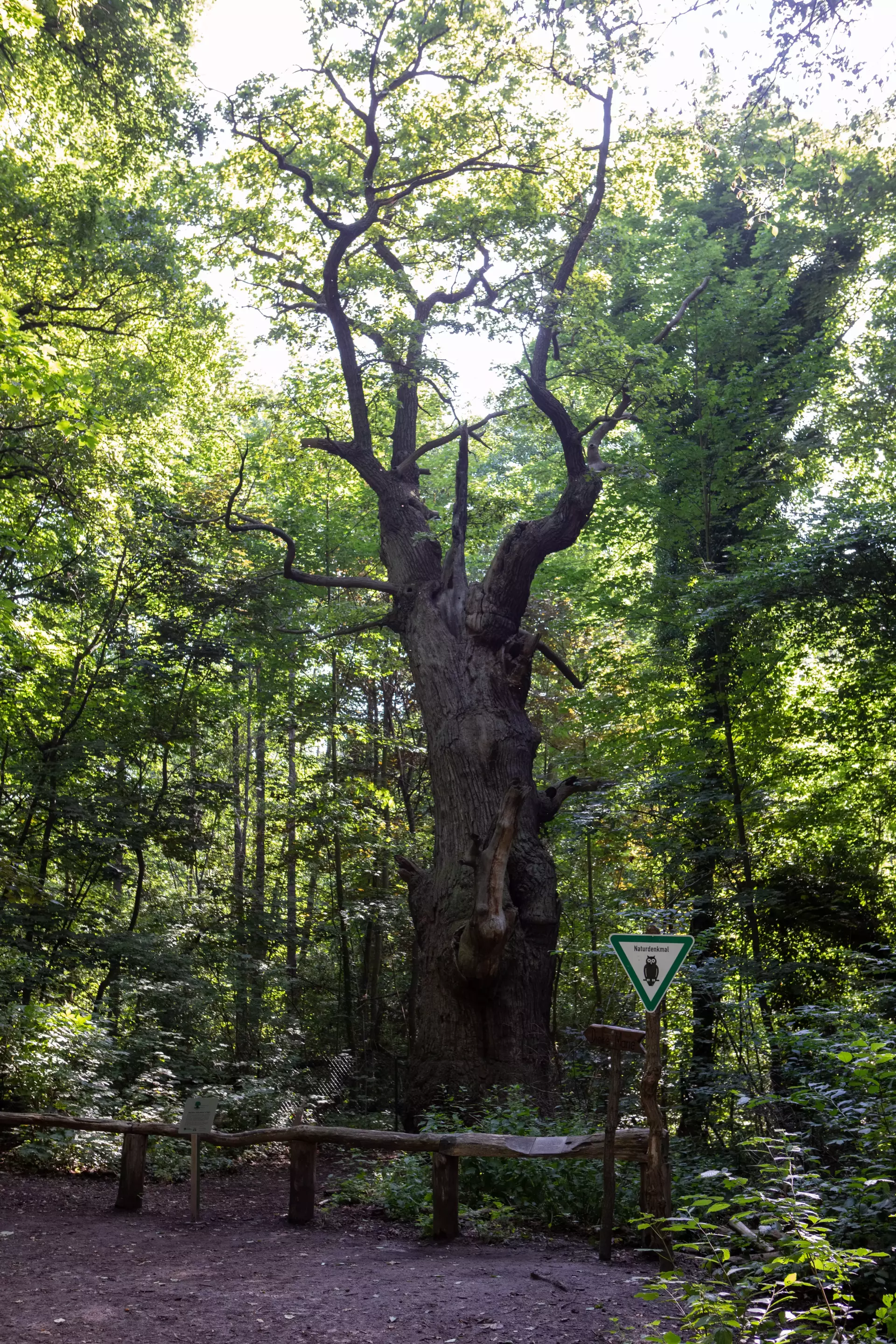
Dicke Marie
Berlin, GermanyNot far away from Schloss Tegel (at the "große Malche") you can take a look at the oldest tree in Berlin, an oak which has been growing there since about 1192 (so it's actually older than Berlin itself). The name ("fat Mary") allegedly stems from the brother Humboldt who named the tree after their overweight cook.
IBA-Bauten at Tegeler Hafen
Berlin, Germany
Borsigwerke and Borsigturm
Berlin, Germany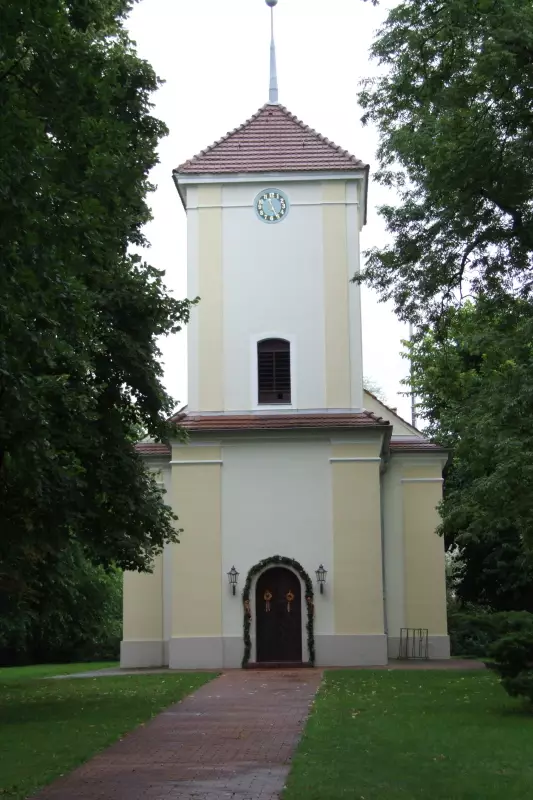
Alt Lübars
Berlin, GermanyOne of the most authentic and oldest villages (1247) in the outskirts of Berlin, it looks the same way it did some hundred years ago. Take S-Bahn 1 to Waidmannslust and then bus 222 to Alt-Lübars.
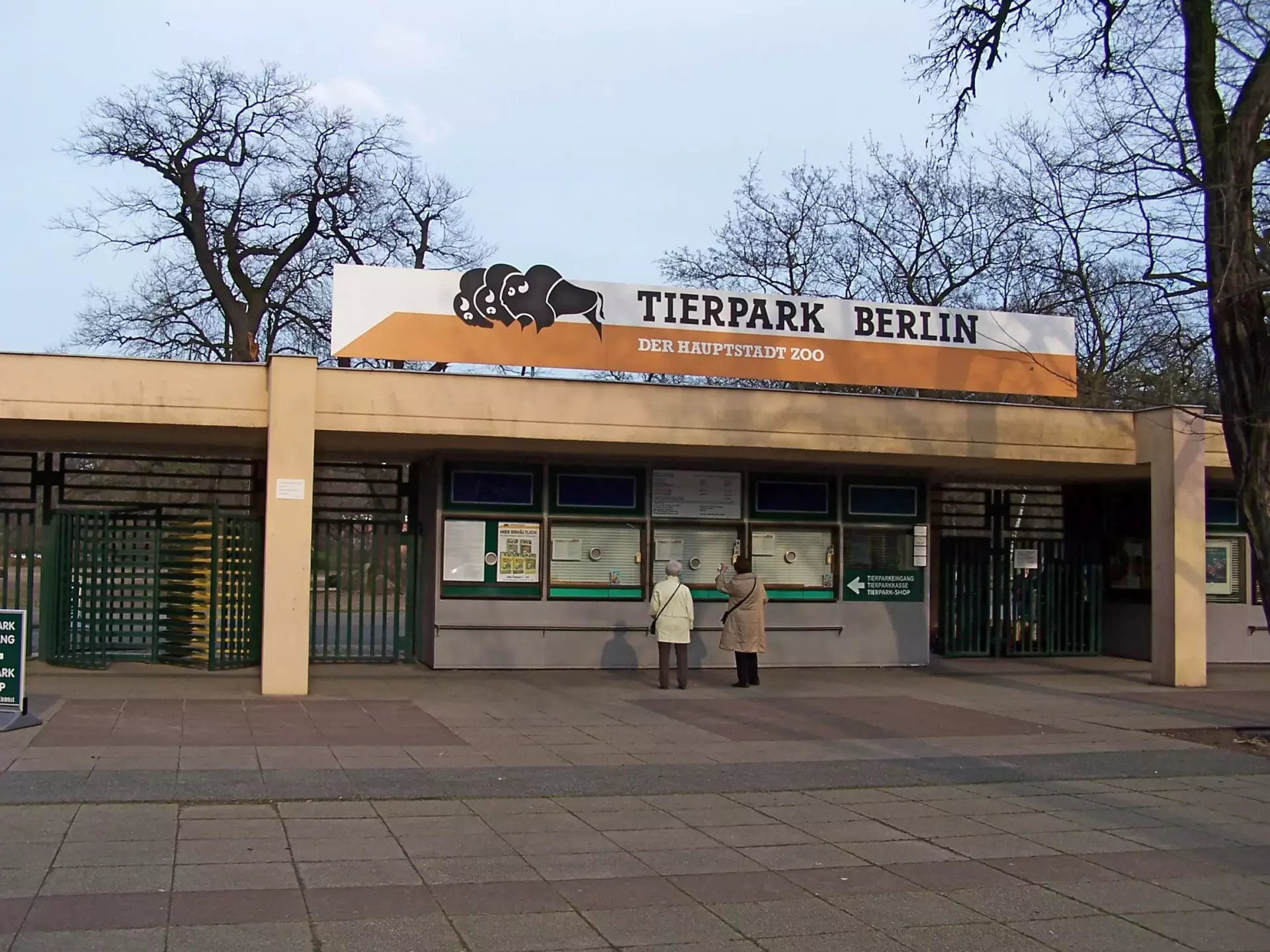
Tierpark
Berlin, GermanyThe zoo in the former East Berlin is more spacious than its West Berlin counterpart, the historic Berlin Zoo and has been open for some 50 years. The Tierpark has nearly as many animals, but fewer reptiles and aquatic animals. It appears rather like a park with animals than a classic zoo, in fact it is one of the biggest zoos in Europe. There is an old castle from the late 17th century in the northeast of the Tierpark (Schloss Friedrichsfelde).
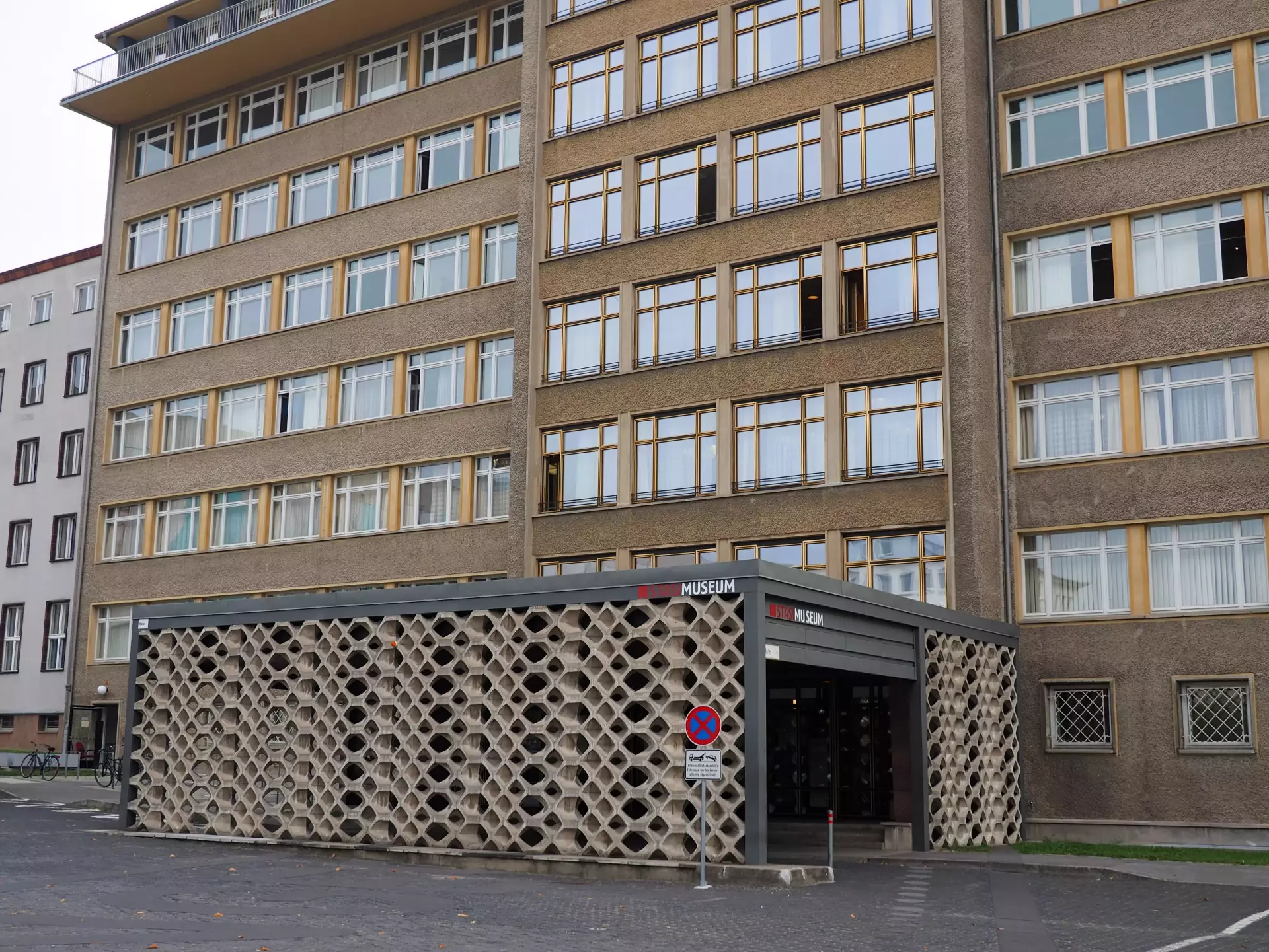
Stasi Museum
Berlin, GermanyThis museum describes the procedures applied by the East German secret police. Every Friday to Monday, there is a guided tour in English at 15:00 (5€).
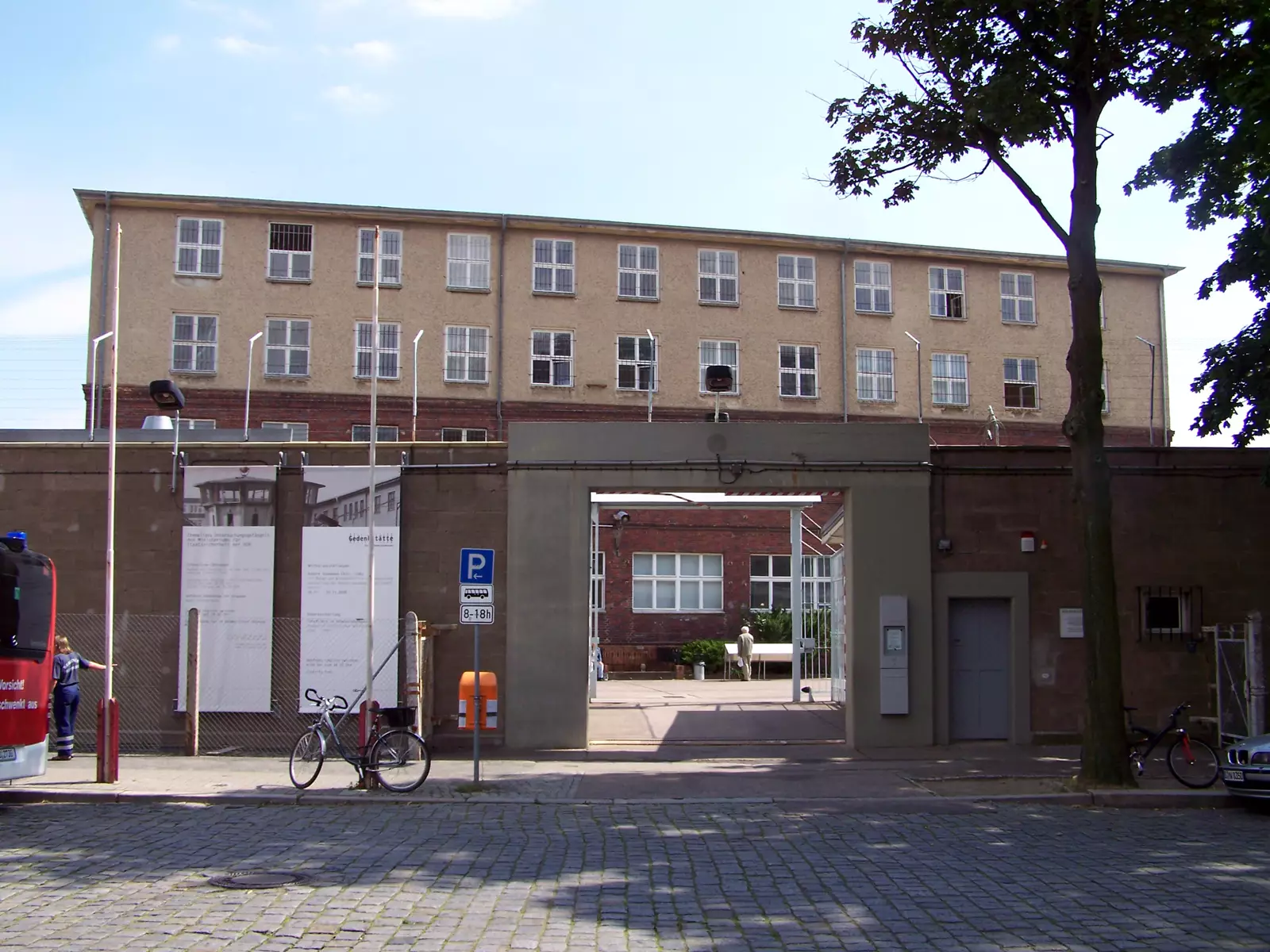
Gedenkstätte Hohenschönhausen
Berlin, GermanyExperience the Stasi Secret Police Prison first-hand. Tours are compulsory. Some of the tours are done by former inmates.
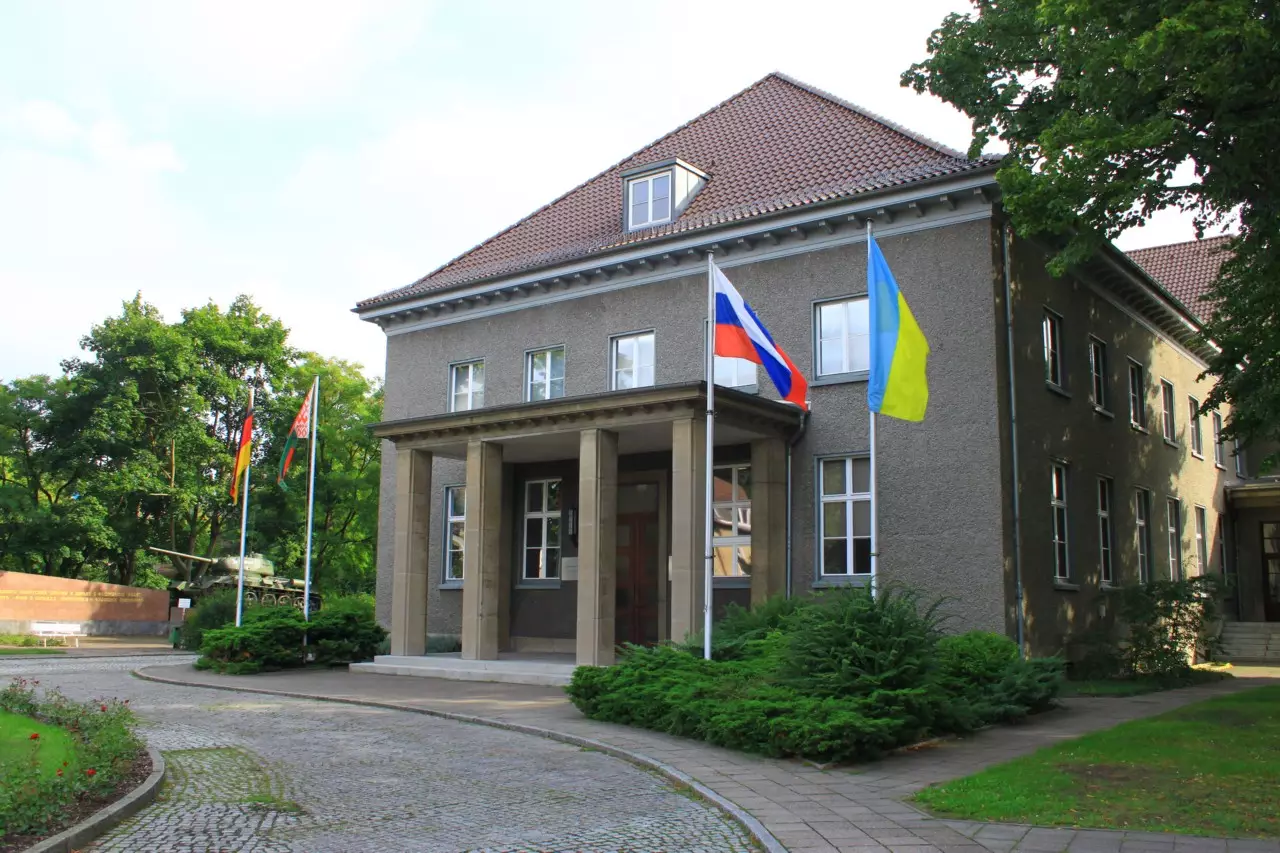
Museum Karlshorst
Berlin, Germany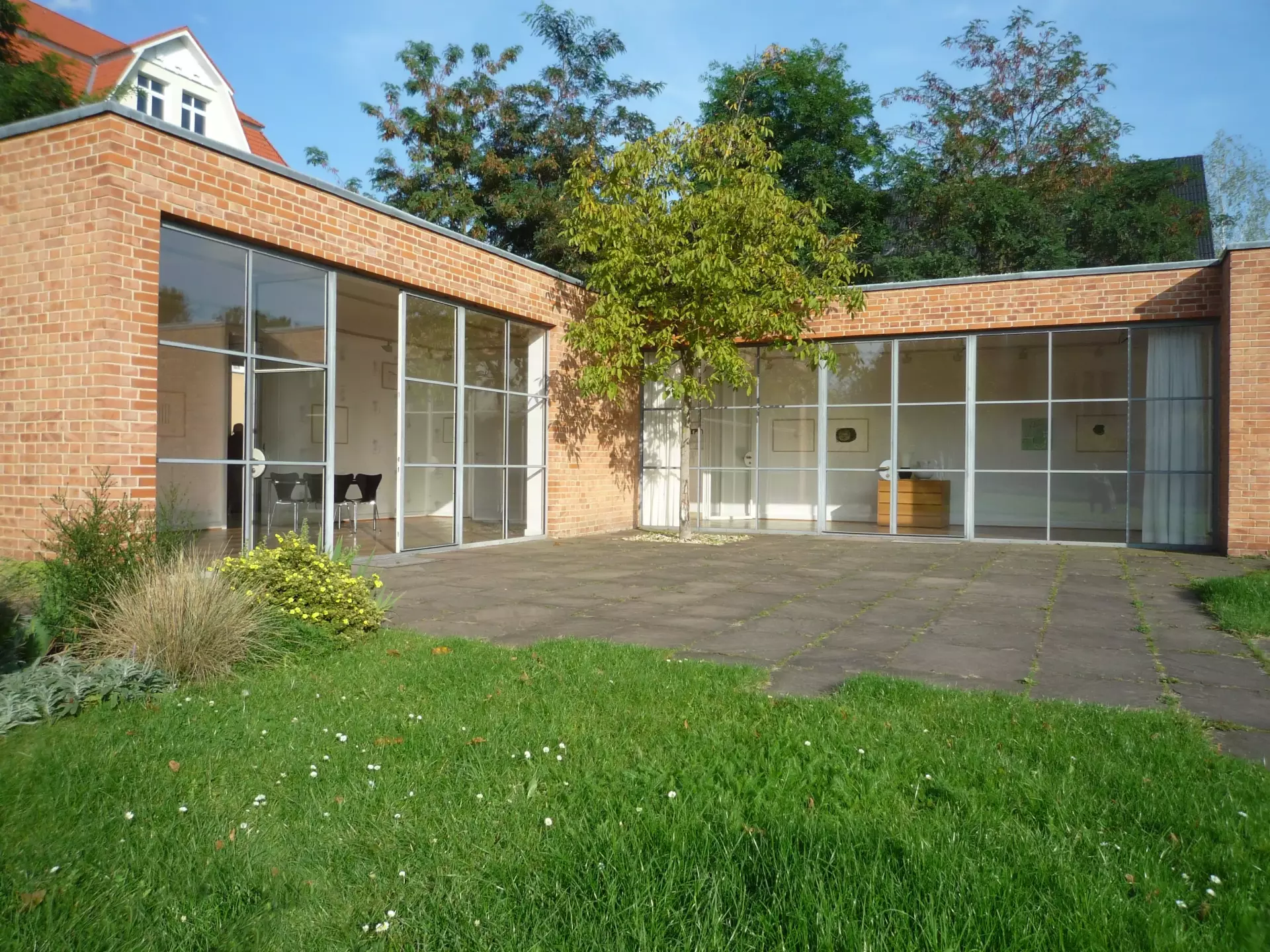
Mies van der Rohe Haus
Berlin, GermanyThe last Mies van der Rohe building (a dwelling house) in Germany before his emigration to the U.S. (1938). Now there are small contemporary/modern art exhibitions.
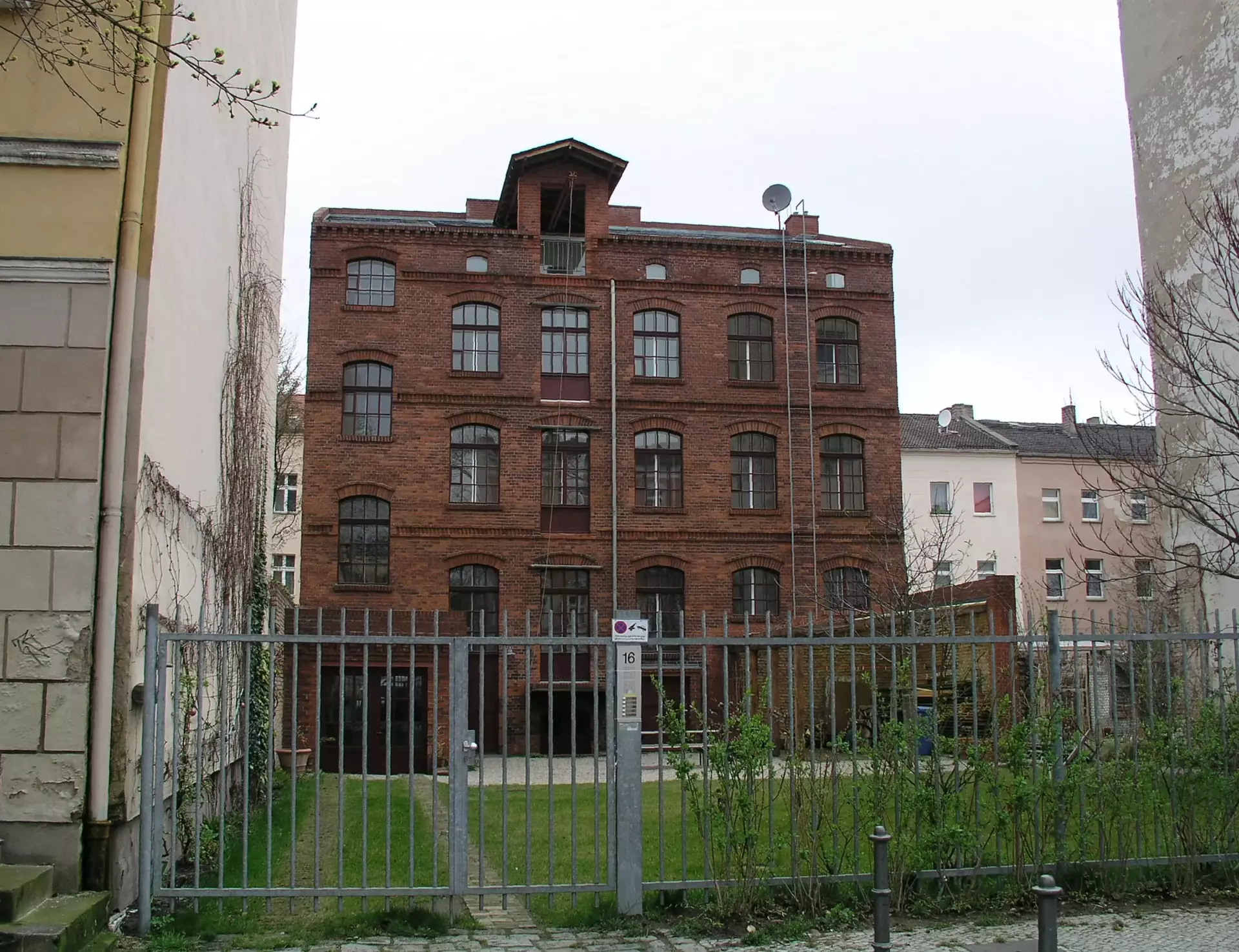
Victoriastadt
Berlin, Germany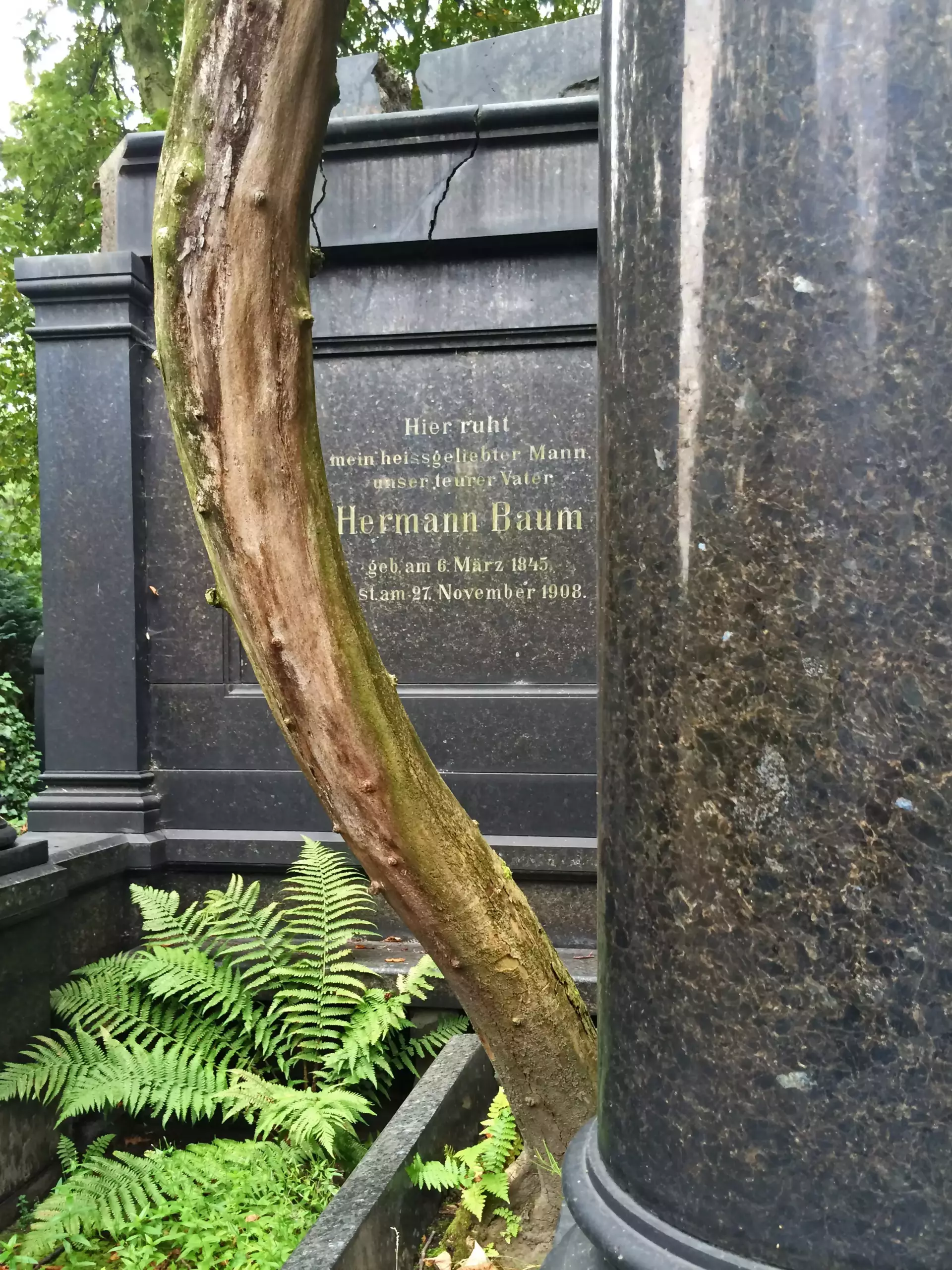
Weißensee cemetery
Berlin, Germany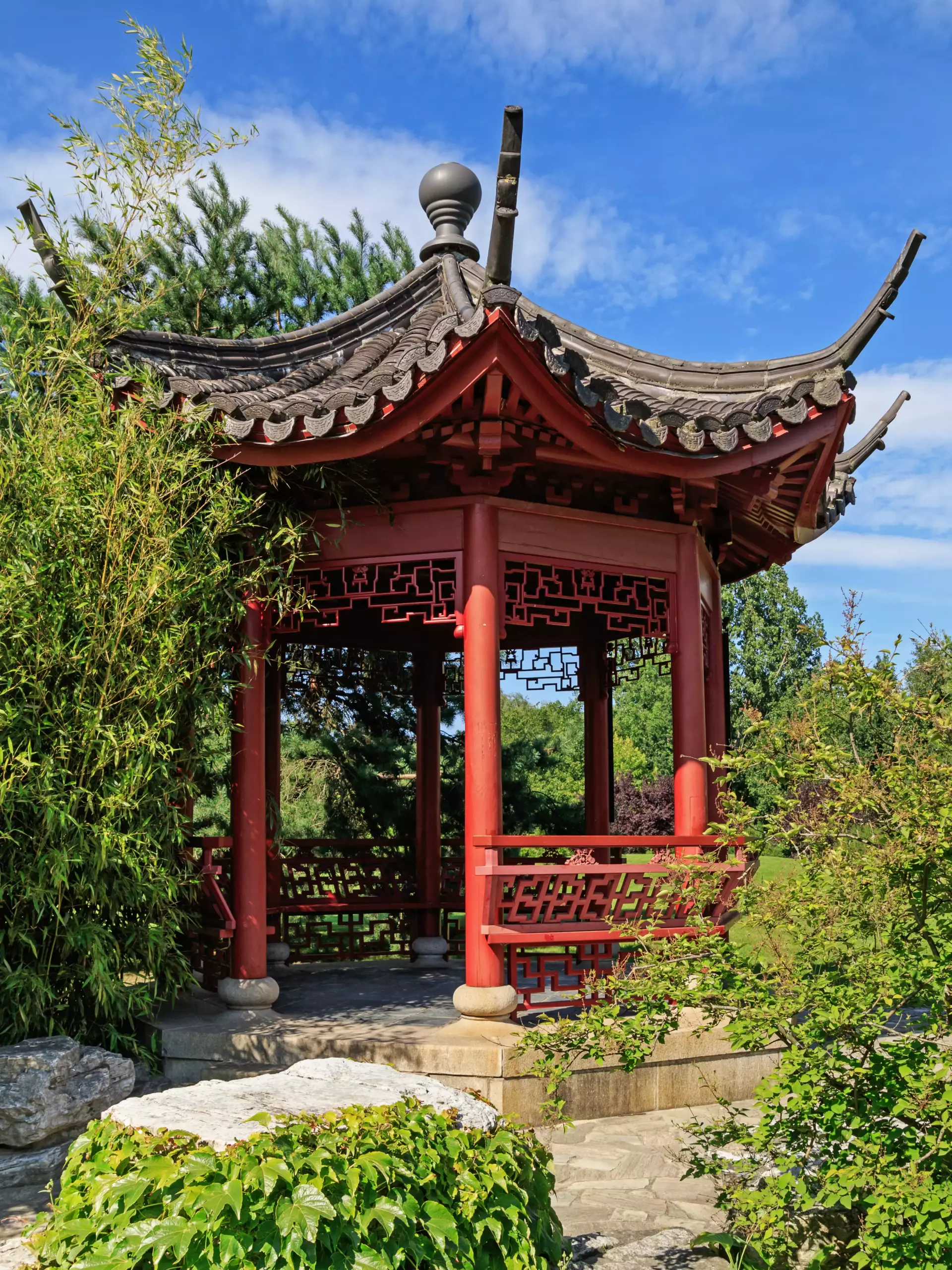
World's Garden
Berlin, Germany