
Tourist attractions in London
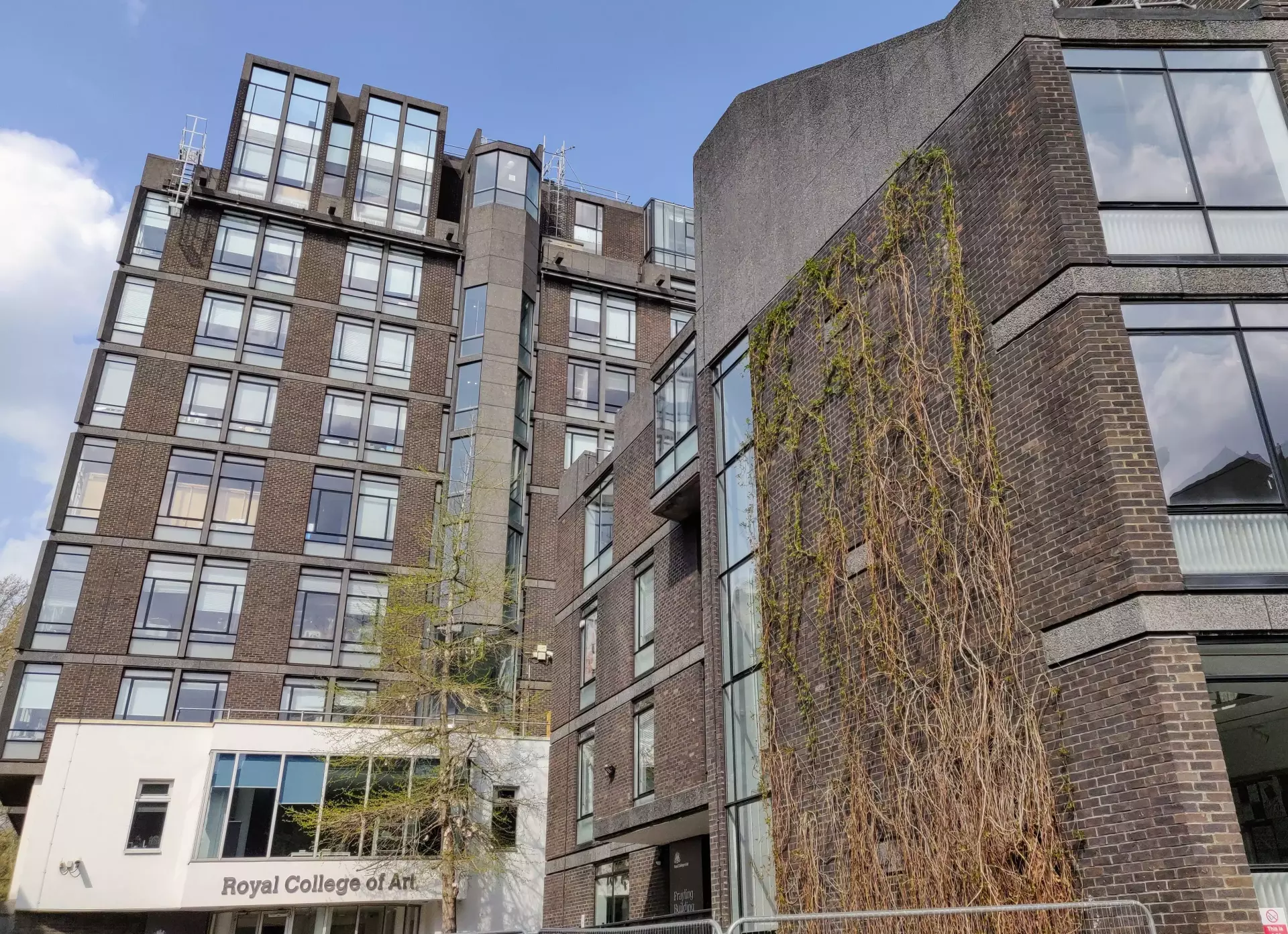
Royal College of Art
London, Great BritainA Victorian school, now a university with a mission to advance knowledge of the fine arts. Exhibitions are common. Times and admission charges vary but can often be free, although visitors may need to book tickets to certain events.
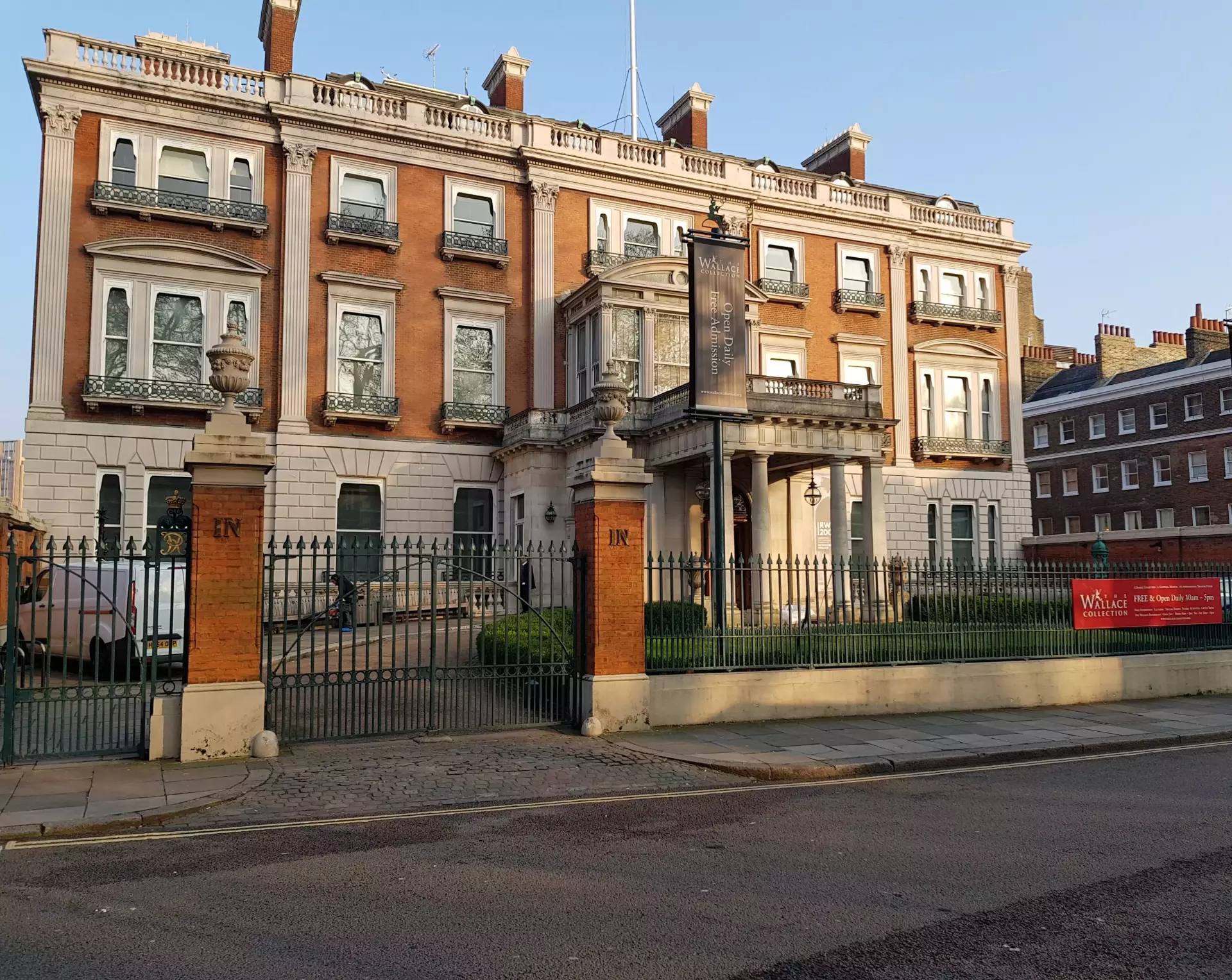
Wallace Collection
London, Great BritainThe Wallace Collection is one of the world's finest private art collections, the best known of which is Frans Hals's work The Laughing Cavalier. Other artists on display include Rembrandt, Titian, Poussin, and Reynolds. This is well worth escaping to after the hustle and bustle of Oxford Street.
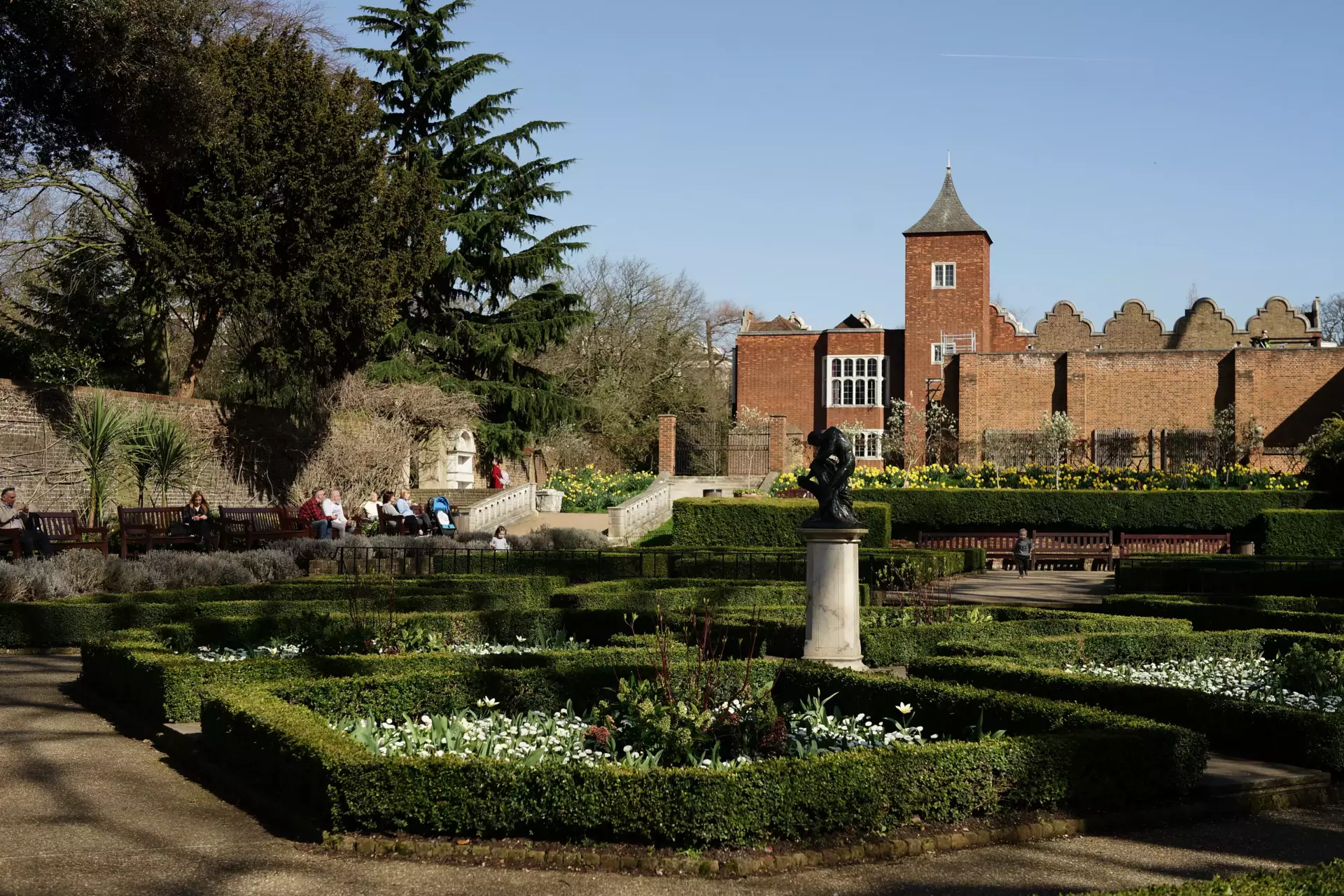
Holland Park
London, Great BritainOriginally the private garden of Holland House, much of which was destroyed in the London Blitz, Holland Park is a mixture of woodland, European and Japanese-style formal gardens and leisure facilities. It includes a large field dedicated to football and cricket, as well as tennis courts. As you walk around the park, you can see bits of the house dotted around the place which give you some idea of how grand it used to be. In the summer this is a great place to catch outdoor opera. An ecology centre near the police station provides information about the ecology of the park and arranges various activities for children. There is a café in the park that sells ice creams and hot food. The park is a popular way to walk from Notting Hill to Kensington High Street.
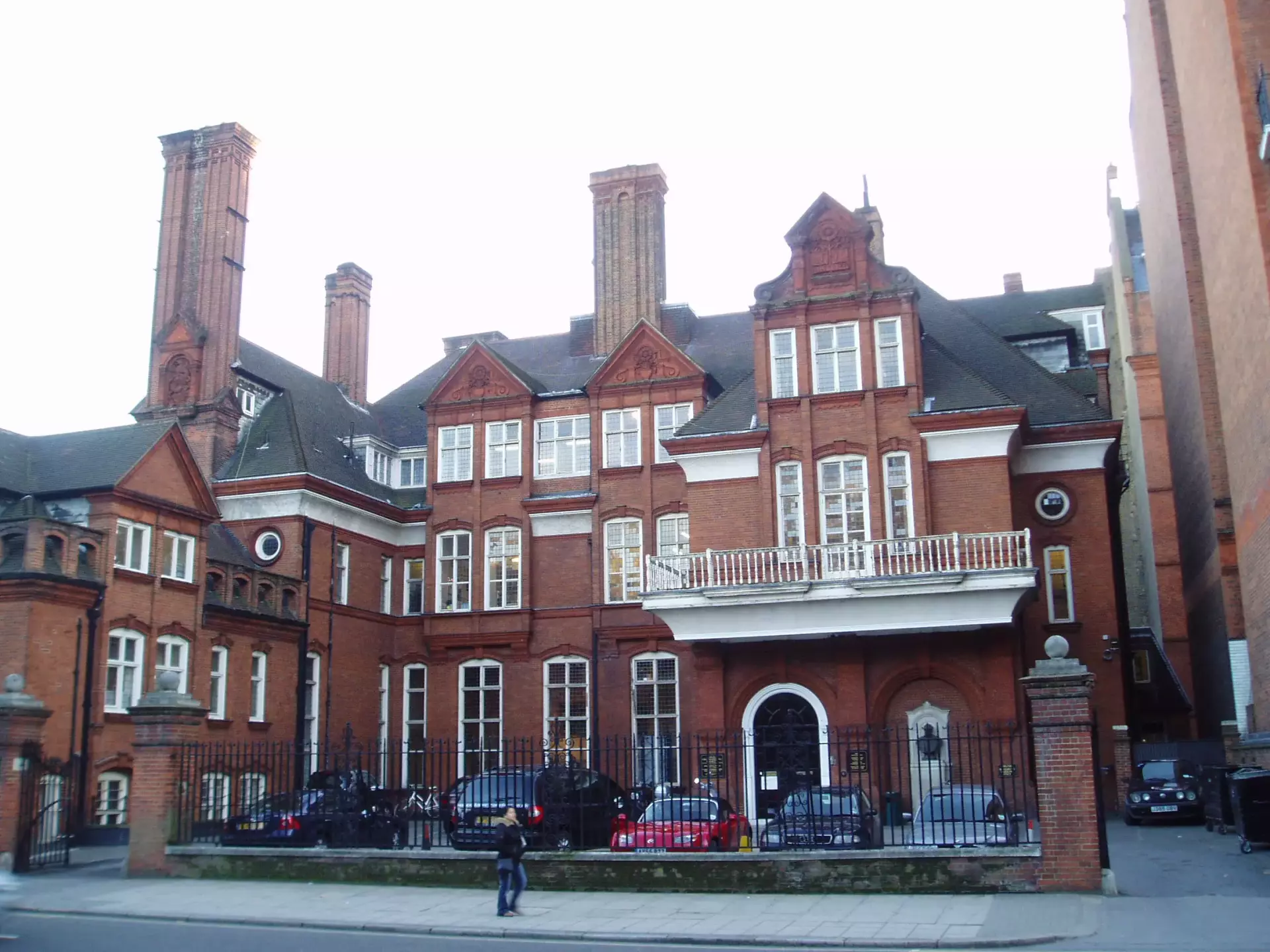
Royal Geographical Society
London, Great Britain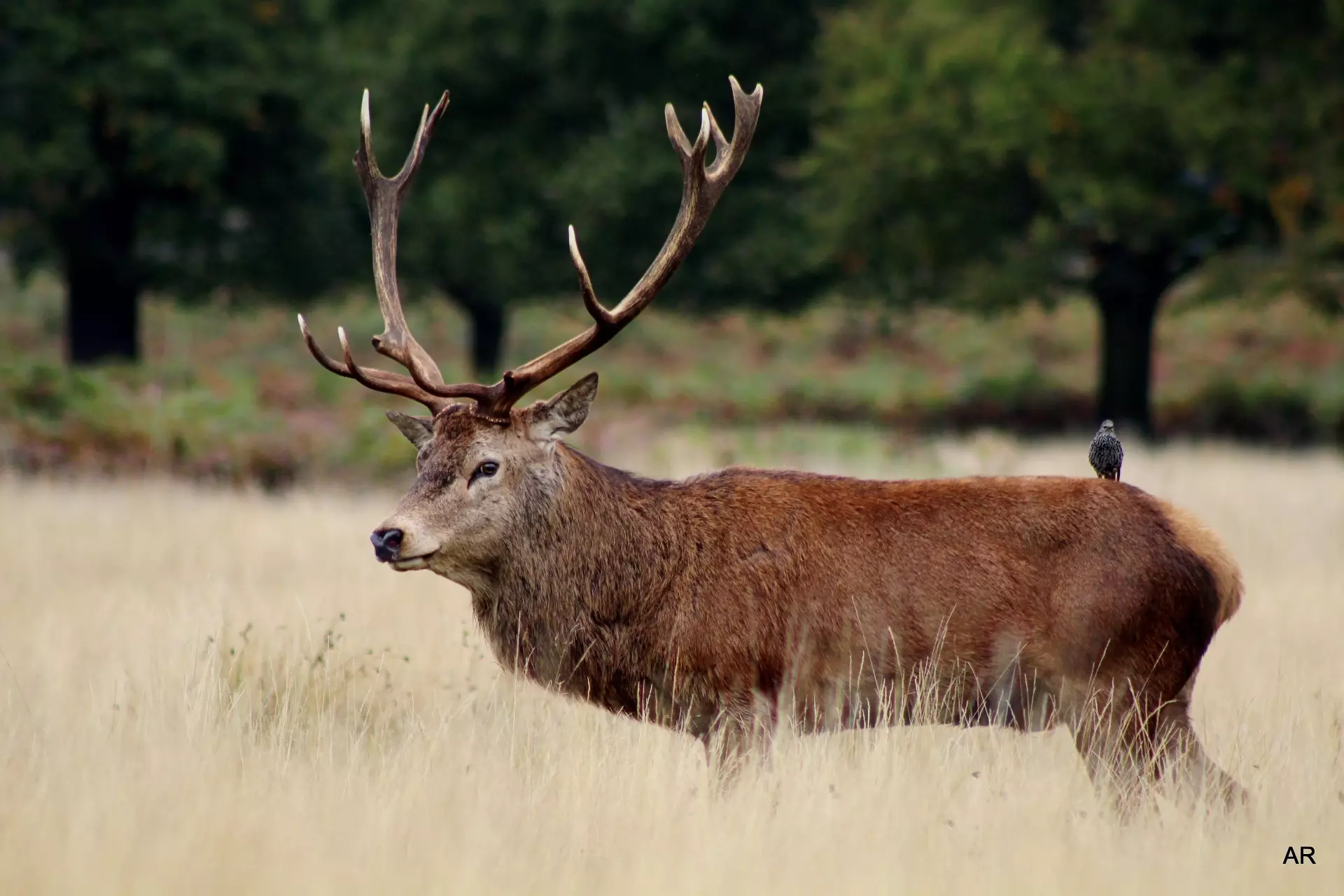
Richmond Park
London, Great BritainThe largest open space in London, covering almost 1,000 hectares (2,500 acres) and home to a huge array of wildlife, including 400 wild deer. Also contains the lush Isabella Plantation, which is full of trees and flowers, and the Royal Ballet School, seen in the film Billy Elliot. Popular with cyclists, both for the on-road perimeter circuit and the off-road trails. There are several car parks for walkers and picnickers.
Brompton Oratory
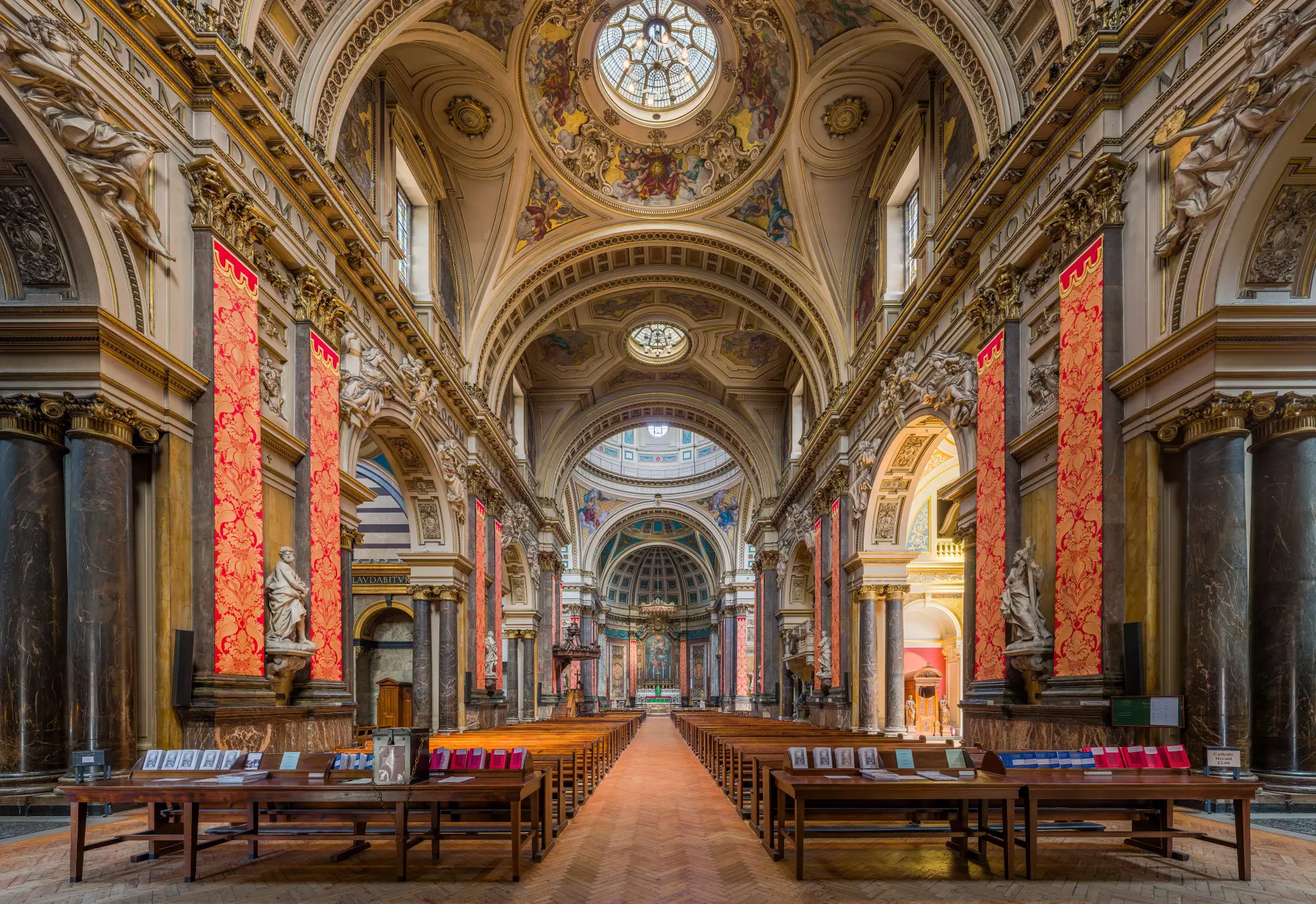
London, Great BritainBeautiful Italianate church created during the Catholic revival of the 19th century.
Apsley House
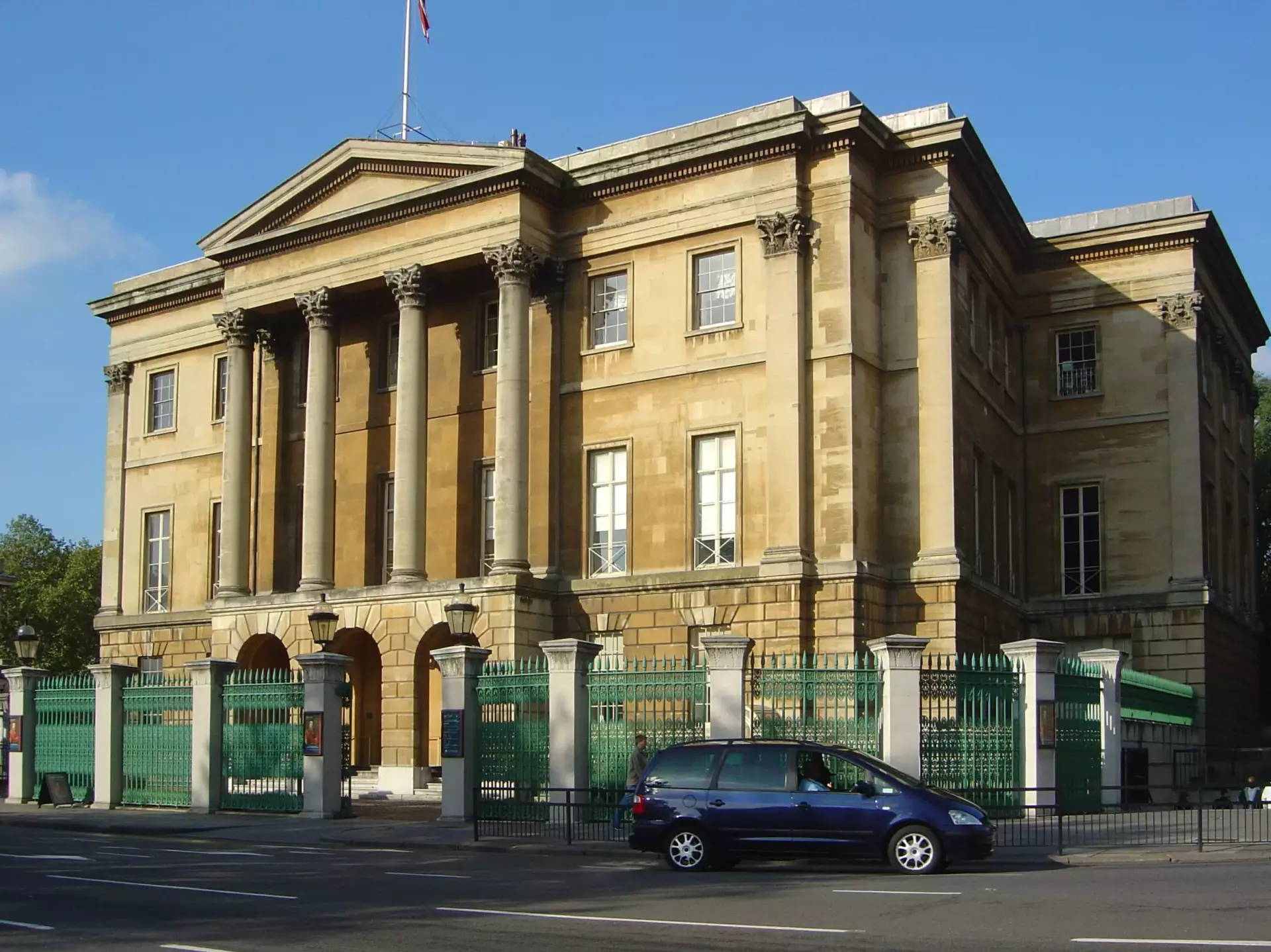
London, Great BritainThe London residence of the Dukes of Wellington, which now acts as a museum for the inaugural and most famous holder of the title. It boasts an impressive collection of paintings, sculptures, medals and swords. Perhaps the most bizarre item in Wellington's collection is a nude statue of Napoleon Bonaparte, commissioned by the emperor himself and bought by the British government following his defeat at the Battle of Waterloo as a gift for the duke.
London Dungeon
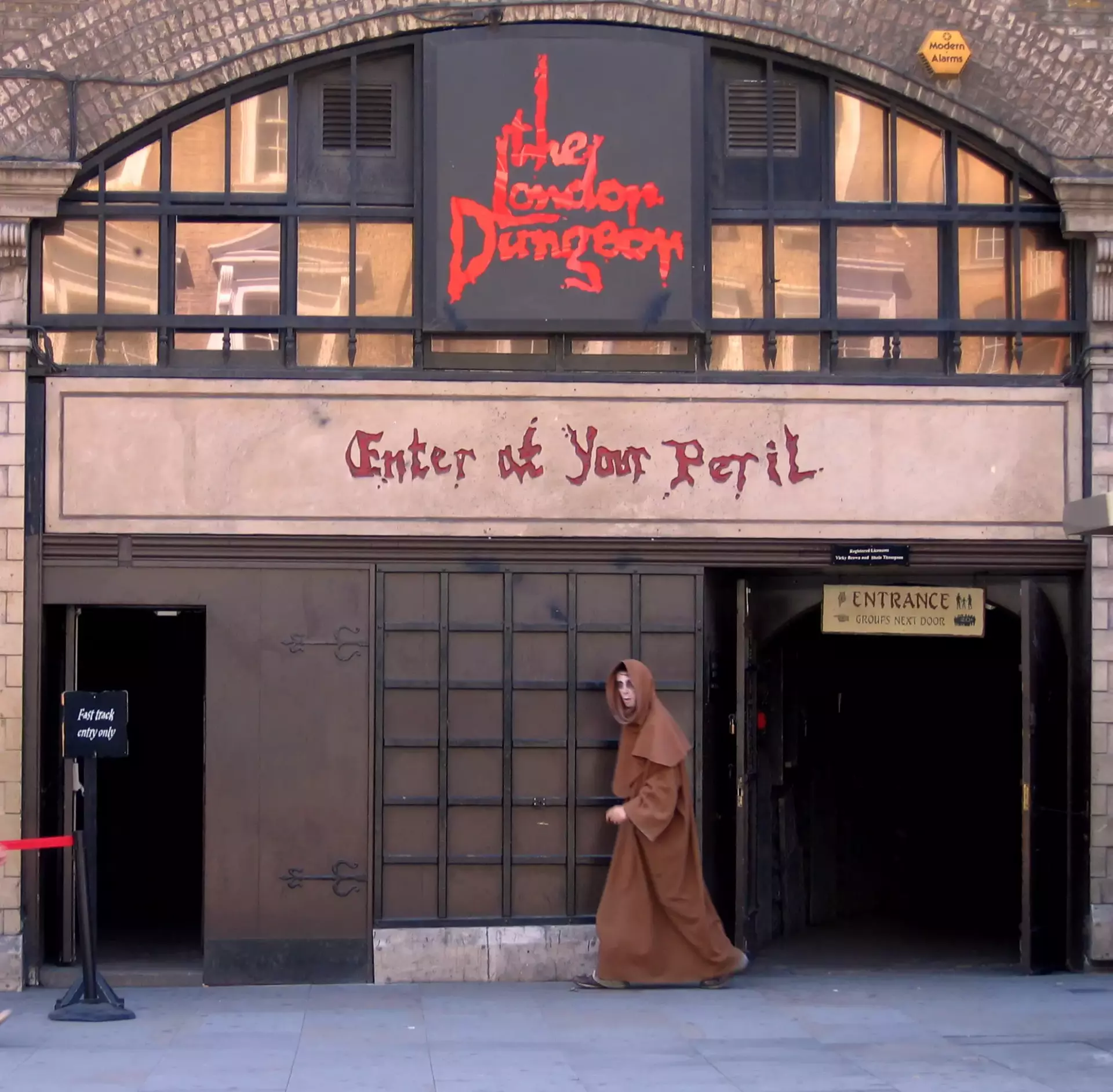
London, Great BritainAs with any Merlin attraction, it is arguably overpriced for what it is. Brings to life the gorier elements of London's past both real life and fictional. Including the execution of Charles I after the English Civil War, the bubonic plague, Jack the Ripper, Mrs. Lovett's pie shop and Sweeney Todd's barber shop with faithful recreations of disaster, disease, and torture using live actors. Younger children may be scared.
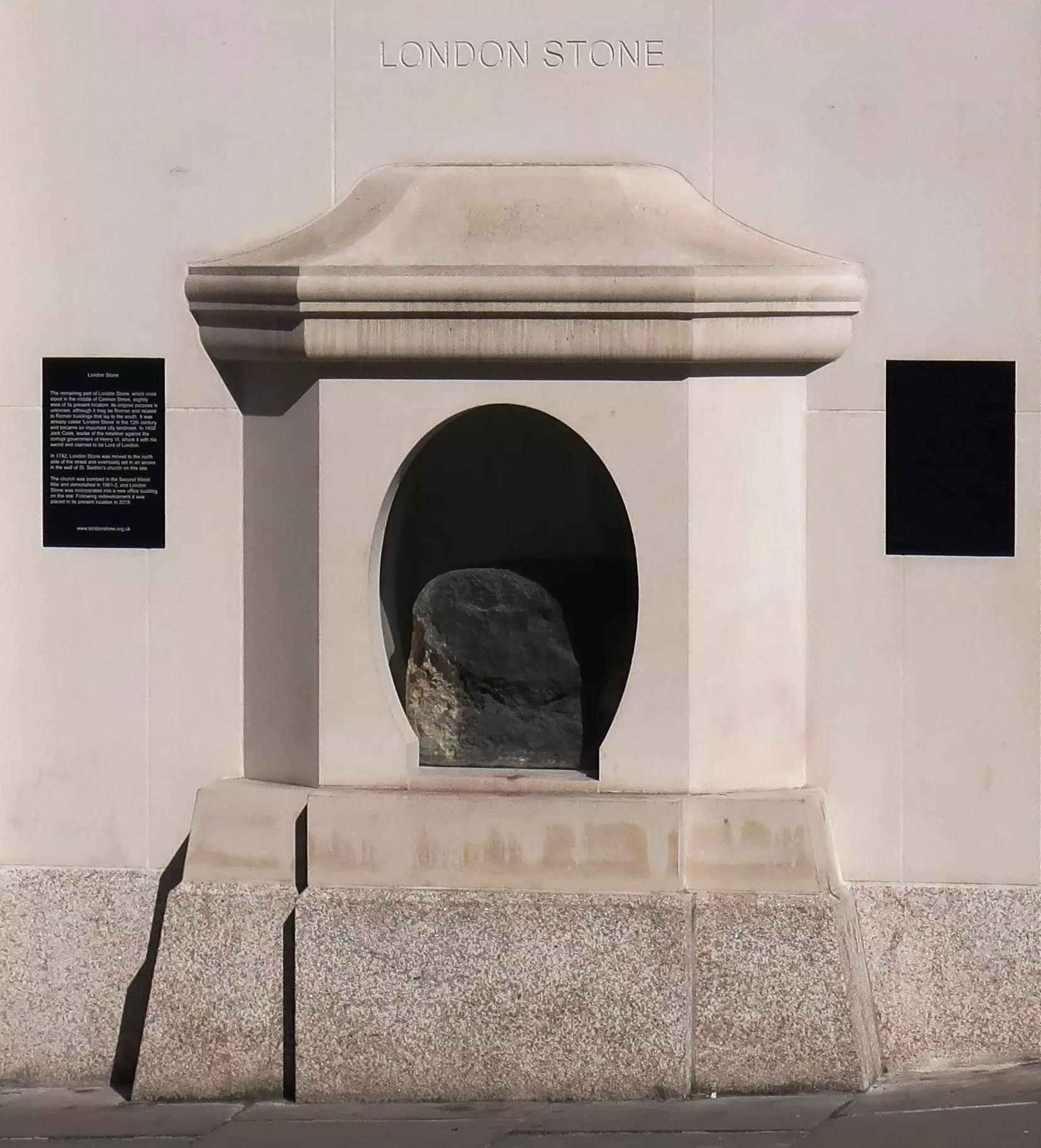
London Stone
London, Great BritainLondon Stone is a historic landmark housed in a public display case at 111 Cannon Street in the City of London. It is an irregular block of oolitic limestone measuring 53 × 43 × 30 cm (21″ × 17″ × 12″), the remnant of a once much larger object that had stood for many centuries on the south side of the street.
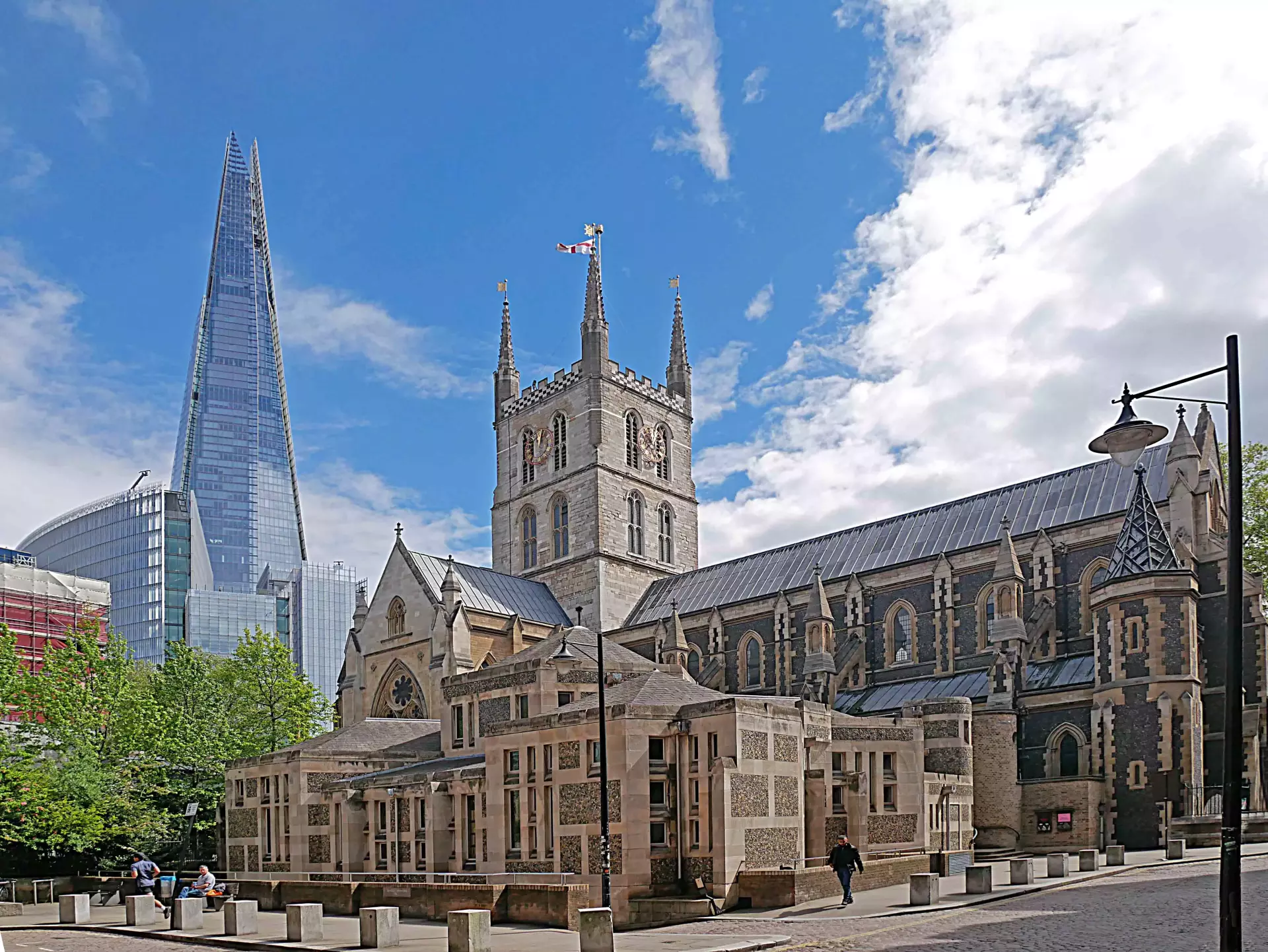
Southwark Cathedral
London, Great BritainNot as popular with tourists as St Paul's north of the river, Southwark Cathedral has been the site of worship since the year 852. Literally in the shadow of London Bridge, the Cathedral is a shelter from the noise of the city. Next to the Cathedral is the Borough Market open Th-Sa with a wide range of speciality food to buy, a good area for lunch.
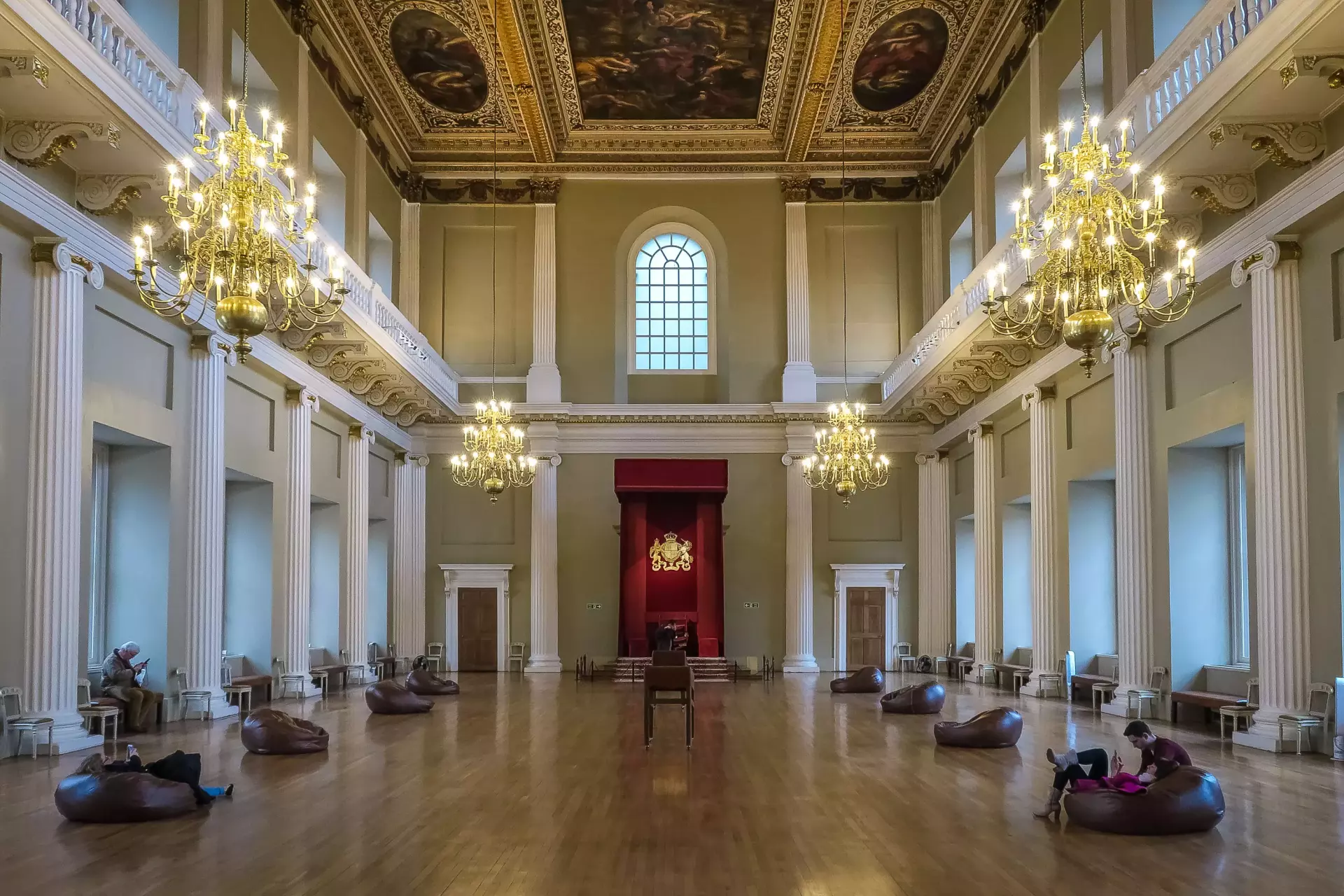
Banqueting House
London, Great BritainDesigned and built in 1619-1622 by the Neo-Classical architect Inigo Jones, The Banqueting House is now all that remains of Whitehall Palace, the sovereign's principal residence from 1530-1698 when most of it was destroyed by fire. Renowned for its architecture and paintings (by Rubens, among others), the building is also famous for being the scene of Charles I's execution in 1649 at the end of the English Civil War.
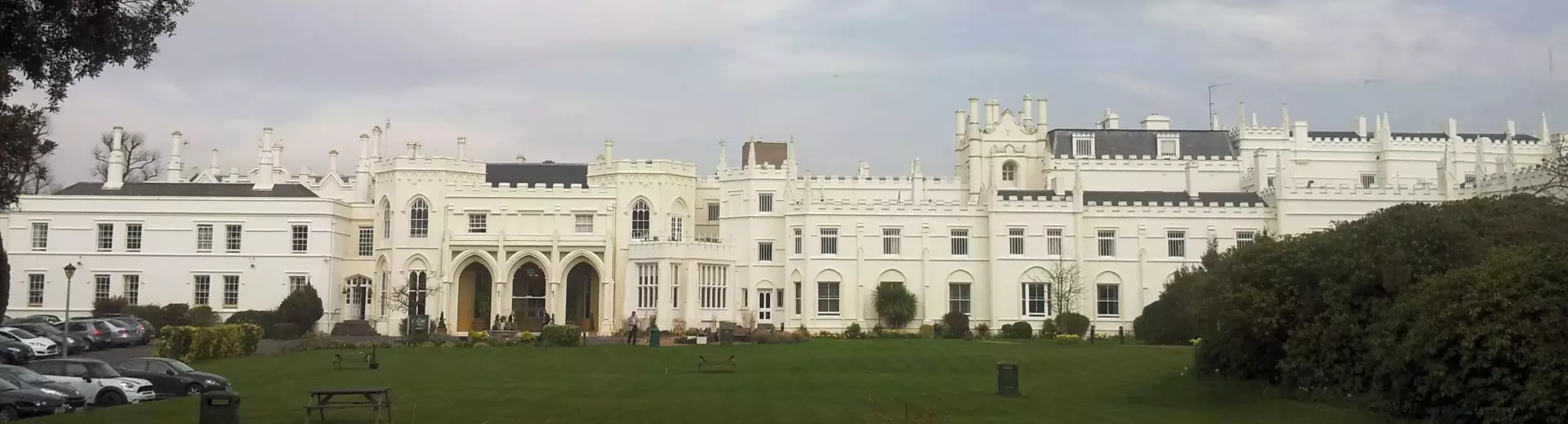
Strawberry Hill House
London, Great BritainEccentric Gothic home of 18th-century poet and author, Horace Walpole, son of England's first prime minister.
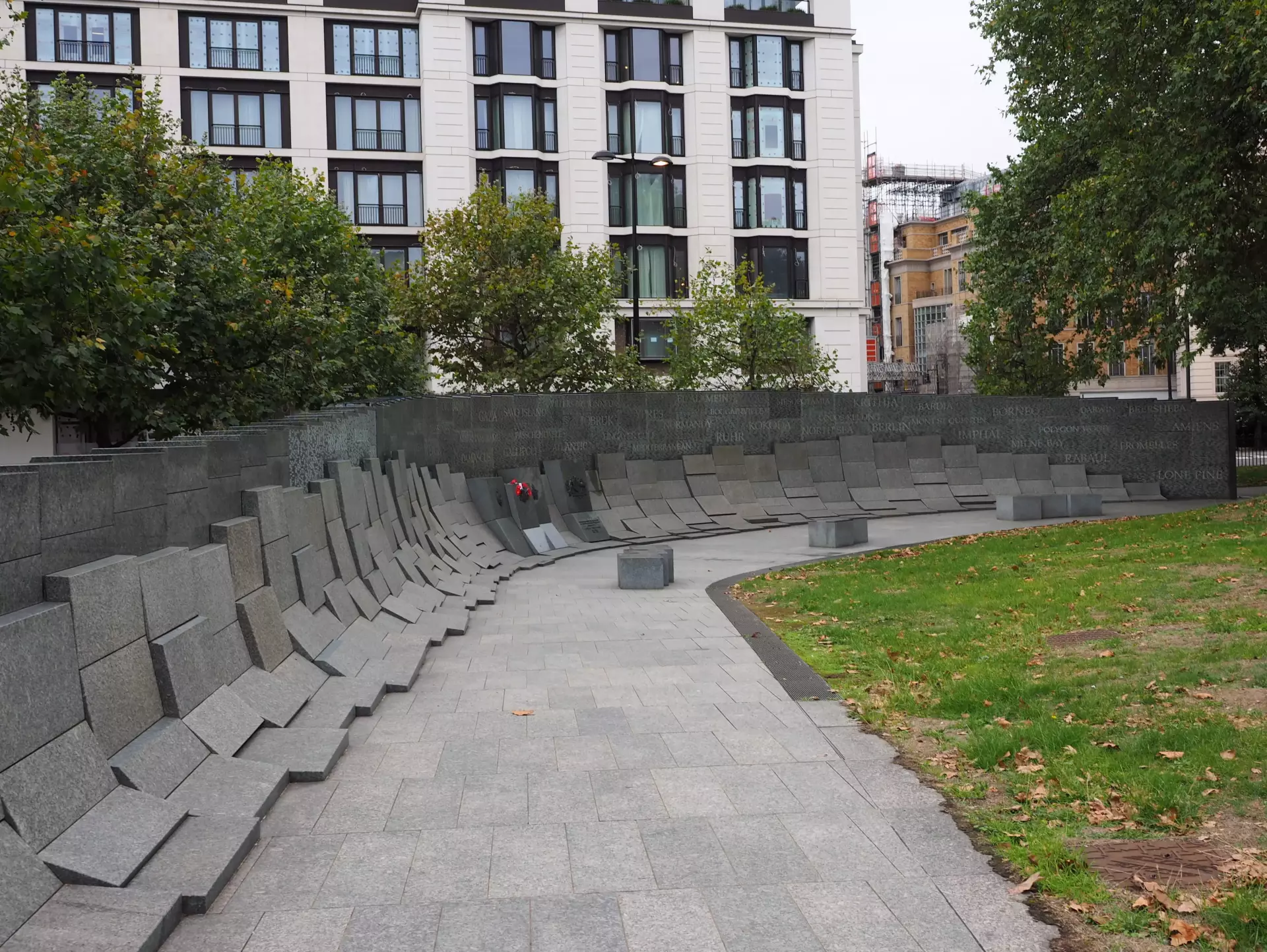
Australian War Memorial
London, Great BritainCreated by Tonkin Zulaikha Greer and Janet Laurence to remember the Australians who died in both world wars. Made from Australian granite.
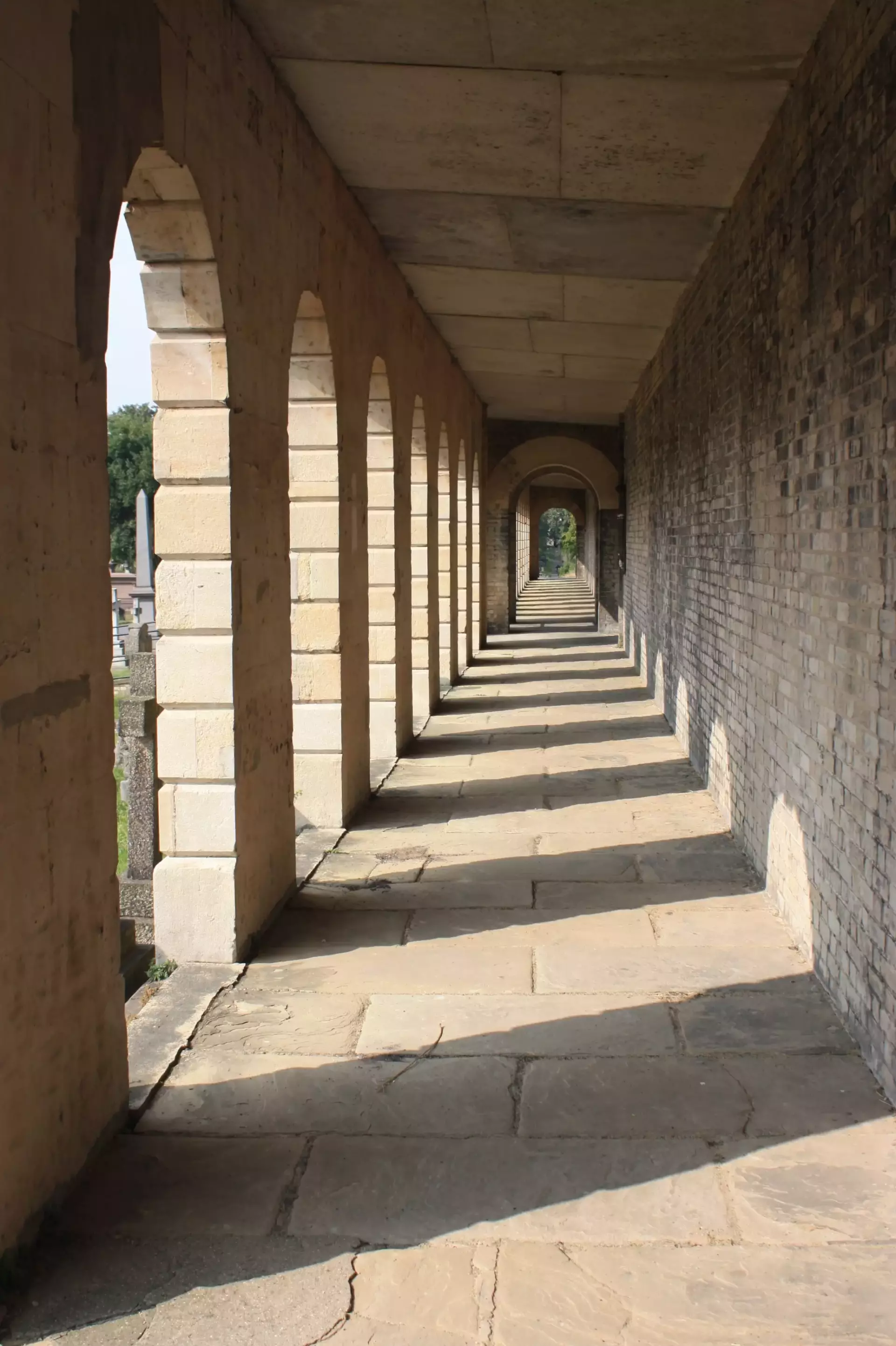
Brompton Cemetery
London, Great BritainOne of the "Magnificent Seven" old cemeteries in London. Graves range from plain to ornate and the site can be a tranquil place to walk amid the bustle of the city. It was opened in 1840 and is still a working cemetery, although it was closed for some time in the late 20th century. Can be nice, if morbid, for an afternoon stroll, especially as a route (and cycle route) between Old Brompton Road and Fulham Road.
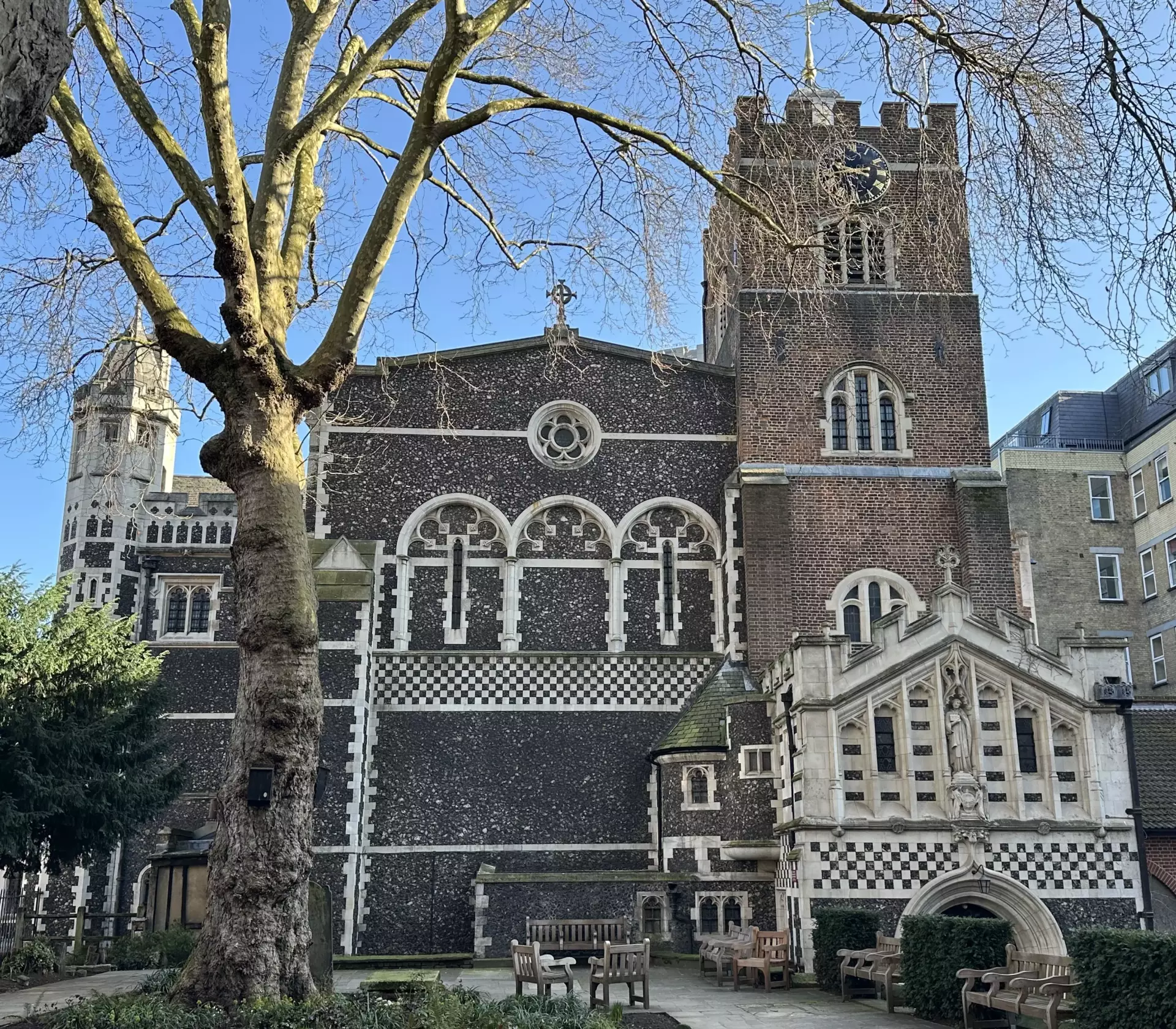
St Bartholomew-the-Great
London, Great BritainFounded in 1123, by jester-turned-monk Rahere, this Norman church is one of the oldest in London. It was damaged in the Dissolution but managed to escape both the Great Fire and the Blitz. This is a Grade I listed building. Tourists are welcome when services are not in progress and are charged an admission fee (which does not apply to those coming to pray or use the café).
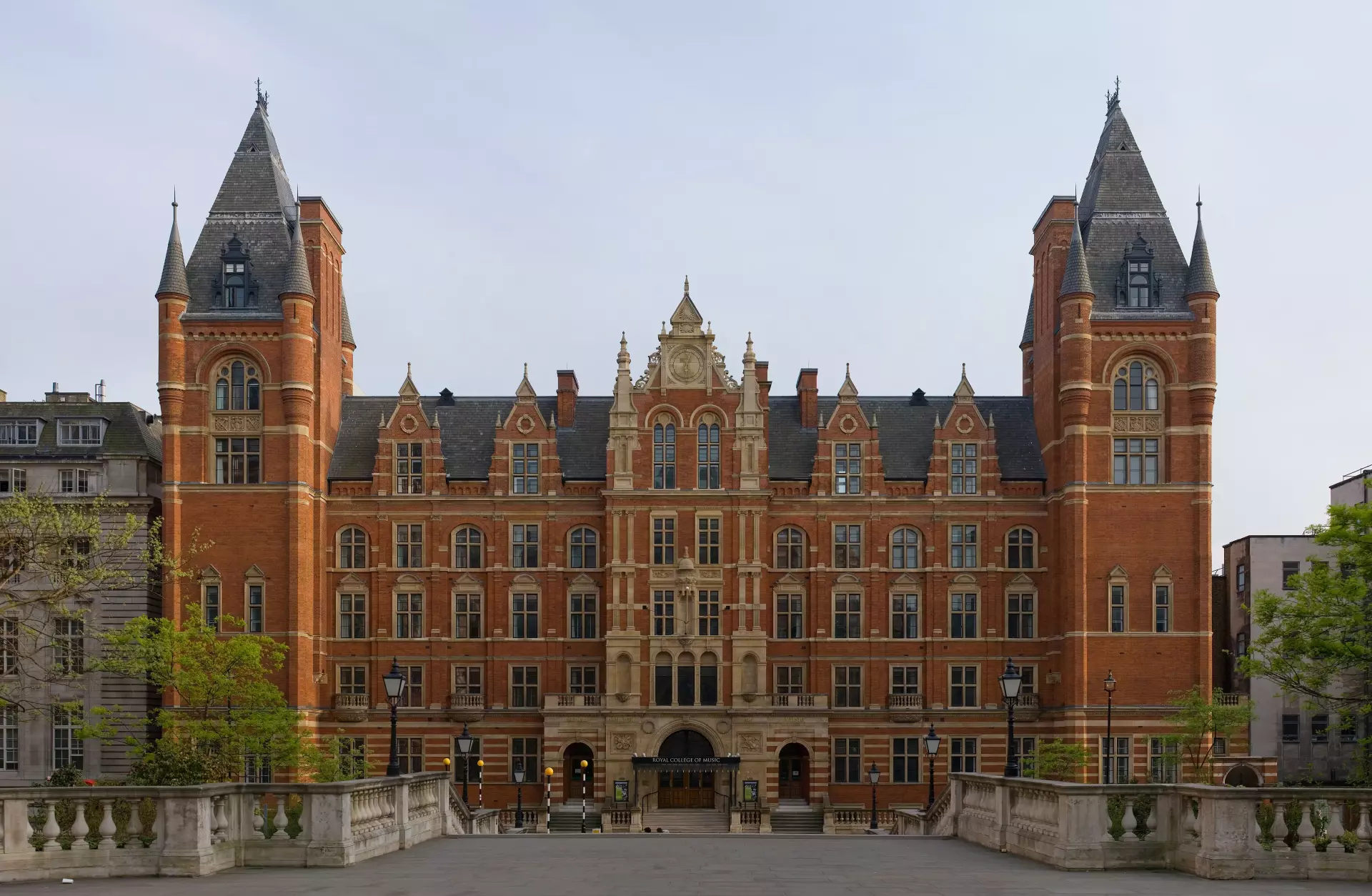
Royal College of Music
London, Great Britain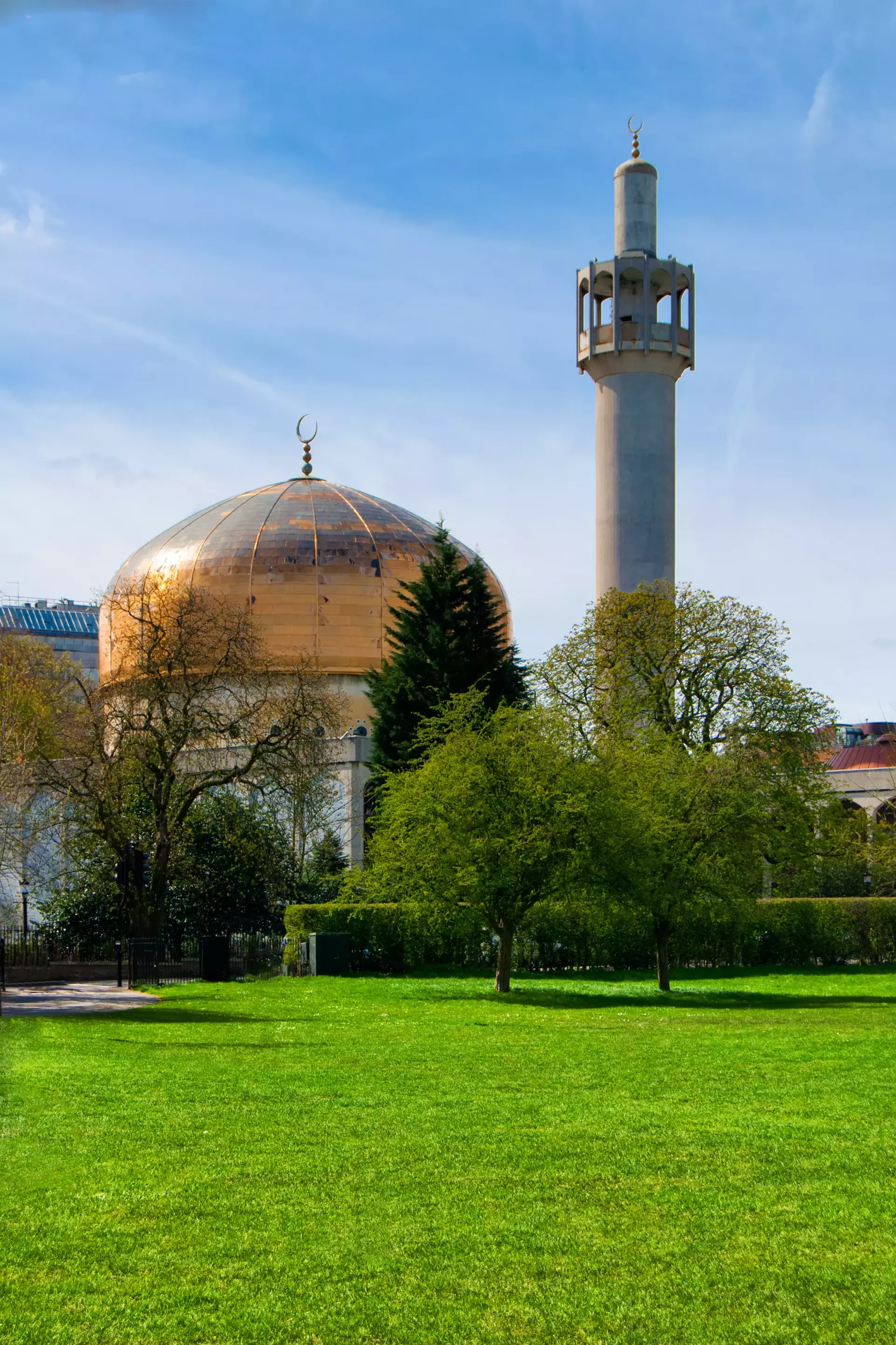
London Central Mosque
London, Great BritainIslamic Cultural Centre and the main mosque in London. Visitors are welcome but must be suitably attired. The Mosque runs classes, prayers, talks and events.
The Serpentine
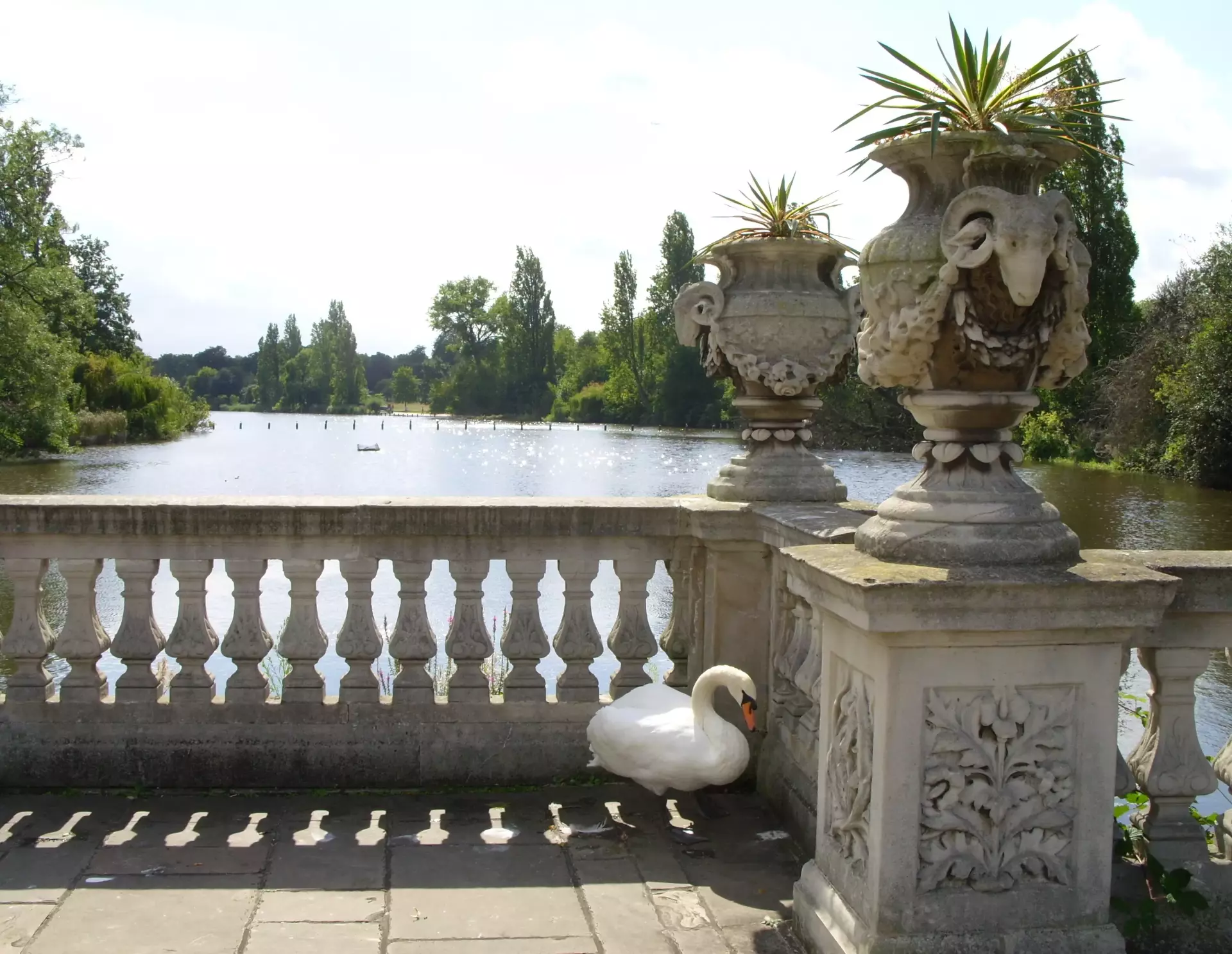
London, Great BritainThe Serpentine is a long, thin artificial lake within Hyde Park which contains a range of waterfowl and fish. It was first made by damming the River Westbourne but it is now fed by three boreholes. The western end of the lake is actually in Kensington Gardens, in which it is called The Long Water. Swimming and boating are popular activities on the Serpentine; see 'Do' section.
Wellington Arch
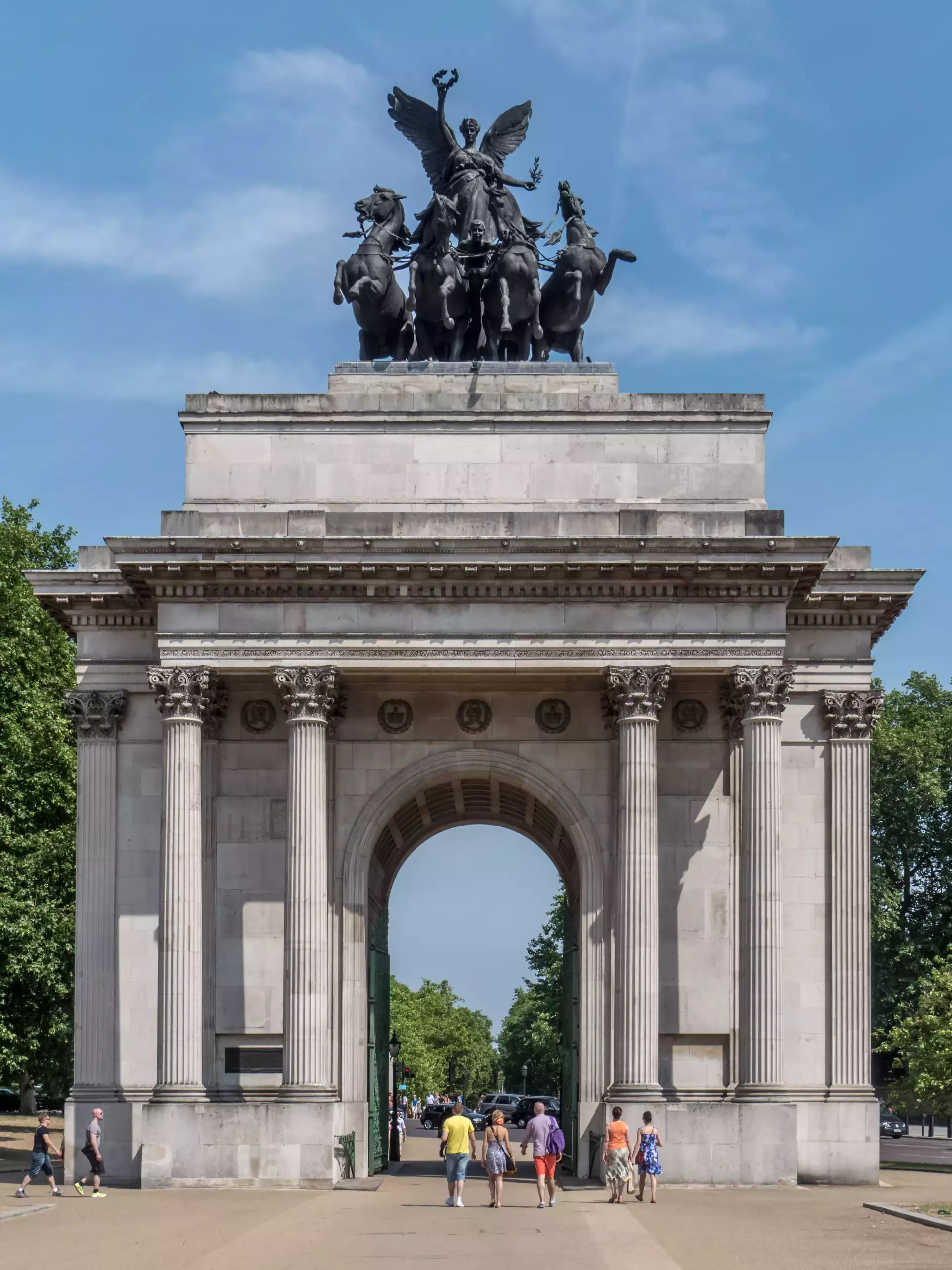
London, Great BritainA neoclassical triumphal arch, designed by Decimus Burton and first erected in 1826 as a grand entrance to Buckingham Palace. From 1846 onwards, the arch was topped with a massive equestrian statue of the Duke of Wellington - a major road widening of Piccadilly in 1882 was the opportunity to finally remove the over sized statue to Aldershot. The present magnificent statue Peace Descending on the Quadriga of War was placed on top of the Arch in 1912, and remains today the largest bronze sculpture in the United Kingdom, spectacularly lit at night. During the 1950s, the arch served as the smallest police station in the city, when it was occupied by ten constables, two sergeants and a cat! The arch was opened to the public for the first time in 2001 after a £1.5 million restoration by English Heritage. (Wellington Arch is also available for corporate and private events, with dramatic views down Constitution Hill and across central London from the Arch's spacious balconies, Wellington Arch is a novel and unique place to impress your guests).
Clapham Common
London, Great Britain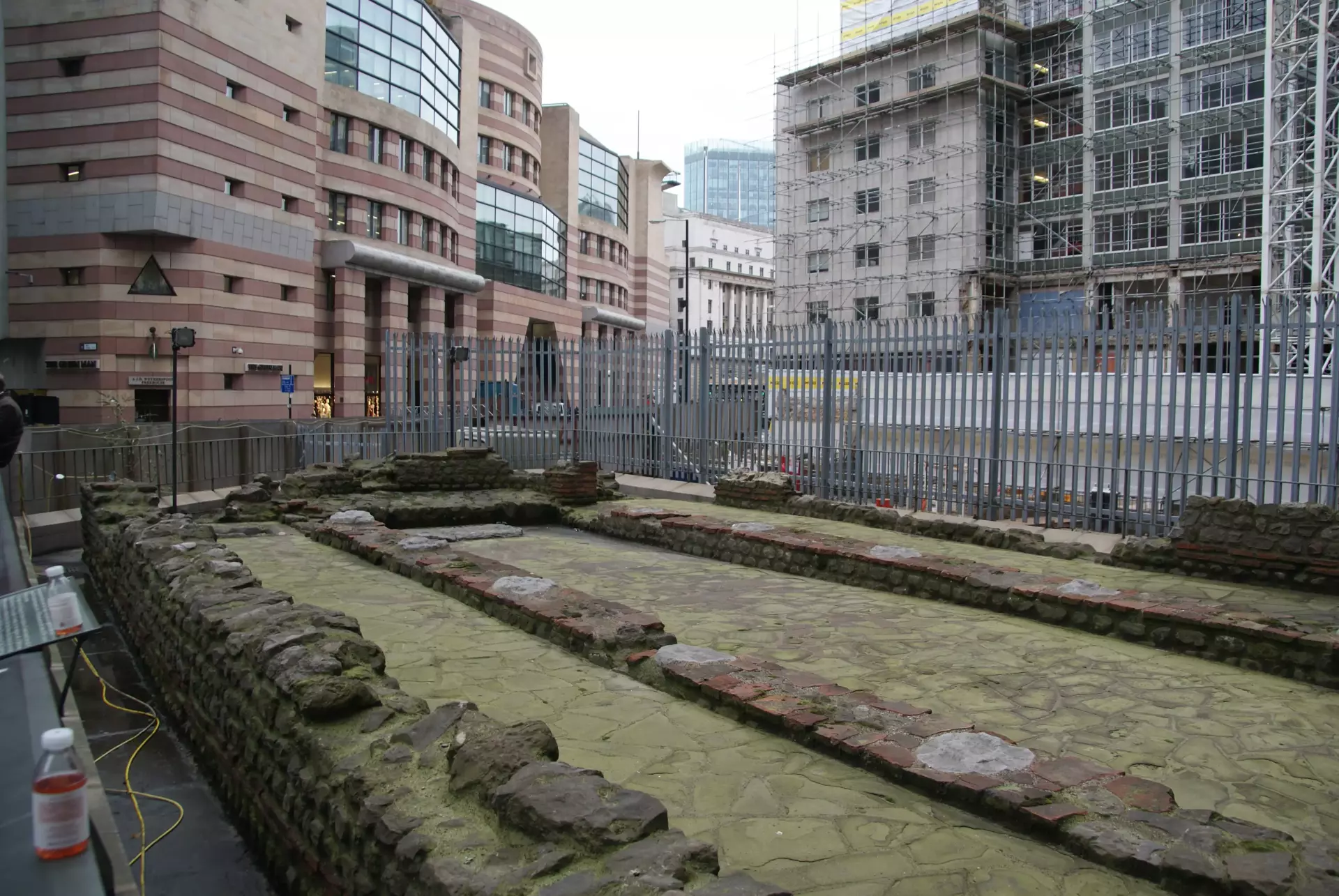
London Mithraeum
London, Great BritainThe London Mithraeum is a 3rd century Roman mithraeum that was discovered in Walbrook during construction work in 1954. The entire site was relocated several times before being returned to its original site as part of the new Bloomberg building. This temple of the mystery god Mithras became perhaps the most famous 20th-century Roman discovery in London. In addition to the temple structure, there is a display of Roman artefacts found on the site and a contemporary art exhibit responding to the site. Visitor numbers are limited and timed slots are often fully booked up several weeks into the future so plan well ahead.
Sherlock Holmes Museum
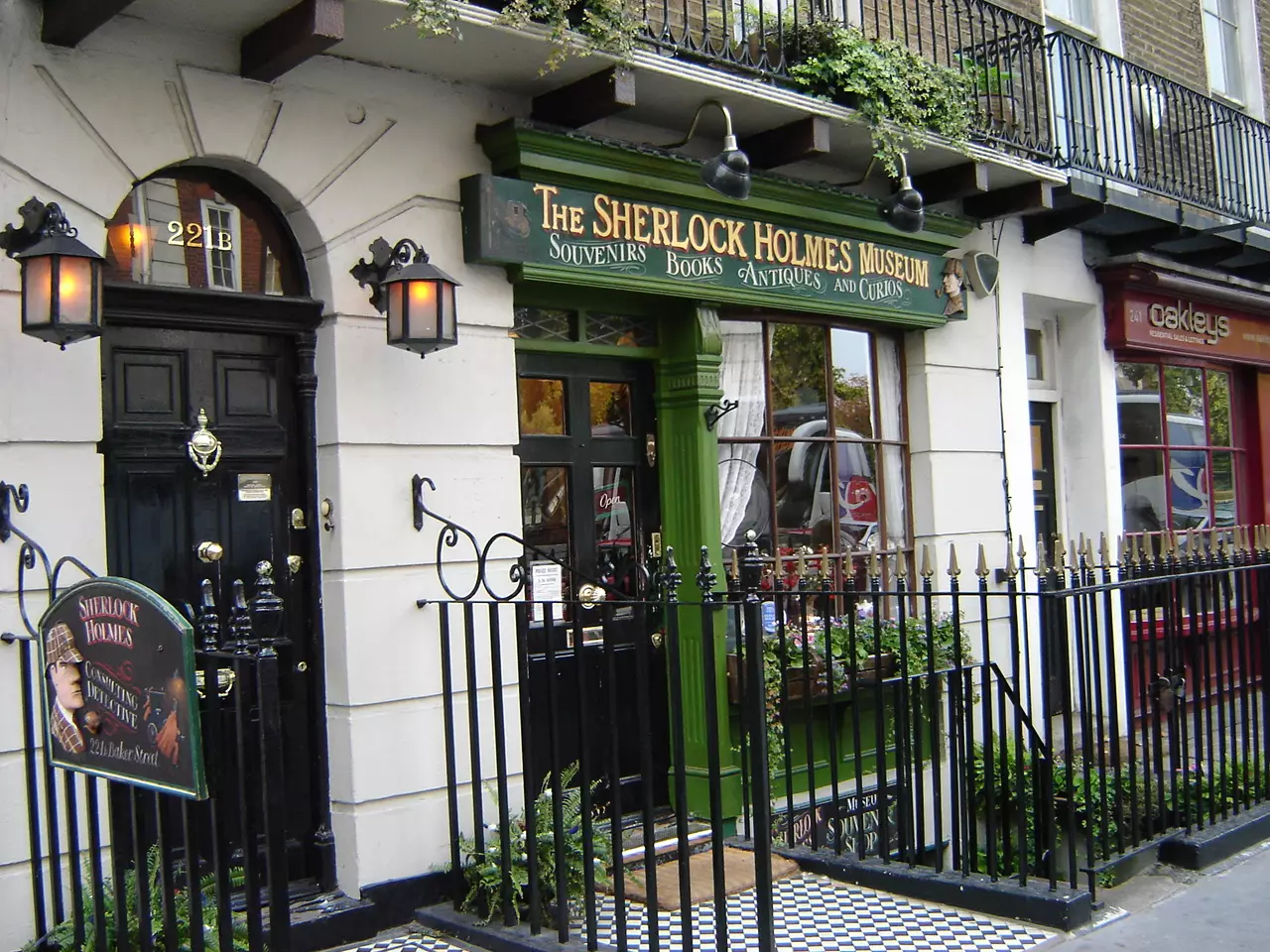
London, Great BritainDiscover mementoes of the famous fictional detective. In reality, this was a lodging house used in the late 1800s and has three floors. The first floor contains Sherlock Holmes' study with Watson's desk, and has bullet holes spelling the initials VR (for Victoria Regina, Latin for Queen Victoria) much to the chagrin of the landlady Mrs. Hudson. Next to that is Holmes' bedroom with a rogues' gallery containing photographs of several notable Victorian-era murderers including Lizzy Bourdain. The remaining rooms upstairs have waxwork figures and artefacts referencing the novels, as well as their adaptations to stage and screen. Photography allowed, though filming requires permission. Prebooking is recommended to circumvent long queues.
Russell Square
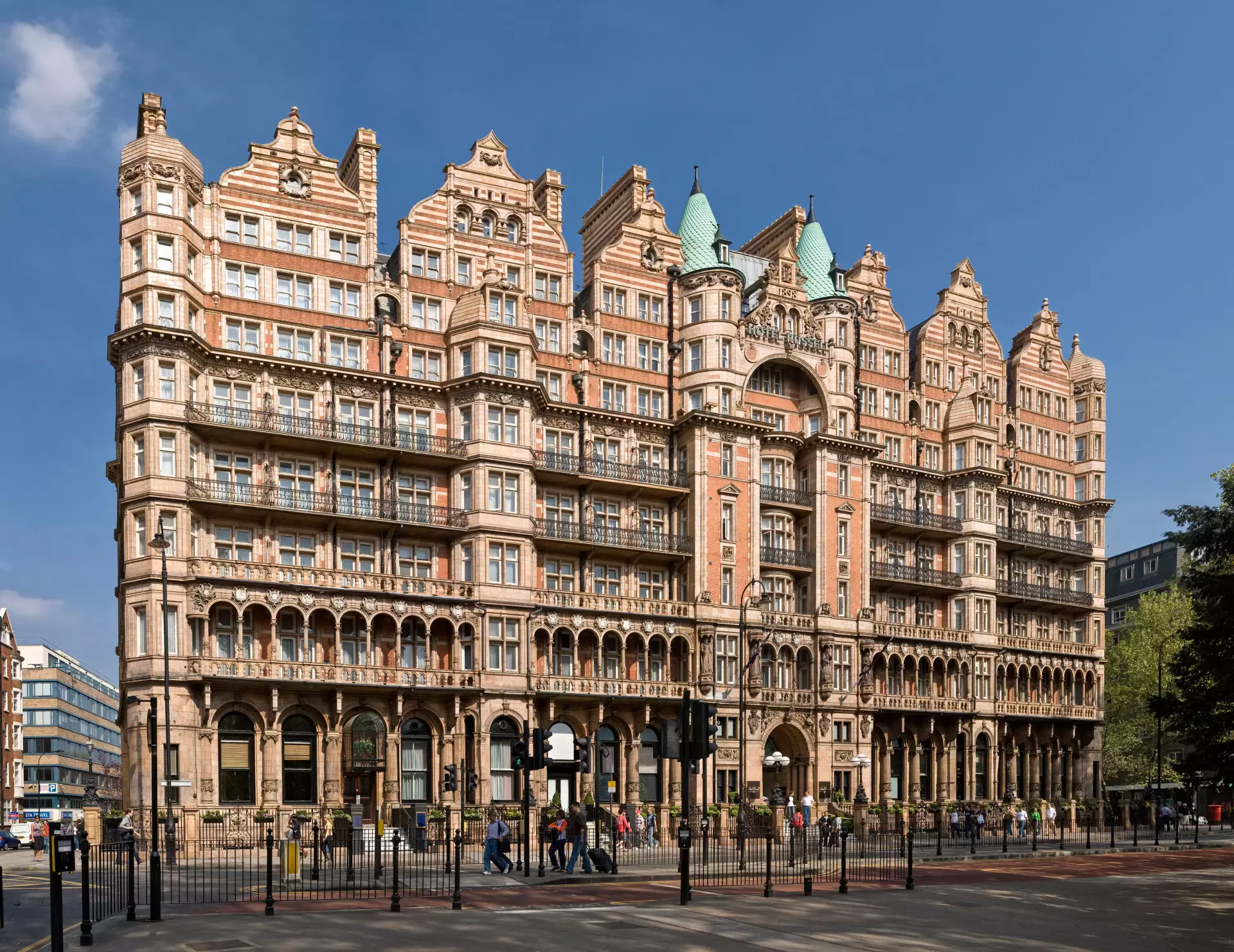
London, Great BritainThe largest square in London. It was established in 1806 by the 5th Duke of Bedford and his statue can still be seen in the square. There is also a café.
Duke of Wellington
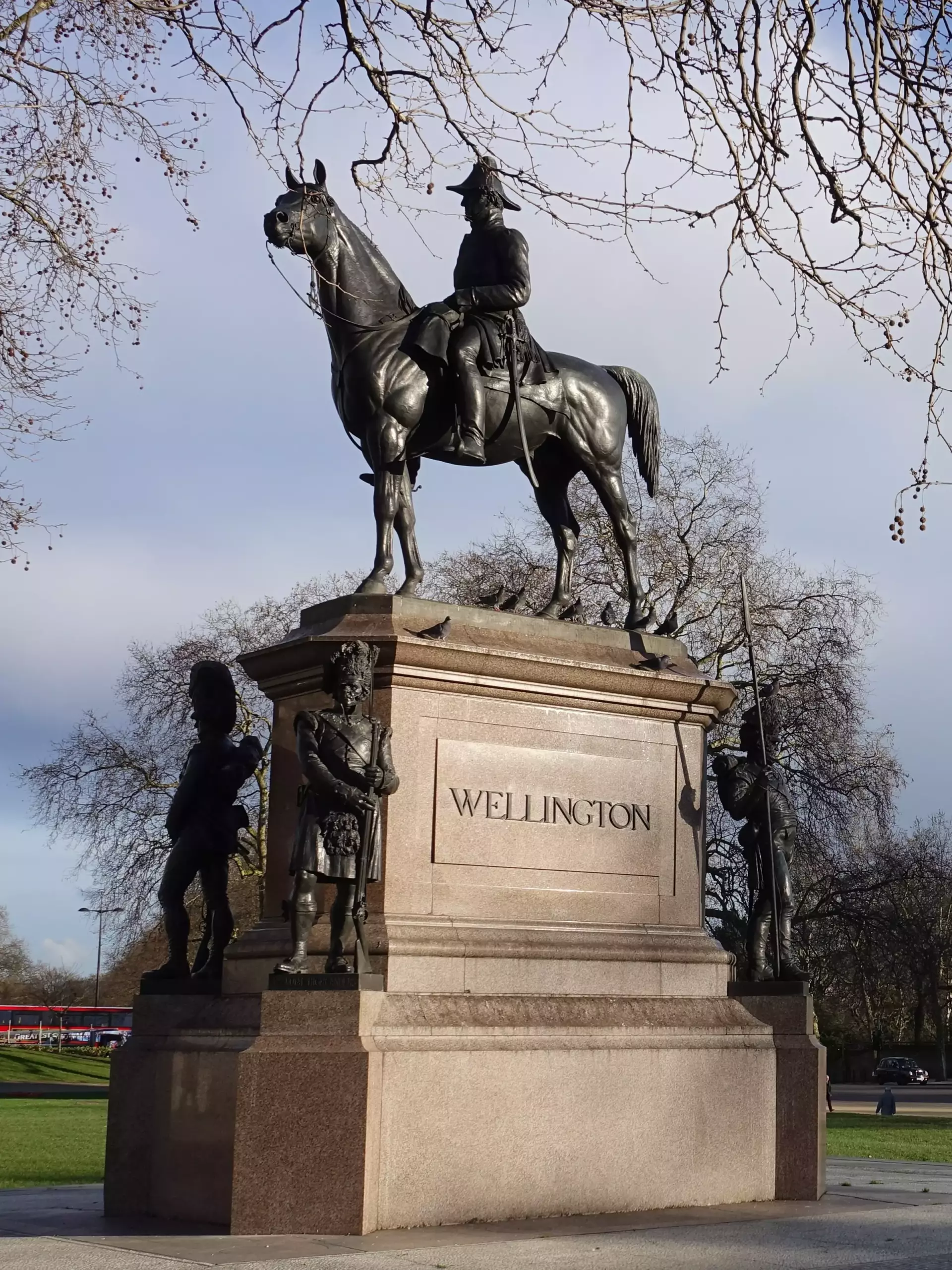
London, Great BritainEquestrian statue of the Iron Duke, with four soldiers at each corner of the pedestal, representing regiments that fought under him: a Grenadier, Scottish Highlander, Irish Dragoon, and Welsh Fusilier. The bronze came from melting down captured French cannons.