
Tourist attractions in London
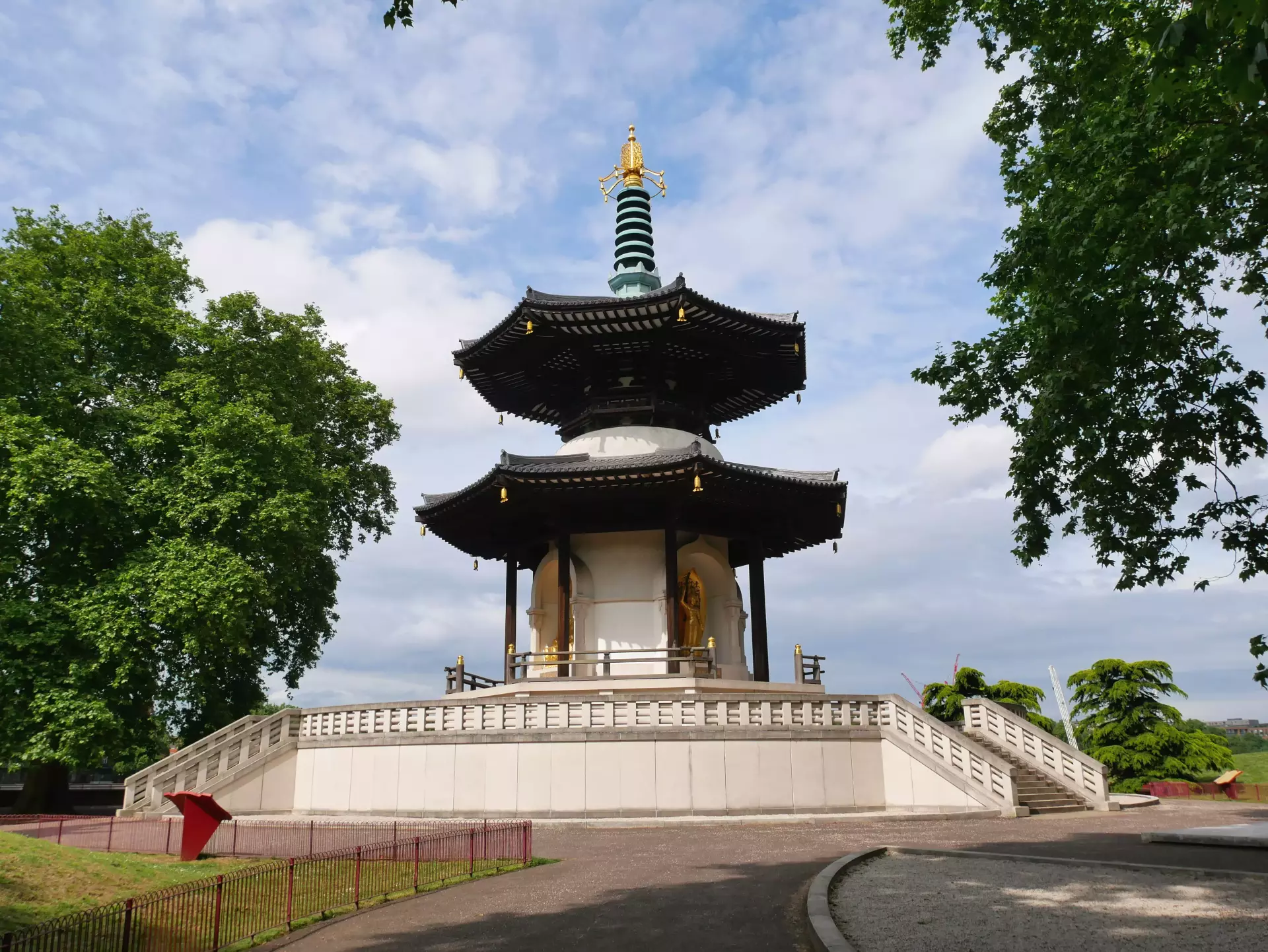
Battersea Park
London, Great BritainA lovely park on the southern banks of the Thames known or its wildlife and some splendid examples of mature trees.
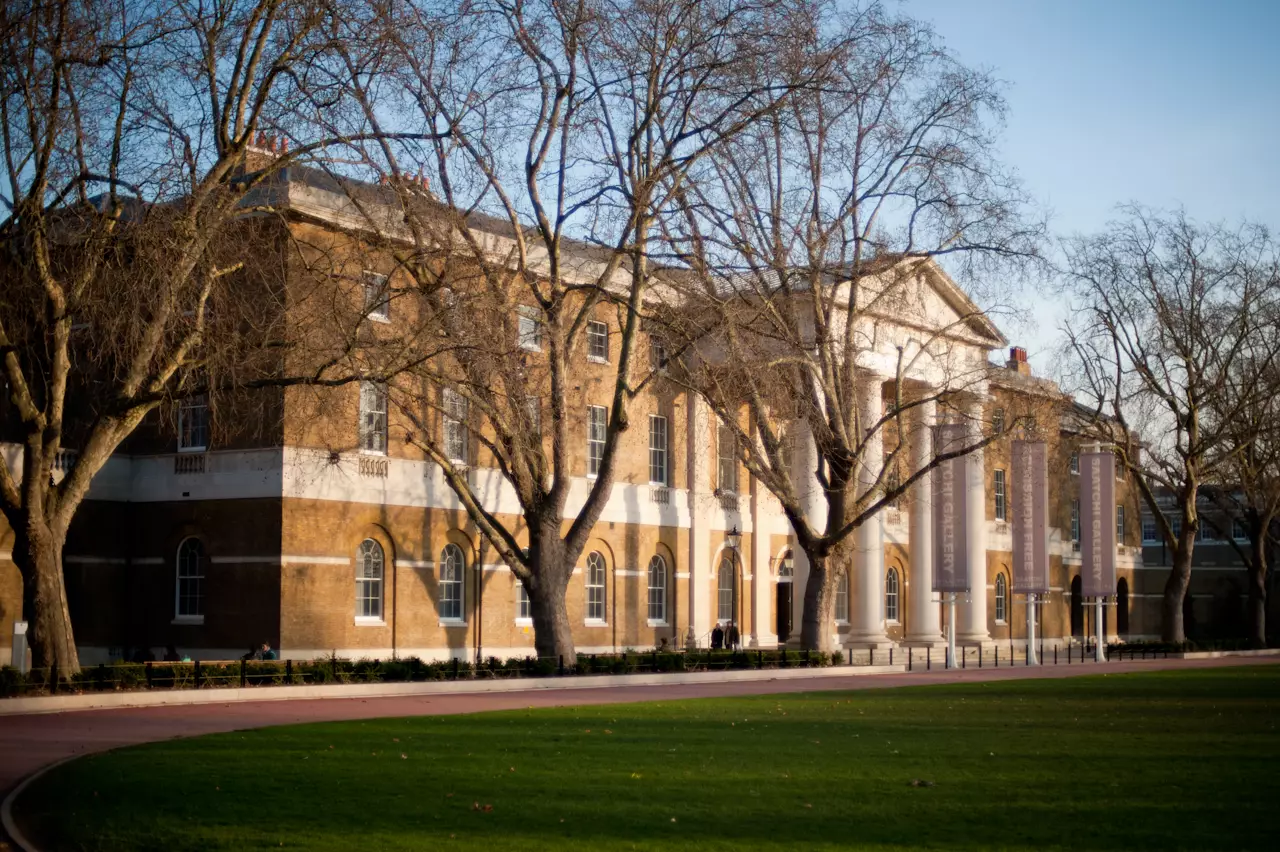
Saatchi Gallery
London, Great BritainPrestigious contemporary art gallery worth a visit.
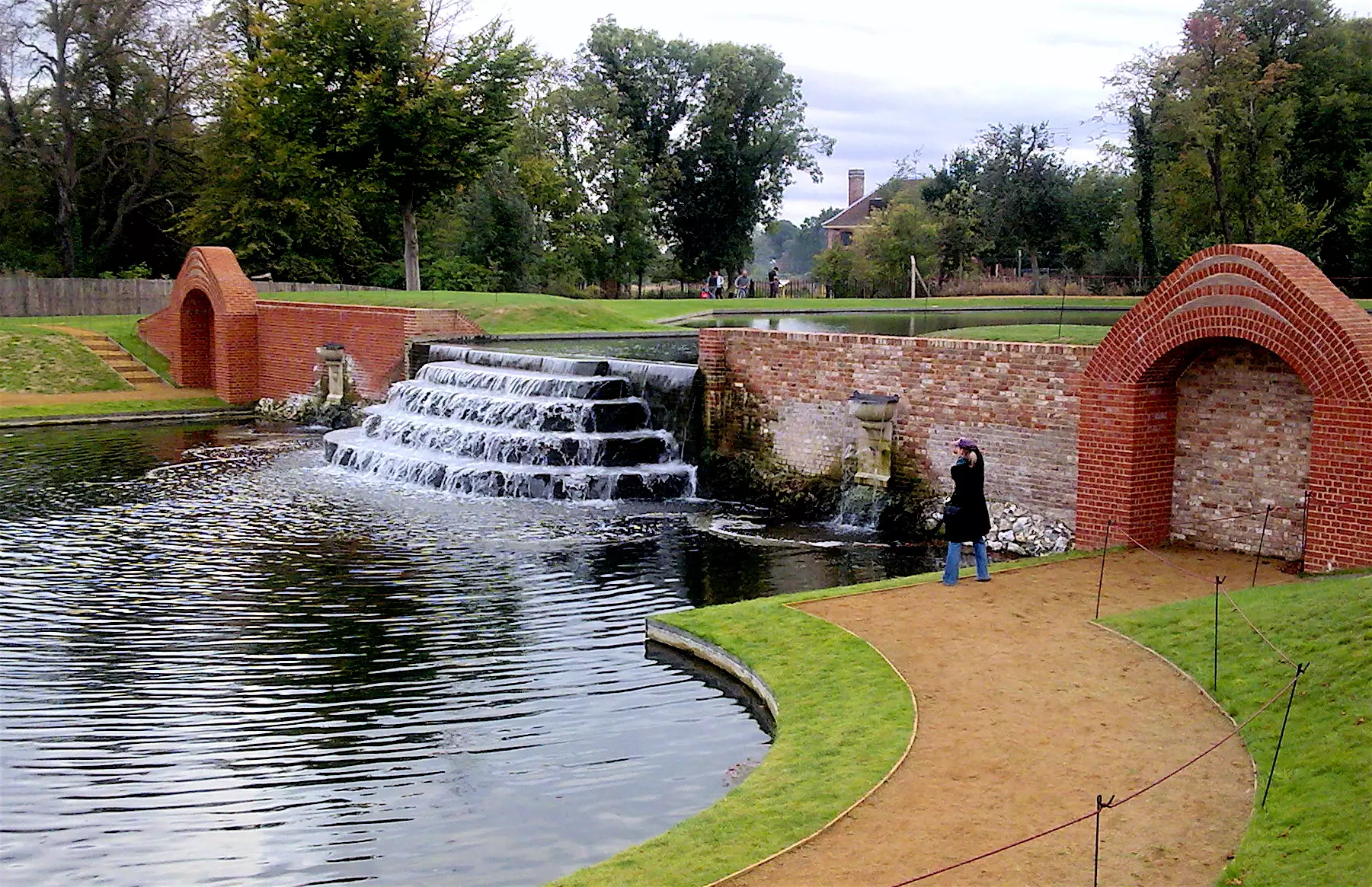
Bushy Park
London, Great BritainThe second largest of the London Royal Parks, covering an area of 450 hectares (1,099 acres). Lying north of Hampton Court Palace, the history of the park is inextricably linked to the palace, yet it has always had its own distinct rural character. There are herds of both Red Deer and Fallow Deer, they are wild but usually safe, just don't go too close or get between a hind and its calf. The D-Day linked bits are easiest found from the Teddington side. Go through SHAEF gate and there is an information board. You should be able to spot a flagpole a hundred yards into the park, this marks the spot where General Eisenhower had his office, if you have time, or children who are up for a challenge, there are bronze markers with combined British and Canadian and US flags at the corners where the main buildings of Camp Griffiss were. The partially restored early 18th-century baroque water gardens are a short walk from the Hampton Hill gate. The park is subdivided by Chestnut Avenue, Christopher Wren's grand approach to Hampton Court Palace which runs from Teddington Gate to Hampton Court Gate and with the gilded Diana fountain closer to the Palace end (you may have seen it as location for the finish line of some of the cycling events at the 2012 Olympics).
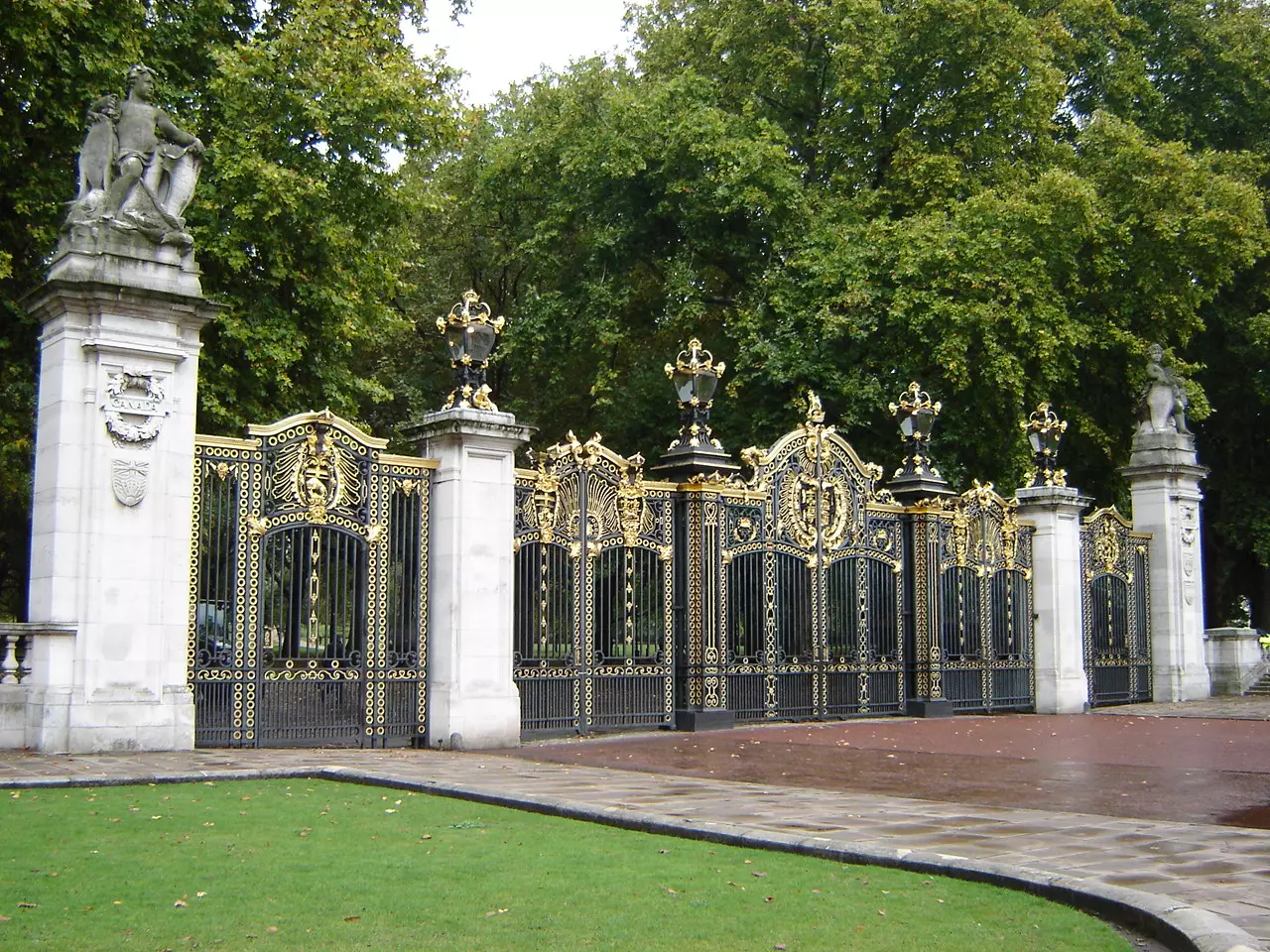
Green Park
London, Great BritainIn contrast to the other Royal Parks in the area, Green Park can seem a little plain. It has no lakes or buildings and few monuments. It is still a pleasant green, lightly wooded, area in the centre of London, neighbouring two other parks and Buckingham Palace.
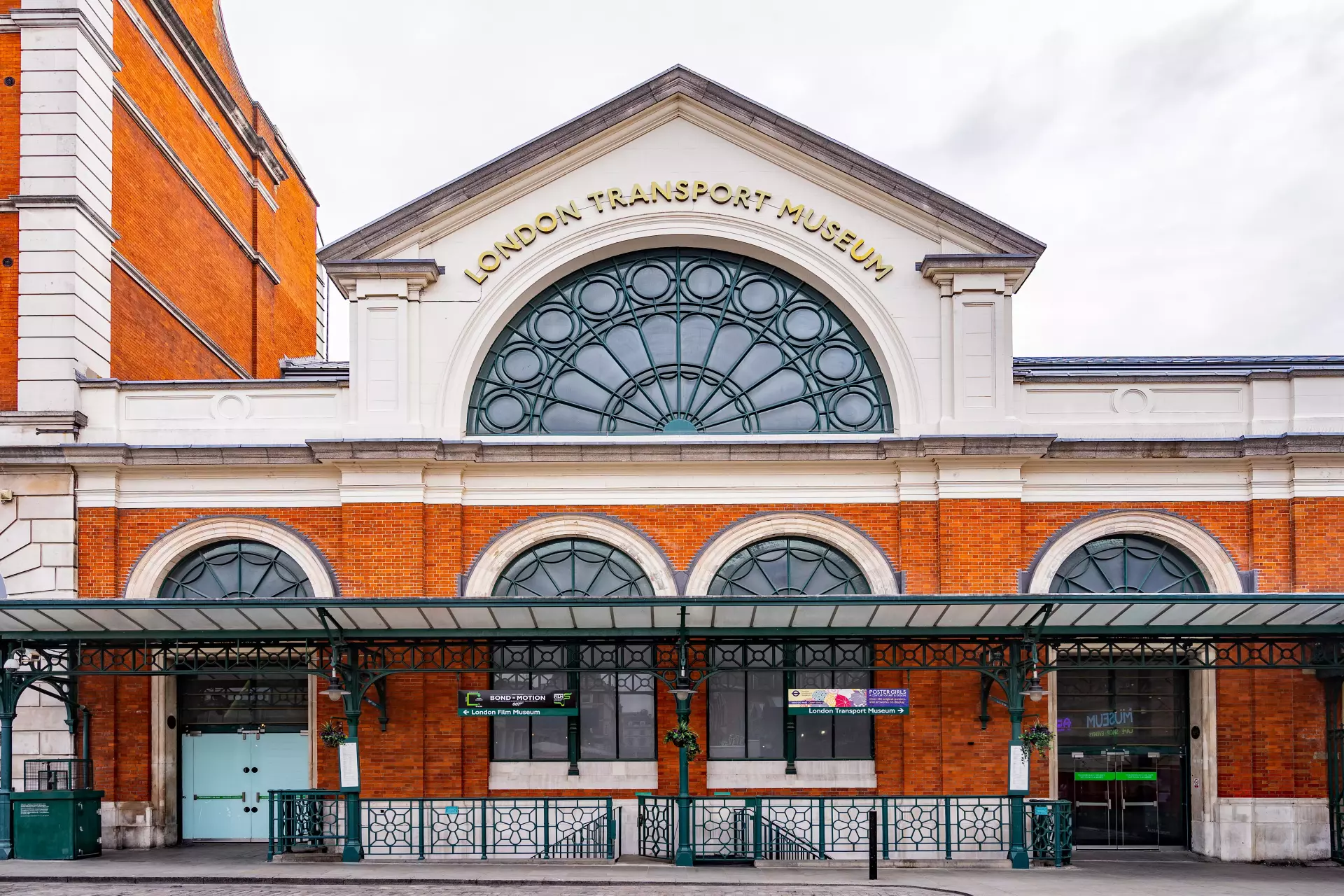
London Transport Museum
London, Great BritainIn many cities a local transport museum would be of very narrow interest - not London, however! London's public transport is iconic, and the story of how it developed from horse and cart through early buses, Tube trains and trolleybuses to the present day is well worth coming to find out about. There is plenty of opportunity to clamber aboard the historic buses and Tube trains on display. Also, because London's transport is so well known, the museum shop contains plenty of items that make interesting and original gifts and souvenirs.
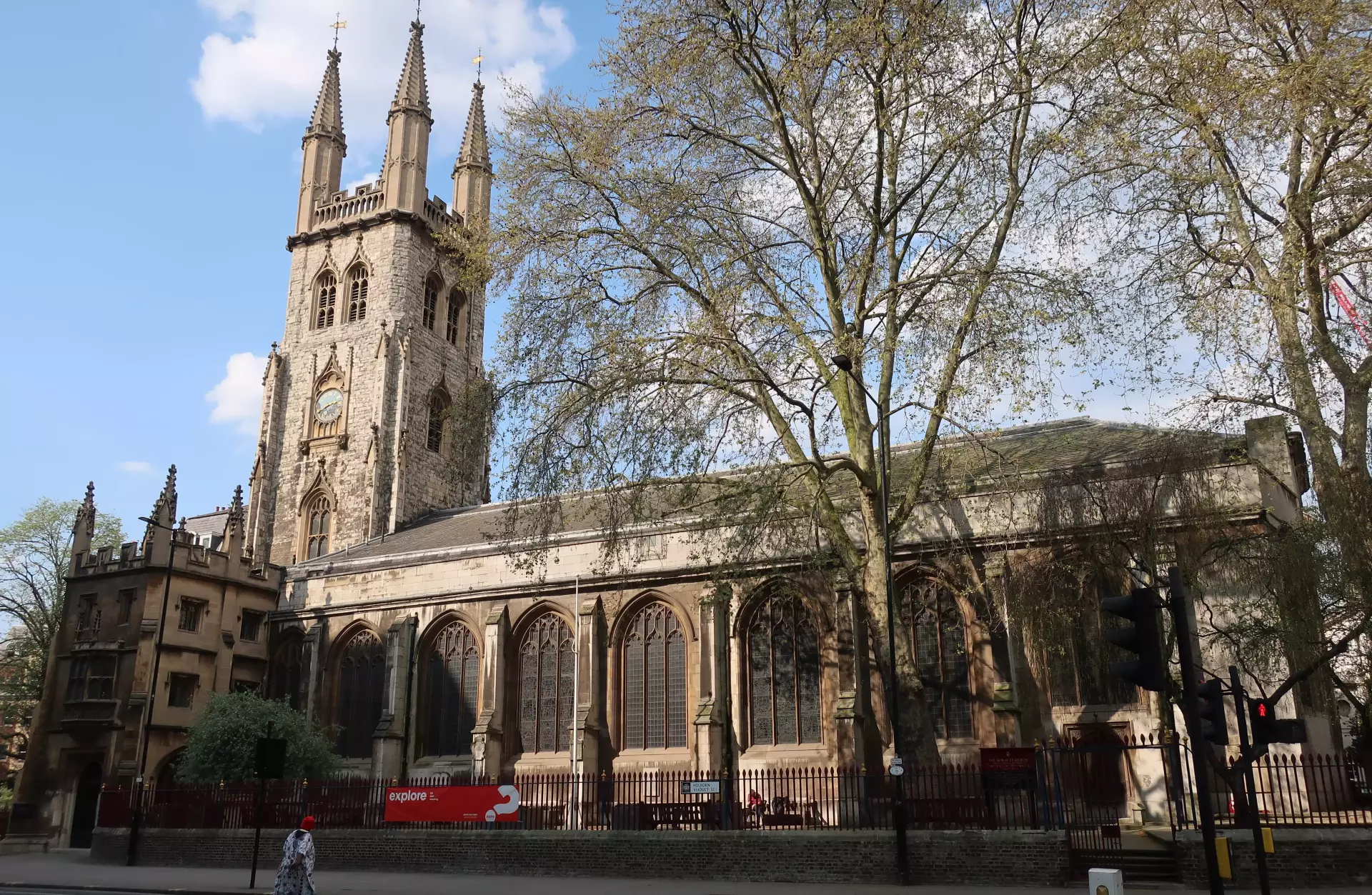
St Sepulchre-without-Newgate
London, Great BritainGrade I listed Saxon church founded before the 12th century. The exterior was mostly constructed in the 15th century, and the interior in the 19th. The north side of the church houses a musician's chapel opened in 1955. In addition to the services, there are often evening (chargeable) concerts.
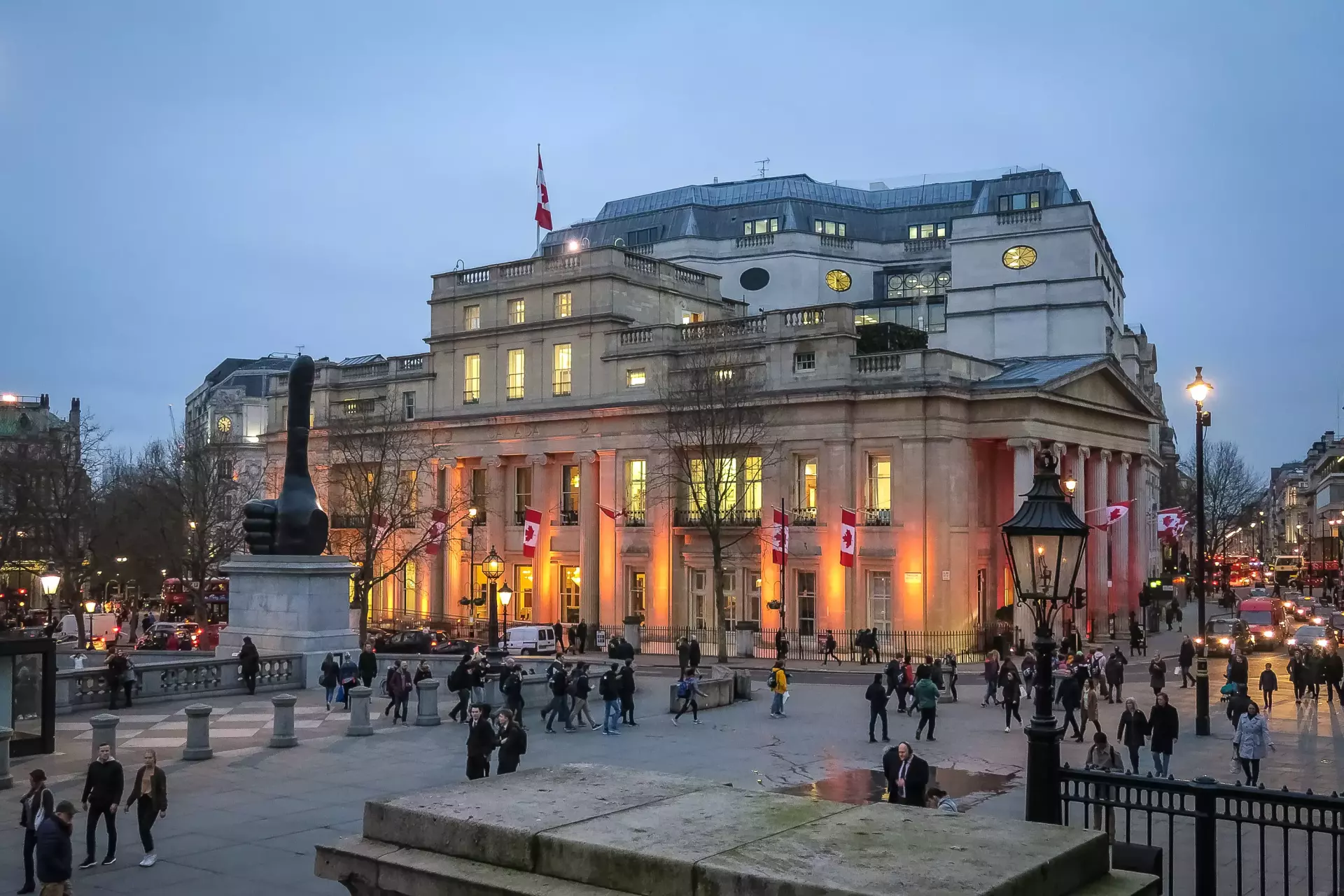
Canada House
London, Great Britain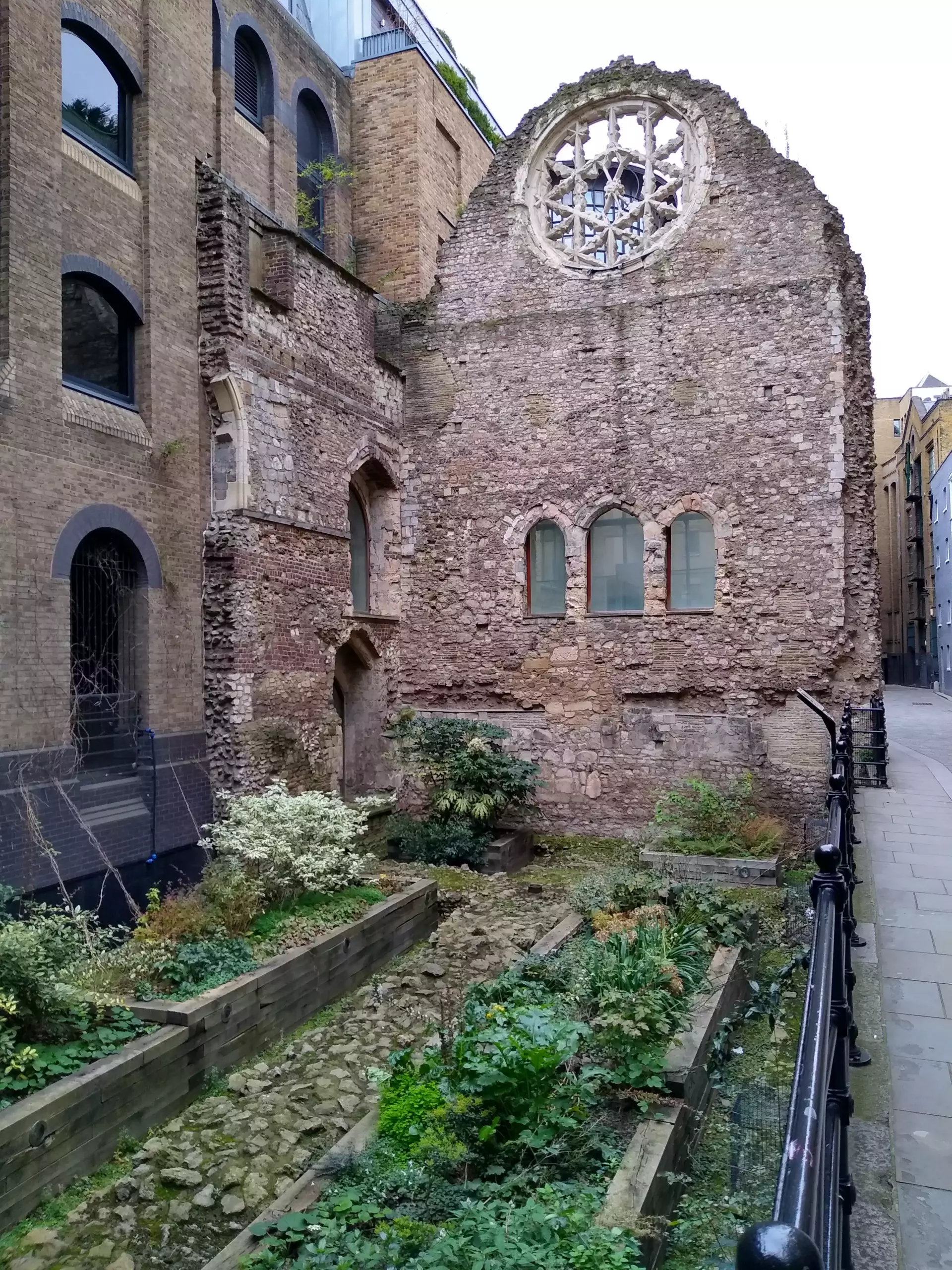
Winchester Palace
London, Great Britain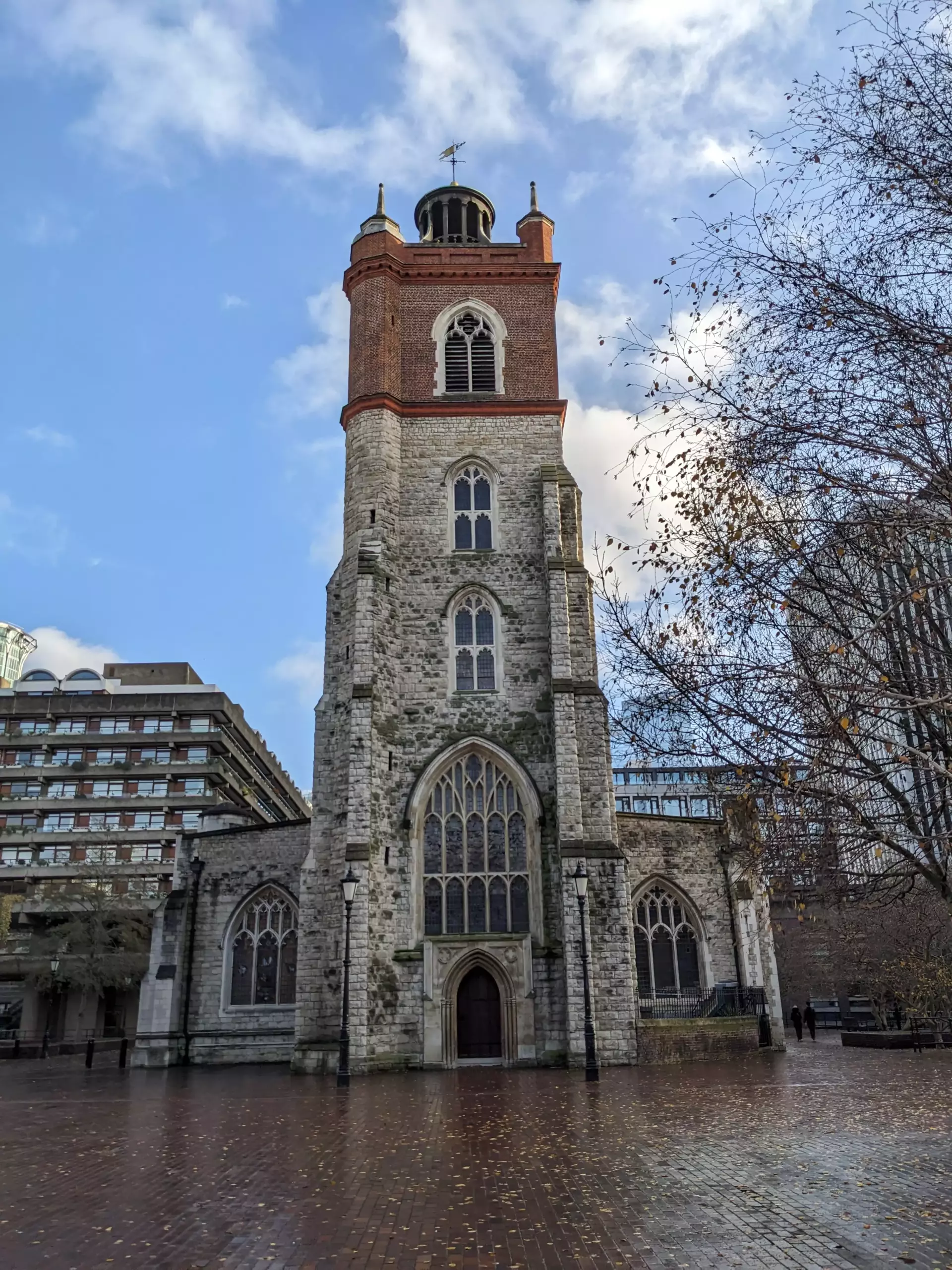
St Giles-without-Cripplegate
London, Great BritainMedieval Grade I listed church. This church played a key role in the English Revolution and was the parish church of some of the most decisive Puritans: Oliver Cromwell was married and this is where John Milton was buried. It was the home of the Morning Exercises. The tower remains from the original building; the rest was destroyed in the Blitz but rebuilt based on the original plans.
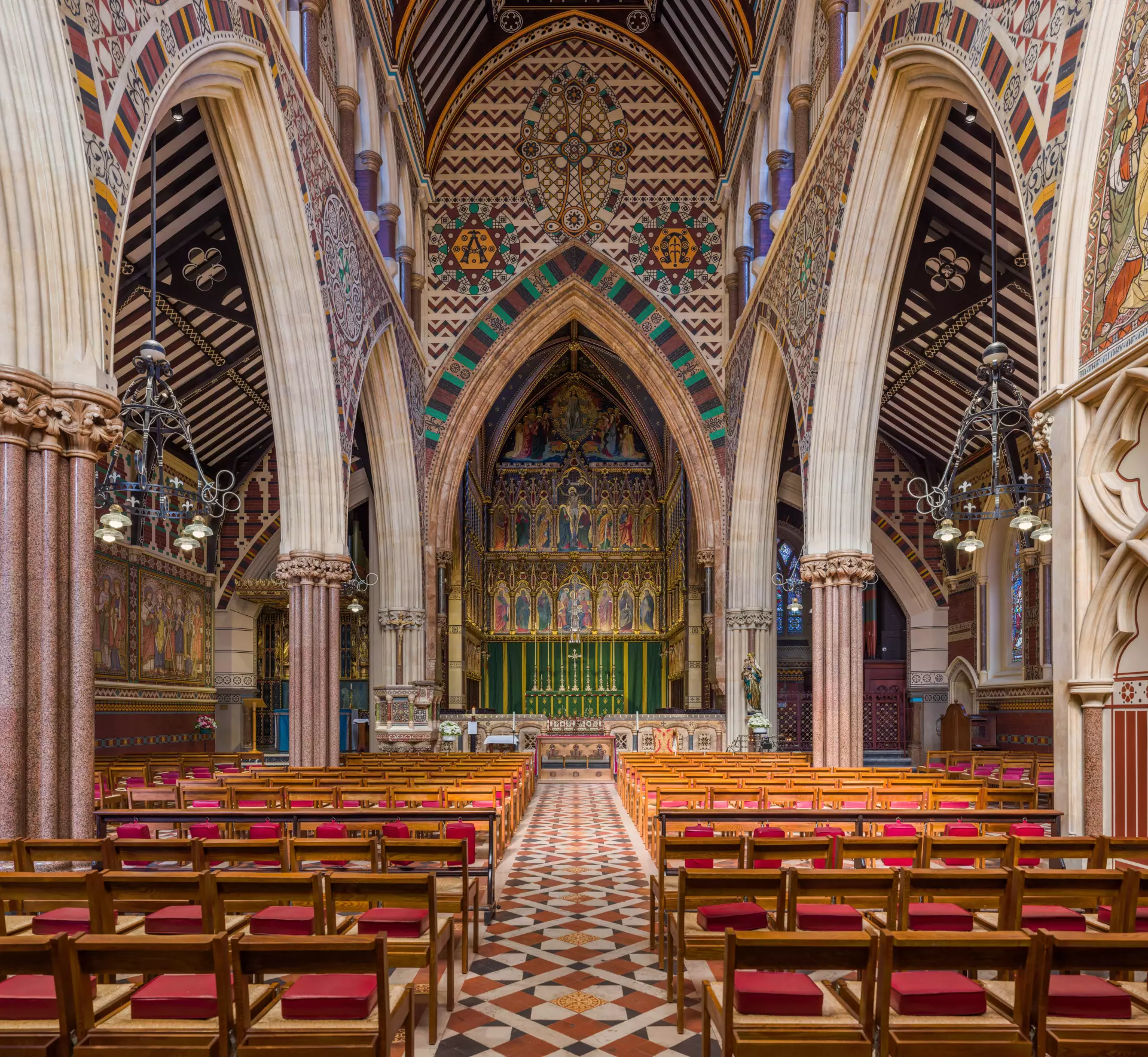
All Saints, Margaret Street
London, Great BritainAn attractive Gothic Revival church, completed in 1859 to a design by William Butterfield.
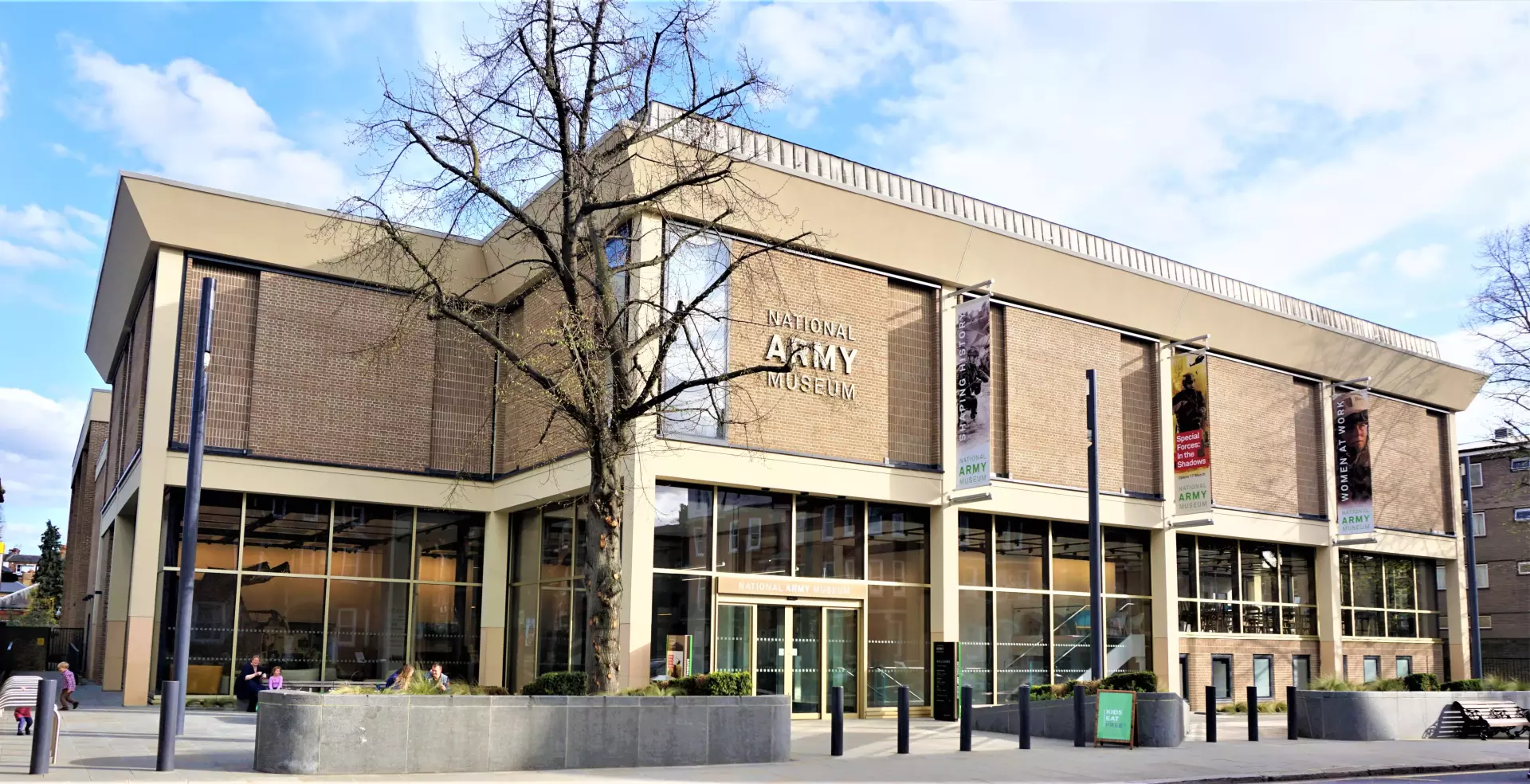
National Army Museum
London, Great Britain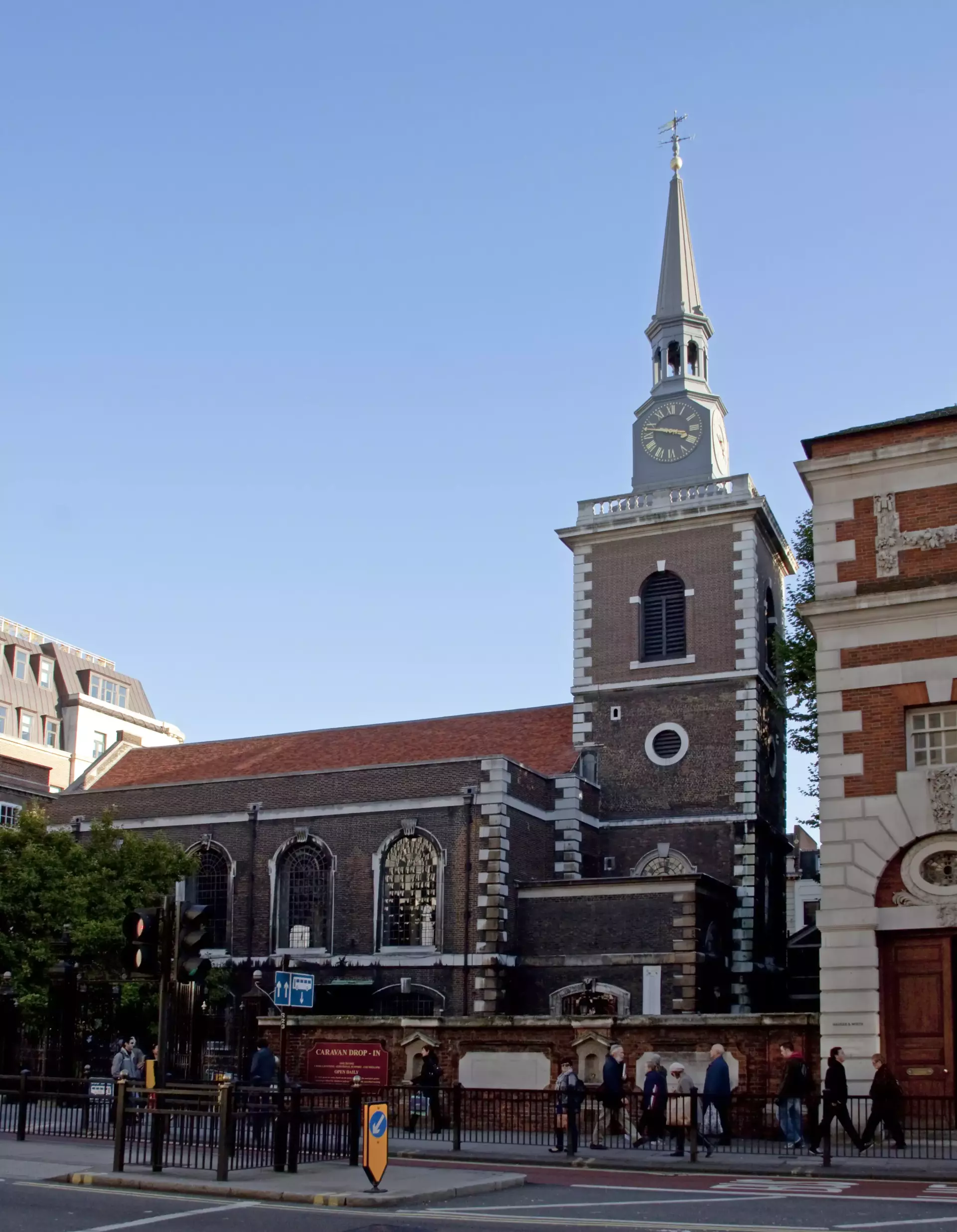
St James's Church, Piccadilly
London, Great BritainChurch in Piccadilly designed by Sir Christopher Wren in 1684. It has a magnificent organ case and baptismal font by Grinling Gibbons.
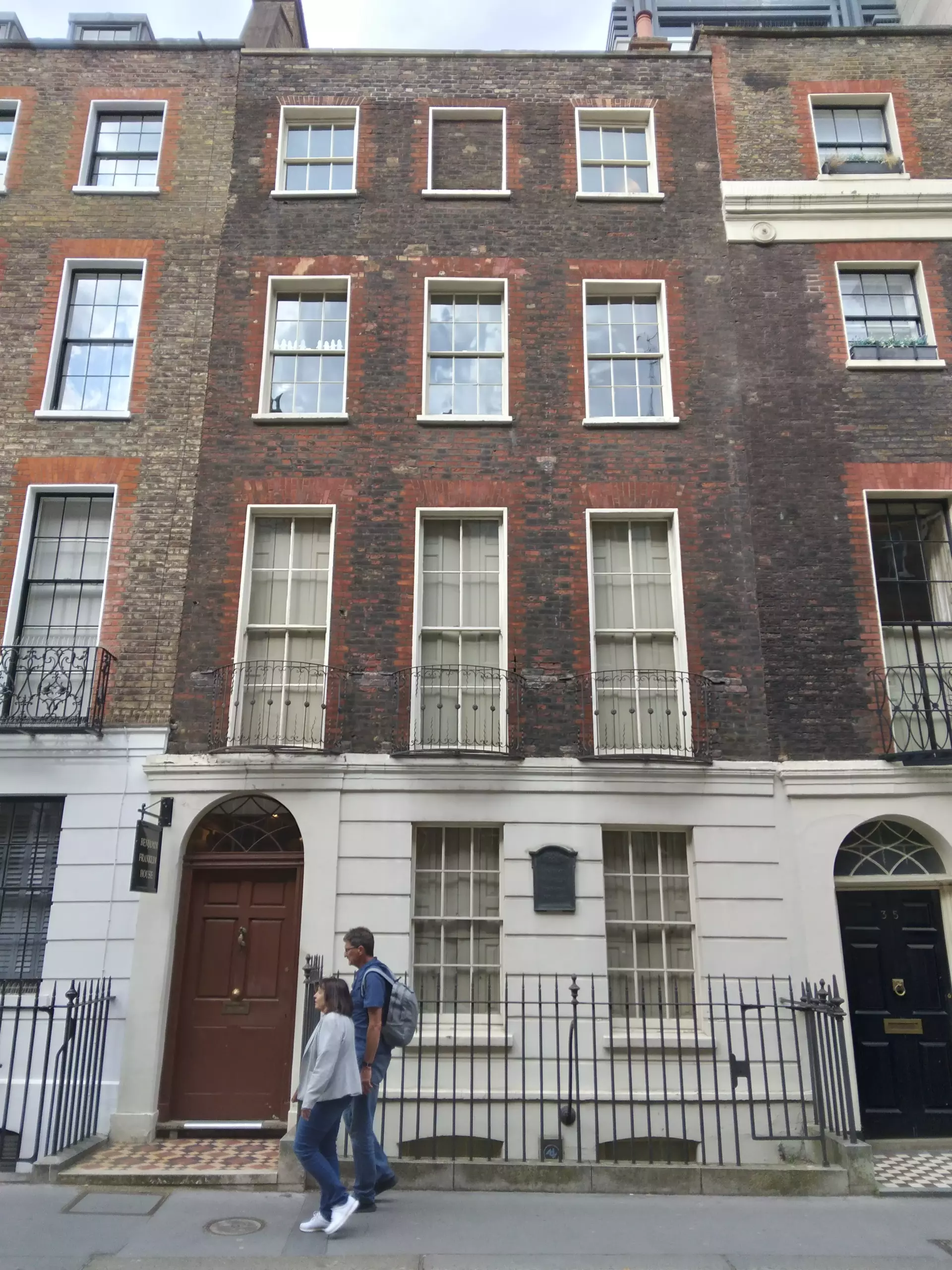
Benjamin Franklin House
London, Great Britain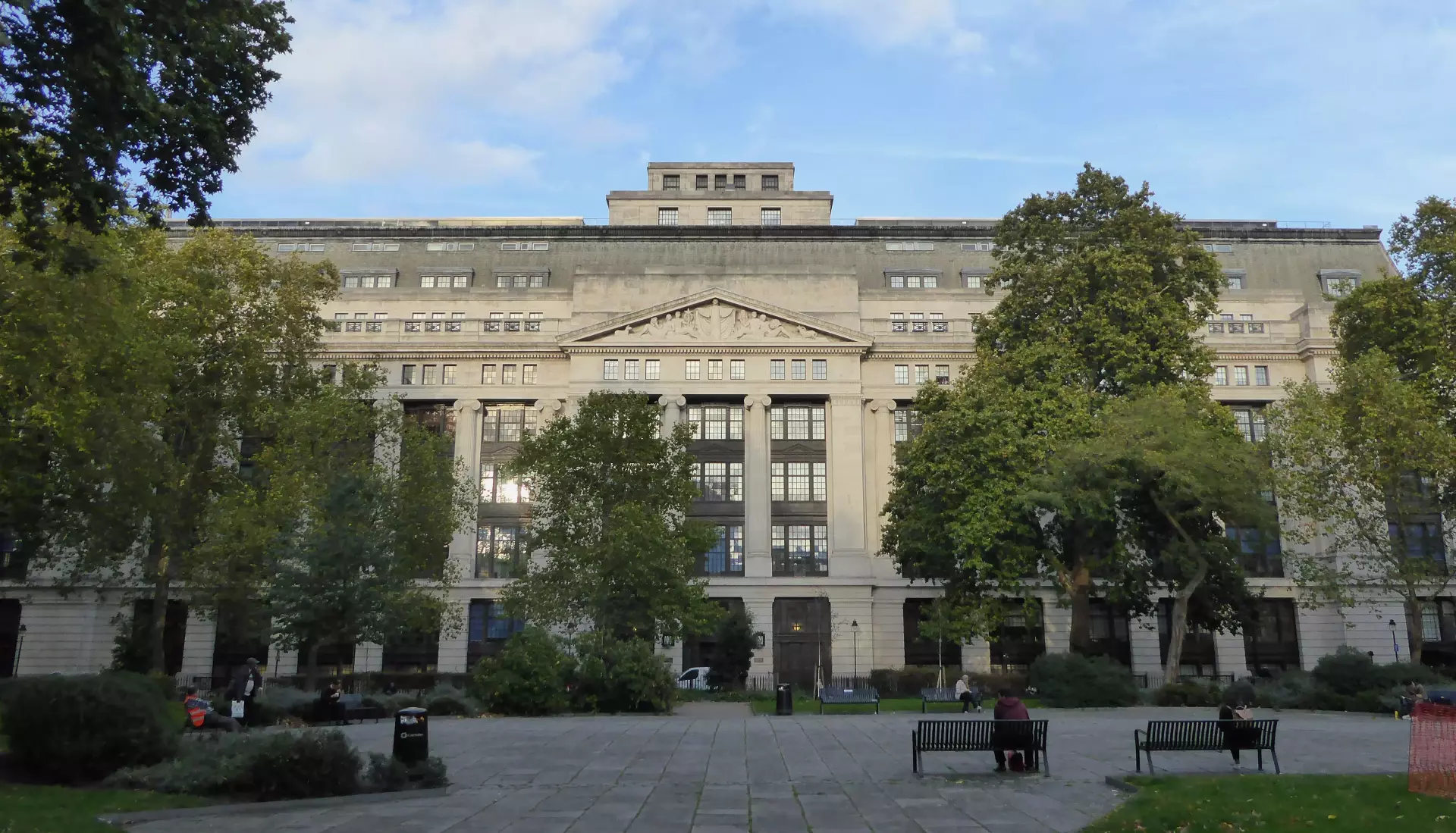
Bloomsbury Square
London, Great BritainThis garden square was established by Lord Southampton in 1665 and is the oldest square in London. It was opened to the public in the 1950s. The square is surrounded by a number of beautiful 18th- and 19th-century buildings and terraces.
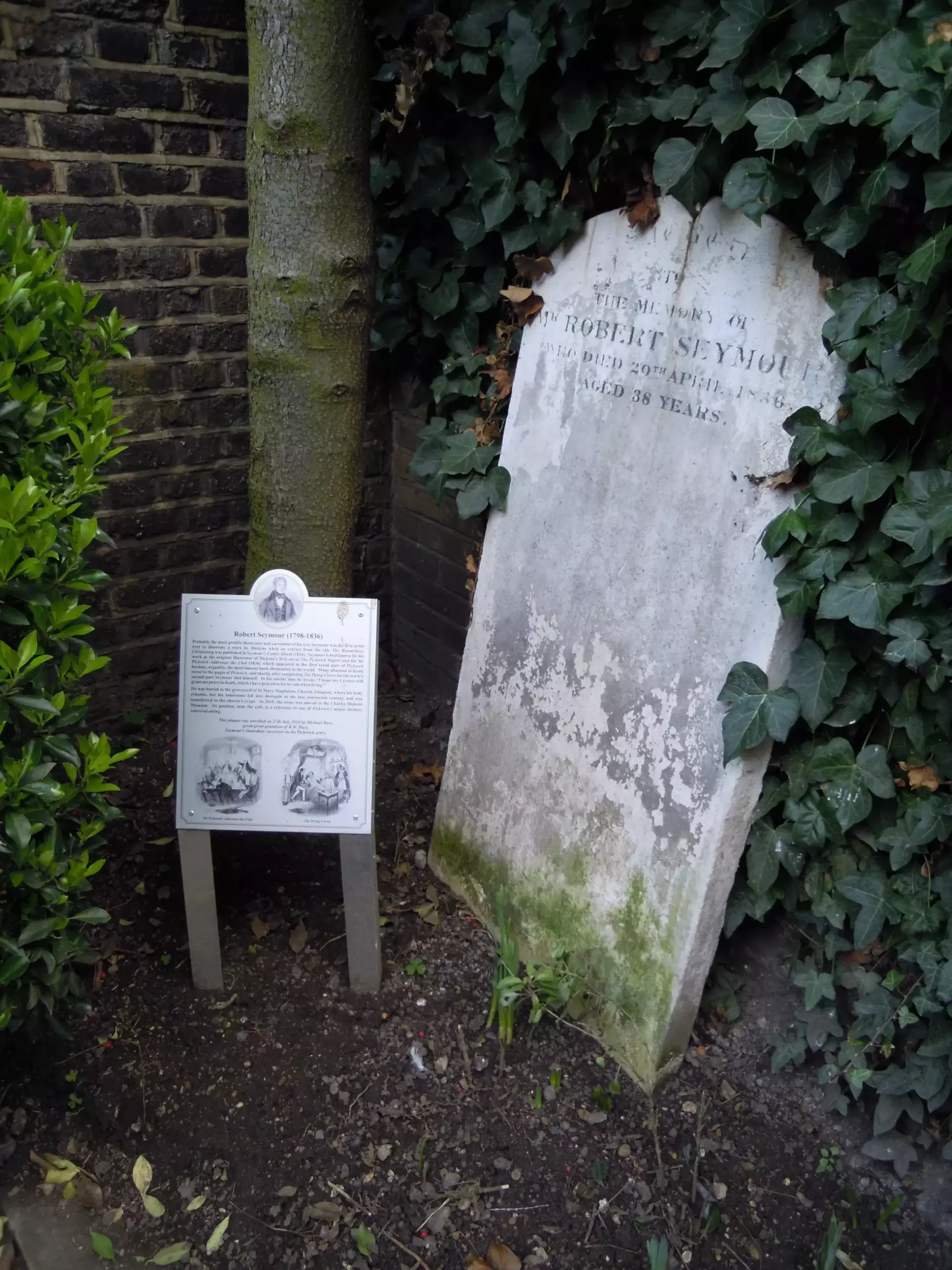
Charles Dickens Museum
London, Great BritainMuseum at the former home of Dickens exhibiting writings, paintings, furniture and other items relating to the writer.
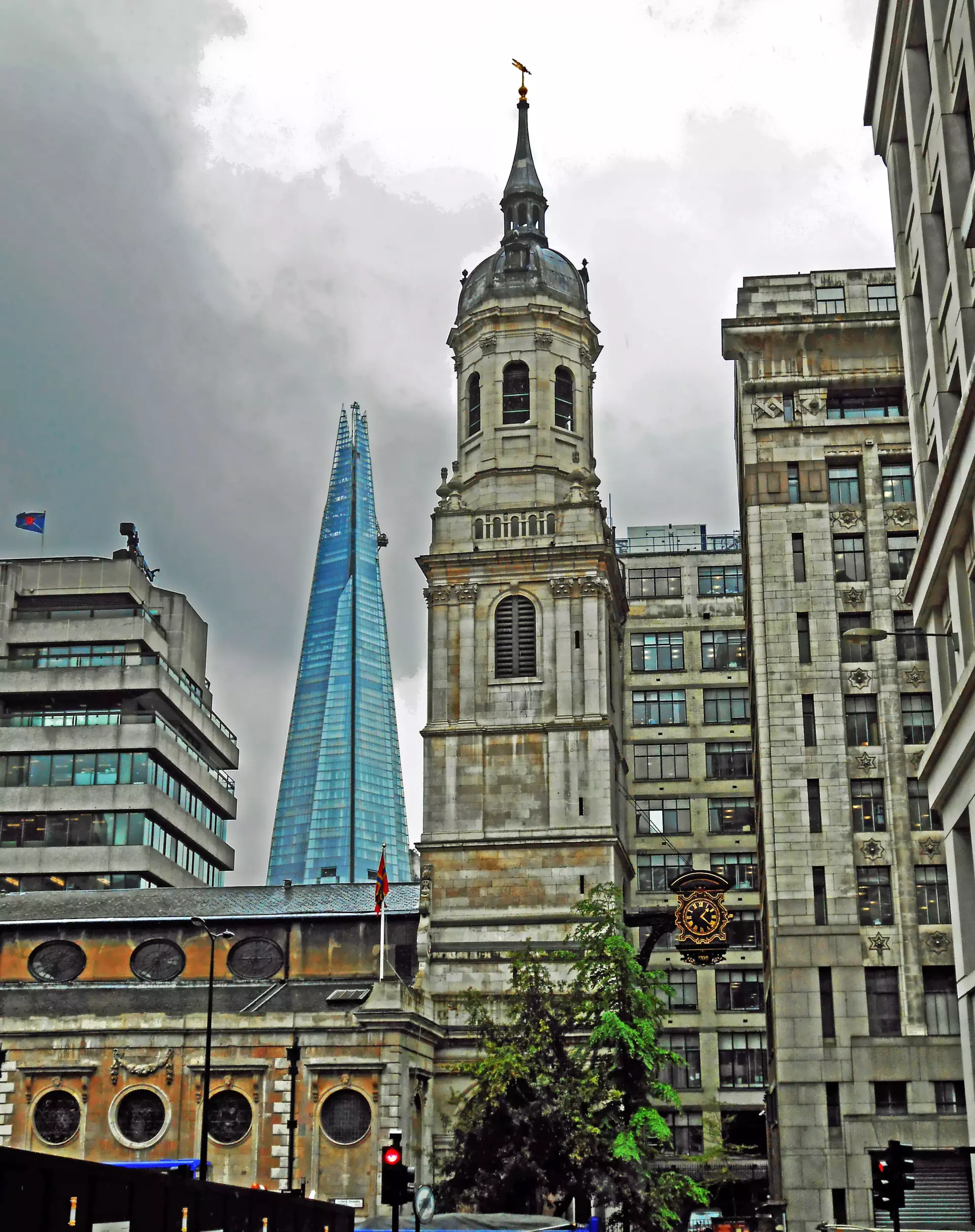
St Magnus the Martyr
London, Great BritainSu Catholic Church of England with bells and smells (incense). There is an impressive model of the old London Bridge.
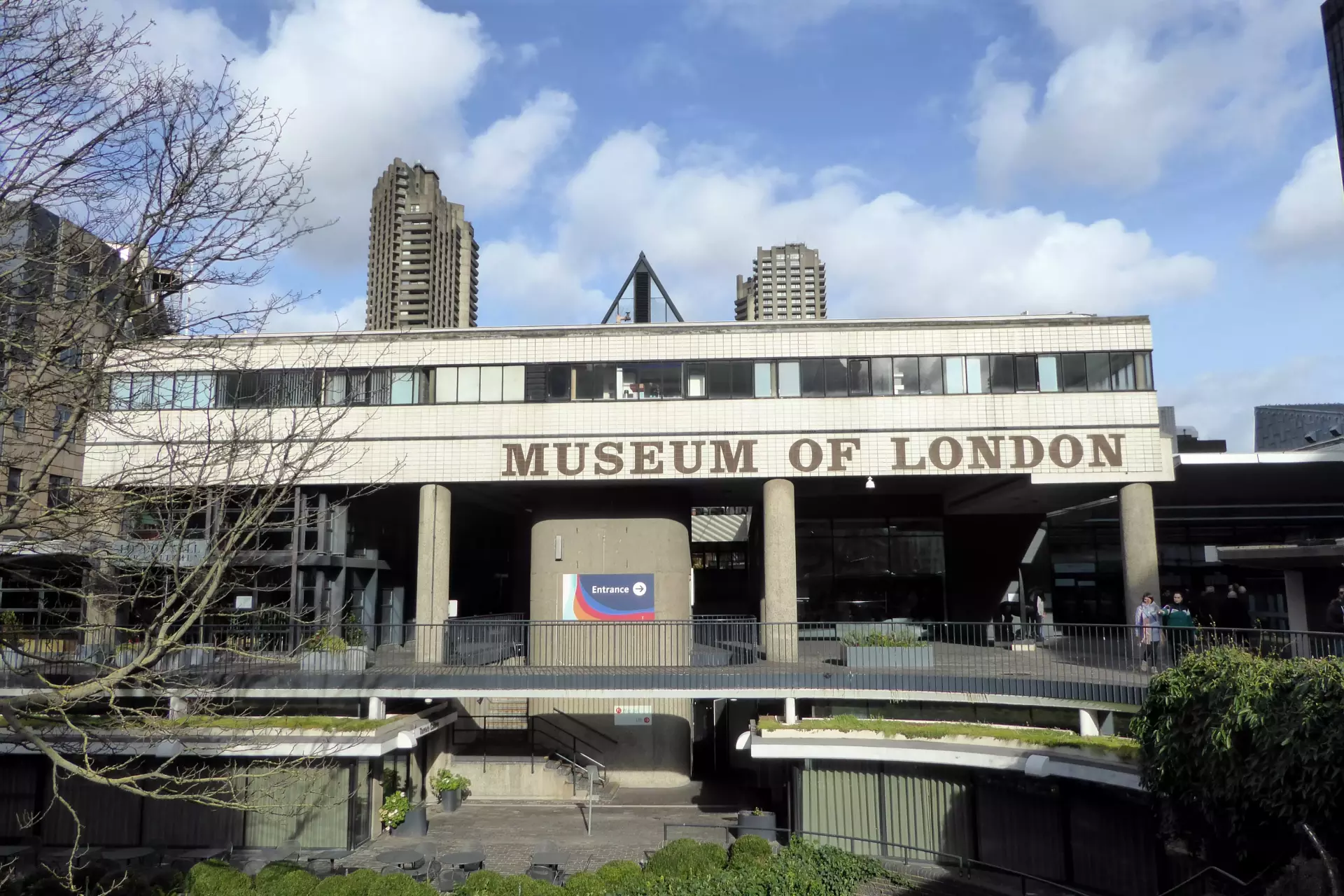
Museum of London
London, Great BritainNow permanently closed, will be replaced by new museum at the former Smithfield market site in 2026. The Museum of London Docklands remains open.
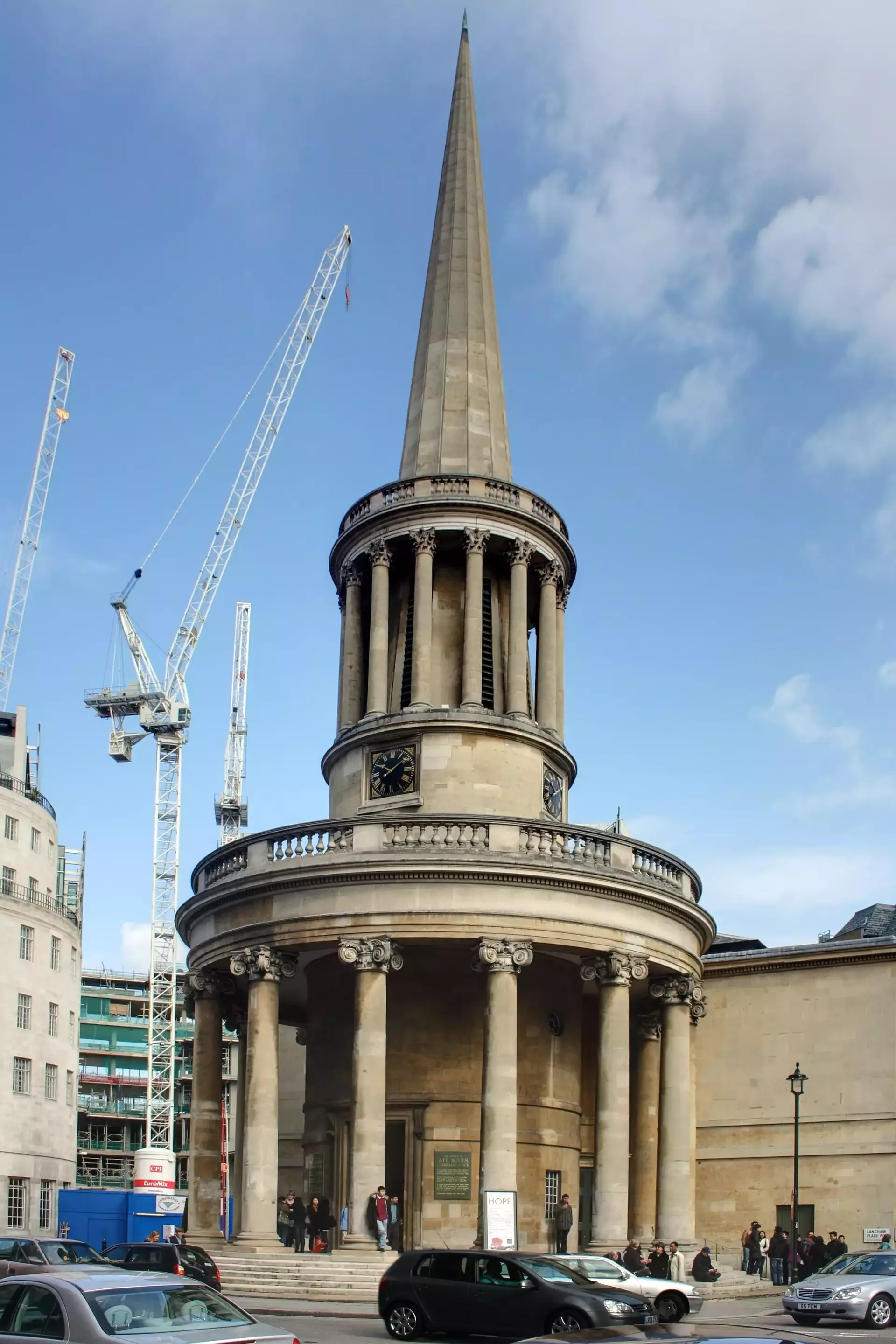
All Souls Church, Langham Place
London, Great BritainCompleted in 1823, this attractive church near Broadcasting House is one of John Nash's masterpieces, with a prominent spire and circular vestibule. As of May 2025, it accessible only for worship.
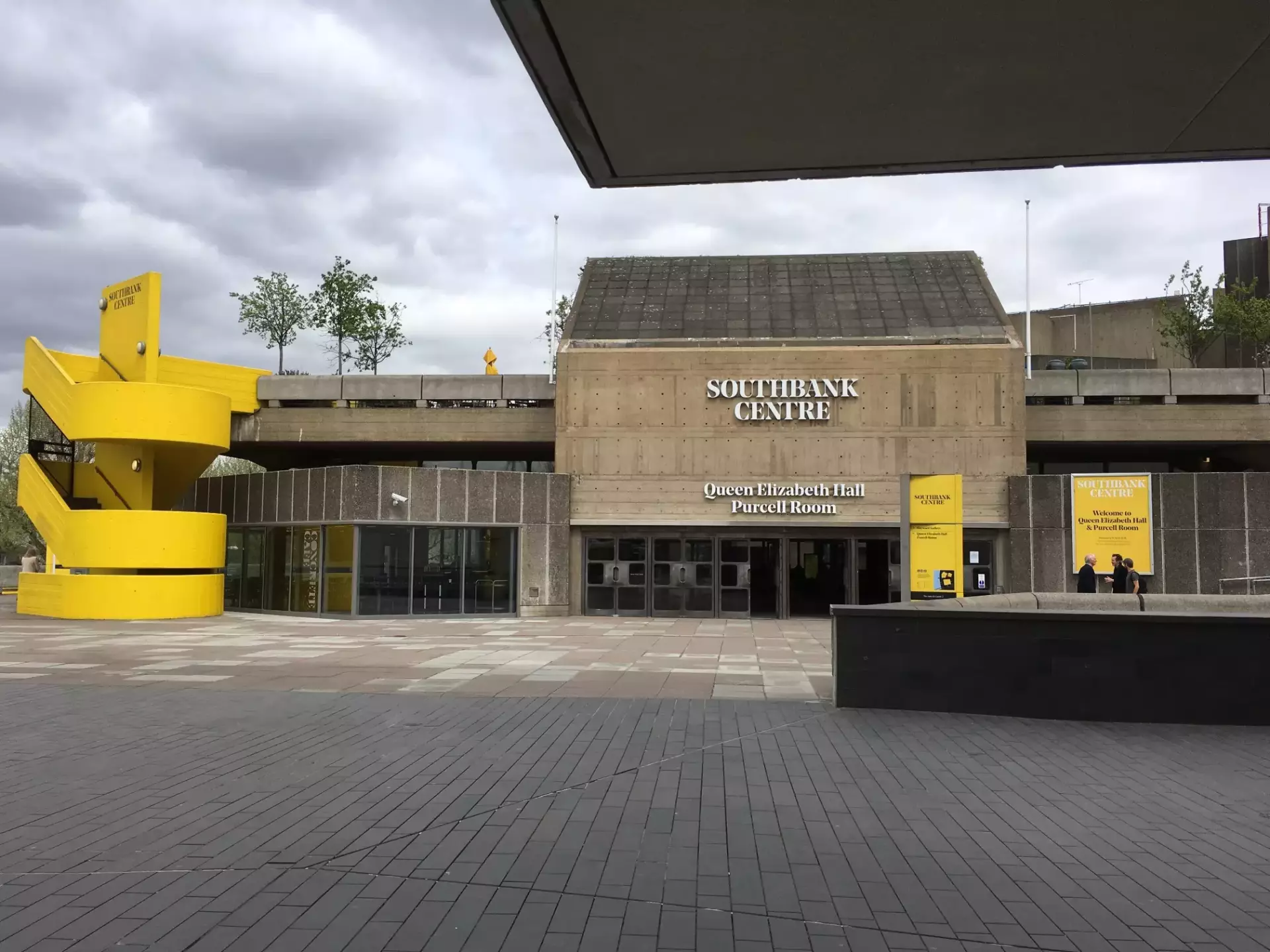
Queen Elizabeth Hall
London, Great Britain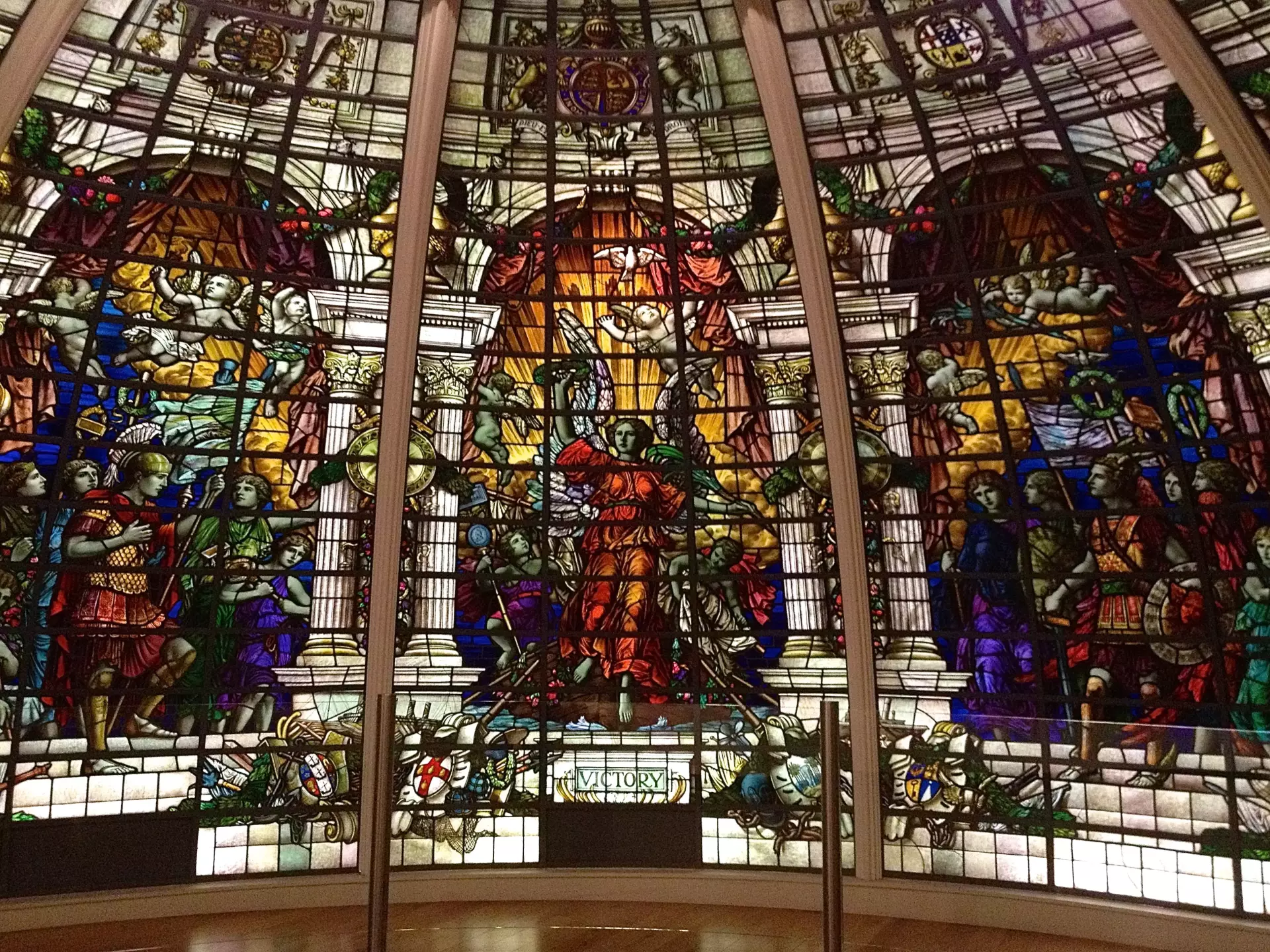
Baltic Exchange
London, Great BritainThe world's main marketplace for ship broking.
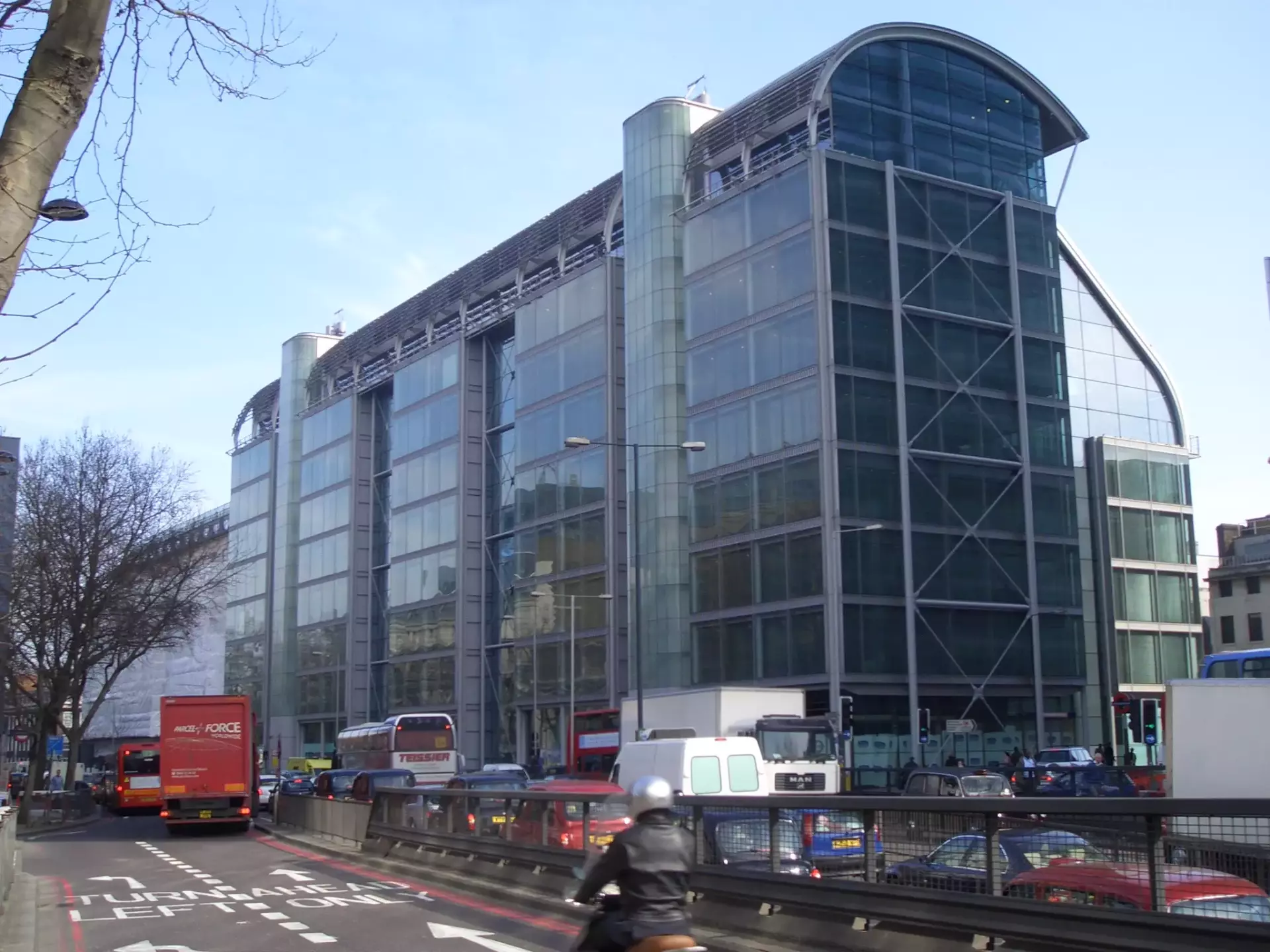
Wellcome Collection
London, Great Britain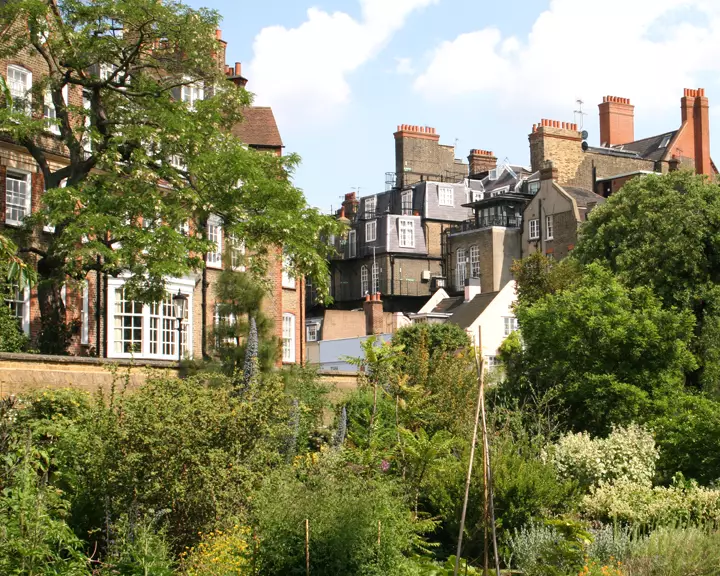
Chelsea Physic Garden
London, Great BritainGarden founded by apothecaries in the 17th century to the medicinal properties of plants. It was only opened to the public in the 1980s, when it became a charity. The heat-sink caused by its thick walls, combined with the general waste heat of London itself, keeps the garden much warmer than it would otherwise be at this latitude. Due to this, the garden contains the world's most northerly example of a grapefruit outside of a greenhouse, and the largest fruiting olive tree in the country. The collection contains thousands of different plant species.
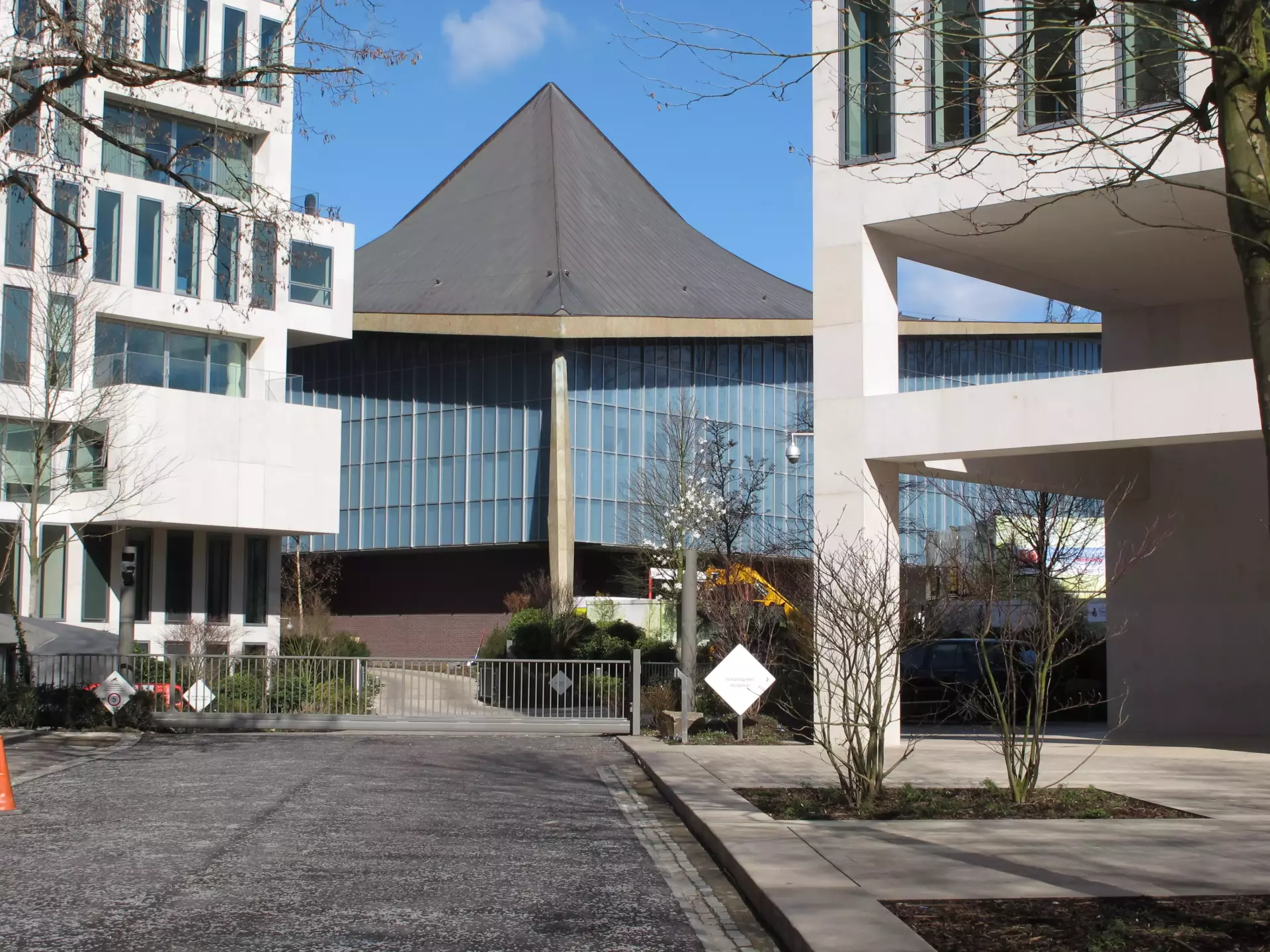
Design Museum
London, Great Britain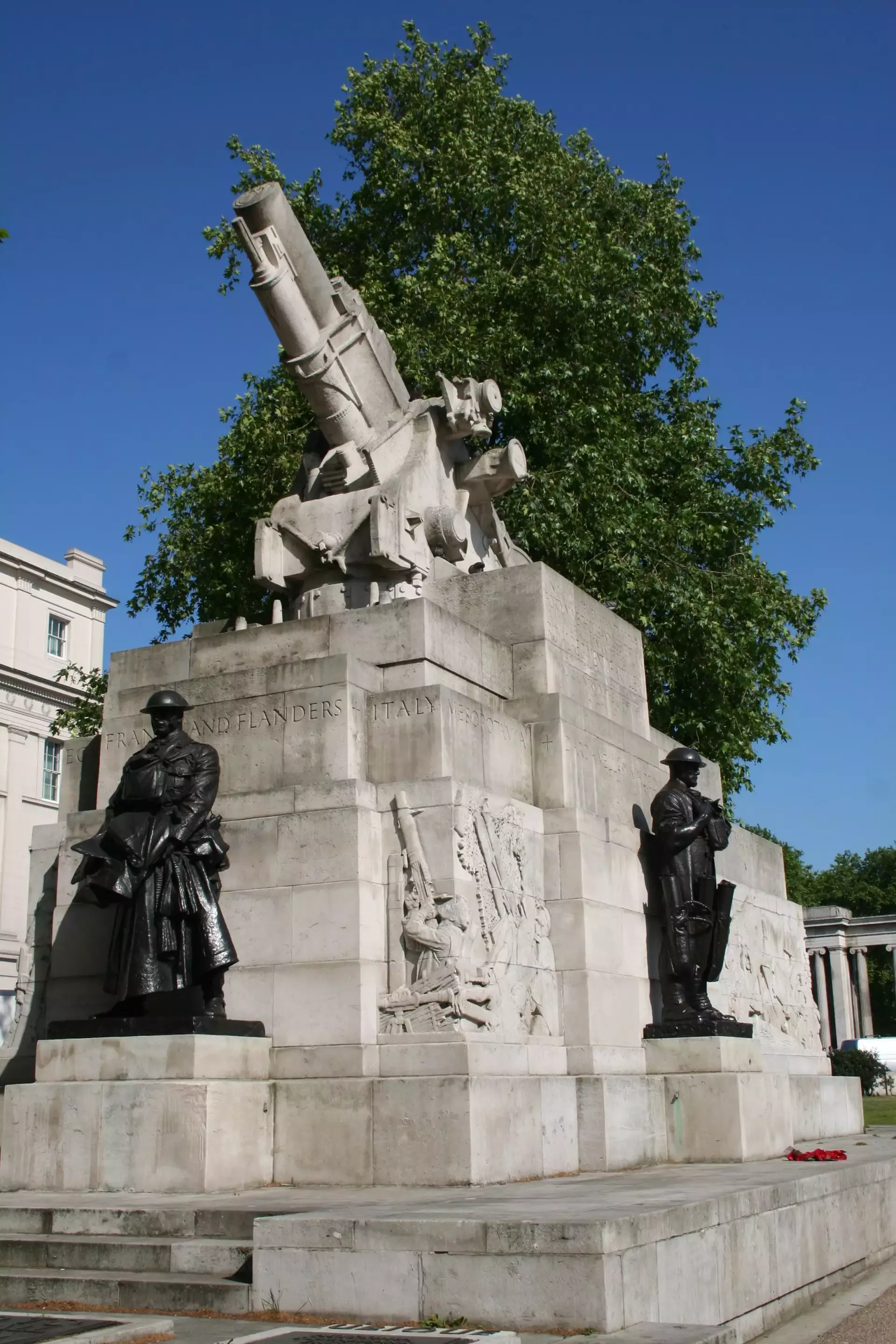
Royal Artillery Memorial
London, Great BritainA stone howitzer by World War I veteran Charles Sargeant Jagger