
Tourist attractions in London
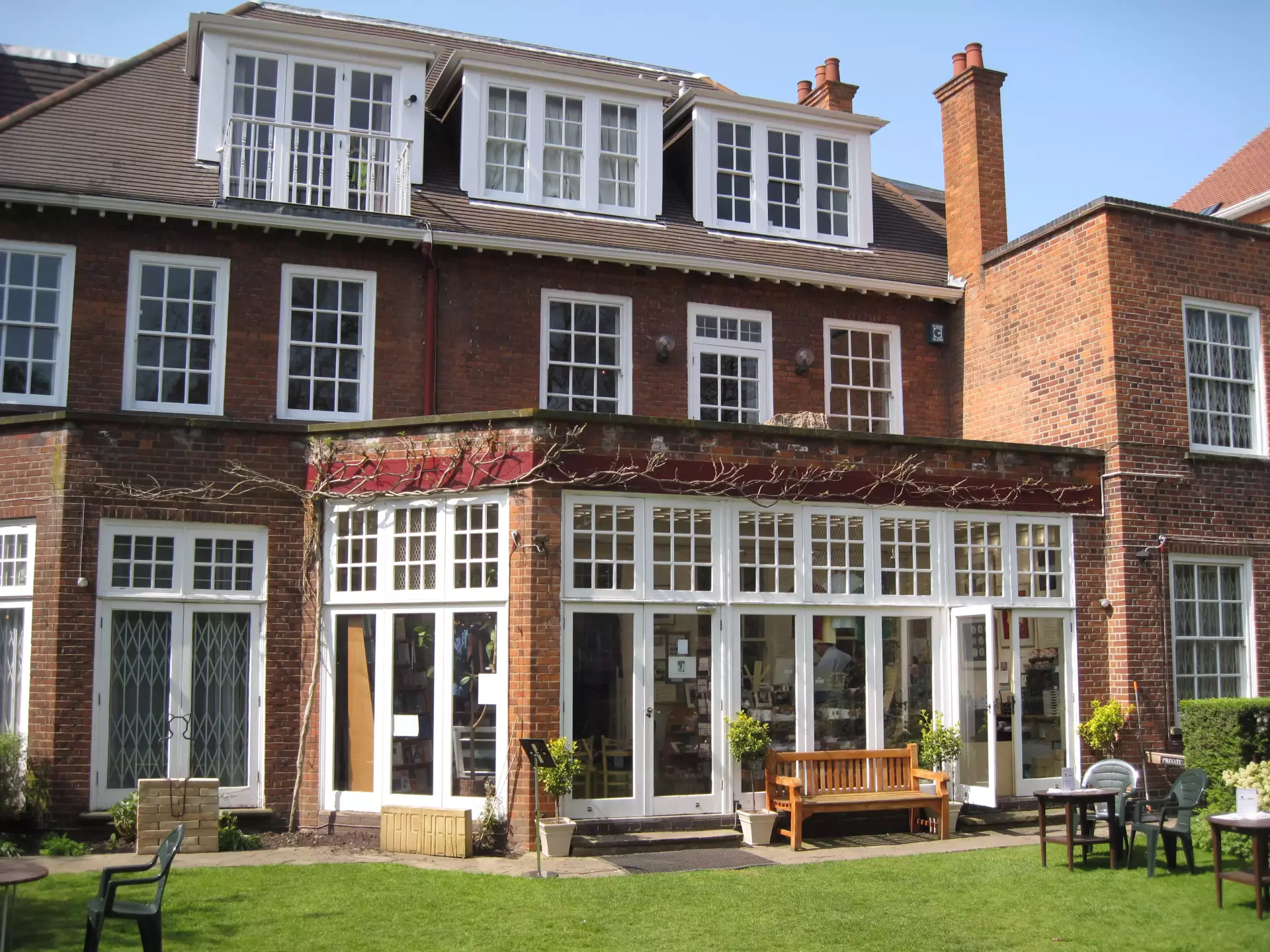
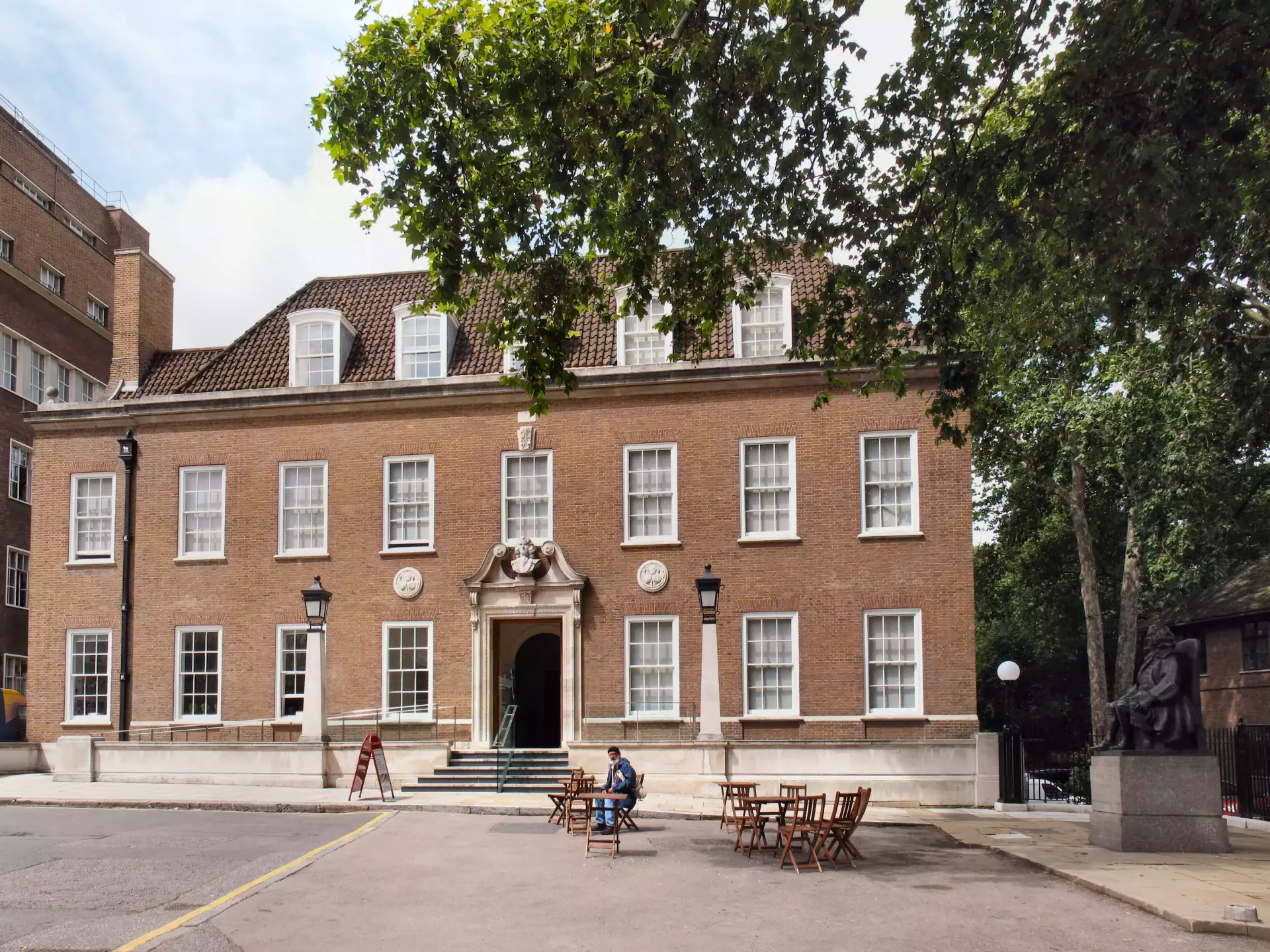
Freud Museum
London, Great BritainThe former home of Sigmund Freud. A wide range of exhibits, most famously including the psycho-analytic couch that all of his patients used. Freud was an avid collector of antiquities and there is a fine collection of Greek, Roman and Oriental pieces on show.
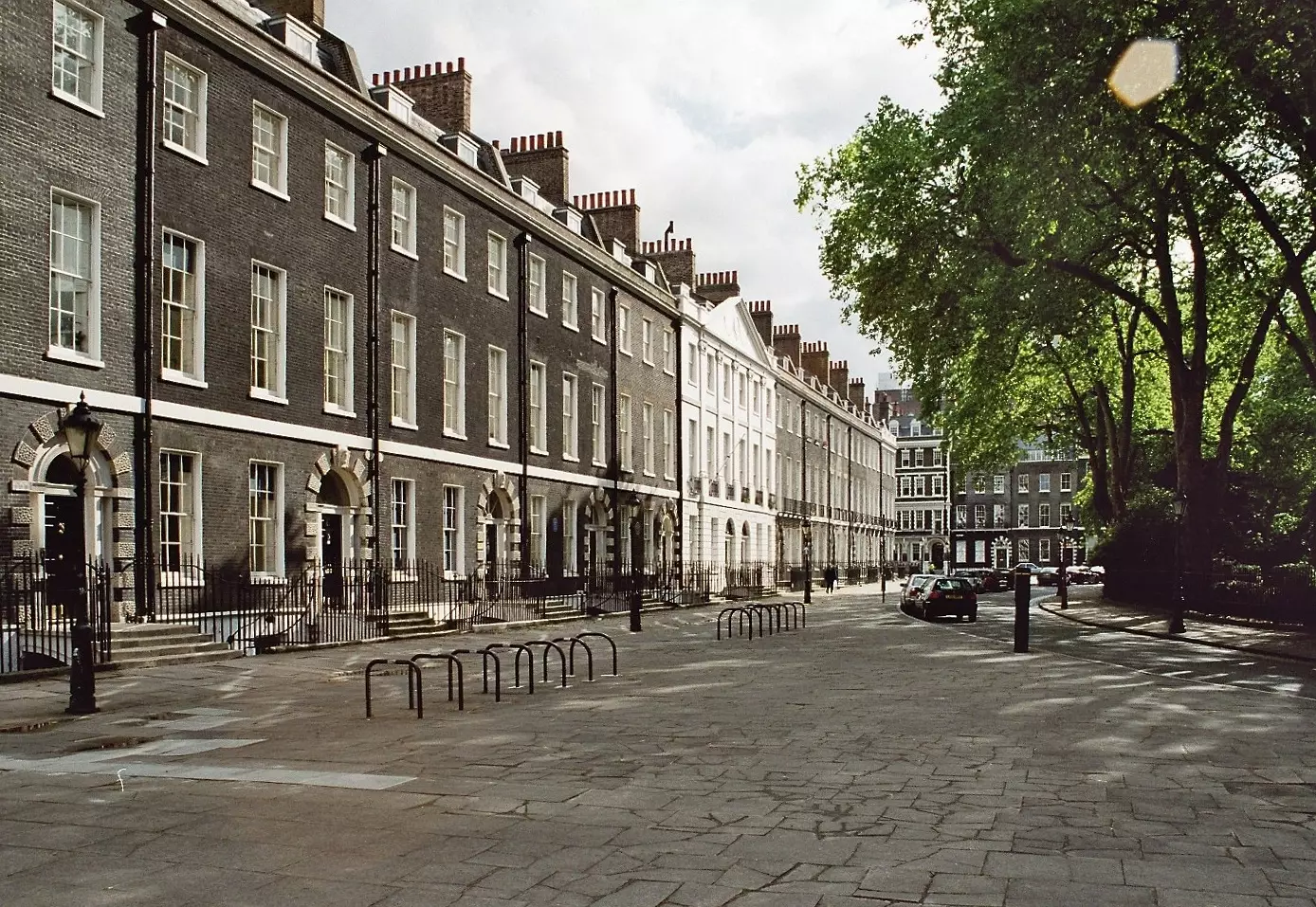
Bedford Square
London, Great Britain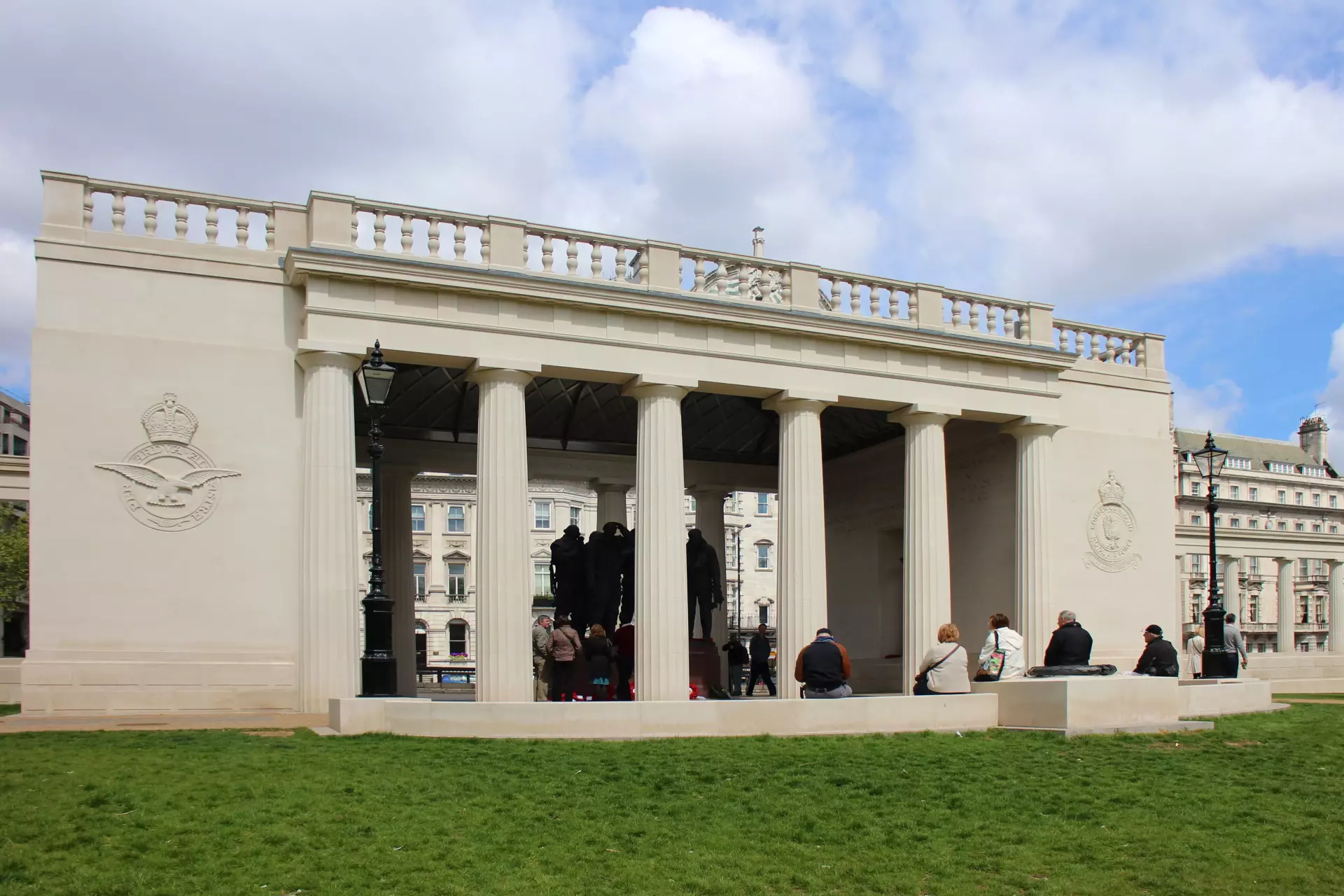
RAF Bomber Command Memorial
London, Great BritainBuilt of Portland stone and dedicated to the aircrews of Allied nations under Bomber Command during World War II.
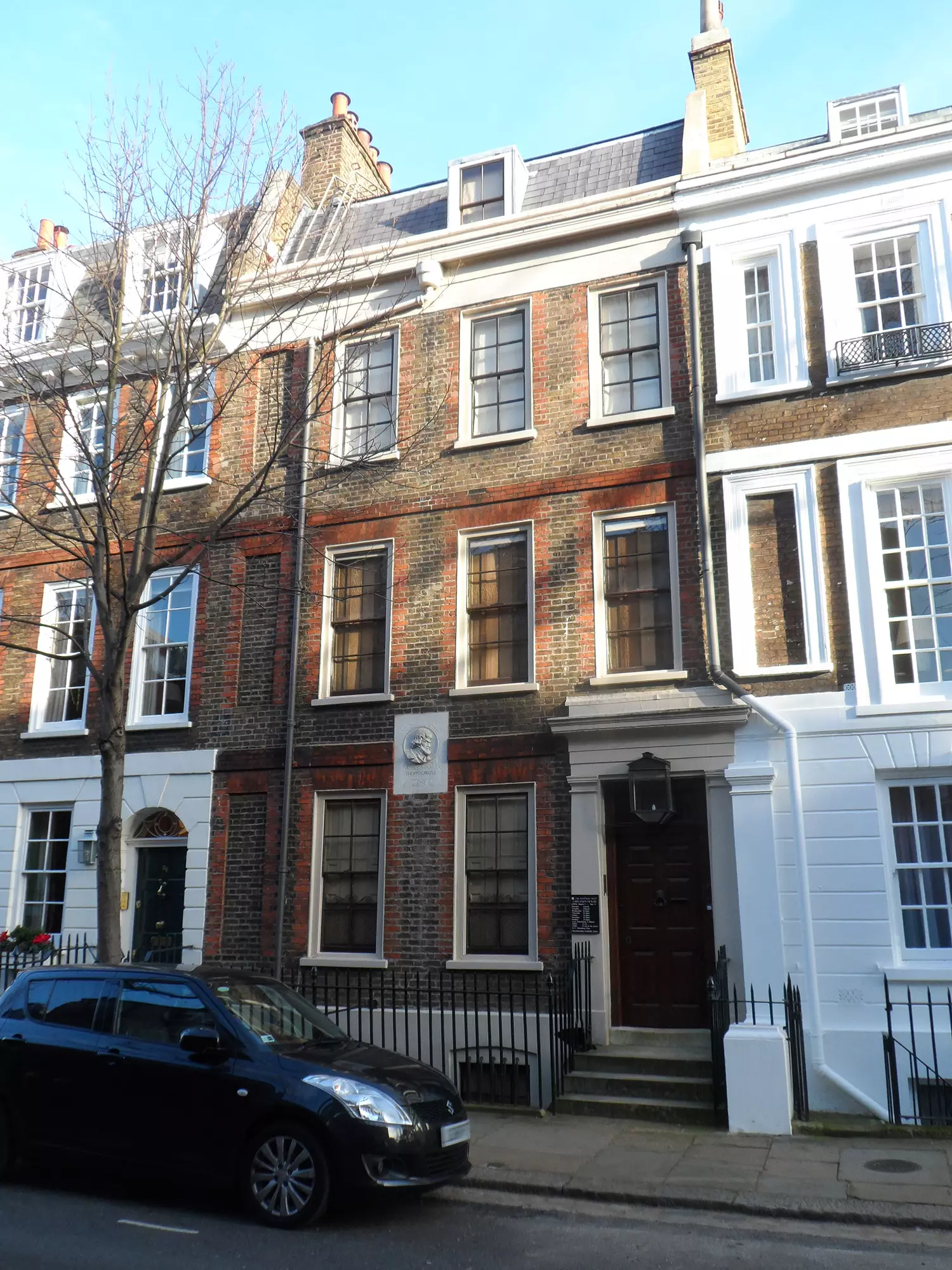
Carlyle's House
London, Great BritainNow preserved by the National Trust, this 18th-century house was the home of the historian Thomas Carlyle from 1834 and now houses a museum dedicated to his life and work.
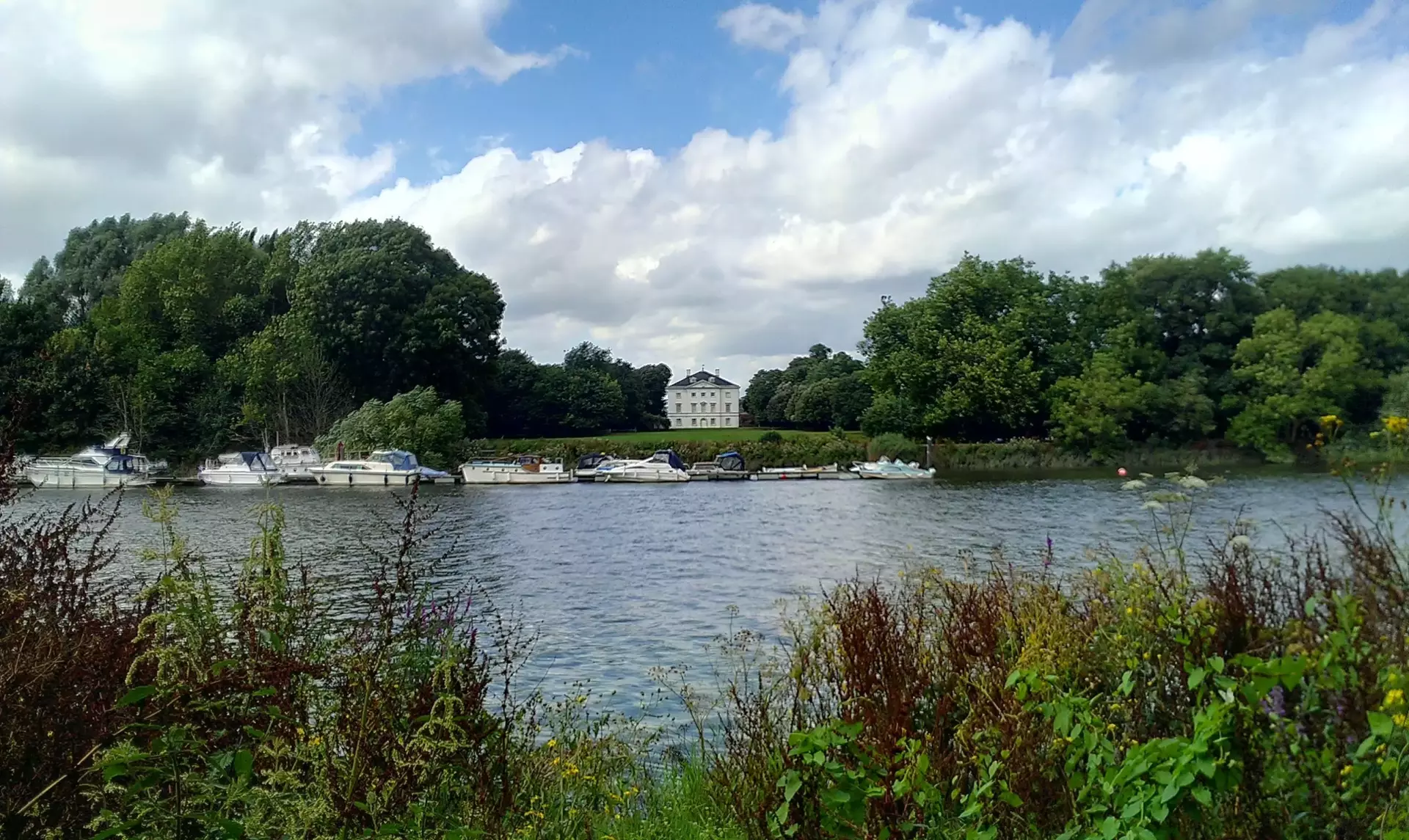
Marble Hill House
London, Great Britain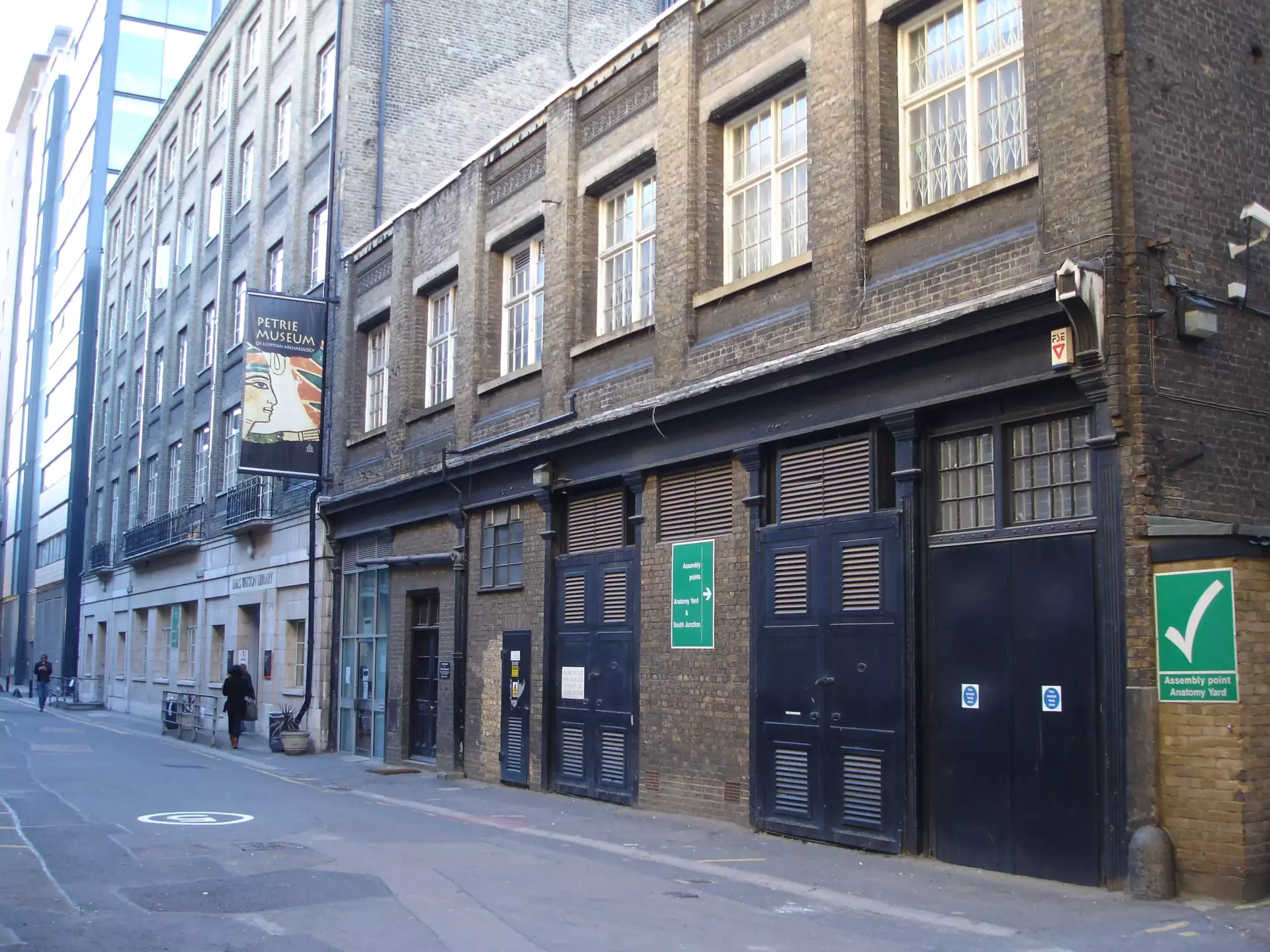
Petrie Museum of Egyptian Archaeology
London, Great BritainFormerly the teaching collection of Sir Flinders Petrie, one of Britain's greatest archaeologists, now preserved by University College London. Exhibits include beaded dresses, sculpture and wall reliefs, items of everyday use, papyri, cartonnage and pottery. Fascinating!
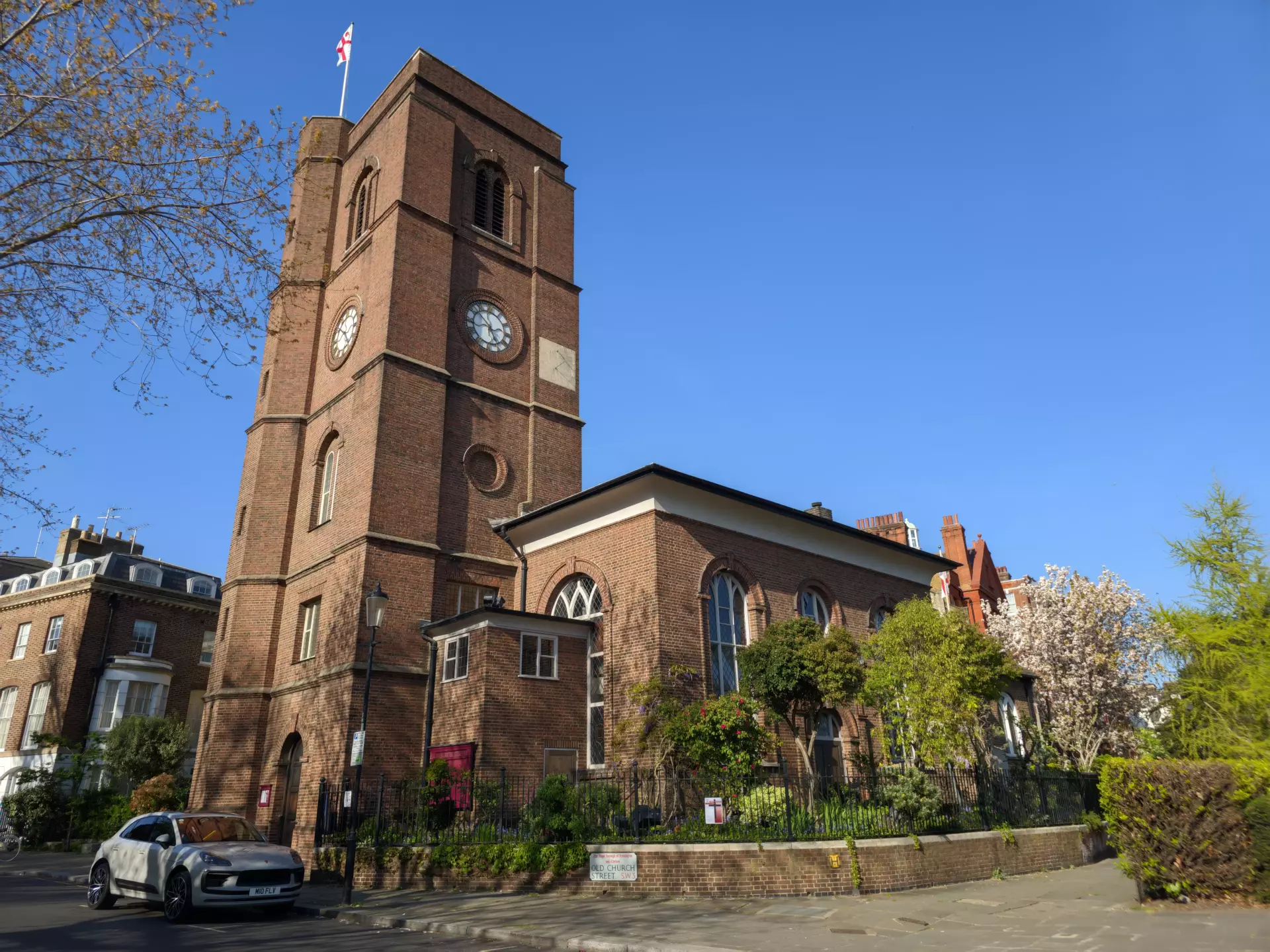
Chelsea Old Church
London, Great BritainThis church on the bank of the Thames was built in 1157. It is the only church in London with chained books. A statue of Thomas More sits in front of the church.
St Mary Abbots
London, Great Britain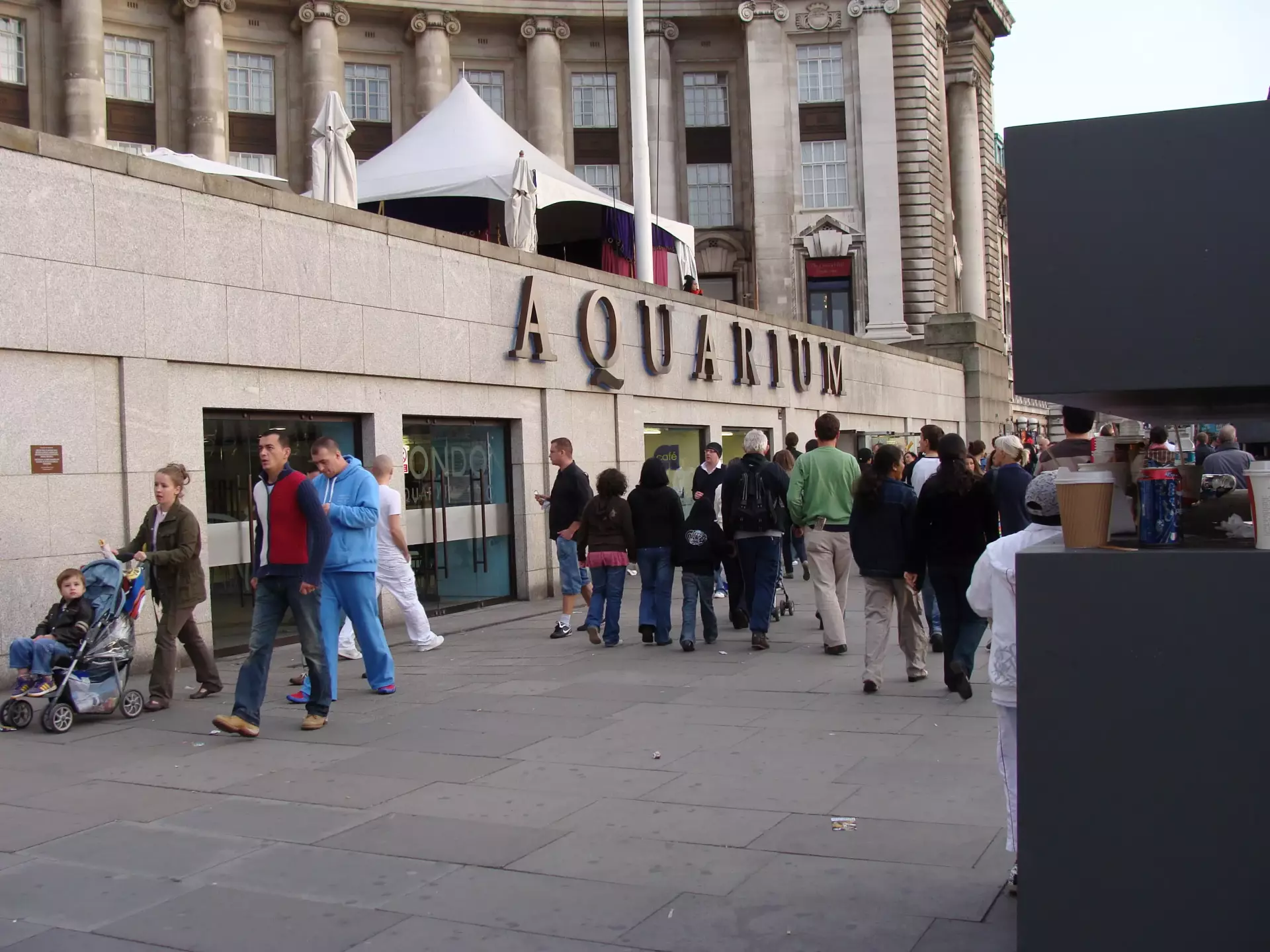
Sea Life London Aquarium
London, Great Britain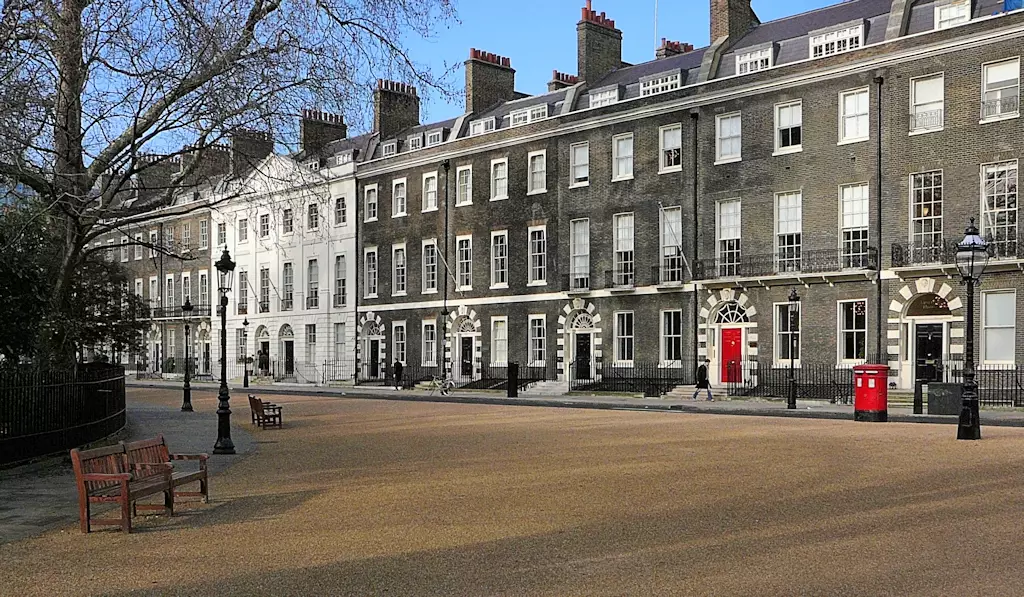
Goodenough College
London, Great Britain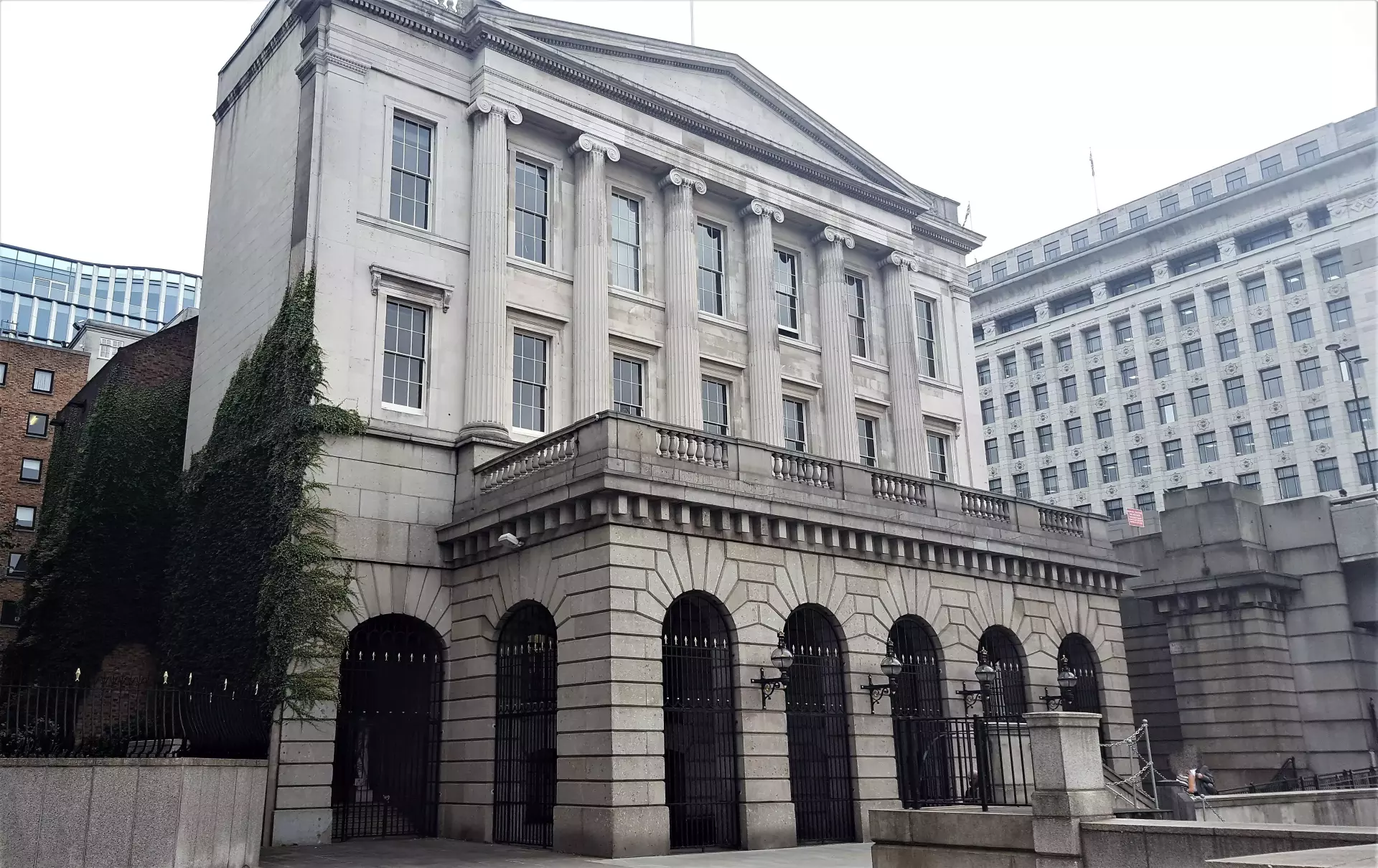
Fishmongers' Hall
London, Great BritainThe main headquarters of the Worshipful Company of Fishmongers and a Grade II* listed building.
Foundling Museum
London, Great Britain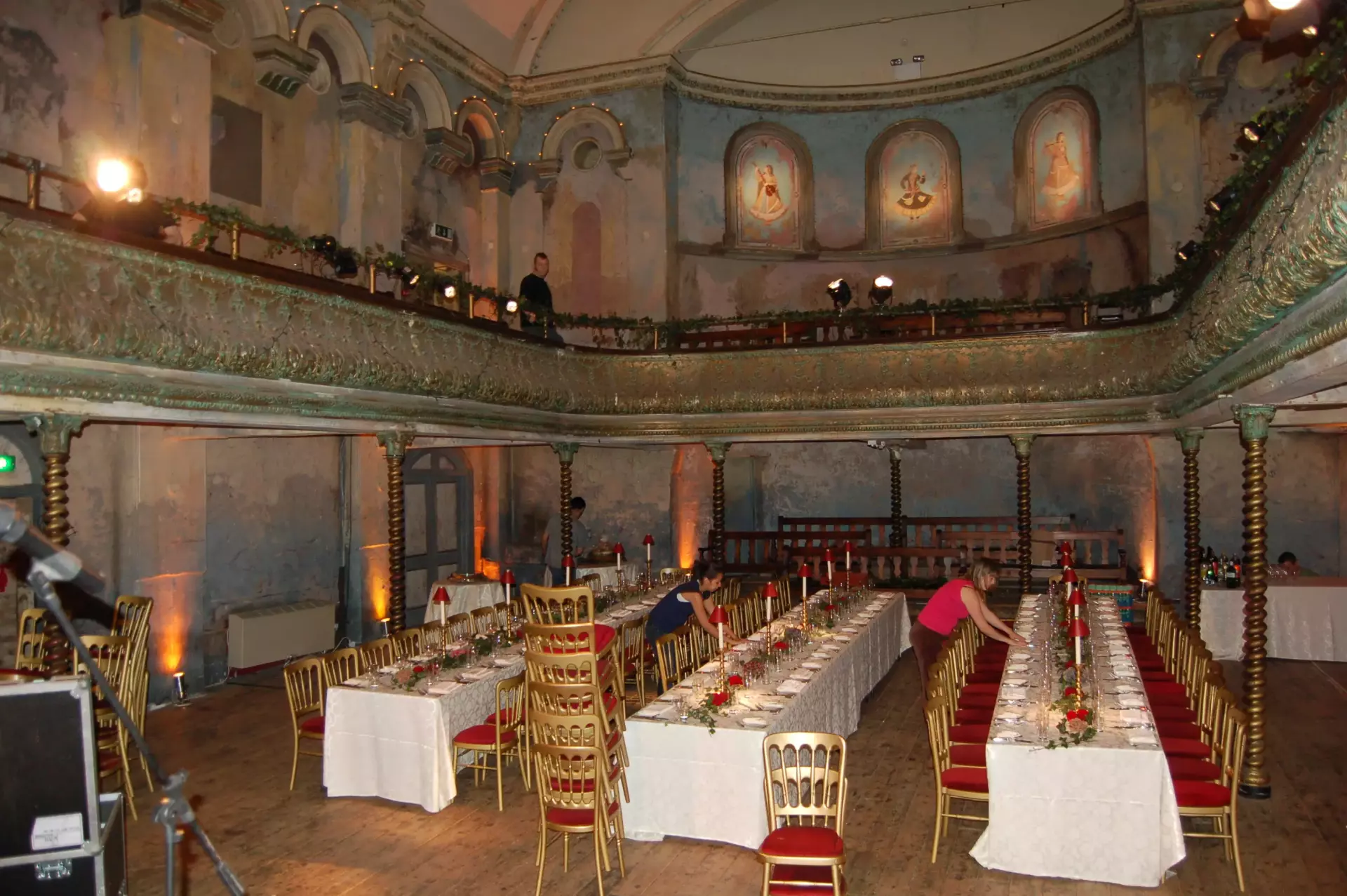
Wilton's Music Hall
London, Great Britain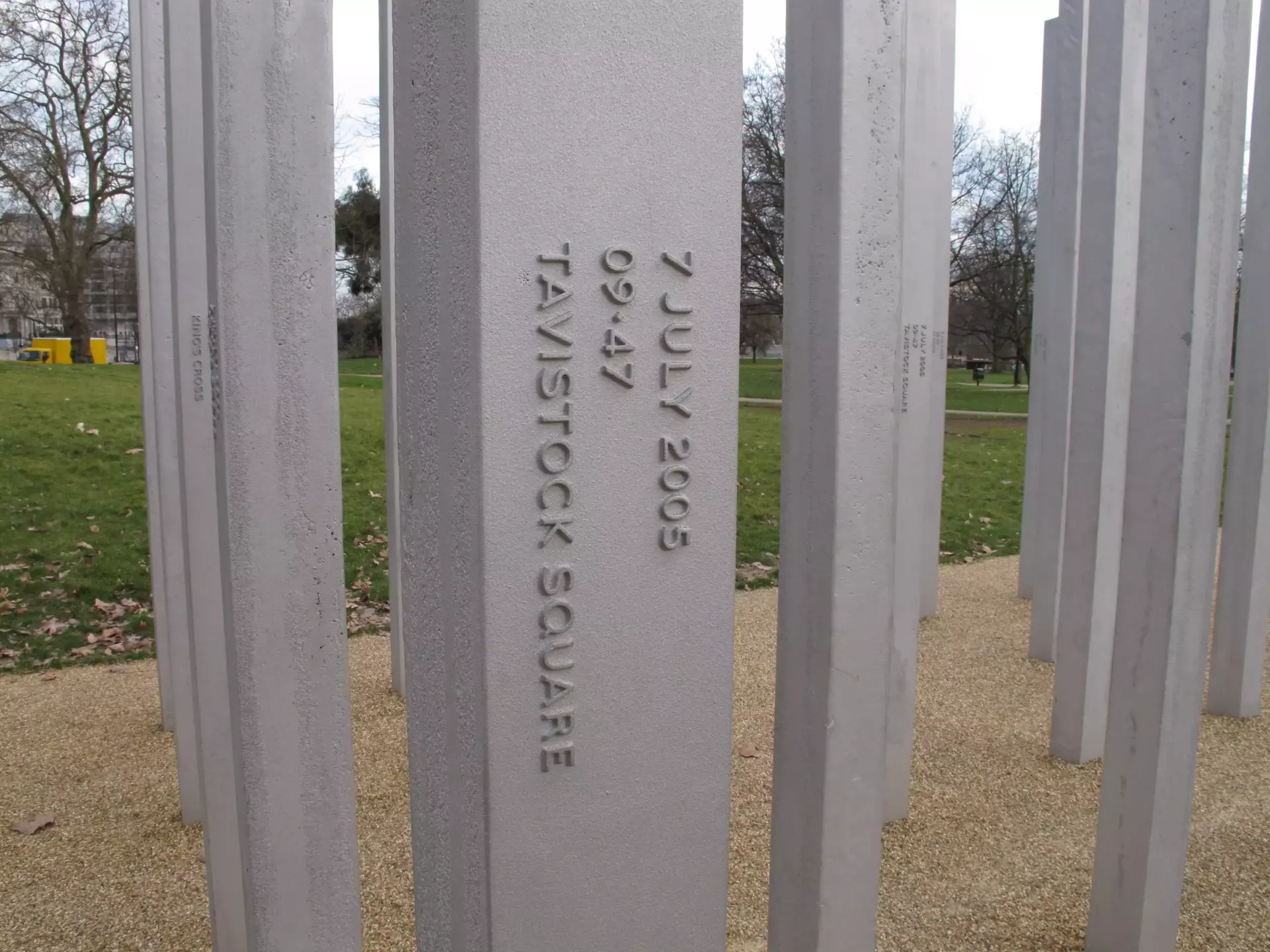
7 July Memorial
London, Great BritainA memorial made out of 52 stainless steel columns representing each of the 52 victims who died in a series of terrorist attacks in the London bombings on July 7th, 2005.
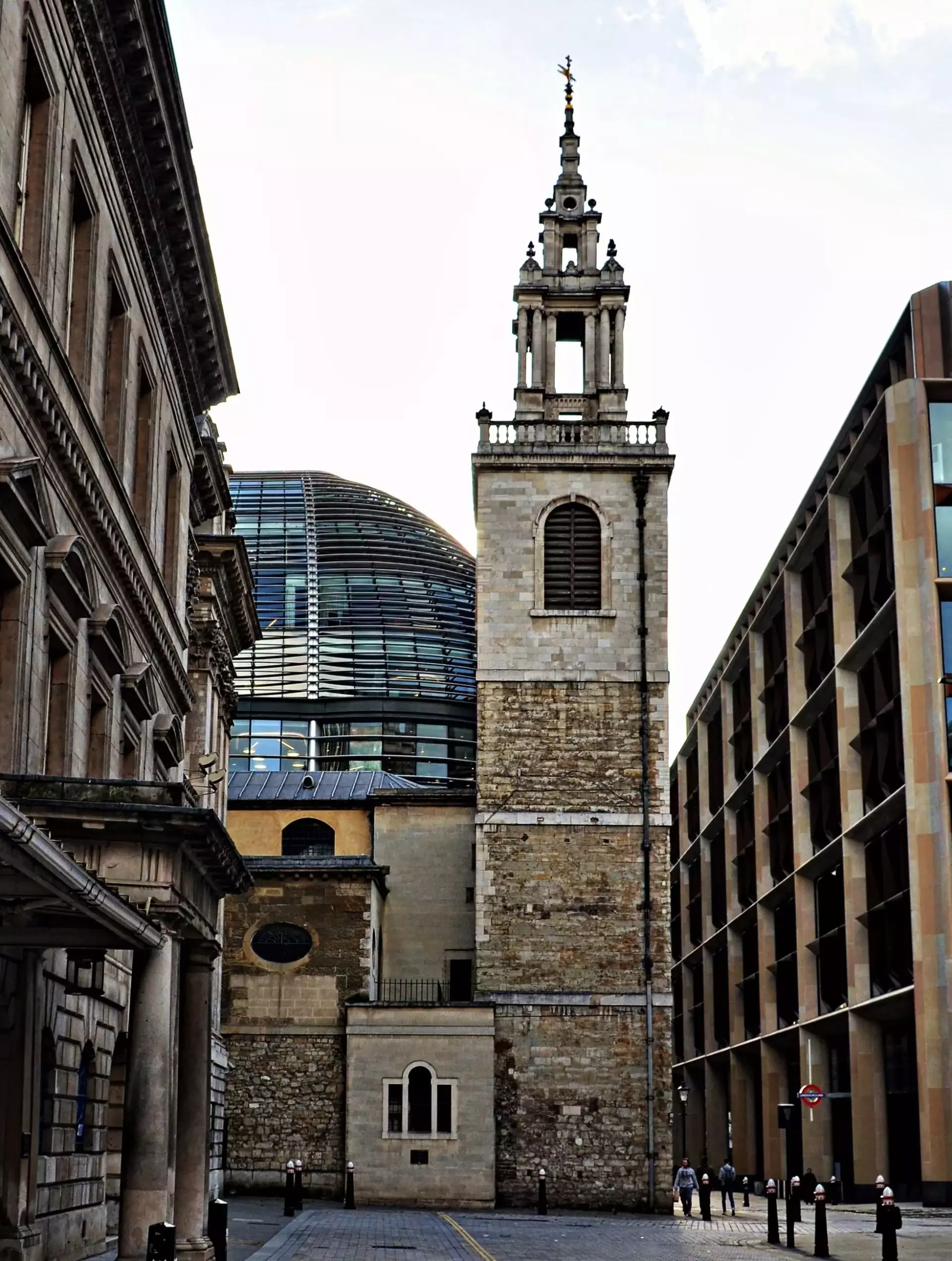
St Stephen Walbrook
London, Great BritainConstructed 1672-9 to a design by Sir Christopher Wren and regarded as one of the finest Wren churches. The 63 feet (19 m) high dome is based on Wren's original design for St Paul's Cathedral. The circular altar is by the British sculptor Henry Moore, and the kneelers are designed by Patrick Heron. Free lunchtime concerts at 1PM on Tuesdays (except August). Free Organ recitals at 12:30PM on Fridays. Occasional art exhibitions on Christian themes and other events.
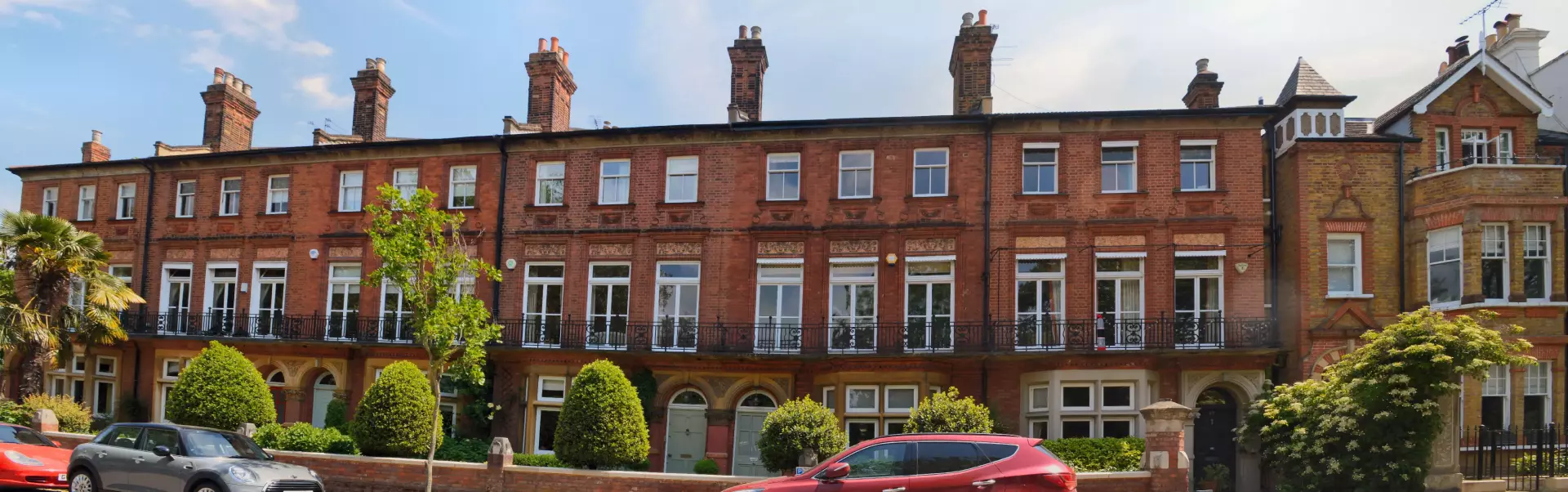
Kew Green
London, Great Britain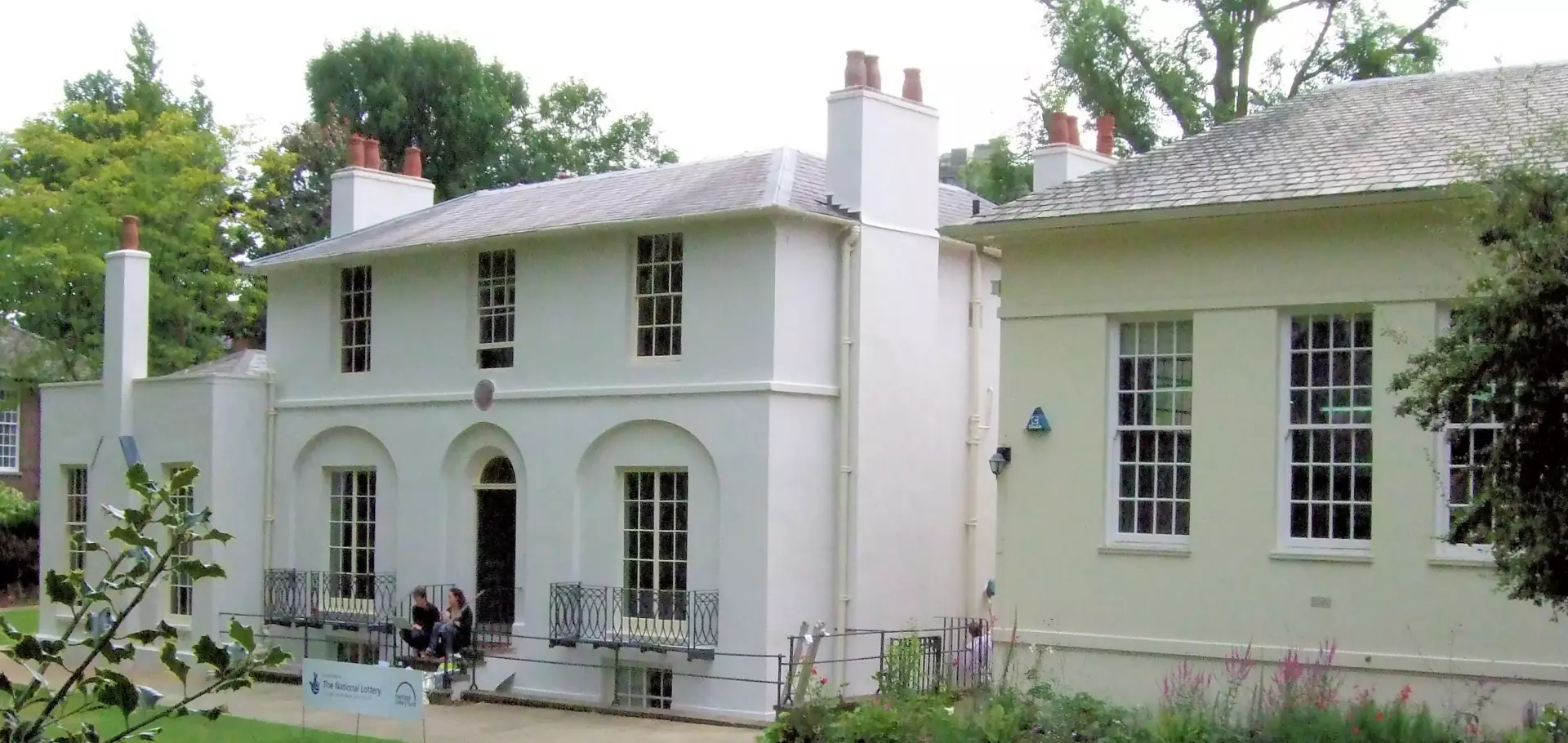
Keats House
London, Great Britain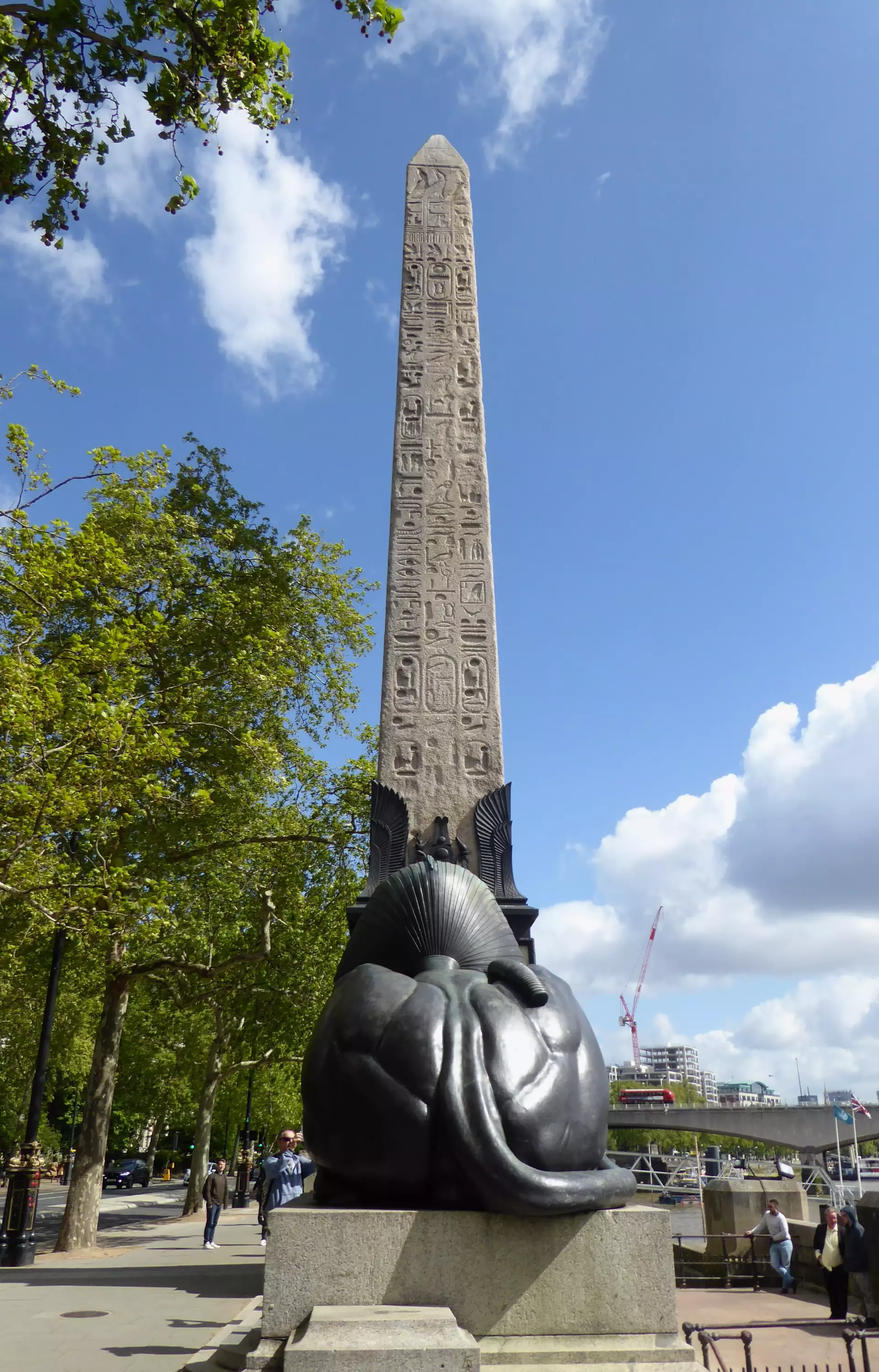
Cleopatra's Needle
London, Great BritainCleopatra's Needle originated in the ancient Egyptian city of Heliopolis, in the Temple of Atum, but the Romans moved it to Alexandria in 12 BC. In 1819, viceroy Mehemet Ali presented Cleopatra's Needle to the British, commemorating military victories in Egypt, but it remained in Alexandria until 1877 when transportation was arranged to bring it to London. On the voyage, the ship capsized in a storm, killing six crewmembers. Cleopatra's Needle was thought to be lost, but Spanish trawlers found it afloat a few days later, and after some repairs, it arrived in London on 21 Jan 1878. The obelisk is flanked by two faux-sphinxes, which show the effects of bombings of London during World War II. Today, Cleopatra's Needle shows some wear from exposure to London's damp weather.
Hayward Gallery
London, Great Britain
Kew Bridge
London, Great Britain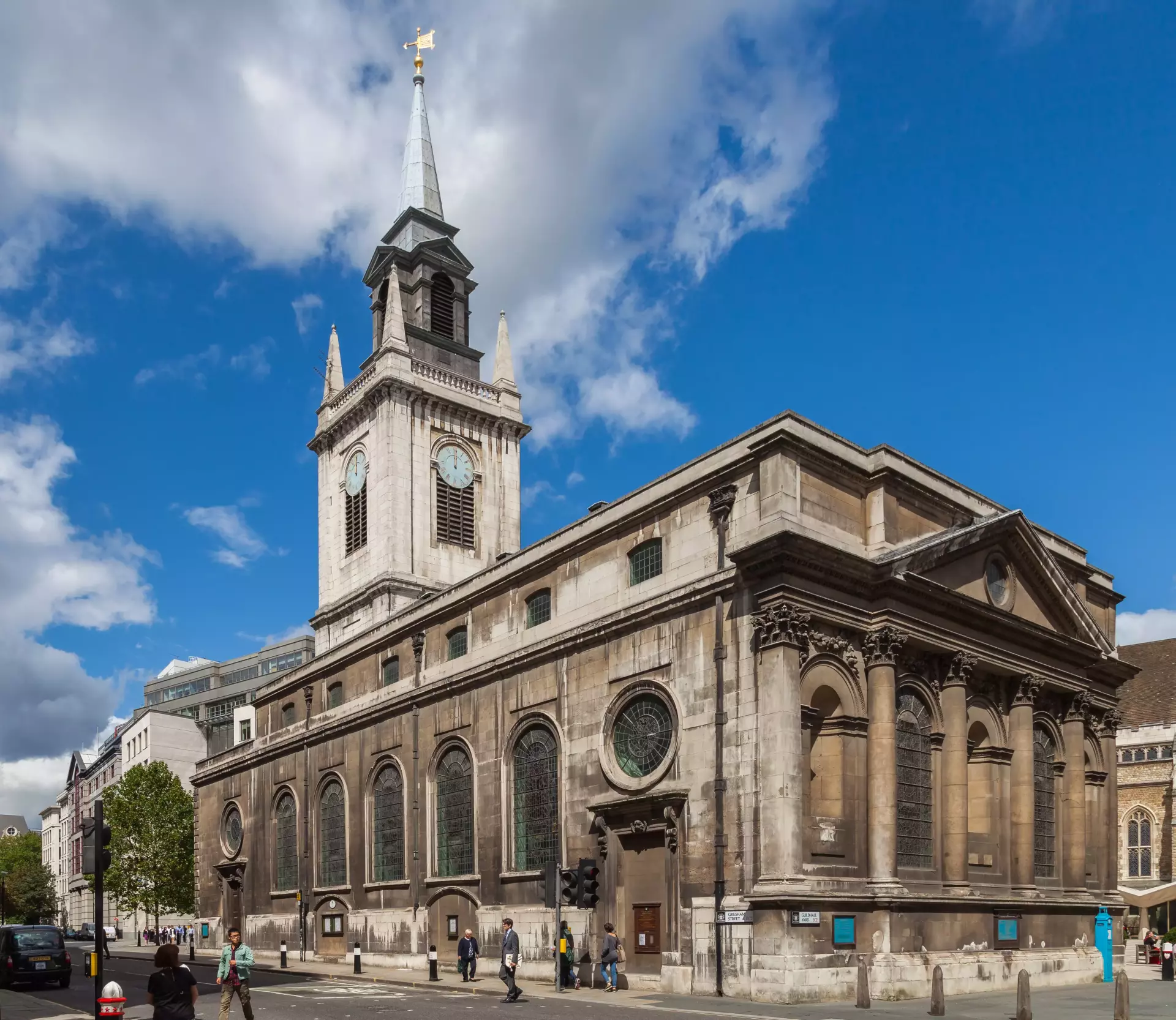
St Lawrence Jewry
London, Great BritainProperly St Lawrence Jewry next Guildhall, it is the official church of the Lord Mayor of London.
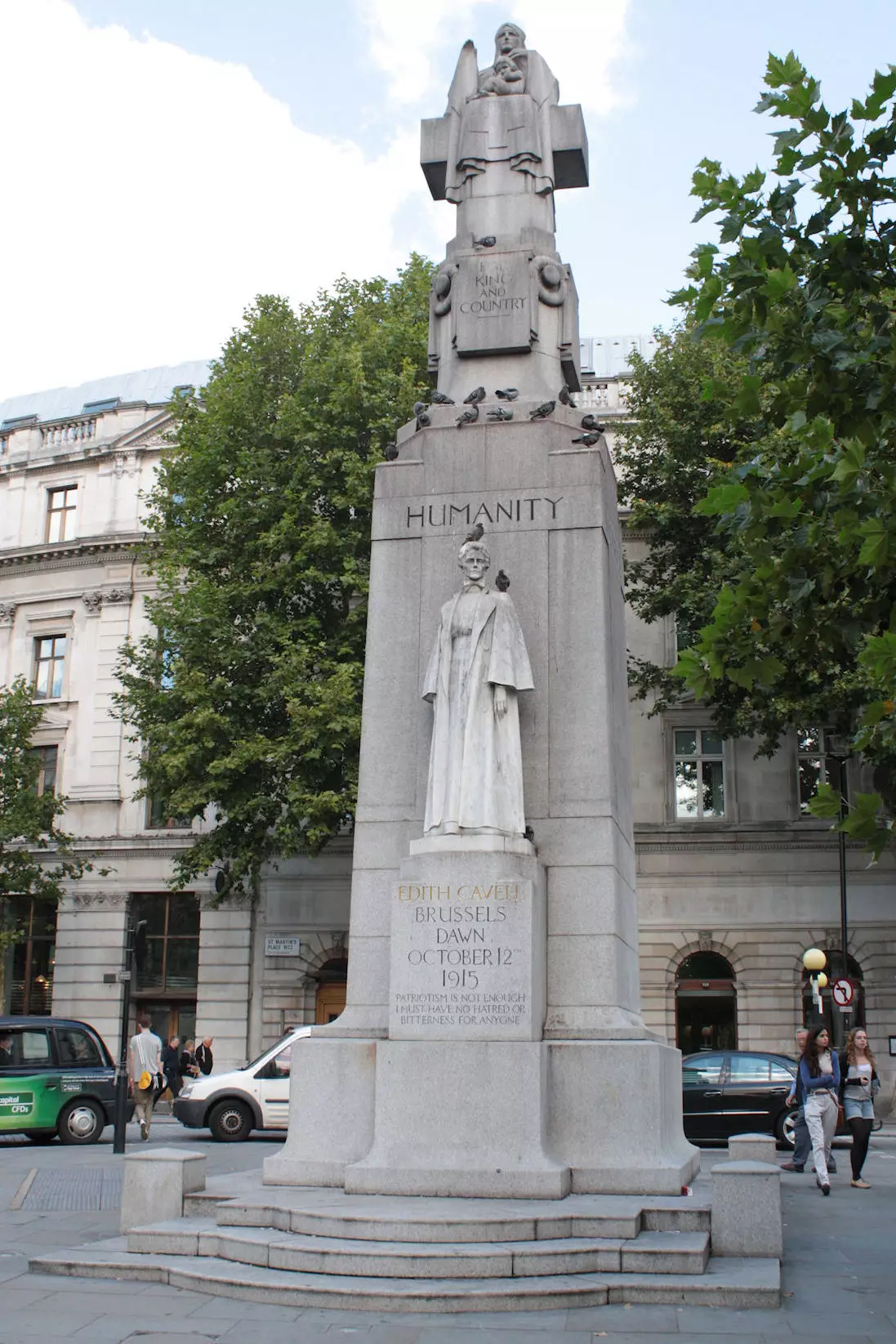
Edith Cavell Memorial
London, Great BritainStatue in honour of the World War I nursing heroine.
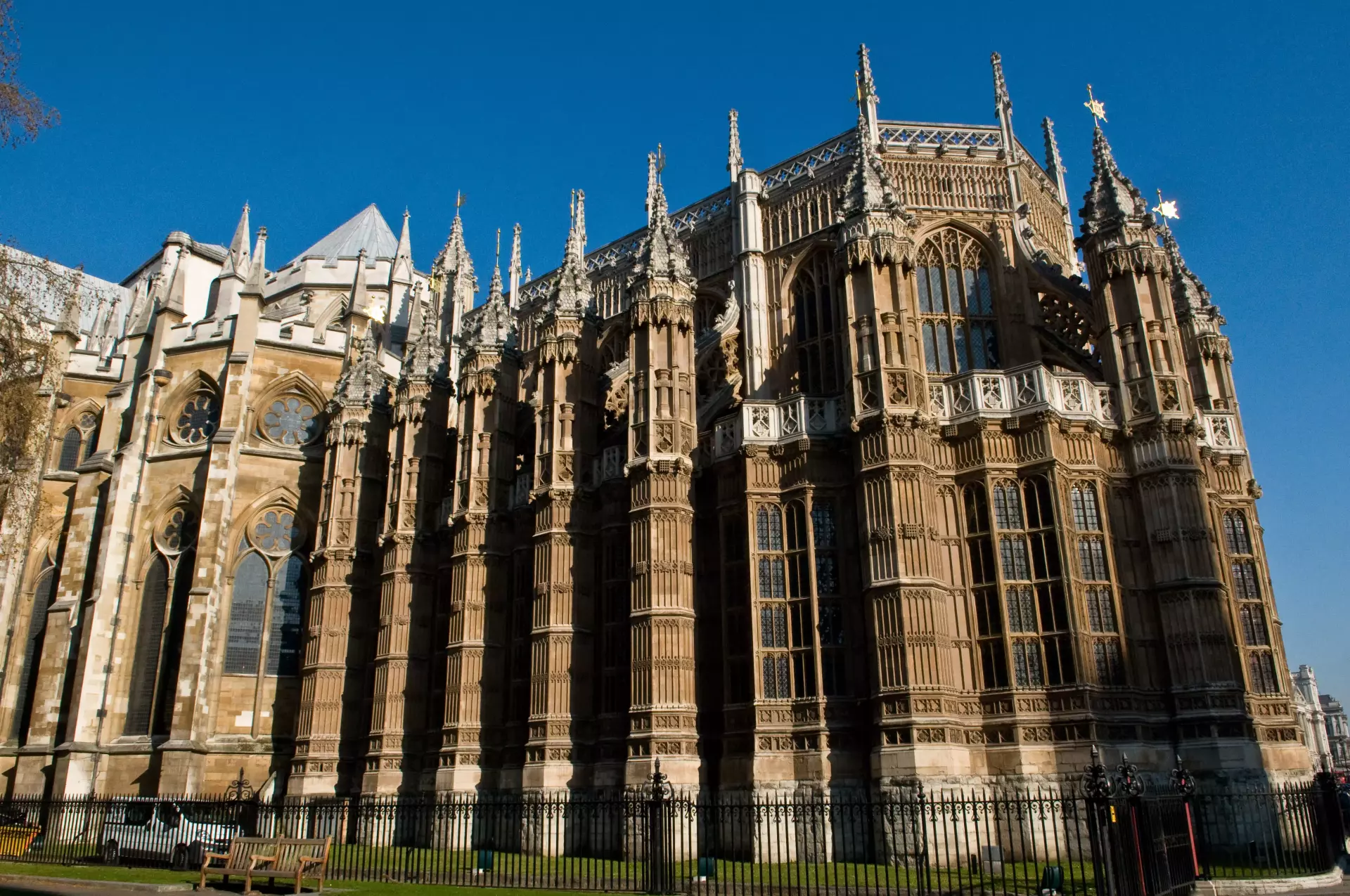
Henry VII Lady Chapel
London, Great Britain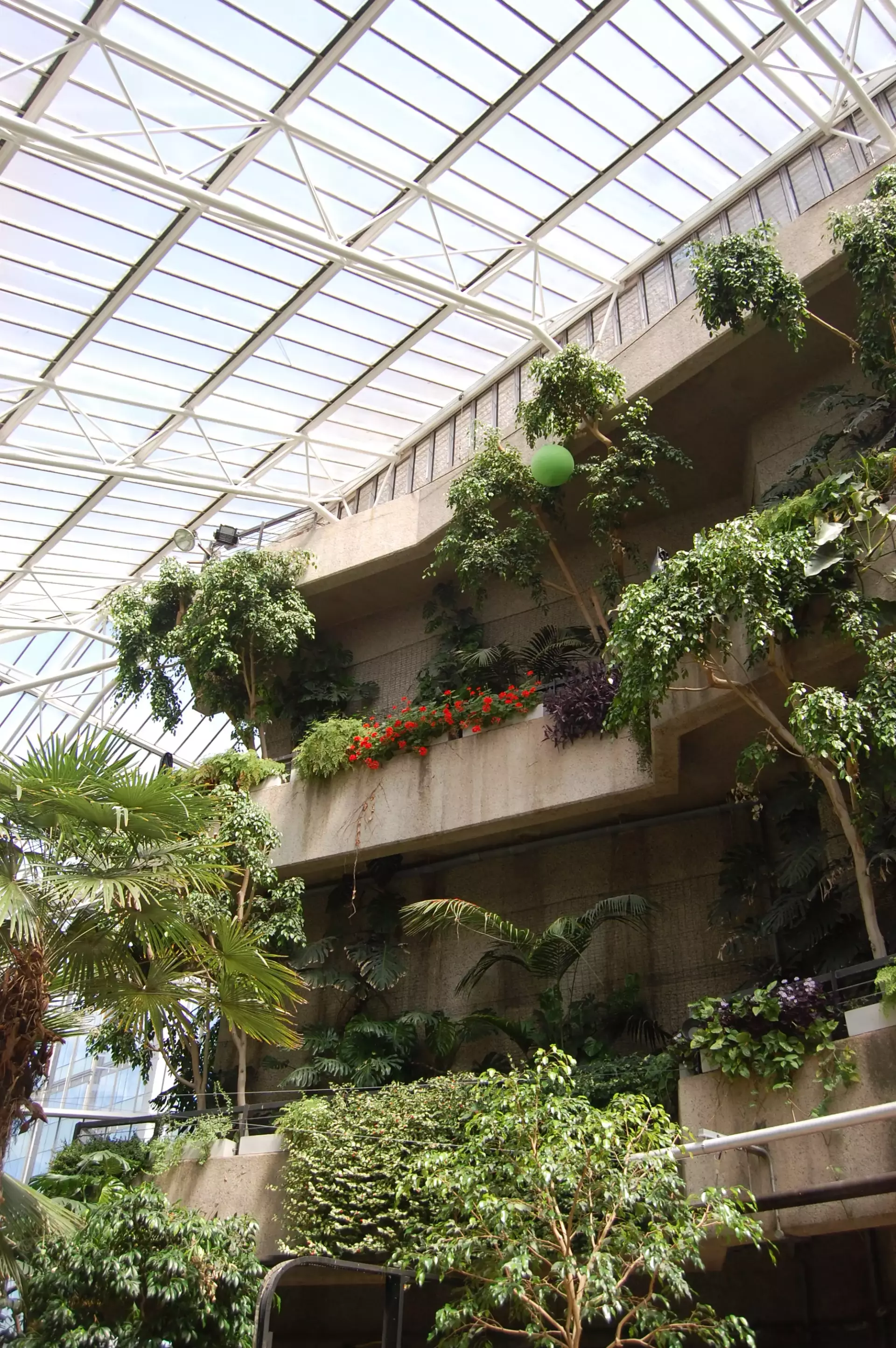
Barbican Conservatory
London, Great BritainThe second biggest greenhouse in London, containing over 2,000 species of tropical plants as well as birds and fish.