
Tourist attractions in London
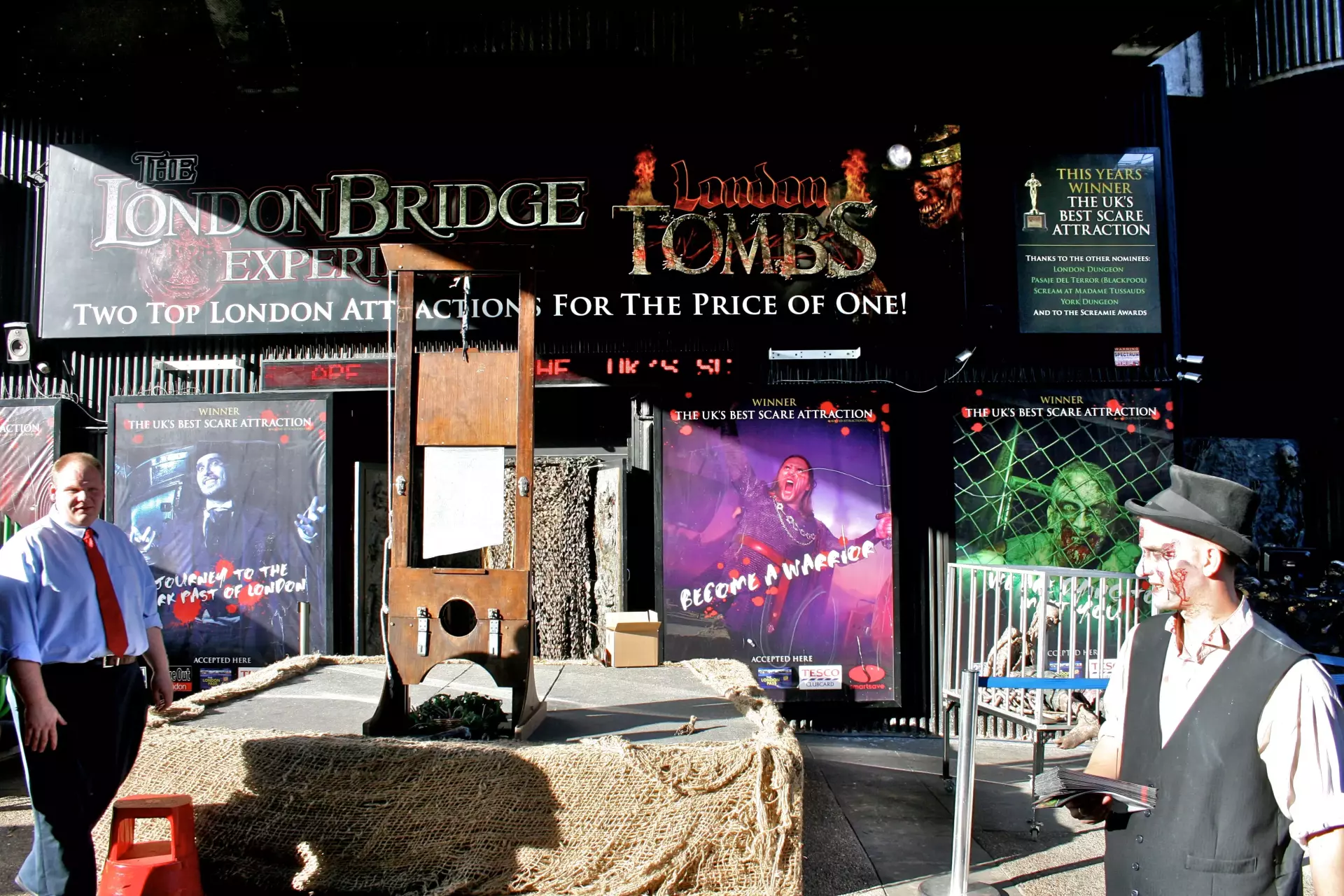
The London Bridge Experience
London, Great Britain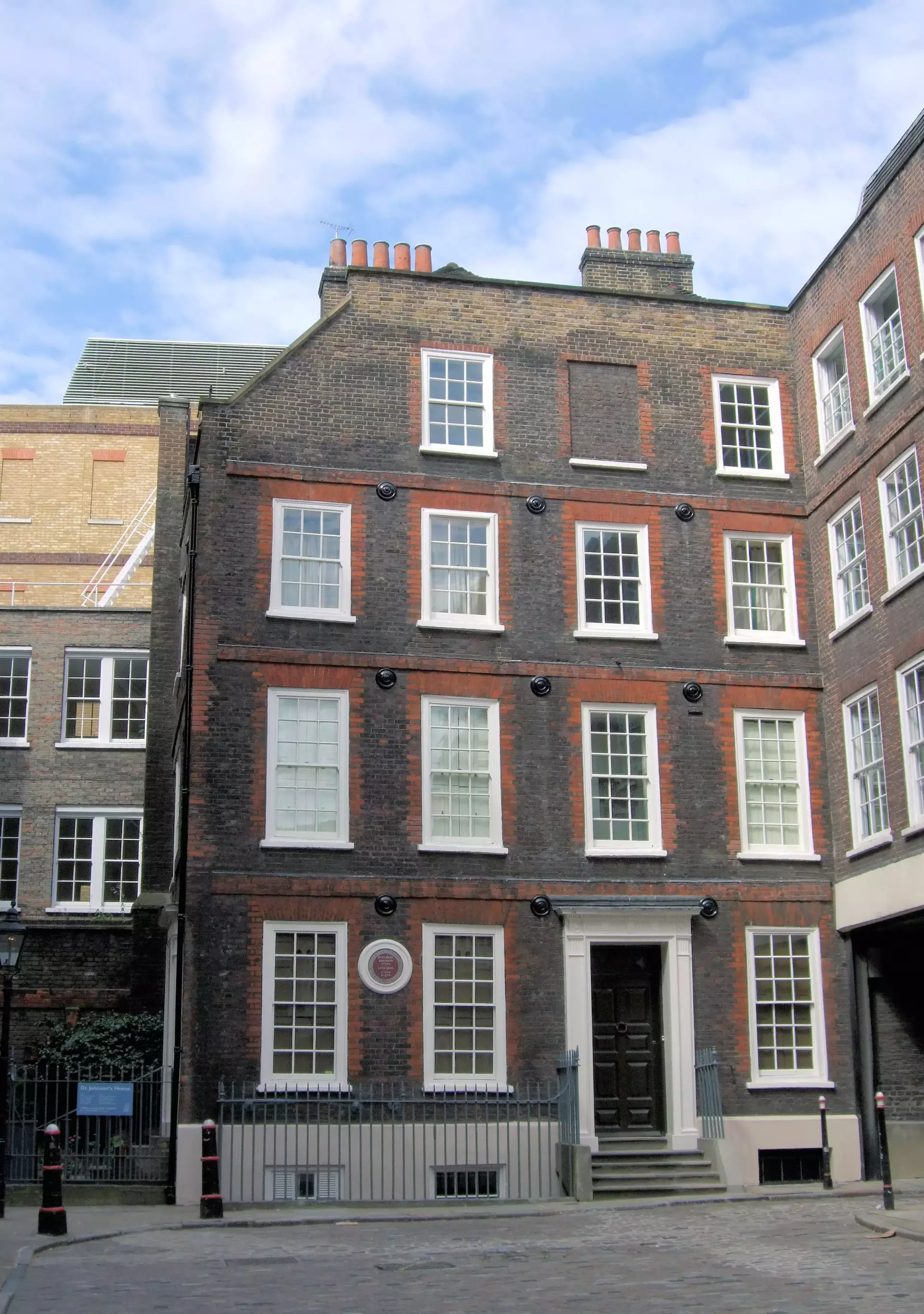
Dr Johnson's House
London, Great BritainDr Samuel Johnson was the highly distinguished 18th-century "man of letters", best known for his comprehensive English Dictionary of 1755, but also for his prolific output of poems, essays and novels. Something of a "hidden gem", this small, independent museum is dedicated to him—and, with its historic interiors, paintings and prints, personal effects and other exhibits—gives an impression of what it might have been like during his occupancy from 1748 to 1759. Built in 1700, this impressive period building—a rare example of its kind in the area—survived the brutal onslaught of the Blitz during World War II and is now maintained in excellent condition.
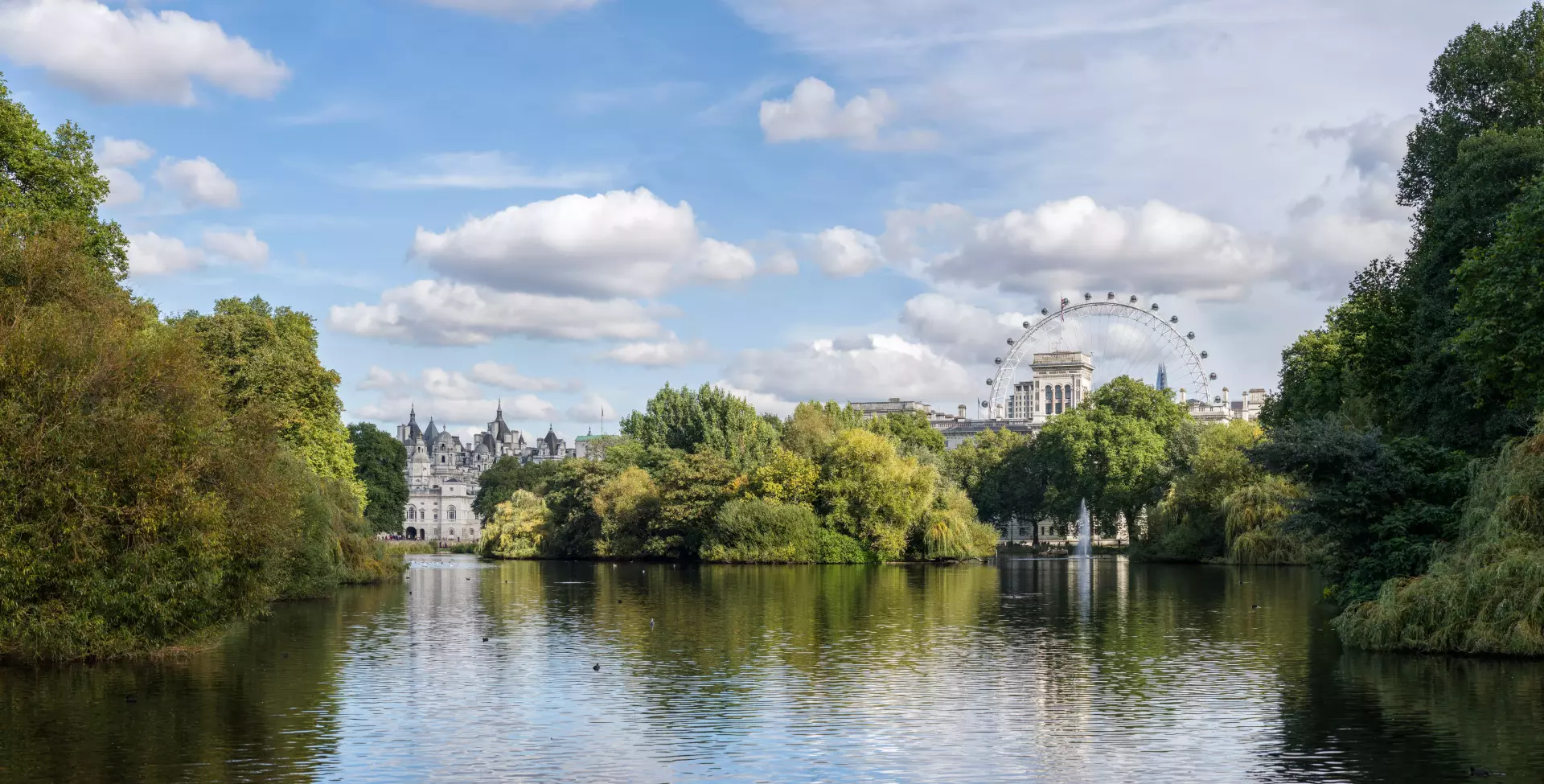
St. James's Park
London, Great BritainThe oldest of the Royal Parks of London.

The Guards Museum
London, Great Britain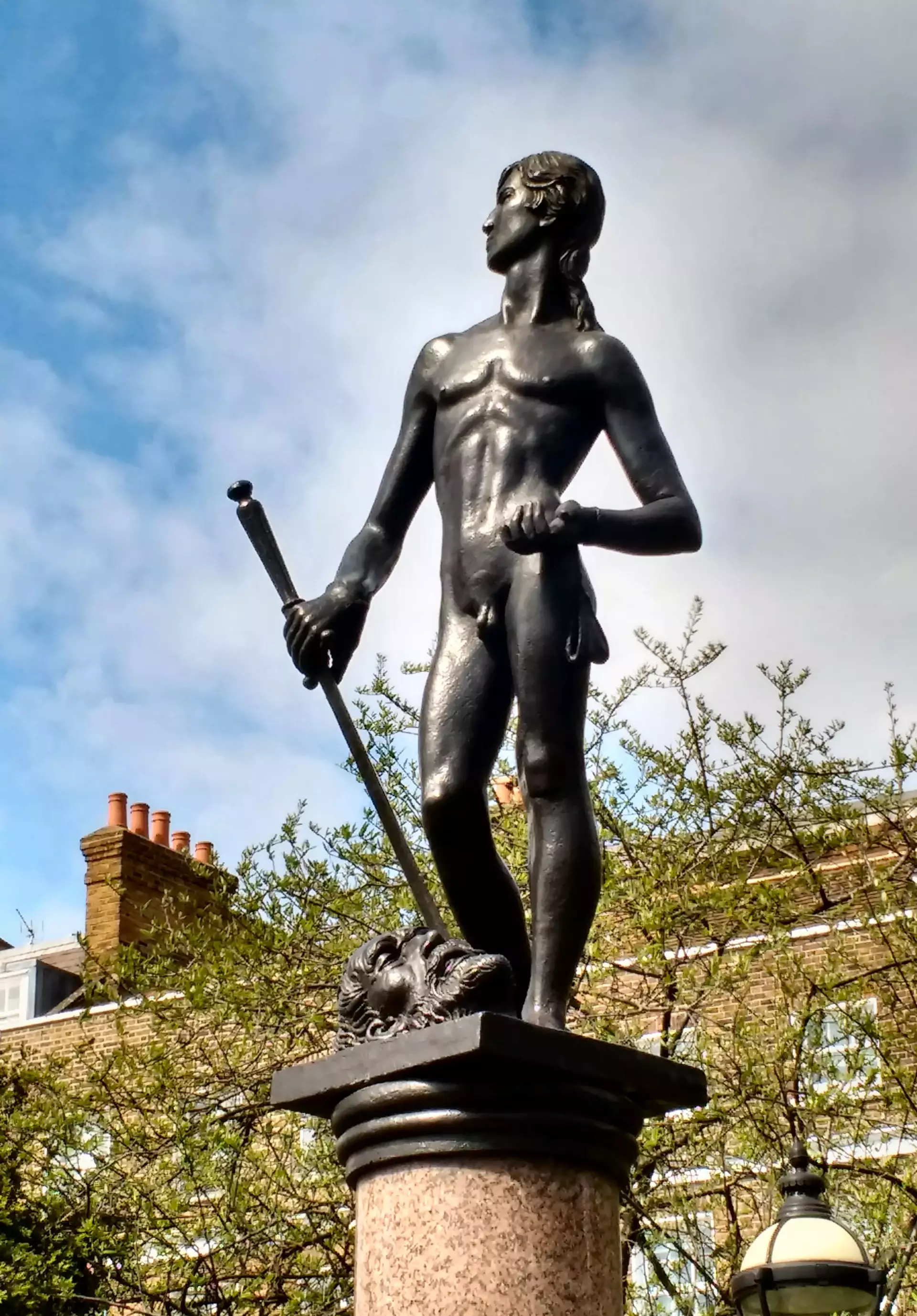
Machine Gun Corps Memorial
London, Great Britain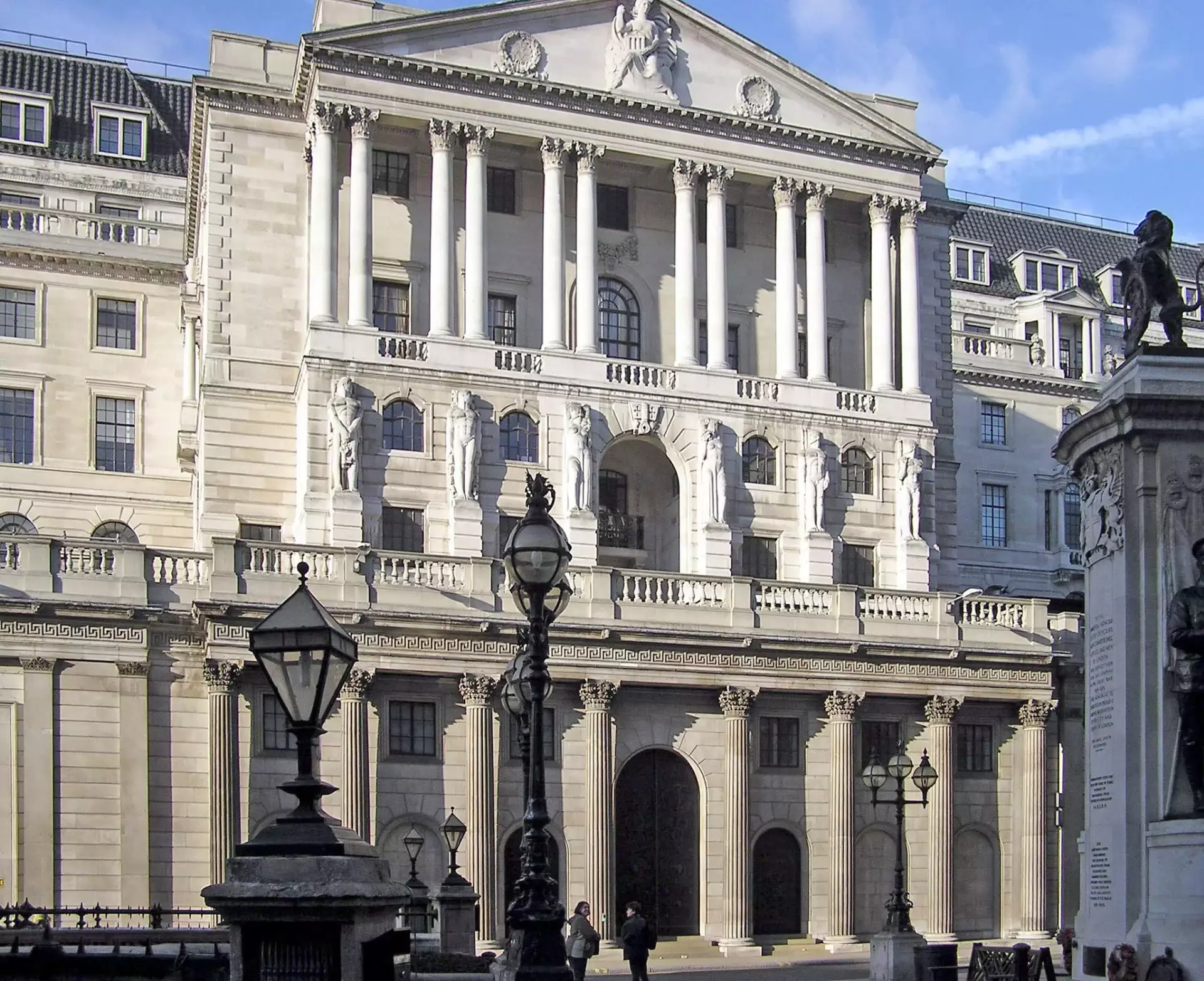
Bank of England Museum
London, Great BritainCharts the history of the bank from 1694 to the present day. A highlight is the opportunity to handle a genuine bar of gold. Photography allowed, but no flash.
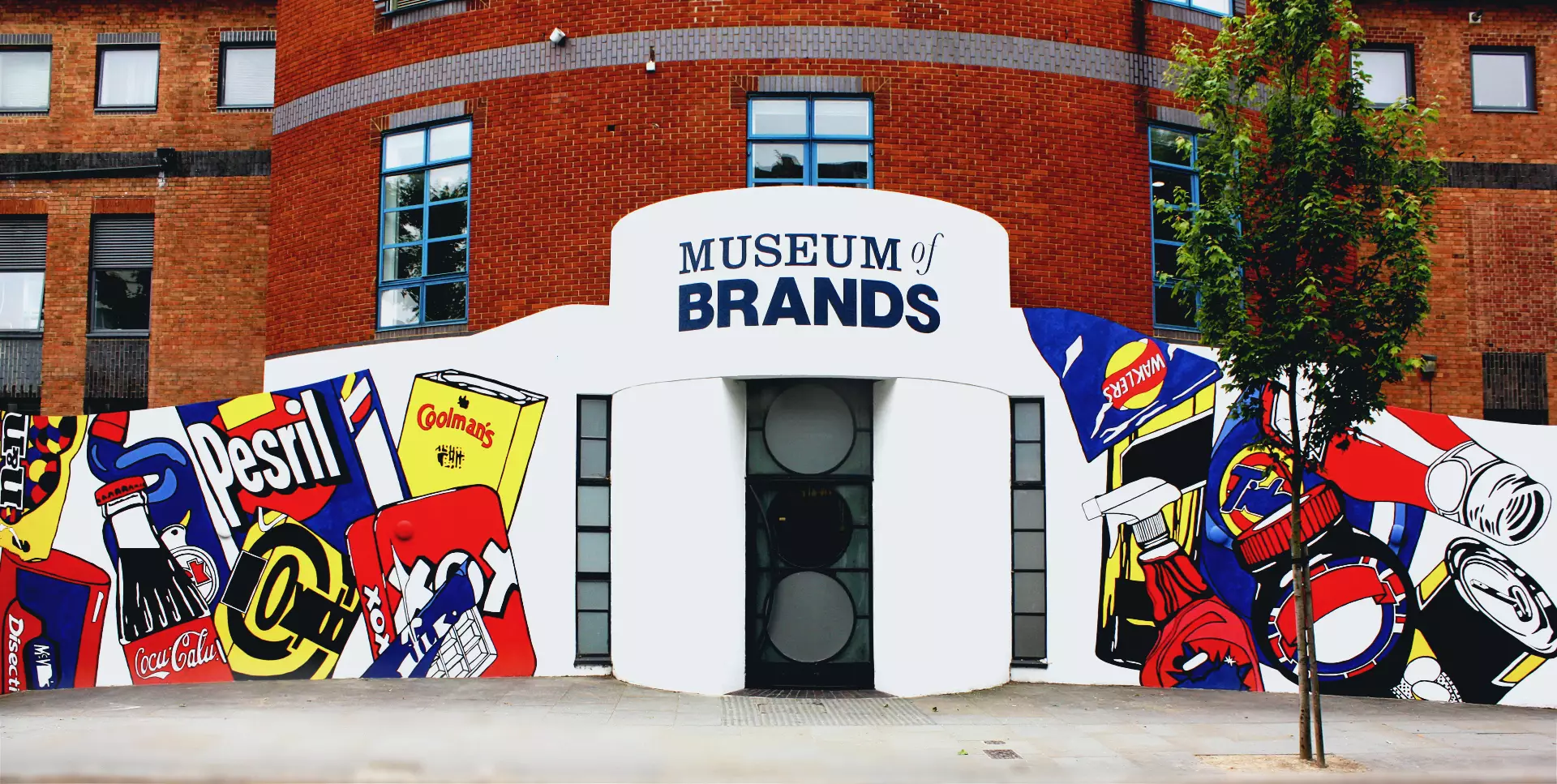
Museum of Brands
London, Great Britain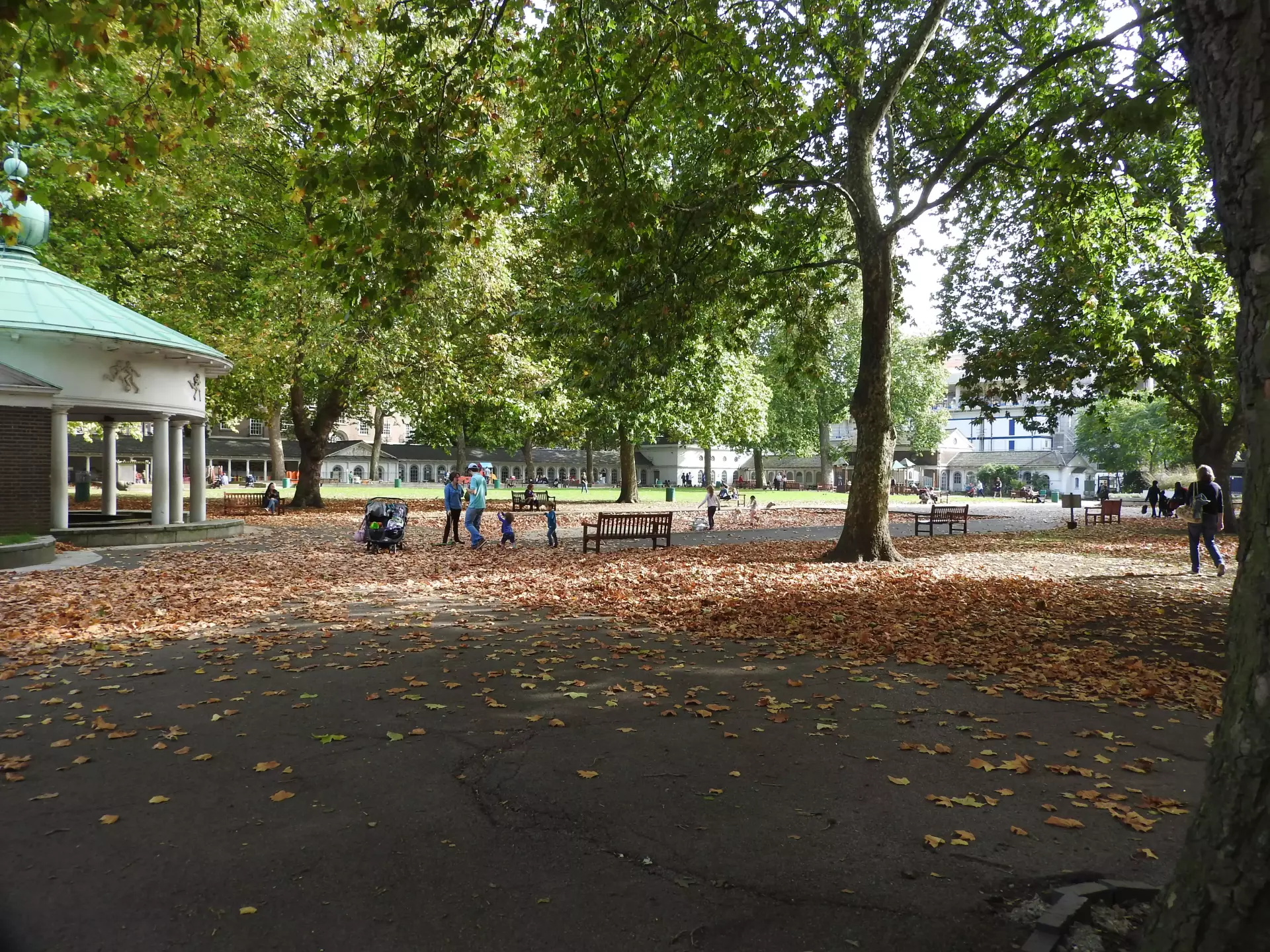
Coram's Fields
London, Great Britain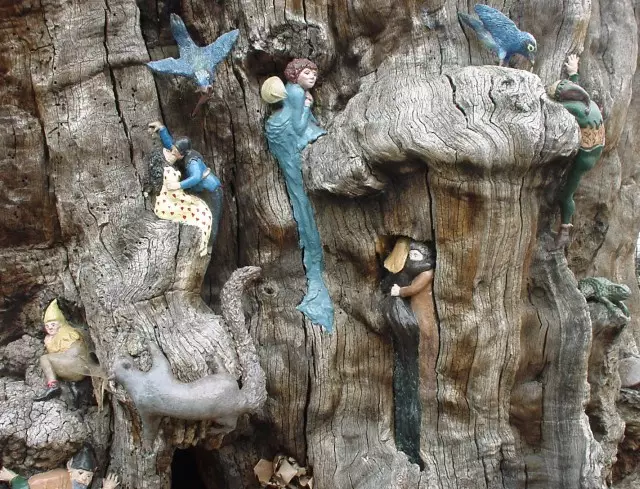
Elfin Oak
London, Great BritainA 900-year-old tree stump carved and painted to feature elves and small animals.
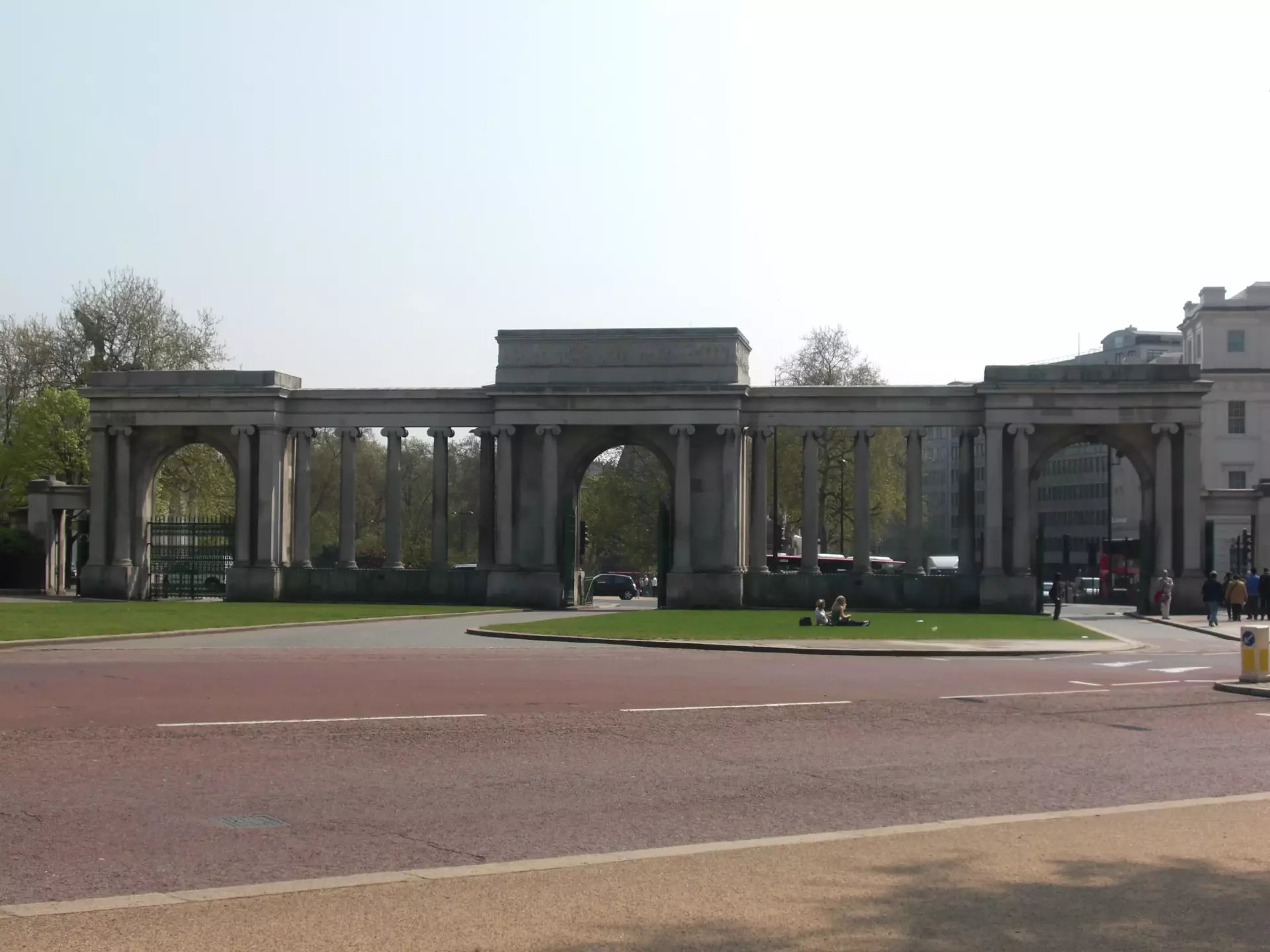
Hyde Park
London, Great BritainThe eastern half of the twin parks. Of the two, Hyde Park is open for longer and has more open, unwooded land; it is often host to concerts, fun fairs and events. More of an artificial stream than a fountain, flowing in an oval through an open grassy area which, in normal summers, is a popular paddling spot for children and grown-ups alike.
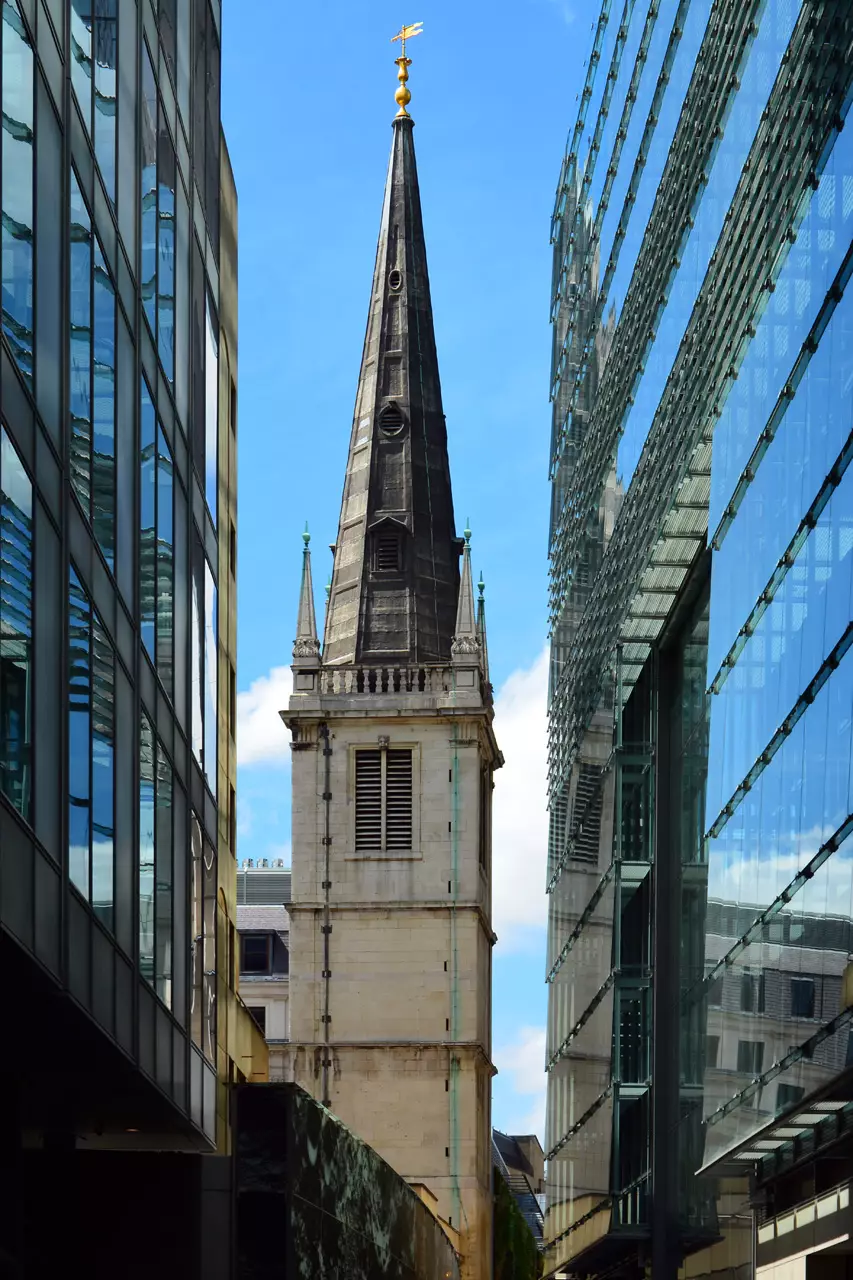
St Margaret Pattens
London, Great Britain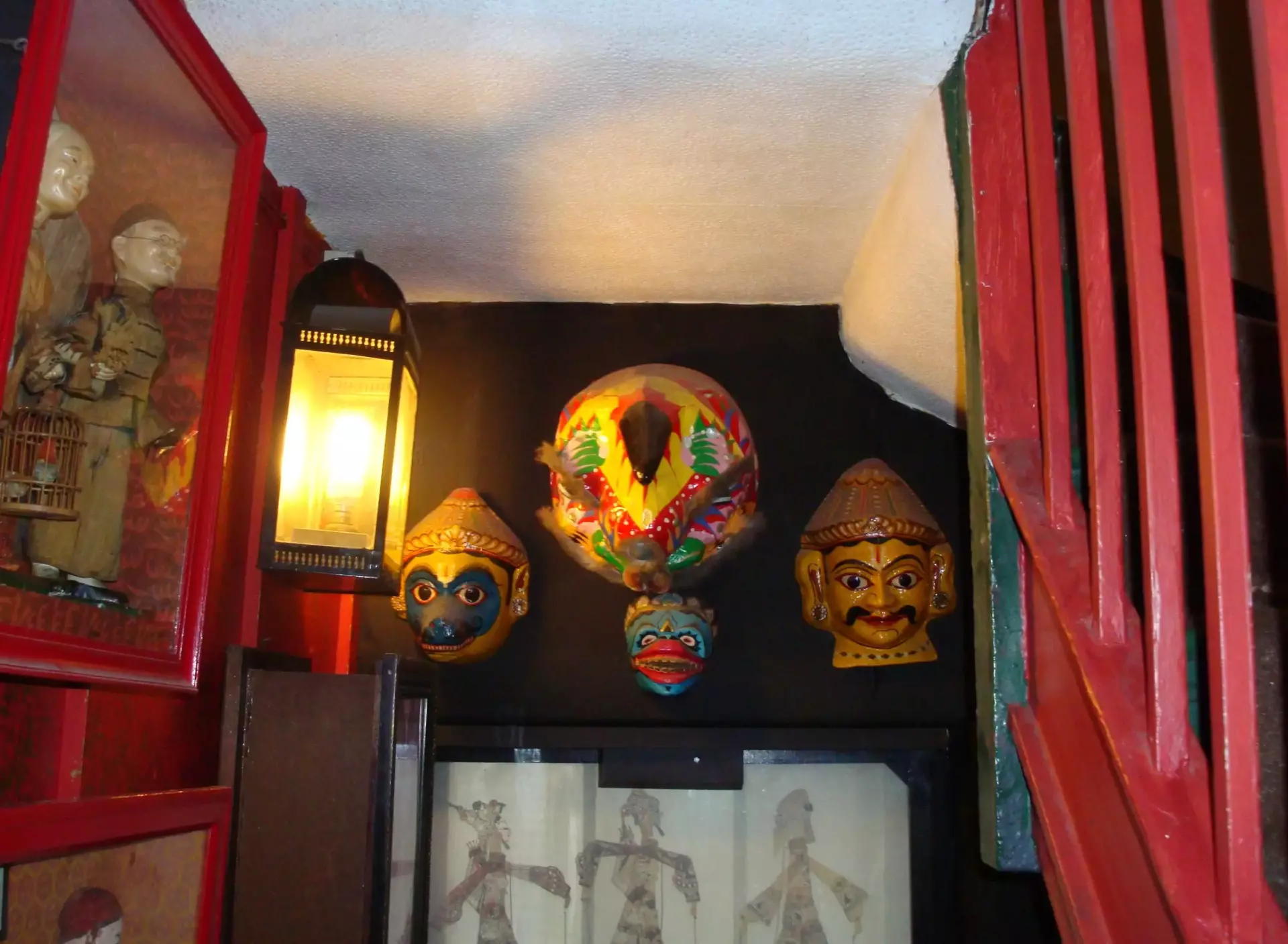
Pollock's Toy Museum
London, Great BritainA treasure trove of antique toys exhibited in a warren of 6 rooms above the toy shop of the same name. A very charming place indeed, though the doll rooms are a bit gruesome.
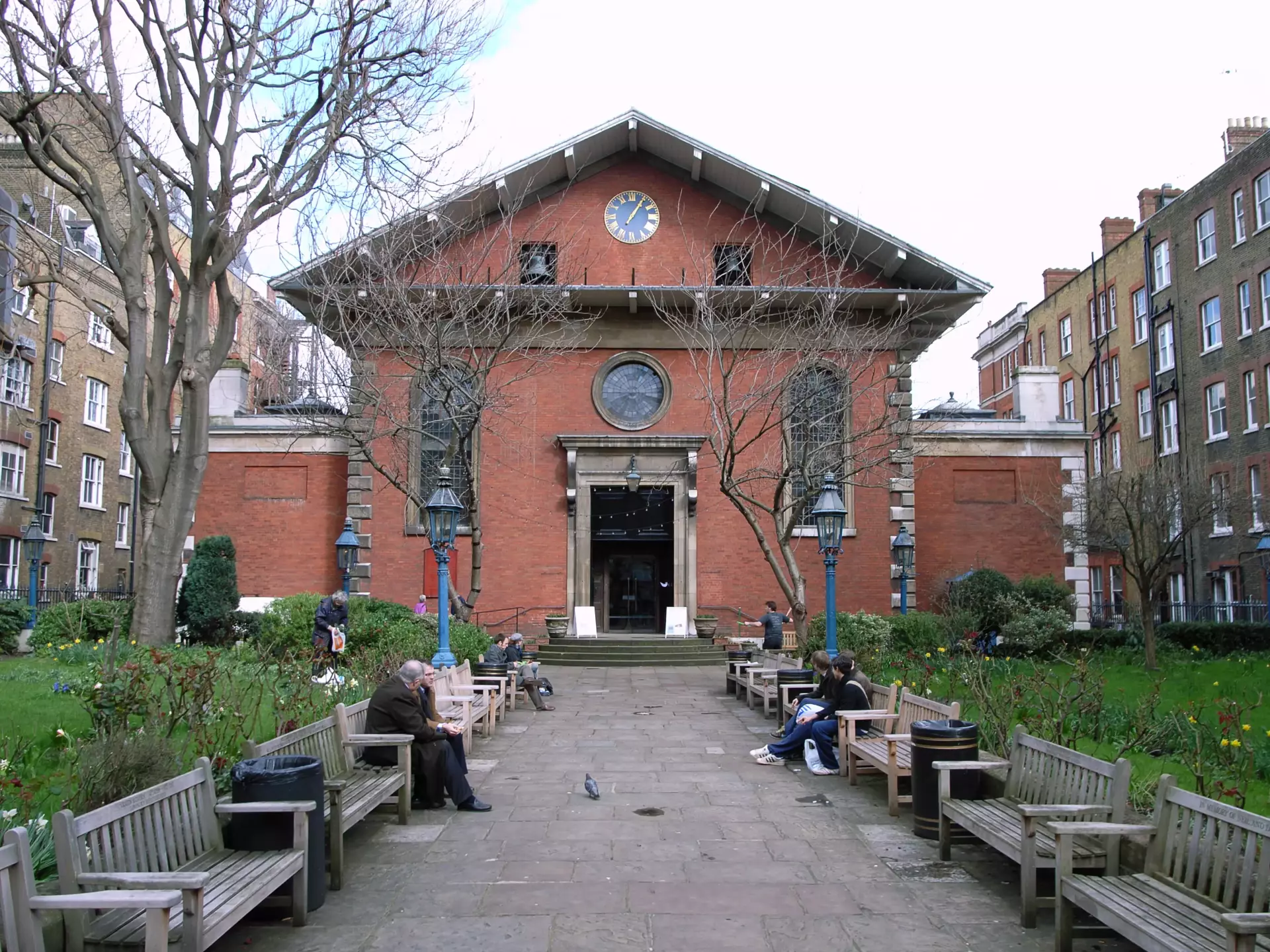
St. Paul's Church
London, Great BritainCompleted in 1633 to a design by Inigo Jones.
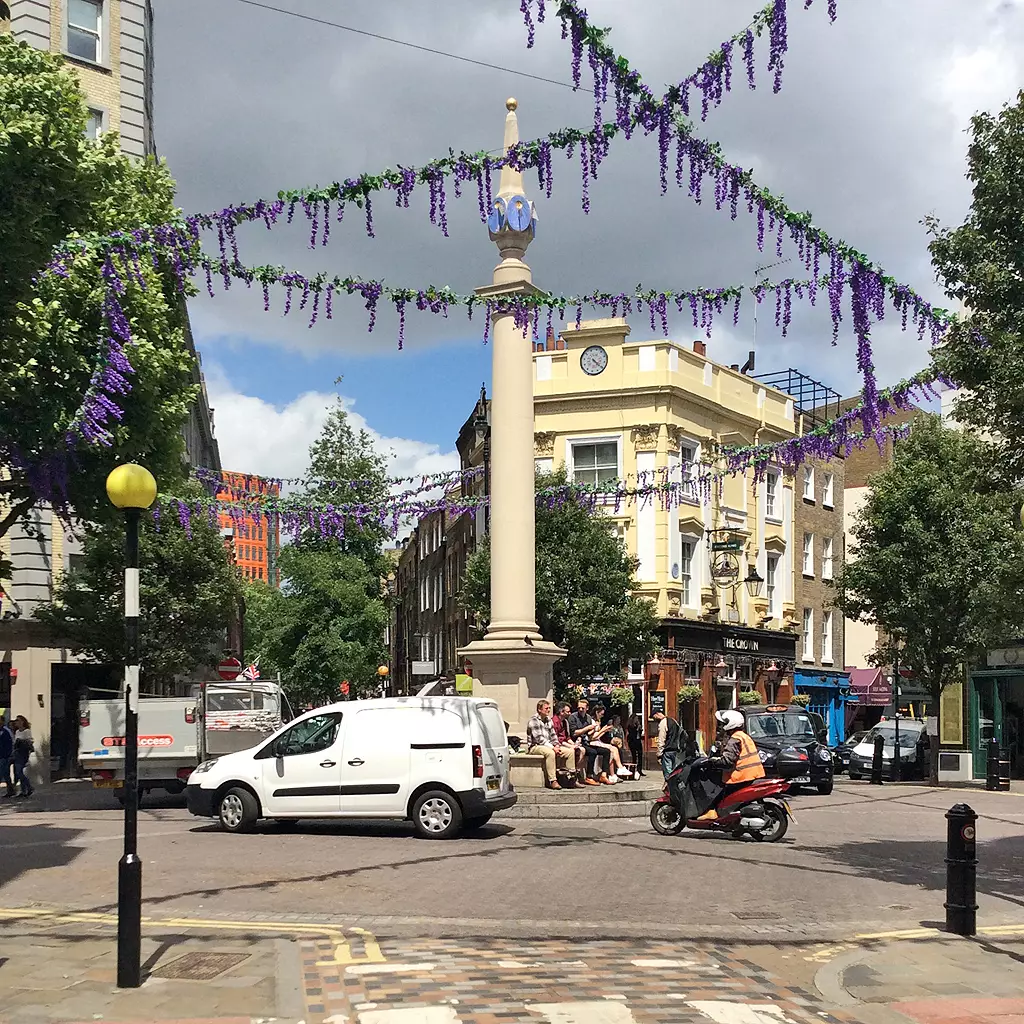
Seven Dials
London, Great BritainAn intersection of seven streets in the northern part of the Covent Garden district. Lots of mid-range designer clothing and shoe stores
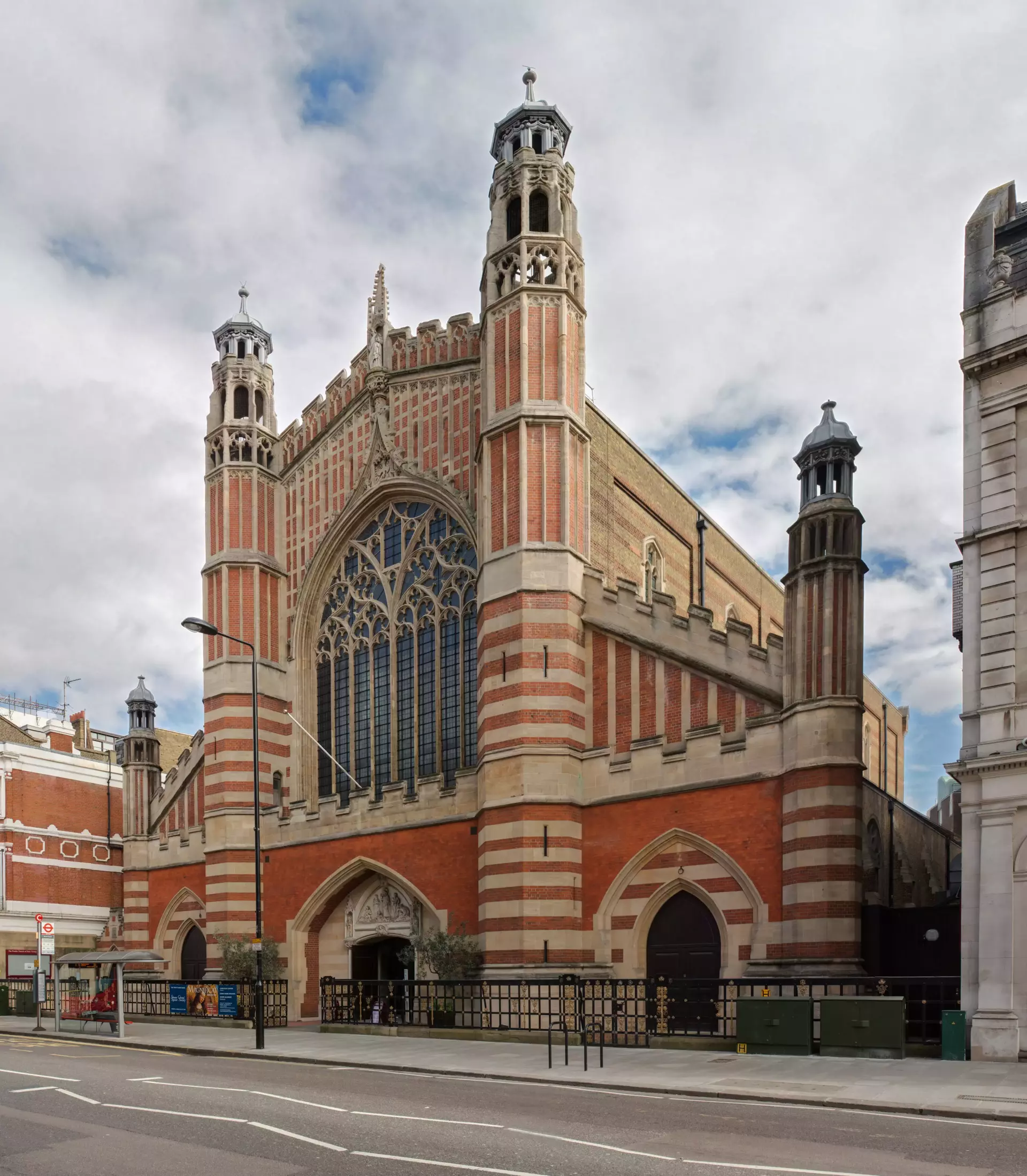
Holy Trinity Church
London, Great Britain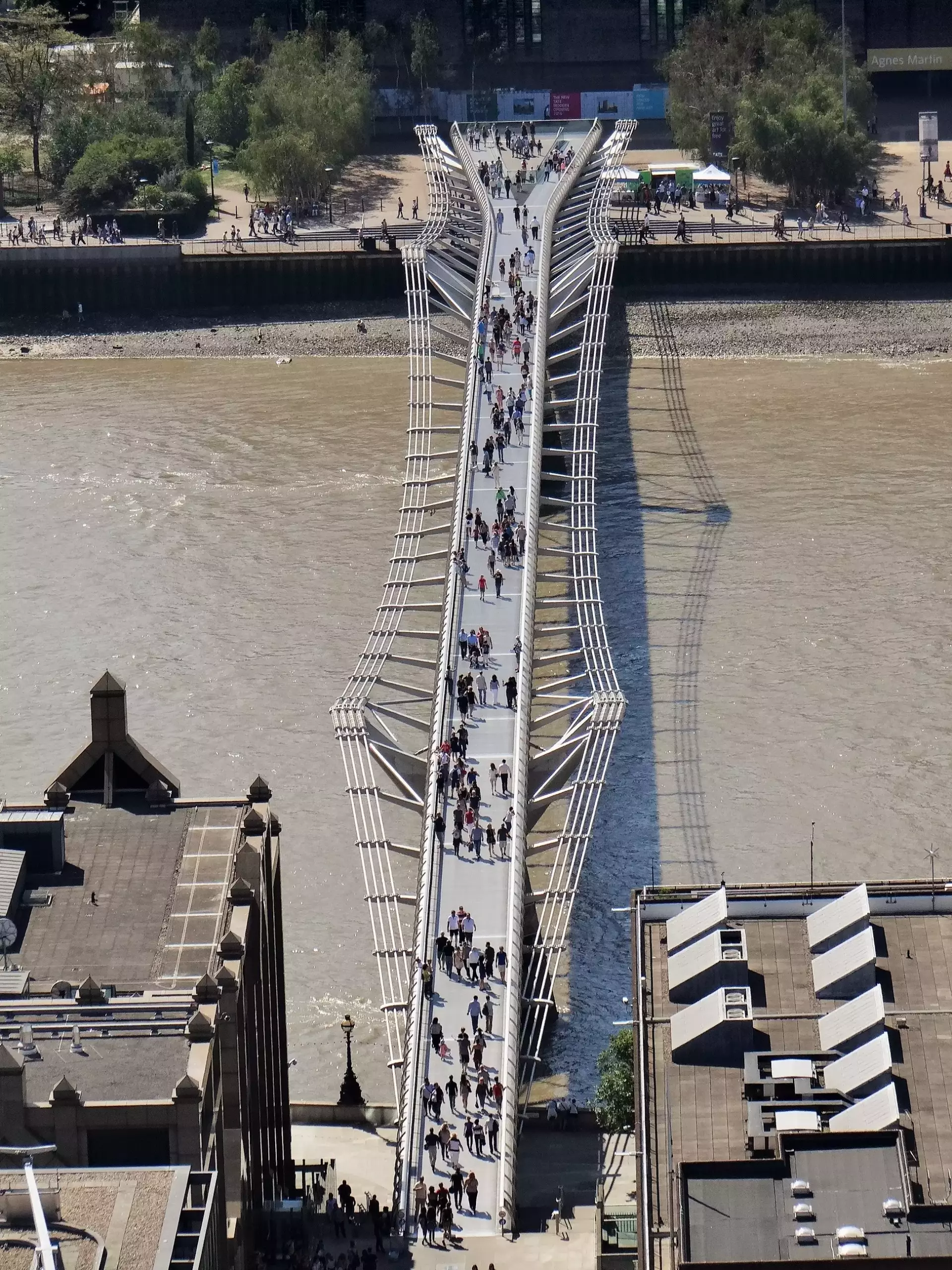
Millennium Bridge
London, Great BritainThis steel pedestrian bridge connecting Bankside with the City of London has all the lovely views of the Thames that you'd expect, but most of those who cross Millennium Bridge never notice its most distinctive feature. The bridge is dotted with hundreds of tiny paintings, so small that you'll probably miss them under your feet if you're not looking for them.
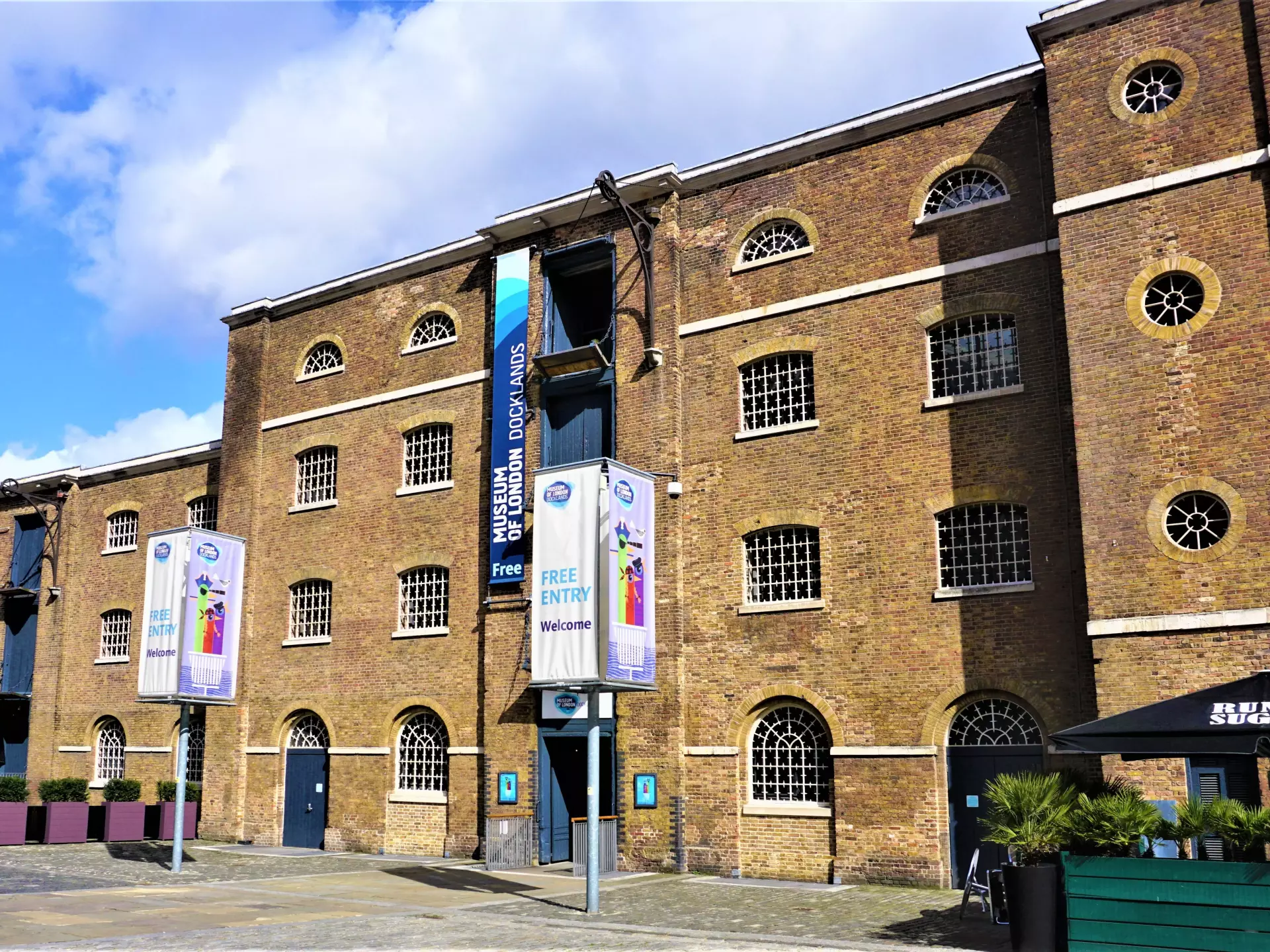
Museum of London Docklands
London, Great Britain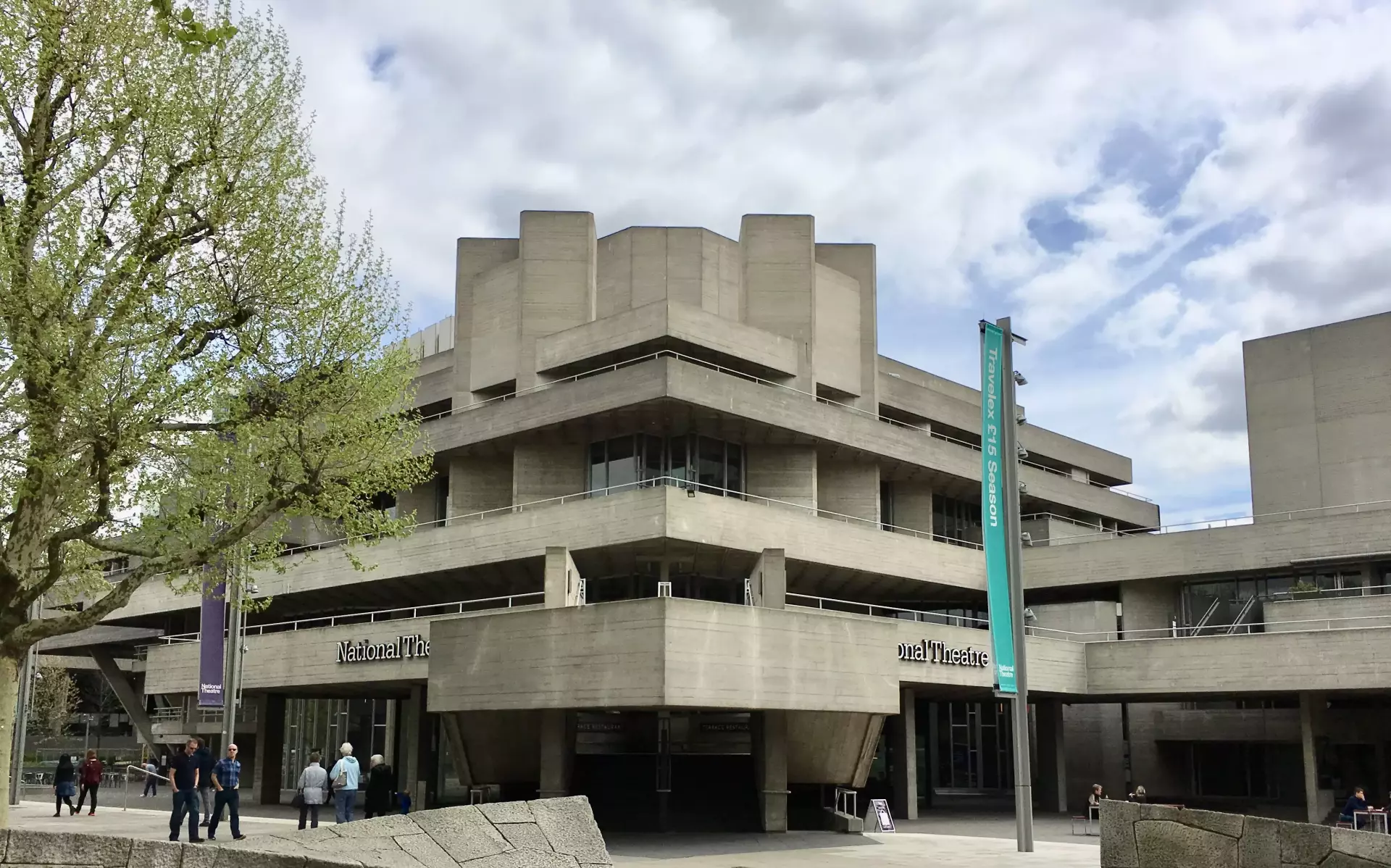
National Theatre
London, Great BritainThree large auditoriums, the Olivier, the Lyttelton and the Cottesloe. The Olivier theatre is the largest with an open stage and a fan shaped auditorium around it. This ensures that all seats provide a good view. Most of the more 'popular' productions are put on here as the space provided is much larger than most theatres. The Lyttelton theatre is more traditional with a proscenium arc with good views from most seats. The Cottesloe is a small studio theatre, seating around 400. Some tickets will be available on the day, either day seats (arrive before 9:30AM and queue) or standby (arrive before 6PM and queue), or you can buy online. Popular shows, especially those around Christmas in the Olivier sell out months in advance. Tickets to The National Theatre are generally better value than most other theatres. There is also the '£15 Travelex' season in the summer (as of 2019) that provides a large number (over 100,000 seats a year) at £10. Booking in advance is required for these. There is also an exhibition space in the Lyttelton theatre foyer that frequently holds popular photographic exhibitions. Free jazz is often played in the evening in the ground floor foyer. During summer there is a free daily outdoor festival of performance, music, comedy and cabaret known as Watch This Space. Deckchairs (and artificial grass) are provided to watch on. Free exhibitions. Backstage tours £5.
Radnor Gardens
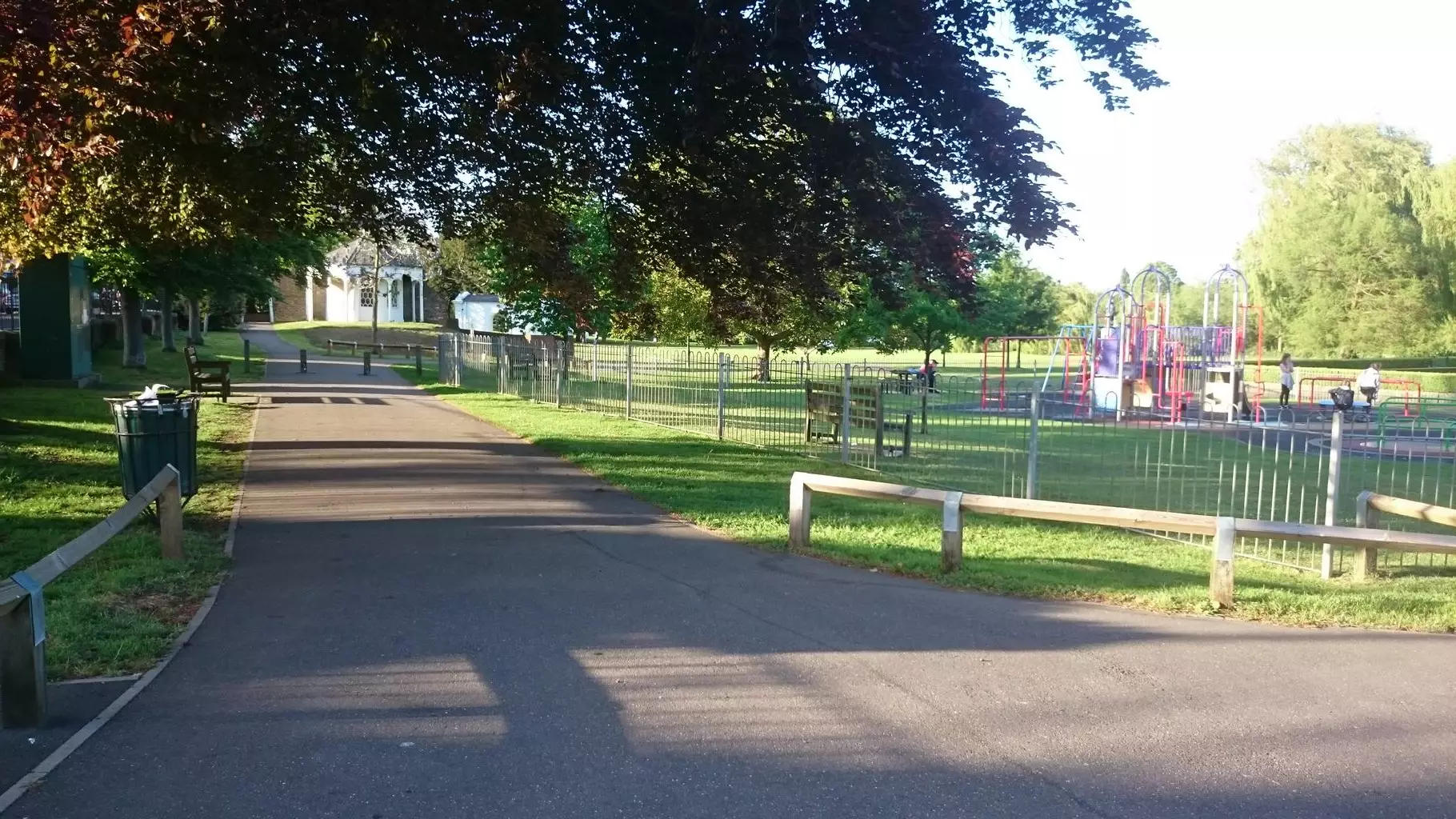
London, Great BritainPark overlooking the river, with the local war memorial. Be careful at high tide, as it may flood.
Natural History Museum
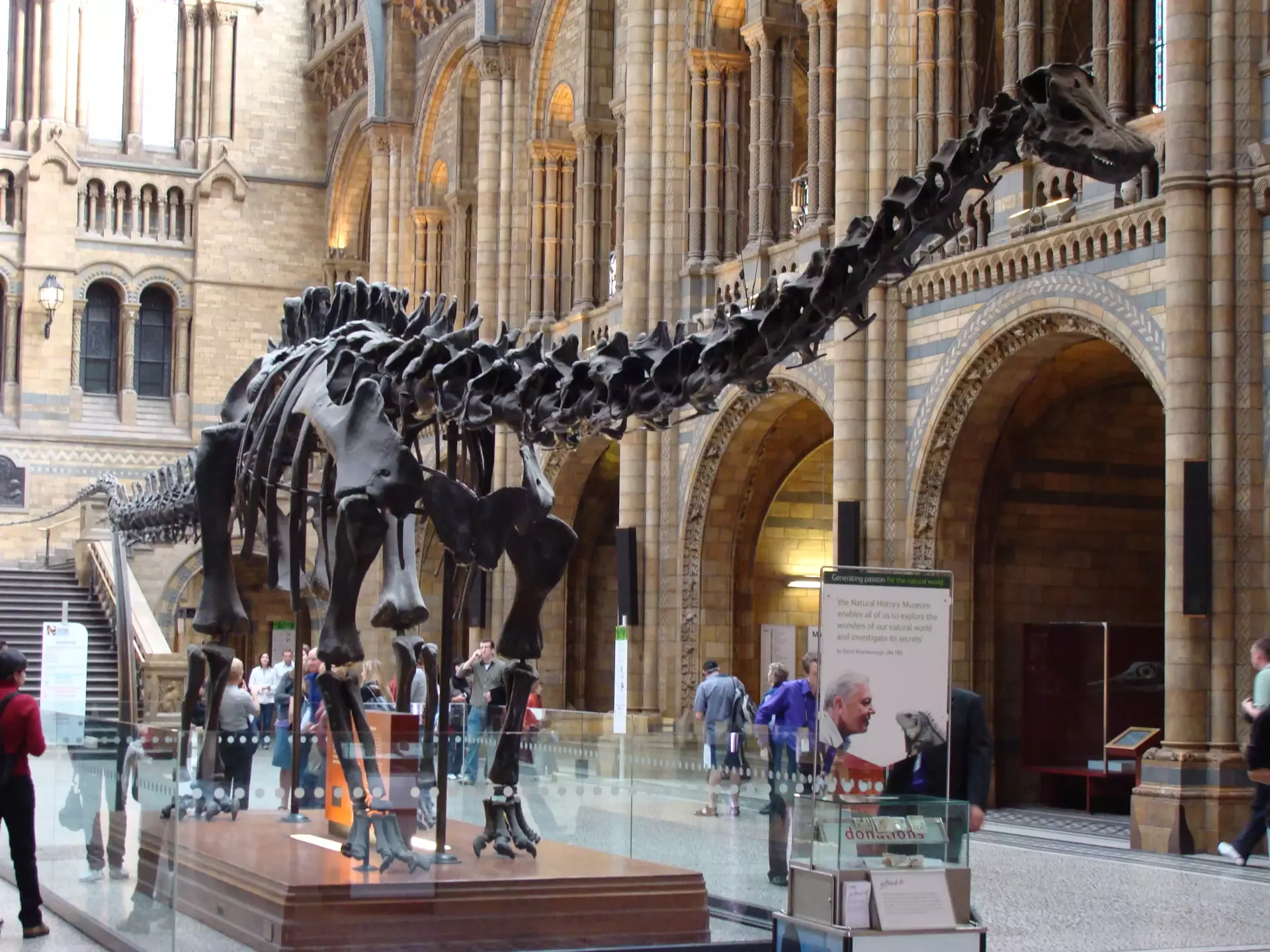
London, Great BritainProbably the most popular of all the museums here and a must see for many visitors to London. Home to at least 70 million specimens from across all the life sciences. It's difficult to say what the most popular exhibit here is; the blue whale which towers over the entrance hall, the (now slightly tacky-looking) animatronic Tyrannosaurus rex in the dinosaur gallery, or the life-size model blue whale in the mammals gallery. Also well worth a check are the Darwin Centre (book on a free tour to see some of the most interesting, and sometimes gruesome, specimens not on public display); and the studio dedicated to BBC wildlife personality extraordinaire, David Attenborough. The NHM's "Earth Galleries" were once the adjacent Geological Museum, an independent institution until the 1980s, and still located in a separate building with a separate entrance.
Victoria Park
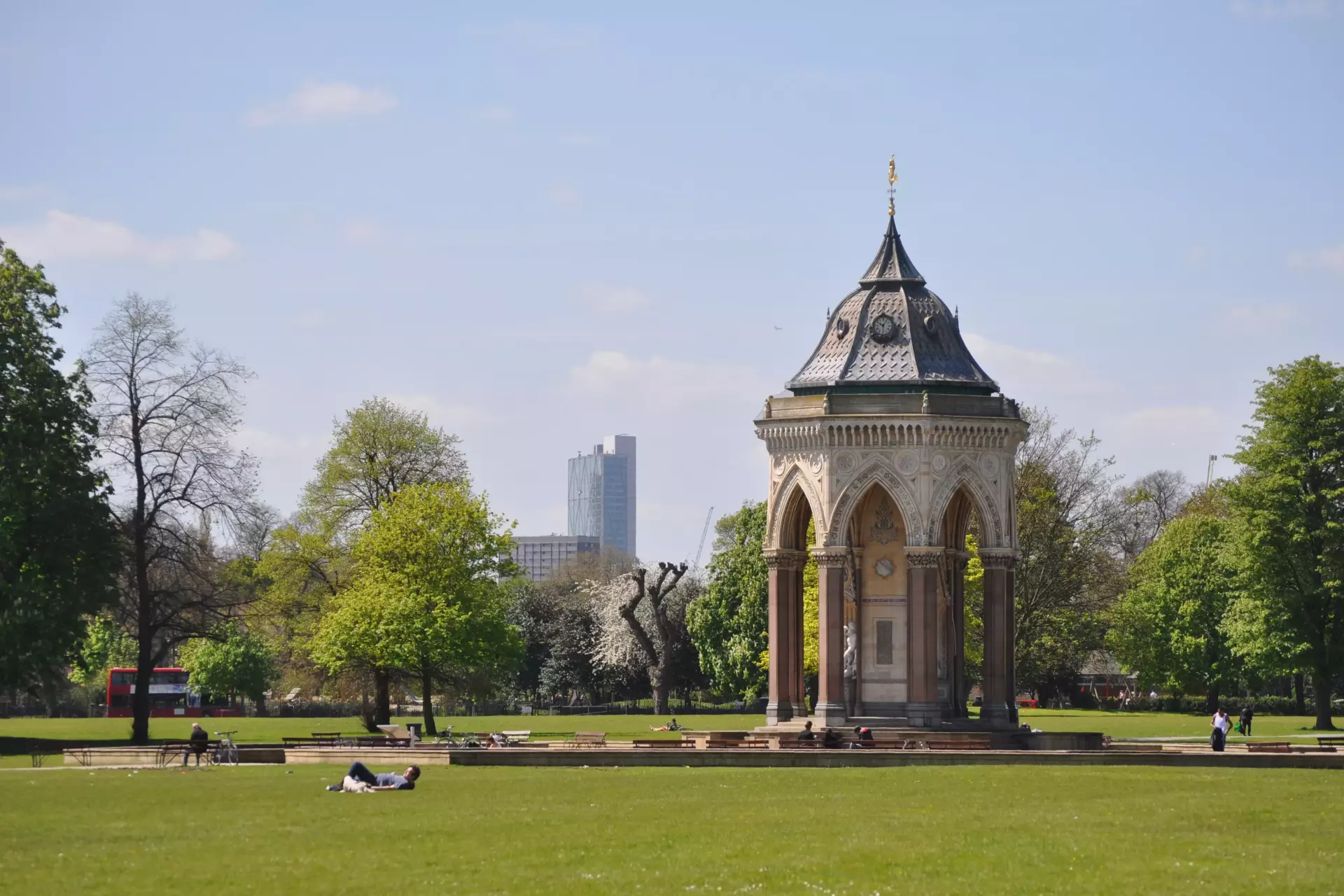
London, Great BritainAt 87 hectares this is the largest open green space in the district.
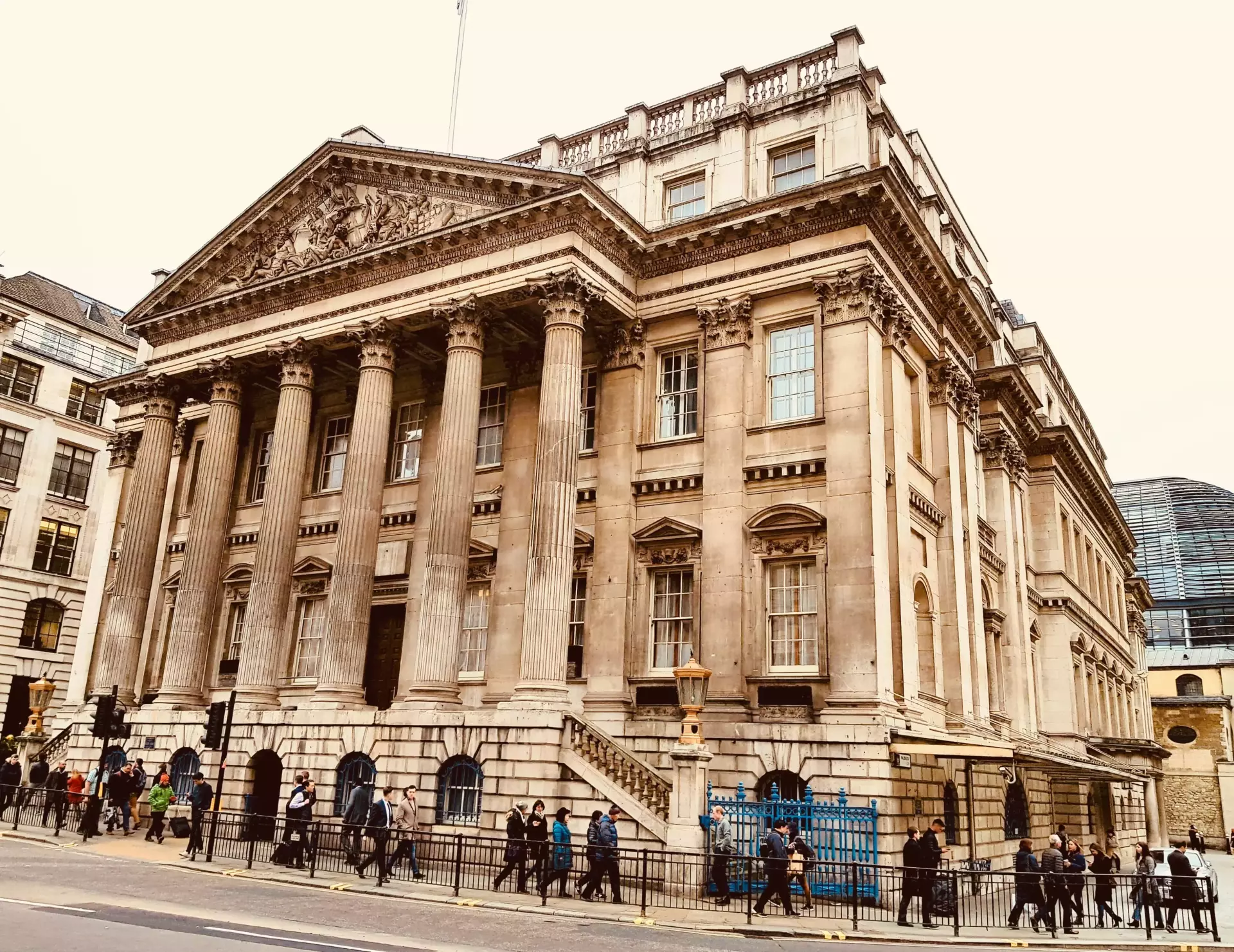
Mansion House
London, Great BritainOfficial residence of the Lord Mayor of the City of London, completed in 1753.
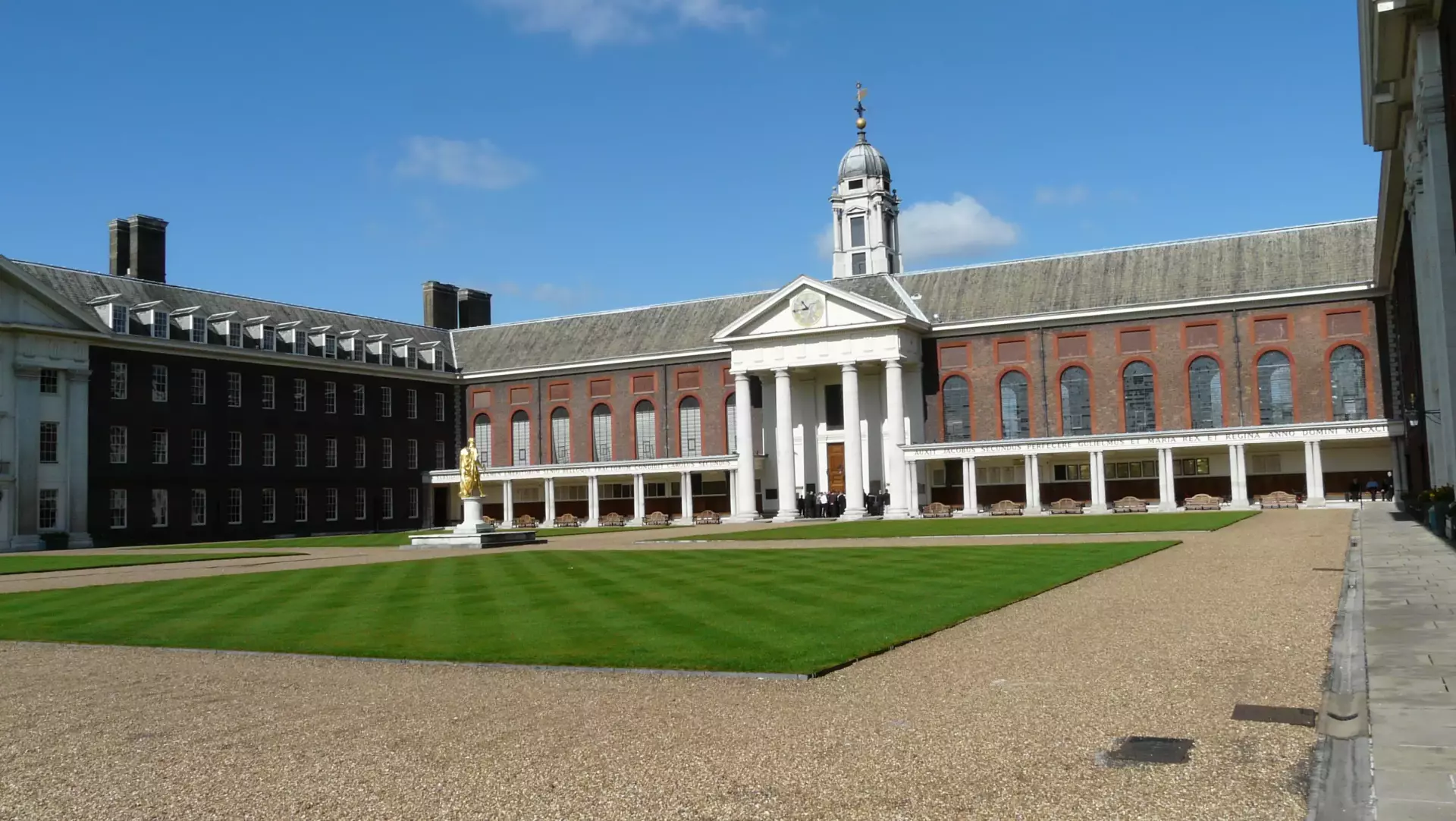
Royal Hospital
London, Great BritainA retirement home for soldiers created by King Charles II. Tours around the listed building and grounds are regular and include the museum (which can be visited separately) whose exhibits contain military memorabilia donated by Chelsea Pensioners over the years.
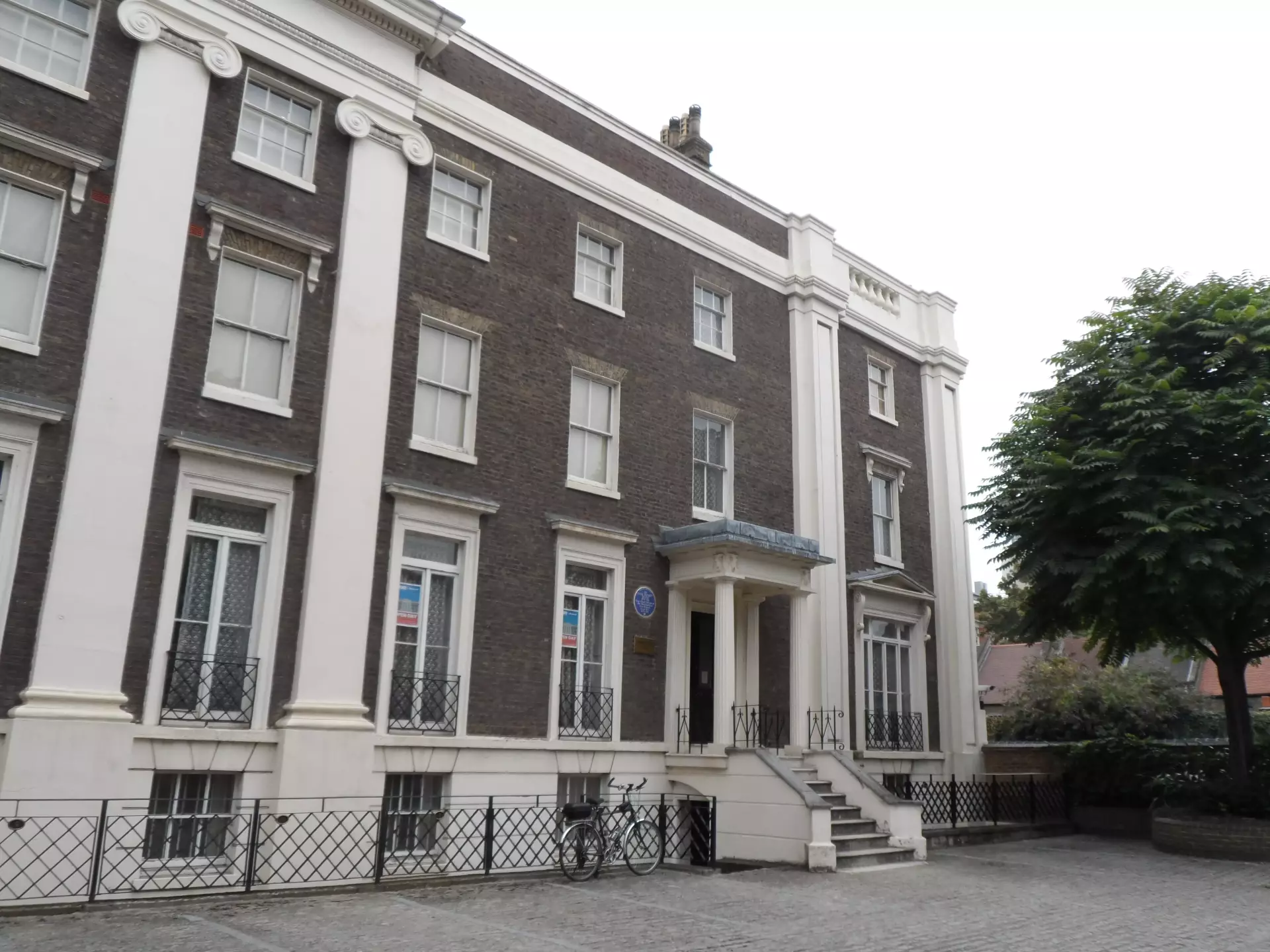
London Fire Brigade Museum
London, Great BritainAdmission by guided tour only, which must be booked in advance. The museum is housed in part of a Victorian fire station and its collections include fire engines and historical equipment.