Tourist attractions in Paris
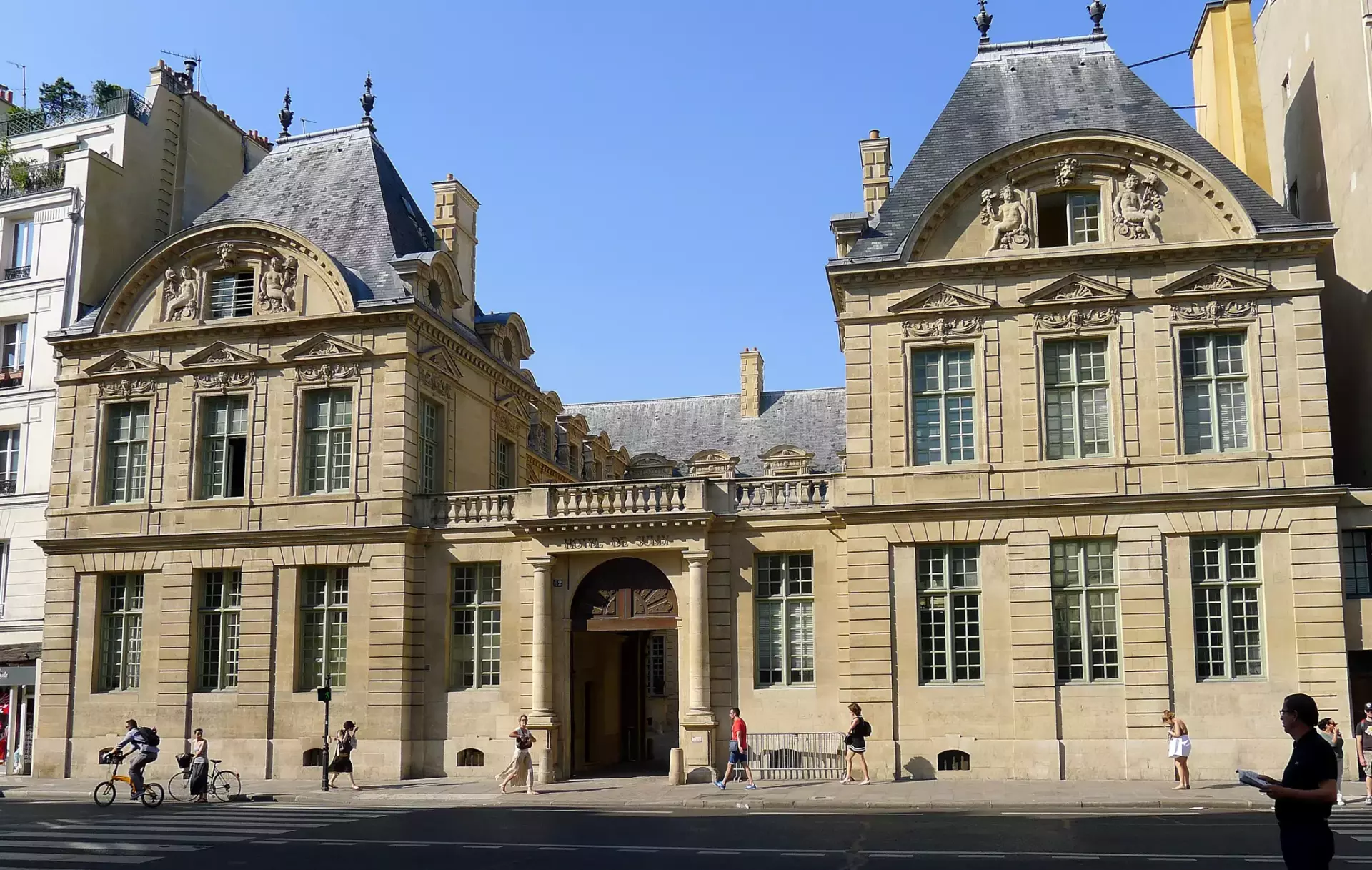
Hôtel de Sully
Paris, France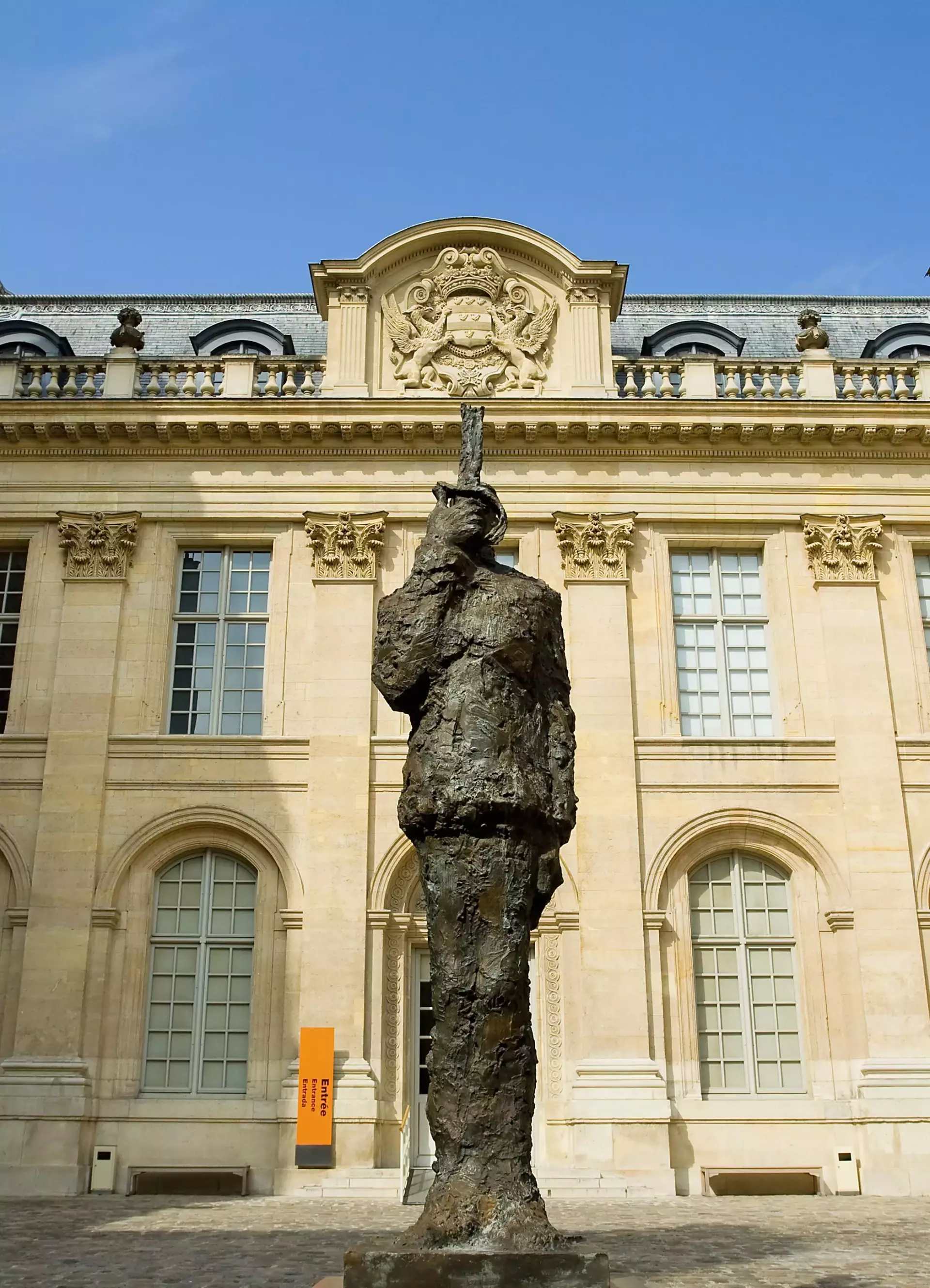
Musée d'Art et d'Histoire du Judaïsme
Paris, FranceThe largest French museum of Jewish art and history
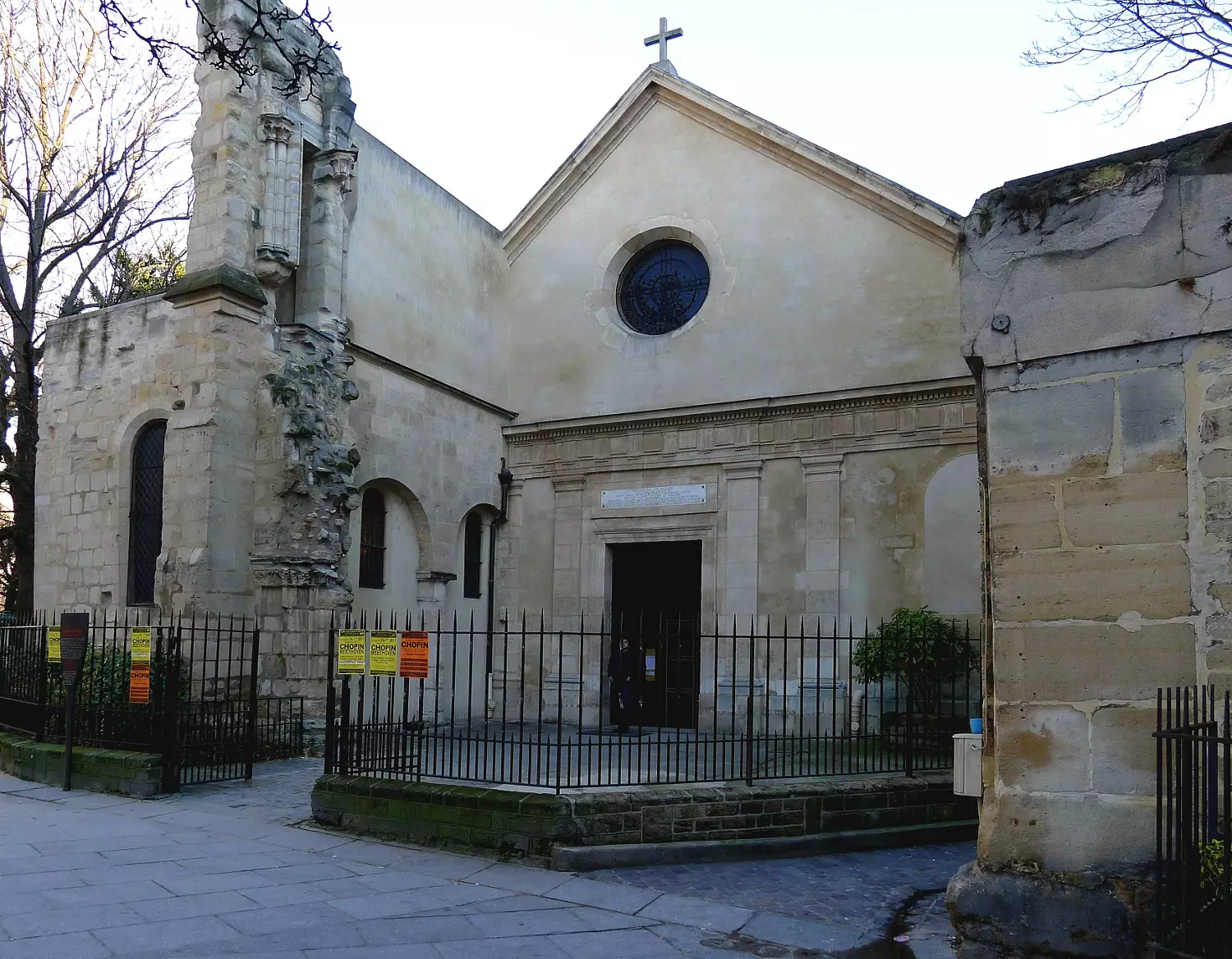
Saint-Julien-le-Pauvre
Paris, France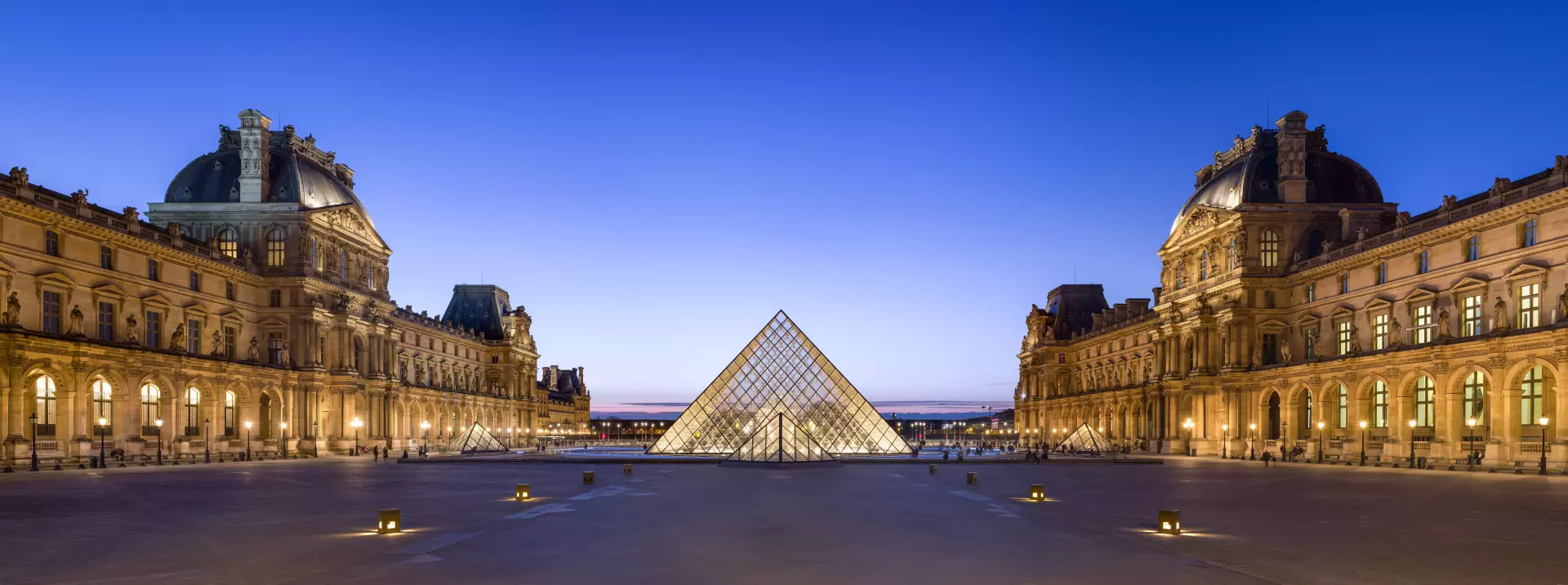
Louvre Museum
Paris, FranceIts exhibits come from such diverse origins as ancient Egypt, classical Greece and the Roman Empire, medieval Europe, and Napoleonic France, but controversially including many items that were looted from their places of origin. Its most famous exhibit, of course, is Leonardo da Vinci's painting of the Mona Lisa (French: La Joconde, Italian: La Gioconda), generally to be found surrounded by hordes of camera-flashing tourists. The Louvre poses many of the same challenges to the visitor as Paris itself; overwhelming in size, crowded in high seasons, and much information available only in French. If you want to see everything in the Louvre, plan at least two full days. However, it is better to pick and choose, as the collection was assembled with an eye to completeness rather than quality. As of July 2019, due to intense crowding and reports of ticket fraud, entry now almost always requires a pre-booked timed ticket, even for holders of the Paris Museum Pass.
Rue des Rosiers
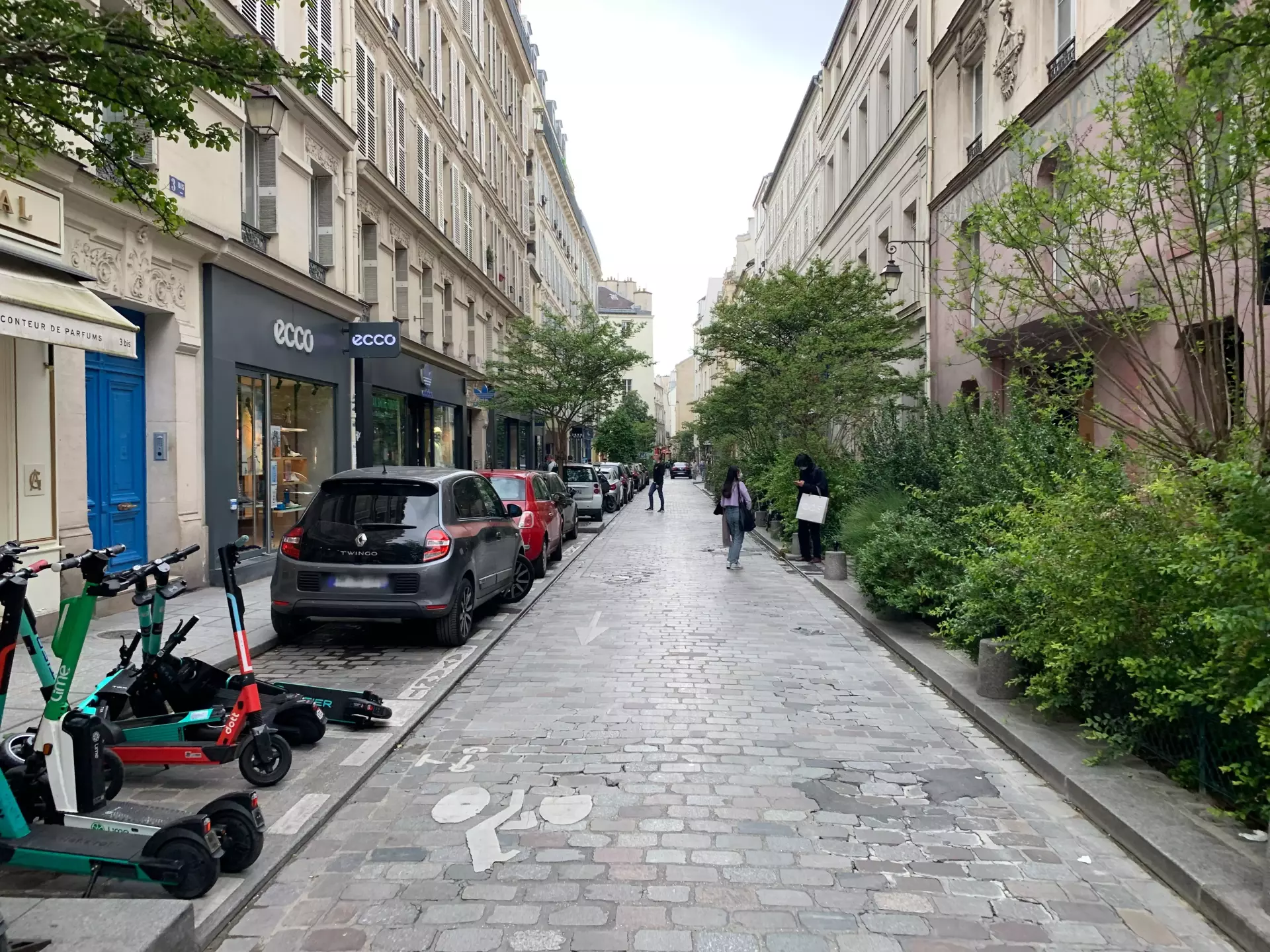
Paris, FranceThe Jewish quarter, with many small delis and shops. Lively on most days except for Saturdays.
Le Marais
Paris, France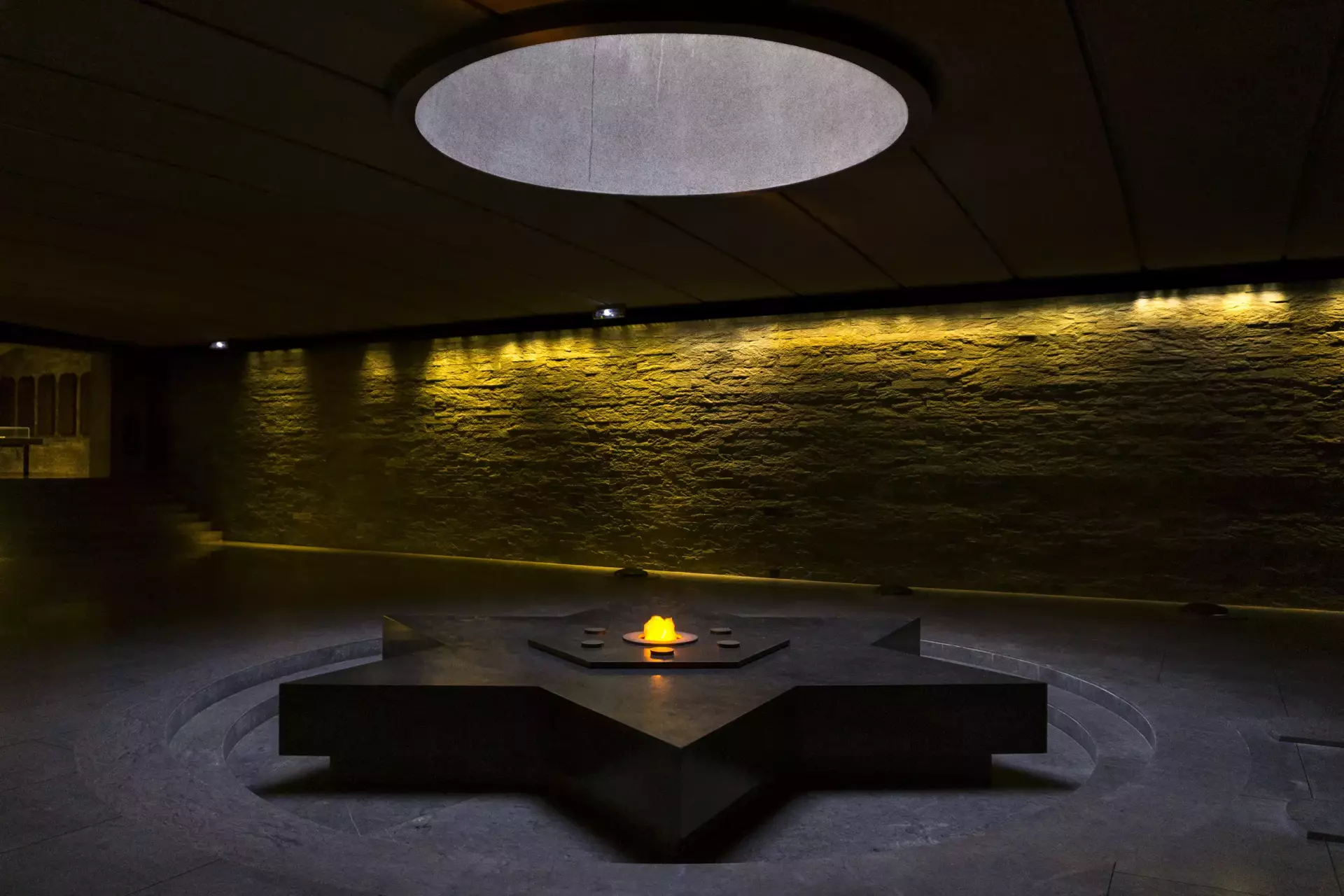
Mémorial de la Shoah
Paris, FranceOpened in January 2005, the Holocaust Memorial comprises a major documentation centre and a wall bearing 76,000 names of Jews deported from France to the Nazi camps between 1942-1944. Includes an archive of a million artefacts, including 55,000 photographs. Excursions are run from the memorial to French internment camp sites such as Drancy.
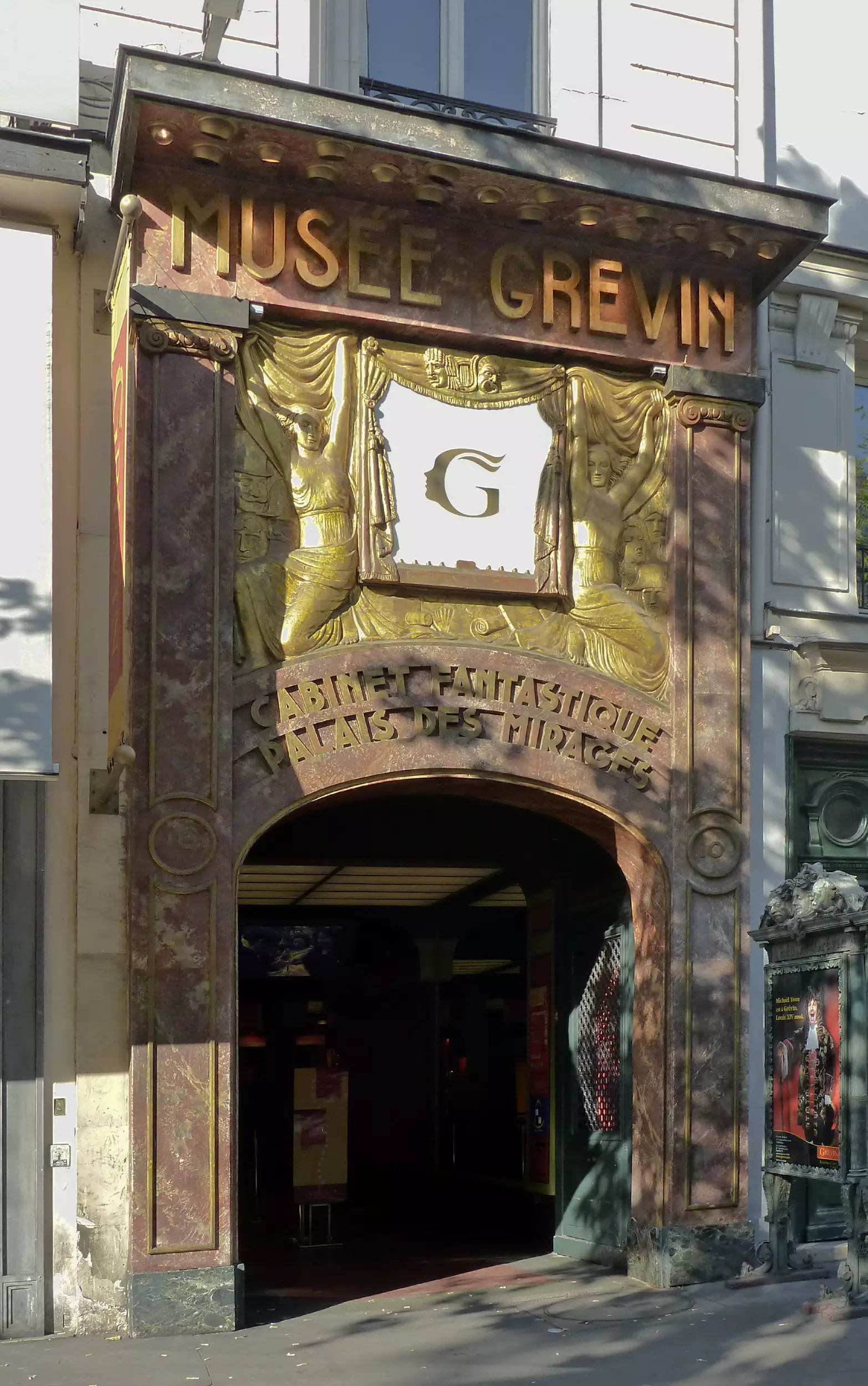
Musée Grévin
Paris, FranceThe Musée Grévin is a waxwork museum with some 500 characters arranged in scenes from the history of France and modern life.
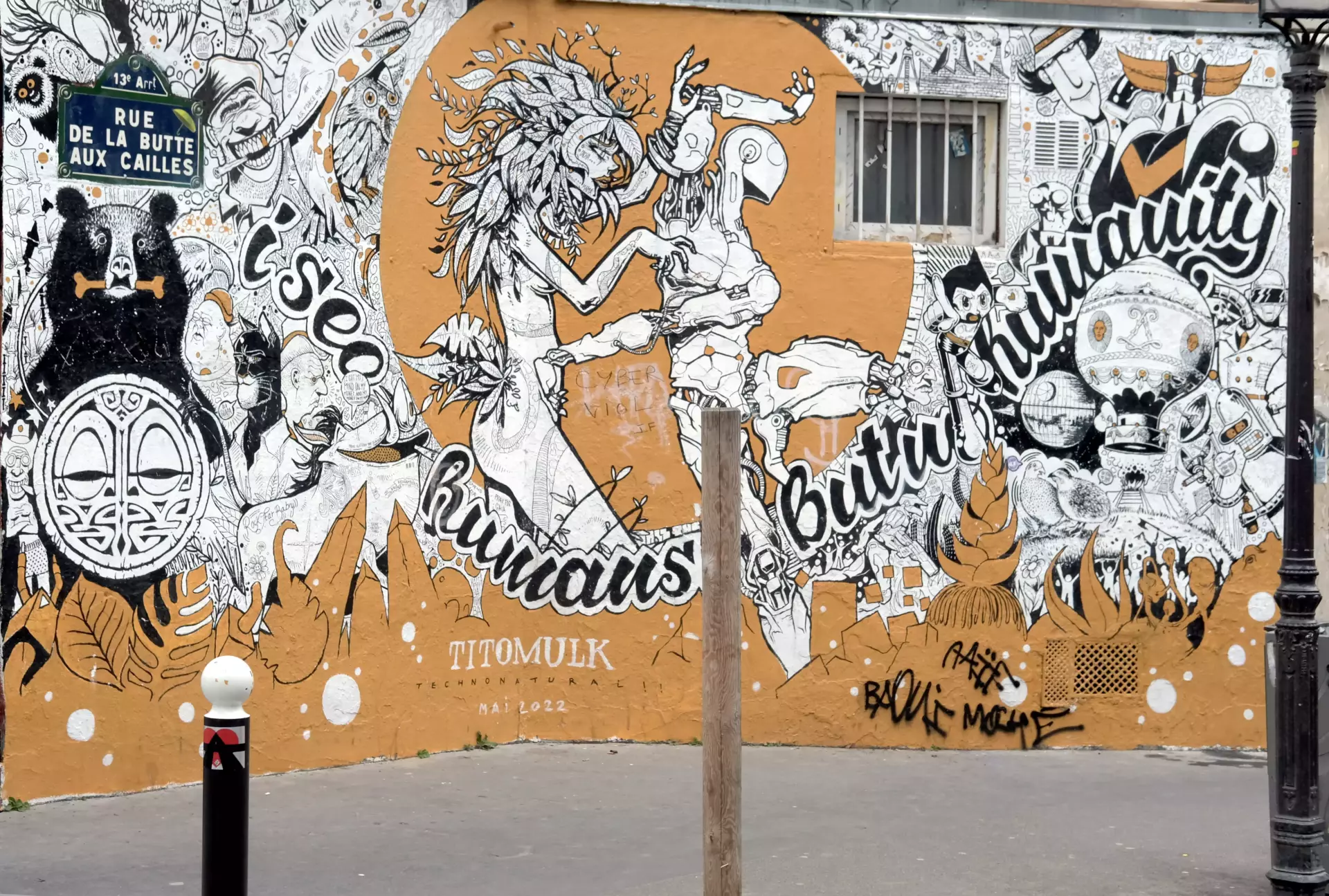
Butte-aux-Cailles
Paris, FranceA little district within the district. Very charming little streets on a hill on the west end of the 13 district. Nice for lunching/dining activities. This is the place where the band "Mano Negra" was hanging around.
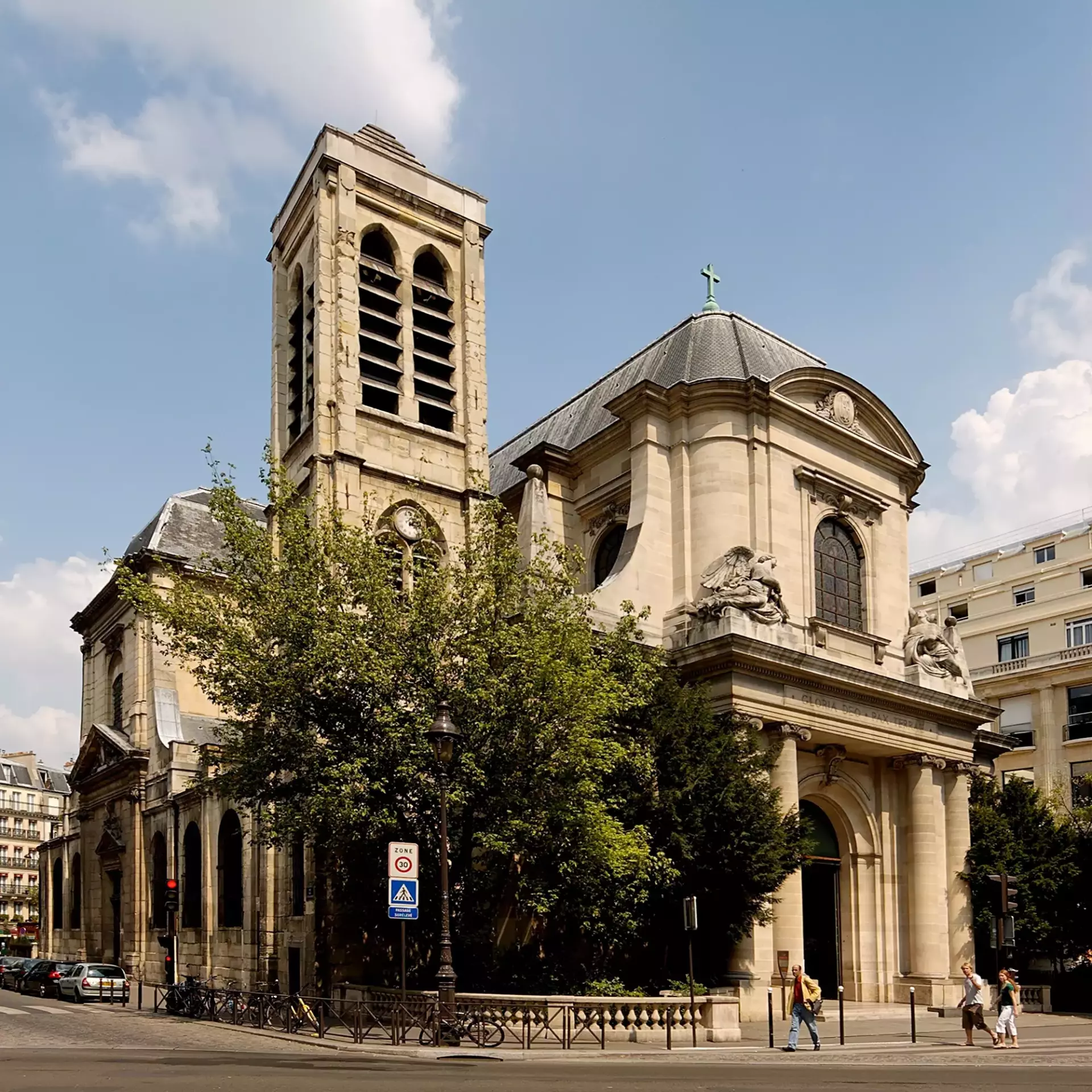
Saint-Nicolas-du-Chardonnet
Paris, FranceA controversial church serving as de facto headquarters of the arch-traditionalist Society of Saint Pius X, who occupied the church in 1977 and have ignored subsequent eviction orders.
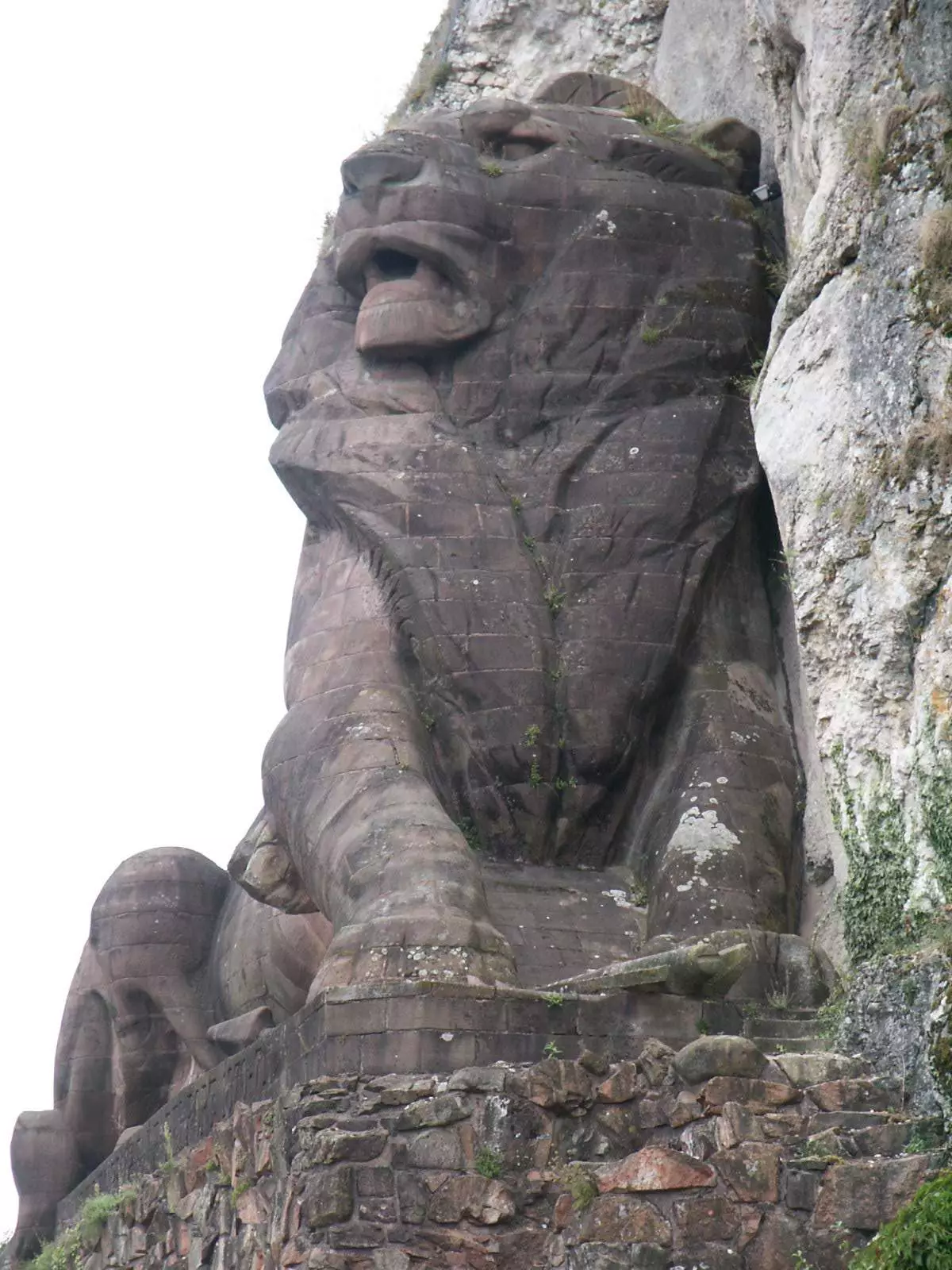
Lion of Belfort
Paris, FranceThis is a bronze replica in smaller scale of a monument created by Bartholdi, the sculptor of the Statue of Liberty, in order to commemorate Denfert-Rochereau, who defended the city of Belfort in the Franco-Prussian war of 1870.
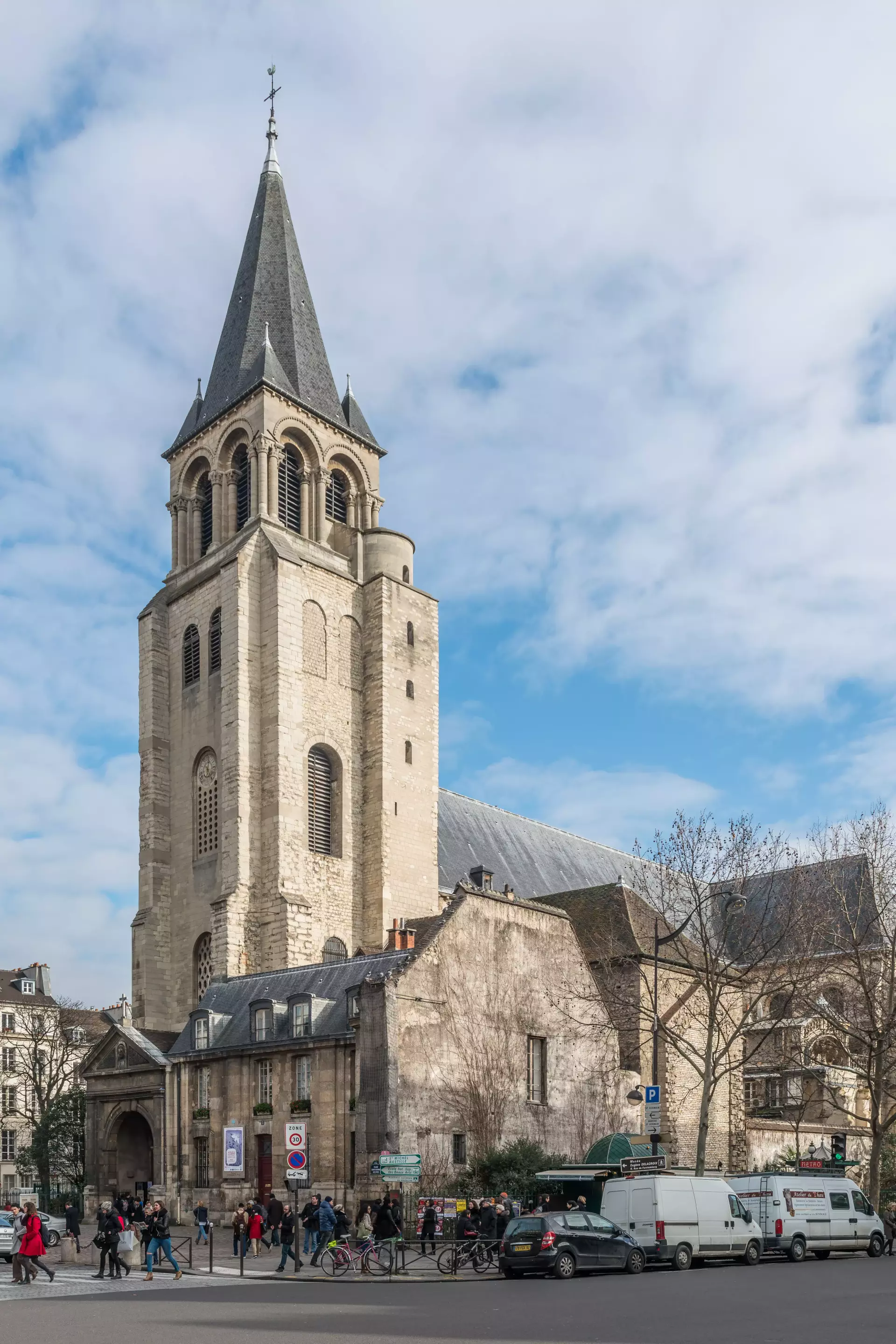
Abbey of Saint-Germain-des-Prés
Paris, FranceThe oldest church in Paris, founded in the year 542 by King Childebert. The church as it exists today dates mainly from the 11th century, the period in which it became the center of a powerful Benedictine abbey. The Revolution witnessed the suppression of the abbey in 1794, when most of the monastic buildings were put to the torch. Earlier, 318 priests had been hacked to death nearby by a mob on 3 September 1792. The church underwent significant restoration in the 19th century, ensuring the preservation of the building, which by that date represented a fascinating mix of styles: 6th century marble columns placed alongside Gothic vaults and supported by Romanesque arches. Famous burials within the church include René Descartes (philosopher), Nicolas Boileau (poet) and King John Casimir of Poland, who had become (in 1669, before his death) abbot of the church's monastery.
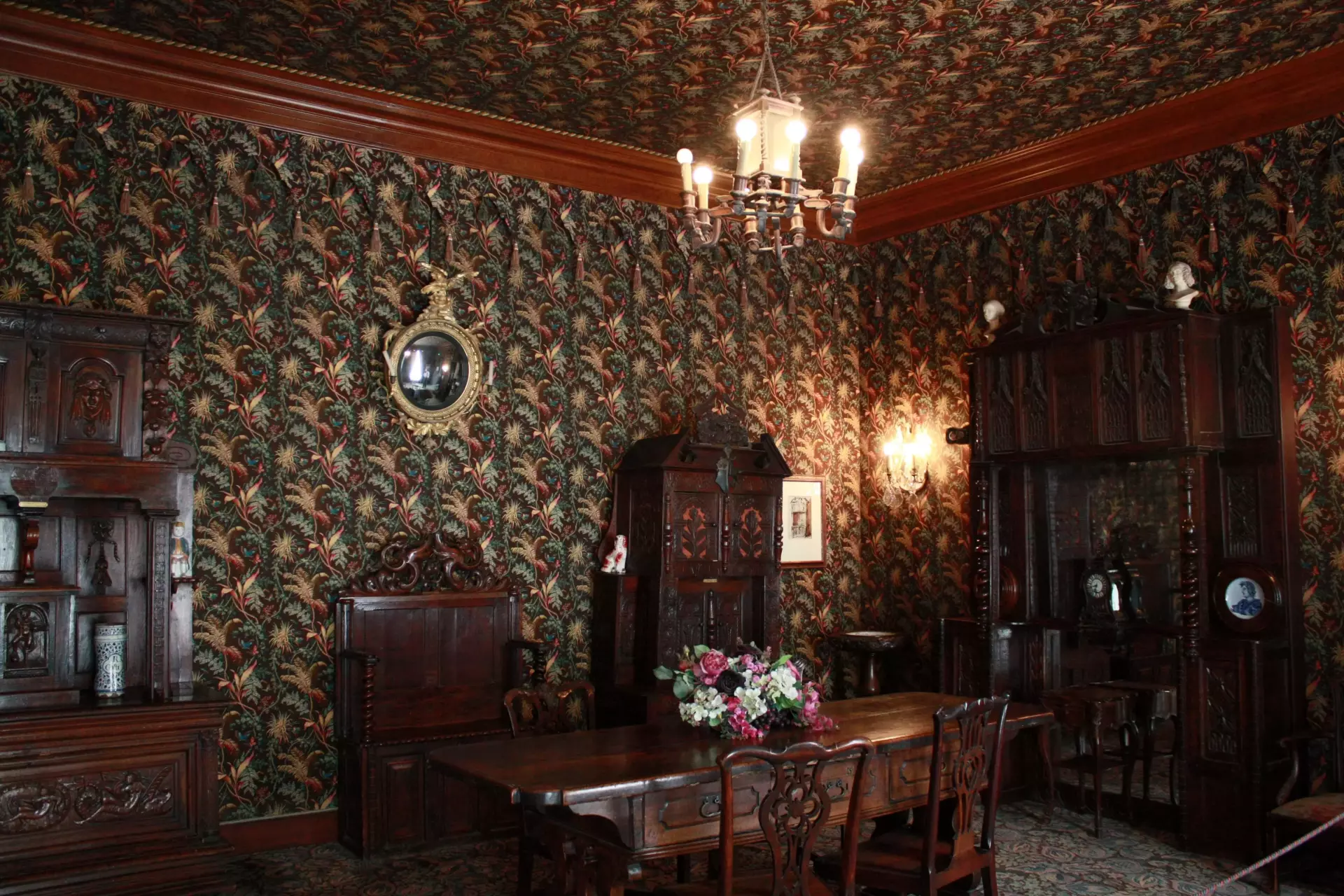
Maison de Victor Hugo
Paris, FranceThe house in which the famous French novelist Victor Hugo once lived.
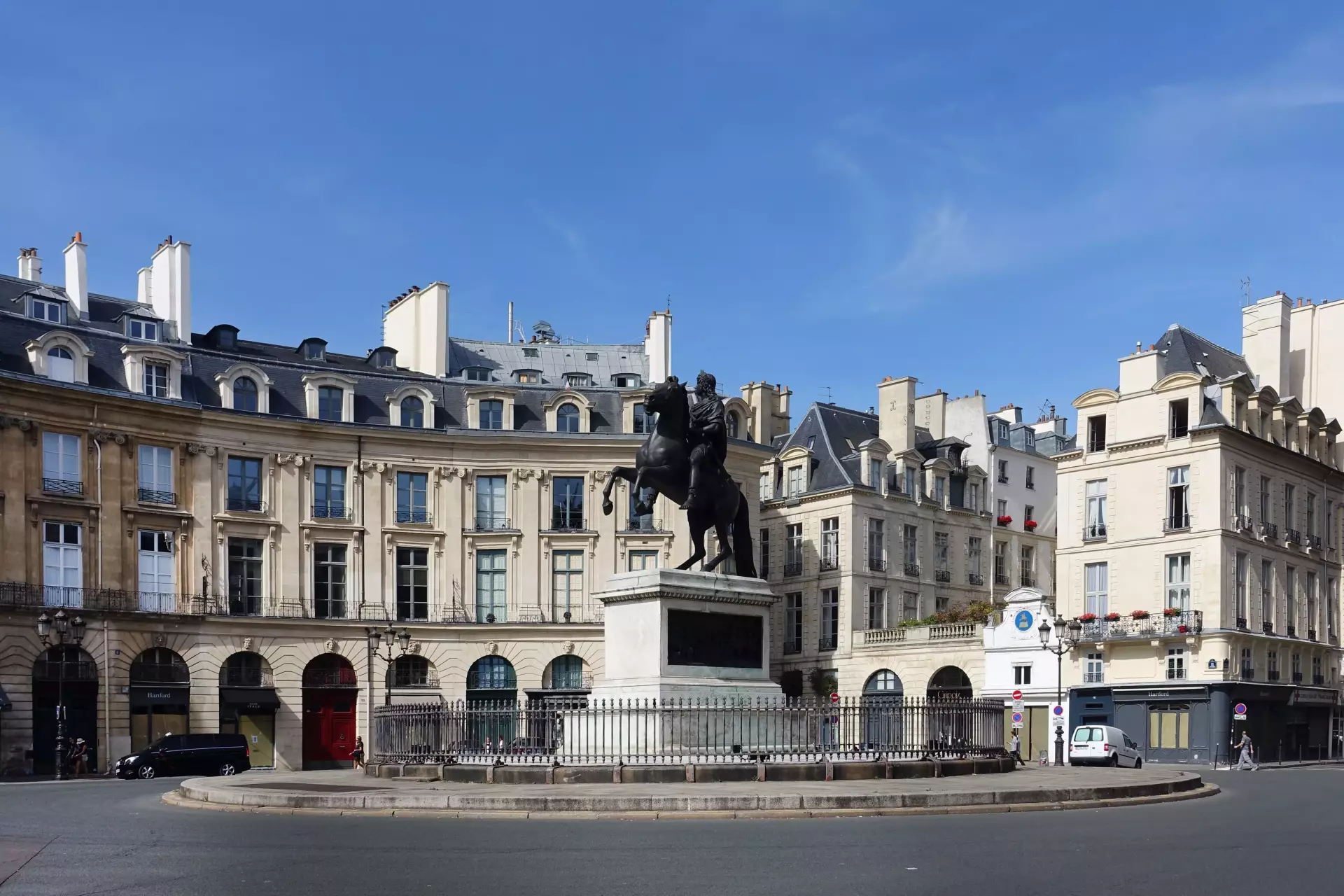
Place des Victoires
Paris, FranceBeautiful round "square" with an equestrian statue of King Louis XIV and matching 17th century buildings.
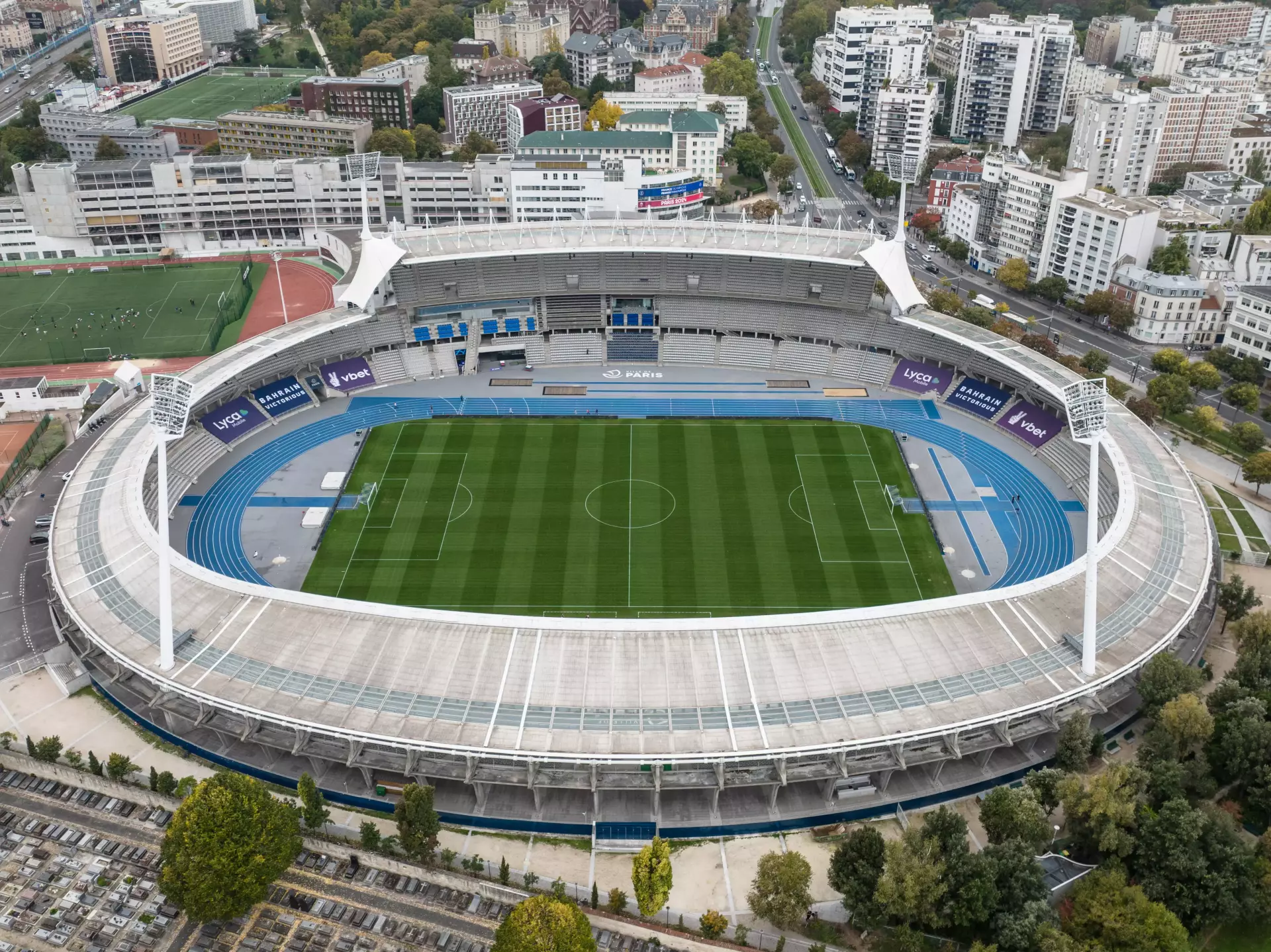
Stade Charléty
Paris, FranceThe Stade Charlety is a massive multi-sport arena, hosting football (soccer), tennis, rugby and squash matches.
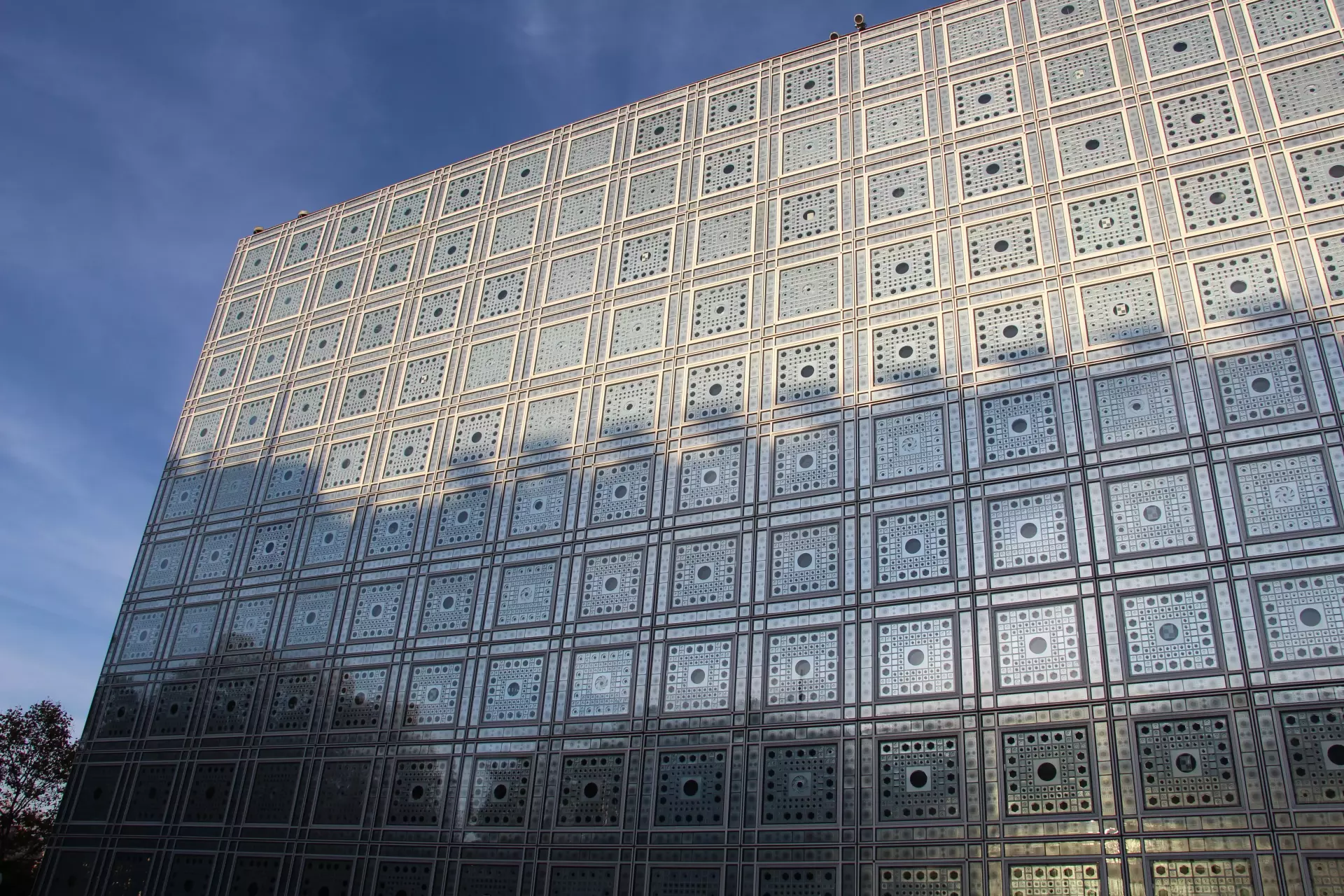
Arab World Institute
Paris, FranceThe building has a freely accessible rooftop which allows for a beautiful bird's-eye view of the northern half of Paris.
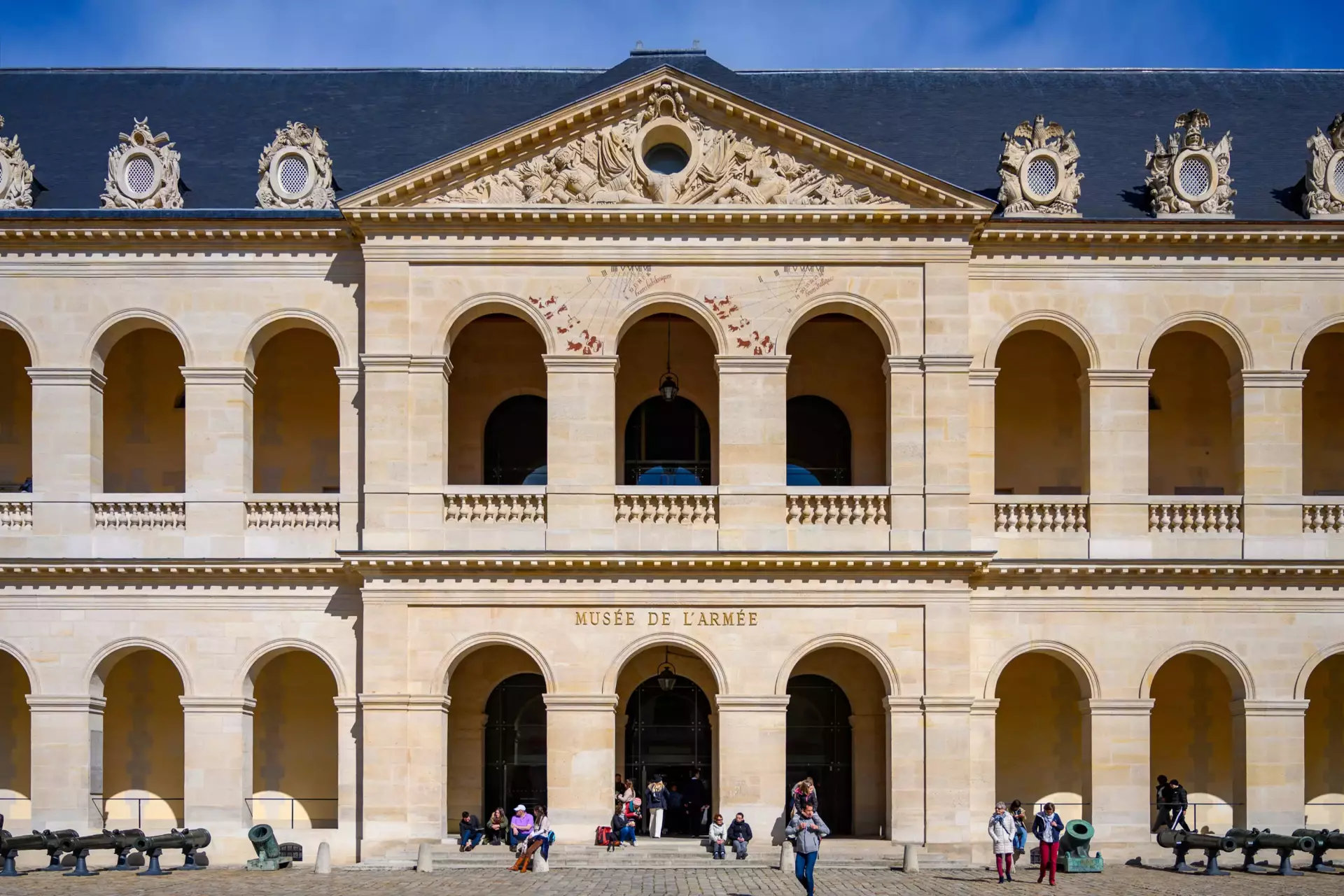
Musée de l'Armée
Paris, FranceThis museum is in the historic Invalides complex and presents the history of the French Army. It is co-located with Napoleon Bonaparte's tomb (entry to which is included in the ticket price). Most of the exhibitions are very old fashioned, and the coverage of the First World War is surprisingly limited. A highlight is the Musée des Plans-Reliefs, which displays painstakingly accurate models of French fortresses and includes its own shop.
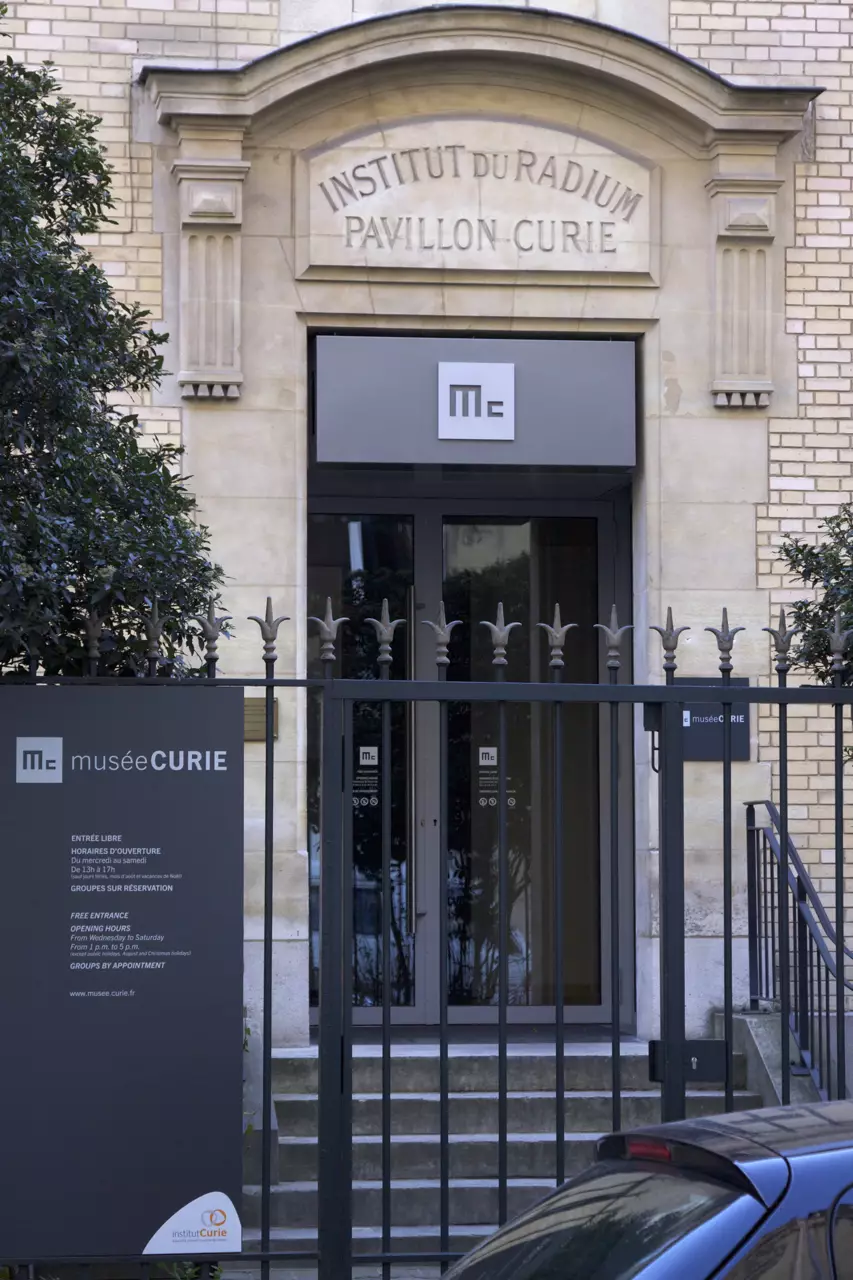
Musée Curie
Paris, FranceThis charming scientific museum preserves the offices and laboratories of Pierre and Marie Curie, pioneers in the discovery of radioactivity. Their instruments, equipment, and furniture is arranged as it was during their critically important research. Guided tours in English available.

Galerie nationale du Jeu de Paume
Paris, France
Palais de la Découverte
Paris, FranceCLOSED UNTIL 2025 FOR RENOVATION WORKS. Located in a magnificent the western wing of the Grand Palais, this museum forms a part of science-themed education-oriented universcience establishment together with the La Cite des Sciences in La Villette. In the Palais, you will find two large floors with rooms dedicated to different branches of science, including physics, chemistry, mathematics and life-sciences, as well as a planetarium.
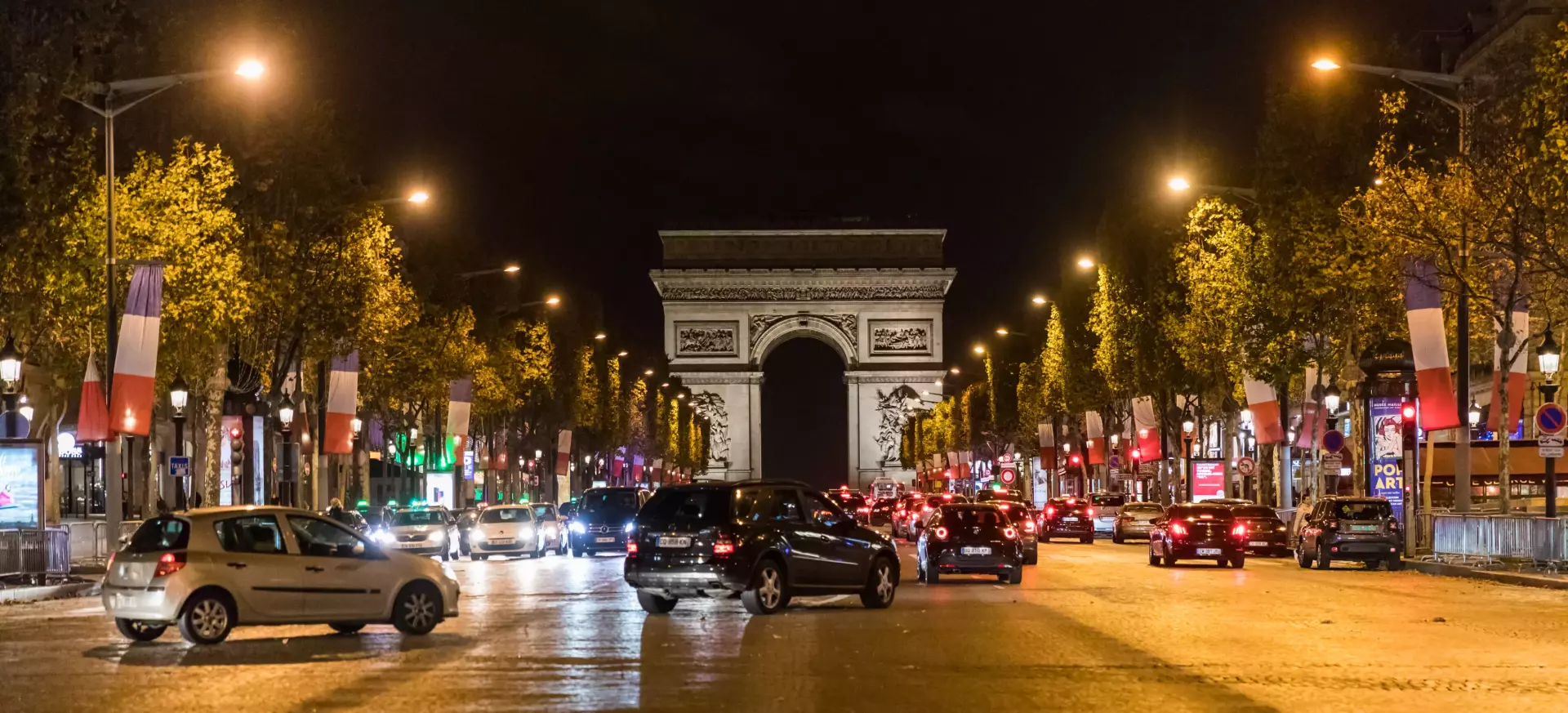
Avenue des Champs-Élysées
Paris, FranceFor many visitors one of the must-see places in Paris is the Avenue des Champs-Elysées which was first created in 1667 by Louis XIV's gardener, Andre Le Nôtre, in order to improve the view from the Tuileries garden. This elegant and broad avenue was extended towards the end of the 18th century, now running from the place de la Concorde to the Arc de Triomphe. It is noted today as one of the most prestigious shopping boulevards of Paris.
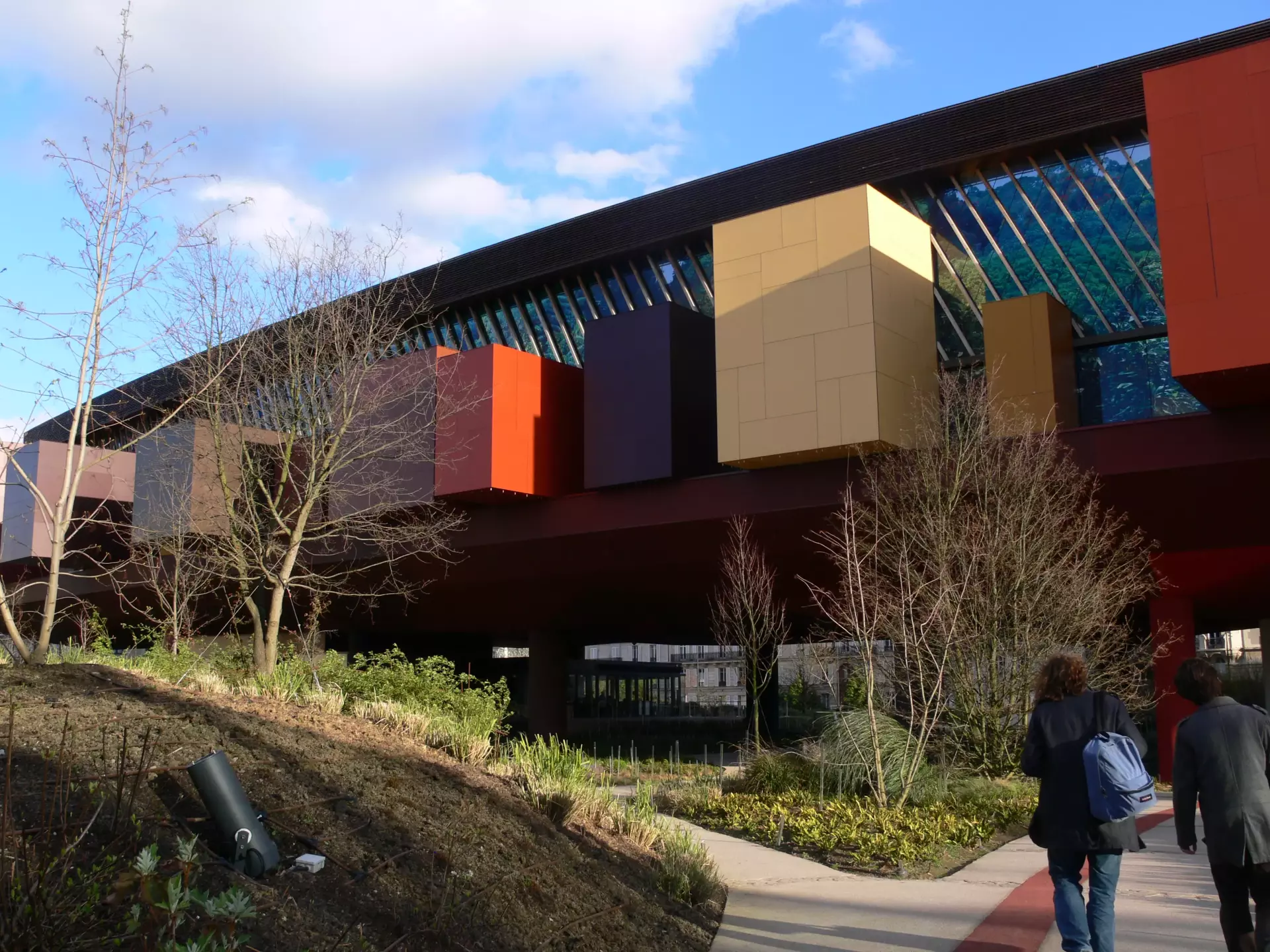
Musée du quai Branly
Paris, FranceOpened in 2006, this is the newest and the most modern of Paris' great museums, housing an outstanding collection of tribal art, with a particular emphasis on France's former (and present) territories in Oceania and Africa. The museum is large and you can easily spend half a day browsing, especially if you pause to explore the multimedia presentations.
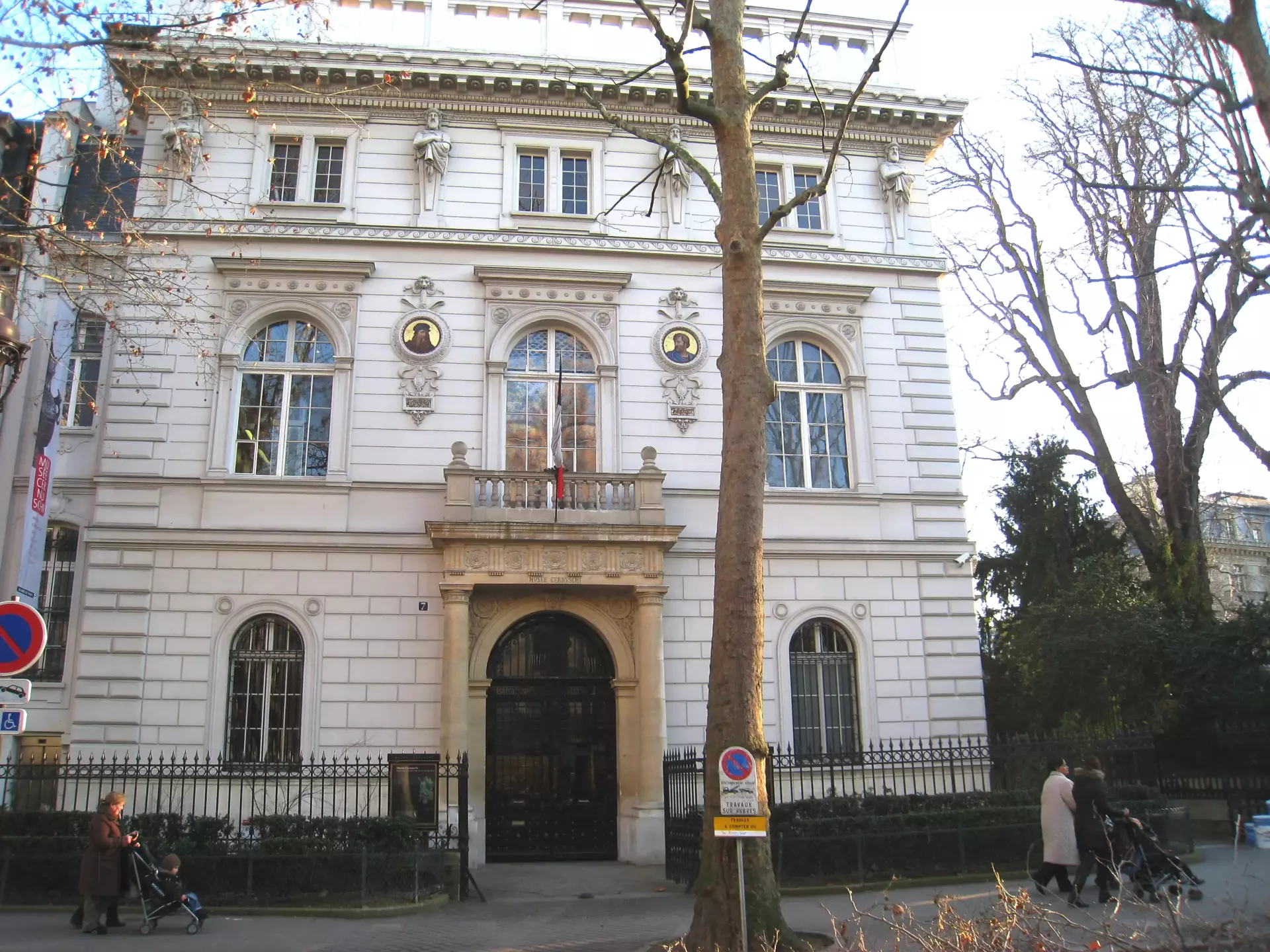
Musée Cernuschi
Paris, France