
Tourist attractions in Rome
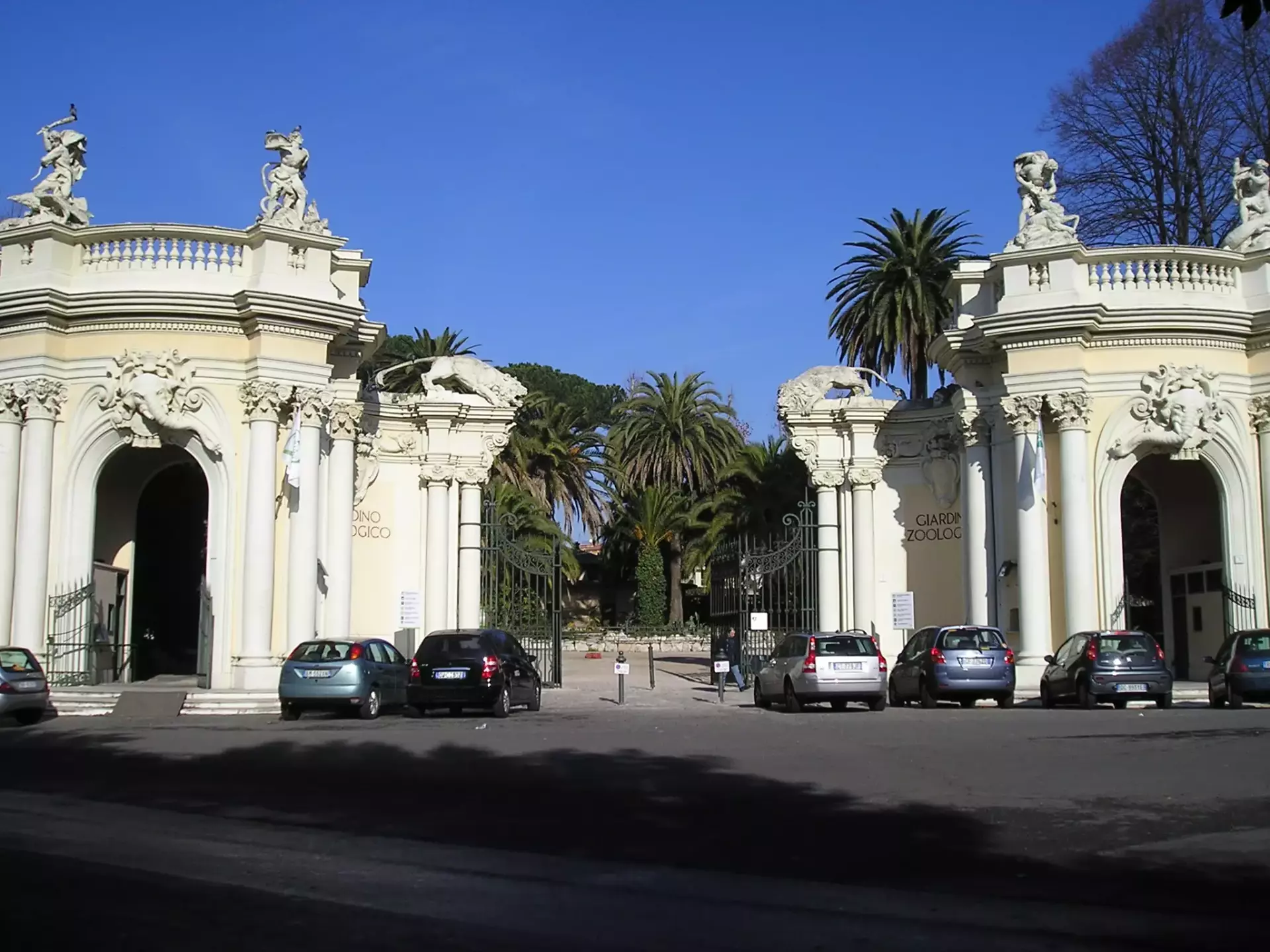
Bioparco
Rome, ItalyThe renamed Rome Zoo, one of the oldest in Europe, founded in 1911. On the edge of the Borghese Gardens, a short, well-signposted walk from the Gallery. They try hard, but San Diego this isn't. If you are a regular zoo-goer you will be disappointed.
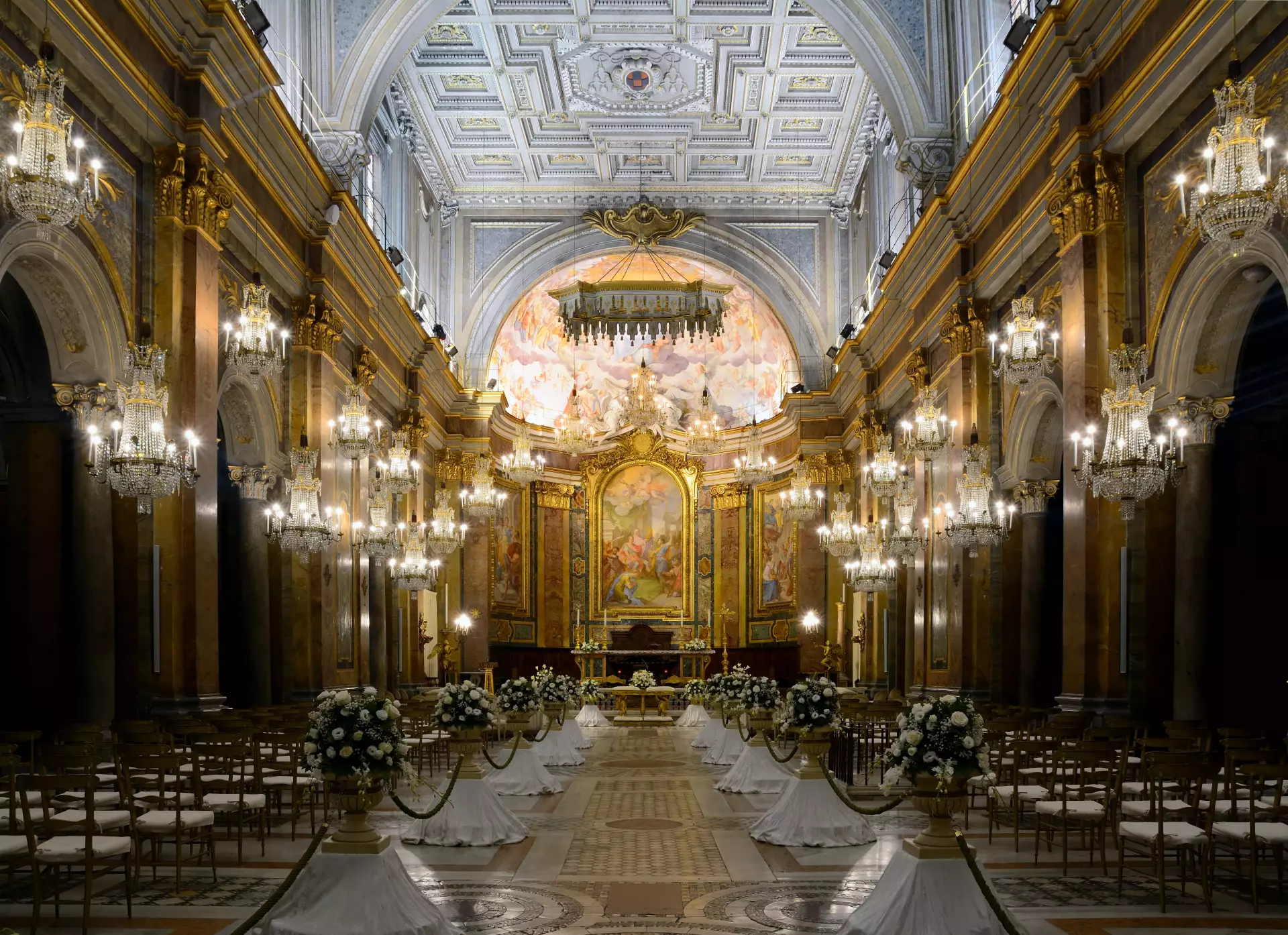
Basilica of Saints John and Paul on the Caelian Hill
Rome, ItalyAccording to the legendary passio, two brothers, John and Paul, who were officials at the imperial court, suffered martyrdom in 362 in their home on the Caelian hill, during the reign of emperor Flavius Claudius Julianus. This basilica dedicated to these two Roman officers was erected starting from 398 and was used first as a domus ecclesiae by the Christian community.
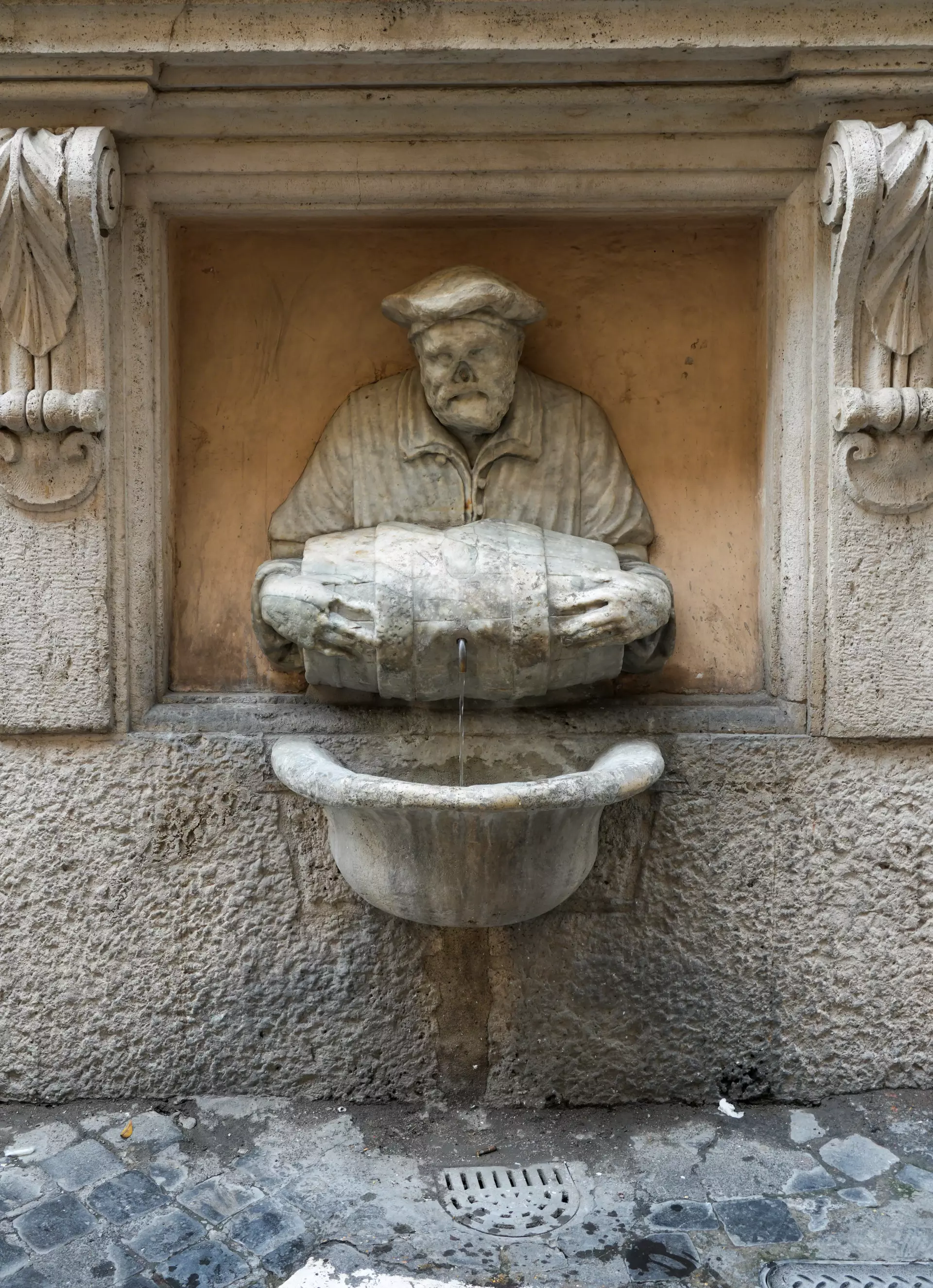
The Porter
Rome, ItalyLike Pasquino, the Facchino is one the so-called "speaking figures" which are peculiar to Rome. He is looking out of the Banco di Roma building. The man depicted is holding a barrel in his hands and is carrying water. It is sometimes said that he is looking similar to Martin Luther, but more probably a porter who died while carrying a barrel is depicted here.
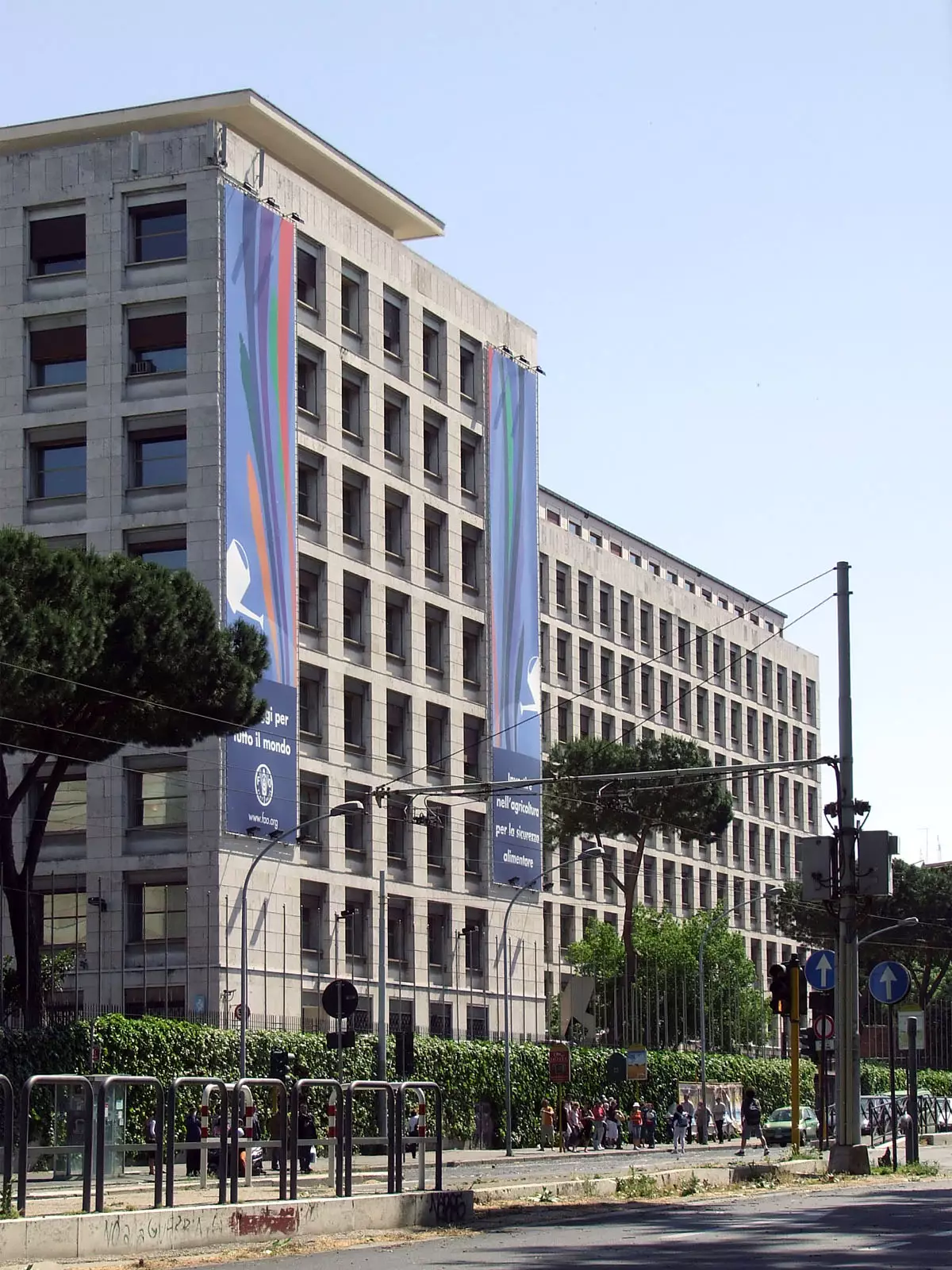
Palazzo FAO
Rome, ItalyThe enormous building at the southeast end of the Circus Maximus is the headquarters of the UN Food and Agriculture Organization (FAO). From its roof are undoubtedly the best views of Rome, but you will need to know someone who works there to get past the strict security.
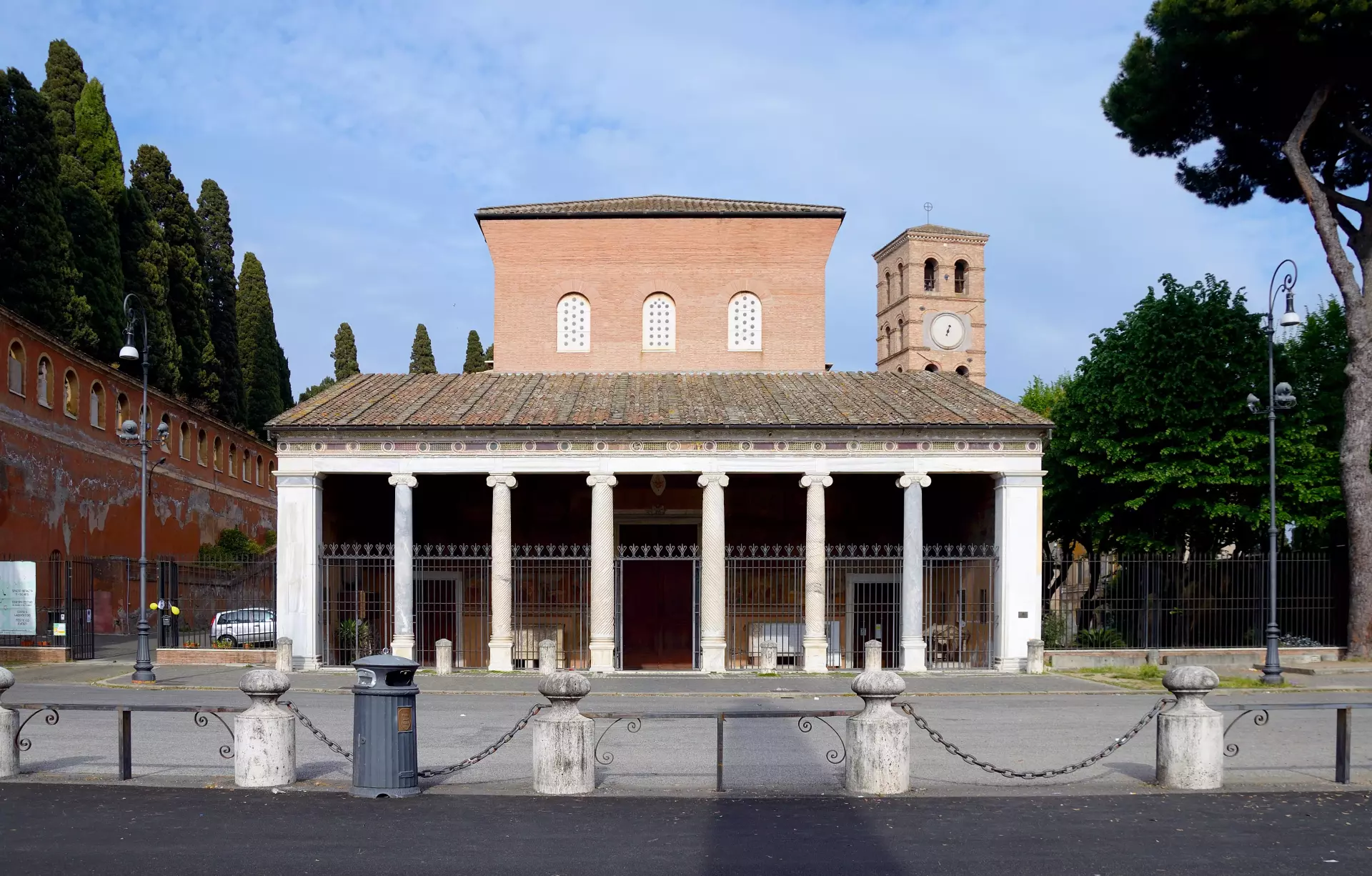
Basilica of Saint Lawrence Outside the Walls
Rome, Italy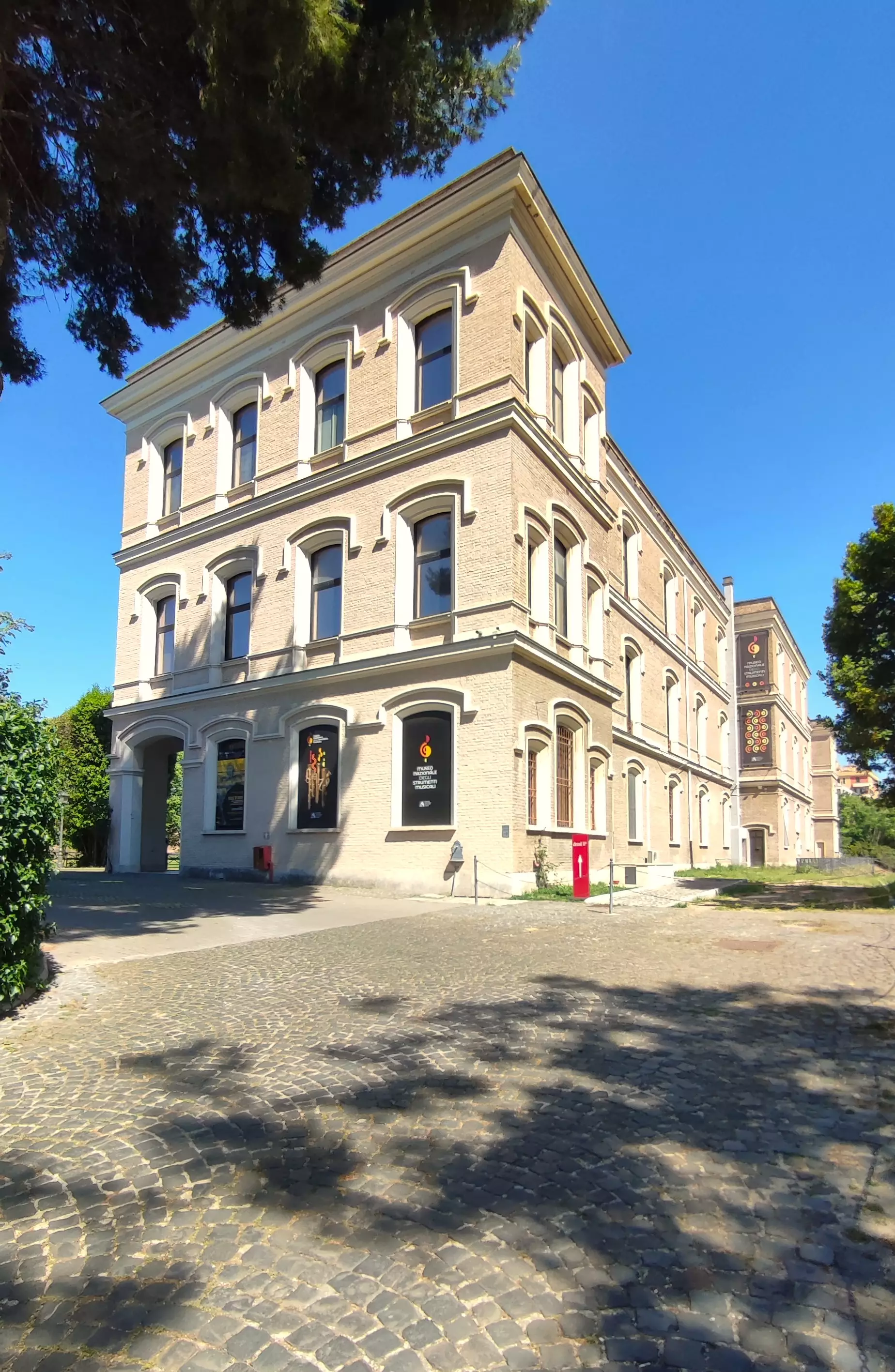
National Museum of Musical Instruments
Rome, ItalyNext door to Santa Croce. A collection of around 3000 pieces, although only a third of these are displayed.
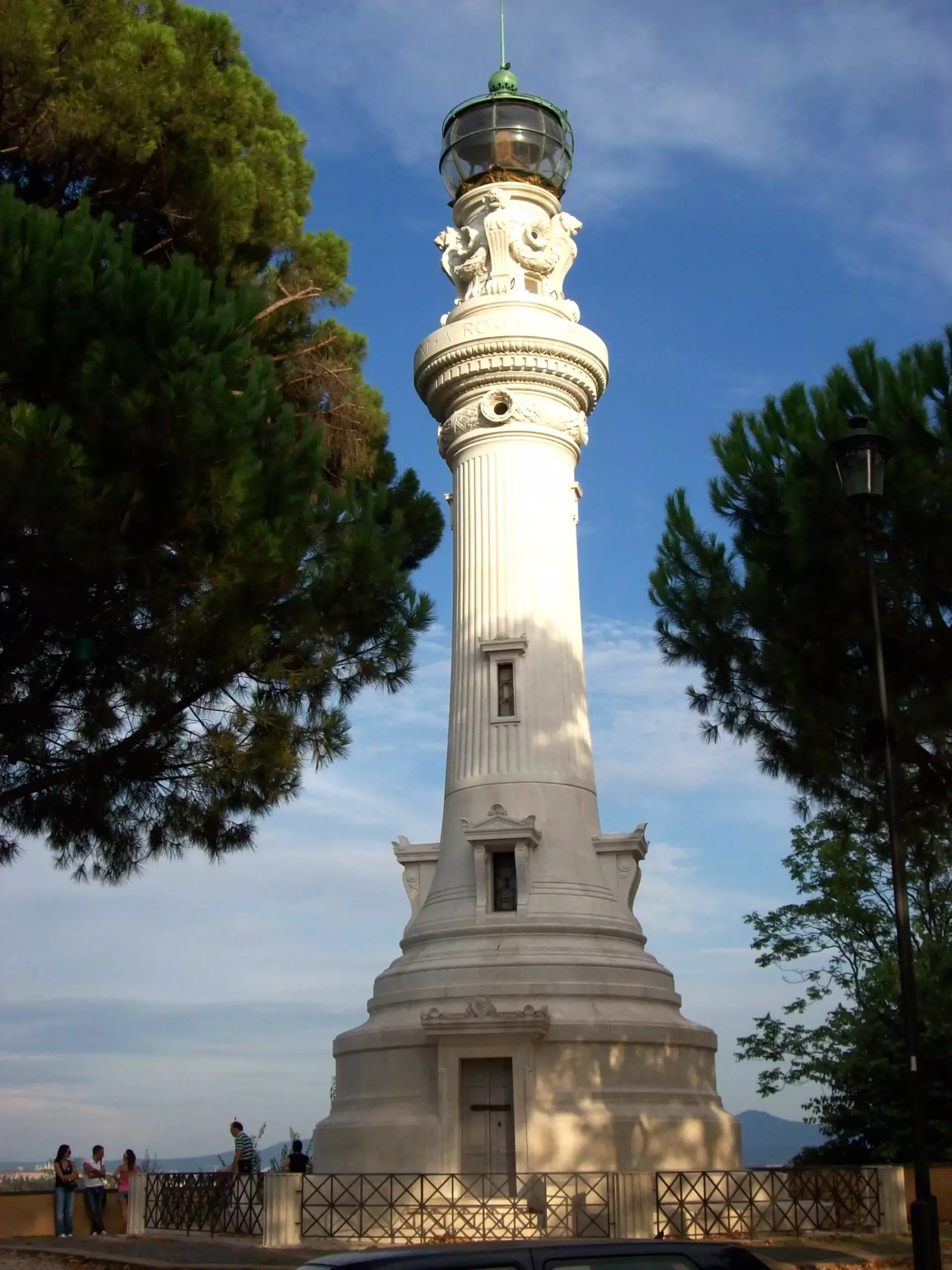
Faro di Roma
Rome, Italy
Casina delle Civette
Rome, Italy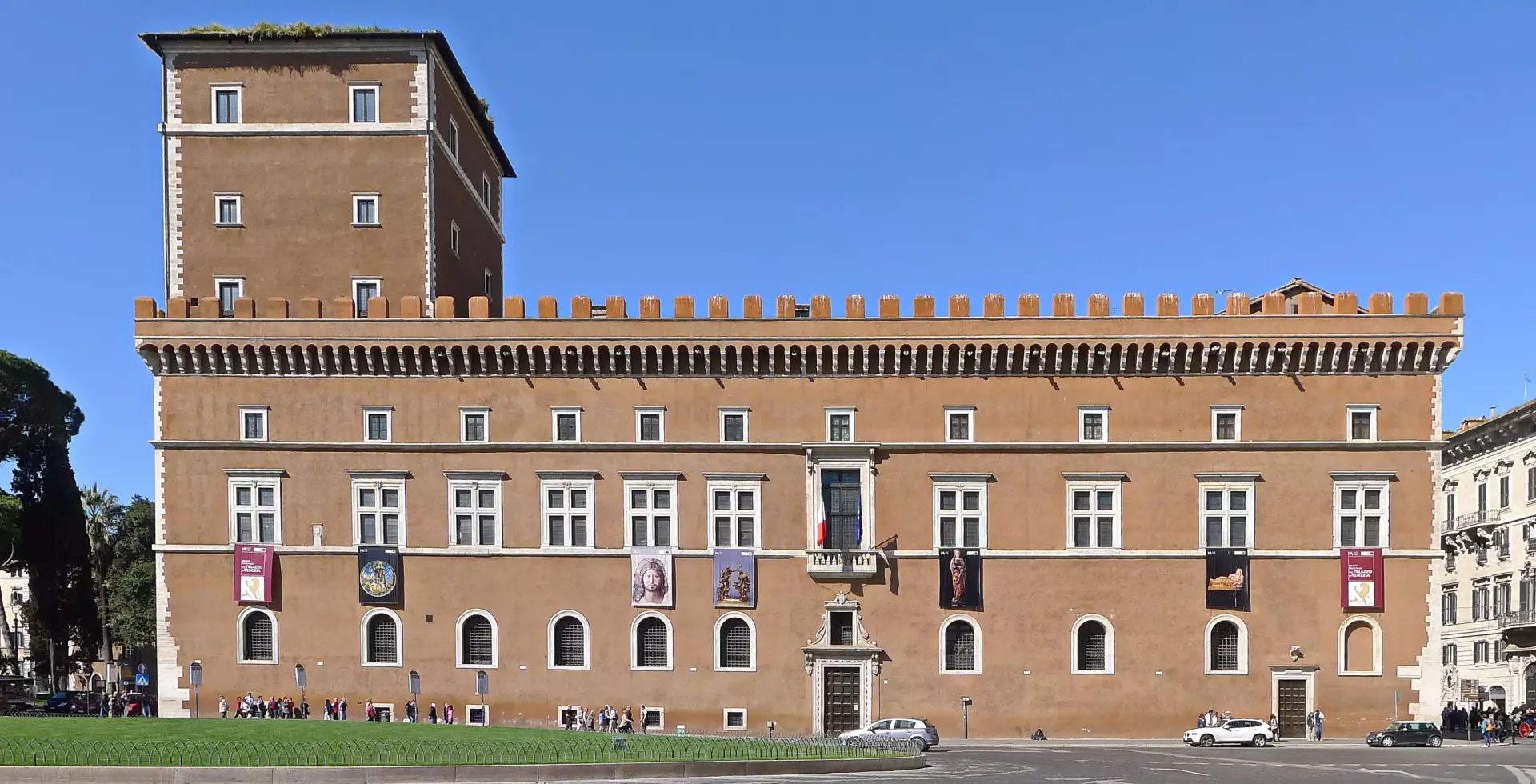
Museo di Palazzo Venezia
Rome, Italy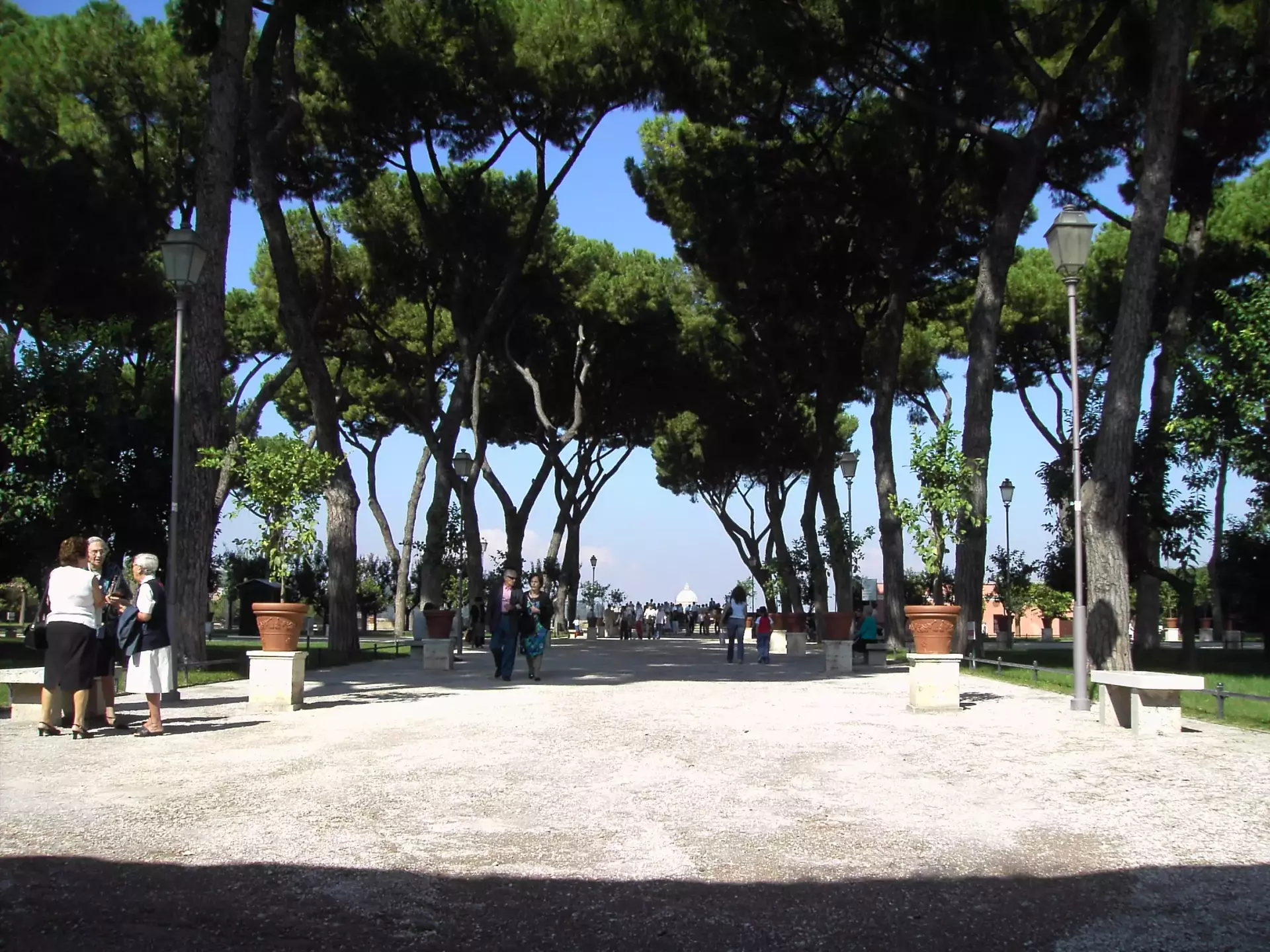
Orange Garden
Rome, ItalyParco Savello is the name of the grounds and orange grove next to the Santa Sabina church at the top of the Aventino and also where you have one of the best views of the city. Families gather here to sit under the dozens of orange trees. The "Giardino degli Aranci" is also a well known spot for lovers at night. The best views are arguably from Janiculum hill, just across the Tevere (Tiber) river. Immediately below you, the Tiber snakes its way through the city, and directly beyond it you can see the lively medieval quarter of Trastevere. Beyond that is the majestic dome of St. Peter's Basilica, with the historic centre of Rome visible to the right.
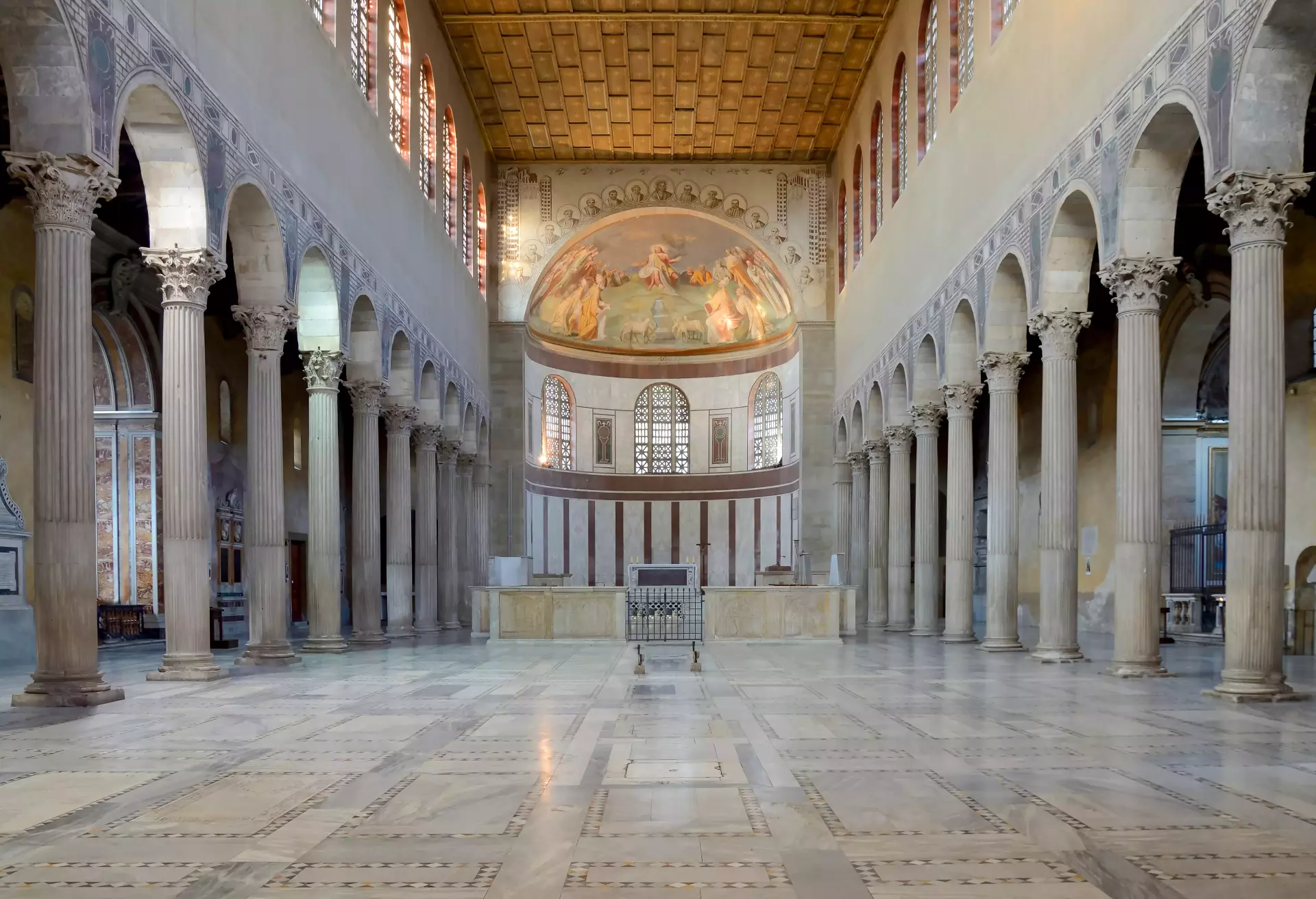
Basilica of Saint Sabina
Rome, ItalyA 5th-century basilica, simply and attractively decorated. The wooden door, of which 18 carved panels of scenes from the Bible survive, is believed to date from the church's construction.
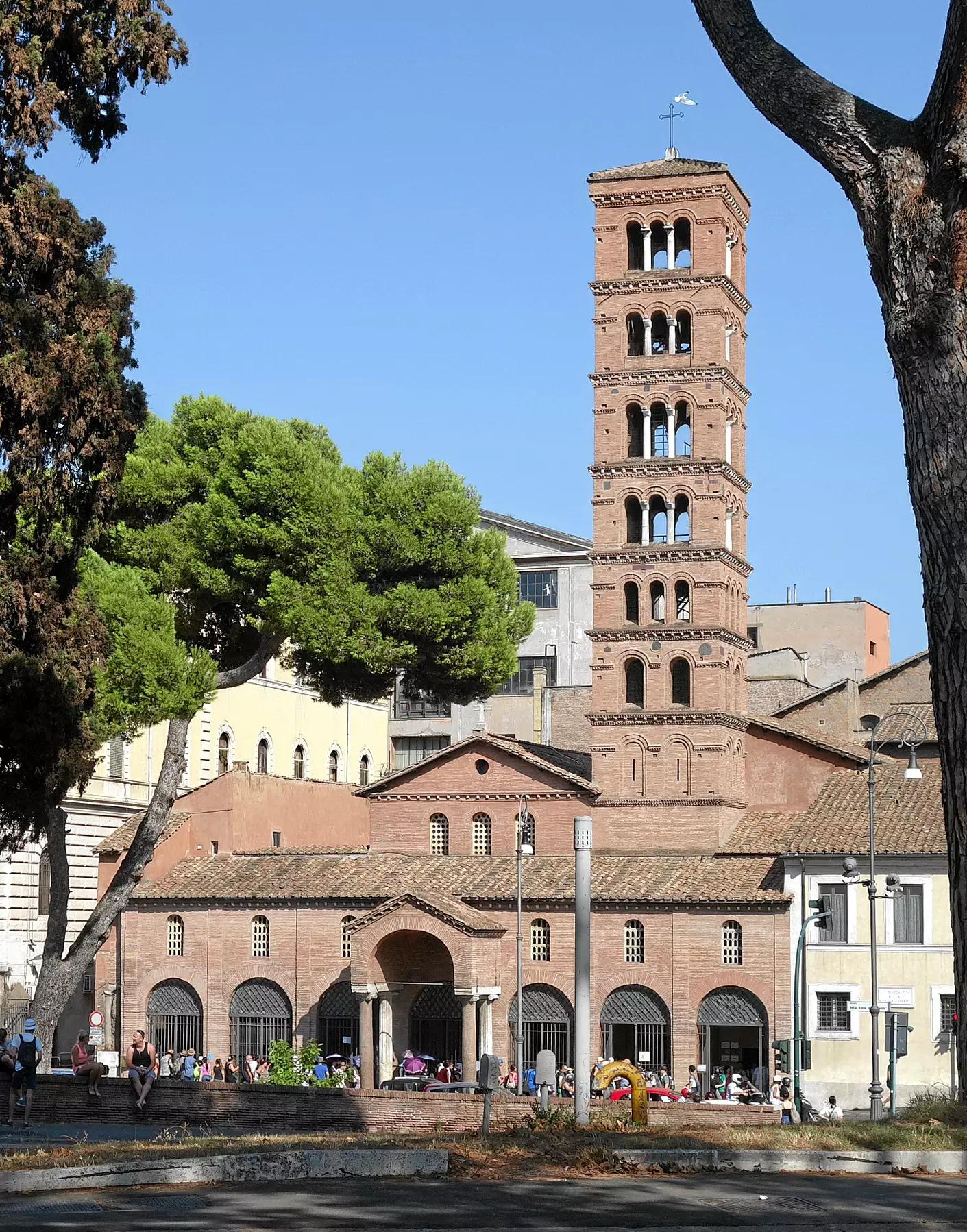
Santa Maria in Cosmedin Church
Rome, ItalyA medieval church dating from the 6th century and home to the Bocca della Verità (Mouth of Truth). The Bocca della Verità at the entrance to the church is thought to be a 1st-century manhole cover. It is believed that if you put your hand in the mouth and tell a lie, the hand will be bitten off. Queues for the privilege of risking this can get rather long. Don't ignore the church, which is a gem, and has a separate entrance. Its mosaic floor in the Cosmatesque style is more rustic and less intricate than some others (Santa Maria in Trastevere, for example), but its simplicity gives it a solidity not found in the more ornate styles. S.M. in Cosmedin has a fine medieval choir enclosure and the tallest medieval belfry in Rome.
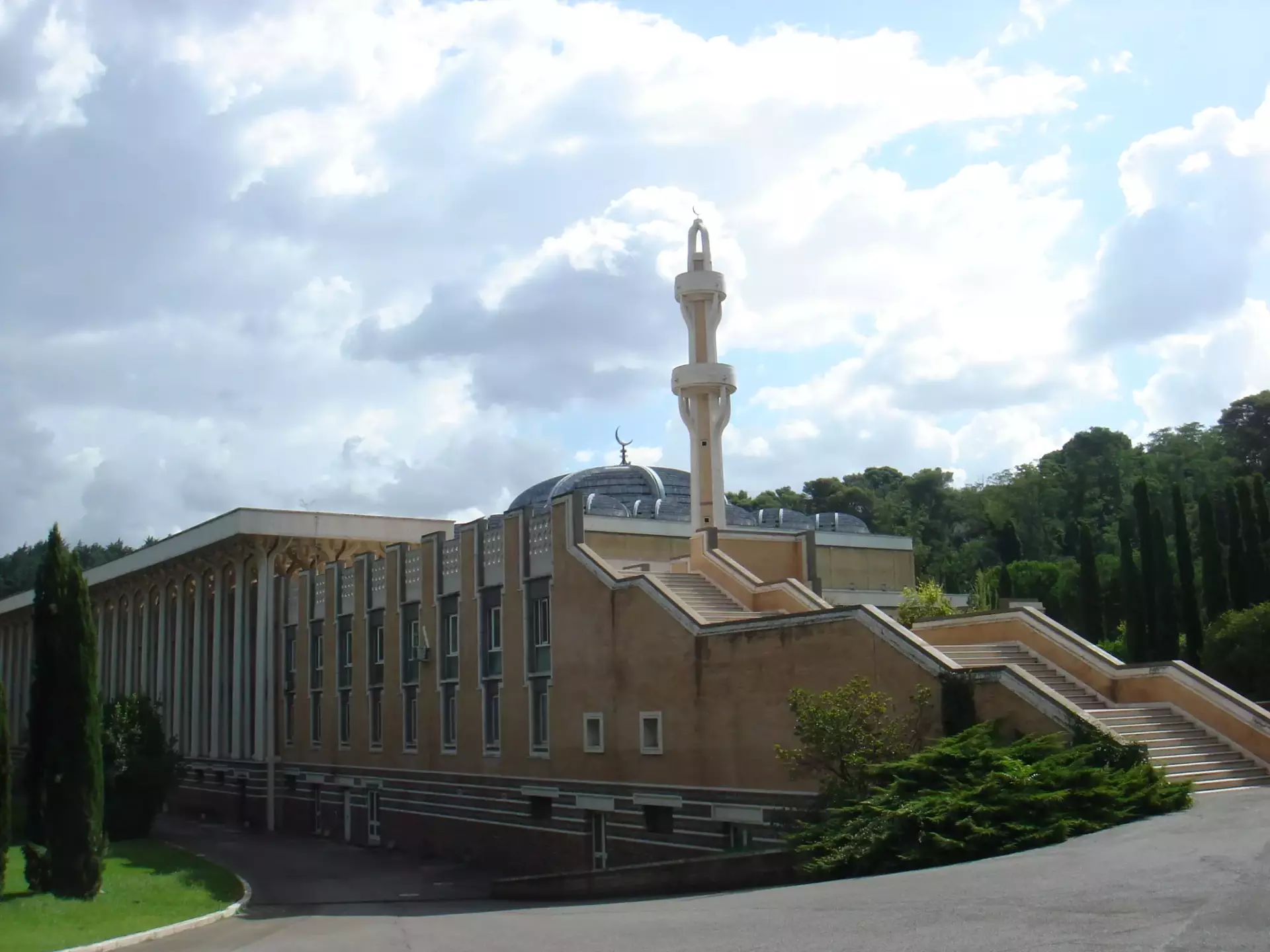
Moschea di Roma
Rome, Italy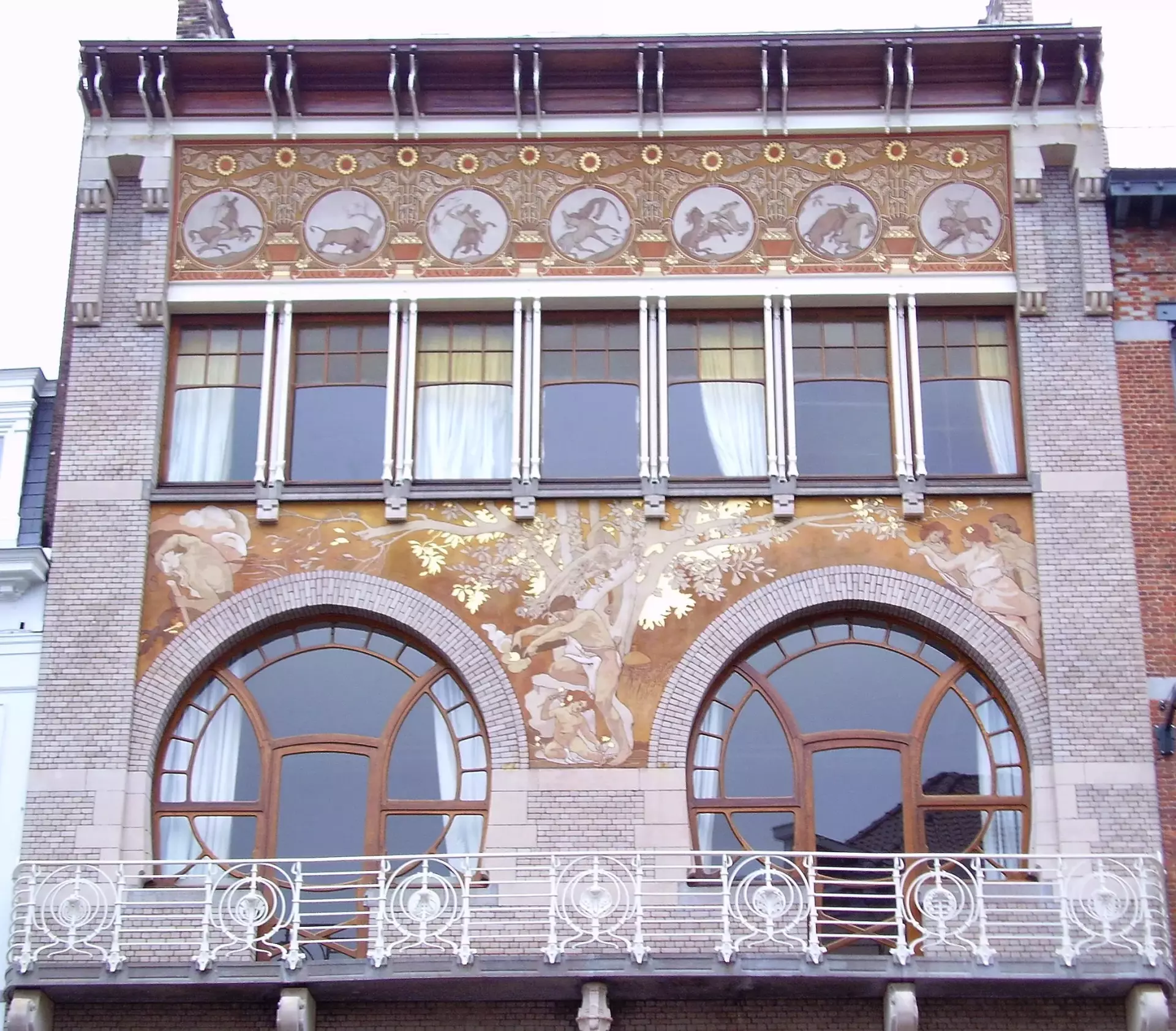
Quartiere Coppedè
Rome, Italy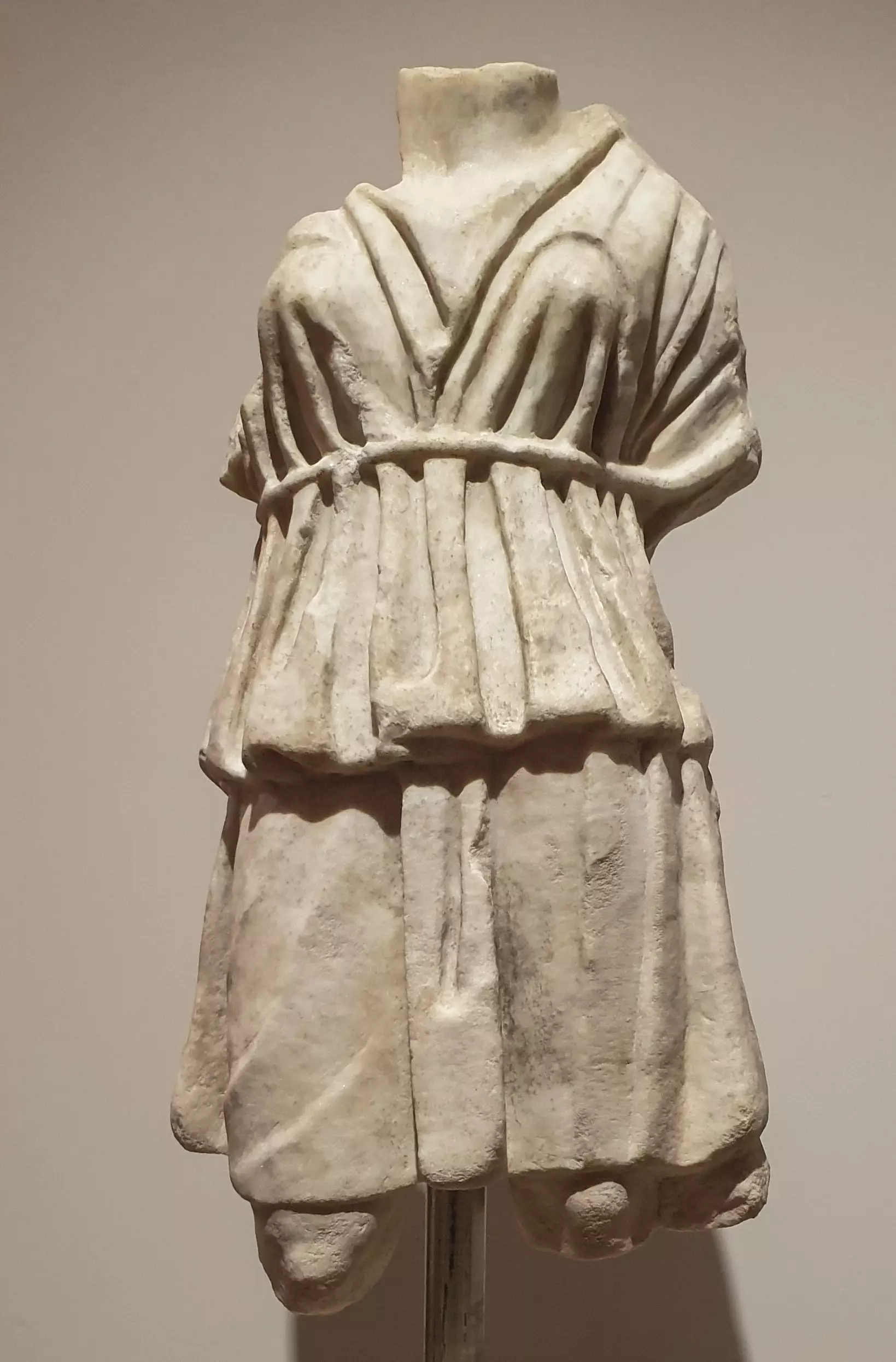
Roman houses of the Caelian
Rome, ItalyEarly Roman houses dating back to the 1st century, believed to be homes of early Christians. Well-preserved frescoes and a small museum.
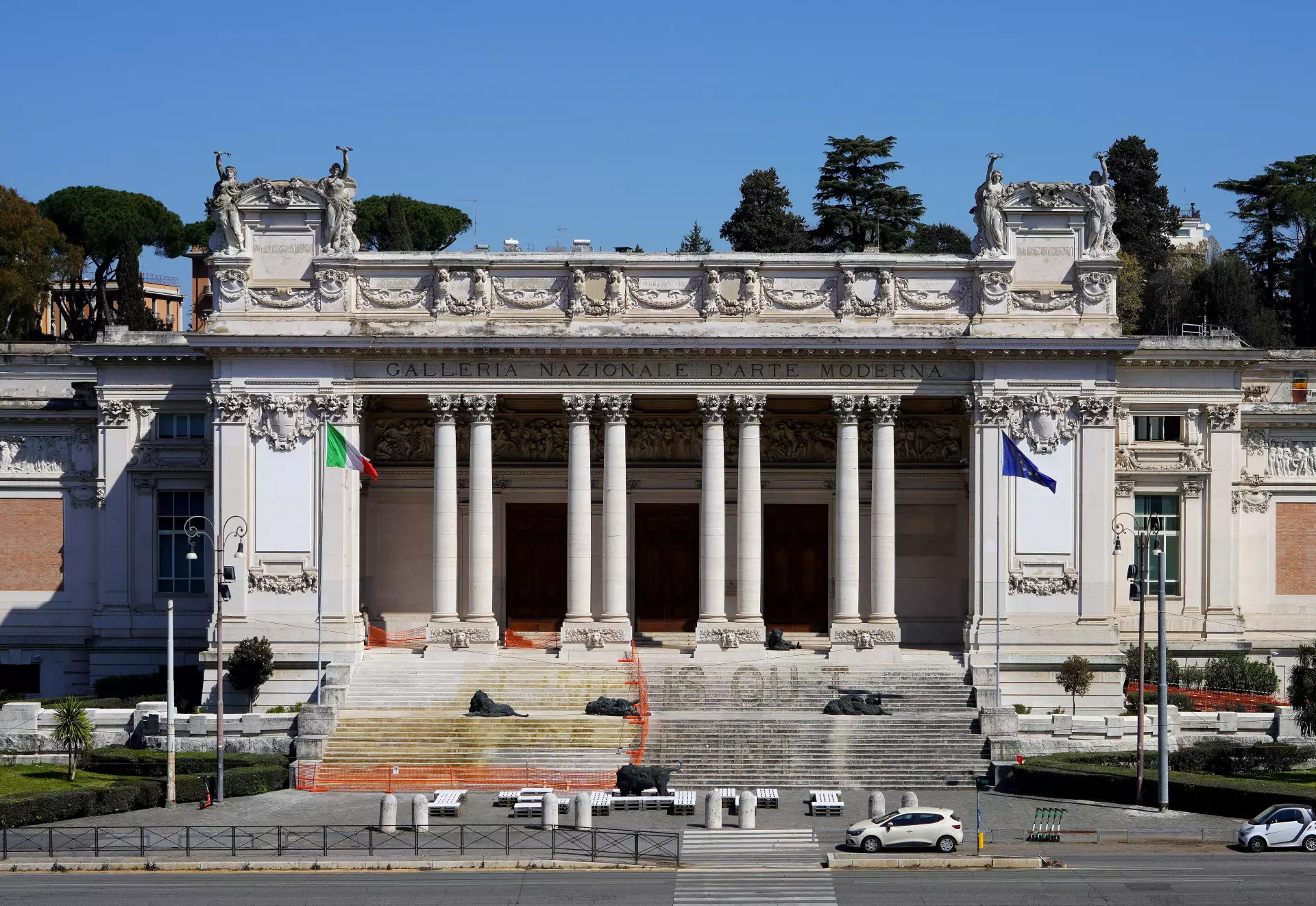
Galleria Nazionale d'Arte Moderna e Contemporanea di Roma
Rome, ItalyAn underrated way to see fantastic art made after the Renaissance. Mainly Italian artists, notably De Chirico, but Cézanne, Degas, Kandinsky, Man Ray, Modigliani, Monet, Pollock and Van Gogh are also represented.
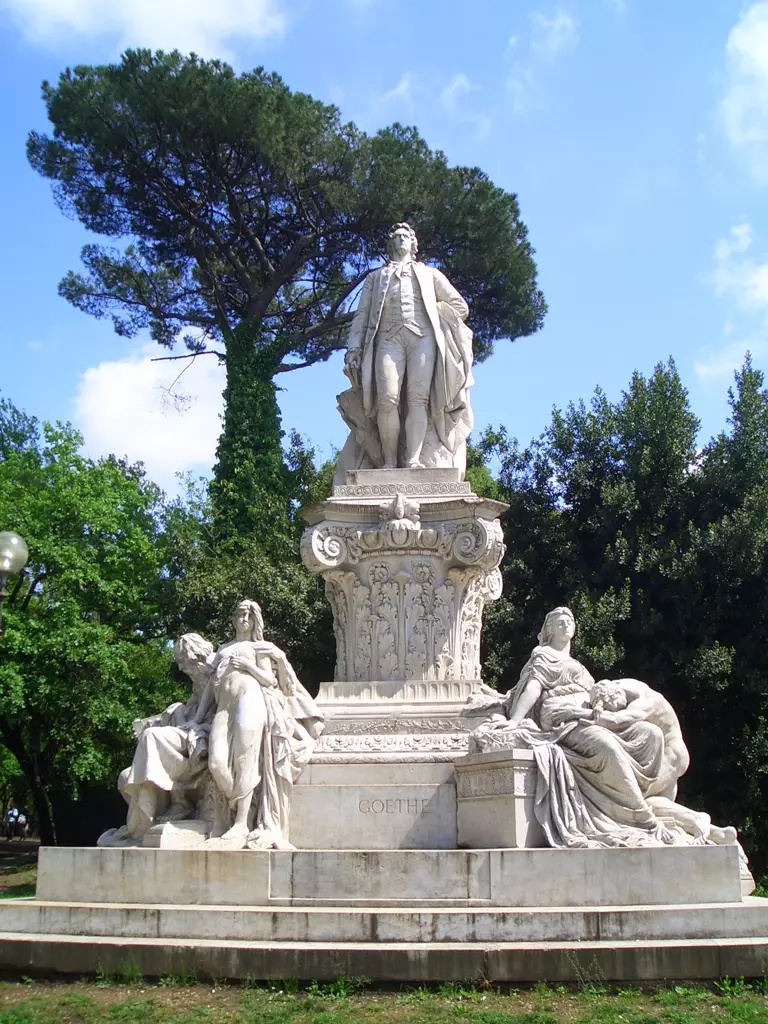
Goethe monument in Rome
Rome, Italy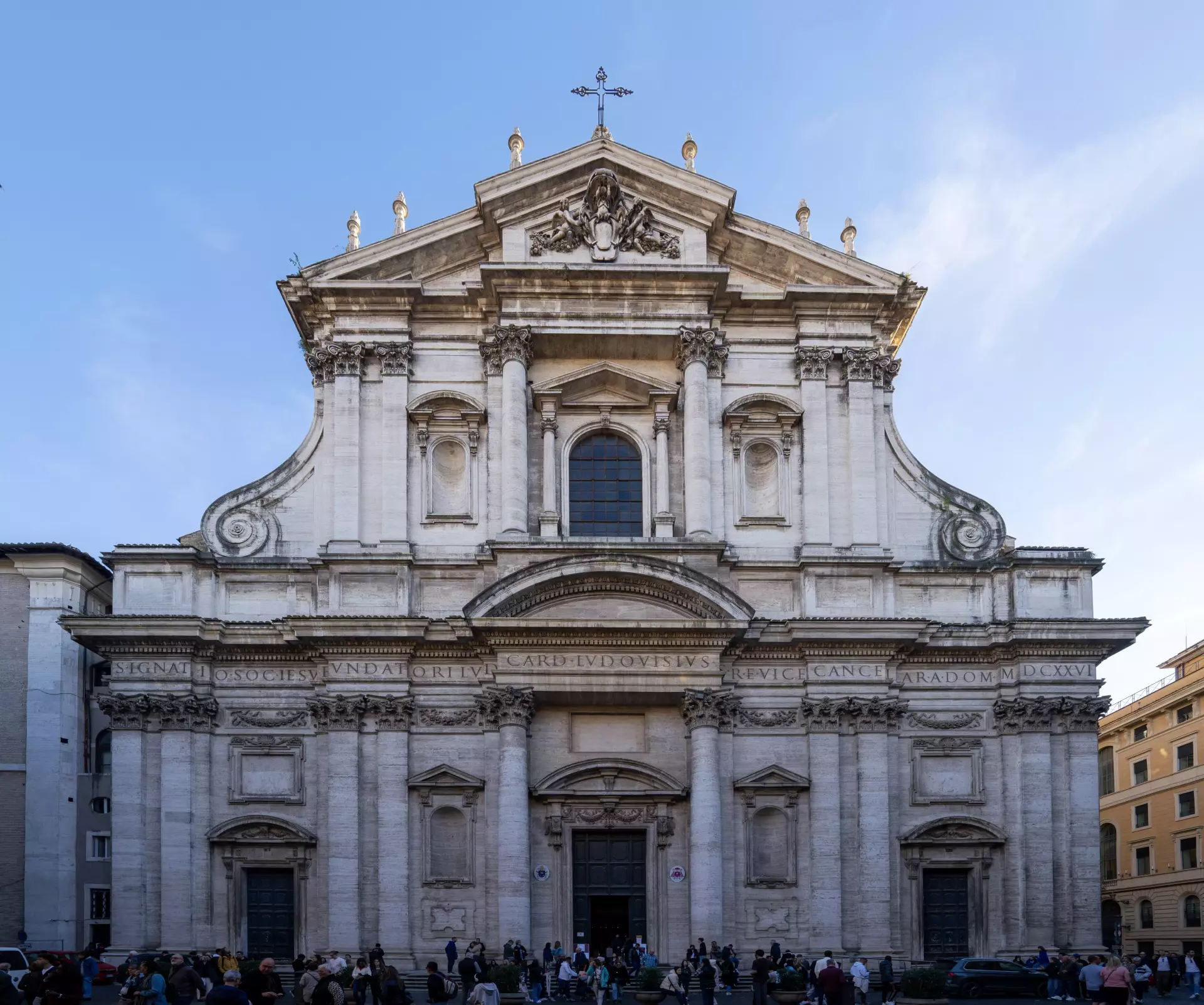
Sant'Ignazio Church
Rome, Italy
Piazza di Pasquino (Rome)
Rome, Italy
Via del Governo vecchio (Rome)
Rome, ItalyThe street is named after the Palazzo del Governo Vecchio, the seat of the Papal government in the 17th and 18th centuries. It was part of the Via papalis which connected St. John Lateran and St. Peter's. Houses nr. 104 and 106 date to the 15th century and there are some houses from the 16th century as well. The palace on nr. 123 was intended to be the residence of Bramante. The Palazzo del Governo Vecchio is situated just opposite.
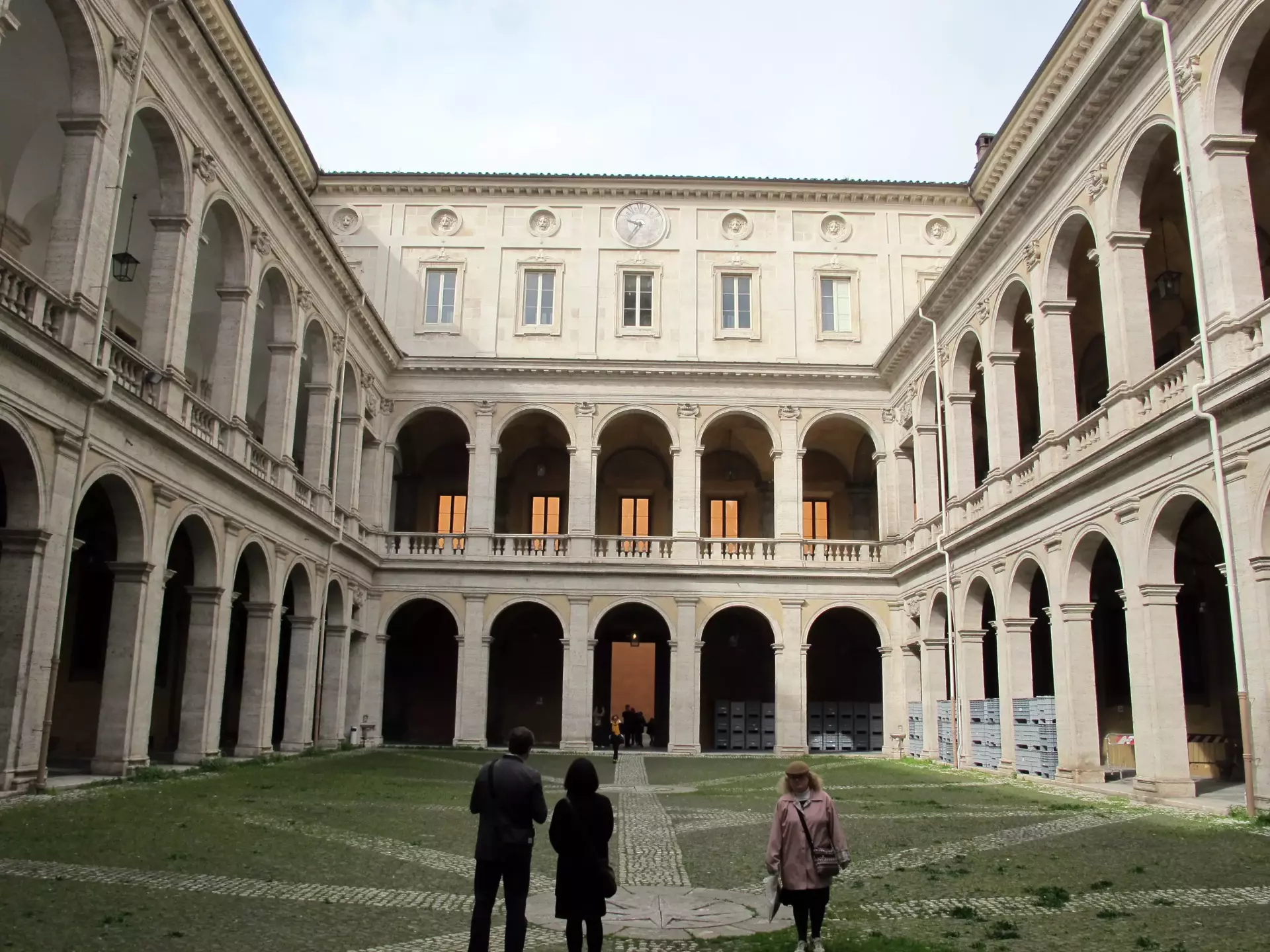
Palazzo della Sapienza
Rome, ItalyThis building housed the University of Rome from the middle of the 15th century until 1935. The splendid interior courtyard was created by Giacomo della Porta. The inside church of Sant'Ivo (see above) is one of the masterpieces of the architect Borromini.
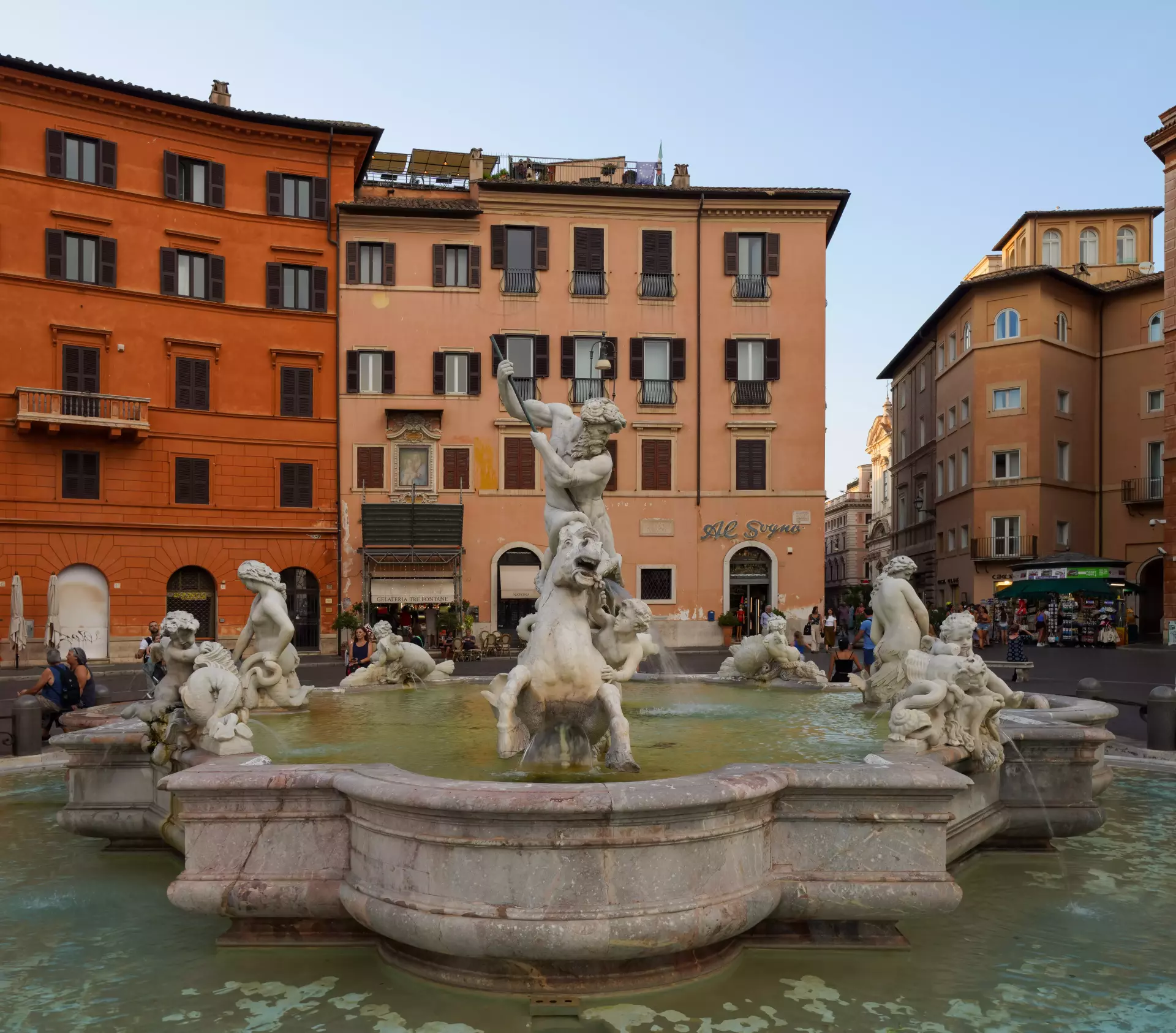
Fountain of Neptune - Neptune fighting an octopus
Rome, ItalyA 19th-century addition to the square, made to balance the Fontana del Moro.
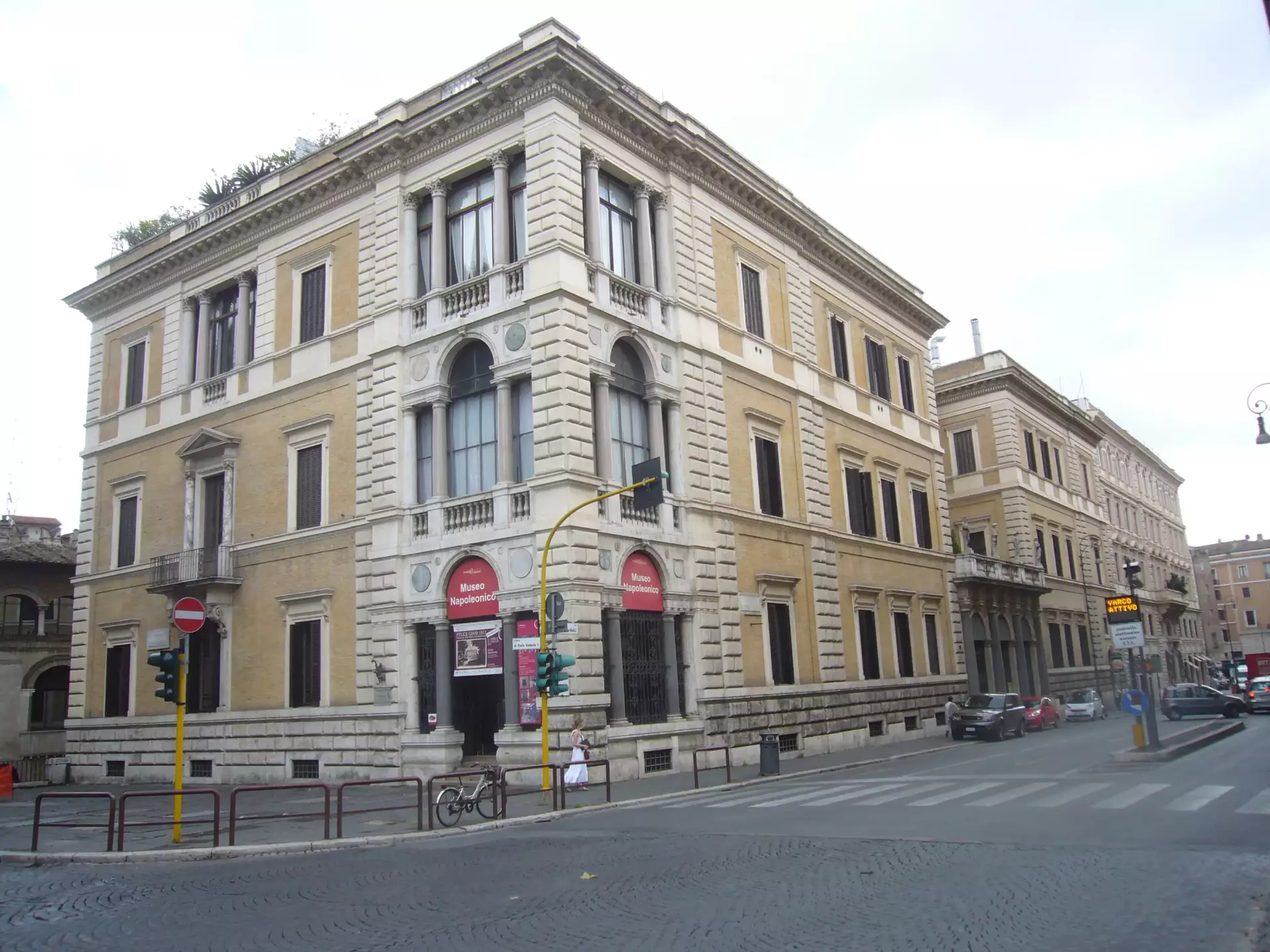
Napoleonic Museum
Rome, ItalyThe museum is dedicated to Napoleon Bonaparte and his family. After Napoleon's death in 1821 the Pope gave permission to his family to settle down in Rome. His sister married Prince Camillo Borghese.
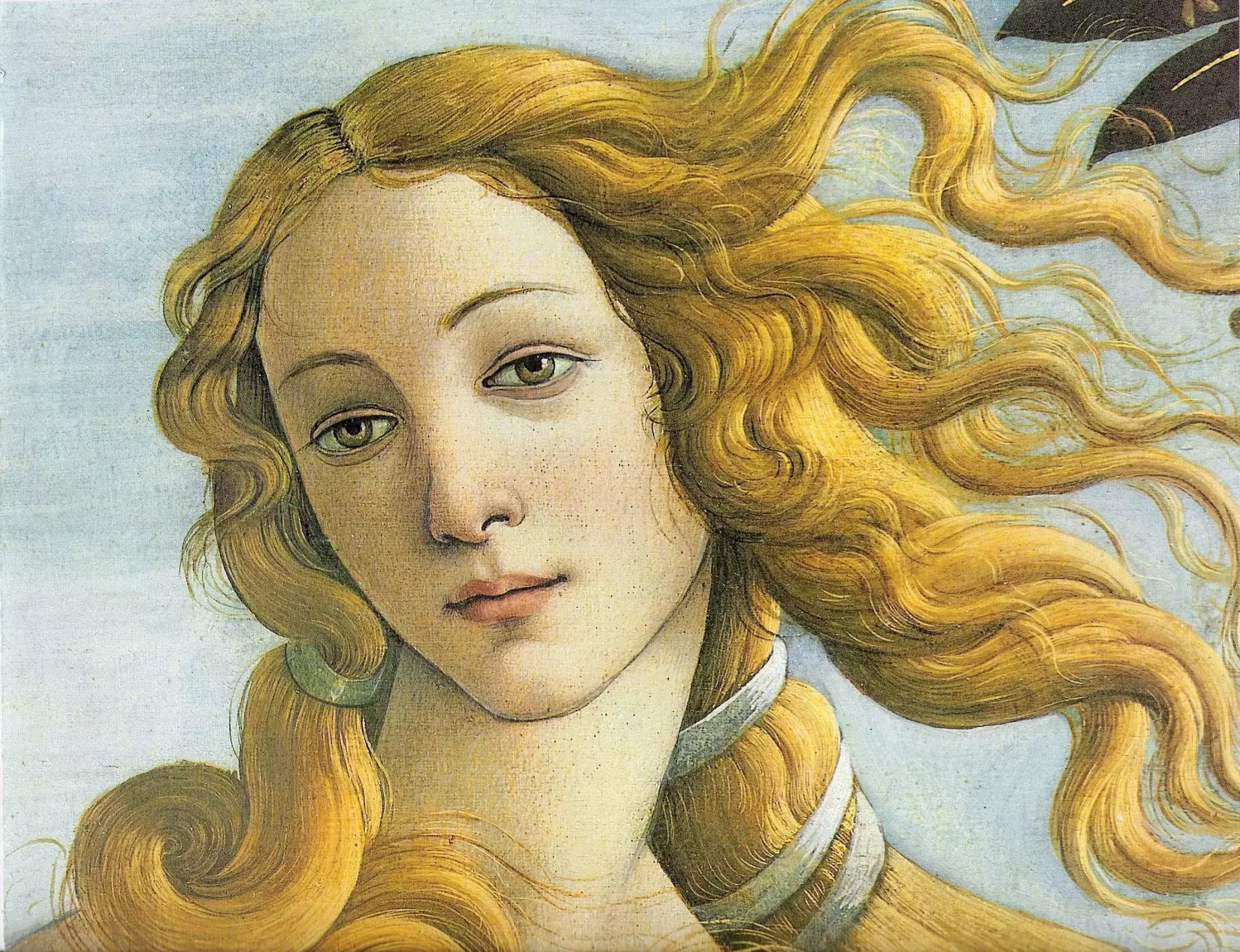
Crypta Balbi
Rome, ItalyThis museum is built on top of the excavation site of the Balbi Crypt, a building from the first century A.D. which underwent considerable modifications in the following centuries. Through the building's history, the museum gives us glimpses of what Roman life across the ages was like. Free visits of the ruins are possible. The Essedra ruins are only accessible on Saturdays and Sundays, at 10:45, 11:45, 12:45, 14:45 and 15:45.