
Tourist attractions in Rome
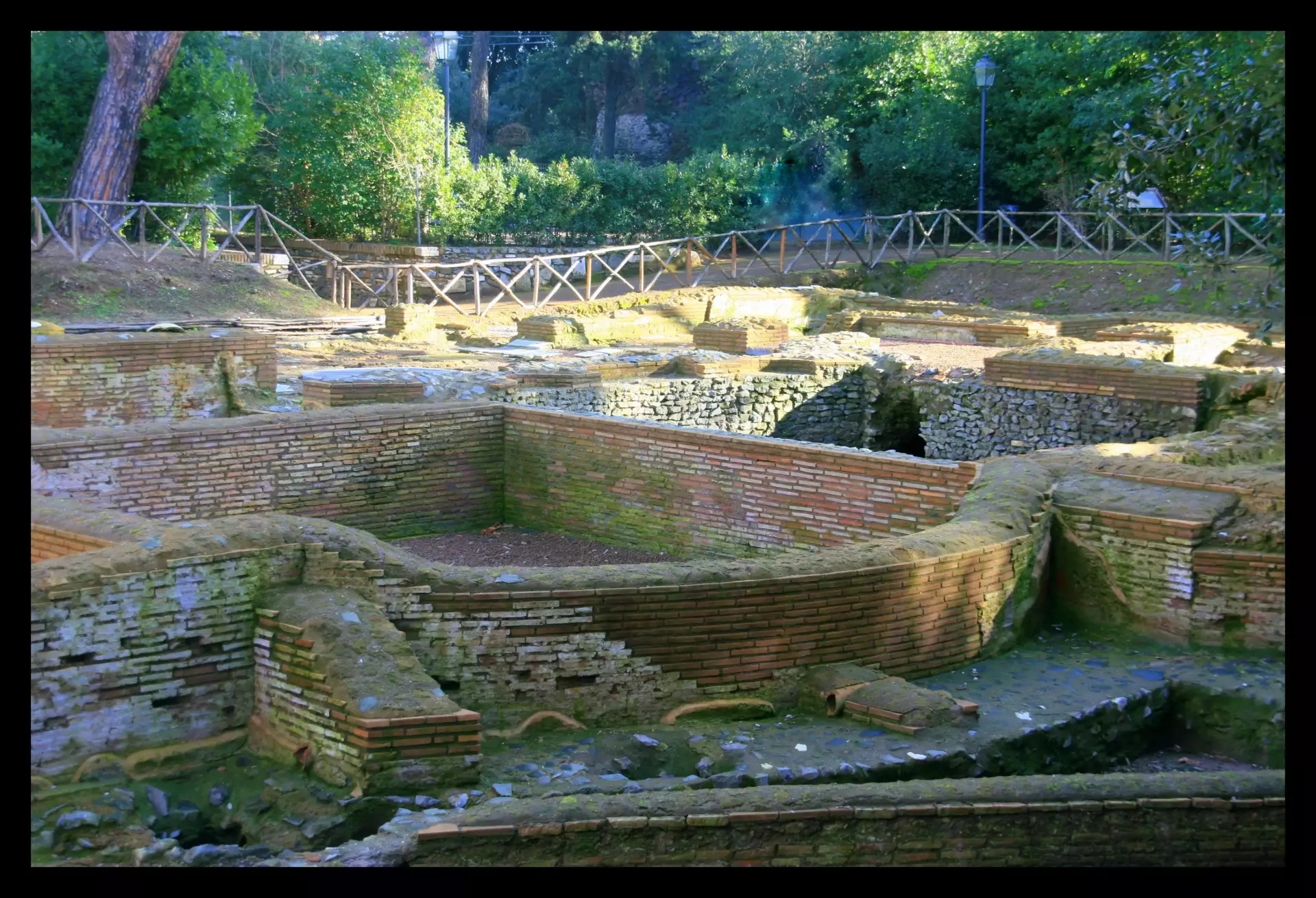
Capo di Bove
Rome, Italy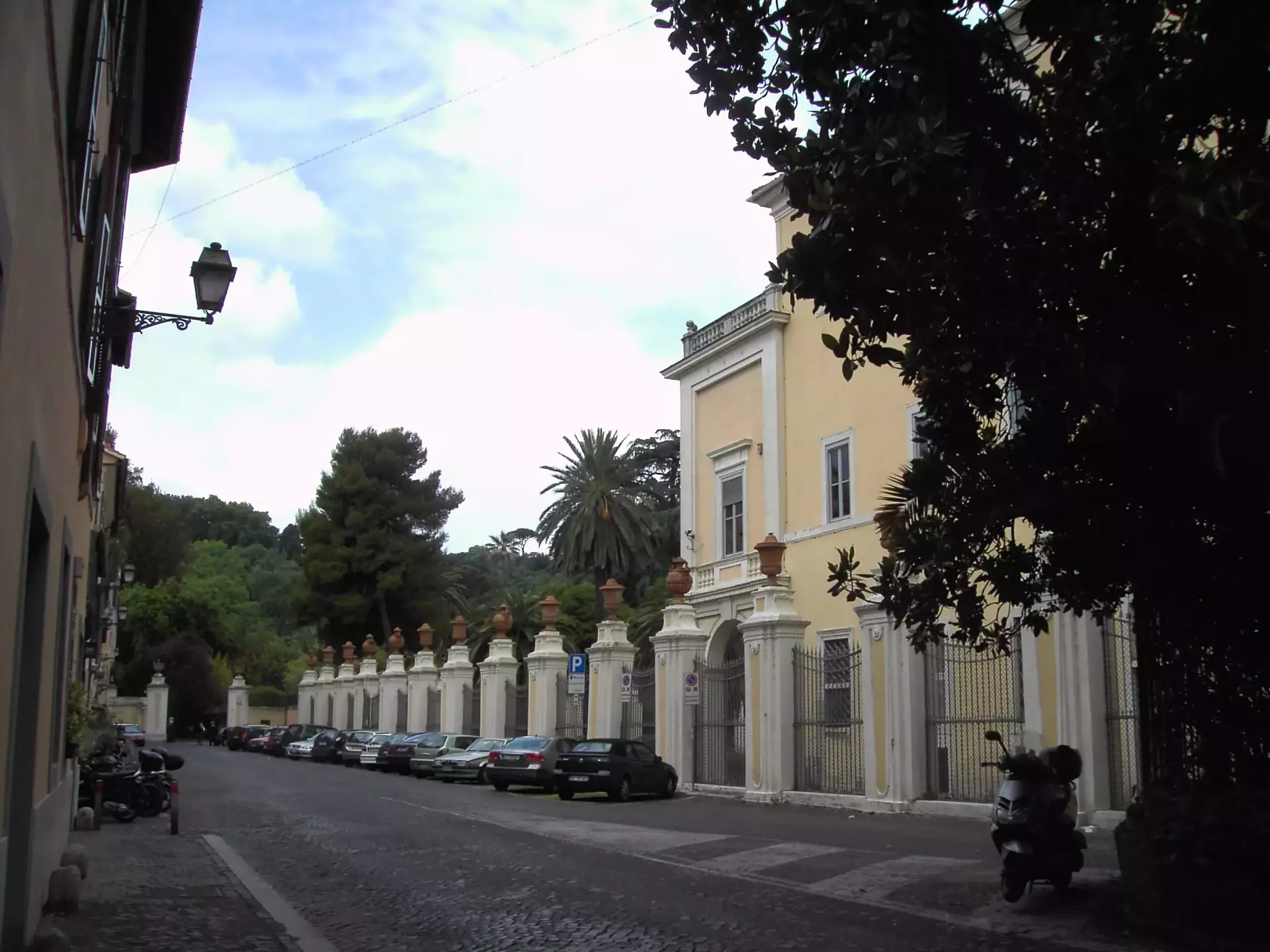
Orto Botanico dell'Università di Roma "La Sapienza"
Rome, Italy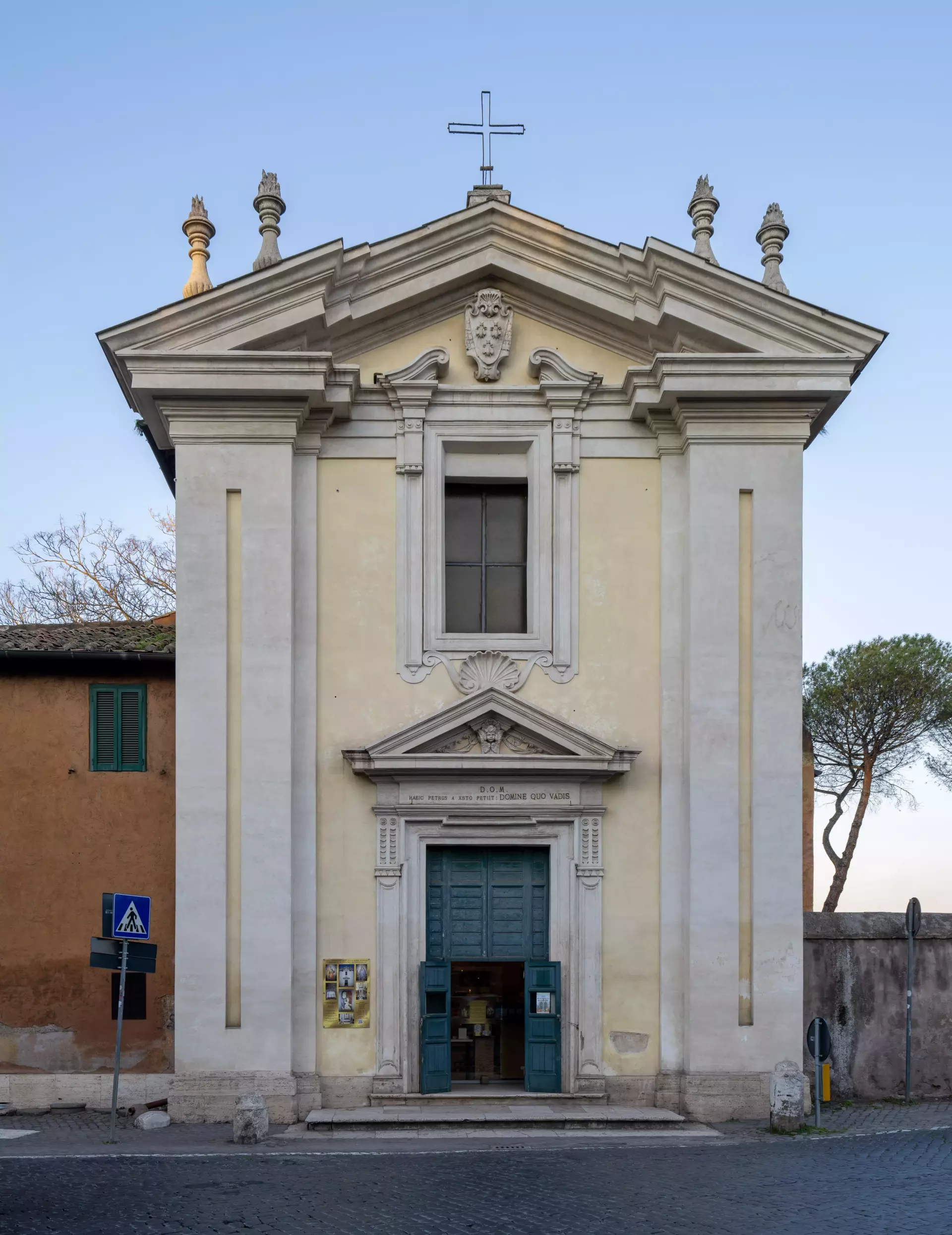
Church of Domine Quo Vadis
Rome, Italy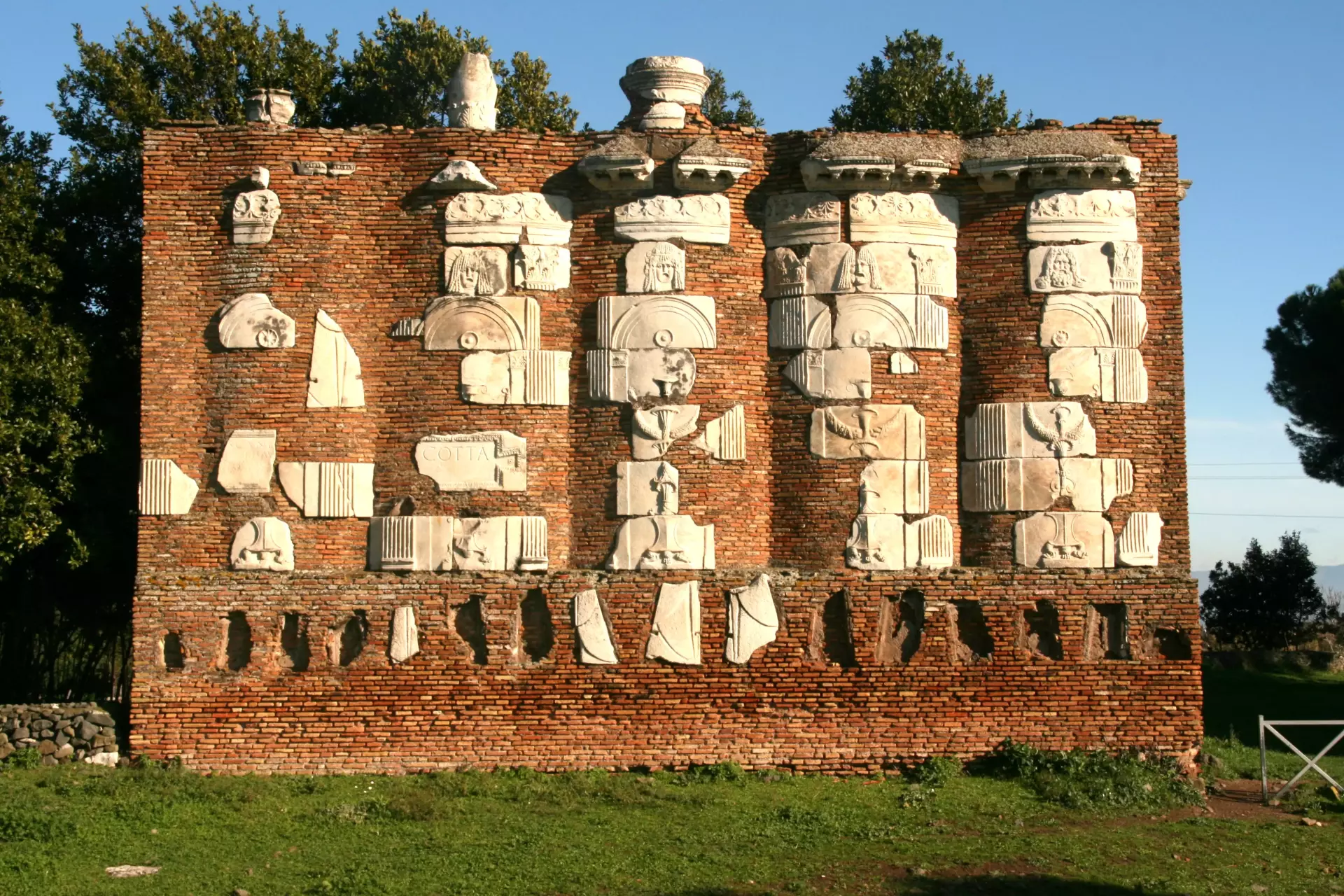
Casal Rotondo
Rome, Italy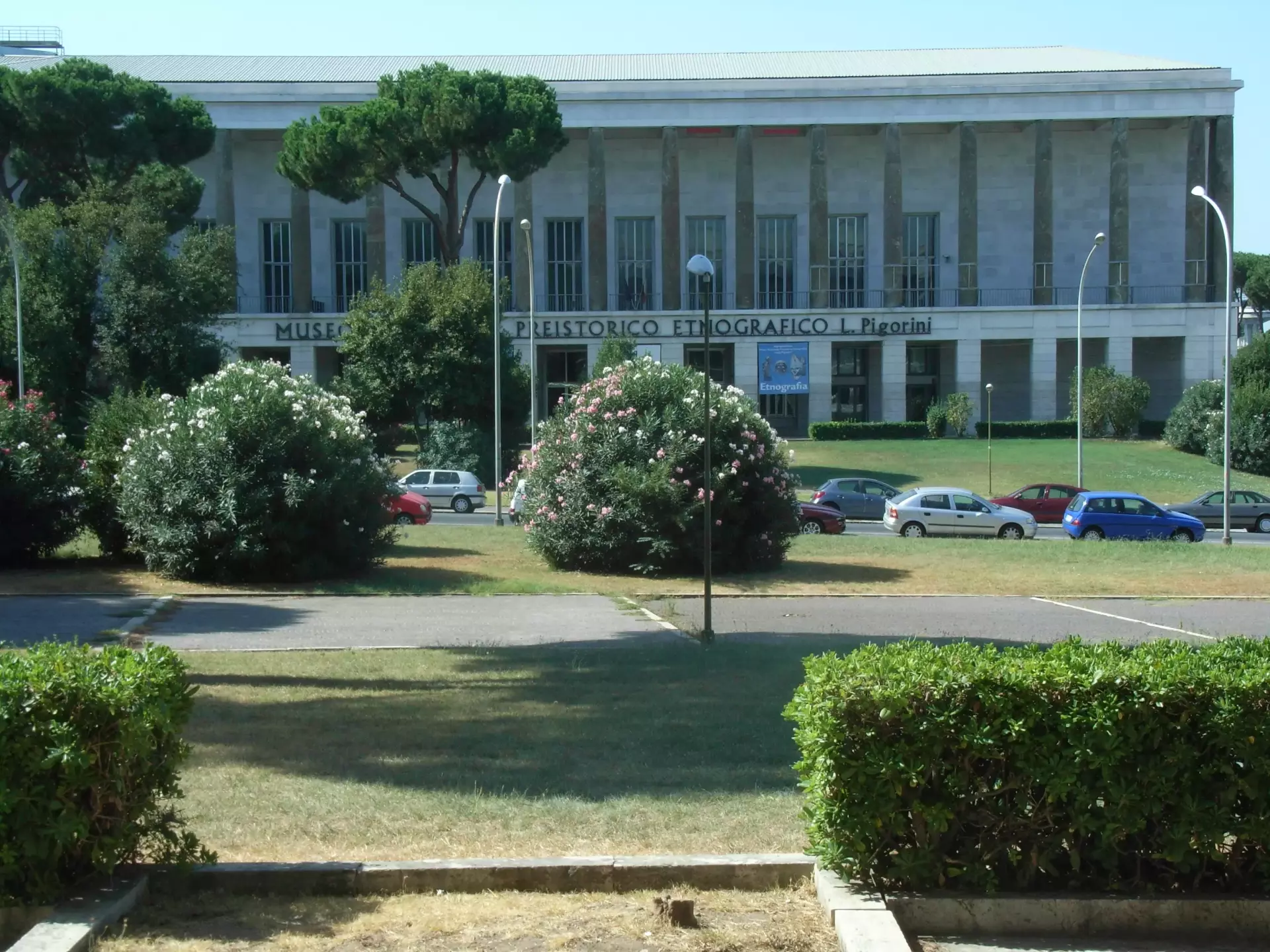
Pigorini National Museum of Prehistory and Ethnography
Rome, ItalyAn ethnographic collection of around 60,000 pieces from European indigenous cultures. Documents evolution from the Palaeolithic age to the Iron Age.
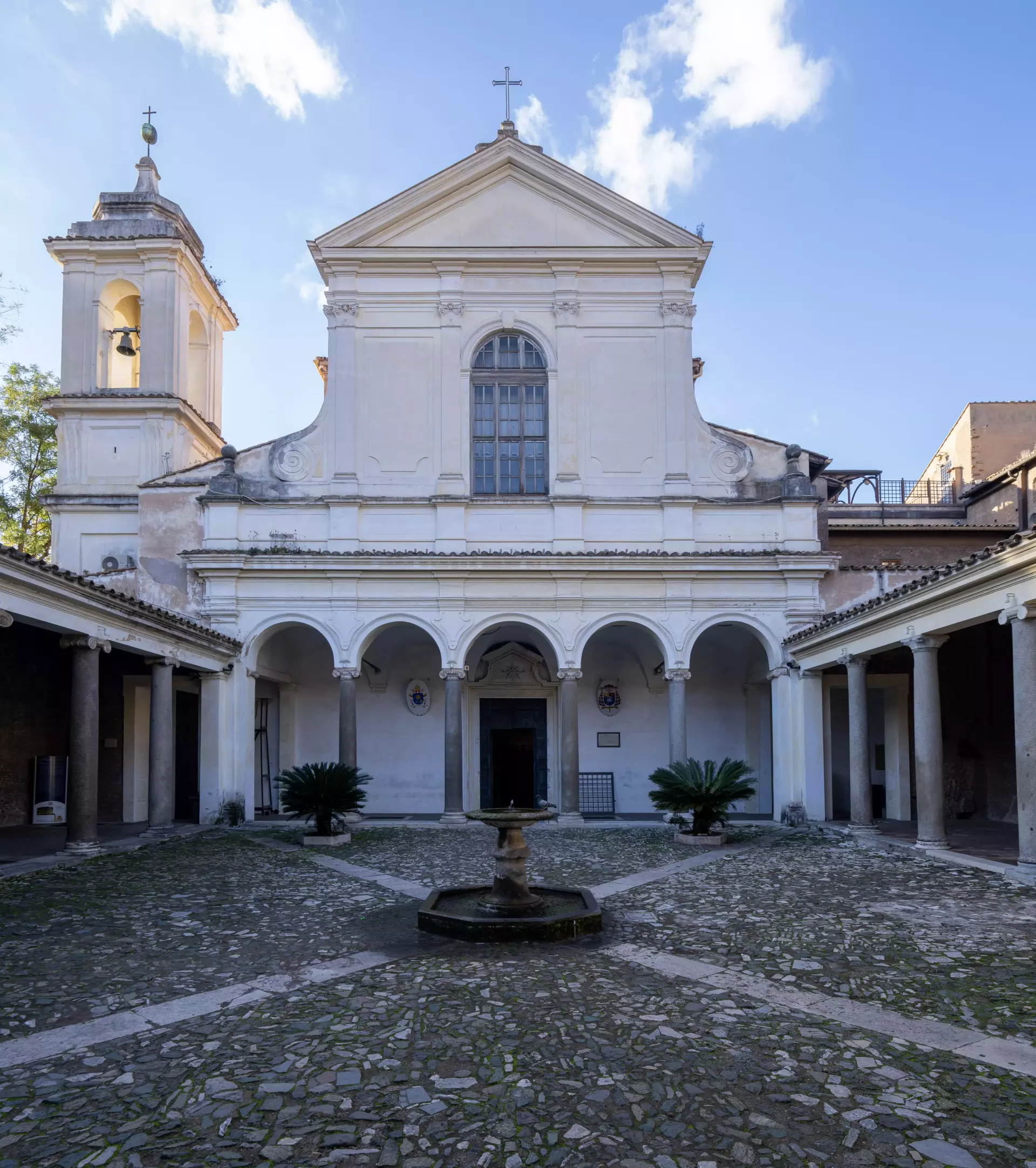
Basilica of San Clemente
Rome, ItalyA great little cathedral to visit, lovingly looked after by Irish Dominicans. There is an excavated older church below the medieval church you enter and a Mithraeum (temple to Mithras, whose cult was very popular with Roman soldiers from the 1st to 4th century AD) below that. The only place in Rome to hear the underground river that flows beneath the city.
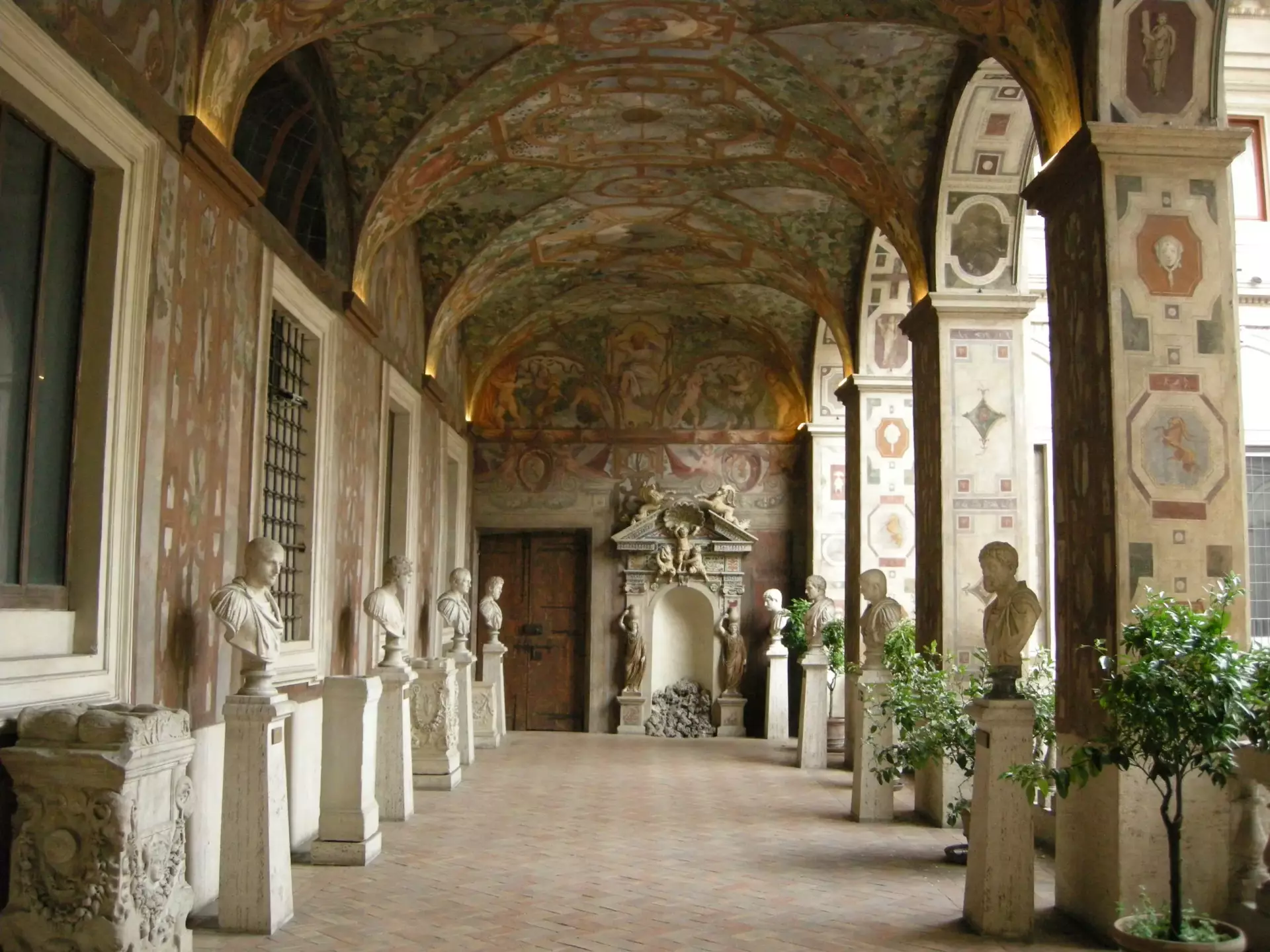
Palazzo Altemps
Rome, ItalySimple and elegant lines make up this building, whose construction began in 1480 for Count Girolamo Riario, nephew of Papa Sisto IV, and was taken up by architect Martino Longhi for the new owner, Cardinal Marco Sittico Altemps. Today it houses one of the branches of the National Museum of Rome, showcasing ancient and Renaissance sculptures, and the results of the 16th/17th-century fashion for 'completing' ancient sculptures missing heads or arms.
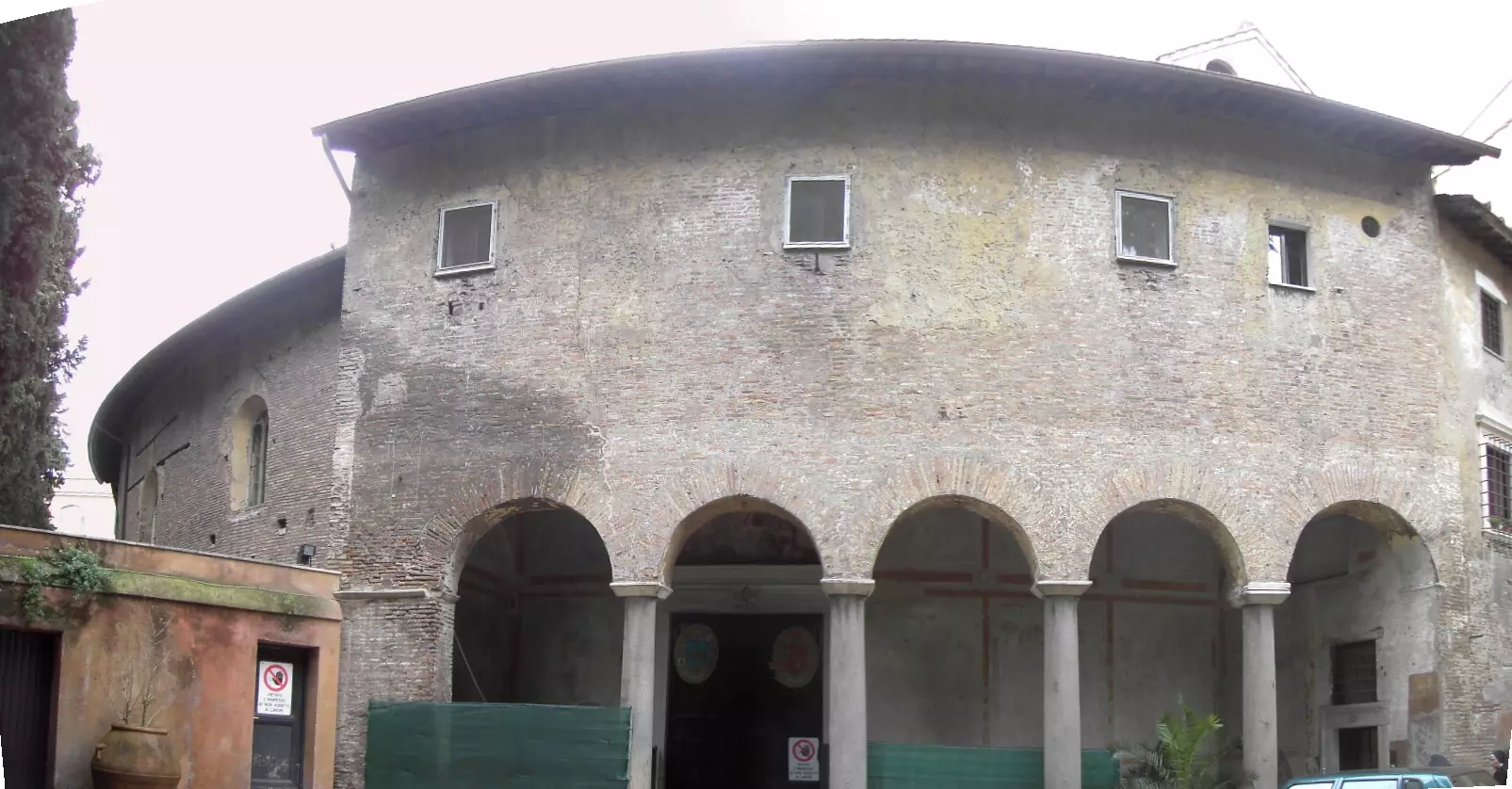
Santo Stefano Rotondo
Rome, ItalyUnusual and fascinating round church dedicated to St. Stephen. It is the national church of Hungary in Rome. Dating from the 5th Century this is believed to be the largest round church in the world. Charles Dickens described its wall paintings of martyrdom and butchery as "hideous". A good starting point to visit the attractions of the Celio Hill (see Rome/Aventino-Testaccio).
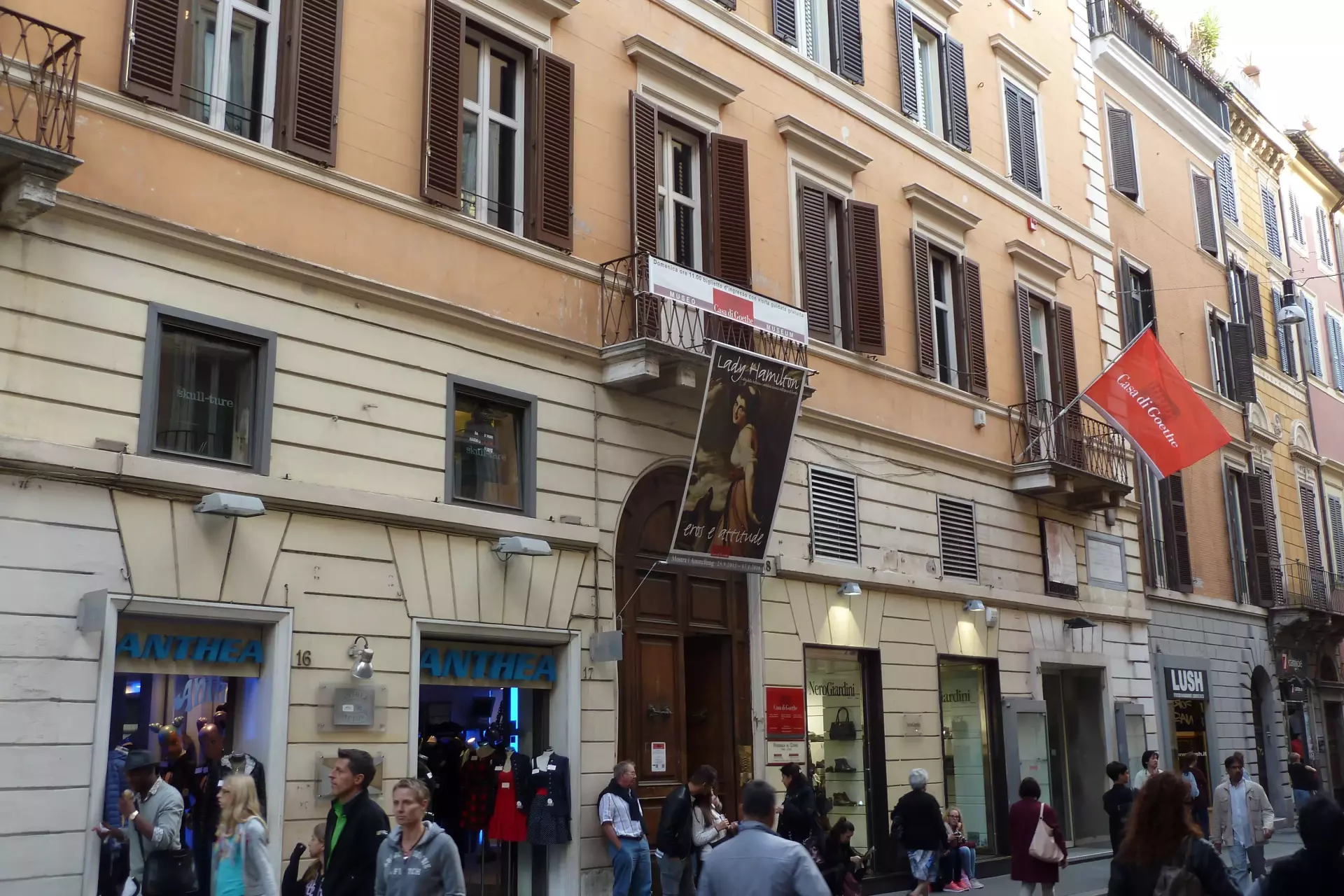
Casa di Goethe
Rome, Italy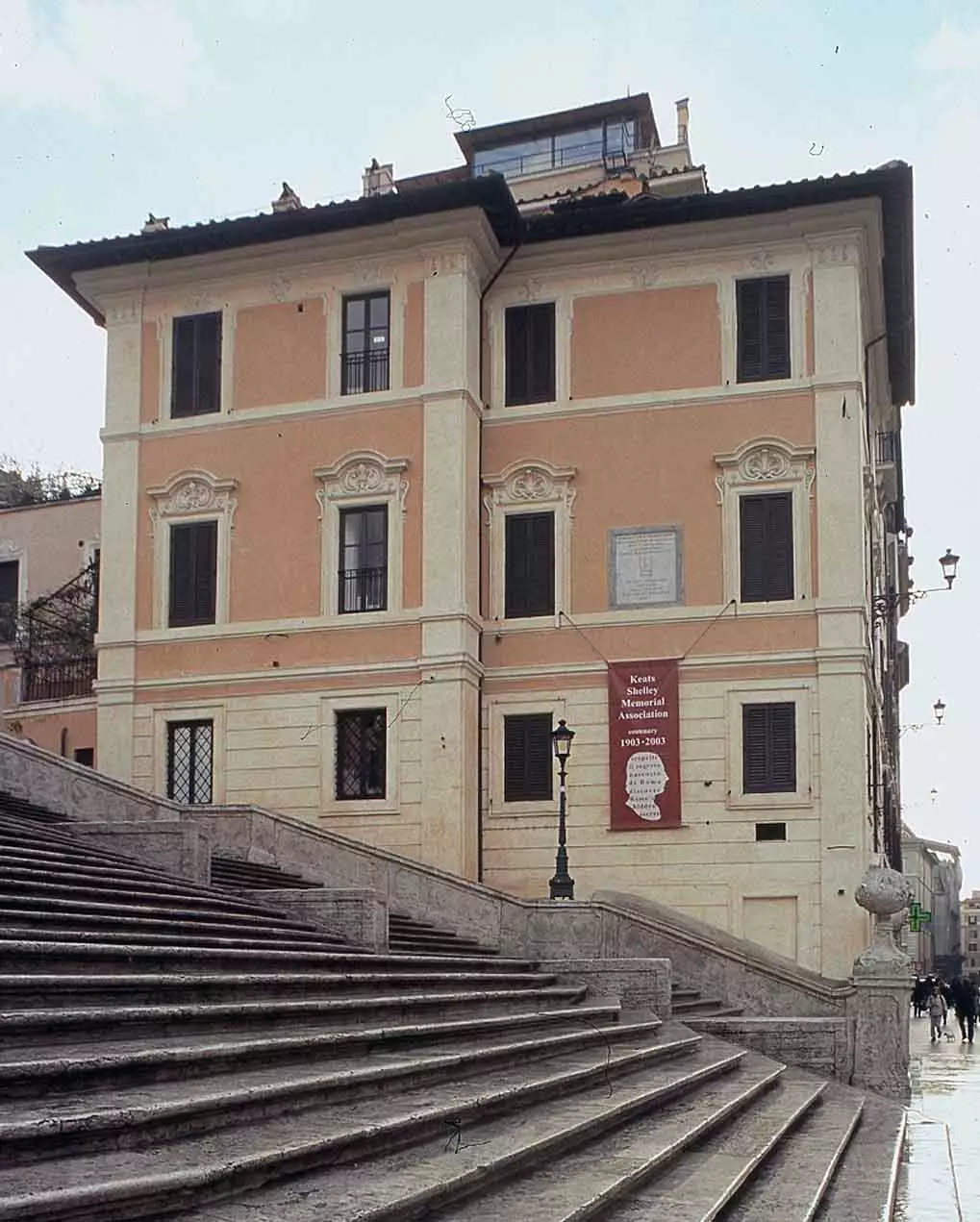
Keats-Shelley Memorial House
Rome, ItalyThe house in which the famous English poet John Keats succumbed to consumption, now preserved as a memorial to his life and that of his friend Shelley, both of whom are buried in Rome's Protestant Cemetery (see Testaccio).
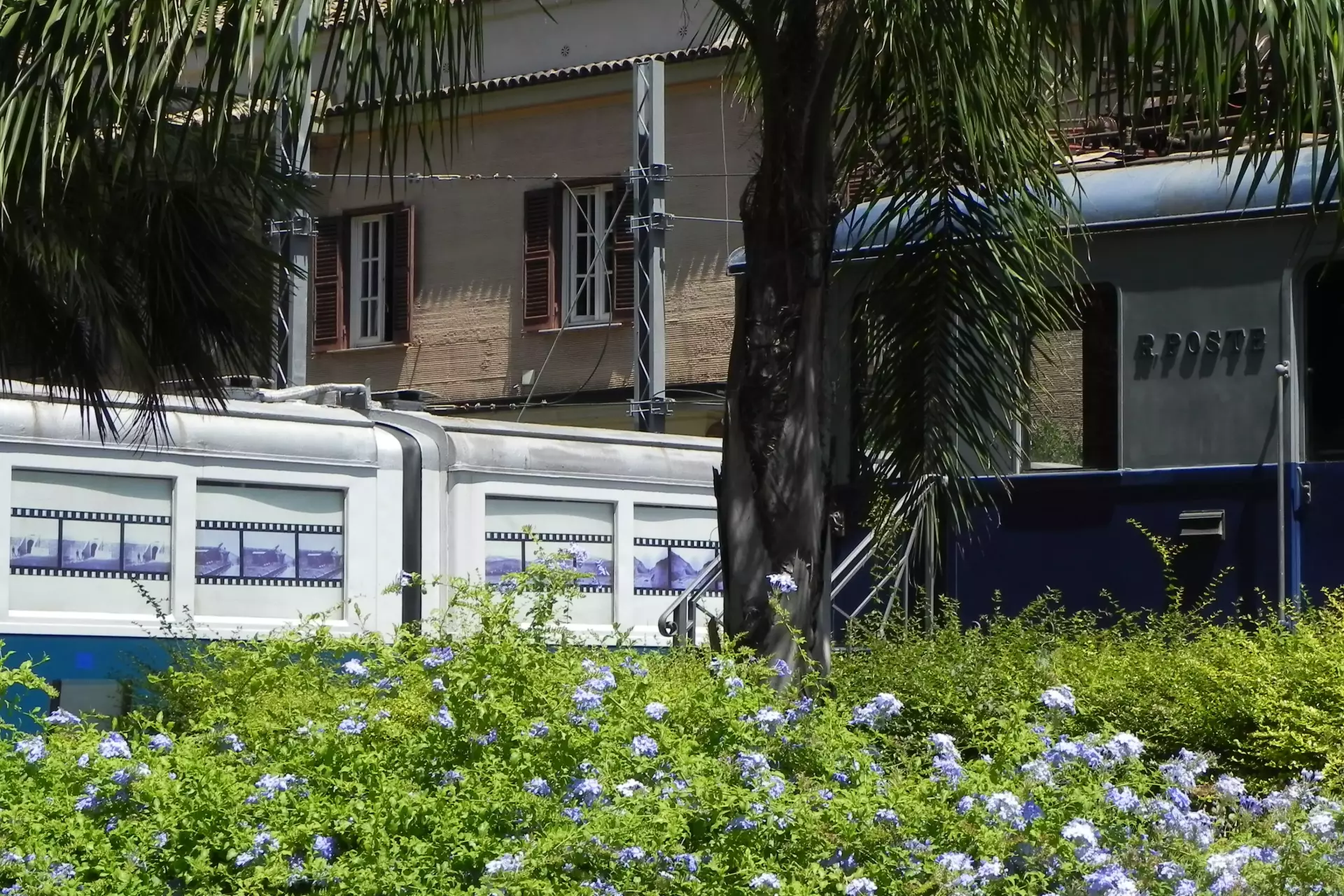
Porta San Paolo Railway Museum
Rome, Italy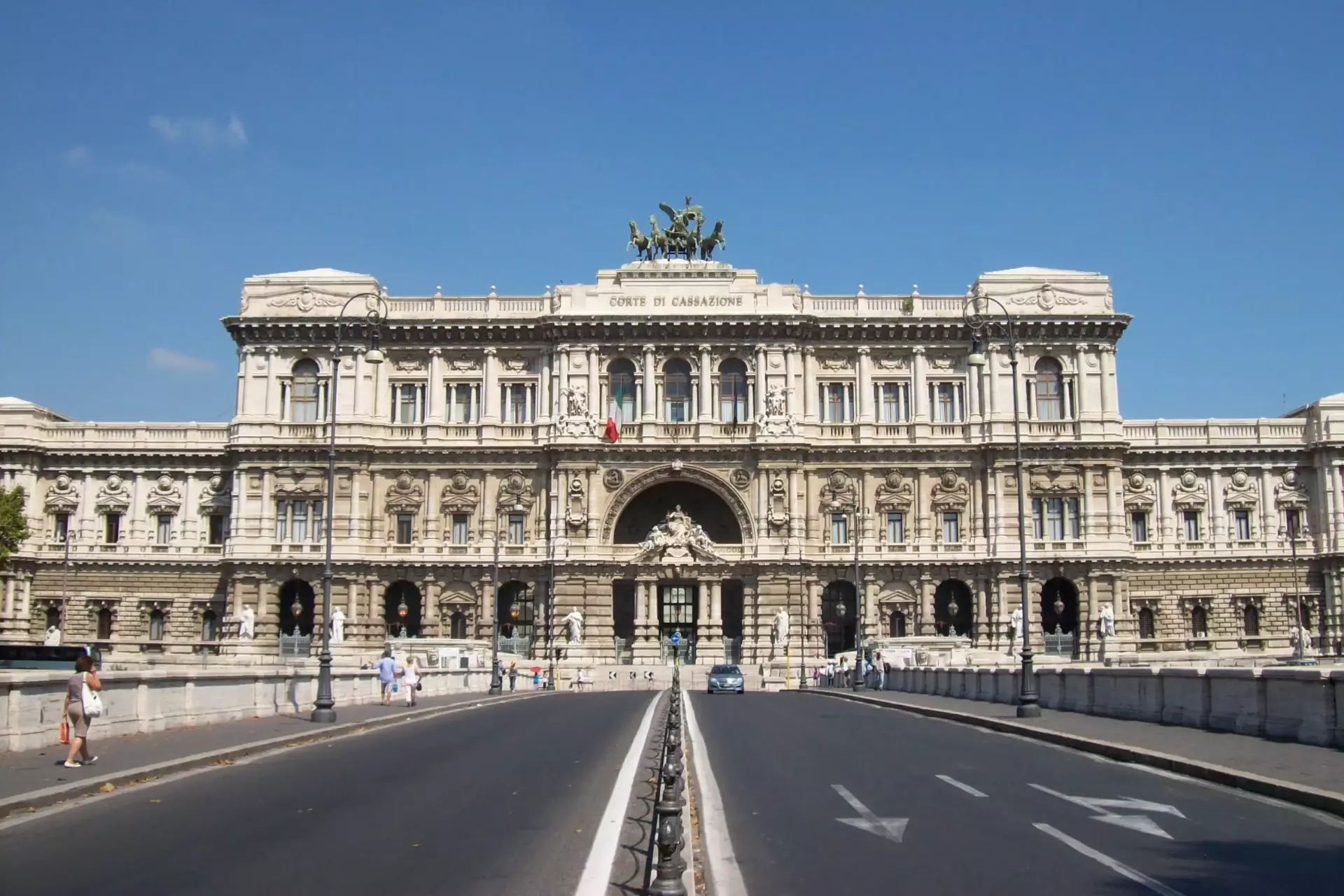
Palace of Justice
Rome, Italy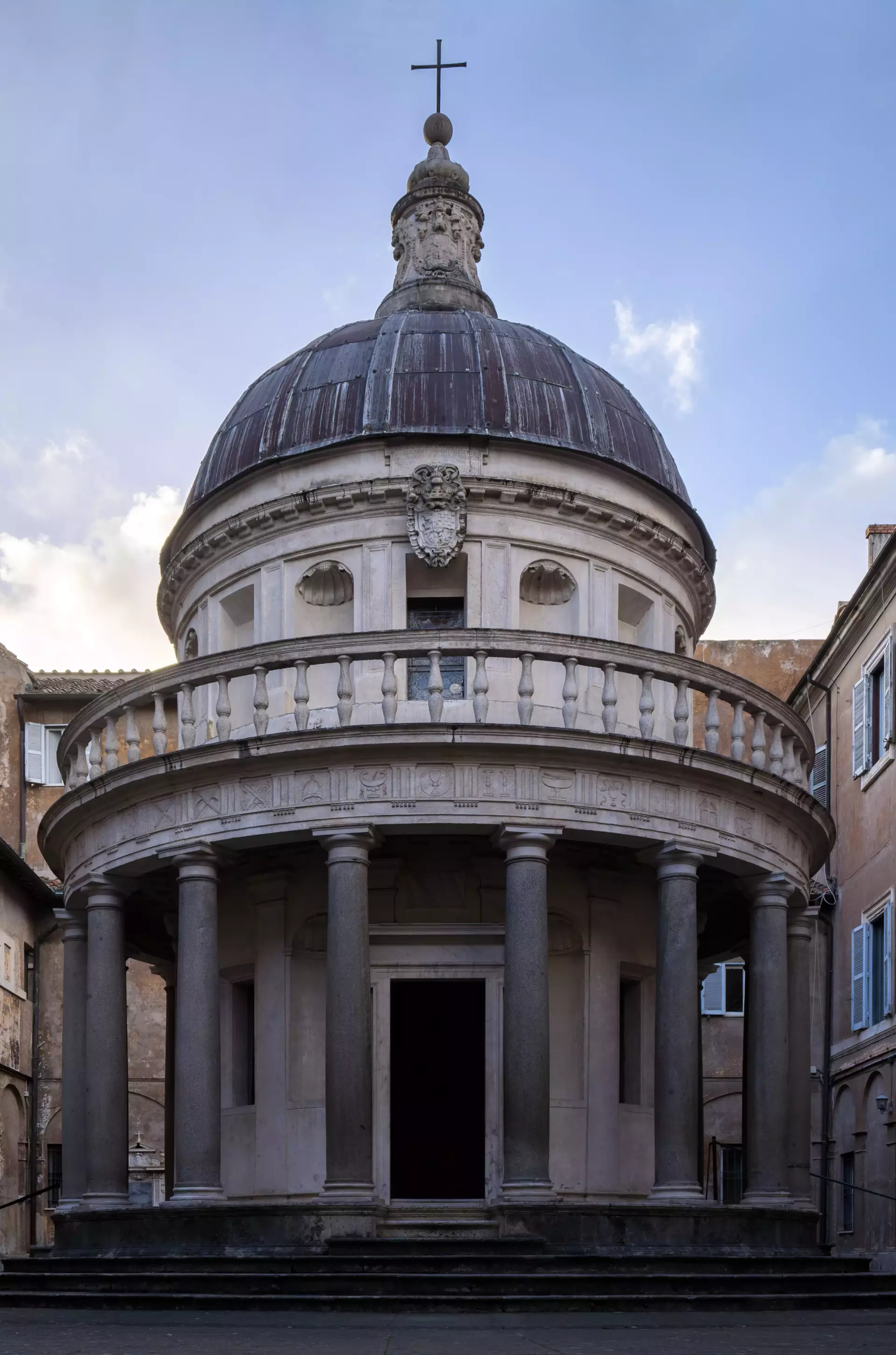
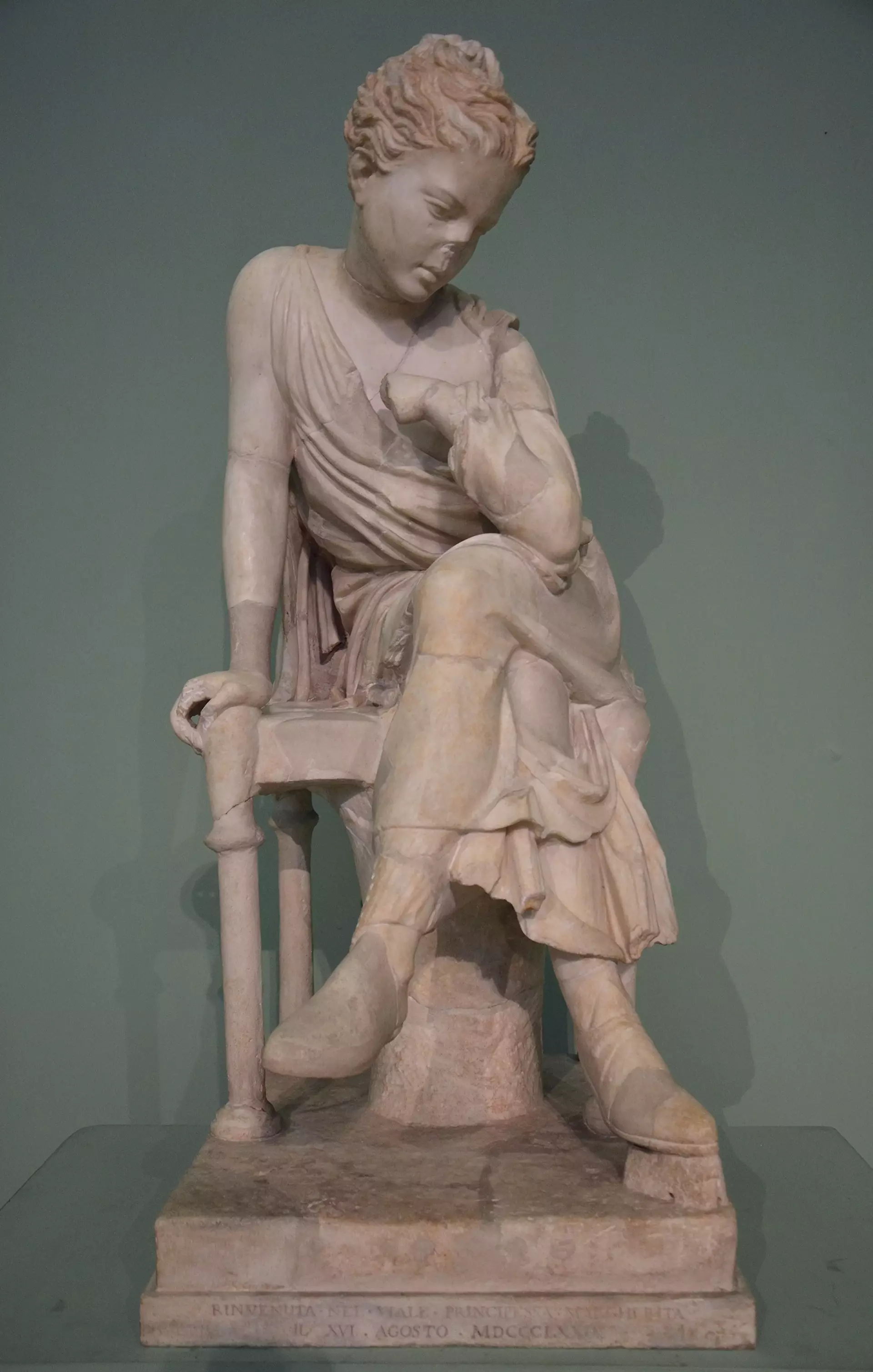
Tempietto
Rome, ItalyDesigned by Bramante to mark the spot of St. Peter's martyrdom, this delightful miniature building is considered a masterpiece of Renaissance architecture. Open to the public.
Centrale Montemartini
Rome, Italy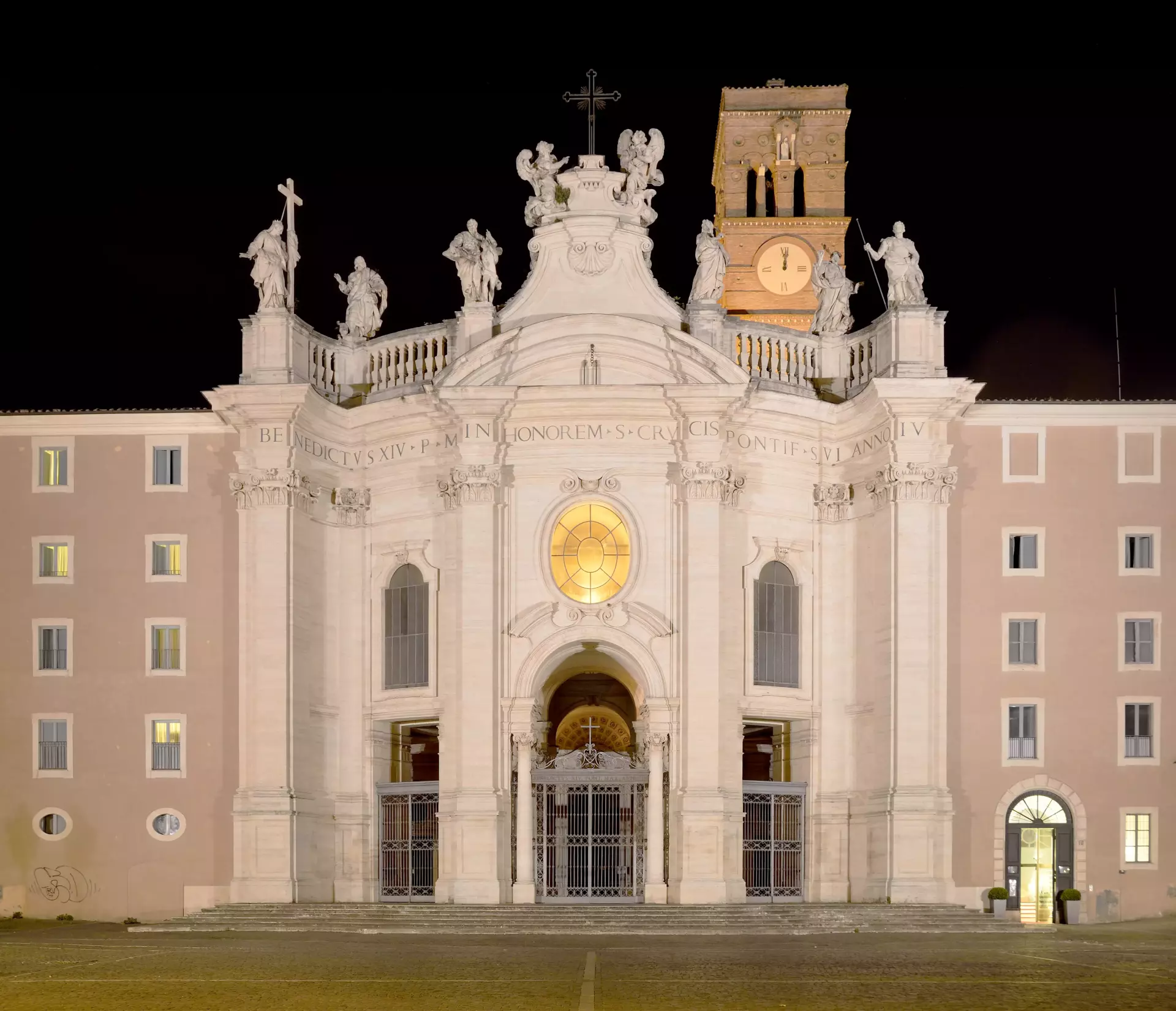
Basilica of the Holy Cross in Jerusalem
Rome, Italy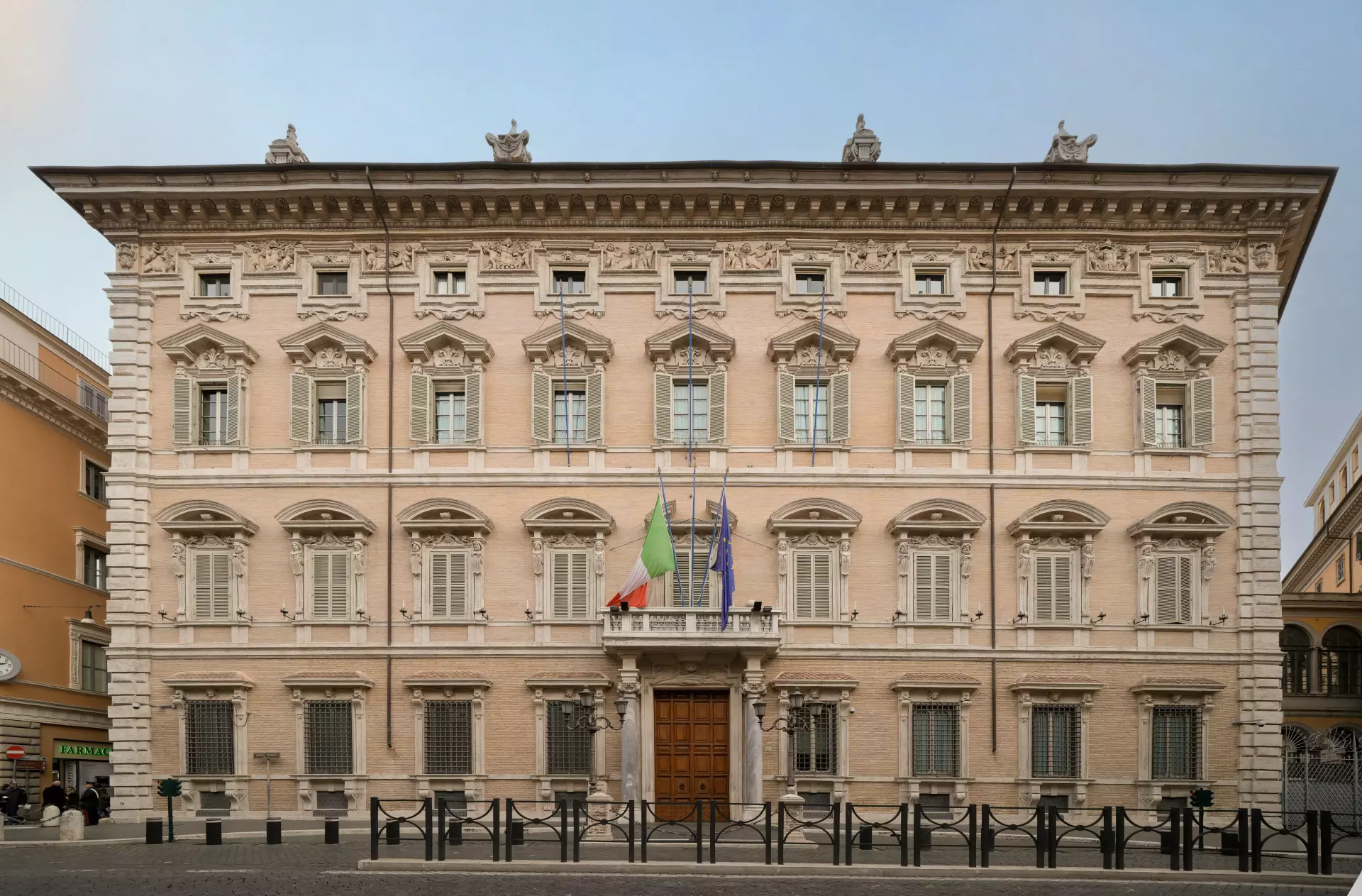
Palazzo Madama
Rome, ItalyThis palace of the 16th century was erected by the famous Medici family. It was the residence of Cardinals Giovanni and Giuliano Medici, later Pope Leo X. and Clement VII. Catherine de Medici, Pope Clement VII's niece lived here until her marriage in 1553 with Prince Henry, the son of King Francis I of France. The palace is named after Madama Margerita of Austria, the illegitimate daughter of Emperor Charles V. Since 1871 it has been the seat of the Italian Senate.

Imperial Fora
Rome, ItalyAmazing series of attractions treated as separate from but physically connected to the Roman Forum. Includes the Forum of Caesar, Forum of Augustus, Temple of Peace, Forum of Nerva, Trajan's Forum, Trajan's Markets and Museum of the Imperial Fora, Domitian Terrace, and excellent documentation of all plus the land use of the area before and since the construction of the fora. Much excavation and study is continuing, and visitors are largely confined to paths, unlike in the Roman Forum, where they can walk more freely in many areas, but there is a lot to see and unbroken sight lines. Allow 45 minutes or more for these attractions before or after heading to the Roman Forum.
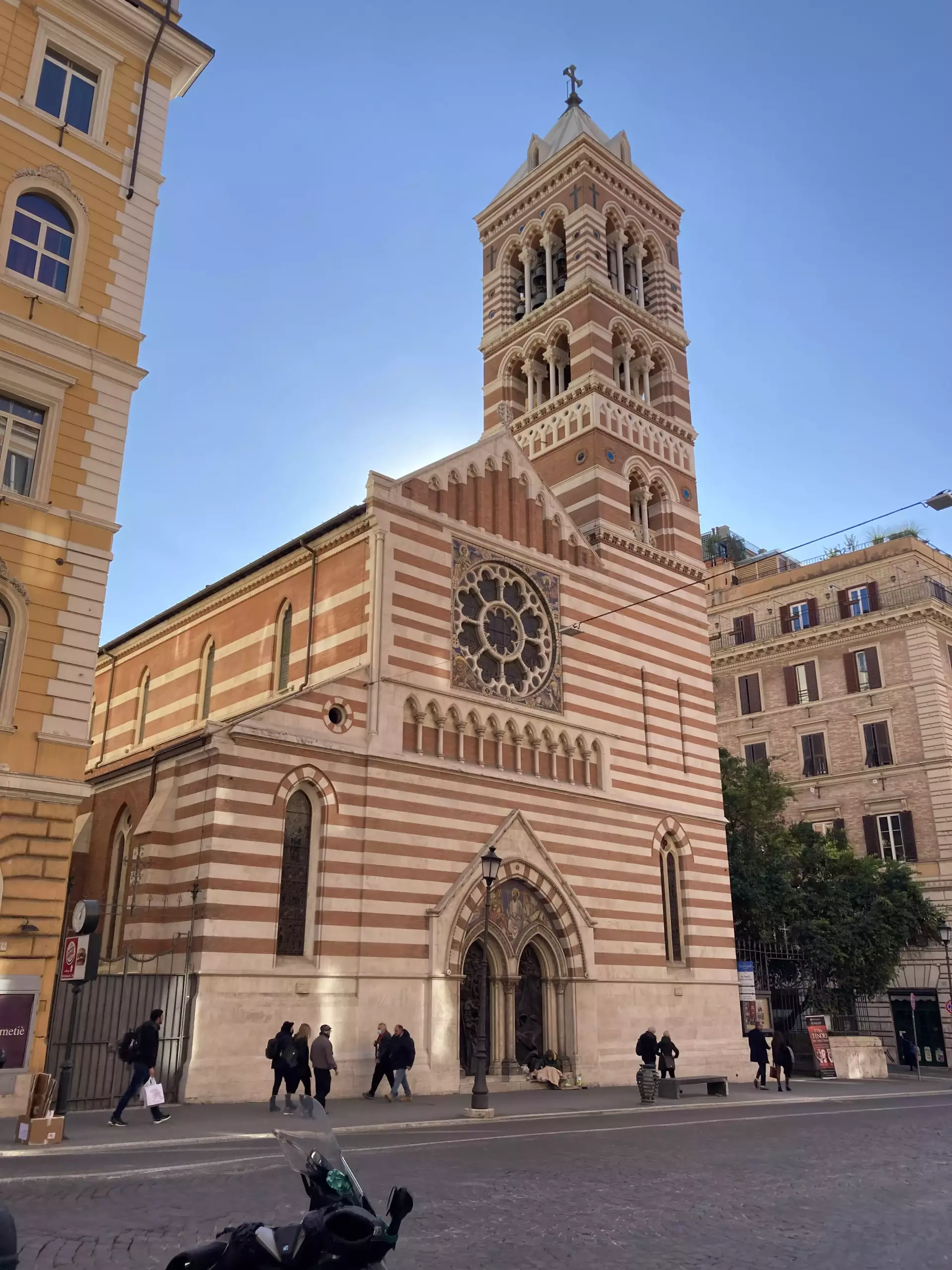
St Paul's Within the Walls
Rome, Italy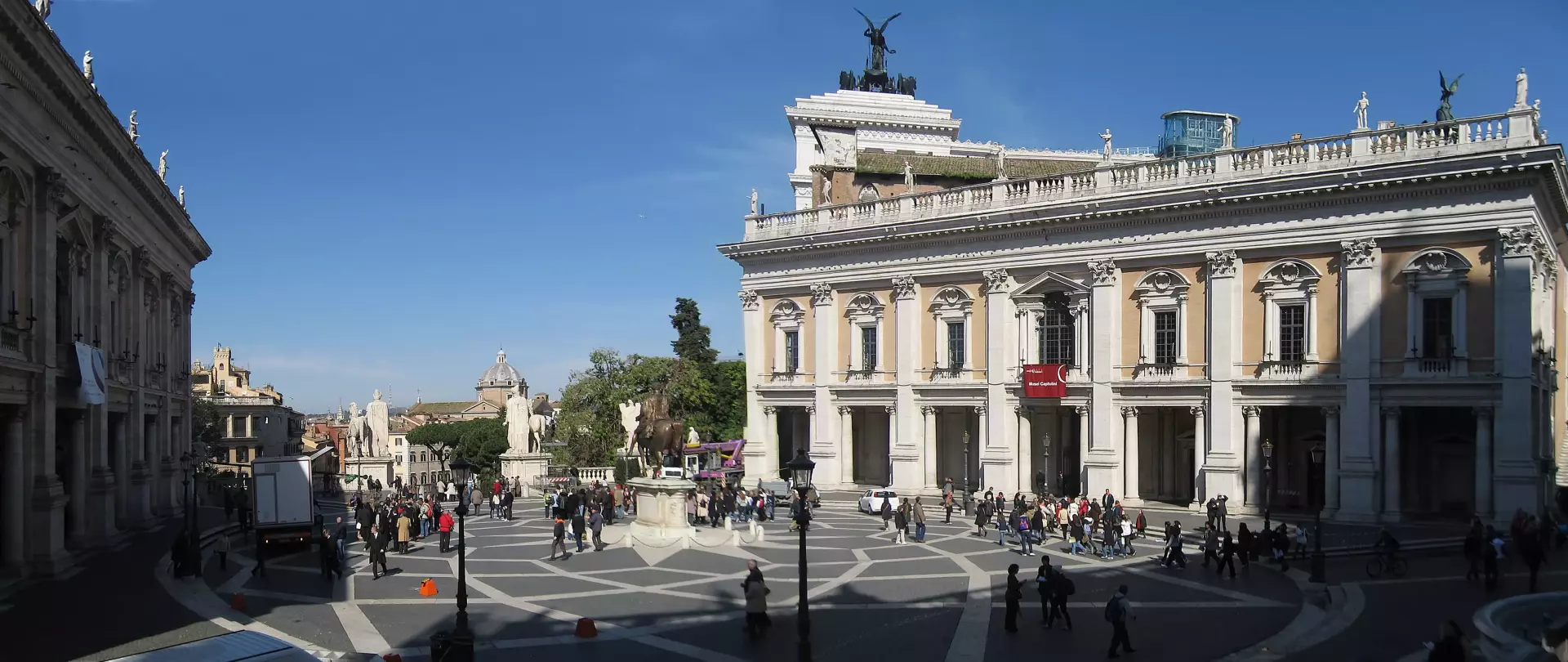
Palazzo Nuovo
Rome, ItalyBuilt in the 17th century to a design based on an architectural sketch by Michelangelo. Highlights include the ancient Colossus of Constantine statue (the Colosseum was probably named for another giant statue, the Colossus of Nero which stood near the Flavian Amphitheatre as the Colosseum was originally known), The Dying Gaul, a magnificent marble sculpture that copies a bronze Greek original of the 3rd century BC and the Capitoline Venus. It also contains the remarkable original gilt bronze equestrian statue of emperor Marcus Aurelius (the one in the piazza is a replica).
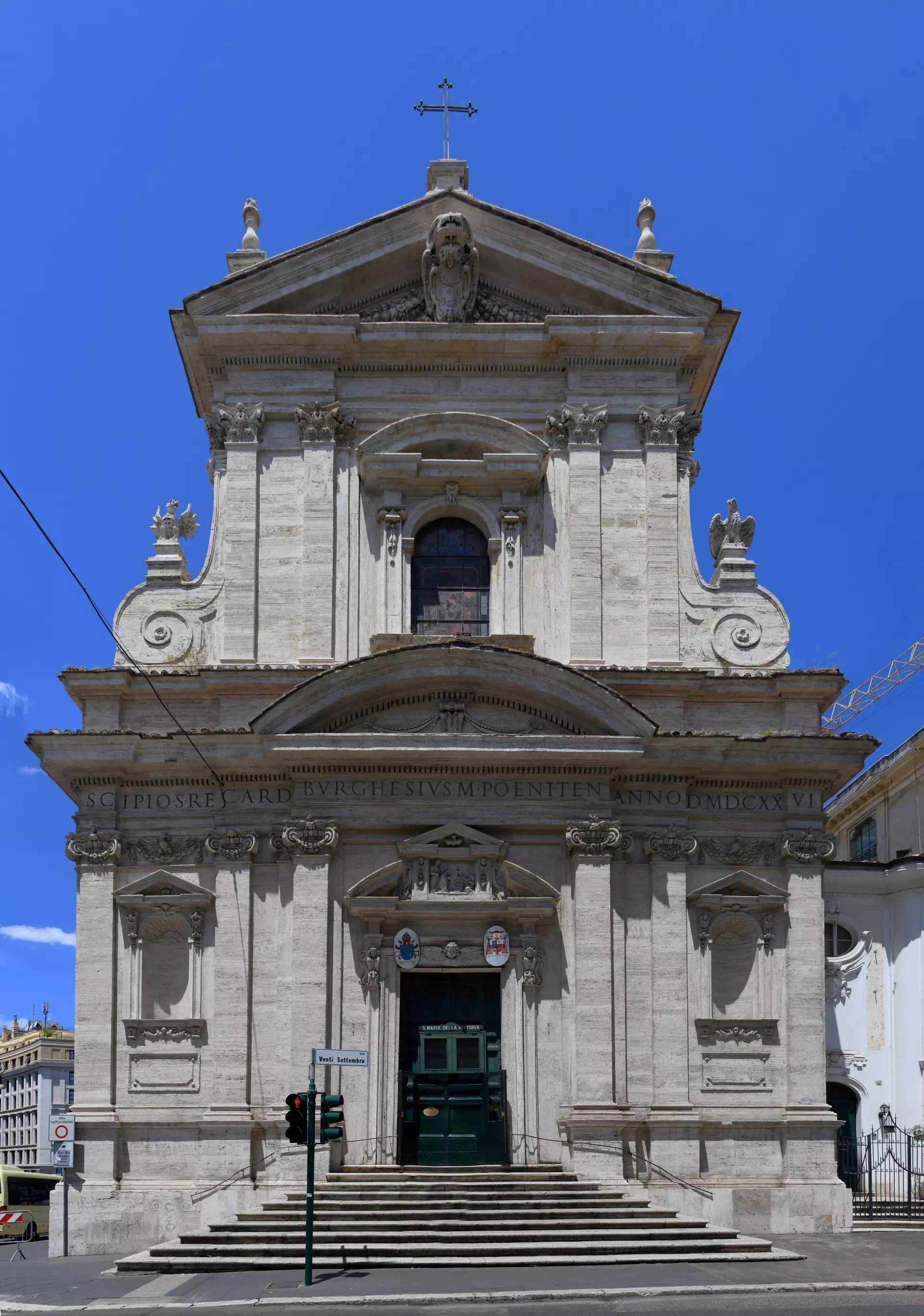
Santa Maria della Vittoria
Rome, Italy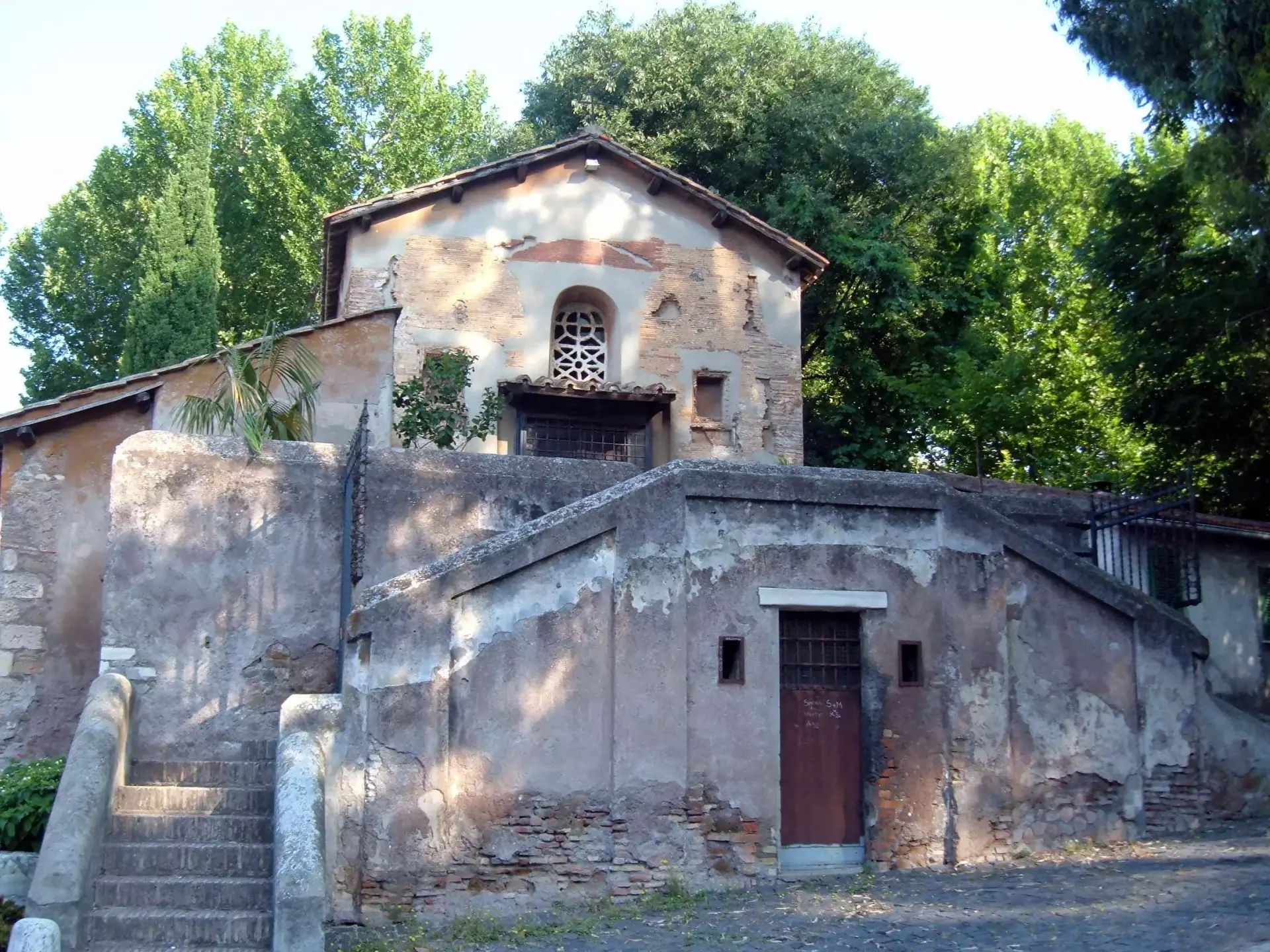
Santa Passera
Rome, ItalyThis church can be an interesting deviation if you are passing through its neighbourhood. It is believed to be the grave of the Saints Ciro and Giovanni, killed during the time of the Emperor Diocletian. The original name was Abba Cyrus and through Appaciro and then Appacero it finally became Pacera, very close to today's Passera. The building is on top of a 3rd century building still visible in the lower floor and in the underground. The main part of the building dates back to the 9th century as do the frescoes on the higher floor. Some of the frescoes have been restored. Downstairs there is a small quadrangular room and the underground, where the remains of the two Saints are supposed to be. There are still visible 3rd century traces of Roman frescoes; in front of the stair you can enjoy a small bird, the Justice, and an athlete while in the vault some eight apex stars. Bus 128,780,781,775 (first stop in Via della Magliana).
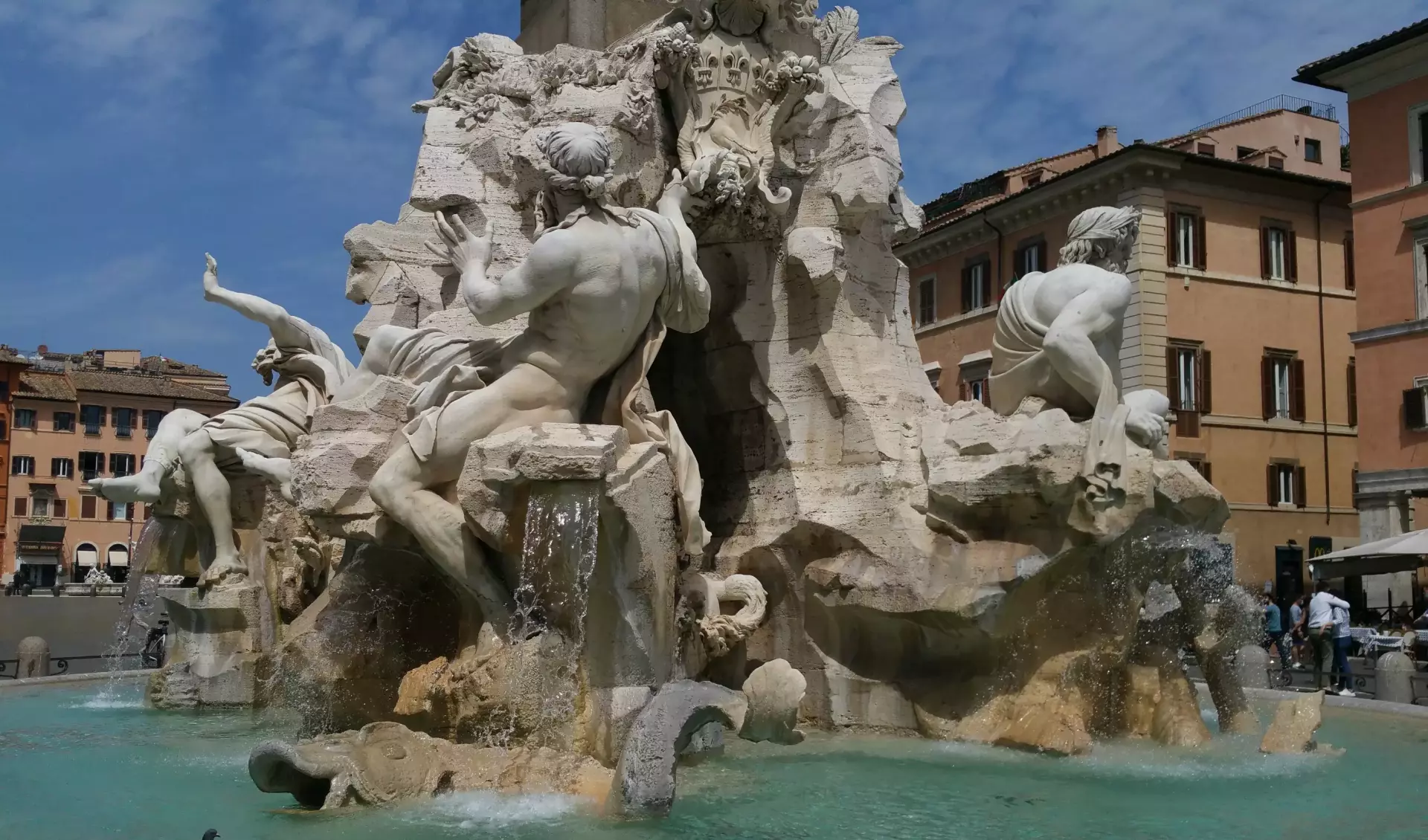
Four Rivers Fountain
Rome, ItalyBy Bernini, in the very centre of Piazza Navona. Incorporates an Egyptian obelisk and symbolises four of the world's great rivers (the Ganges, the Nile, the Danube and the Plata), representing the four continents known at the time.
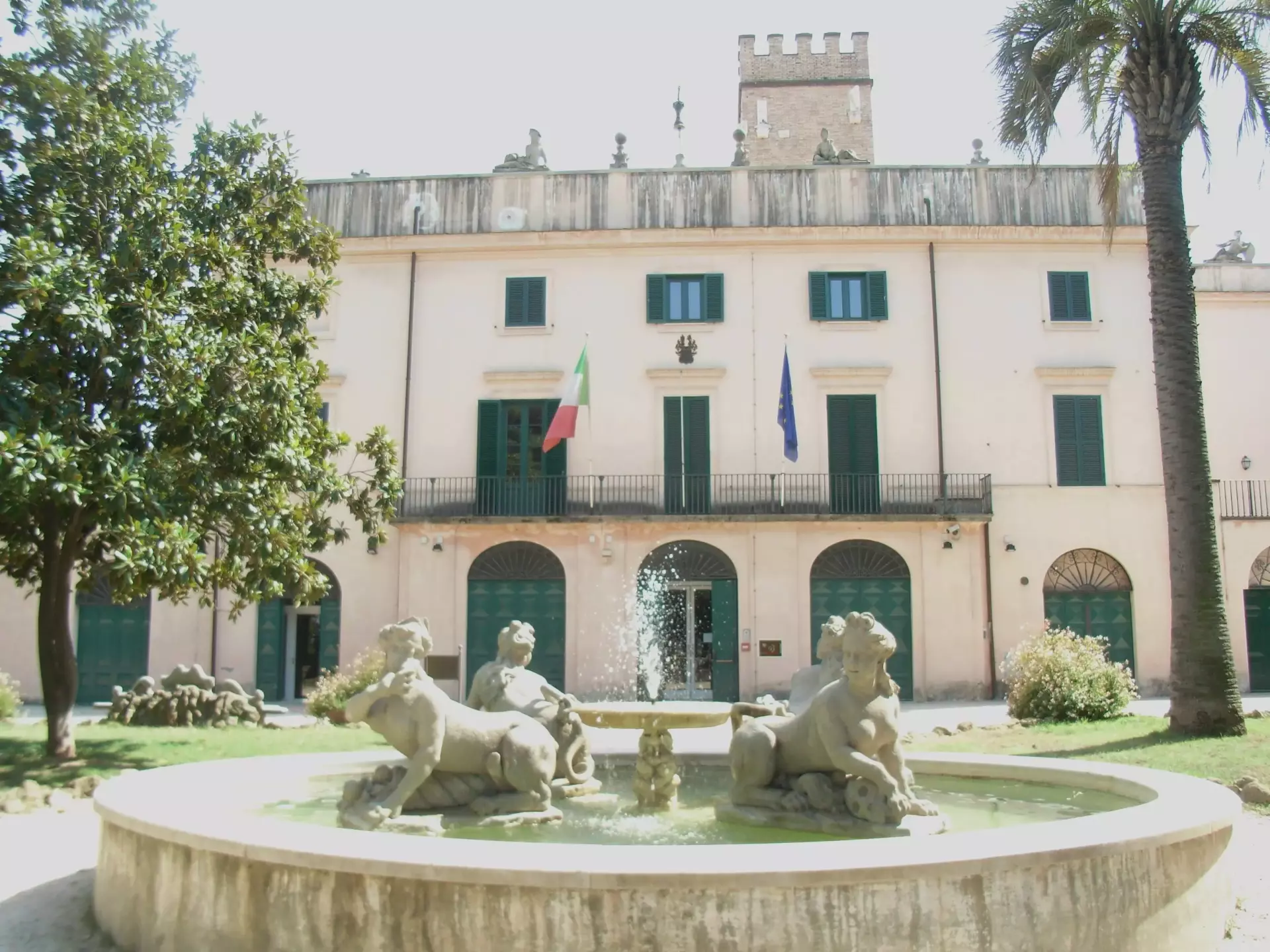
Villa Sciarra
Rome, Italy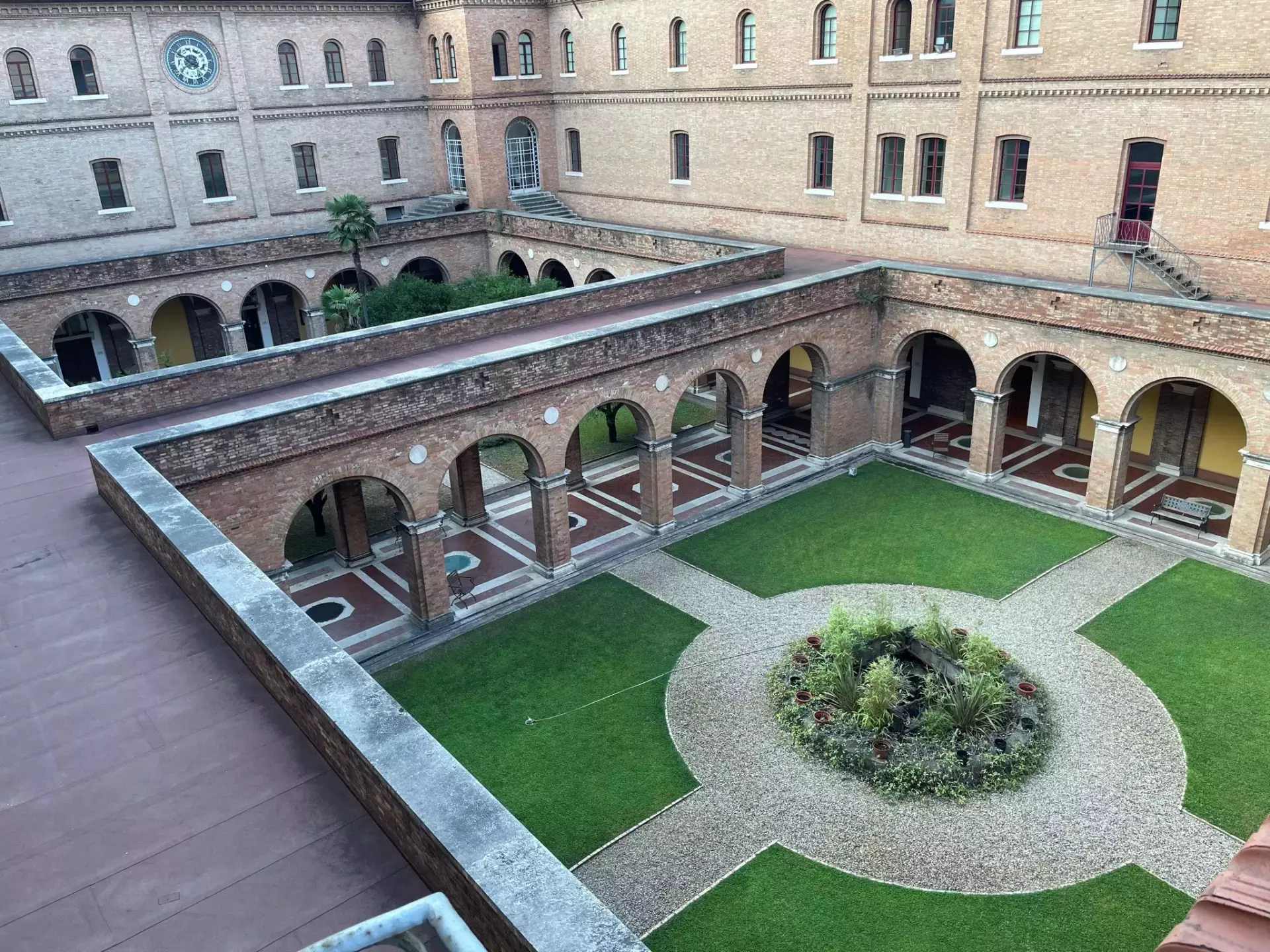
Church of Sant'Anselmo all'Aventino, Rome
Rome, ItalyHome of the Abbot Primate of the Benedictine Confederation and Benedictine monks studying in Rome. Visit the monastic produce shop and listen to the best Gregorian chant in Rome during Vespers (19:15 each evening).