Search ×

Tourist attractions in Rome
Sort by

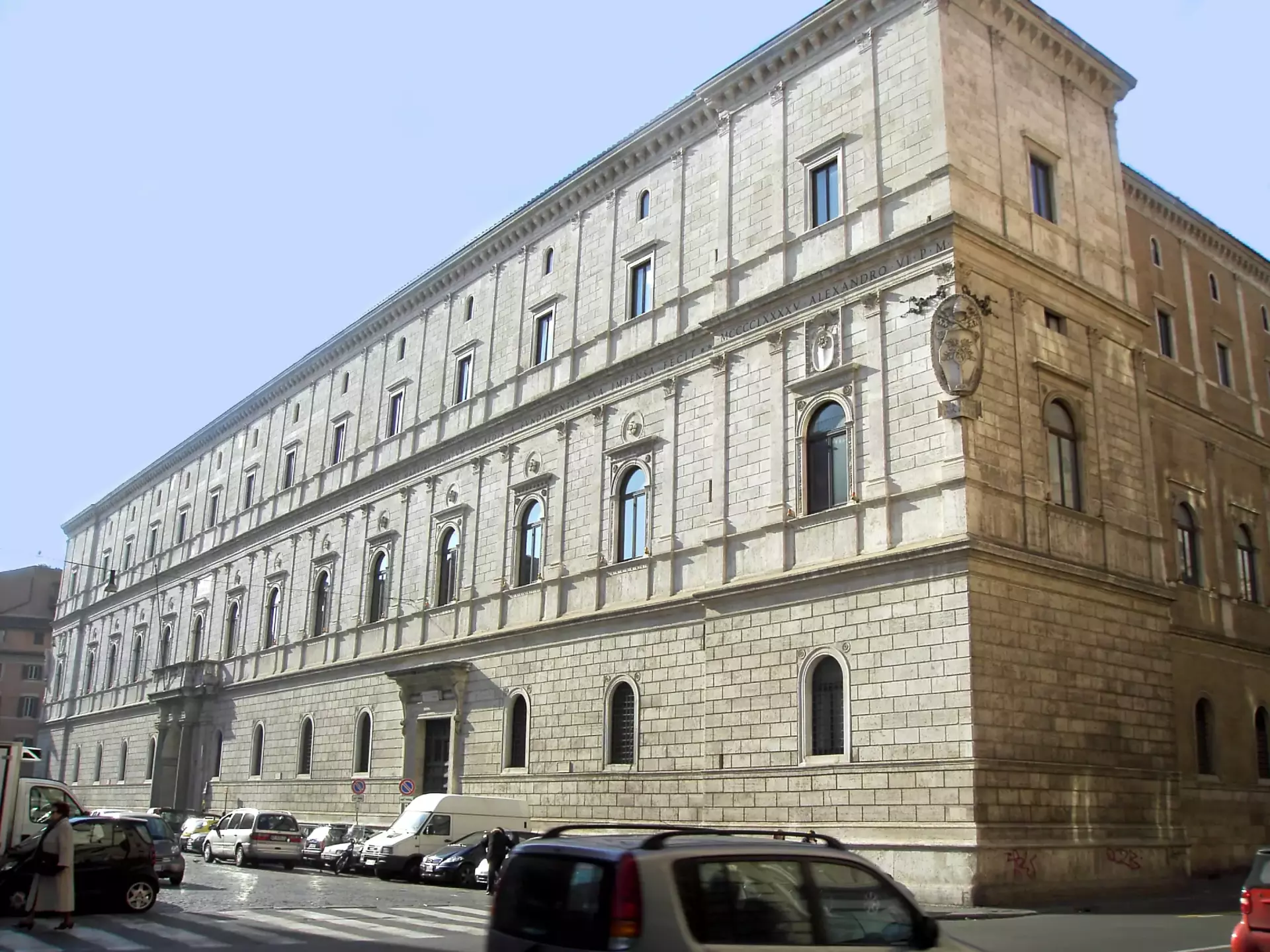
Palazzo della Cancelleria

Rome, Italy

Janiculum

Rome, Italy

Pantheon

Rome, Italy

Elephant and Obelisk

Rome, Italy

MAXXI

Rome, Italy

Santa Maria della Concezione dei Cappuccini

Rome, Italy

Galleria Nazionale d'Arte Antica

Rome, Italy

Circus of Maxentius

Rome, Italy

Villa Giulia

Rome, Italy

Temple of Antoninus and Faustina

Rome, Italy

Fontana dell'Acqua Paola

Rome, Italy

San Pietro in Montorio

Rome, Italy

Protestant Cemetery, Rome

Rome, Italy

Porta Maggiore

Rome, Italy

Caelian Hill

Rome, Italy

Flaminio Obelisk

Rome, Italy

Fontana del Moro

Rome, Italy

Via Veneto

Rome, Italy

Tomb of Caecilia Metella

Rome, Italy

Tre Fontane Abbey

Rome, Italy

Tabularium

Rome, Italy

Catacombs of Domitilla

Rome, Italy

Villa Ada

Rome, Italy

Palazzo della Cancelleria

Rome, Italy
This remarkable building served as the site of the Apostolic Chancellery, or offices of the Pope, for centuries, and now houses a Vatican court. Tucked behind the facade is also the Basilica of San Lorenzo in Damaso, an ancient Roman house church rebuilt in the 15th century.

Janiculum

Rome, Italy

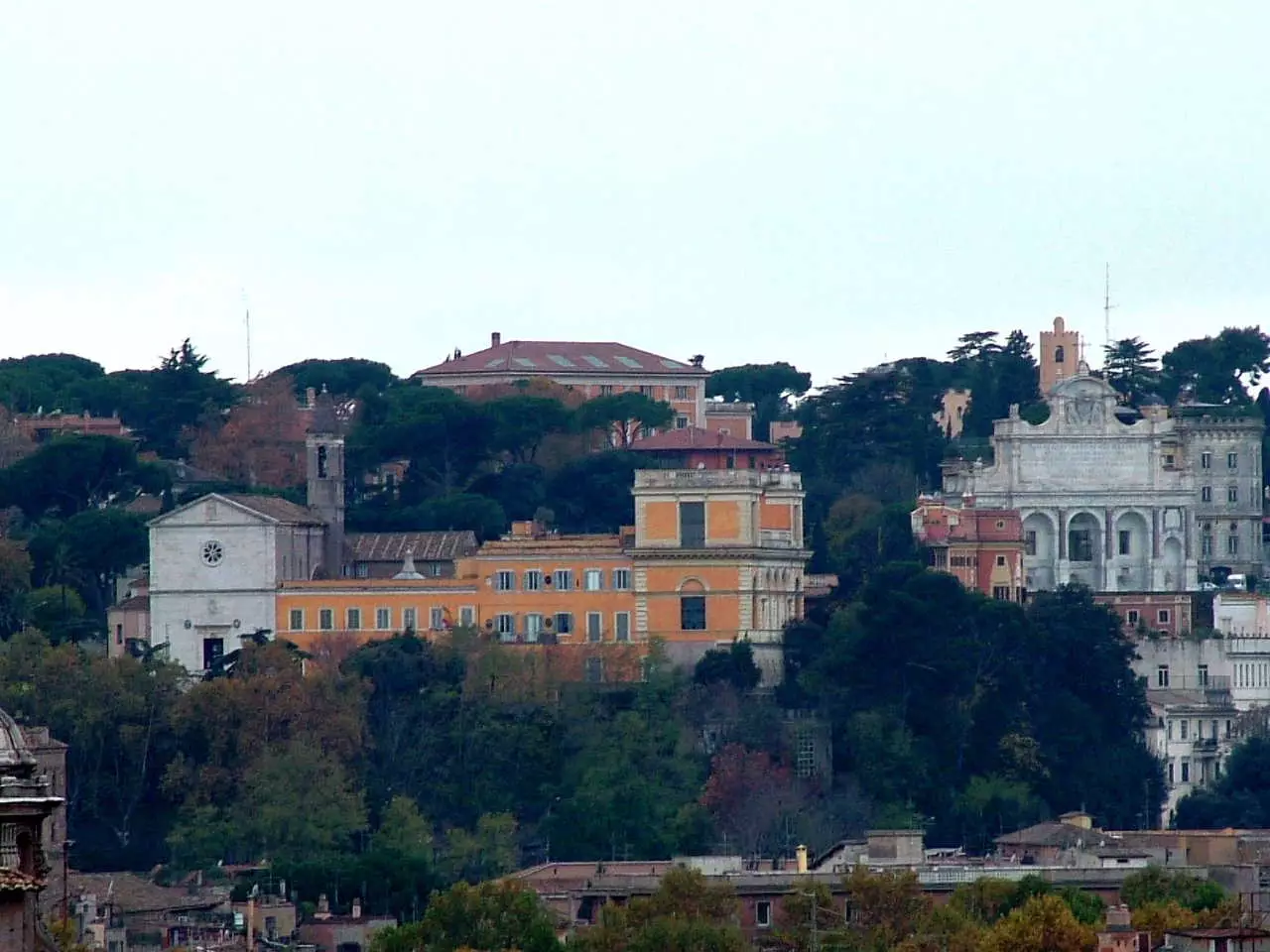
This is not, contrary to popular belief, one of the original seven hills that Rome was founded on. It is the second highest after Monte Mario, though, and offers incredible panoramic views of the city as long as the authorities remember to prune the trees on the hillside (if they are too tall you can walk a few meters down the hill for views that are just as good). On the other side of the piazza there is also a nice view of the dome of St. Peter's. The Piazza and the street leading up the hill are dedicated to Giuseppe Garibaldi who led Italian troops against the French here in 1849. There are also several commemorative statues.
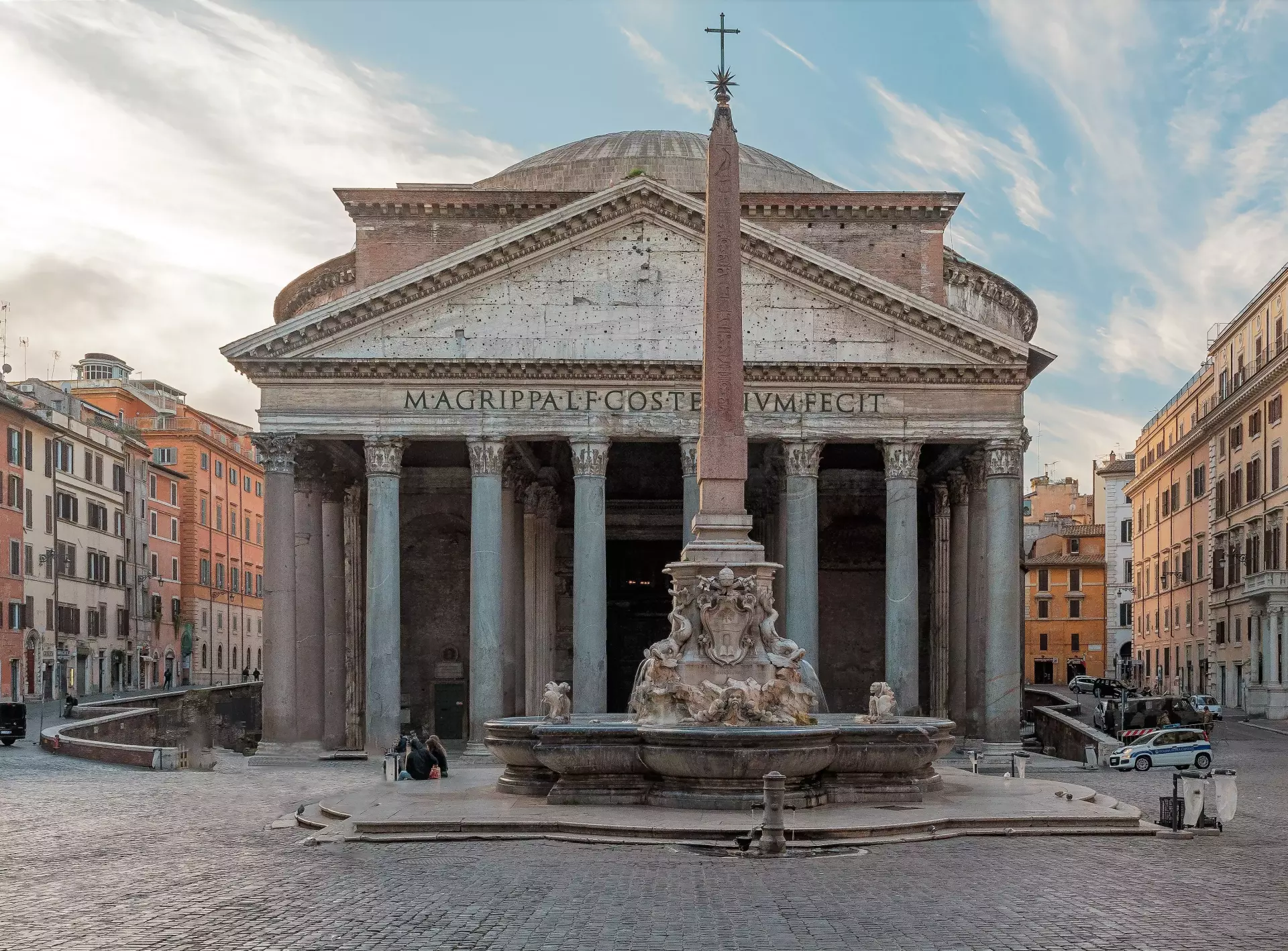
Pantheon

Rome, Italy
It was built in 27 BCE, by Augustus' right hand man Marcus Agrippa, and later remodeled by the Emperor Hadrian (AD 125-128). This ancient temple was built as a temple to all the gods of the Roman state but has served as a Christian church since the 7th century. It is the only building from the Graeco-Roman world which has remained substantially intact and in continuous use throughout to the present day, and as it is still a functioning church, silence is requested during your visit. The Pantheon is celebrated for its large dome. From inside you'll see traces of the former bronze ceiling, melted down during the reign of Pope Urban VIII to make weapons for the fortification of the Castel Sant' Angelo. The hole in the center of the ceiling, though, is an original feature designed for architectural reasons (the dome would collapse without it.) If it happens to be raining, you should definitely go to the Pantheon to see the rain pouring into the building through the hole in the ceiling. There are holes in the ground that drain the water. The spectacular doors are Romans, but not the original. The original bronze beams of the pronao were melted down by Pope Urban VIII and might have been used to create Bernini's Baldacchino, or canopy, in Saint Peter's. The dome is the largest masonry dome in the world, larger than that of Saint Peter. The building now appears to be built in a depression, but this was not the original appearance. The street level at the sides and rear has risen about 10 metres (33 ft) since its construction due to the accumulation of debris from 2,000 years of settlement. This has necessitated the maintenance of the deep trench that keeps the building from being buried. The Pantheon was free for many years, but fees began being charged in 2023.

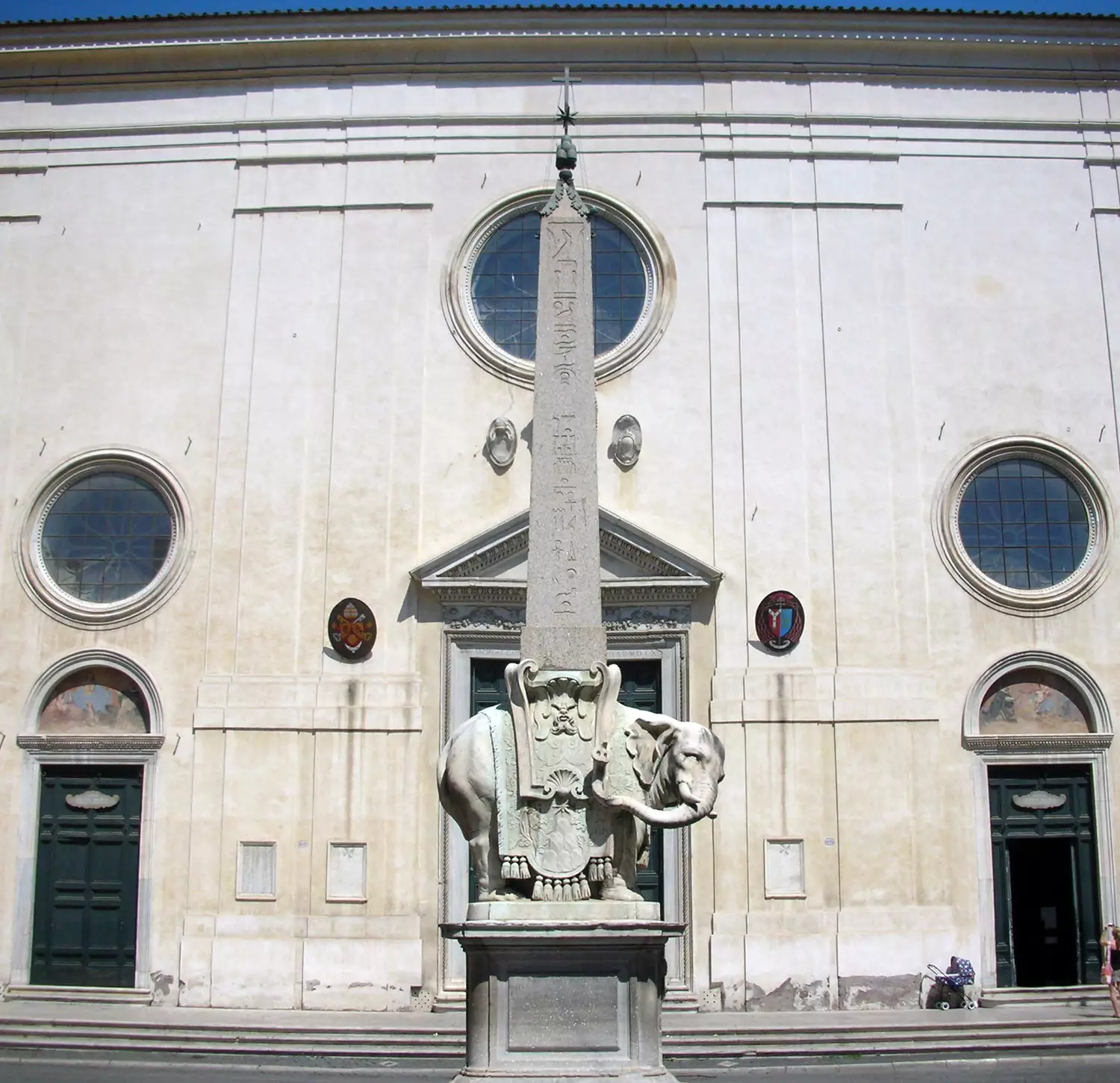
Elephant and Obelisk

Rome, Italy
One of Bernini's masterpieces, an obelisk on the back of an elephant.

Temple of Castor and Pollux

Rome, Italy
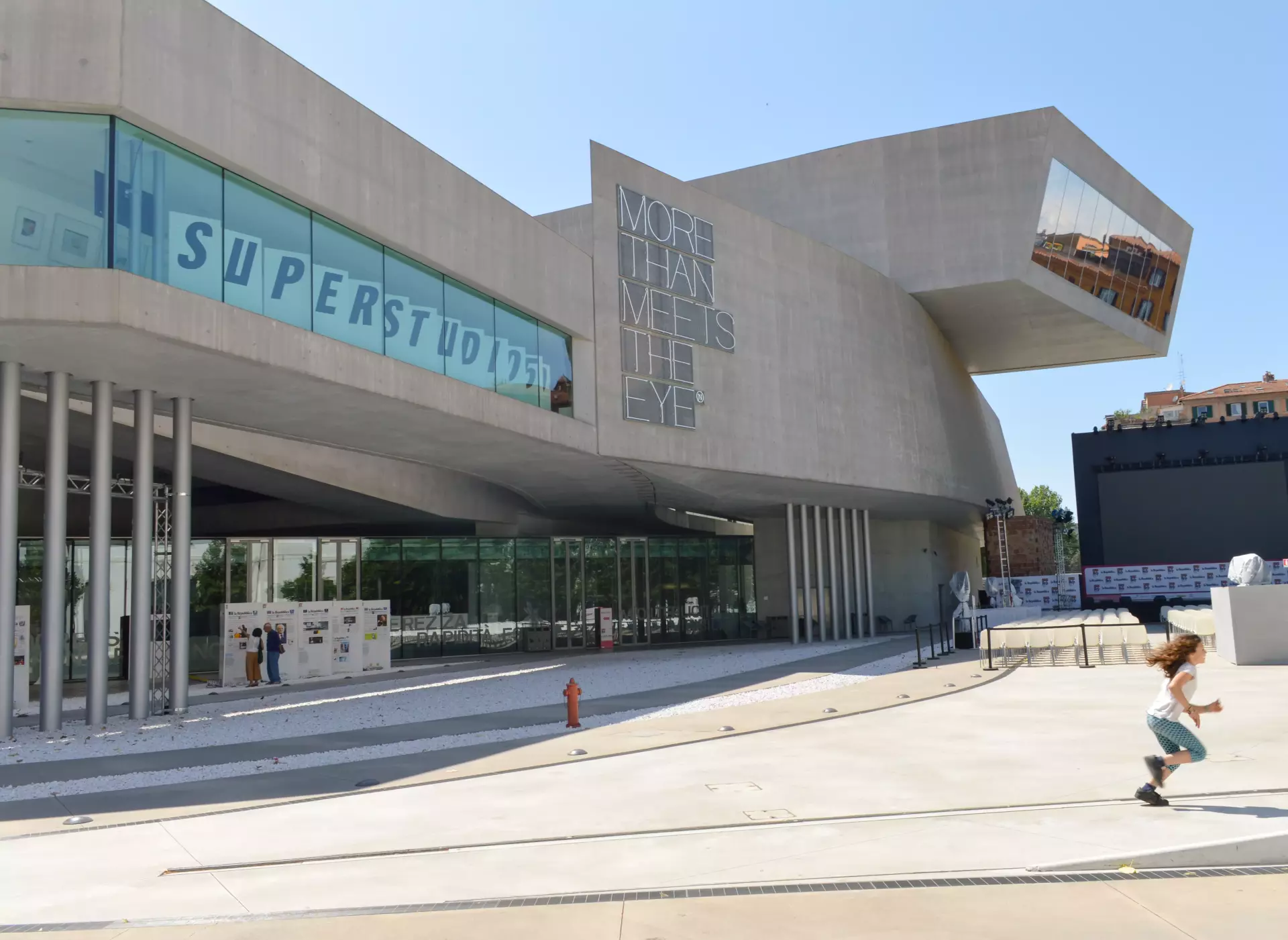
MAXXI

Rome, Italy
Brand new museum designed to celebrate the art and architecture of the 21st century.

Santa Maria della Concezione dei Cappuccini

Rome, Italy

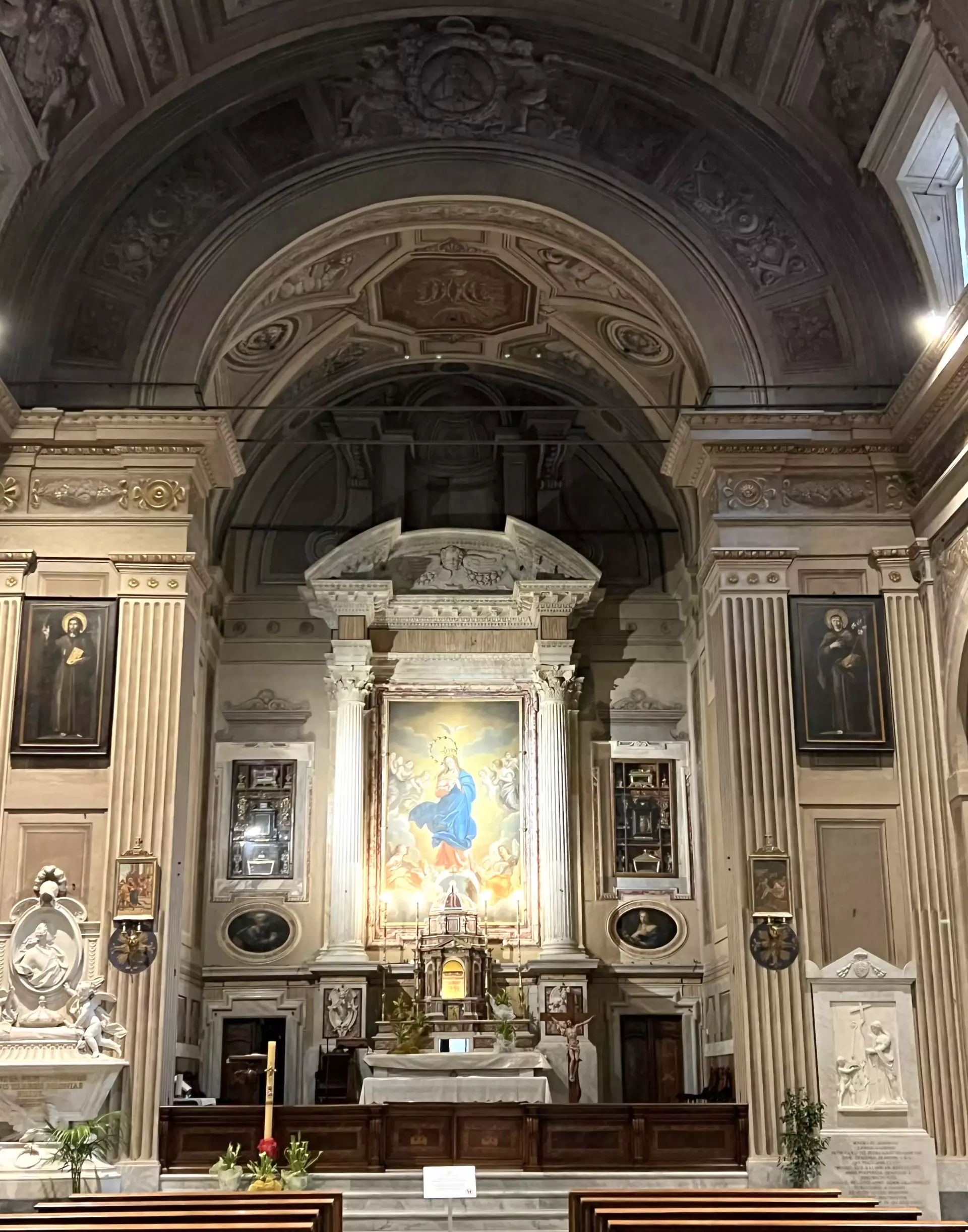
Built after 1631, the crypt of the church contains a macabre display - a series of chapels decorated with the bones of 3700 dead friars. The bones are glued to the walls and ceilings in bizarre and striking decorations.
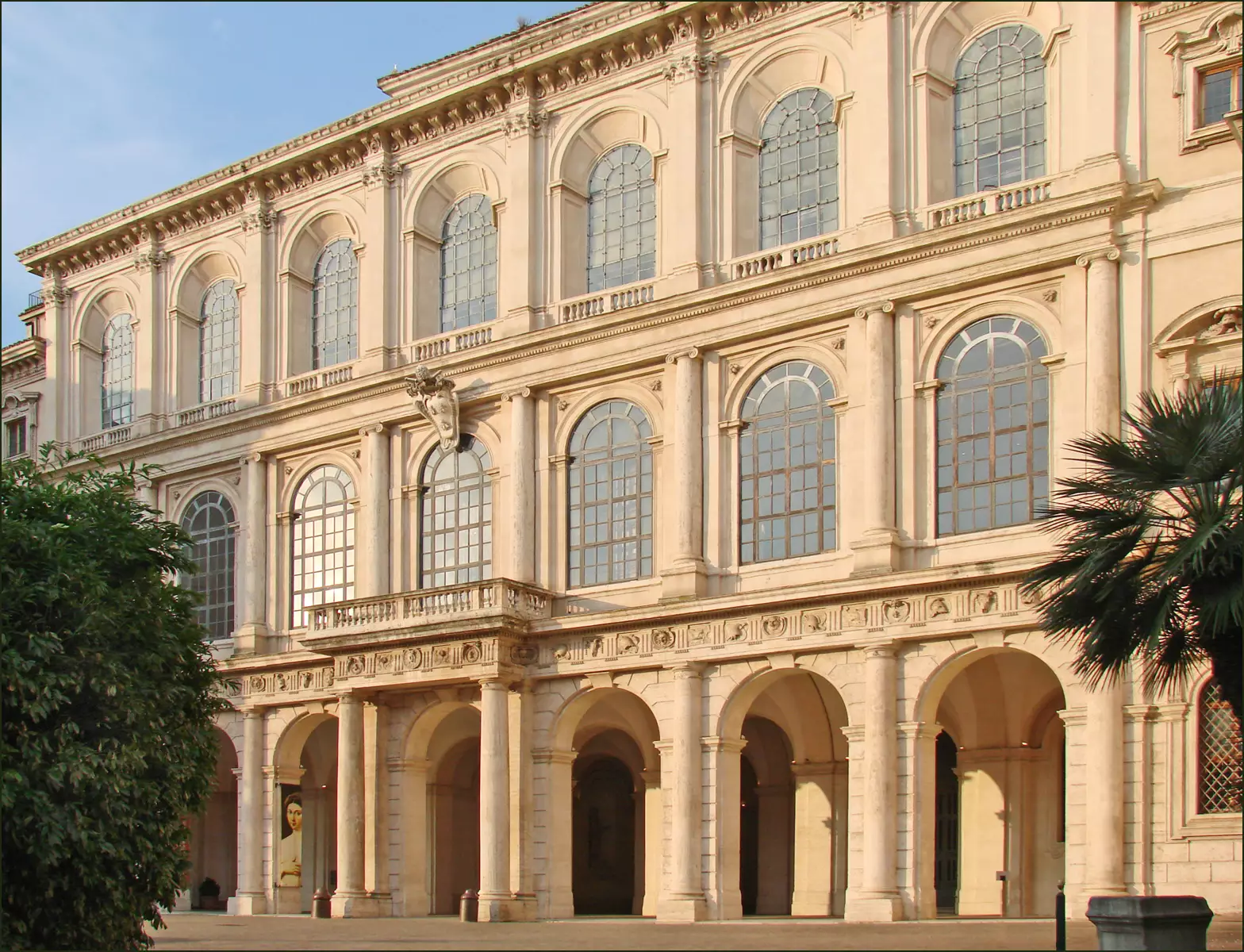
Galleria Nazionale d'Arte Antica

Rome, Italy

housed in the baroque palace Corsini where Christina, Queen of Sweden settled down in the last years of her life
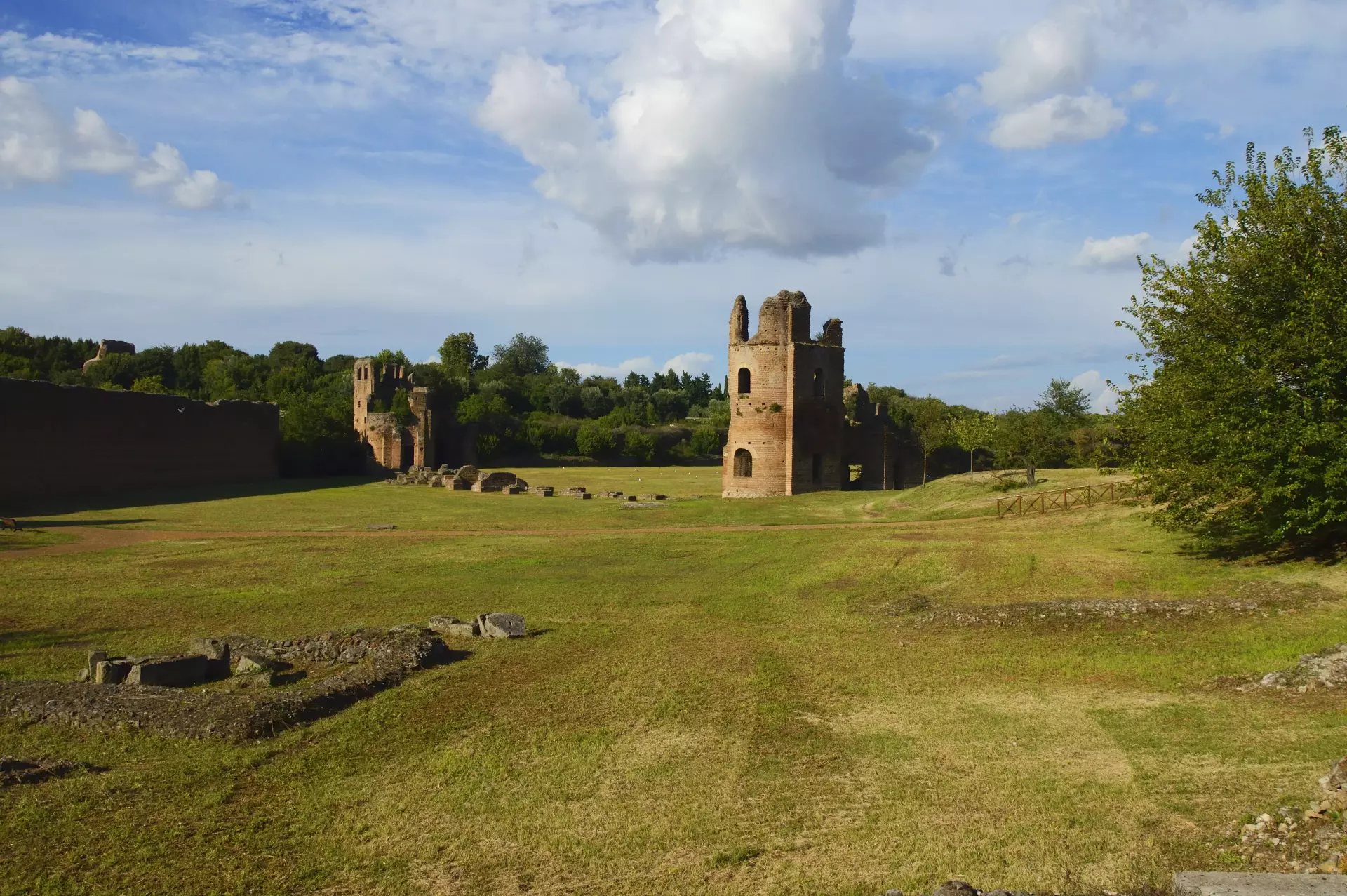
Circus of Maxentius

Rome, Italy
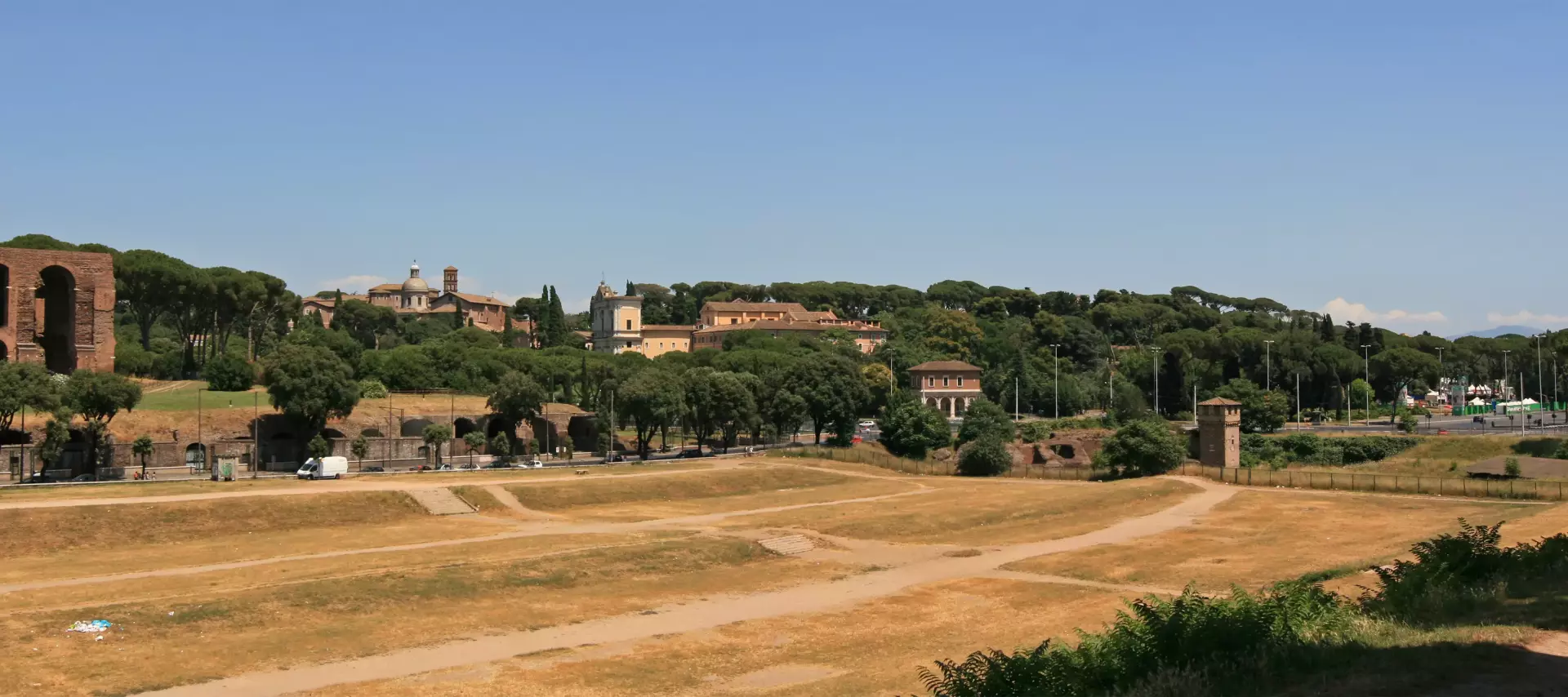
This well-preserved Roman circus was built at the beginning of the fourth century. It was part of an imperial villa built by Maxentius and the complex also contains the Mausoleum of his son, Romolo.

Villa Giulia

Rome, Italy
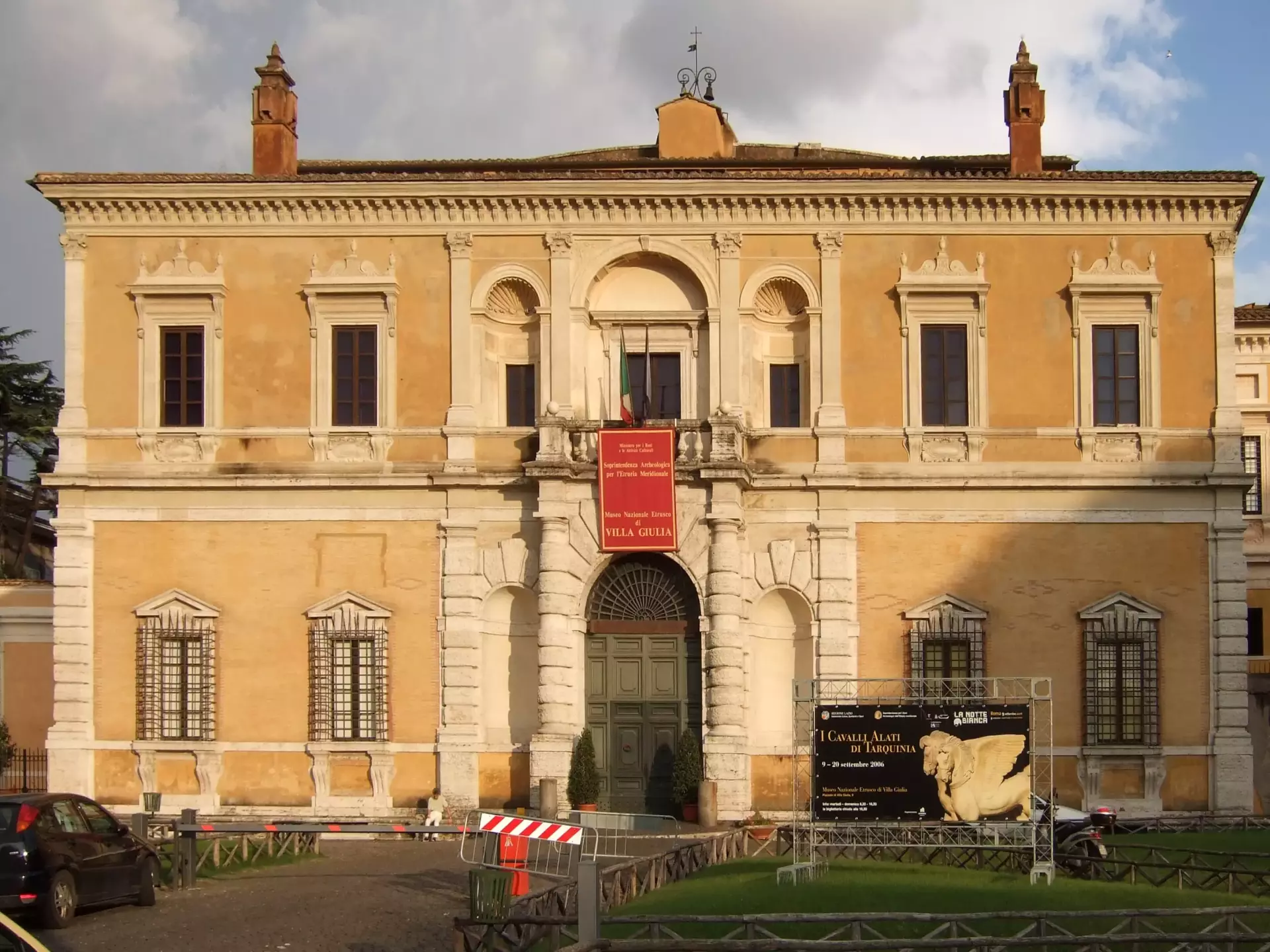
The most extensive collection of Etruscan art and artifacts anywhere. Fantastic collection and well worth the admission charge. A difficult museum to find, but a lovely display in a beautiful villa setting.

Temple of Antoninus and Faustina

Rome, Italy

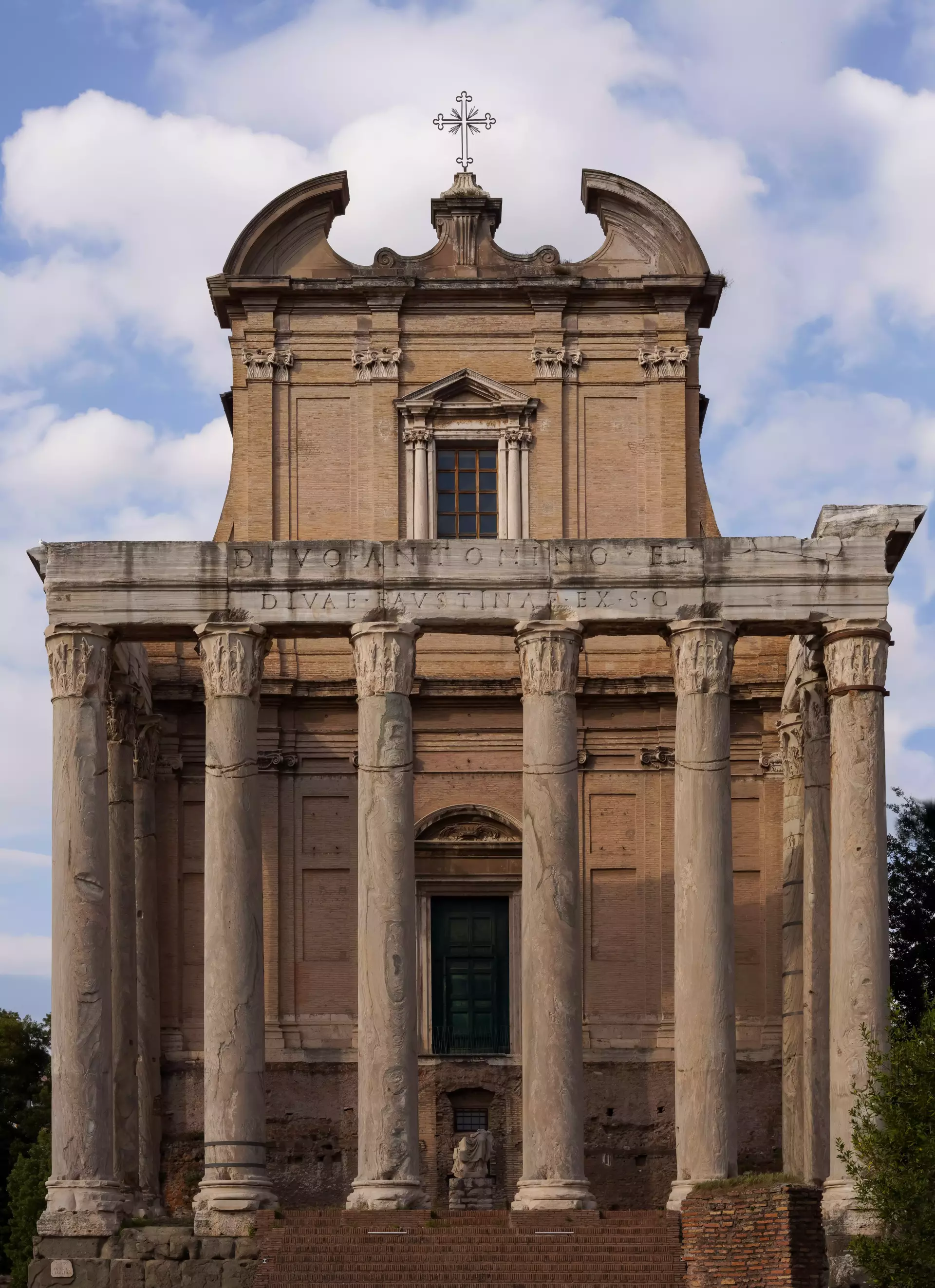
Built in 141 AD and dedicated to the Empress Faustina; after her husband emperor Antoninus Pius died in 161 AD the temple was rededicated to the couple.
Fontana dell'Acqua Paola

Rome, Italy
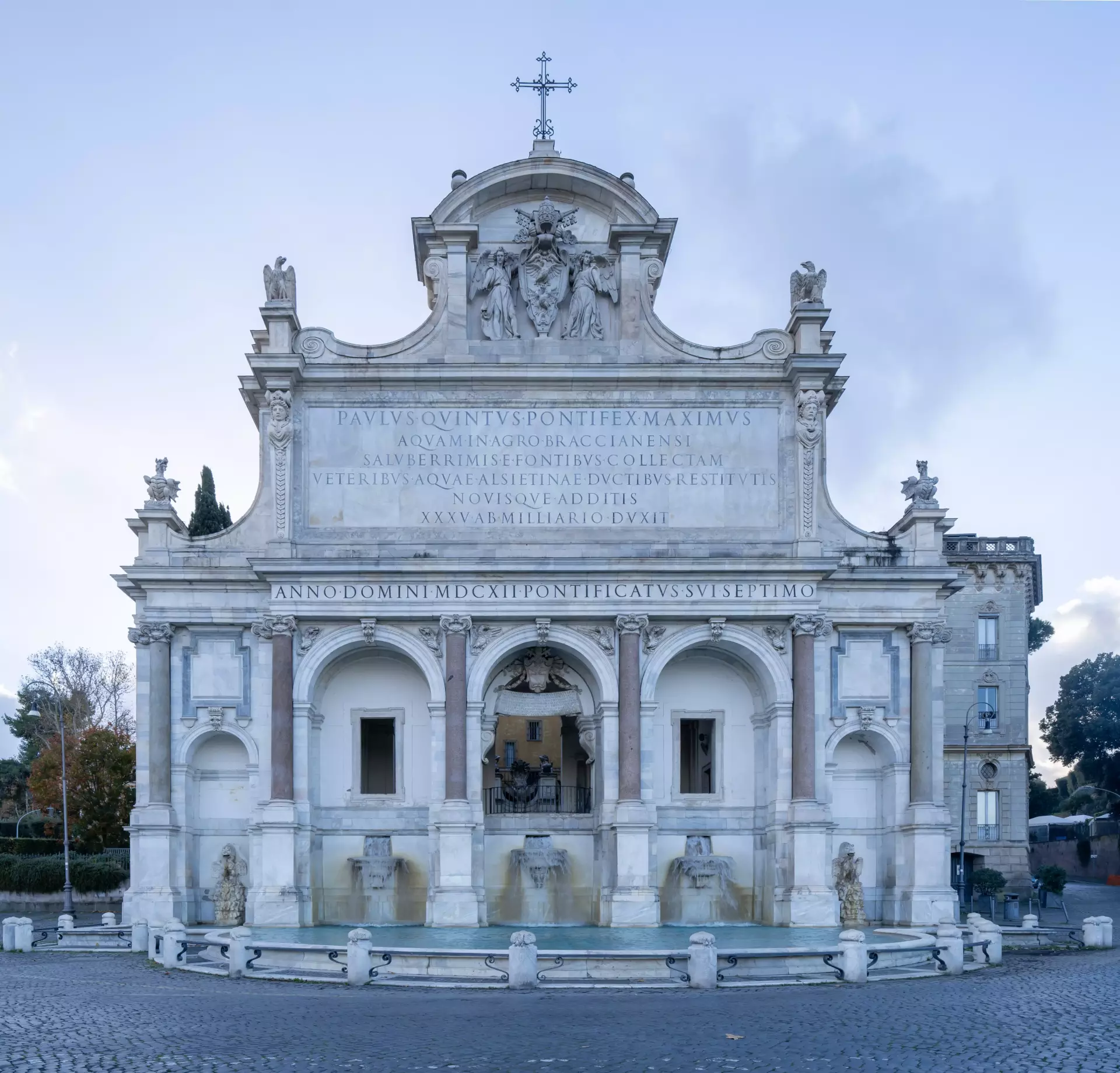
This massive early 17th-century Baroque fountain was built to celebrate the re-opening of an old Roman aqueduct. Water played an important role in this area in Roman times as the grain was milled here using water mills.

San Pietro in Montorio

Rome, Italy

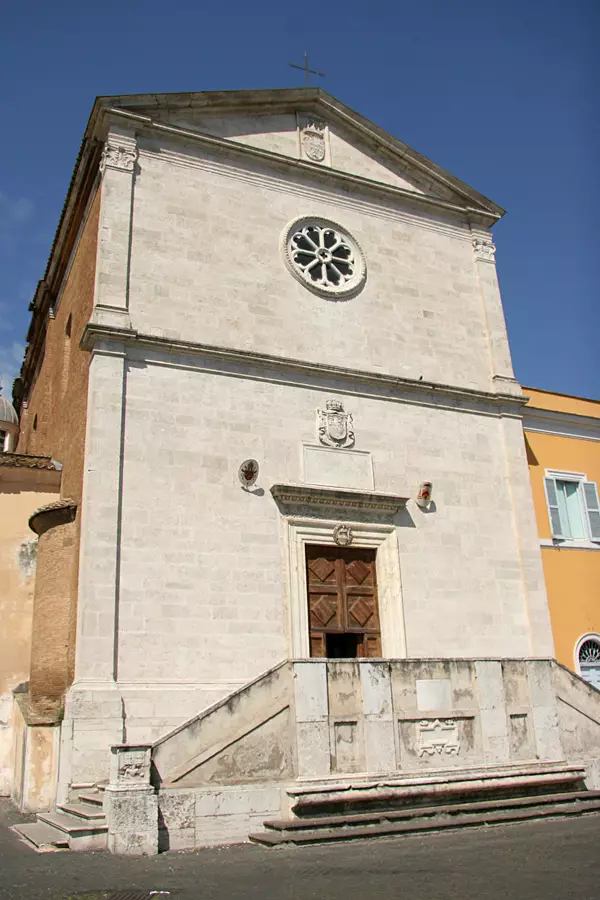
This church, which was commissioned by Ferdinand and Isabella of Spain, marks the point where, according to tradition, St. Peter was crucified. Particularly interesting for Irish visitors as it contains the graves of three Gaelic Chiefs who fled Ireland in 1607.
Protestant Cemetery, Rome

Rome, Italy
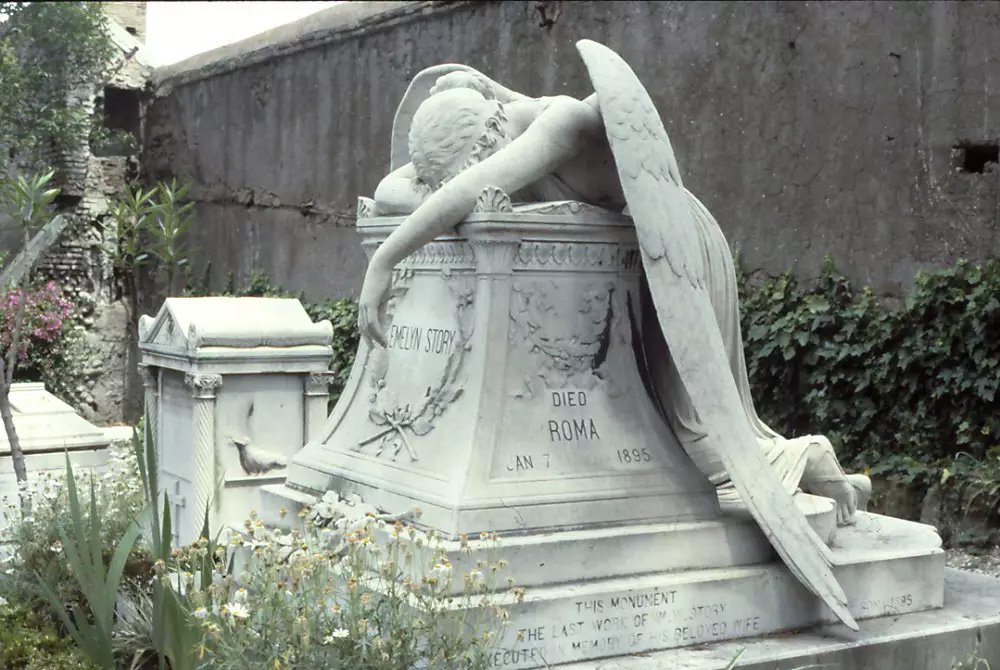
Behind the pyramid, entered by the Via Caio Cestio, is the Protestant Cemetery where the poet John Keats was buried in 1821 and Percy Bysshe Shelley's ashes were also buried after his drowning in 1822. Richard Dana, author of Two Years before the Mast was buried there in 1882, and the Beat Generation poet Gregory Corso was buried there in 2001.

Porta Maggiore

Rome, Italy
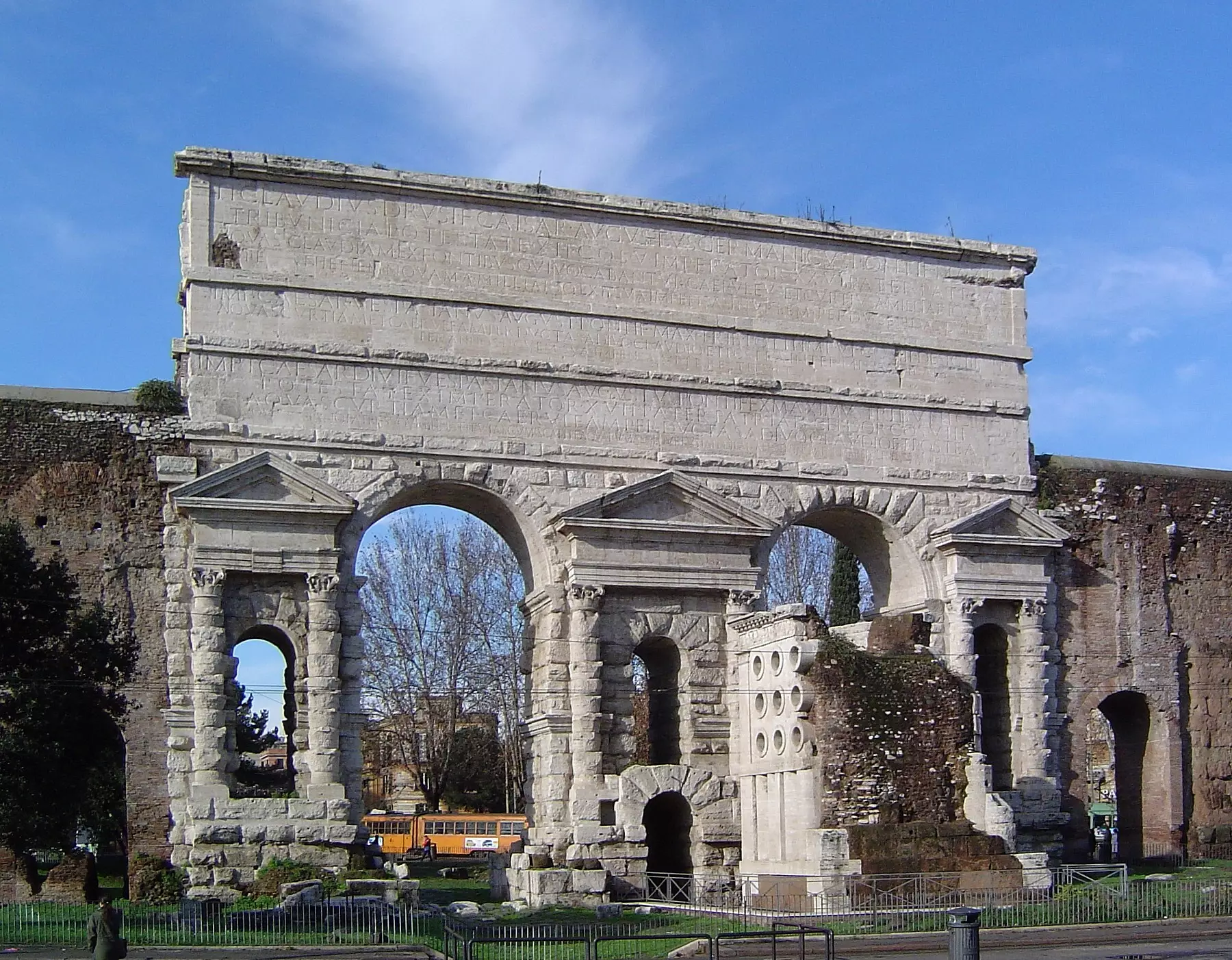
Impressive gate built by Claudius in AD 52 and formed by the arches of two aqueducts. It was subsequently incorporated into the Aurelian walls. Nearby is the "Baker's tomb", erected for himself and his wife by a freed slave who became a rich baker. Note the friezes round the top representing the stages of breadmaking.

Caelian Hill

Rome, Italy

The Celian Hill is one of the seven hills of Rome. You immediately see the church of San Gregorio Magno. On this site monks were trained before setting off as missionaries to England at the end of the 6th Century. Further up the hill is Santi Giovanni e Paolo. At this point it is difficult to believe you are in the middle of a major city. This church was built in 398 over the home of two Roman soldiers, John and Paul, who were martyred for their Christian beliefs in 362. Excavations show that there were several burials on the site, a risky business as burials were illegal at that time. After the church you come to the back entrance of the Villa Celimontana park (jazz festival nightly in late June-August). The modern buildings before you reach the park are owned by Silvio Berlusconi’s television company. By the main entrance of the park note the boat-like fountain known as the “Navicella”. As you exit the main entrance to the left is the church of S. Maria in Domnica, which has some interesting mosaics. Next to this church is the Porta Esquilina, one of the gates from the original Servian walls of Rome. It dates back to the 4th century BC.
Flaminio Obelisk

Rome, Italy

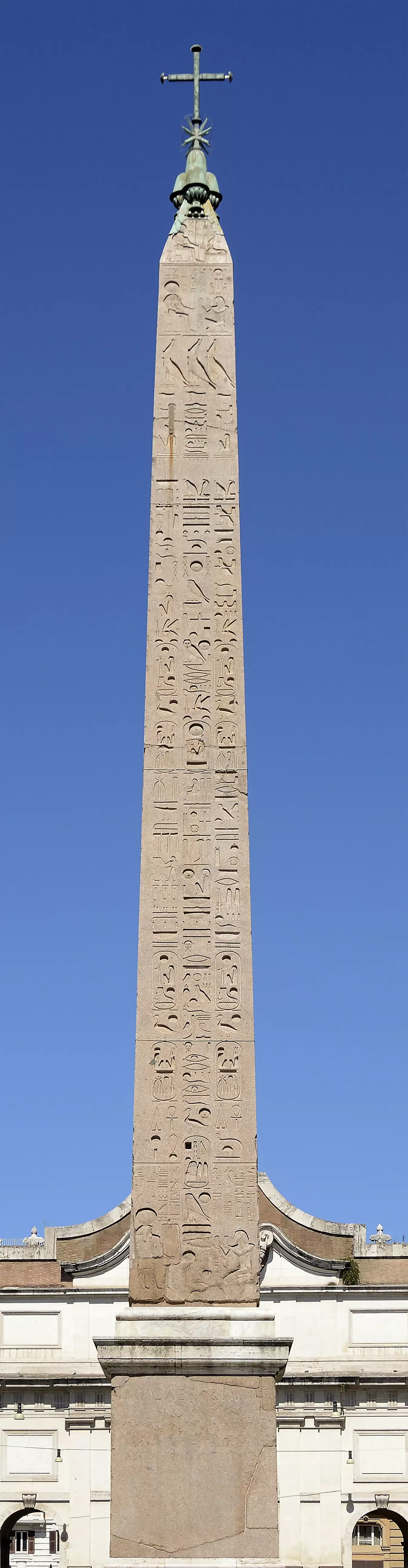
According to an inscription Emperor Augustus dedicated the obelisk to the sun in the 11th year of his consulate (10BC), after he had annexed Egypt to Rome. The obelisk is 24 m high. It was erected in Heliopolis in Egypt and was dedicated to Pharao Sethos I (1313-1292 BC) and Pharoa Ramses II (1292-1275 BC). Augustus brought the obelisk to the Circus Maximus, where it was rediscovered in 1587, broken into three pieces and was relocated to Piazze del Popolo on the orders of Pope Sixtus V in 1589.
Fontana del Moro

Rome, Italy

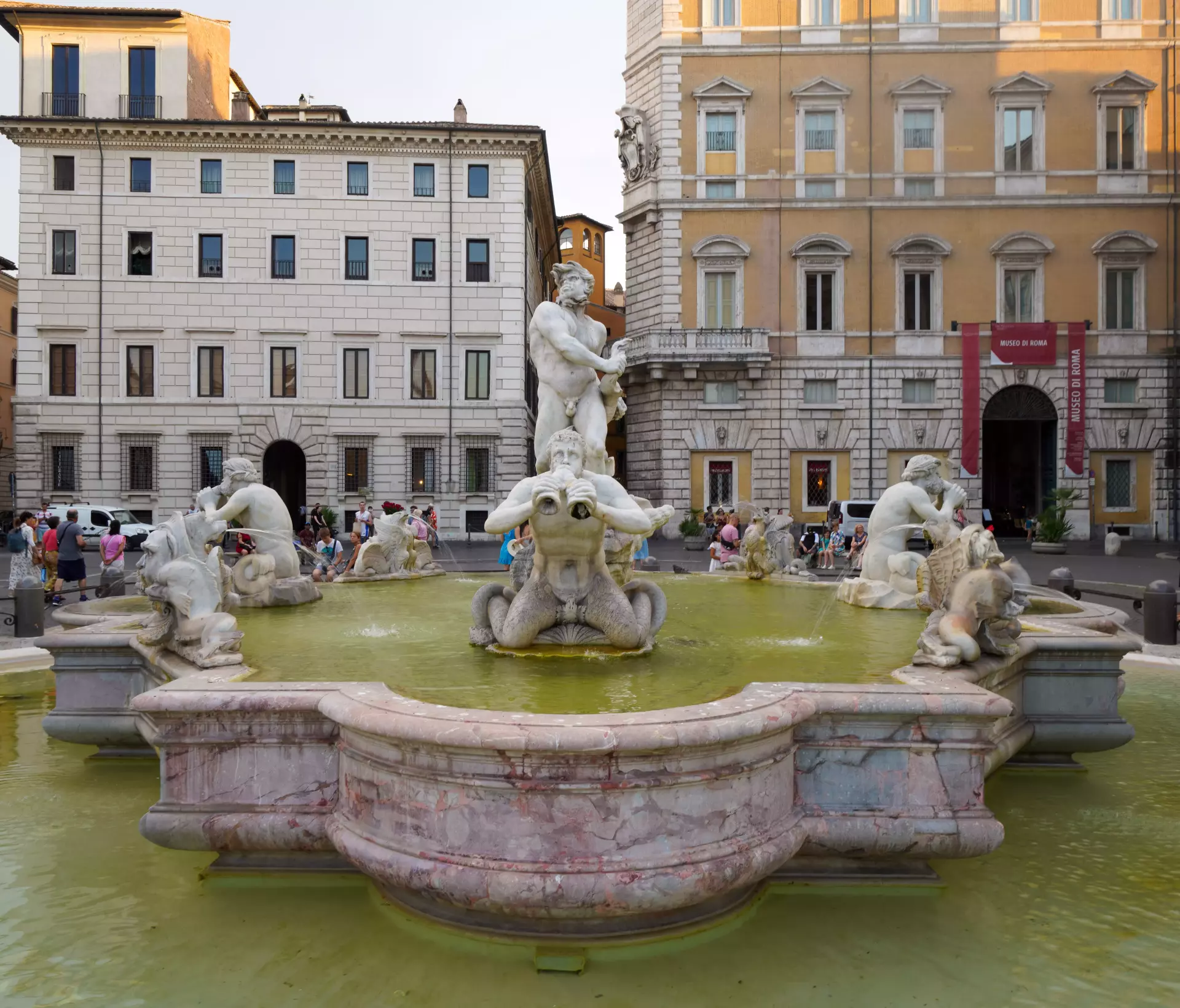
At the southern end of the Piazza, designed by Bernini but the main statue of the Moor was done by Giacomo della Porta and the other statues are 19th-century copies of the originals.
Via Veneto

Rome, Italy

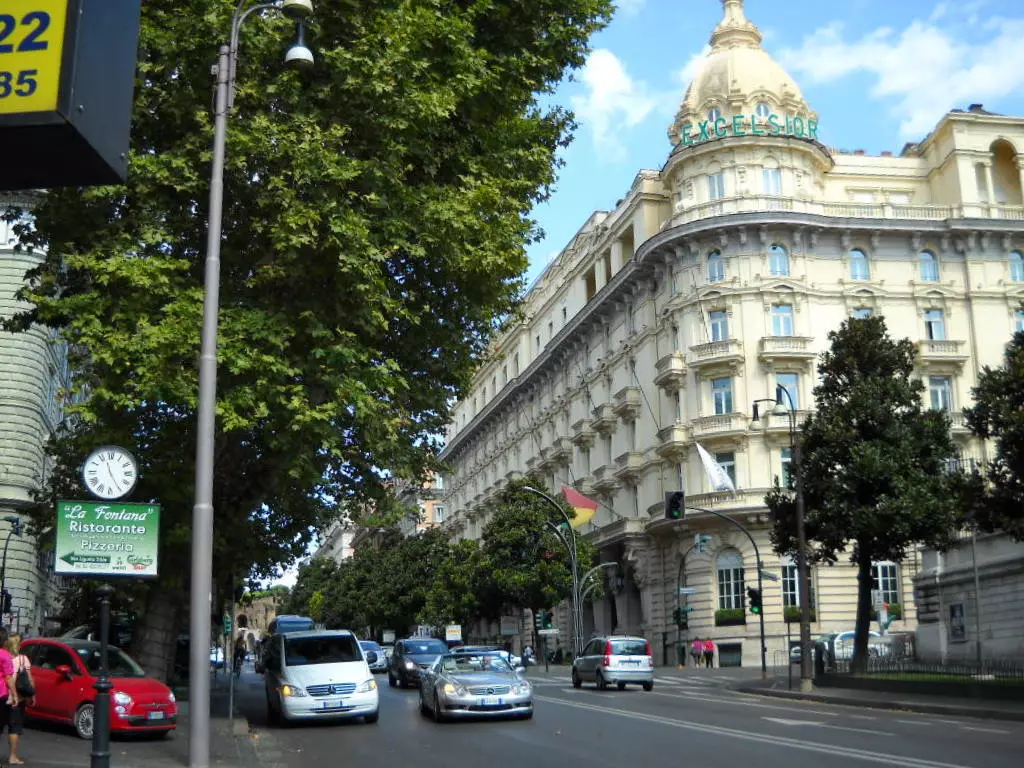
It was immortalised in 1960 by the Federico Fellini film La Dolce Vita. It is also the location of the US Embassy, in the massive Palazzo Margherita. Via Veneto went into a period of decline in the 1980s but has returned to popularity and the roadside cafes are the place to be seen if you are into that sort of thing.
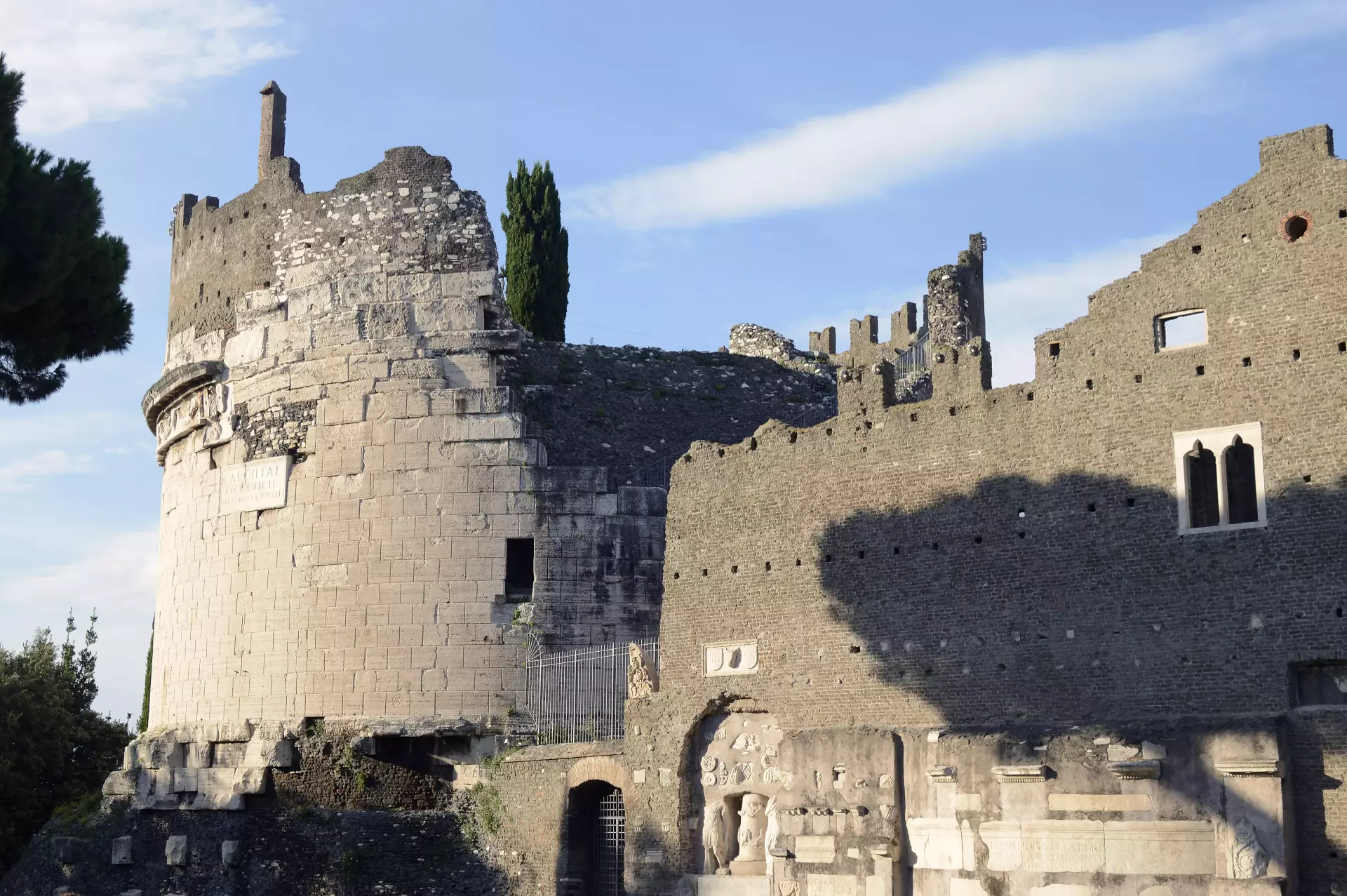
Tomb of Caecilia Metella

Rome, Italy
The mausoleum of Cecilia Metella, who died in 69 BC, is the best preserved monument on the Appian Way and dominates the surroundings. In the Middle Ages it was transformed into a fortress and battlements were added. At that time there was considerable competition for ownership because of its strategic location.

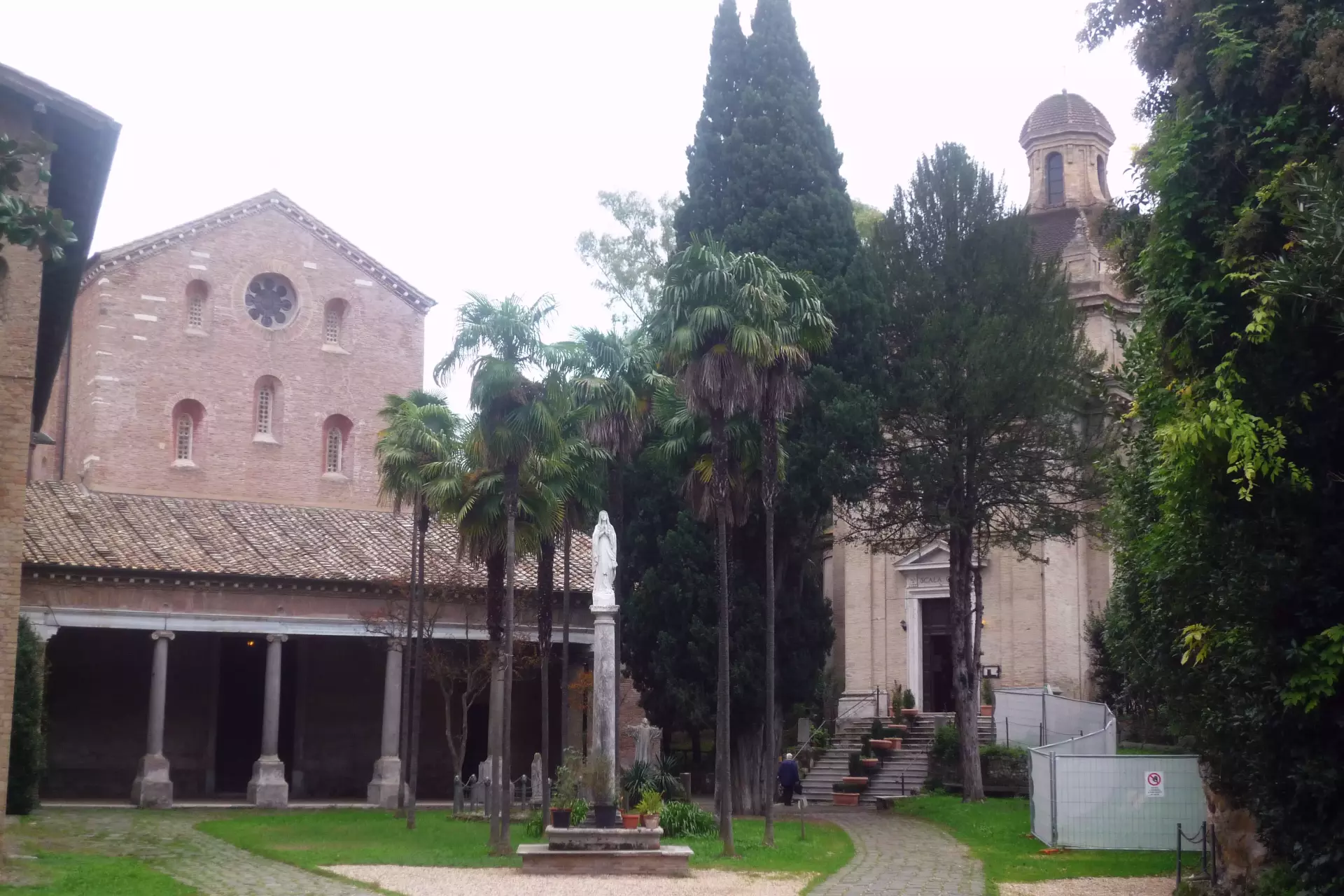
Tre Fontane Abbey

Rome, Italy
A truly quiet oasis close to the hustle and bustle of EUR. There are three churches in this complex and the doors are open all day, unlike city churches. The monks produce a range of products such as liqueurs, chocolate and honey, as well as a cure for the illnesses Romans suffer when the Scirocco wind blows in from the Sahara. These are on sale at a shop at the Abbey.

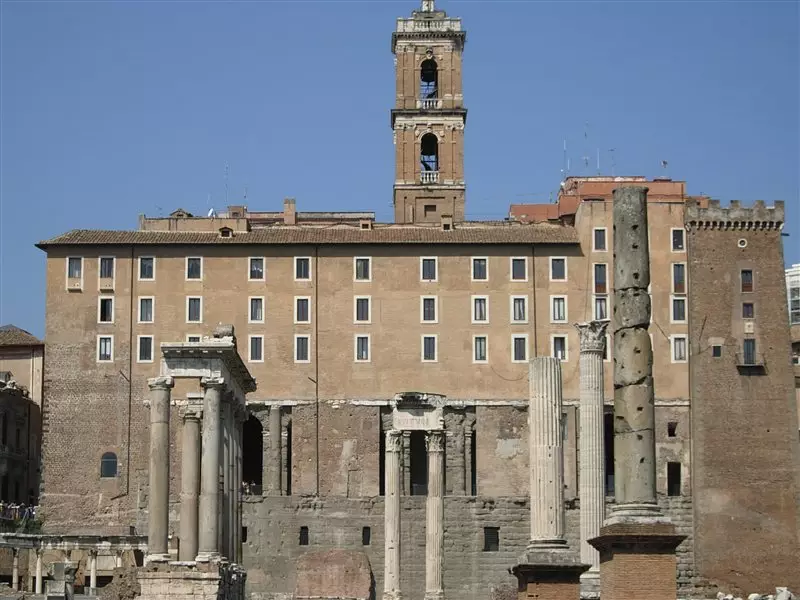
Tabularium

Rome, Italy

The remains of the ancient Roman archives, where Cicero and Seneca did research. Visible from the Forum and accessible through the Capitoline Museum.
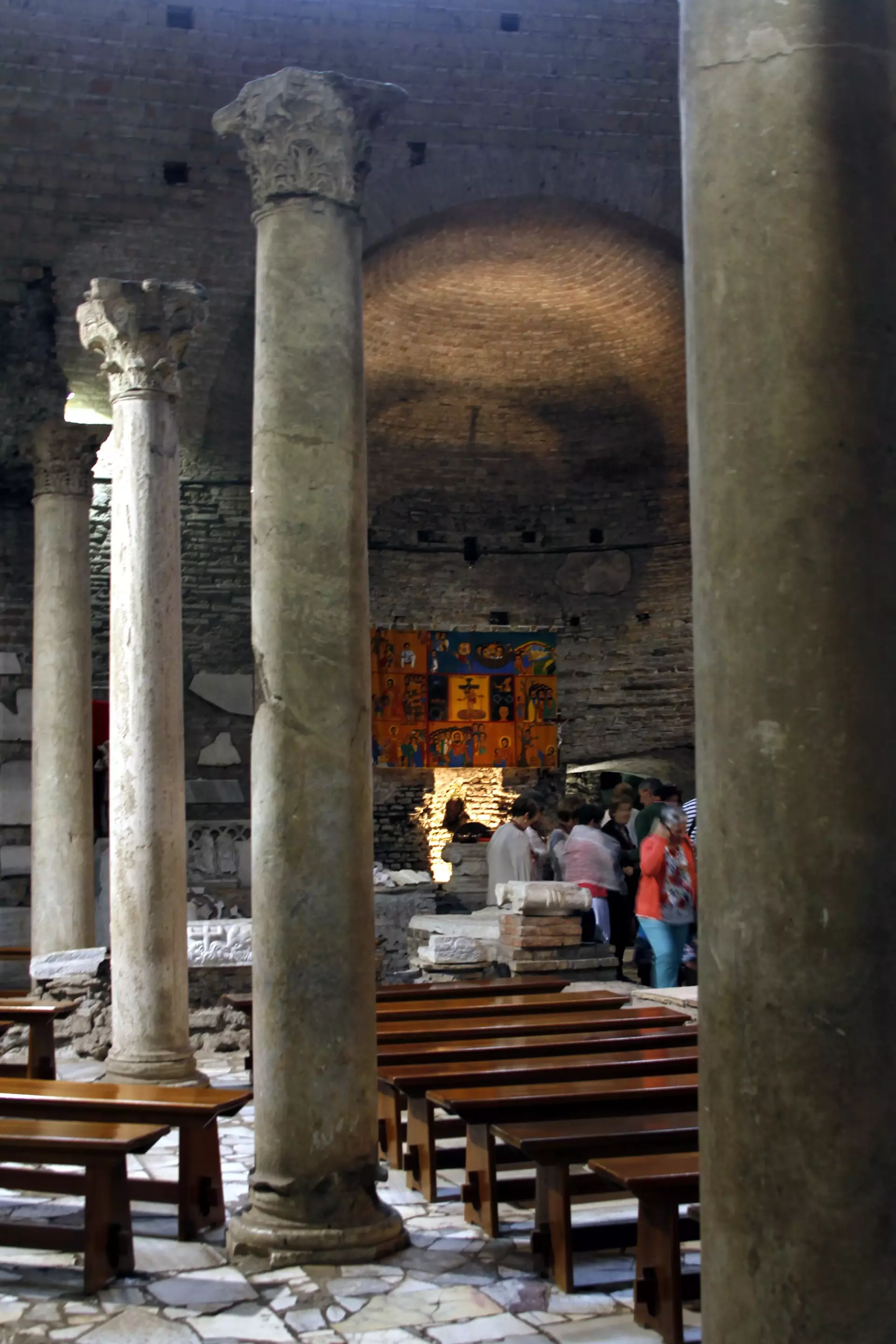
Catacombs of Domitilla

Rome, Italy

The Catacombs of Domitilla are considered to be the best preserved of all Roman catacombs. They are the only ones still to contain bones. Domitilla also has a subterranean basilica, much of which was reconstructed in 1870.
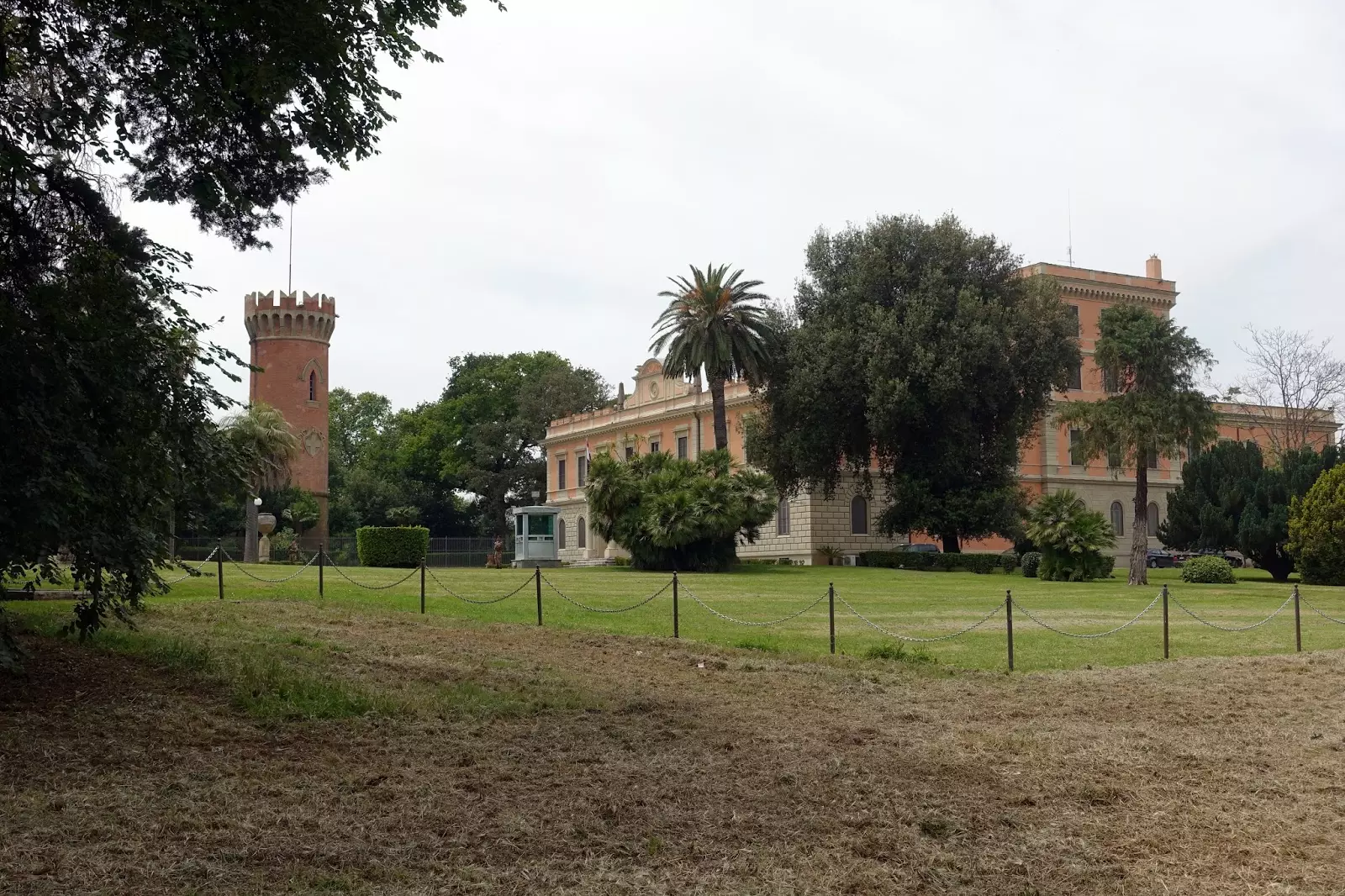
Villa Ada

Rome, Italy

Beautiful park, the 2nd largest in Rome (after Villa Doria Pamphili) at 450 acres/182 hectares. Hosts concerts on summer evenings. former summer residence of Italian monarchs. Also known for it's bunker.

Developed by Reflex.com.ua
Contacts
  • info@reflex.com.ua
Social media