Tourist attractions in Rome
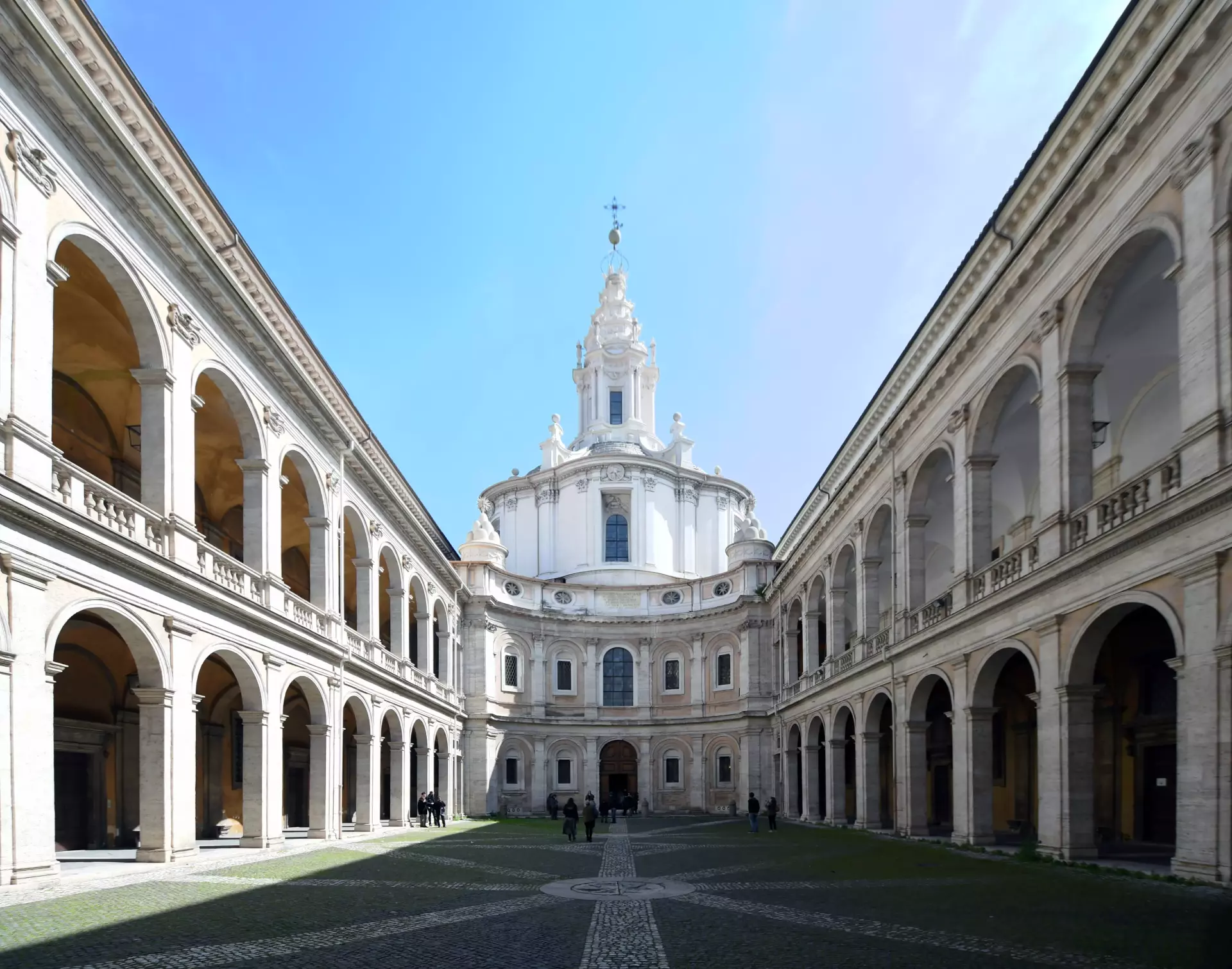
Sant'Ivo alla Sapienza
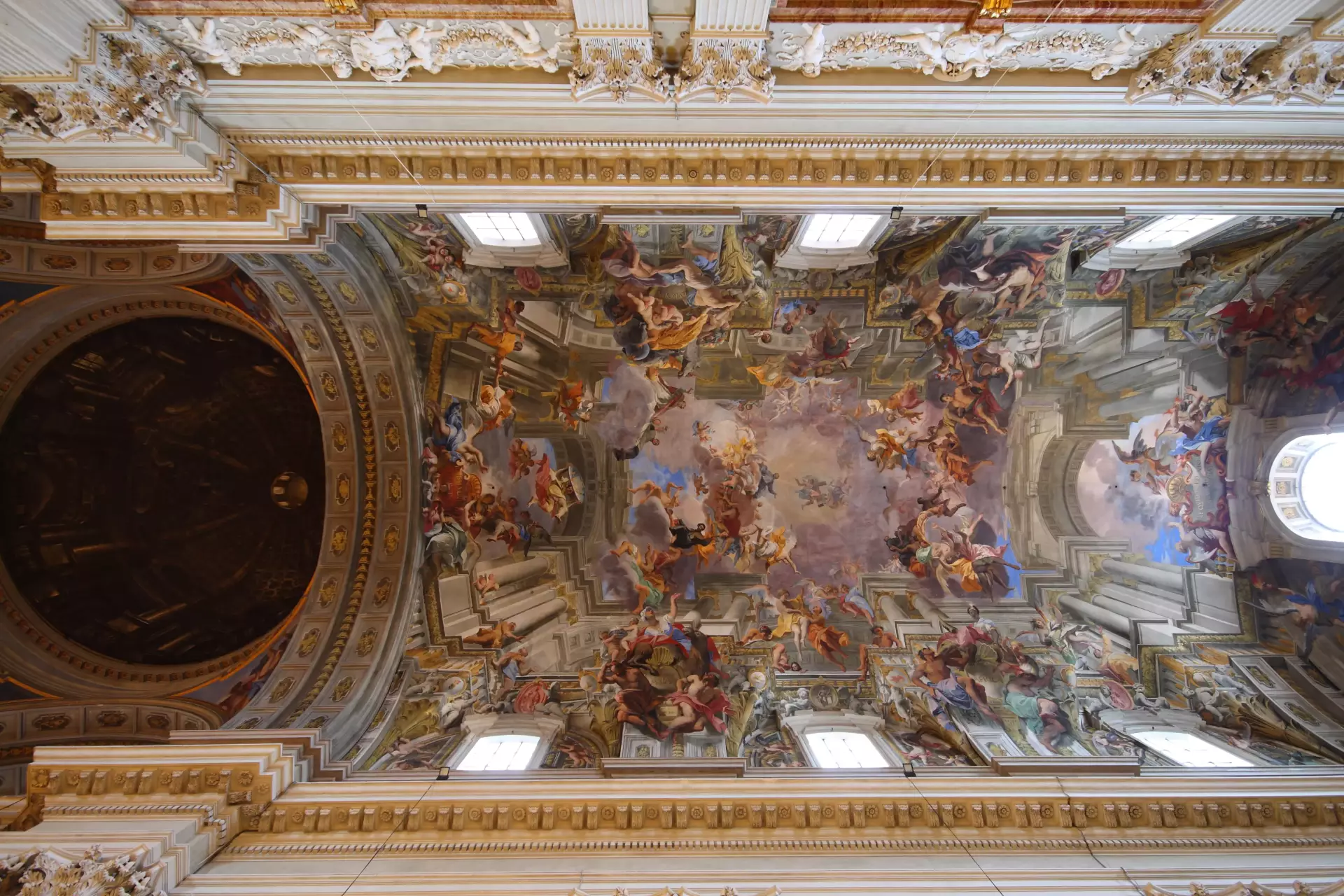
Rome, ItalyThis little church is hard to find but well worth the extra effort although it is often closed when you get there. One of Borromini's masterpieces. It is located only a block from Piazza Navona, but not usually visible from the street, as you must enter the courtyard of an old palazzo to reach the church. Sant'Ivo is a small church the dome of which is shaped like the Star of David, but with every other point rounded. The steeple seen from the outside looks like it has a staircase wrapped around it that ascends to heaven. As the church was commissioned by the Barberini family that produced a number of popes and whose family symbol was the bee—some say the steeple resembles the stinger of the insect.
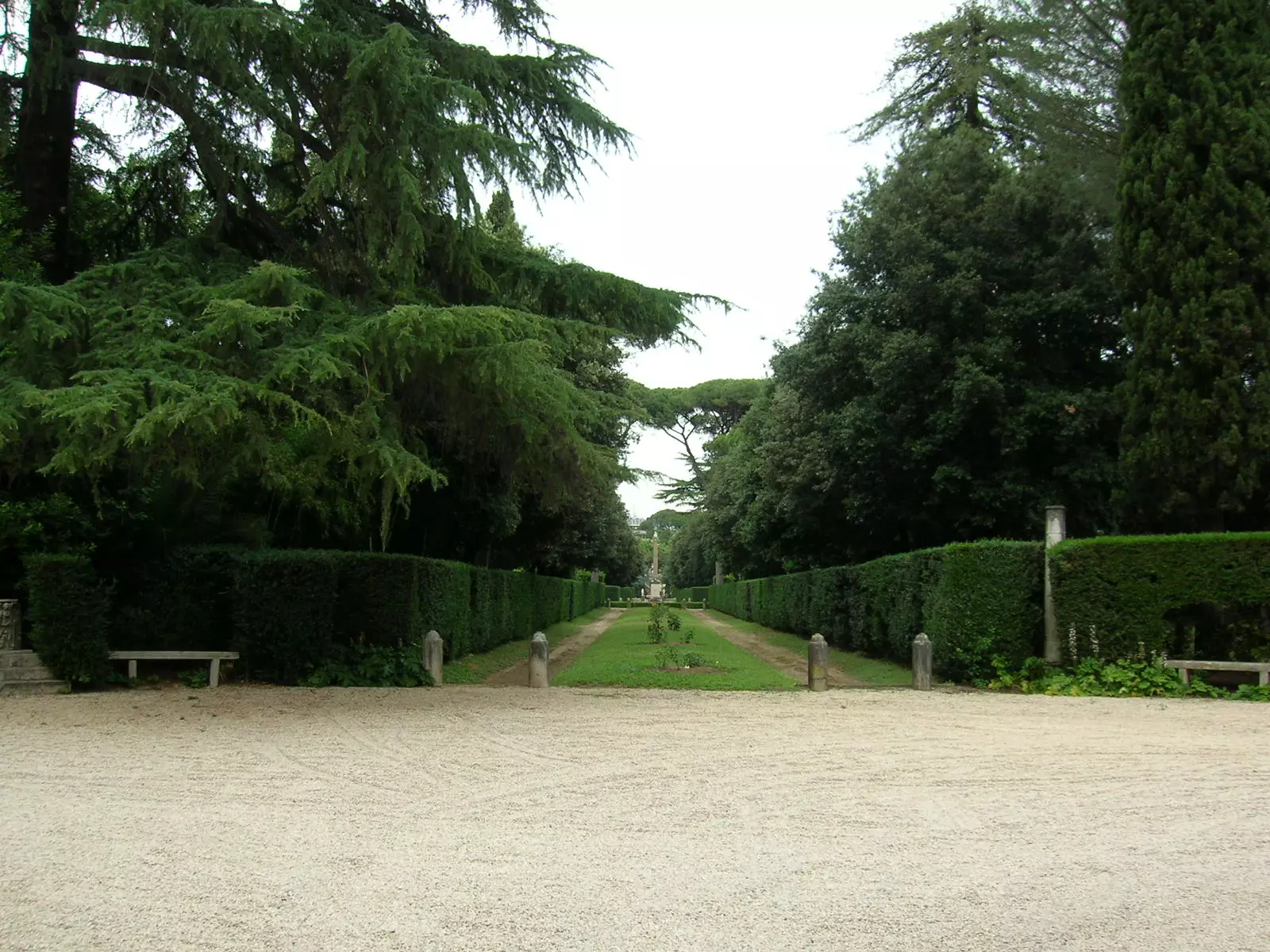
Villa Albani
Rome, ItalyA magnificent patrician house with beautiful gardens. It was built by order of Cardinal Alessando Albani in 1743-1763 in order to accommodate his collection of art. The collection was taken care of by the Winkelmann, adviser and friend of the cardinal. In Rome, Winkelmann wrote his "Geschichte der Kunst des Altertumns (HIstory of the Art of Antiquity)", which made him the founder of classical archaeology. The painted ceiling of the great hall depicting Mount Parnassus is by the German painter Anton Raphael Mengs who was considered as the greatest painter in Rome in the 18th century. A permission to visit is to be requested by email or fax from Principi Torlonia's administration where you'd need to indicate date and time desired, your name and number of people in your party (max. 10).
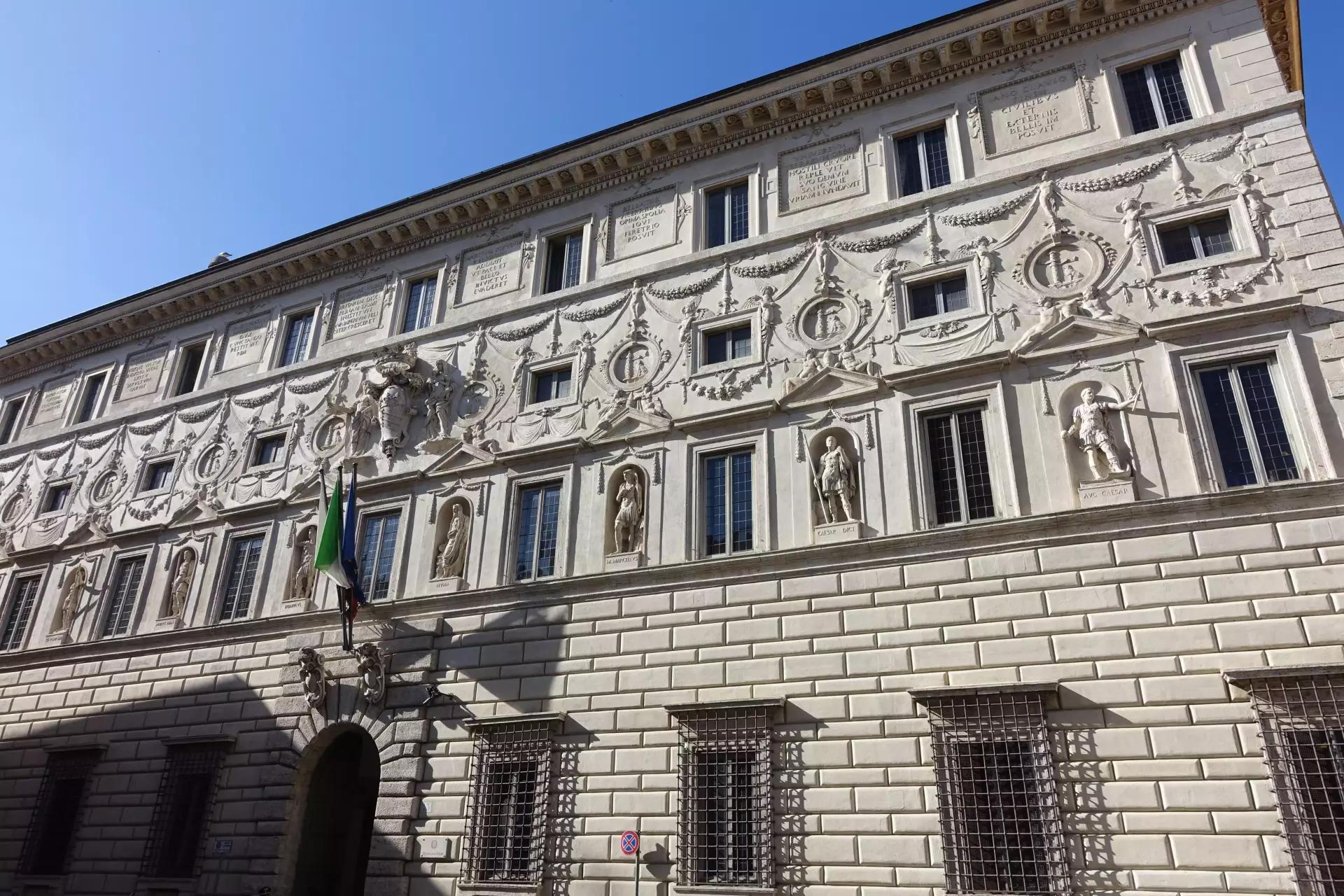
Palazzo Spada
Rome, Italy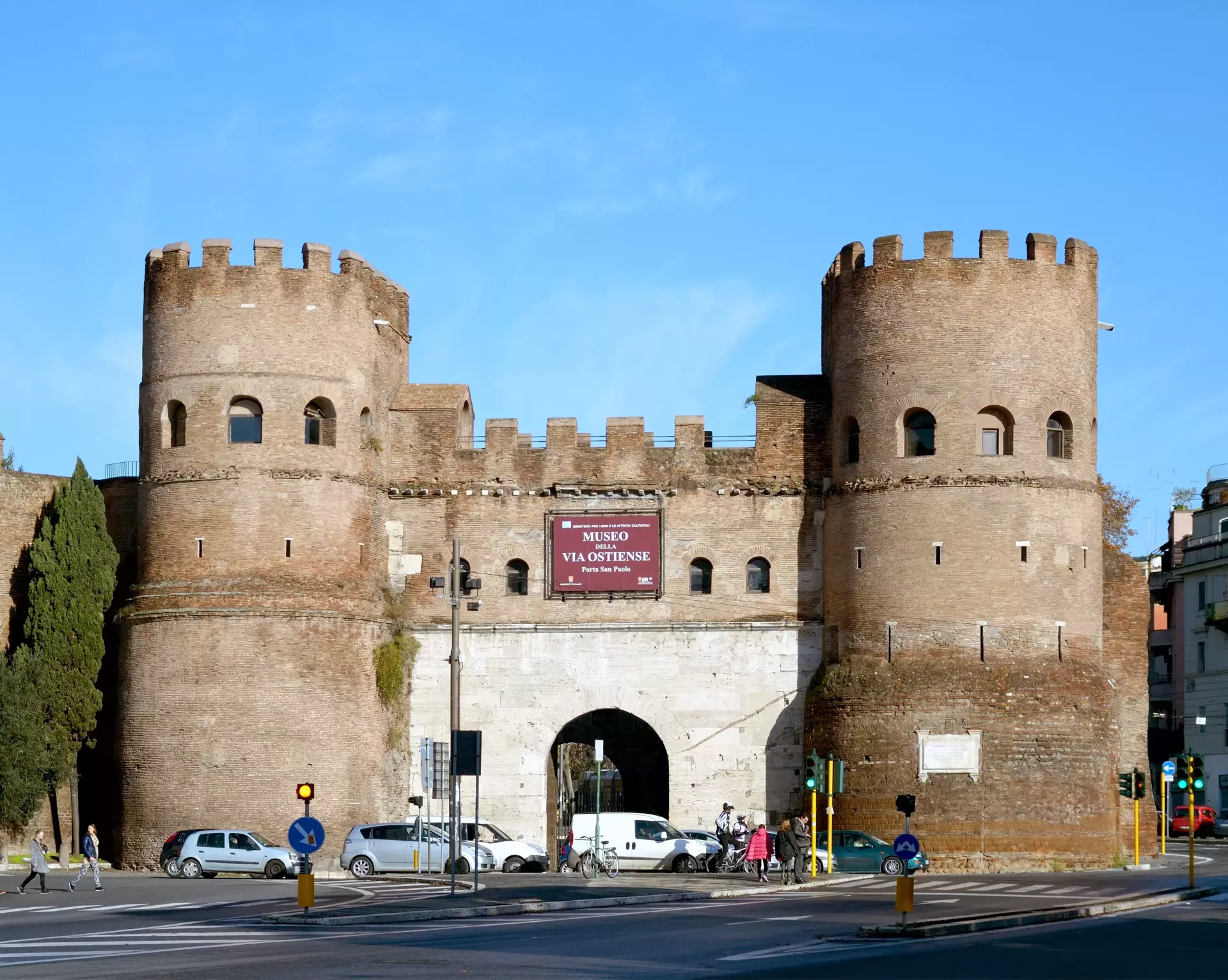
Porta San Paolo
Rome, ItalyNext door to the Pyramid, this fine gate in the Aurelian Wall is named after St. Paul as the Via Ostiense leads to the basilica of St. Paul's Outside the Walls (see Rome/South).
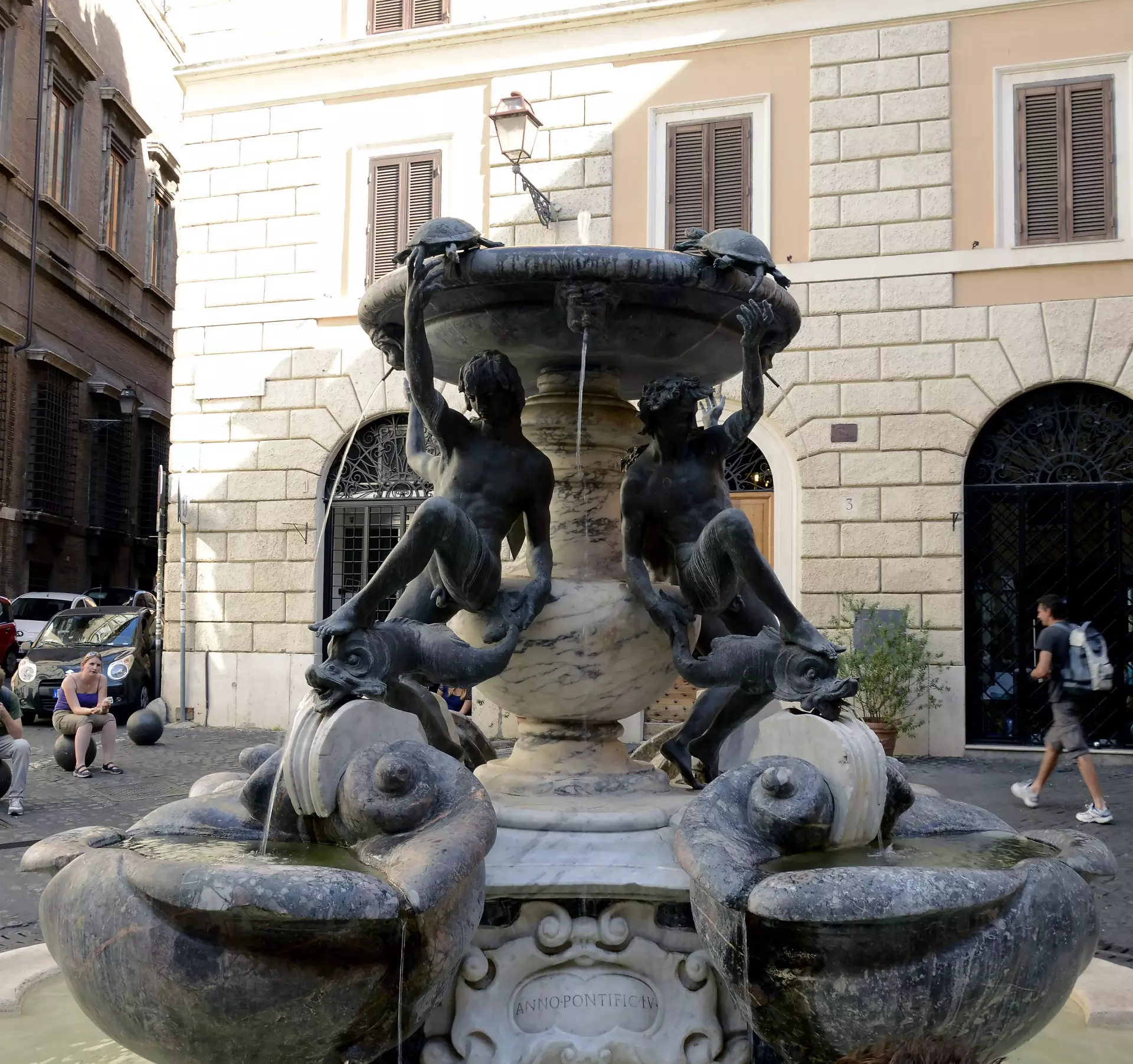
Fontana delle Tartarughe
Rome, ItalyA pleasant fountain in an out-of-the-way square. It was originally meant to have four dolphins rather than turtles, but the dolphins proved to be too large for the water pressure, so the turtles were added as an afterthought.
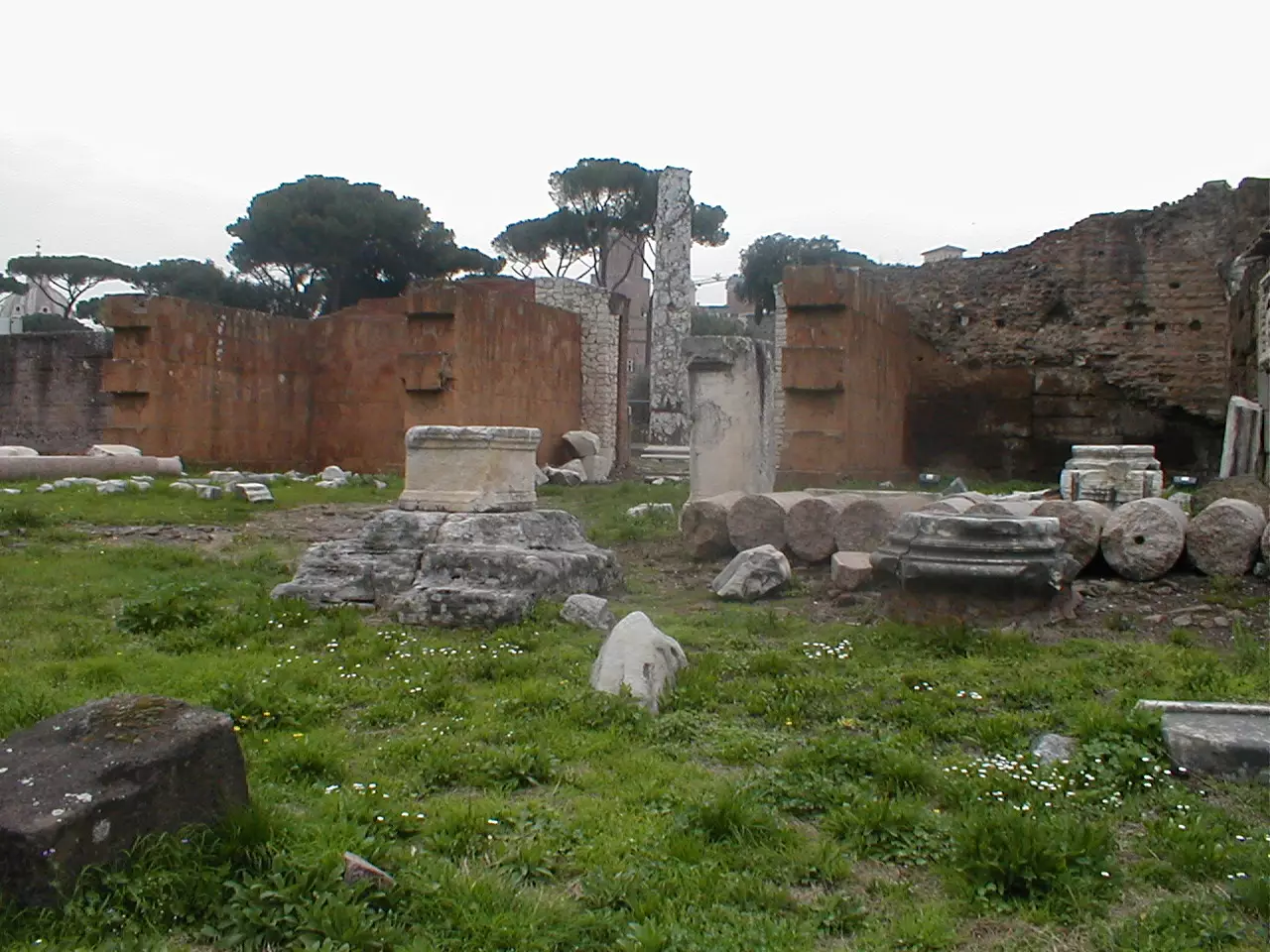
Basilica Aemilia
Rome, ItalyCompleted in 179 BC.
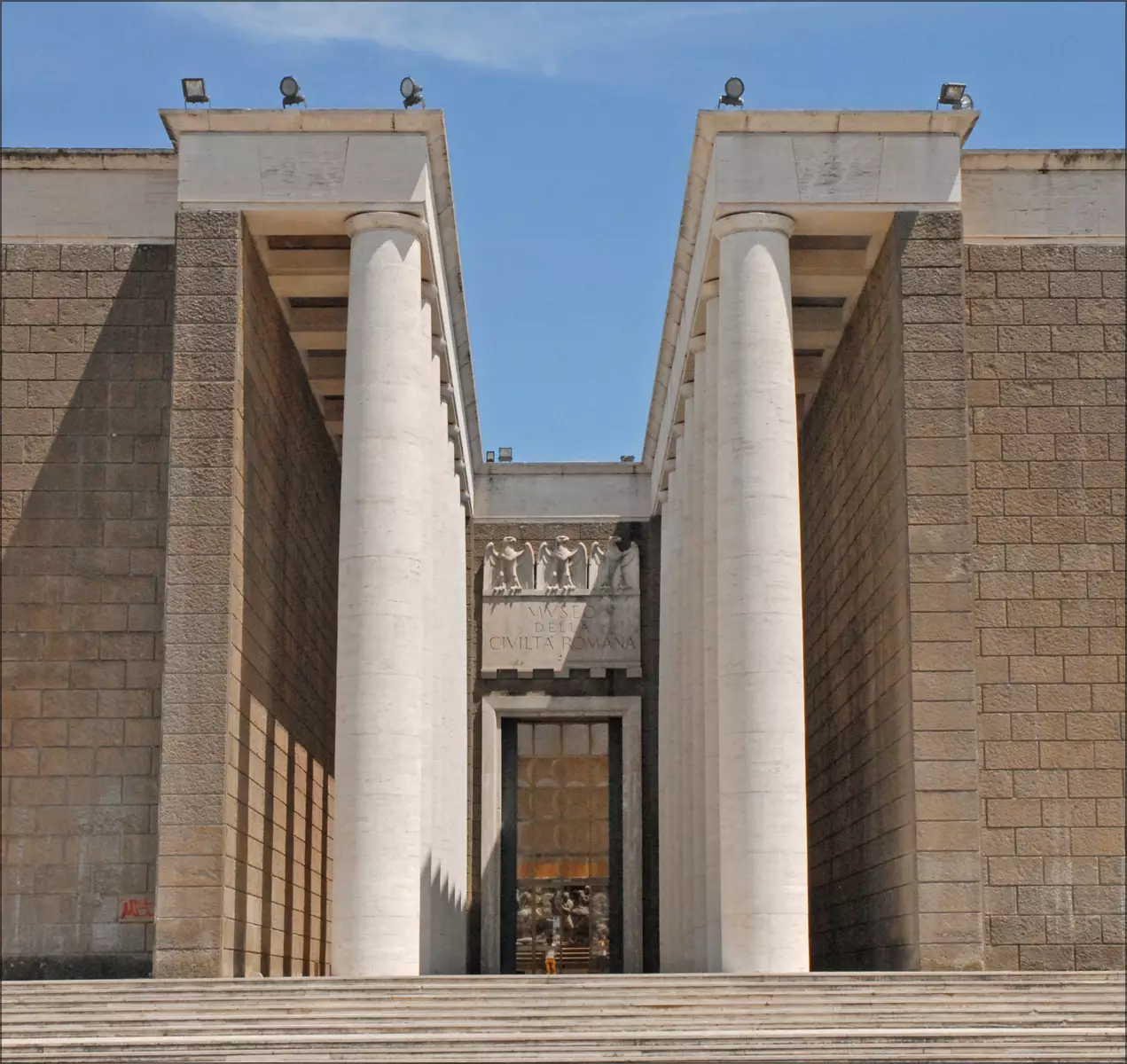
Museum of Roman Civilization
Rome, Italy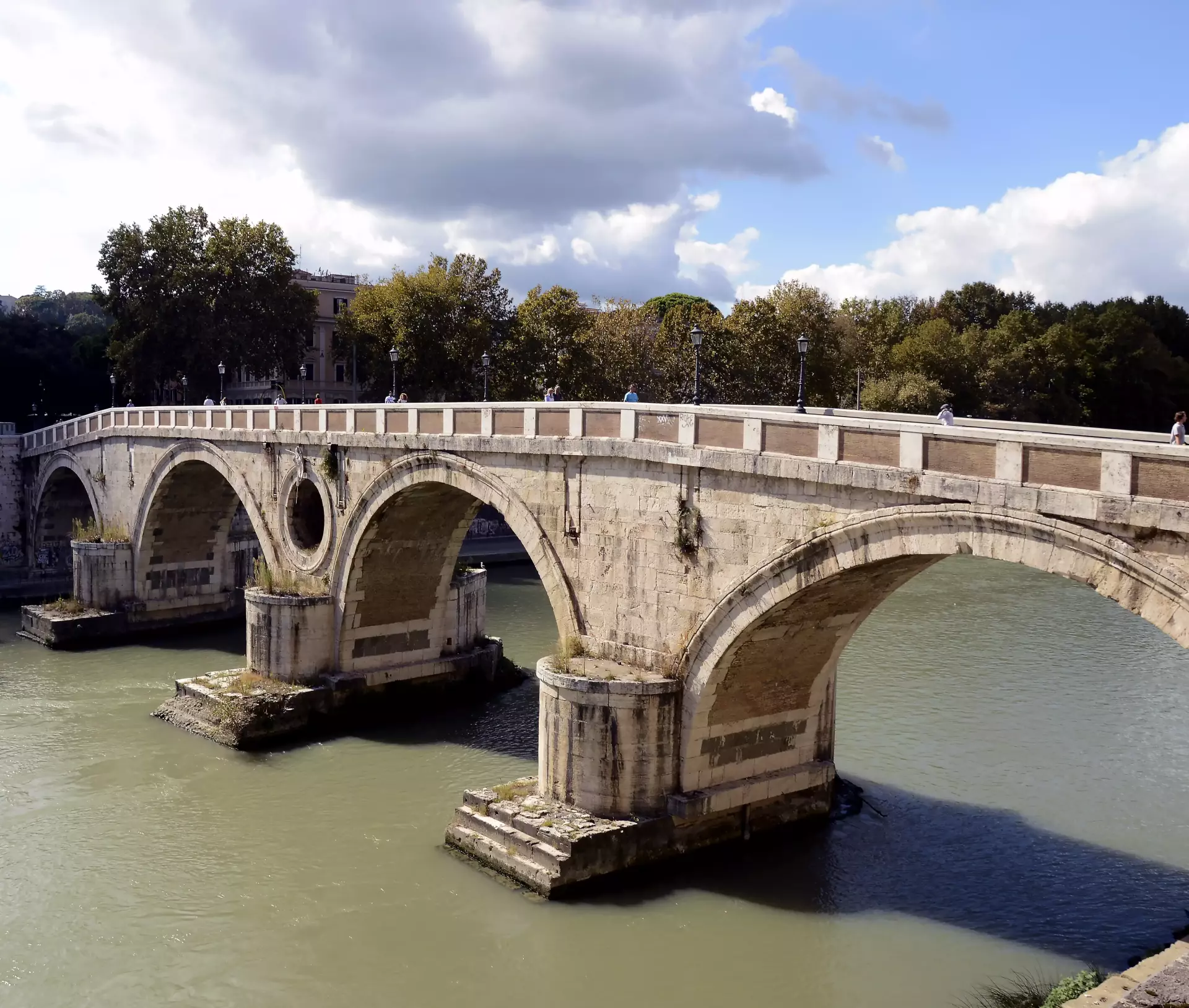
Ponte Sisto
Rome, Italy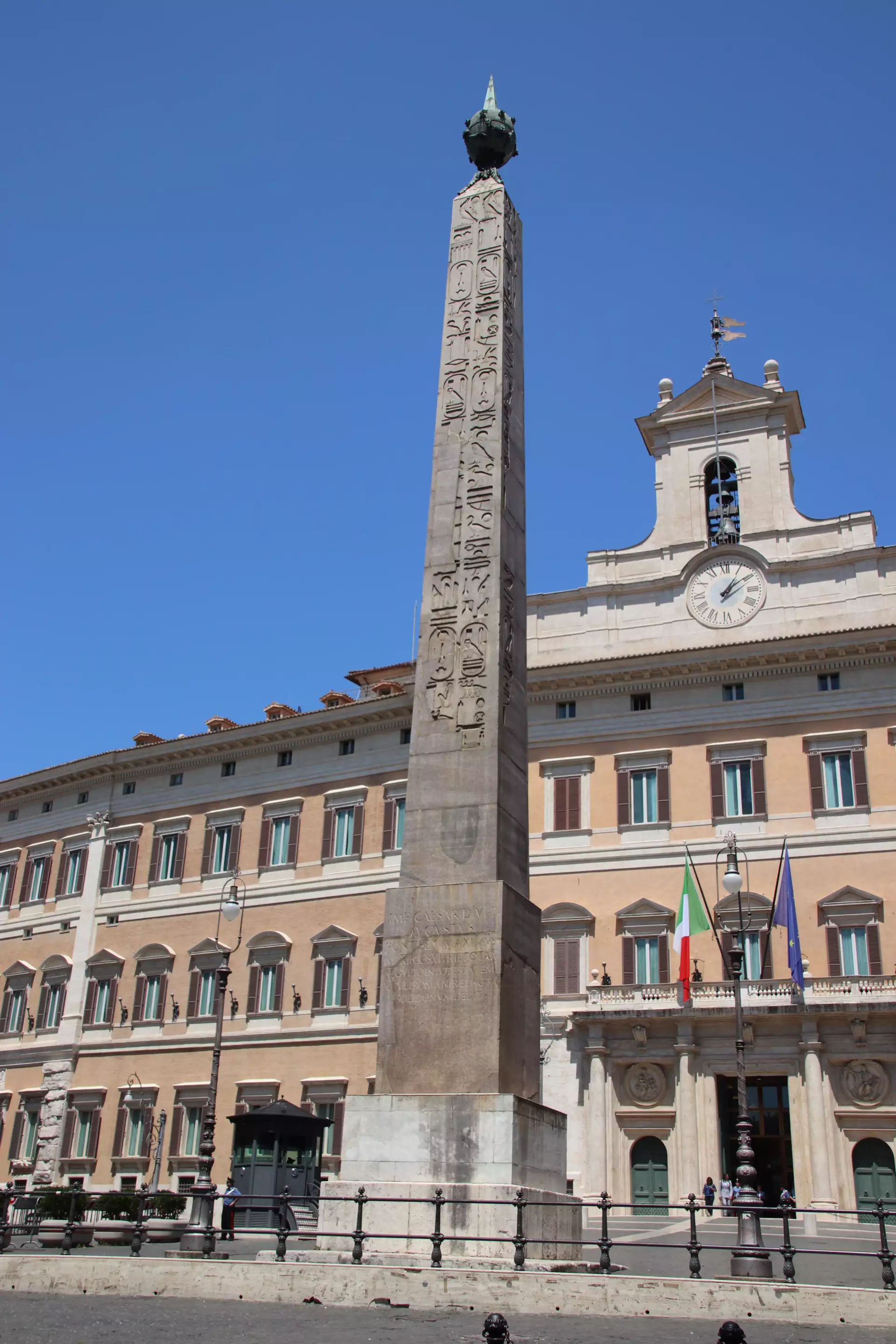
Obelisk of Montecitorio
Rome, Italy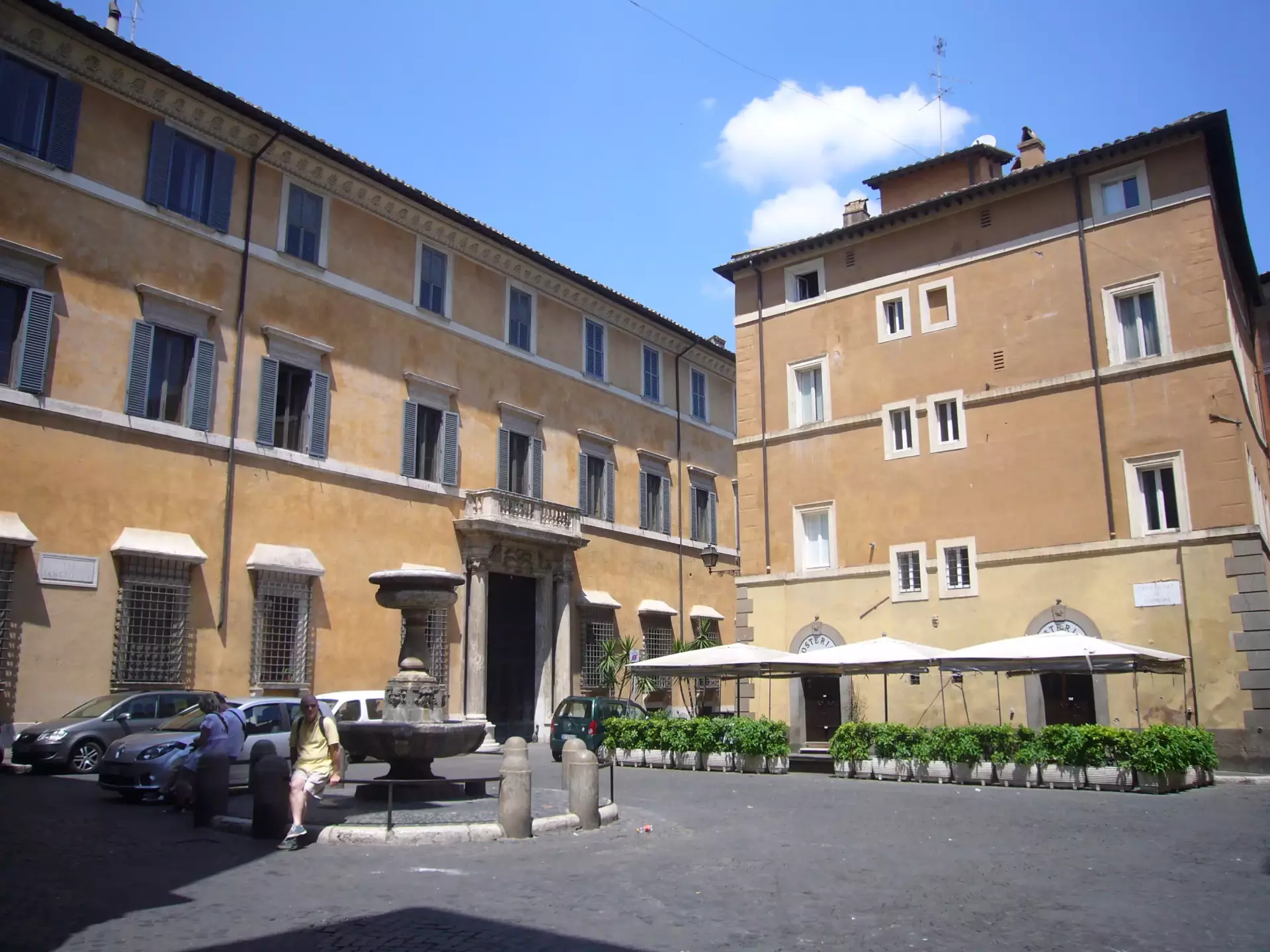
Via dei Coronari
Rome, ItalyIn the Middle Ages pilgrims on their way to St. Peter's had to pass through the Via dei Coronari in order to cross the Tiber at Ponte St. Angelo. The street got its name from the people who sold rosaries to the pilgrims. It follows the ancient Via Recta which led from what is today Piazza Colonna to the Tiber. In the 15th century Pope Sixtus IV initiated the construction of private buildings. Today, several houses dating back to the 15th and 16th century may be seen. House nr. 156/157 is said to have been the House of Fiametta, the mistress of Cesare Borgia.
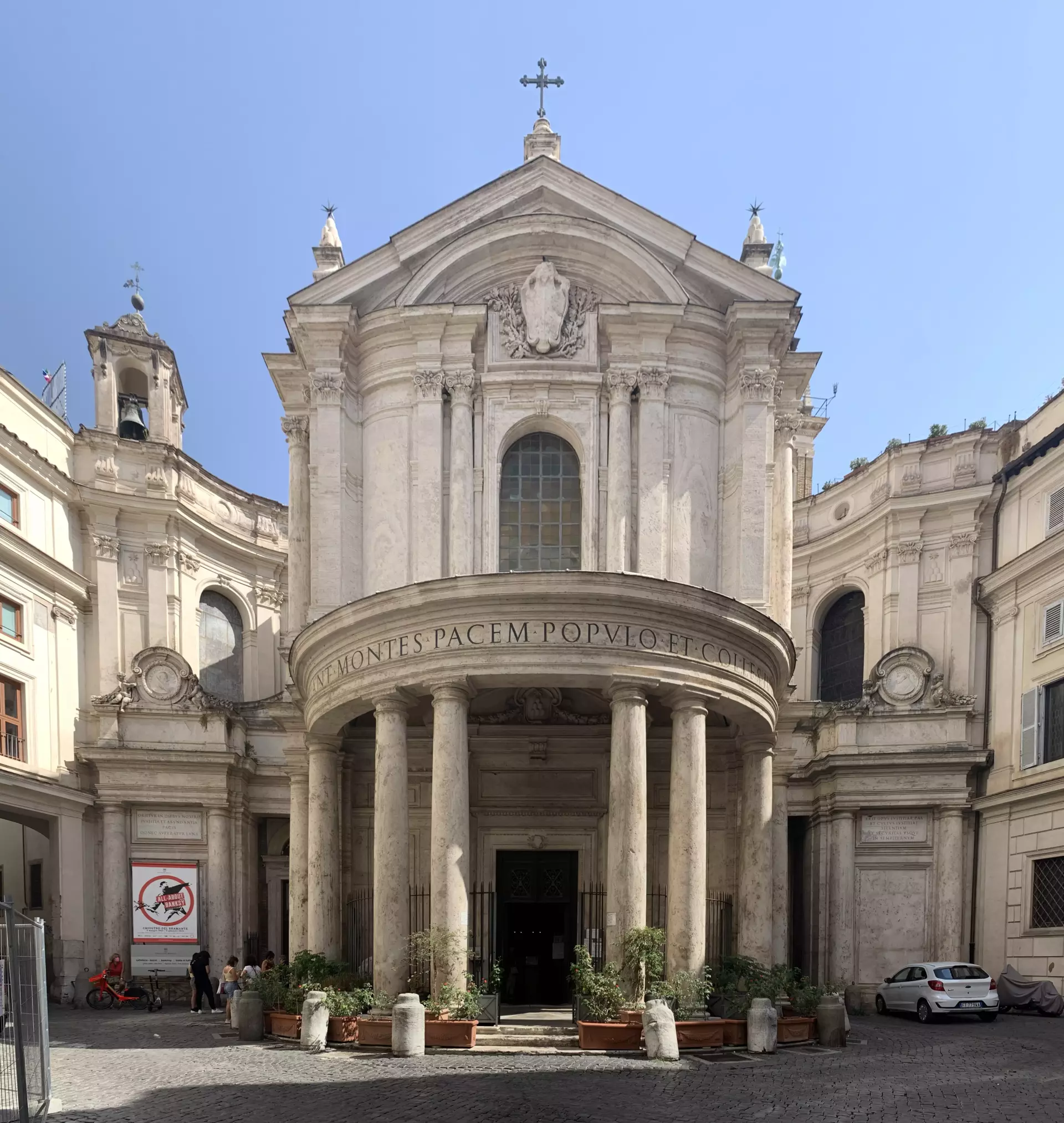
Santa Maria della Pace
Rome, Italy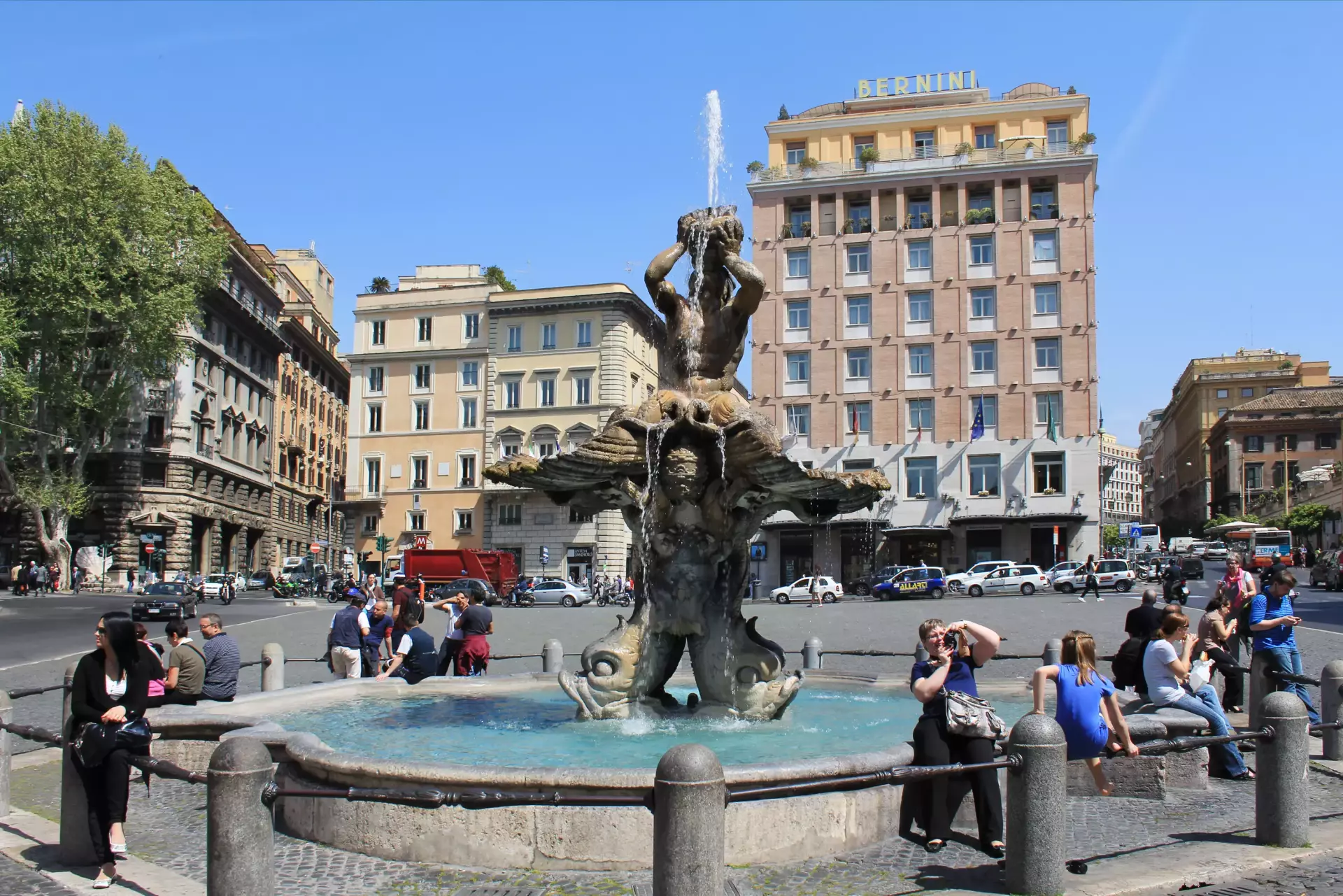
Piazza Barberini
Rome, ItalyWith Bernini's famous Triton Fountain. Via Veneto starts here too.

Oppian Hill
Rome, ItalyThis is the attractive park on the hillside directly west of the Colosseum. Visible ruins in the area come from the Baths of Trajan. These baths were built on the top of the ruins of Domus Aurea - the Golden House of Nero (the Colosseum was built on the drained site of Nero's lake). The area underneath the park contains an enormous area from Nero's villa. It was restored at great expense in the 1980s and 1990s, opened to the public, and then closed again after a few years when it began to leak!
Roman College
Rome, ItalyThe Collegio Romano was a college of the Jesuit order. Many popes, cardinals and bishops were educated here. Since 1870 it has been a secular (non-monastic) school. The coat of arms on the doorway is that of Pope Gregory XIII (1572–1585). The tower was erected in 1787 and served as an observatory. Until 1925 all clocks in Rome were set after that of the Collegio Romano.
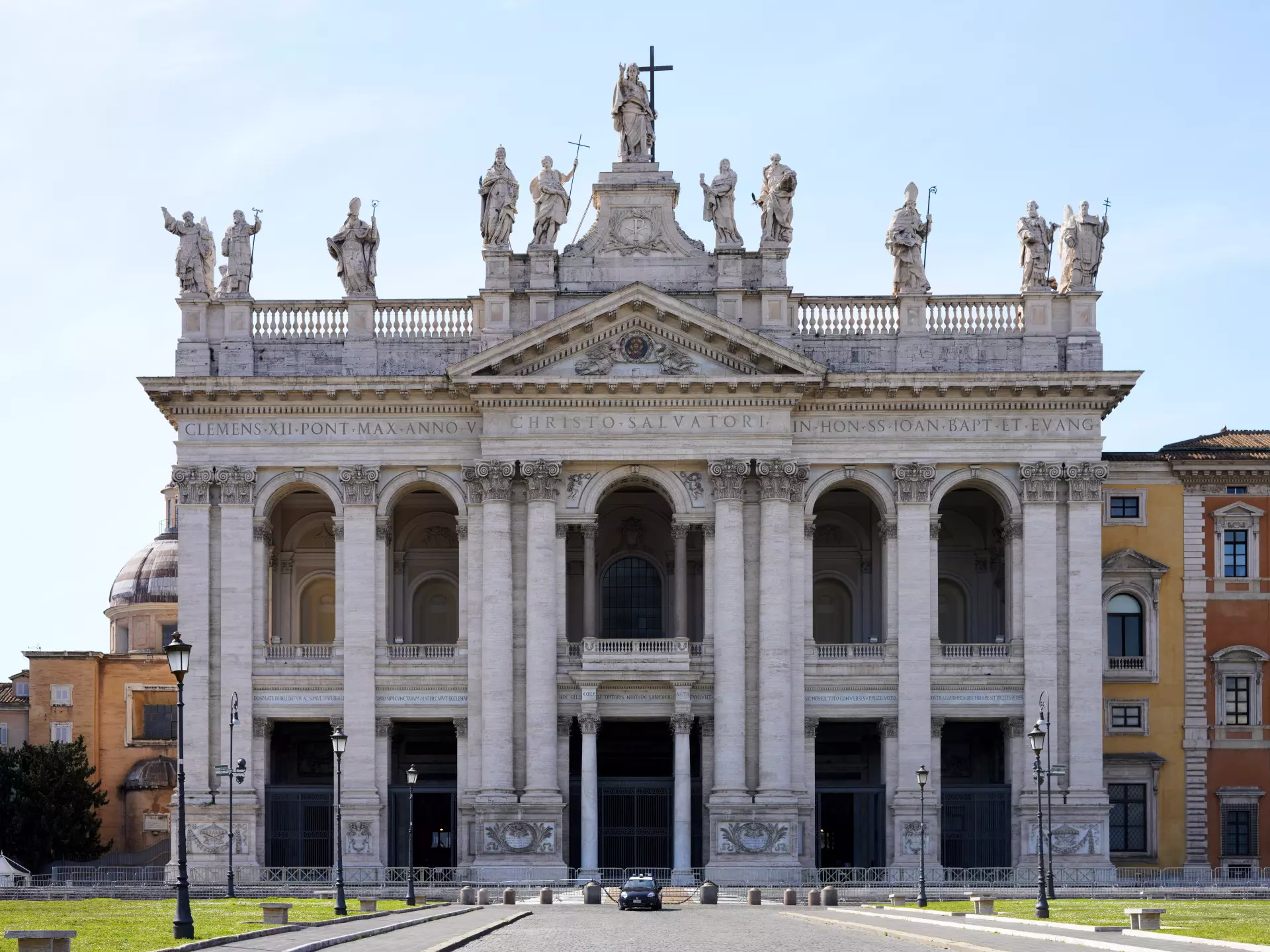
Archbasilica of St. John Lateran
Rome, Italy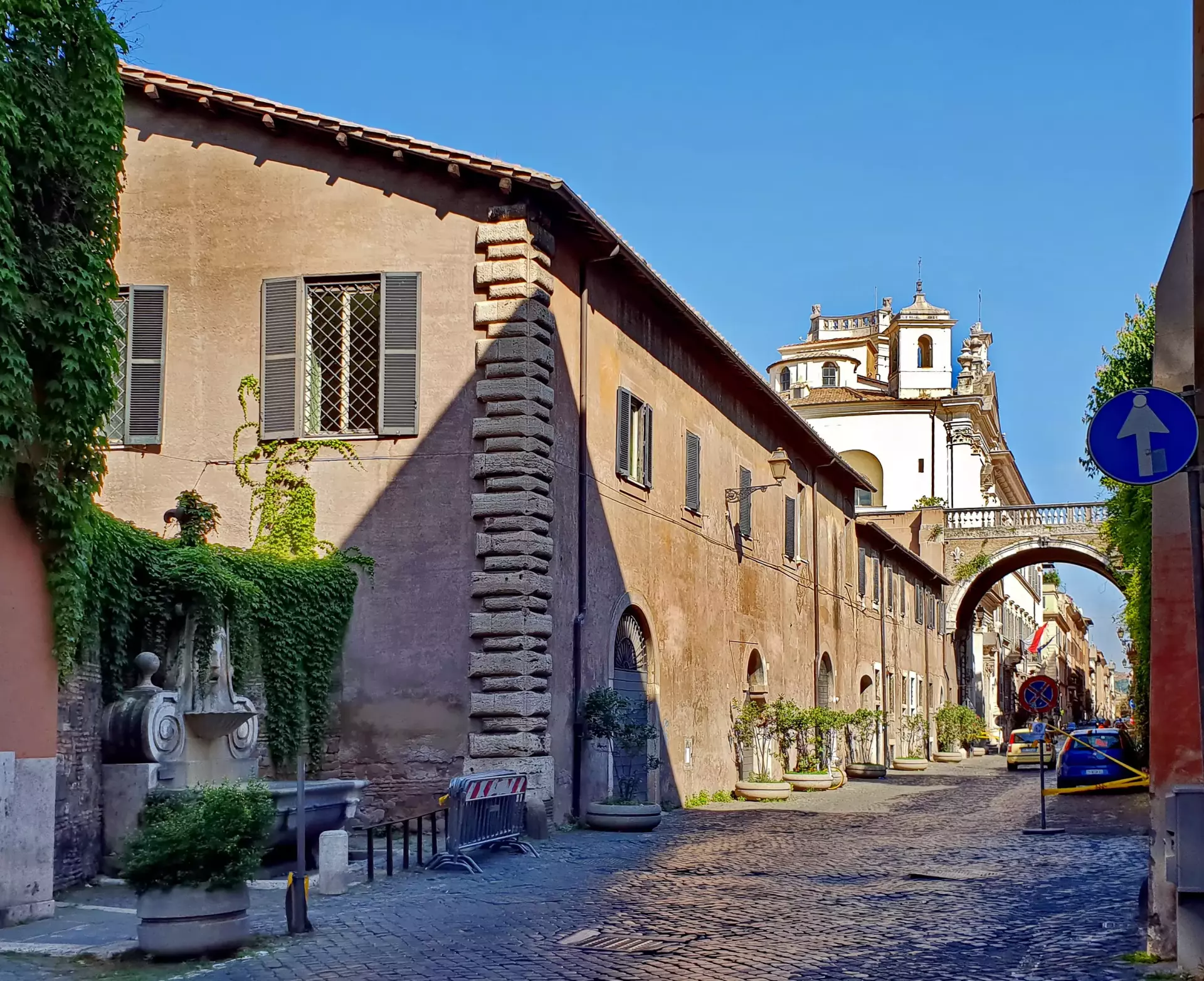
Via Giulia
Rome, ItalyAn example of urban planning that goes back to Pope Julius II, who, in 1508, envisioned it as a street that would connect all major government buildings. It is around a kilometer long and is in a straight line, an unusual feature for the time. It is lined with some interesting palaces but these days is more known for its antique shops. Via Giulia runs parallel with and one block from the River Tiber.
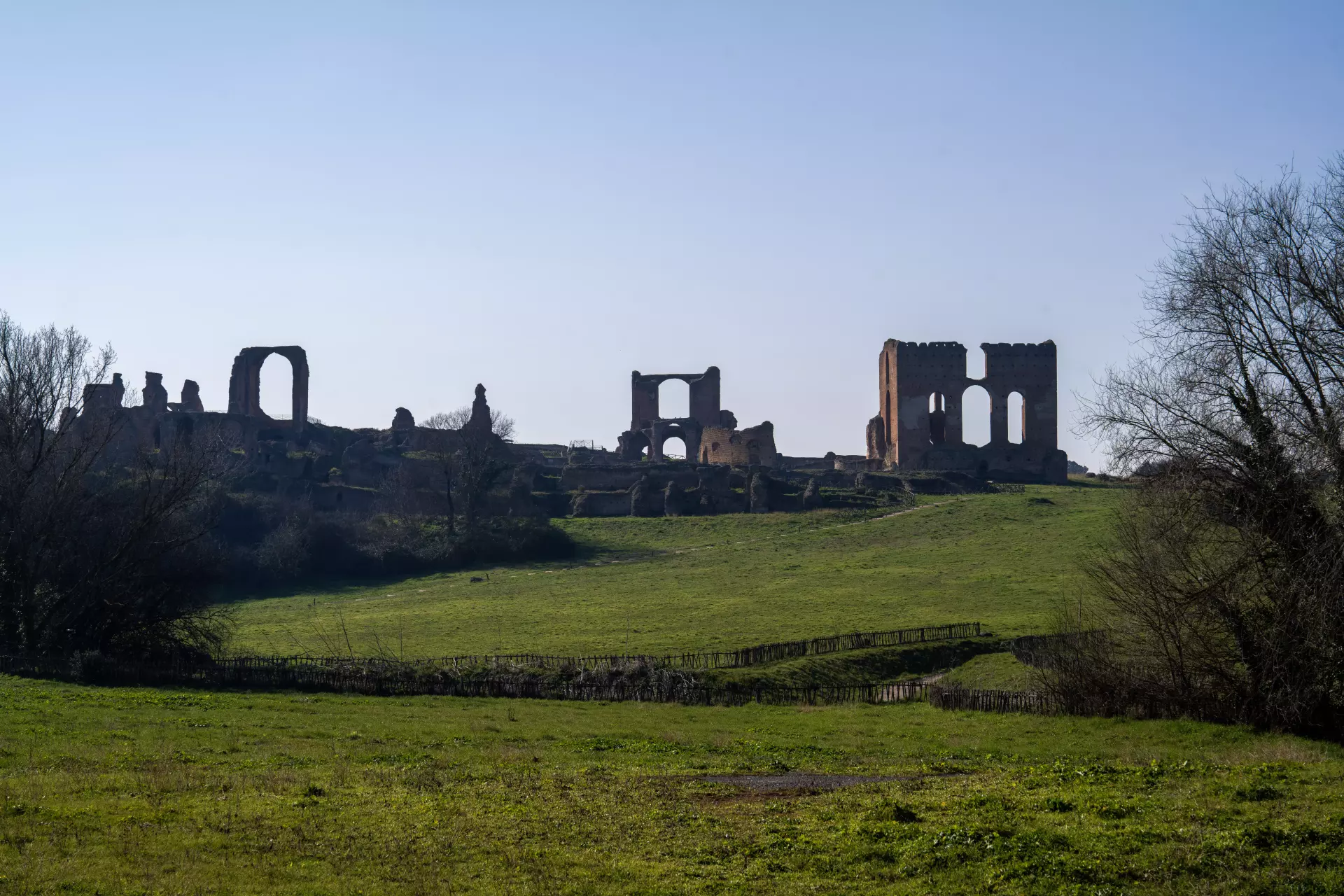
Villa of the Quintilii
Rome, Italy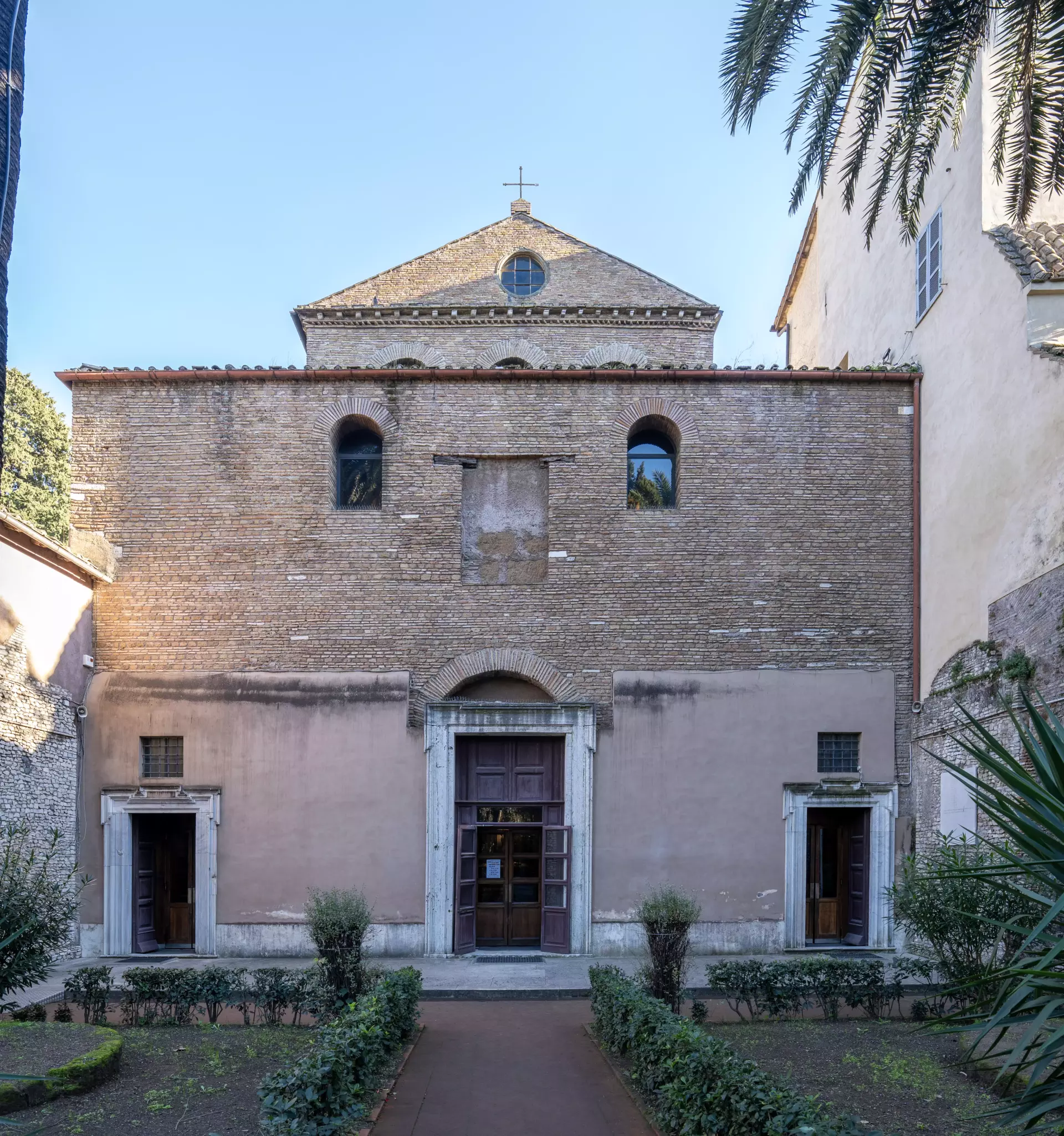
Sant'Agnese fuori le mura
Rome, Italy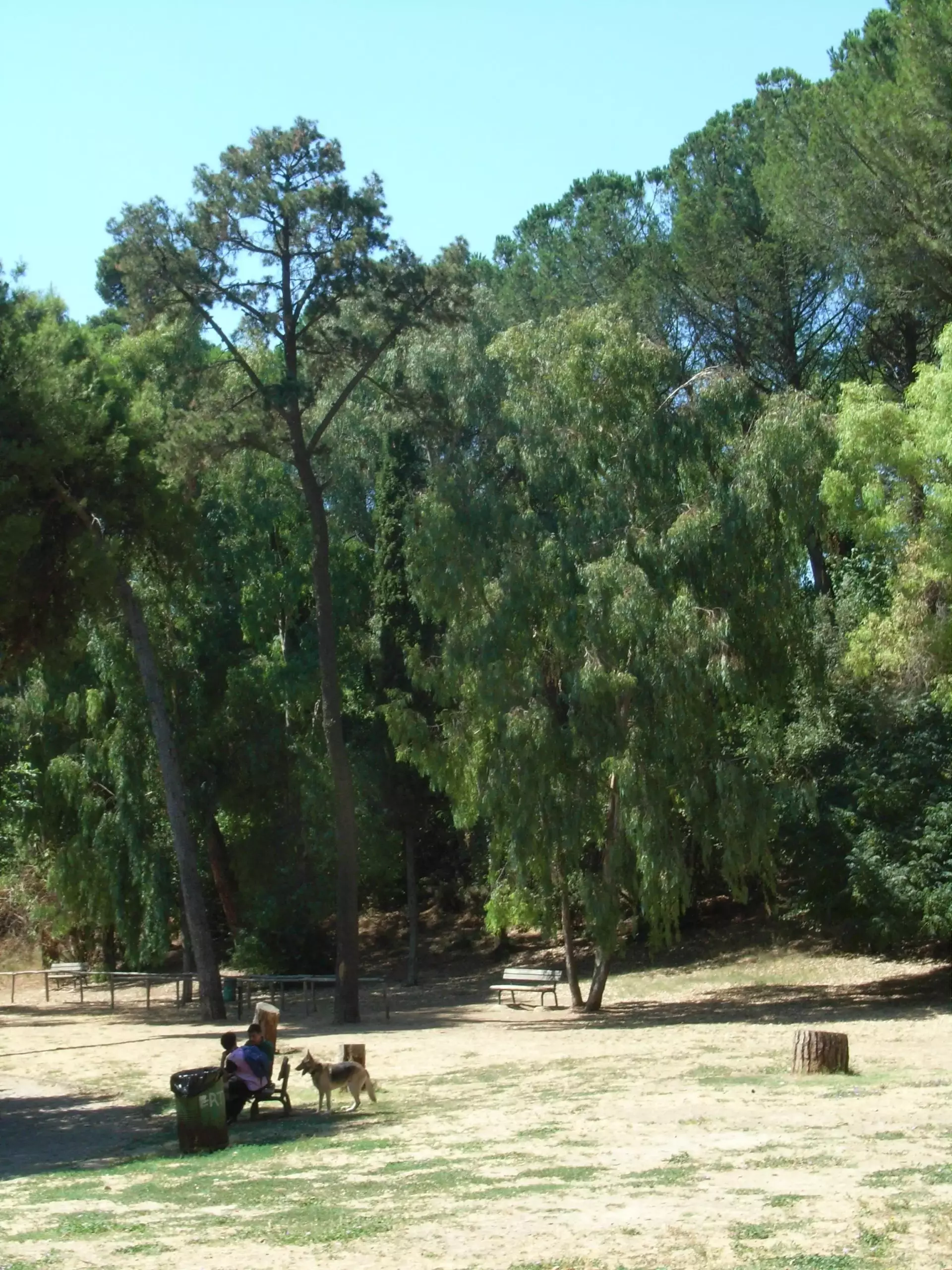
Monte Mario
Rome, Italy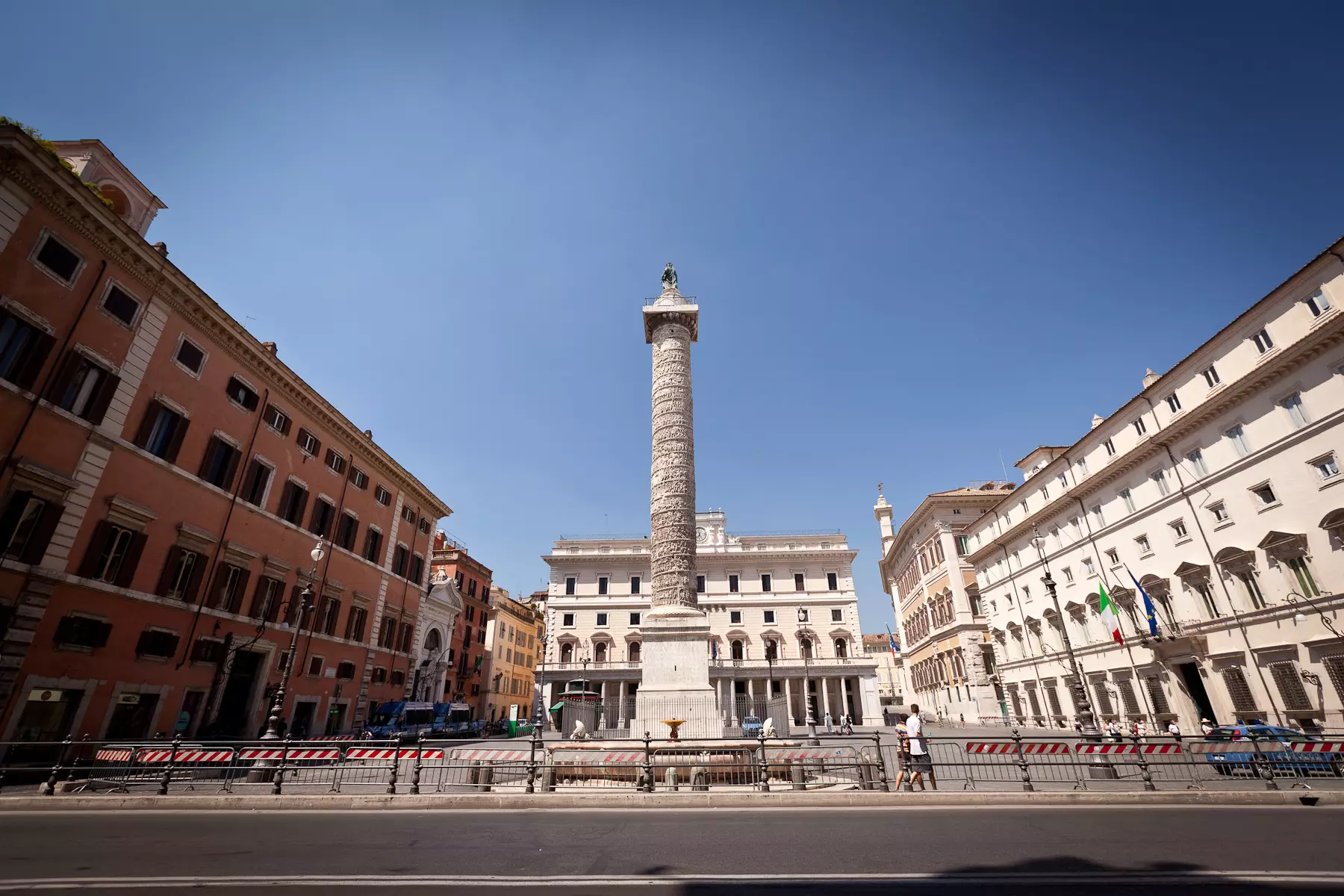
Piazza Colonna
Rome, Italy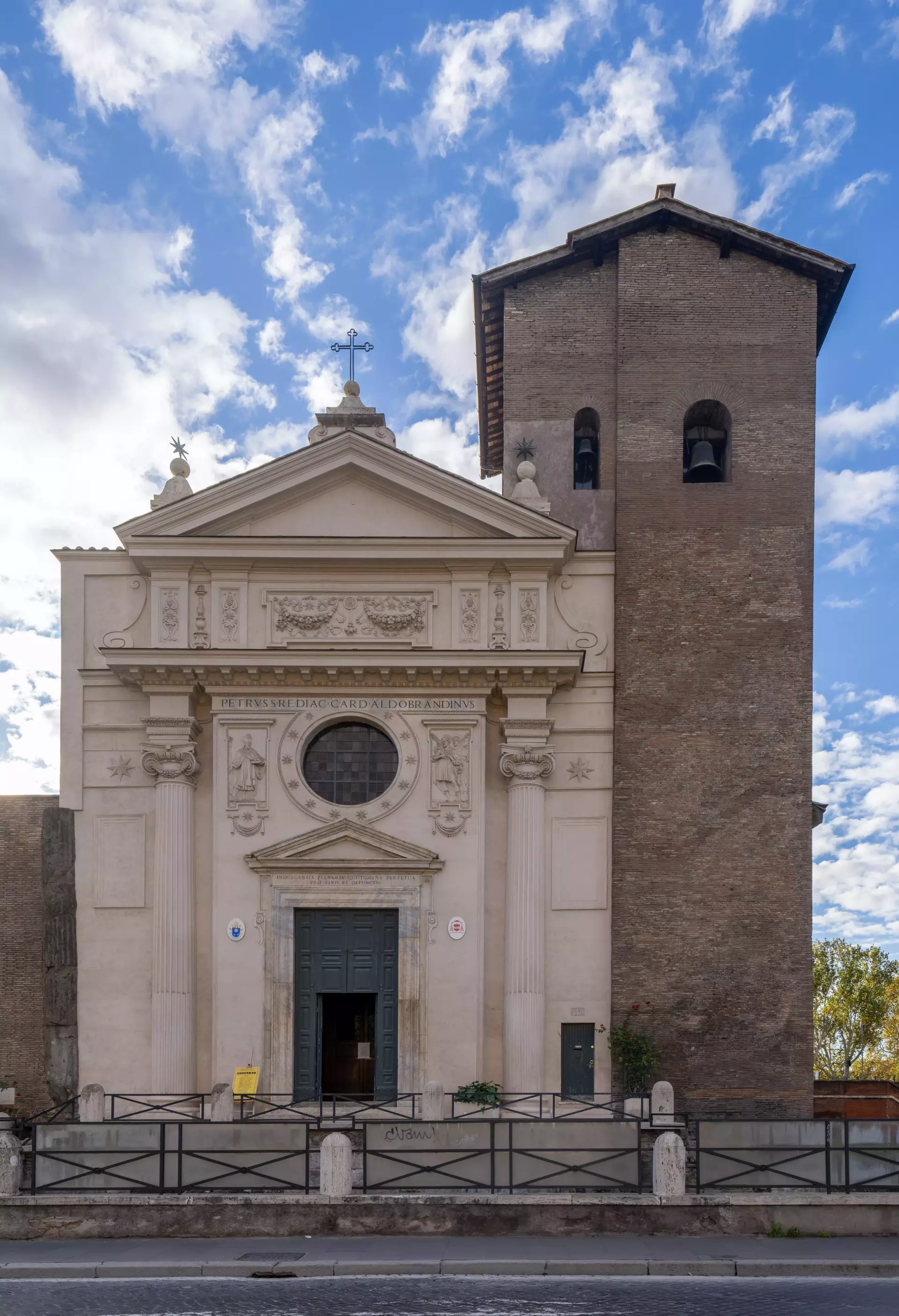
San Nicola in Carcere
Rome, ItalyChurch built on the site of three Roman pagan temples, which can be explored underground for a small fee paid at a desk near the church entrance.
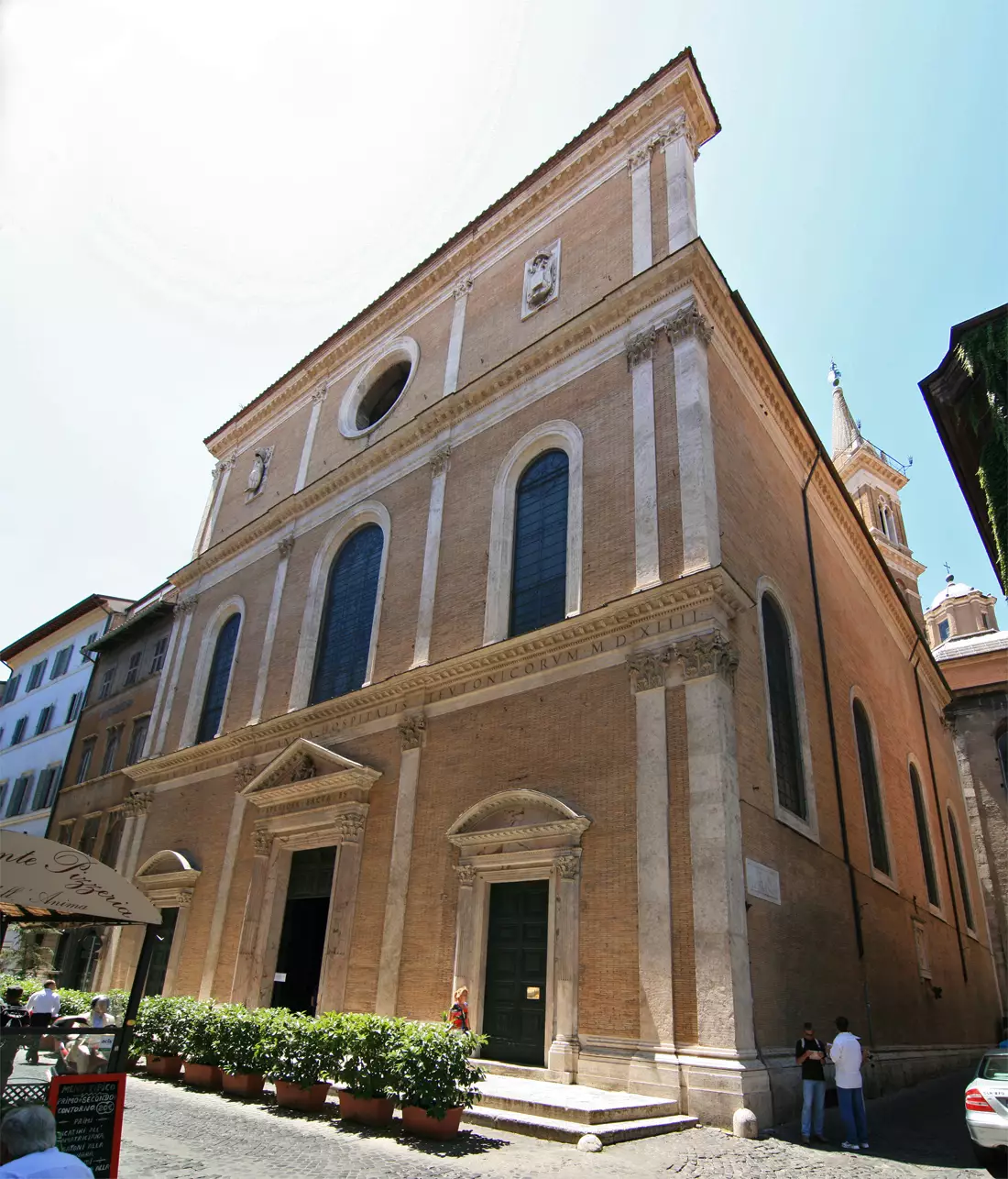
Santa Maria dell'Anima
Rome, ItalyContains the tomb of Pope Hadrian IV, the last non-Italian pope before Pope John Paul I.
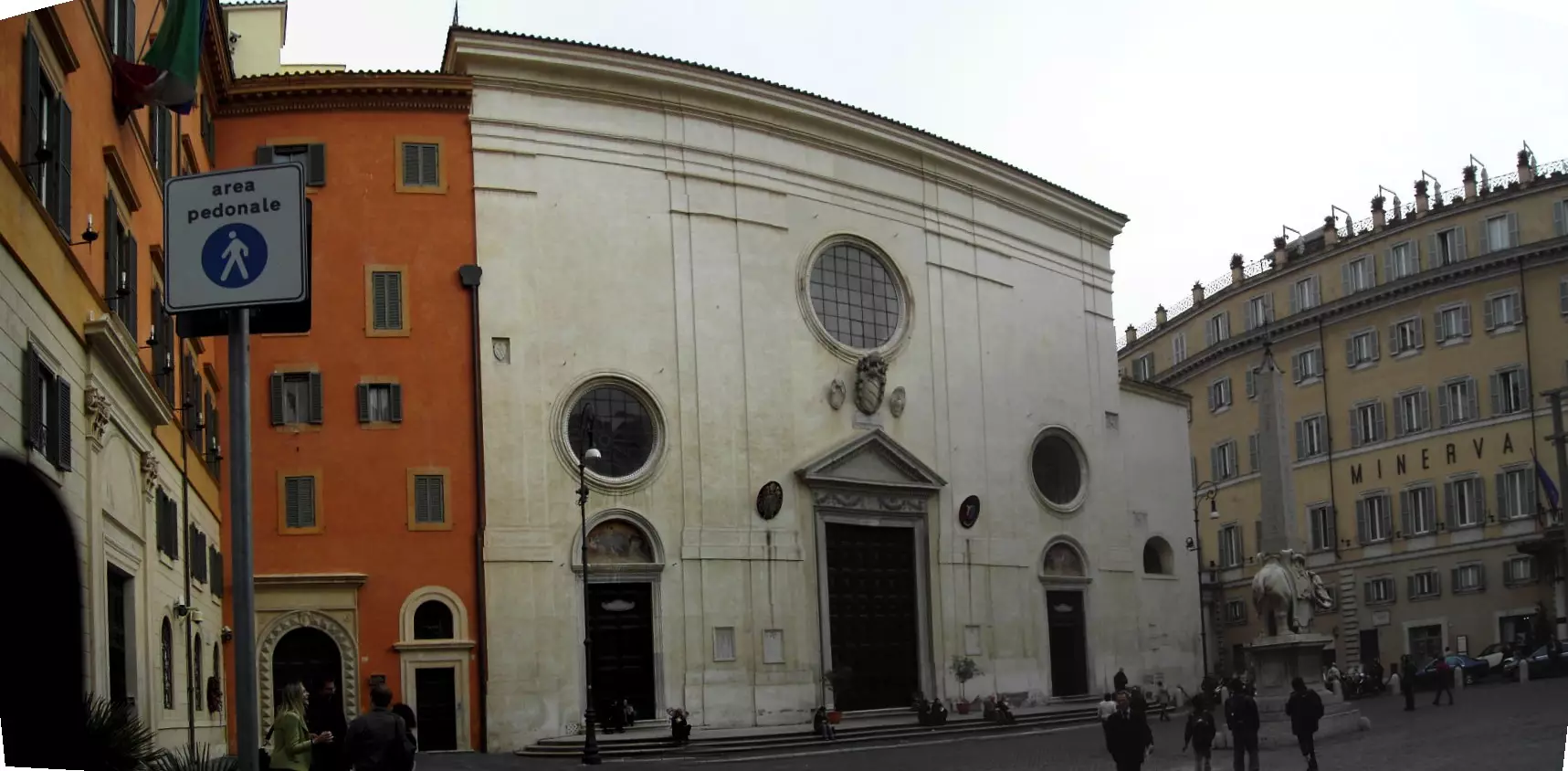
Piazza della Minerva
Rome, Italy