
Tourist attractions in Istanbul
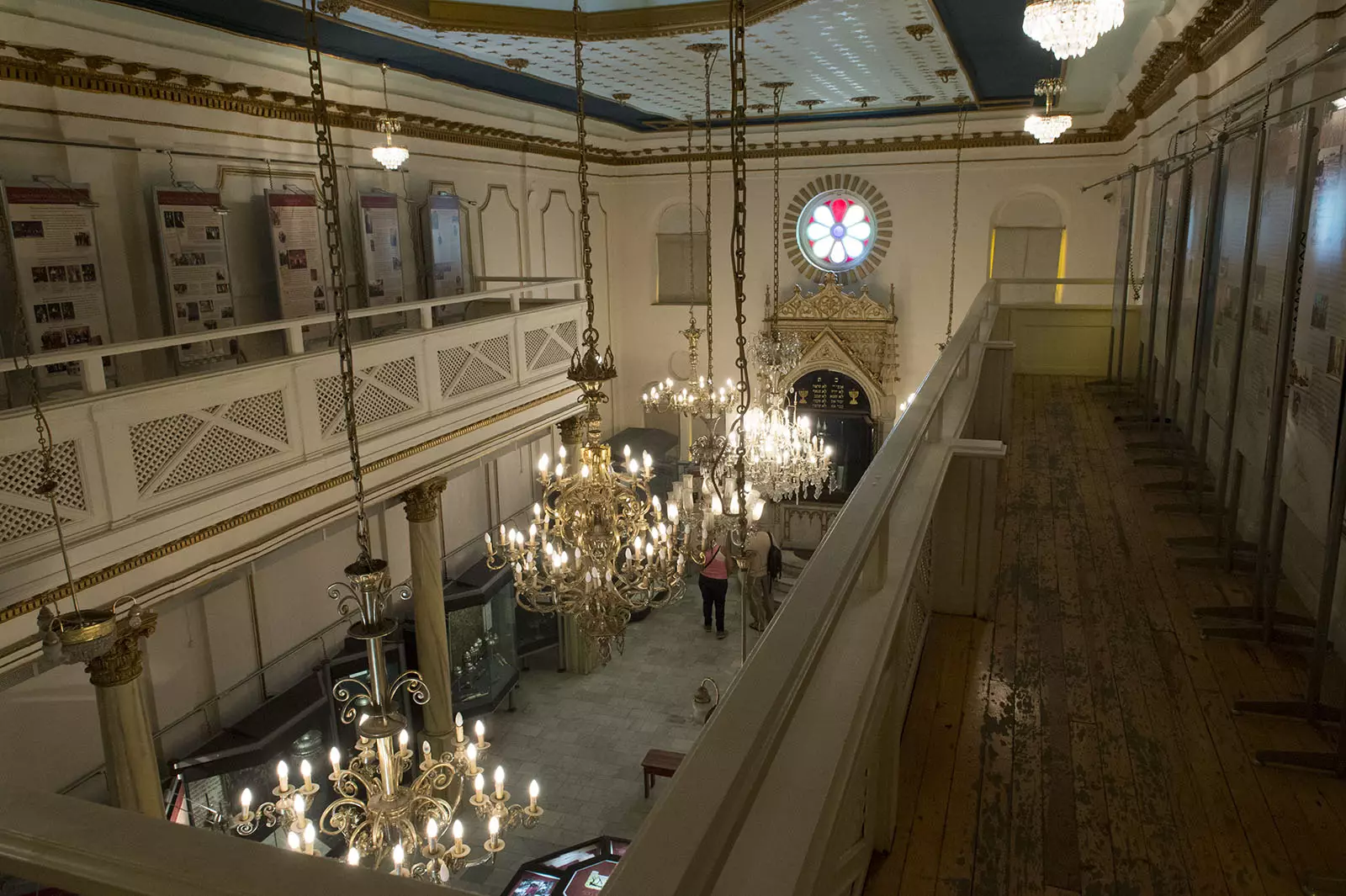
Jewish Museum of Turkey
Istanbul, TurkeyA former synagogue, the museum's exhibit details how the cultures mixed with and influenced each other in the past 500+ years since the Spanish expulsion.
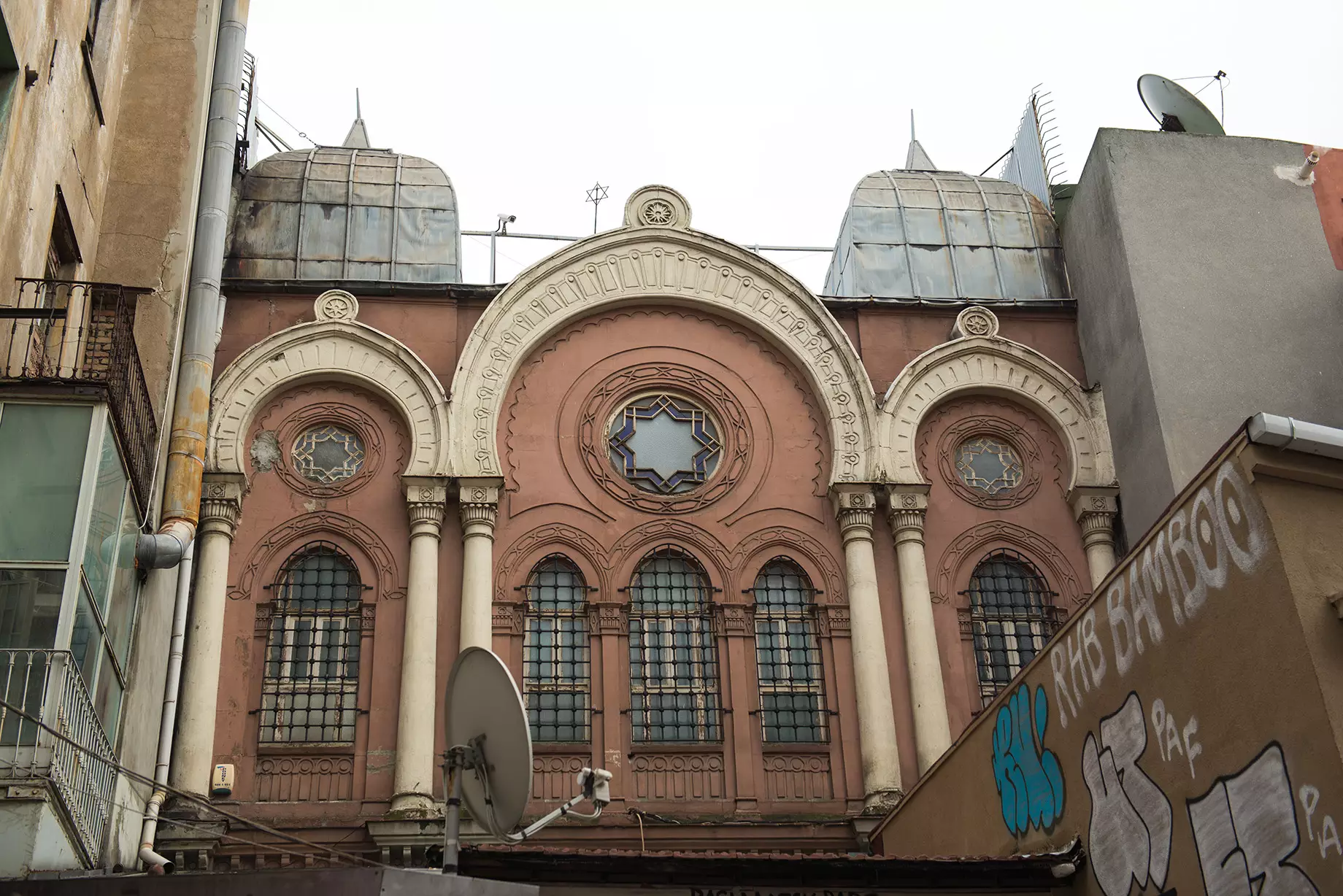
Ashkenazi Synagogue of Istanbul
Istanbul, TurkeyThe only active Ashkenazi Synagogue open to visits and prayers.
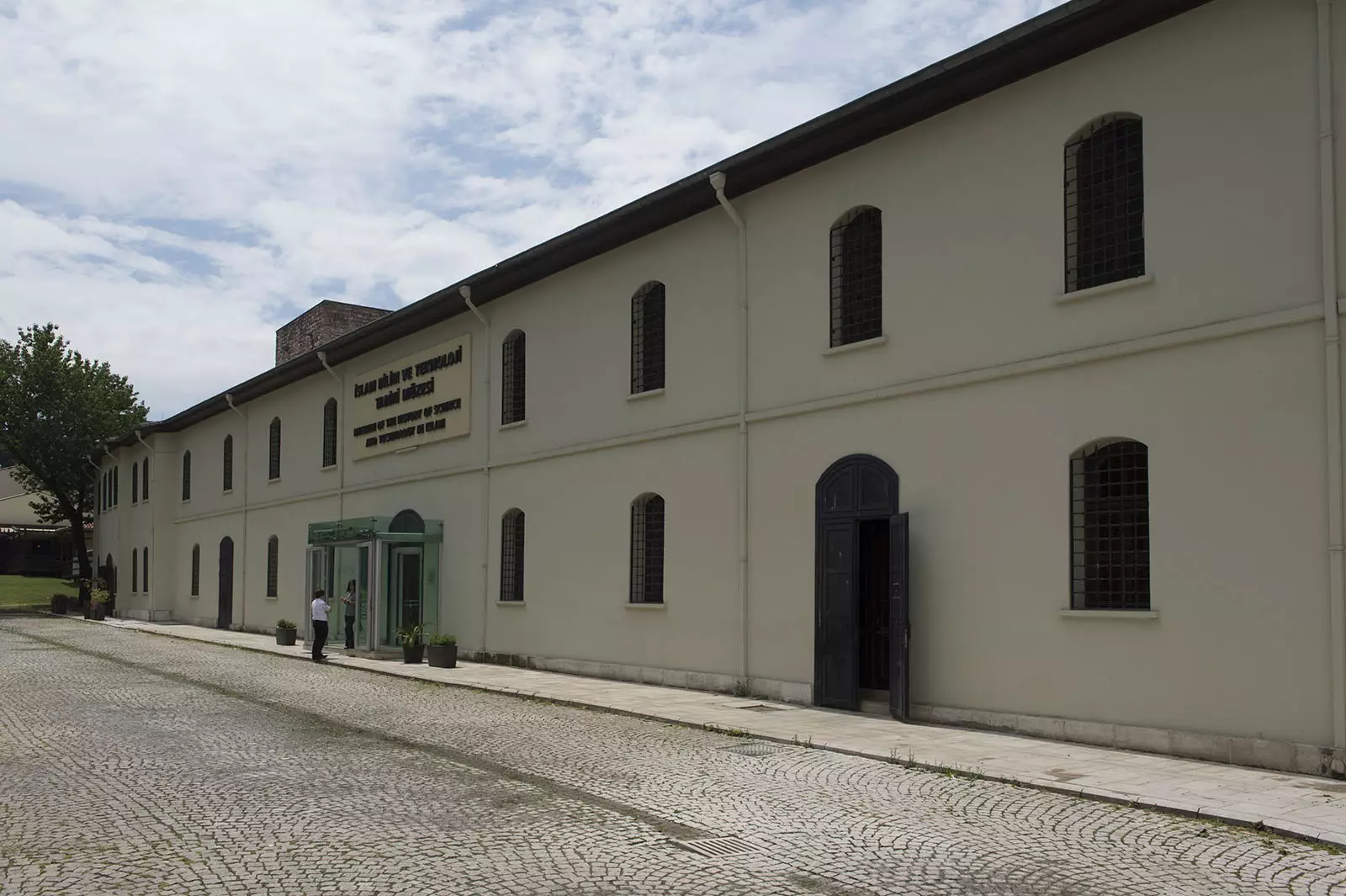
Istanbul Museum of the History of Science and Technology in Islam
Istanbul, TurkeyMuseum in a restored building that was the stables for Topkapı Palace. It exhibits various instruments for astronomy, clocks, pumps, weaponry and so on developed in Islamic realms down the centuries, but these are modern repro, and explanations of their context are skimpy. Islamic science and technology preceded that of Europe, as they insist, but they get the tone wrong, as if that was the triumphal culmination rather than the springboard for further advance.
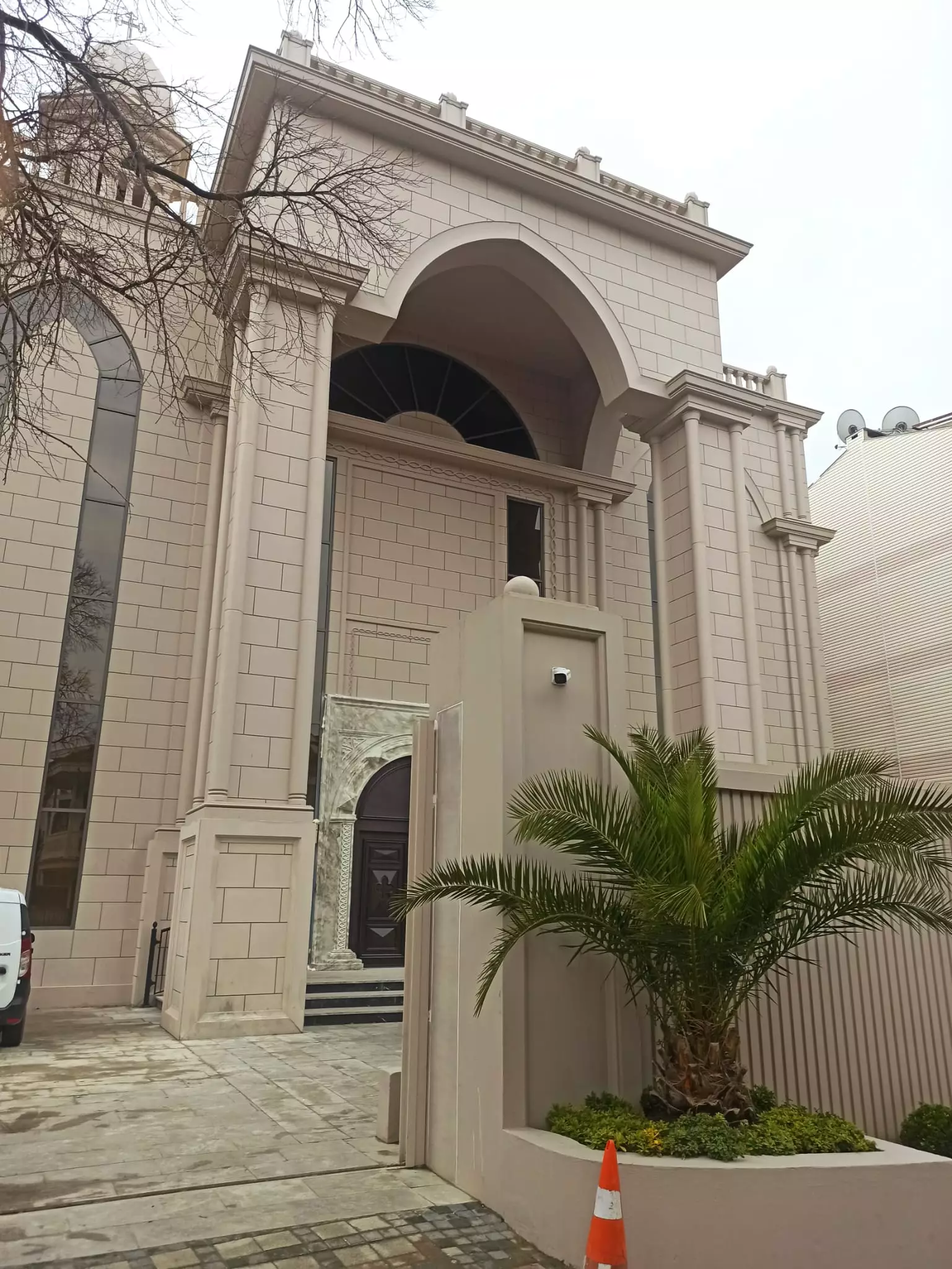
Mor Ephrem Syriac Orthodox Church
Istanbul, Turkey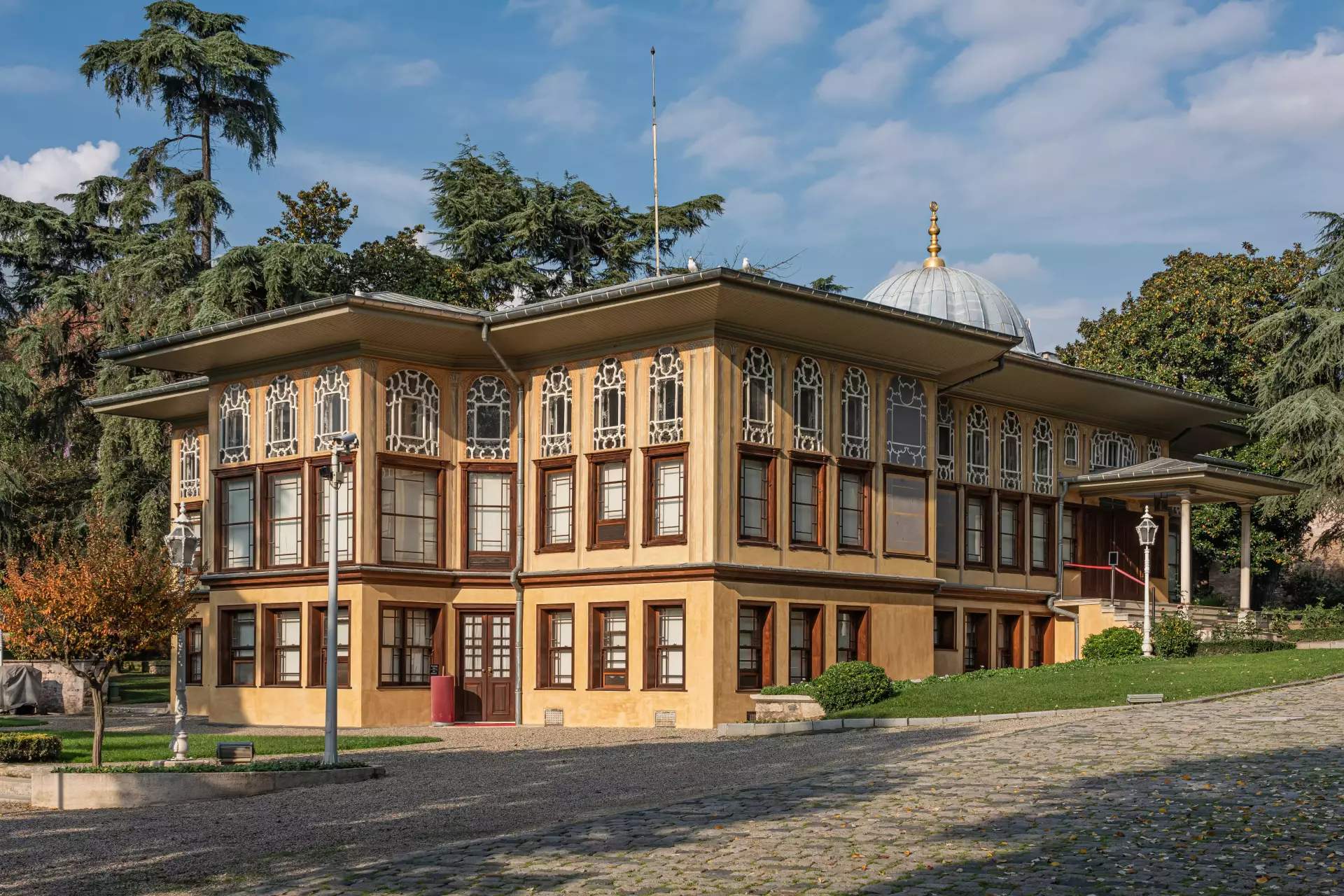
Aynalıkavak Palace
Istanbul, TurkeyStarted in 1613 by the Ottoman sultan Ahmet I (r. 1603–1617, who also had the Blue Mosque in the Old City built), and extensively renovated by the art-loving Selim III (r. 1789–1807), this sole building, which itself has the distinction of being the only intact structure that dates back to the rule of Ahmet III (r. 1703–1730), set inside a beautiful garden of pools and mature cedar and magnolia trees is the only remaining part of what was once the fourth largest palatial complex in Istanbul, extending all the way to the banks of the Golden Horn (which is now occupied by the derelict buildings of the closed shipyard, which also block part of the view towards the shore). According to the local rumour, its name (which in Turkish means "mirrored poplar") derives from the now absent mirrors gifted by Venice to the palace that were presumably "as tall as the poplars" (aynalar kavak). The highly decorative and colourful interior includes several rooms of original furnitures fit for a sultan, some of which are covered with nacre, and walls embellished with Ottoman poems praising the palace and Selim III. Downstairs is a small museum dedicated to music, which exhibit some of the instruments (violins, ouds, and kamanchehs) and gramophone records owned by Fatma Gevheri Sultana (1904–1980), the granddaughter of Abdülaziz I (r. 1861–1876). While you are outside, also check out the old main entrance (now closed) towards the Golden Horn, topped by a dome. Worth the half hour spent there.
Çilingoz Nature Park
Istanbul, Turkey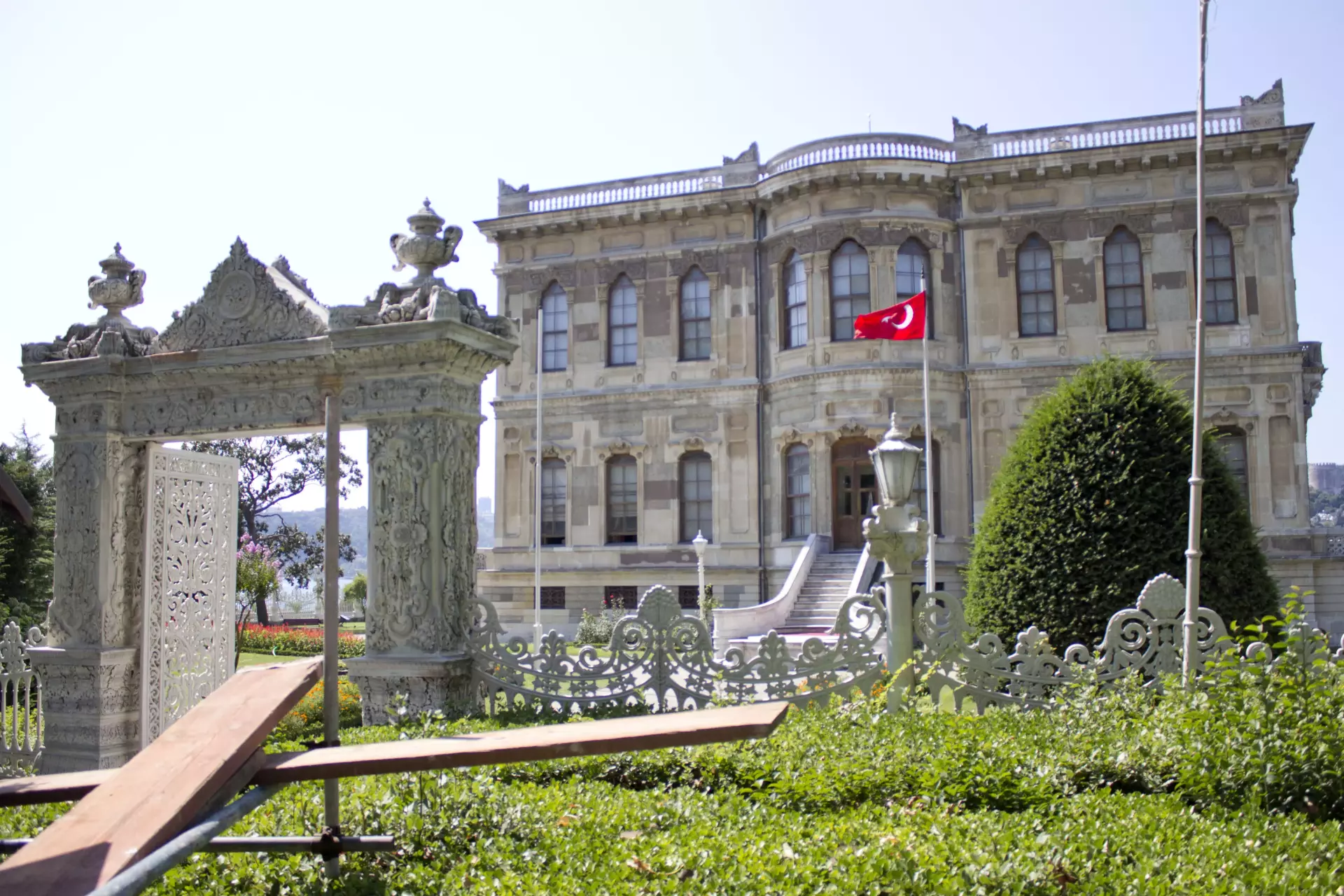
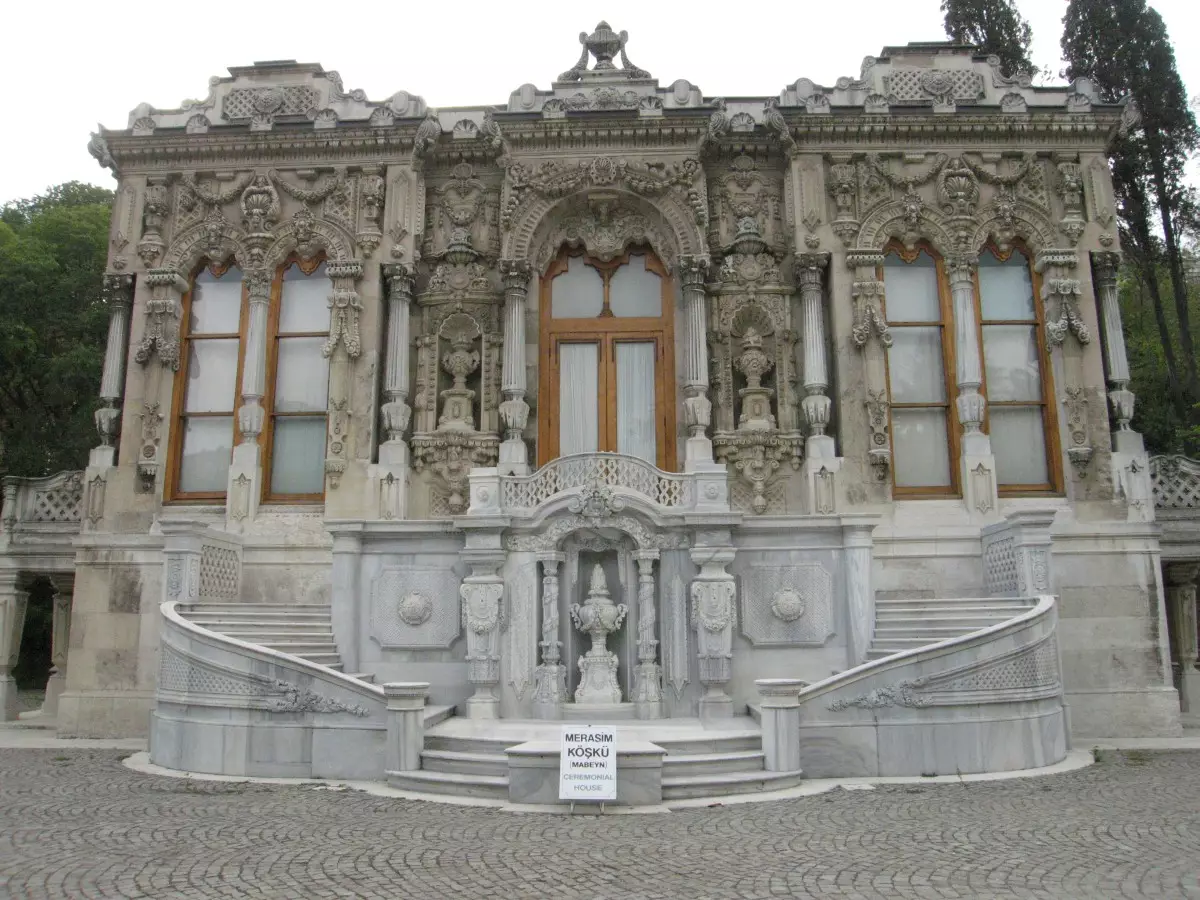
Küçüksu Palace
Istanbul, TurkeyIf you are already in the area, it's worth considering to visit this waterside neo-Baroque manor, built in the 19th century for the countryside and hunting excursions of the Ottoman dynasty. The area, where the Göksu River flows into the Bosphorus, was known as "the Sweet Waters of Asia" by the pioneer European travellers of the epoch (as opposed to "the Sweet Waters of Europe", another contemporary elite recreational area on the other side of the city, where the Kağıthane and Alibeyköy Rivers empty into the Golden Horn).
Atatürk Arboretum
Istanbul, Turkey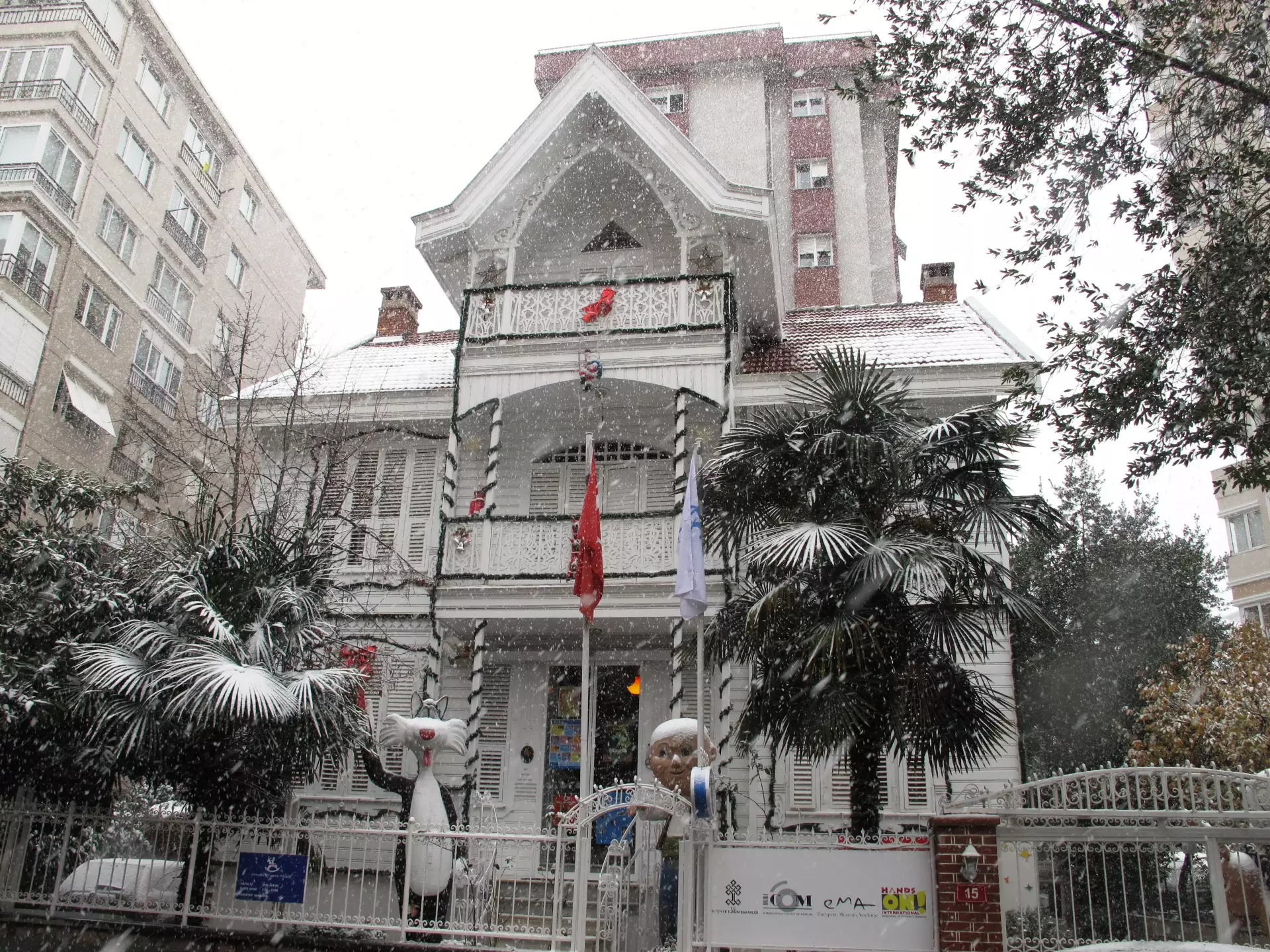
İstanbul Toy Museum
Istanbul, Turkey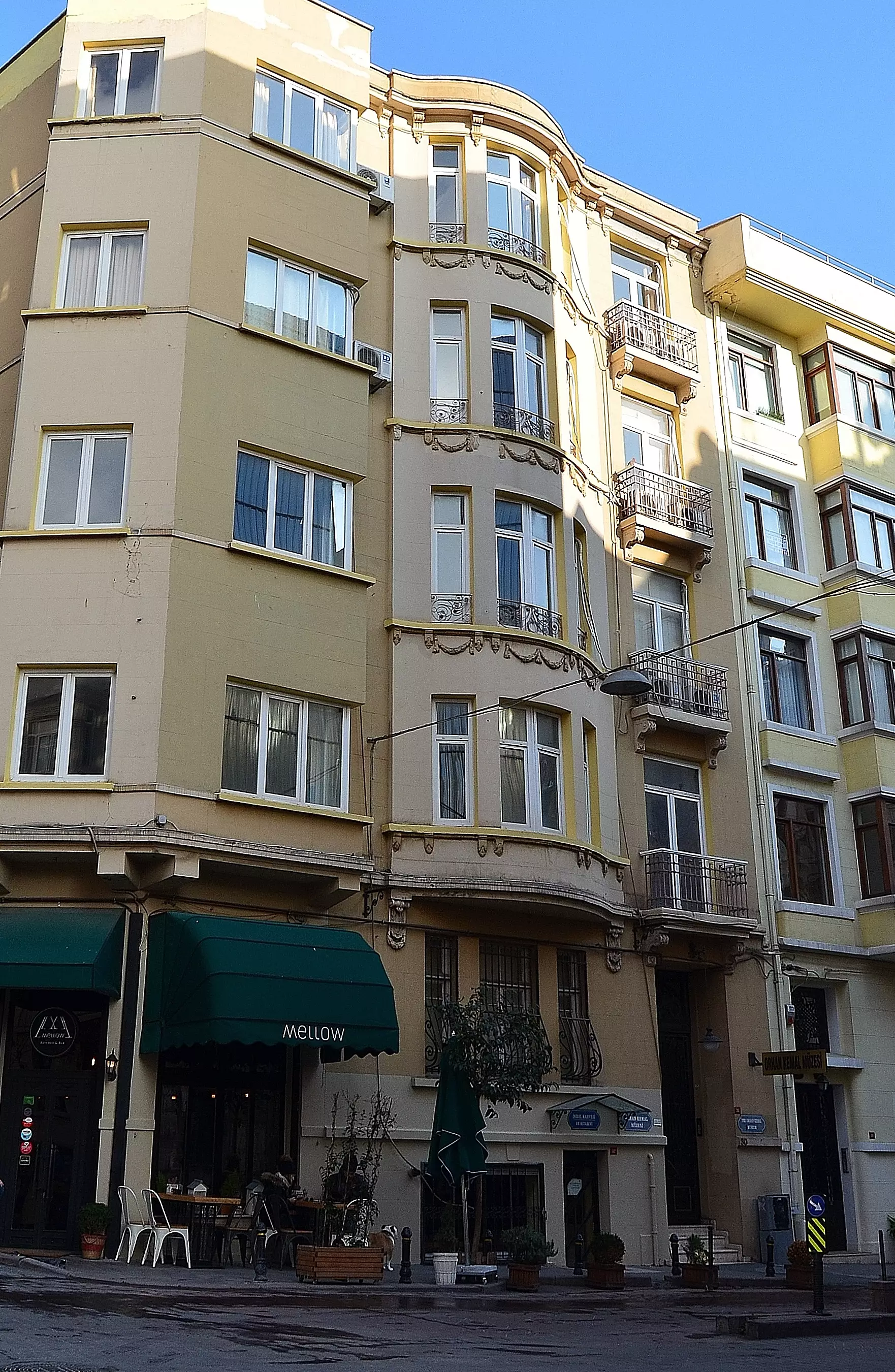
Orhan Kemal Literature Museum
Istanbul, TurkeyTiny house museum on the life of Turkish novelist Orhan Kemal (1914–1970).
Ihlamur Palace
Istanbul, Turkey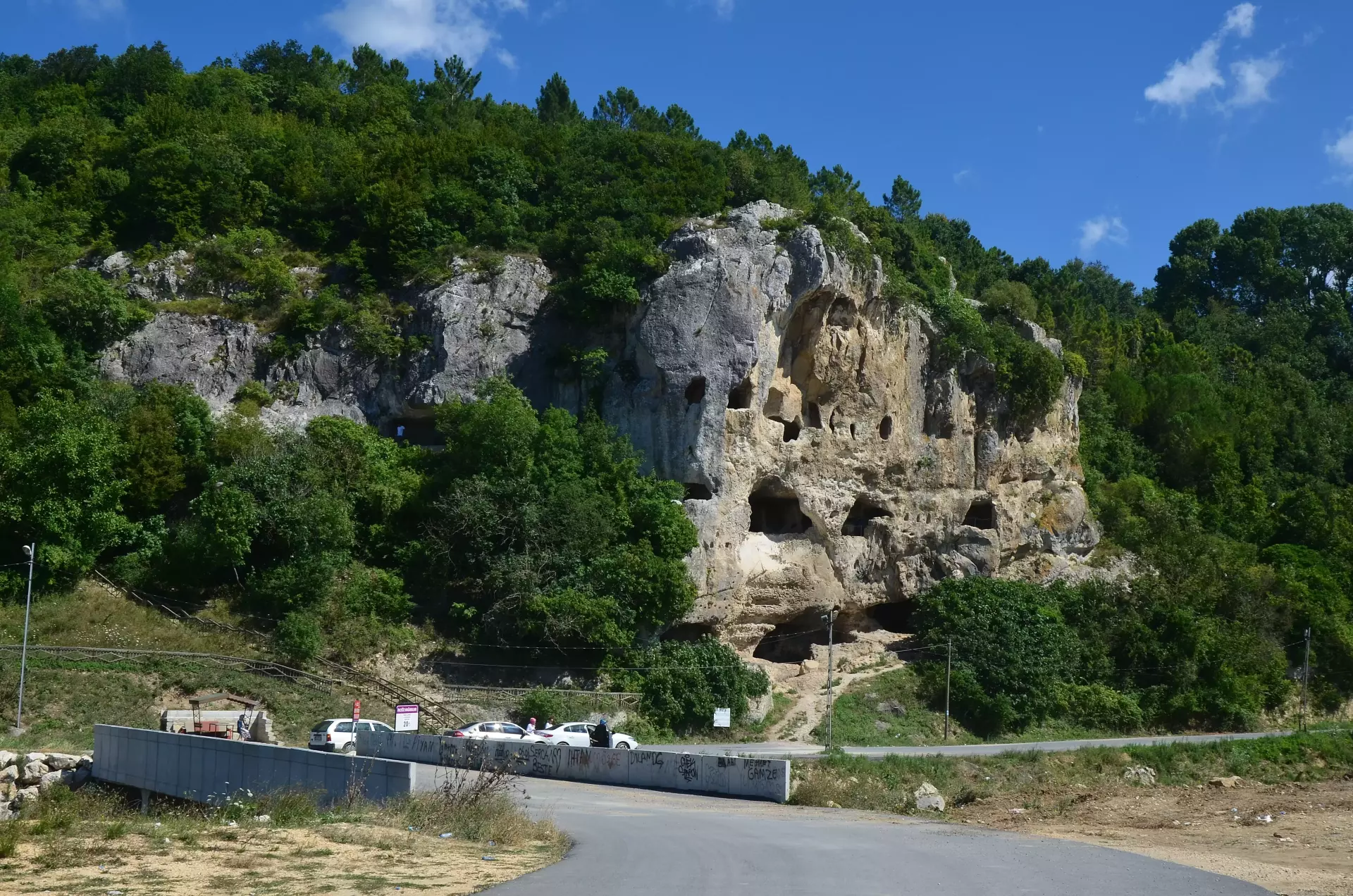
Cave monastery of İnceğiz
Istanbul, Turkey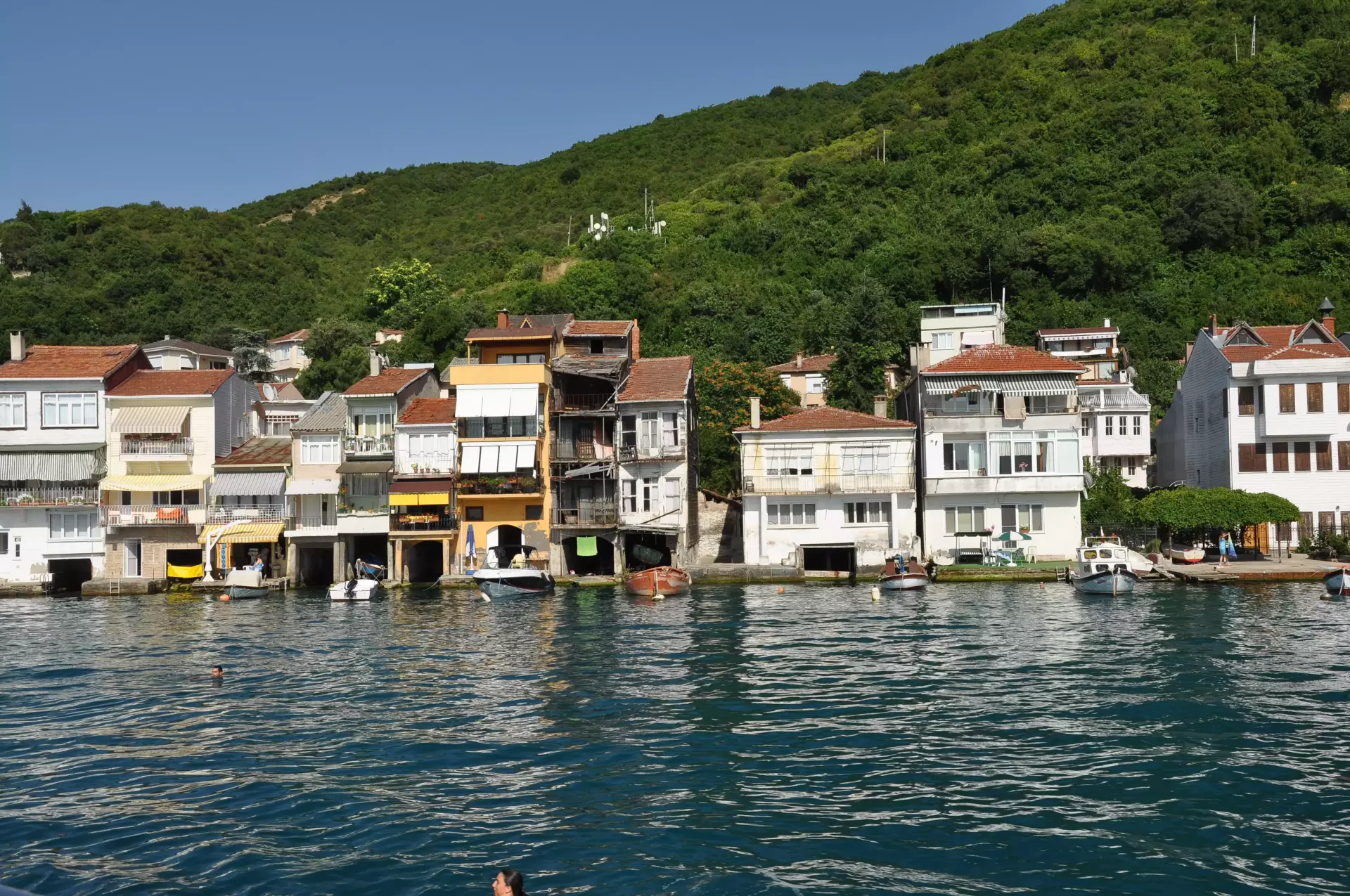
Anadolu Kavağı
Istanbul, TurkeyA village with an impressive citadel overlooking the Bosphorus and its mouth into the Black Sea. By land it's accessible only by a hairpinning road through the forest, with few buses. It's best reached by ferry from Eminönü (twice daily) or Sariyer (frequent). In the village, a road is signposted up to the hilltop Yoros citadel (a little more than 1 km, 20 min on foot, free admission). There's a pleasant area with cafés by the ferry pier; the place gets crowded at weekends during summer. Nasty big dogs stalk the citadel area at night. See Istanbul#The_classic_Bosphorus_cruise.
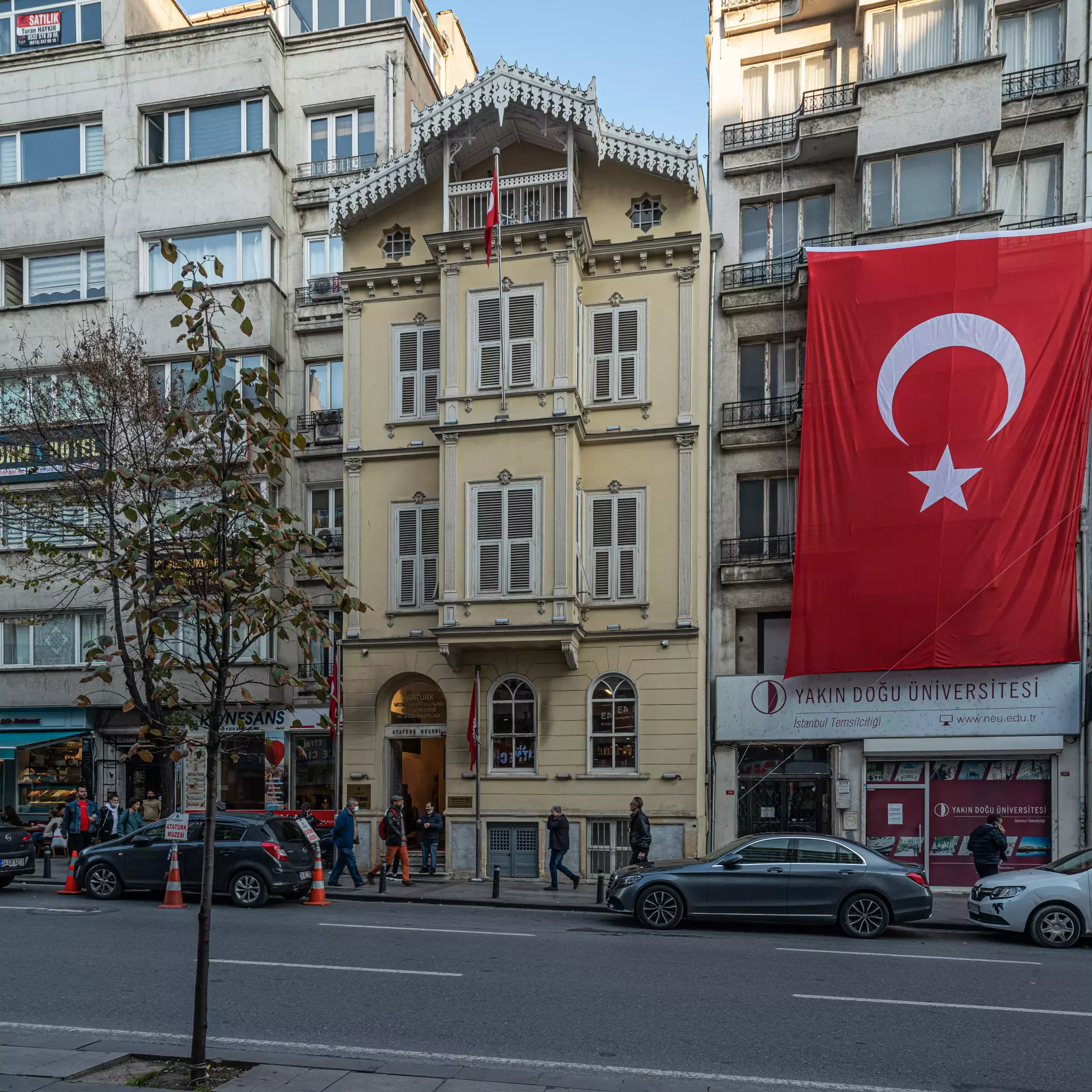
Atatürk Museum
Istanbul, Turkey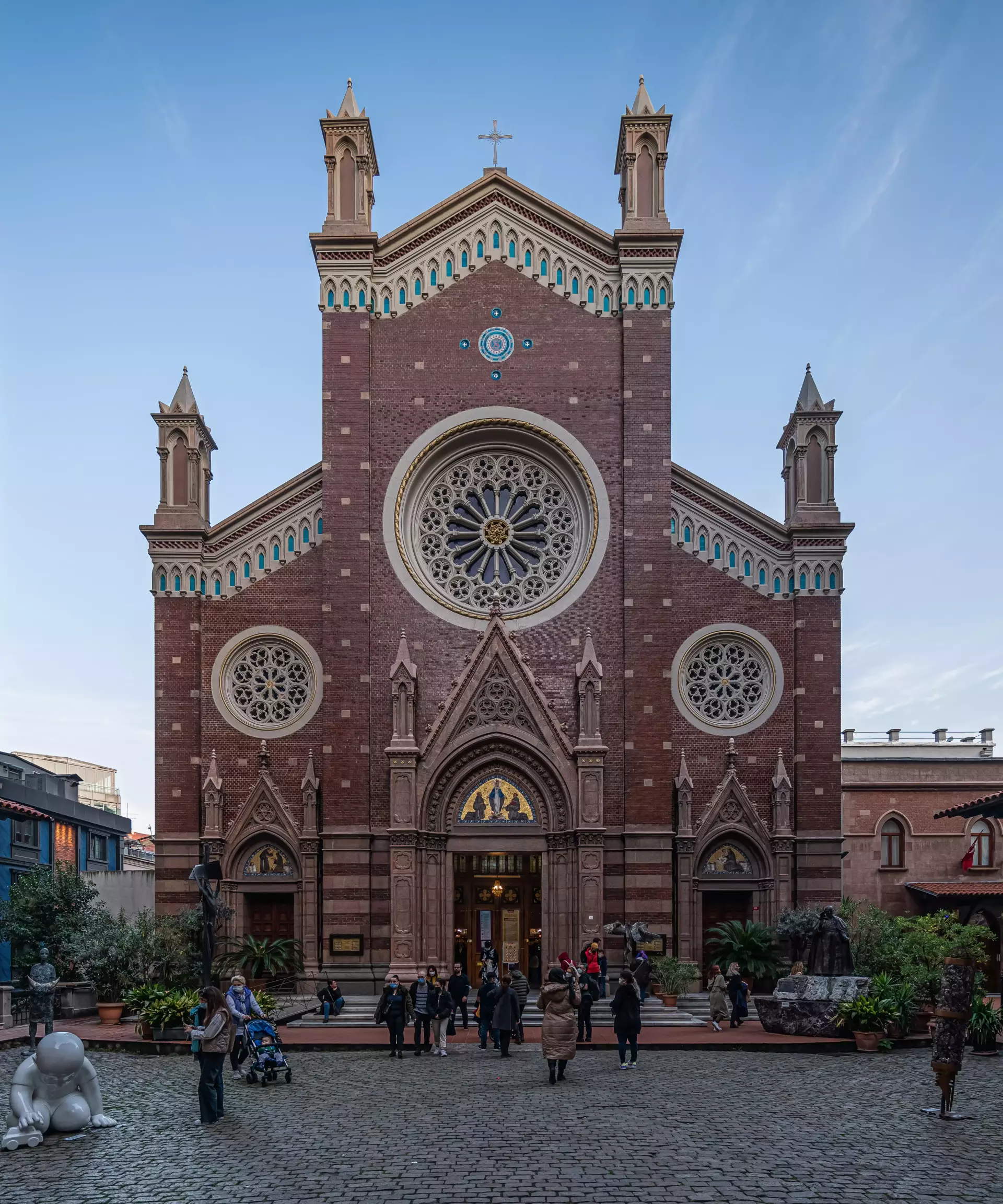
Church of St. Anthony of Padua
Istanbul, TurkeyAlthough not at the size of Hagia Sophia, this is the largest active church in Turkey. It’s directly on Istiklal St, but somewhat hidden from view by its yard portal. Catholic Masses in Italian, Turkish, and English (in different days of the week).
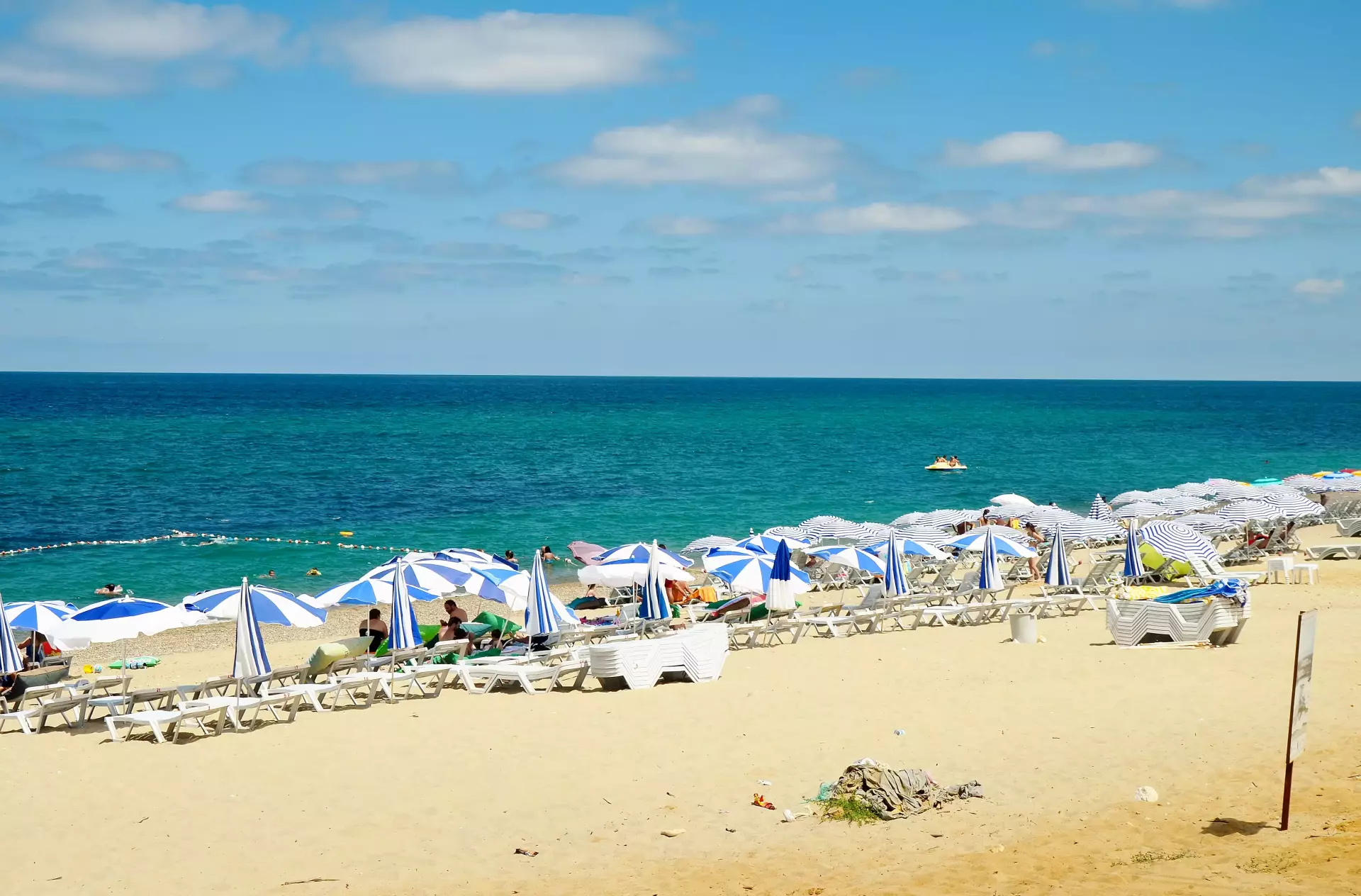
Yalıköy
Istanbul, Turkey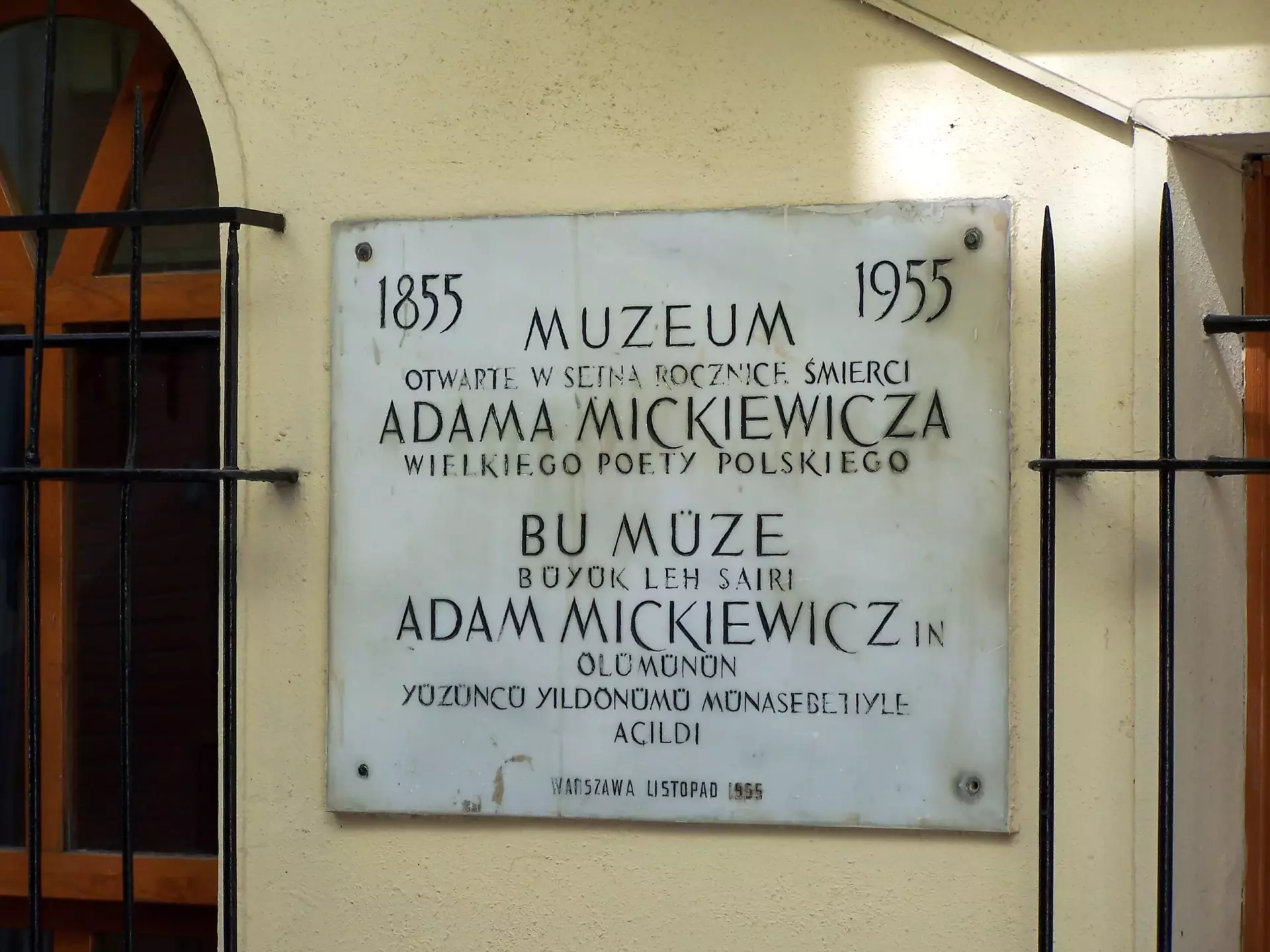
Adam Mickiewicz Museum
Istanbul, TurkeyA historic house museum dedicated to the life of Adam Mickiewicz, renowned Polish poet. This is where he lived while in Turkey from September 1855 to 26 November 1855, when he died of illness.
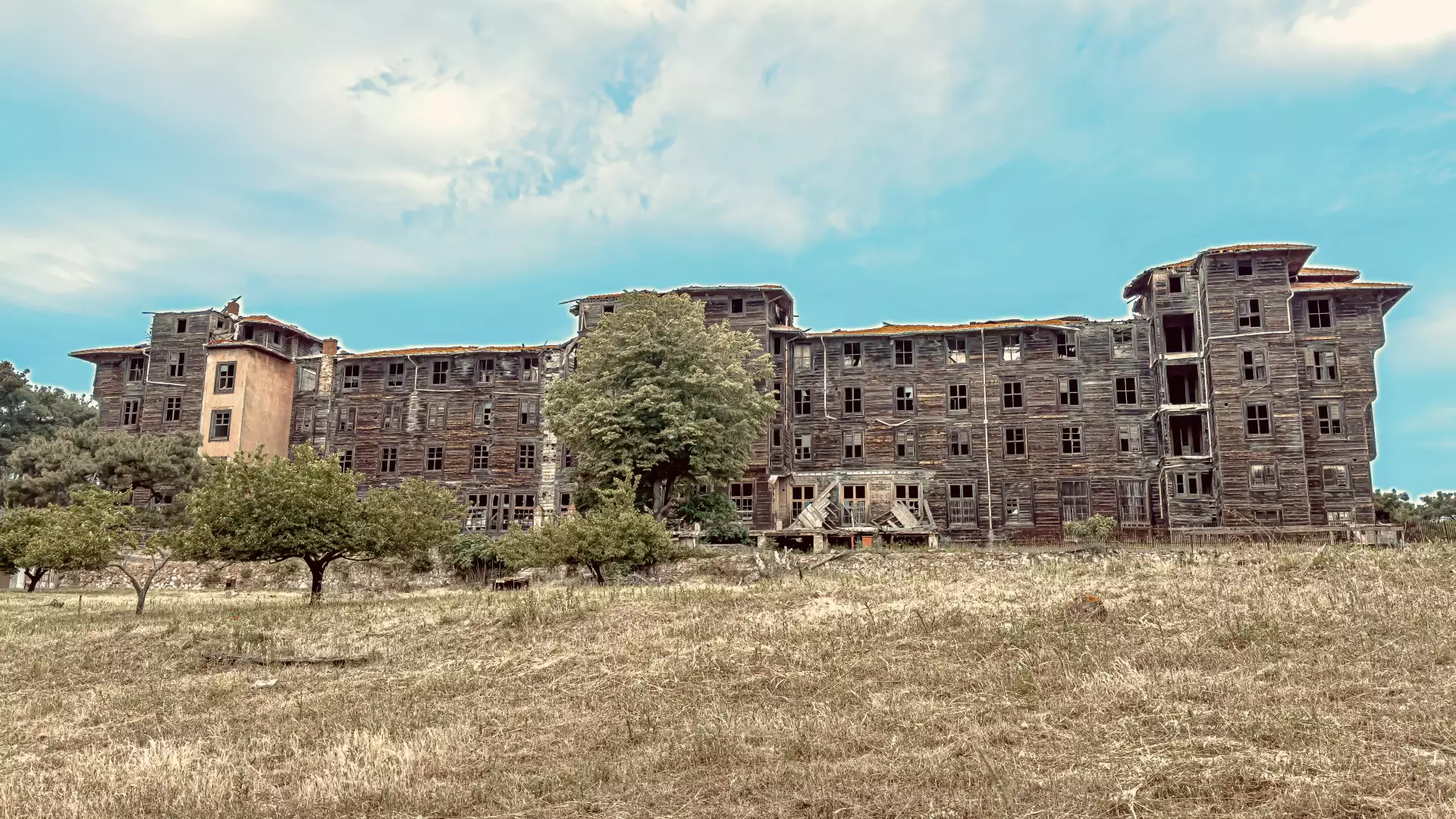
Büyükada Greek Orthodox Orphanage
Istanbul, Turkey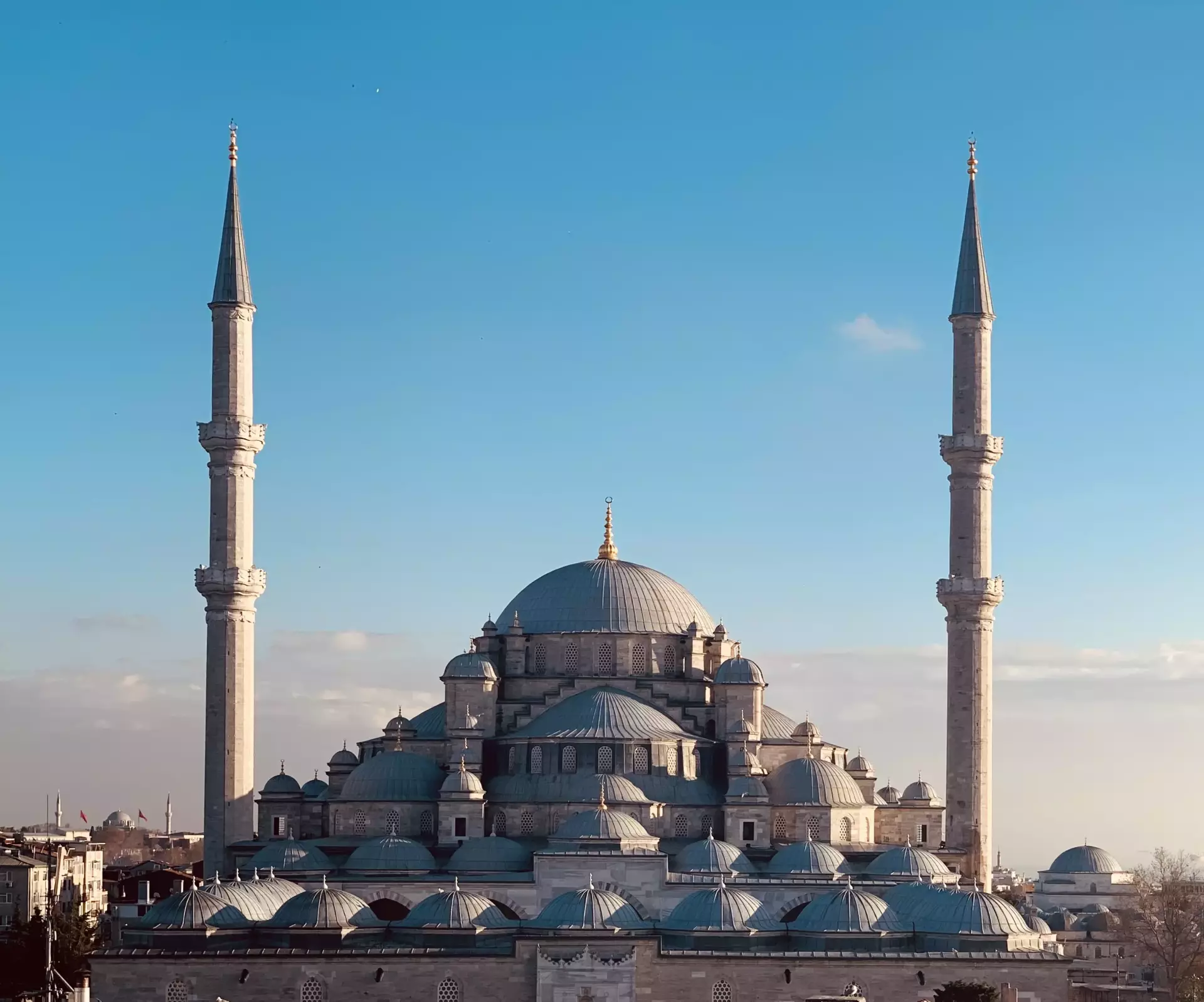
Fatih Istanbul Mosque
Istanbul, TurkeyThe original mosque was built between 1463-1470 by the Greek architect Atik Sinan, by order of Sultan Mehmet II the Conqueror, on the site of the former Church of the Holy Apostles, which had served as Byzantine Imperial burial place for a thousand years. The grand complex with eight medreses, a library, hospital, hospice, caravanserai, market, hamam, primary school and public soup kitchen was smashed again and again by earthquakes, and the present building is from 1771 to a different design. The interior is lavish, and outside is the ornate tomb of Mehmet II and his wife Gülbahar Hatun.
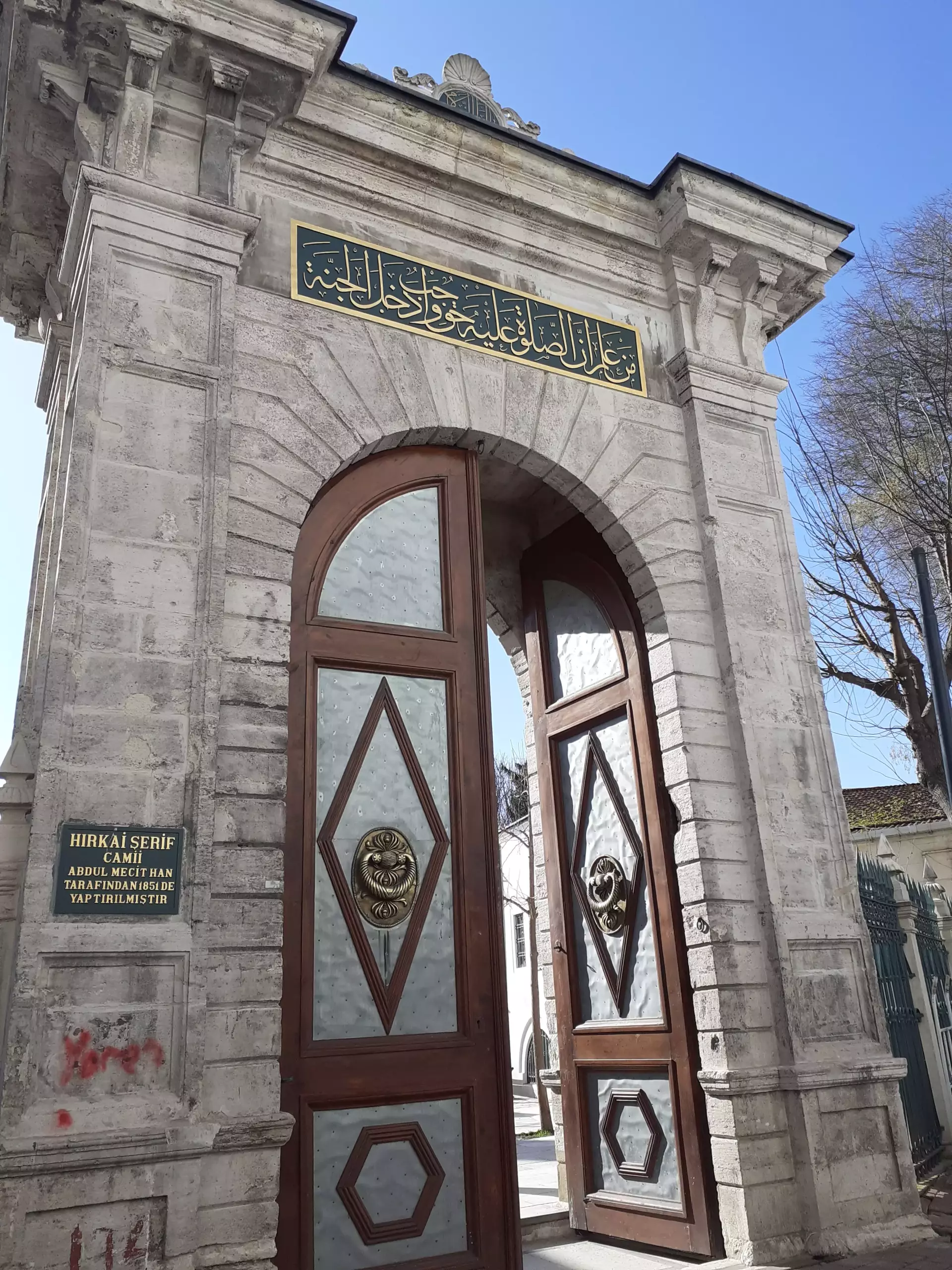
Hirka-i Serif Mosque
Istanbul, TurkeyCompleted in 1851, this houses a mantle said to have been worn by the prophet Muhammad. The mantle is displayed during Ramadan.
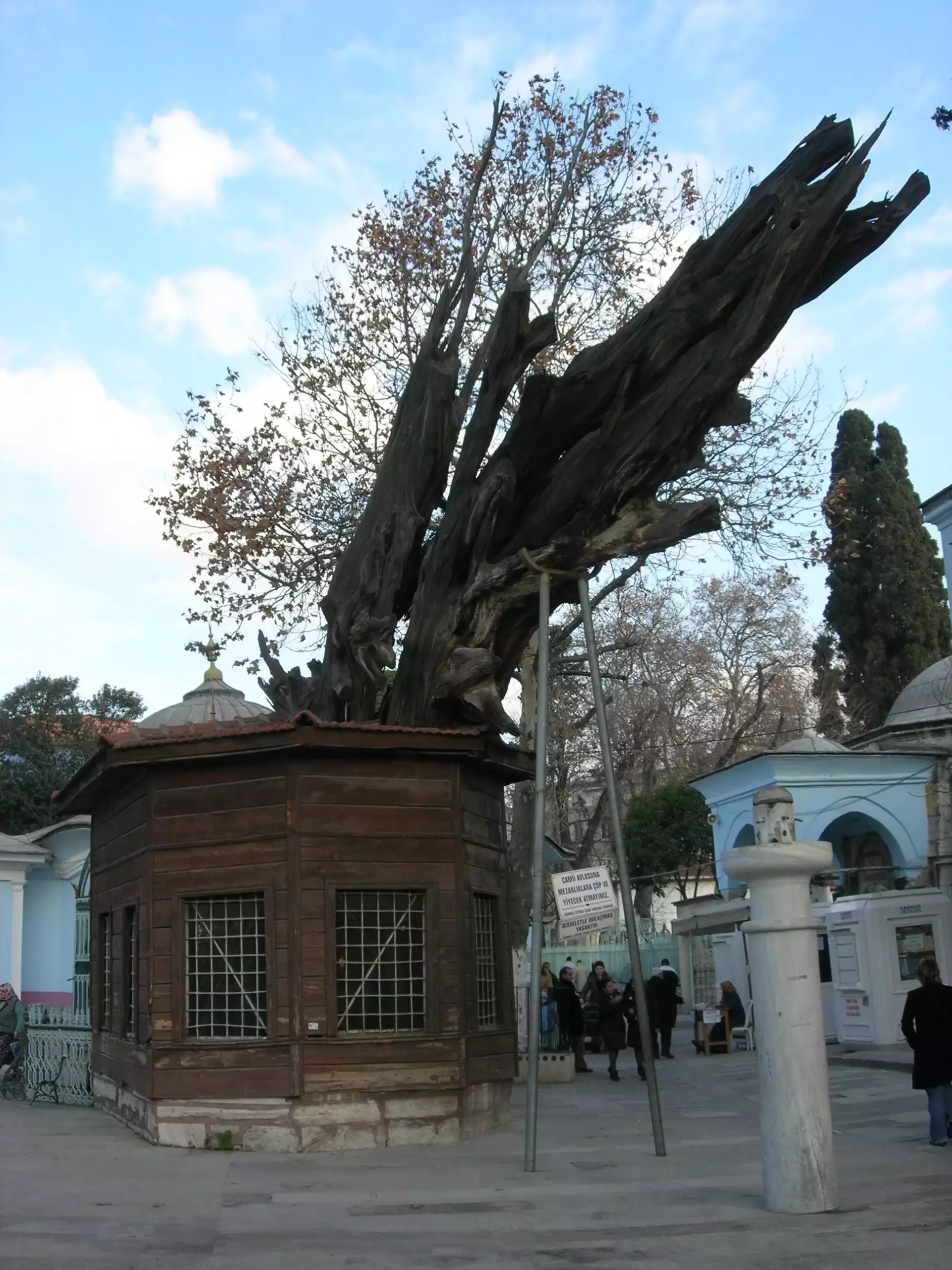
Koça Mustafa Pasha Mosque
Istanbul, TurkeyBuilt in the early 5th century as a monastery dedicated to Saint Andrew the Apostle, in 766 it was the burial place of Saint Andrew of Crete and was later re-dedicated to him. It was rebuilt in the late 9th century and again in the 13th, then around 1490 converted into a mosque. From the 16th century it was occupied by the Dervishes, when the legend arose that a chain hung to a cypress tree in the courtyard was a truth diviner. The chain was swung between rival witnesses and the one it hit was telling the truth. The cypress stump is still standing.
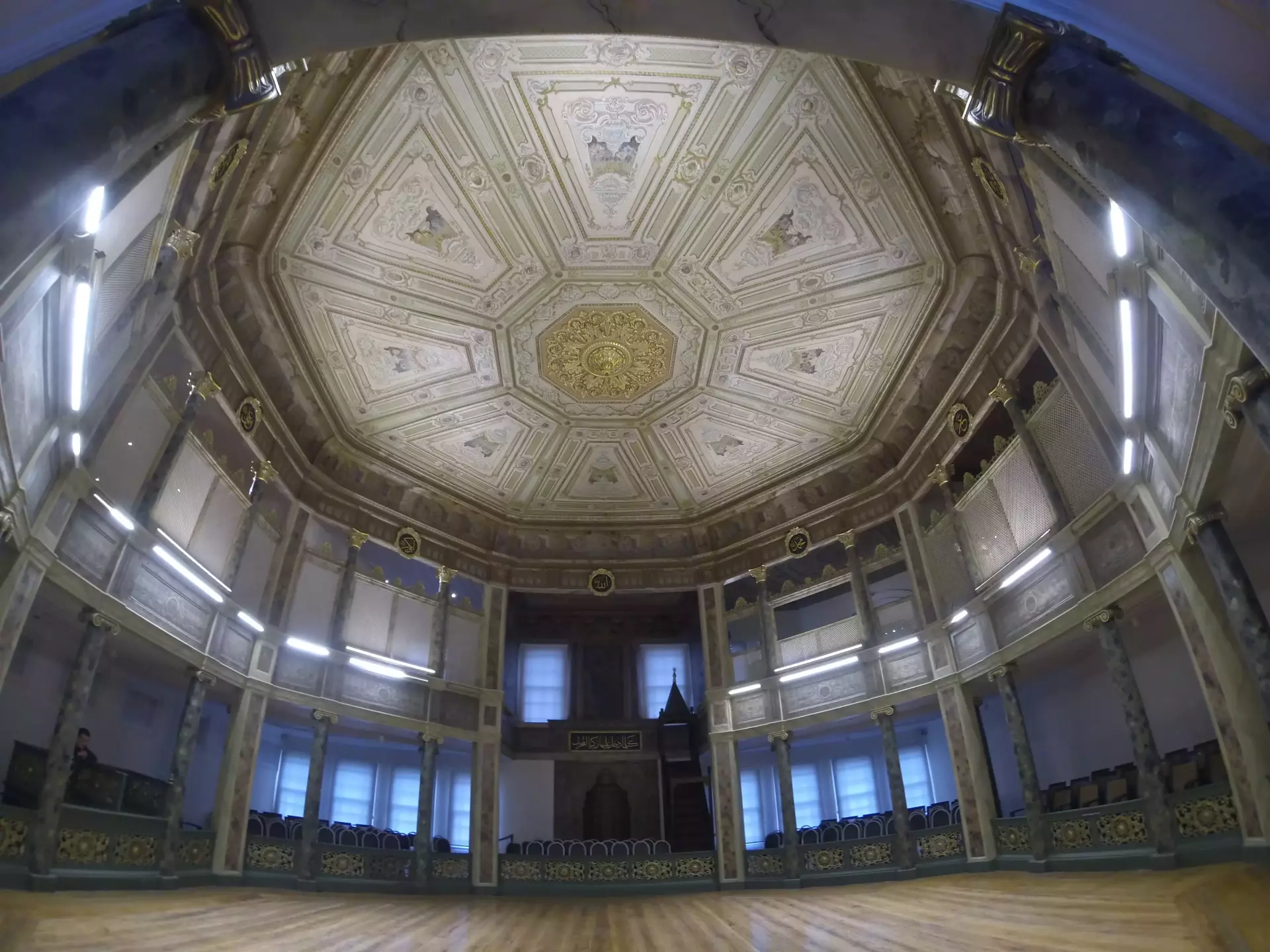
Galata Mevlevihanesi
Istanbul, TurkeyA ritual dancing hall of the mystical Mevlevi order, the followers of the teachings of Mewlānā Rumi. The quiet and peaceful garden is a welcome escape from the hustle and bustle of Beyoğlu. The oldest Mevlevi lodge in Istanbul, the convent was started in 1491, when the surrounding area was, hard to believe today but, pure wilderness beyond the city walls of Galata, although the current building dates back to 1855, as the older versions succumbed to repairs, rebuildings, and fires. However, the lodge was shut down in the early years of the republic (in 1925) along with all other 'reactionary' movements in Turkey, and the building has been serving as a museum dedicated to the Mevlevi order since 2010. Downstairs is a series of rooms dealing with the daily life of an average dervish, with informational signs in Turkish and English about the history of Islam and the Mevlevi order (also notice the original wooden pillars that support the building on this floor). On the upper floor is a dancing hall, a perfect example of 19th century Ottoman Baroque. Pre-Covid, this was where the sema whirling ceremonies were held every weekend evenings (admission by an extra ticket costing around 100 TL); check if they resumed. On the third floor is a display of various traditional Turkish/Islamic arts, including paper marbling (ebru), and calligraphy. After exiting the building, check out the small graveyard (or the "silent house" as the sign at its entrance says) on one side of the building, shaded by a number of hackberry trees, which Ottomans favoured to plant in the yards of mosques and graves to sign holiness. Here, the carved fez, or the basket of flowers in case of women, perched upon the highly detailed marble gravestone indicates the occupant's rank in the dervish hierarchy. At one corner of the necropolis is the grave of İbrahim Müteferrika, a converted Hungarian who was the first to start automated publishing in Ottoman Turkish in the 18th century, and served as the translator of Hungarian revolutionaries who sought asylum in Turkey, such as Kossuth, who stayed for a year in Kütahya, or Ferenc Rakoczi, who lived his last years in Tekirdağ.
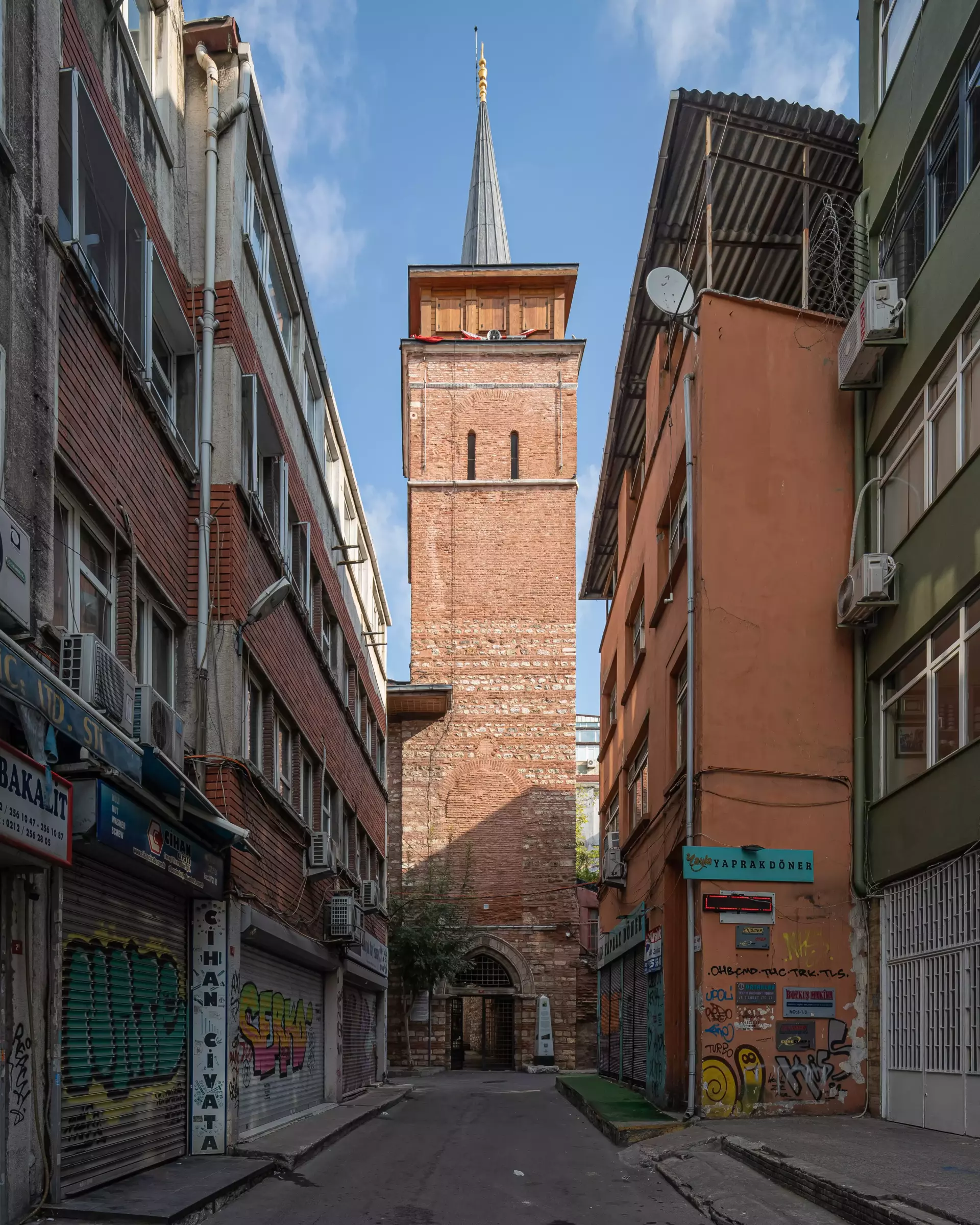
Arab Istanbul Mosque
Istanbul, TurkeyThe building was erected as a Roman Catholic church in 1325 by the friars of the Dominican Order, near or above an earlier chapel dedicated to Saint Paul (Italian: San Paolo) in 1233. In 1299, the Dominican Friar Guillaume Bernard de Sévérac bought a house near the church, where he established a monastery with 12 friars. A new, much larger church was built near or above the chapel of San Paolo in 1325. Thereafter the church was officially dedicated to San Domenico. After the Fall of Constantinople, according to the Capitulations of the Ottoman Empire with the Republic of Genoa, the church, which by that time was known by the Turks under the name of Mesa Domenico, remained in Genoese hands, but between 1475 and 1478 it was transformed, with minor modifications, into a mosque by the Ottoman Sultan Mehmed II and became known as Galata Camii ("Galata Mosque") or Cami-i Kebir ("Great Mosque"). Towards the end of the century Sultan Bayezid II assigned the building to those Muslims of Spain (Andalusia) who had fled the Spanish Inquisition and migrated to Istanbul; hence the present name Arap Camii (Arab Mosque). Today, Arap Camii is the largest mosque on the Galata side of the Golden Horn. It is one of the most interesting mosques in the city due to its early Italian Gothic architectural style and church belfry, which has practically remained unaltered even after being converted into a minaret.
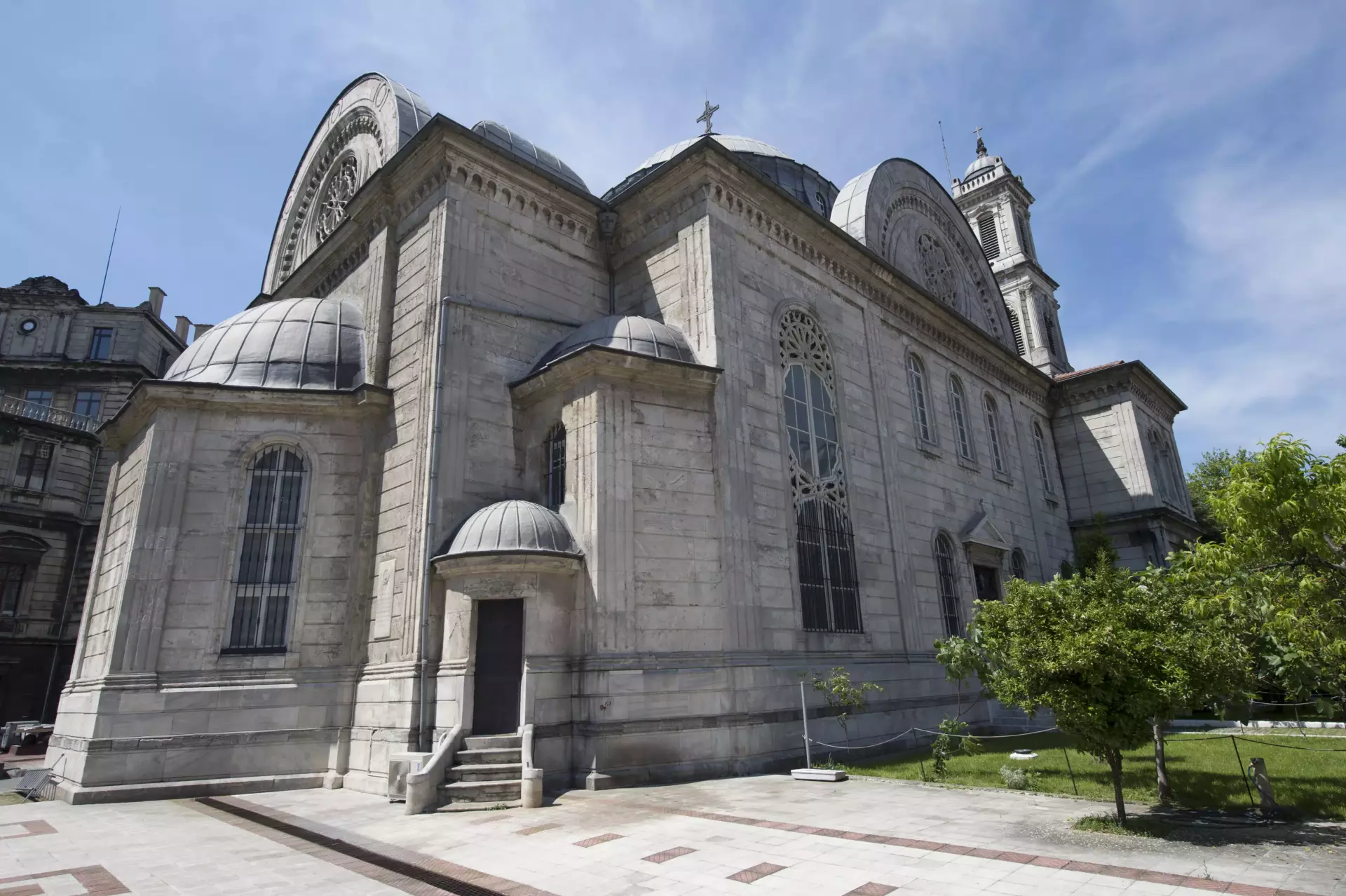
Hagia Triada Greek Orthodox Church
Istanbul, TurkeyA charming domed church built in 1880 at the side of Taksim Square, now uneasily contesting with Taksim Mosque for being the main landmark of the southern edge of the square.